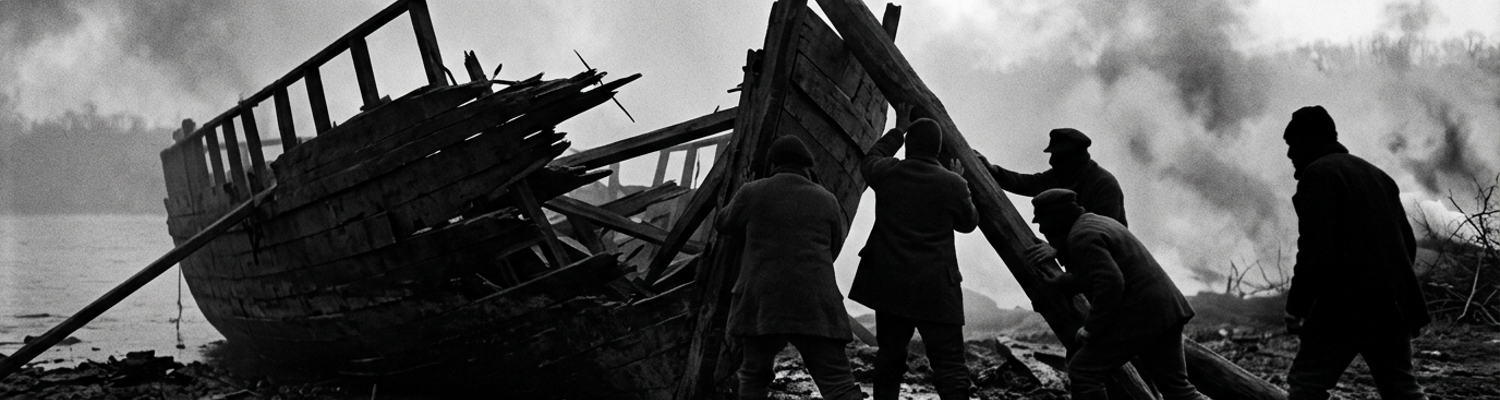

Establishment of Perry's Frontier Ranger Company
05 SEPTEMBER 1814. 0645 HOURS. 41 29 48 N, 090 36 07 W.
Archival evidence shows that federal authorization for Captain William Perry's company originated under the Congressional Ranger Act. This legislation passed to replace nonexistent regular army garrisons along the western rim of the republic. Perry received his captain's warrant directly from the Department of War. He was tasked with recruiting seventy-five woodsmen from the scattered river settlements of the Ohio Valley and the Illinois borderlands. Every recruit had to provide his own mount, rifle, flints, and six months of rations. They received one dollar per day.
The compensation offset total institutional neglect.
Weapons inspections conducted in early muster camps near Vincennes revealed an inventory of civilian hunting pieces. Men carried bored-out trade muskets and fragile cherrywood stocks. These stocks cracked during drill. Ordnance shortages forced local officers to barter for basic munitions. They secured bulk black powder from territorial depots. This powder routinely arrived damp, clotted, and chemically unstable (NARA Record Group 107). Quartermasters failed to issue standard uniform cloth. The company remained clad in grease-soaked homespun and untanned deerskin.
The War Department provided paper commissions. Frontier recruits absorbed the cost of their own survival.
A close review of operational logs indicates that the company deployed immediately as irregular light infantry. They covered an exposed crescent running from Fort Russell near Edwardsville into the salt-making settlements of the Missouri interior. British-aligned Sauk, Fox, and Kickapoo war parties struck isolated farmsteads along the Cuivre and Mississippi basins. They executed rapid, dismounted hit-and-run sweeps. To counter these fast-moving incursions, mounted patrols covered twenty-five miles of timbered bottomland each day. Officers discarded European manuals in favor of loose-order frontier tracking. They used small defensive outposts as resupply caches rather than fixed citadels.
Men learned to sleep in pairs.
They kept primed rifles beneath oiled blankets. This prevented morning dew from contaminating dry powder pans. Ammunition stores dwindled during an extended summer deployment between Fort Belle Fontaine and Portage des Sioux. Troopers cast round balls out of salvaged lead sash-weights. They shaved the casting sprues flat with hunting knives. The projectiles had to fit tight down fouled iron barrels.
Standard tactical doctrine collapsed the instant rifles engaged across untamed brush.
Upriver supply runs quickly became prime targets for ambushes near the Rock River rapids. Commanders pushed Perry's rangers into an unfamiliar combat role. They became dismounted tactical escorts aboard shallow-draft armed keelboats. These sixty-foot flat-bottomed craft lacked mechanical propulsion. Ten to twenty men stood on exposed catwalks. They pushed heavy wooden setting poles directly against river currents. When examining the historical record, river transport ledgers reveal the desperate technical troubleshooting required before casting off into hostile channels. Keelboat cargo hulls composed of green white pine offered zero protection against British-supplied brass three-pounders. High-caliber rifle fire from elevated bluffs penetrated the wood easily.
Rangers drilled three-inch auger holes through double-thickness oak cargo planks. They fabricated makeshift swivel-gun mounts. They fastened them directly over open bilge frames using hand-forged iron spikes. Hull seams flexed and opened under heavy recoil. Mechanics caulked the leaking timber with shredded tow rope boiled in animal tallow. They hammered scrap lead sheets over fresh splinters while drifting within small-arms range of the shoreline.
Close combat along the narrow river bends exposed the severe vulnerability of this improvised transport system. Incoming musket fire repeatedly severed the hemp cordelle tow ropes. Unpowered keelboats spun helplessly toward shallow mud bars. Mechanics crawled across exposed cargo boxes with drawknives and crosscut saws. They trimmed damaged gunwale planks to clear jam-prone steering sweeps. Riflemen maintained suppressive fire through narrow firing slits. Splintering hulls sprayed foot-long shards across the cramped decks. This generated grievous blunt-force puncture wounds alongside lead trauma. Frontline fighters packed shattered limbs with pulverized oakum. They improvised tourniquets using twisted bridle reins. Company surgeons lacked basic field kits.
By late August 1814, Perry recorded eighteen wounded men. They lay shoulder to shoulder in two feet of bilgewater beneath shattered gunwale timber.
Technical Vulnerabilities of Military Keelboats
Archival evidence shows that civilian river craft converted at St. Louis boatyards were never engineered to carry ordnance. They were not built to withstand disciplined fire. Frontier shipwrights modified these sixty-foot merchant hulls by spiking thick white-oak bulwarks directly onto existing pine gunwales and cargo boxes. The intention was to shield crews from frontier small-arms fire. Carpenters bored rough horizontal rifle slits every twenty-four inches. They braced the green four-inch oak slabs with half-inch iron drift bolts driven into the floor frames below.
The dense green timber successfully stopped low-velocity .54-caliber and .69-caliber lead balls fired from flintlock trade muskets.
It also imposed severe mechanical handicaps.
Unseasoned white oak weighed approximately sixty pounds per cubic foot. This added over three tons of top-heavy deadweight to each hull. This structural retrofit forced the craft six to eight inches deeper into the river. It destroyed their lateral stability. The boats rolled violently in fast water. Heavy balls striking the exterior at close range detached jagged inner spalls. Foot-long wooden splinters flew directly across the cramped rowing benches. Hull fastenings sheared under the constant stress. The oak plates loosened. River water flooded the interior.
A single direct hit transformed defensive armor into lethal secondary spalling.
When examining the historical record of river operations near the Rock River rapids, autumn navigation charts reveal an unforgiving riverbed. Mississippi River shallows and sandbars regularly grounded heavily laden river craft within lethal shore range. Between August and September 1814, water levels along the Upper Mississippi dropped to late-season lows. Channels near Campbell's Island shrank to depths of barely thirty-two inches. Deep-draft keelboats loaded with barrels of salt pork drafted over forty inches. They carried iron cookware, extra lead ammunition, and forty rangers. Vessels struck submerged alluvial sandbars with sudden, deadening force. They wedged fast fifty to seventy yards off the dense, willow-choked western bank.
Grounded hulls lost all steering leverage from their thirty-foot stern sweeps.
Stranded crews sat trapped directly inside the engagement envelope of British-aligned Sauk, Fox, and Kickapoo warriors. These fighters concealed themselves along elevated bluffs. Troops had to vault over the bulwarks into hip-deep water. They attempted to pry heavy timbers off the mud with hickory setting poles. They took continuous rifle fire during this process. Men stood immobilized in sucking mud. They were entirely exposed to enfilading crossfire.
River sandbars functioned as pre-sighted kill zones.
A close review of operational logs indicates that internal cargo placement created an equally severe threat beneath the feet of the crew. Vessels concentrated powder magazines in low holds beneath exposed, timbered gunwales. Military riggers placed thirty to forty kegs of black powder down into the bottom of the hull. They assumed that low center-line storage would protect explosive ordnance from direct horizontal fire. They believed it would stabilize the craft. Keelboat interior construction failed to isolate this hazardous cargo.
Gunwales and walkway planks directly overhead were unsealed.
They were separated from the lower hull by loose, warped pine decking. Wide seams and drainage scuppers pierced this wood. Smoldering linen wadding from the rangers' own weapons frequently fell through these unsealed deck gaps during rapid volleys. Shore-based warriors exploited this structural flaw. They shot fire-arrows tipped with sulfur and shredded dry bark into the gunwale joints. Embers sifted straight down into dry bilges adjacent to open powder barrels. Riflemen abandoned their loopholes under heavy fire. They extinguished internal sparks with river water and sodden blankets.
A single stray spark risked detonating three hundred pounds of ordnance in the bilge.
Tactical Ambush at Campbell's Island
Archival evidence shows that on the morning of July 21, 1814, upstream navigation collapsed across the Rock River rapids. The coordinates were 41 32 45 N, 090 26 10 W. A sudden gale out of the southwest pushed Lieutenant John Campbell's command flotilla across the main shipping channel. The wind drove the lead sixty-foot transport hard onto a submerged limestone shoal along the lee shore of Campbell's Island. River water receded rapidly behind late-season sand drifts. Keel clearances dropped to under twenty-eight inches within forty yards of dense willow thickets.
Sauk war chief Black Hawk coordinated approximately four hundred Sauk, Fox, and Kickapoo fighters along the brush-choked high bank.
They tracked the lead vessel as its pine bottom scraped stone and locked into the mud. When examining the historical record, company logs reveal that the trailing transport carrying Perry's rangers attempted to reverse course. They used reverse stern sweeps. The downstream draft sucked its rudder assemblies into an alluvial shelf fifty yards astern. Crewmen threw setting poles against the riverbed. Twelve-foot ash spars snapped under the sudden weight of the stalled wooden hulls.
Two immobilized gunboats sat pinned thirty paces from point-blank rifle pits.
A close review of operational logs indicates that concealed riflemen opened fire simultaneously from elevated willow blinds flanking the grounding site. British-supplied flintlock trade pieces and heavy hunting rifles poured continuous .58-caliber and .69-caliber lead balls into the exposed riverward flanks of the trapped boats. Lead shot shattered exterior sweep mounts. It ripped through canvas awnings. The rounds bored directly into the four-inch green oak bulwarks. Sauk warriors crawled through knee-deep river mud. They fired upwards through the four-inch scupper gaps cut along the waterline.
Soldiers attempting to prime deck swivels fell instantly across the cargo boxes. Snipers firing from positions barely fifteen yards away drilled them through the chest.
Warriors ignited dry grass heads with flint strikers. They bound flaming pitch and sulfur wadding to hunting arrows. They launched them into the dry cedar shingles of the central cabin roof. Flames caught within minutes along the uncaulked roofline. Dense white pine smoke funneled down through the hatchways into the confined bilge. Rangers huddled there over damaged cartridge paper and exposed wooden kegs.
Rifle smoke choked the enclosed cabins. Men could no longer see their flashpans.
Trapped beneath smoldering deck beams, Perry's rangers fought entirely from inside the reinforced freight boxes. They alternated between returning blind counter-fire and frantic mechanical salvage. Inboard hull faces exploded under incoming fire. Three-inch wooden spikes flew directly into the faces and necks of the riflemen wedged along the floorboards. Men took turns kneeling in three inches of foul bilge. They swabbed fouled iron rifle barrels with spit-soaked linen patches. They passed loaded pieces up to the firing slits. Others pried apart burning deck planks with broadaxes. They threw the burning wood overboard.
To maintain river navigation and bring the craft off the shoal, three rangers crawled out through the stern port under relentless fire. They used hand augers and salvaged iron drift pins. They re-hung a fractured steering sweep that had snapped against the limestone bottom. Bilge water mixed with blood rose over the ammunition crates. Mechanics pried open lead tins. They greased lock springs with salt pork fat so flint mechanisms would strike spark. Frontline fighters held their positions against scorched timber. Captain Stephen Rector's auxiliary vessel dropped downriver to lock gunwales alongside the burning hull. Surviving regulars and wounded rangers crossed a makeshift bridge of splintered setting poles. Rector's boat took forty-three hits through its own oak bulwark during the transfer.
Rangers pulled sixty-six lead balls out of the inner oak planking during the post-action hull refit at Fort Belle Fontaine.
Combat Hull Reinforcement Under Heavy Fire
Archival evidence shows that point-blank small-arms fire from the elevated shore bluffs shattered the defensive oak bulkheads of the grounded keelboats. This occurred within twenty minutes of the initial grounding.
Mechanics and riflemen dragged unseasoned green ash and cottonwood fuel logs from the low cargo holds. They manhandled them against the breached four-inch white oak bulkheads. .58-caliber round balls tore through the outer planking from positions thirty paces away along the willow thickets. Captain Perry directed frontline riflemen to wedge these six-foot green round timbers vertically against the fractured interior faces. They pinned them tight with ash wedges driven home by the flat heads of heavy felling axes. High-velocity lead flattened against the dense, sap-soaked green wood. It did not produce secondary interior spalls. This turned a failing wooden barrier into an eighteen-inch composite wall of deadwood, river silt, and bark.
Troopers worked on their knees in eight inches of fouled bilgewater.
They braced their shoulders against the timber balks. Sauk and Fox marksmen fired directly into the newly plugged gunports. Four rangers took direct rounds through their forearms. They were physically holding the unfastened logs in place before carpenters could seat the lower wedge pins into the floor frames.
Green sapwood absorbed incoming lead that had previously sliced clean through seasoned pine framing.
When examining the historical record of the Rock River engagement, company ordnance ledgers reveal severe structural damage. Lateral strain from the river current threatened to twist the upper gunwales completely off the cargo box frames. Concentrated musket volleys had sheared the original iron through-bolts. The forward ten-inch gunwale strakes buckled outward under the weight of the four-inch armor planking. Regulars from the 1st U.S. Infantry and Perry's rangers drove eight-inch hand-forged iron spikes directly through the splintered seams. They hammered the fasteners into vertical oak stanchions with heavy framing mauls. Snipers on the bluff targeted the metallic ringing of each strike.
Troopers next brought up sixteen-foot spare ash oars from the central catwalk.
They laid the thick wooden shafts horizontally across the fractured gunwale line. Working beneath continuous plunging fire, mechanics lashed the ash oars to the iron-spiked bulwarks. They used tarred hemp cordage and cordelle towlines. This formed rigid external splints. The splints counteracted the twisting leverage of the grounded keel.
Iron spikes and wet hemp converted split gunwales into rigid trusses under sustained fire.
A close review of operational logs indicates that this improvised structural bracing preserved the only defilade positions available to the trapped detachment. Sauk and Kickapoo fighters occupied elevated ground twenty feet above the water line. This generated a plunging angle of fire. It would have wiped out the crew if the gunwale bulkheads dropped six inches below the original sheer line. Shoring the failing wood prevented the port-side hull from collapsing inward. The continuous pressure of a three-knot river current pushed against the riverward flank.
Wounded riflemen, ammunition boxes, and reserve powder kegs remained shielded.
They sat inside thirty inches of dead space along the central keelson. Loaders dried saturated powder pans and swabbed fouled rifle grooves without exposing their heads to shore marksmen. Keelboat timbers held together long enough for crewmen to jettison surplus iron shot. They pulled clear into deep water. This prevented the hull from snapping across the limestone reef.
Post-action damage assessments recorded twenty-two iron spikes and three split oars holding the forward cargo bulkhead together upon arrival at St. Louis.
Fire Suppression and Powder Defense
Archival evidence shows that Black Hawk's Sauk, Fox, and Kickapoo warriors altered their targeting doctrine the moment the keelboats grounded hard along the Campbell's Island shallows. They stopped firing .58-caliber round balls against four-inch green oak bulwarks. Native archers operating from elevated willow bluffs twenty feet above the shoreline turned to incendiary arrow volleys. Warriors bound split-cane shafts with dry prairie grass, shredded inner cedar bark, and sulfur-treated wool scrap. They soaked the materials in deer tallow and pine resin.
Warriors ignited these heavy projectiles with flint strikers. The arrows looped high over the river.
They plunged down into the dried-out white pine catwalks, dry cedar roof decking, and exposed hemp rigging lines. The unpainted wood of the upper cargo boxes ignited upon impact. Weeks of midsummer sun had baked the timber bone-dry. Flaming arrowheads buried three inches deep into the grain. Burning tallow dripped directly from severed halyards onto the open decks. It ignited cordage coils. The thirty-foot steering sweep lanyards caught fire within six minutes of the initial broadside.
Severed hemp line burned directly across the exposed cargo deck.
A close review of operational logs indicates that surviving crewmen had to suppress these fast-spreading topside fires. They did this without exposing themselves to point-blank shore snipers. Keelboat sailors and dismounted rangers grabbed heavy hemp sailcloth tarpaulins. They slashed them free with belt knives. They dropped them over the river side on iron gaff hooks to saturate the fabric in the Mississippi current. Crewmen hauled these eighty-pound sodden sheets back over the gunwales. They dragged them directly across the flaming cedar roof panels.
Men scooped riverbed mud, thick clay, and gravel from the grounded bilge waterline using mess tins.
They slung the slurry over smoldering oak bulwarks to suffocate air gaps along the hull strakes. Rangers worked on their bellies beneath two feet of gunwale clearance. They pressed fistfuls of wet river silt into the smoking arrow gouges. Bullets tore through the upper canopy inches overhead. Mud and river silt stopped the draft from pulling embers through the loosened deck seams into the structural framing below.
Bare hands packed wet gravel into burning wood until the blistered pine stopped smoking.
When examining the historical record of the Rock River engagement, company ordnance accounts show a lethal hazard trapped deep within the sweltering cargo hold. Directly below the burning catwalks sat thirty-six wooden quarter-kegs of DuPont FFG black powder. They were stacked along the central keelson beneath warped, uncaulked deck planks. Internal temperatures inside the unventilated bilge climbed well past one hundred degrees Fahrenheit. The narrow thirty-inch crawlspace filled with sulfurous blowback and choking oak smoke.
Burning embers from the ignited decking dropped continuously through quarter-inch gaps between the floorboards.
They landed directly on the dry white-pine keg lids and loose burlap wrappers. Rangers stripped off their linsey-woolsey hunting frocks and deer-hide vests. They plunged the garments into stagnant bilgewater. They plastered them across the powder bungs and iron hoops. Troopers crouched in the dark over the exposed casks. They caught burning sparks in their bare palms. They smothered falling coals with spit-soaked trade blankets. Officers handed down bucketfuls of river slime to wet the keelson frames.
A single falling ember inside that airless crawlspace meant total vessel detonation.
Archival evidence shows that during the forty-minute fight alongside Campbell's Island, the crew dumped seventeen buckets of river silt across the magazine bay. They soaked forty pounds of damaged bulk powder into useless black paste to save the remaining reserve.
Noncommissioned Trauma Care During Downriver Withdrawal
Archival evidence shows that the surviving transports pushed out into the downstream channel away from the Campbell's Island shoals. The flotilla carried over thirty severely injured men into a three-hundred-mile retreat. Zero medical officers were on board. Regular army medical personnel had not accompanied Campbell's expedition. The company operated completely without trained surgeons, surgical instruments, or standard field pharmaceuticals.
Down in the unventilated cargo holds beneath the reinforced gunwales, Corporal William Garard and four ranger squad leaders established a field triage post.
They set up directly on the damp bilge floorboards. Bilge water mixed with blood, black powder soot, and river silt. It sloshed across the men's boots as the craft drifted through the main current. Garard separated casualties according to survival probability. He placed men with penetrating chest trauma on raised powder benches. He pushed soldiers with shattered extremities into the narrow space along the keelson. Squad leaders used broadaxes to hack away shattered pine partitions. They created six-foot clearance bays. Two men could hold down thrashing patients while noncommissioned officers examined deep puncture tracks.
No laudanum or whiskey existed to numb the pain.
When examining the historical record of Perry's company, equipment ledgers reveal that Garard converted armory maintenance tools and standard hunting gear into crude surgical implements. Soft .58-caliber and .69-caliber lead balls had mushroomed upon impact with the oak gunwales and human bone. Flattened metal discs embedded deep within thigh muscle and shoulder joints alongside driven-in wool fibers. To reach this buried ordnance, Garard heated scissor-action iron bullet molds over iron galley braziers until the metal jaws were red.
He used the rounded hollow cavities to clamp onto distorted lead projectiles.
He levered them out of torn muscle tissue. Men pried open puncture tracks with skinning knives ground flat along the spine. Compound fractures posed the greatest risk to life. Splintered femur and tibia ends projected several inches through ruptured skin. Garard trimmed jagged bone fragments with carpenter chisels. He manually set the limbs by applying mechanical traction with hemp cordage tied to the forward oak ribs. He immobilized the breaks using split white-ash barrel staves bound tight with cut rifle slings.
Bilge temperatures climbed above ninety degrees.
A close review of operational logs indicates that squad leaders had to prevent rampant putrefaction without carbolic acid or clean bandages. Salt pork barrels stored in the lower cargo hold provided the only accessible chemical debridement agent. Rangers worked over small charcoal fires sheltered inside iron camp kettles. They boiled concentrated river water saturated with coarse preservation salt to create a super-saline brine. Garard and his corporals poured this boiling-hot brine solution directly into open gunshot cavities and compound fracture sites.
This flushed out shredded deerskin, lead shavings, and decaying tissue.
Soldiers cut up unissued linen rifle-cleaning patches, grease-stained work shirts, and empty powder sacks. They boiled the coarse cloth in the brine kettles before packing the fabric deep into gaping incisions. Dressing changes occurred twice daily as the vessels drifted past the mouth of the Des Moines River. Men scrubbed suppurating flesh raw with stiff horsehair brushes soaked in the salt solution. They stripped away dying skin before it turned black.
Records compiled at Fort Belle Fontaine indicate that Garard's triage team kept twenty-four of the twenty-nine critically wounded men alive until the hulls docked at the St. Louis military levee on July 28.
Ammunition Depletion and Retreat to Fort Johnson
Archival evidence shows that after three days of continuous defensive engagements, ordnance supplies across Perry's detachment reached near-total depletion. Emergency flooding of the lower bilge holds to suppress topside fires had transformed over two-thirds of the expedition's bulk DuPont FFG black powder into waterlogged sludge. Quartermasters discovered fewer than eight uncompromised five-pound canisters sitting in dry stowage beneath the central keelson. Captain Perry and regular infantry commanders immediately instituted draconian powder and lead rationing protocols across every surviving vessel.
Each ranger was restricted to an exact count of four lead rounds in his leather pouch.
Strict standing orders forbade any soldier from pulling a lock unless targets closed inside thirty paces. Company sergeants physically inspected weapons. They drilled small wooden wedges into the hollow spouts of personal powder horns. This reduced individual priming charges from ninety grains down to forty-five grains. The altered powder charge degraded effective muzzle velocity across long river stretches. The reduced volume doubled the operational life of surviving dry powder kegs.
Powder horn throttles stretched sixty surviving charges across forty-eight hours of contested drifting.
When examining the historical record, company equipment manifests reveal that frontline riflemen maintained defensive firepower by extracting hostile ordnance directly from the damaged wooden superstructures. Enemy marksmen had pumped hundreds of British-supplied .58-caliber and .69-caliber lead balls into the exterior faces of the four-inch white oak cabins, pine catwalks, and ash steering sweeps. Rangers knelt behind damaged gunwales with hand turnscrews, hunting knives, and iron boat awls. They dug deep into splintered impact craters to lever out distorted, mushroomed lead slugs.
Riflemen collected the salvaged metal in cast-iron mess ladles.
They heated the scrap over charcoal braziers set inside the stone-ballasted cooking hearths. Mechanics poured the molten lead into handheld scissor-action bullet molds. They quenched the glowing metal in river water troughs before trimming the casting sprues with fine wood rasps. Troopers subsequently rolled the fresh .52-caliber round shot between slabs of river limestone. This flattened out casting seams that would otherwise strip the rifling of their iron barrels.
Digging lead from cabin oak yielded two hundred rounds of recast defensive ammunition before the flotilla passed the Des Moines rapids.
A close review of operational logs indicates that the battered detachment finally concluded its river withdrawal upon reaching the high limestone bluffs at Fort Johnson. The coordinates were 40 23 34 N, 091 21 43 W. Exhausted crews had manned the thirty-foot steering sweeps without relief for days. They held the leaking hulls in the center channel while taking sporadic rifle fire from Sauk tracking parties along the western bank. The flotilla grounded against the eastern shore below the rapids. Major Zachary Taylor ordered the immediate establishment of a defensive staging garrison.
Soldiers carried seventy critically wounded men up the muddy sixty-foot bluffs on makeshift stretchers fashioned from split ash oars and cut cordelle ropes.
Rangers and 7th Infantry regulars worked around the clock to preempt an assault by British artillery teams descending the Mississippi. They dropped white-oak timber with felling axes. They constructed a four-sided palisade and two-story blockhouse directly over the river landing. Mechanics dragged the ruined keelboats into an enclosed river cove. They drove cedar piles around the grounded pine bottoms to form a reinforced river stockade.
Rangers drove the final palisade timber into the limestone bluff at Fort Johnson without a single round of dry reserve powder in the company chest.