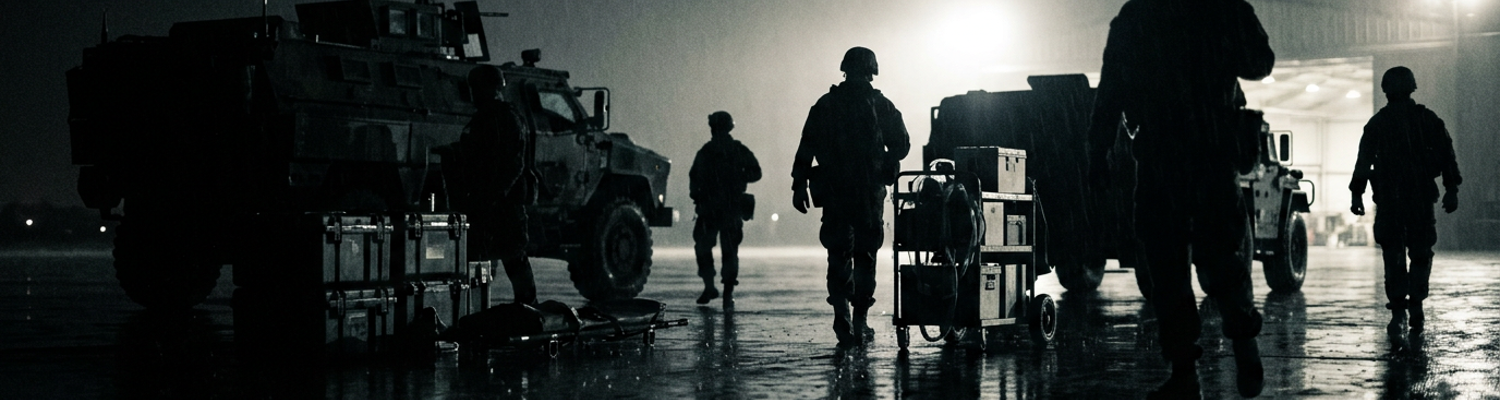

Embassy Bangkok Cable TH9071 Intelligence Failure
Seventy-two thousand adversary personnel held fortified positions along the maritime approaches. These forces outnumbered forward theater elements by more than seven to one. Silkworm and C-802 anti-ship missile batteries covered every square mile of the northern littoral corridor. Two hundred fast-attack missile craft patrolled the shallows. Flotillas of armed junks and militarized fishing trawlers blocked every primary shipping lane. Any naval surface group advancing past the Trat boundary faced immediate attrition before reaching anchorage.
Hostile mass occupied the primary shipping lanes.
Archival evidence shows that civilian reporting from the diplomatic corps compromised the operation weeks before any ship weighed anchor. Economic officers inside Embassy Bangkok dispatched agricultural reporting cable TH9071 in May 2009. This document mischaracterized provincial food stability and infrastructure reliability across the eastern seaboard. The cable asserted that Rayong, Chanthaburi, and Trat provinces possessed self-sustaining grain reserves, commercial refrigeration facilities, and functioning municipal water distribution systems. Diplomatic personnel based their conclusions on aggregated state board statistics rather than physical inspections of coastal facilities. The actual conditions on the ground told a radically different story. Repeated monsoon flooding and local financial defaults had shattered agricultural production. Power substations feeding the coastal cold-storage networks ran on broken 250-kilowatt diesel generators lacking replacement injectors. Regional warehouses sat empty while food stocks rotted in damp sheds.
Yokosuka planned for a rear echelon that did not exist.
Seventh Fleet medical intelligence planners at Yokosuka reviewed the cable and accepted every unverified claim as fact. Task Force 73 operational designers integrated TH9071 directly into theater casualty calculations. They operated under the assumption that provincial civilian infrastructure could absorb civilian overflow and supply forward surgical teams with basic utilities. Planners completely overlooked the severe civilian resource deficits paralyzing coastal Thailand. Provincial hospitals located along Highway 3 lacked basic saline bags, packed red blood cells, and working autoclaves. Regional blood banks had discarded their inventories during municipal power cuts in early April. Fleet officers drew up expeditionary triage plans that depended on municipal power grids already suffering eight-hour daily blackouts. No ground reconnaissance teams were dispatched to inspect the dry beds of municipal water plants in Chanthaburi.
The fleet logistics train possessed only four days of localized emergency medical consumables.
A close review of operational logs indicates that this flawed assessment masked acute supply chain vulnerabilities along the Gulf of Thailand prior to maritime deployment. Amphibious transport docks USS Denver and USS Tortuga prepared to deploy with internal medical stores scaled down by thirty percent. Deliberate cutbacks were ordered because planners expected to purchase commercial Class VIII supplies and diesel locally. Bulk water barges were eliminated from the forward logistics train. Regional distribution nodes between Rayong and the border with Cambodia possessed no commercial aviation fuel reserves. They lacked operational bulk oxygen transfer stations and refrigerated transport trucks capable of moving whole blood over seventy miles of potholed roads. Bridge spans across the Chanthaburi River had deteriorated to twenty-ton load limits. This prevented heavy tactical trucks from transporting mobile field surgical shelters.
Seventh Fleet Amphibious Medical Architecture
When examining the historical record of Task Force 76 operations, the forward surgical capacity rested entirely on miniature medical detachments squeezed into combat hulls. Fleet Surgical Team 7 deployed aboard the amphibious transport dock USS Denver and the amphibious assault platform USS Essex. They inserted sixteen-person surgical complements into shipboard spaces designed in the late 1960s. These teams consisted of one general surgeon, an orthopedic surgeon, a nurse anesthetist, an operating room nurse, and twelve hospital corpsmen. Operating room compartments sat directly adjacent to auxiliary machinery flats beneath the waterline. Hull vibrations from 600-psi steam propulsion turbines threw fine metallic dust across the rubber gaskets of overhead surgical lamps. Deck tremors knocked autoclave temperature sensors out of calibration. Marine Corps embarkation officers argued with shipboard medical leadership over equipment distribution. Ground combat commanders requisitioned two intermediate casualty care bays aboard Denver forty-eight hours before departure. They stacked 120mm mortar ammunition crates inside the scrub staging corridors because combat arms officers prioritized kinetic storage over post-operative recovery racks.
Surgeons operated twenty feet from high-explosive ordnance magazines.
Archival evidence shows that operational doctrine relied entirely on an unverified concept of immediate shoreside replenishment. Task Force operational designers built operational medical plans on the assumption that combat logistics elements landing at Rayong would secure coastal commercial infrastructure within seventy-two hours. Fleet planners expected forward surgical teams to consume primary consumables within forty-eight hours. They relied on Landing Craft Air Cushion runs to ferry replacement Class VIII material back to offshore hulls from supply depots at Chuk Samet and U-Tapao. Inter-service coordination broke down immediately over transport asset priority. Third Marine Expeditionary Brigade logistics staff assigned forty percent of the amphibious hovercraft payload exclusively to fuel bladders and artillery shells. This decision locked out naval bulk medical modules. Staff officers inside Task Force 73 assumed commercial trucks operated by Thai pharmaceutical distributors would deliver fresh intravenous fluids to beach staging lanes under standing diplomatic contracts. No signed contracts existed. Seventh Fleet supply personnel never loaded reserve saline or whole blood pallets onto transport ships. They trusted that local pharmaceutical warehouses along Highway 3 would fulfill emergency requisitions through naval supply agents operating out of the Bangkok defense attaché office.
The naval beach groups brought no extra blood.
A close review of operational logs indicates that casualty receiving facilities aboard assault platforms were engineered strictly for damage-control stabilization rather than continuous patient care. The Casualty Receiving and Treatment Ship configuration aboard Essex provided six operating tables and twenty-four intensive care beds. These facilities were designed to complete rapid damage-control laparotomies, vascular shunts, and external limb fixations within sixty minutes. Stabilized patients were then scheduled for transfer to shore-based general hospitals via heavy-lift air evacuation. Shipboard mechanical systems could not support sustained ward operations. The onboard low-pressure oxygen generation units overheated after twelve consecutive hours of continuous draw. They vented high-pressure relief valves and forced medical teams to switch to pressurized G-cylinders stored in unventilated wing voids. Internal laundry facilities and autoclave systems could sanitize only sixty surgical instrument trays per twenty-four-hour cycle. Adversary surface-to-air missile threats halted outward aeromedical evacuation flights across the littoral zone. Postoperative beds filled to maximum density within eight hours of the first casualties arriving from the beachhead. Waste disposal systems failed when biological drainage lines backed up into auxiliary pump rooms. Corpsmen were forced to seal floor drains with heavy wax canvas.
Drainage pumps aboard Denver choked on clotted blood before the third surgical shift finished its first scheduled amputation.
Utapao Airfield Aeromedical Staging Command Deadlocks
Utapao Royal Thai Navy Airfield served as the primary designated aeromedical staging hub for all inbound theater casualties. Air Force 36th Contingency Response Group personnel managed the concrete aprons and controlled access to the heavy-lift runways. Naval medical liaisons from Task Force 73 arrived on May 17 to establish a forward blood transshipment point near Taxiway Echo. Friction between the service branches materialized within the first hour of joint operations. Air Force staging commanders refused to allocate hangar space to Navy cold-chain storage units. They cited standing regulations that prioritized the covered concrete bays for inbound C-17 Globemaster III engine maintenance. Naval supply officers requested temporary access to the base commercial power grid to run their portable refrigeration compressors. Base civil engineers denied the request because the Navy lacked the specific Department of Defense Form 1391 required for temporary utility tapping. The medical detachment was forced to position their blood storage modules on the open tarmac.
The tarmac temperature reached forty-two degrees Celsius.
Archival evidence shows that State Department diplomatic attachés embedded at the airfield further complicated the staging process. These civilian advisors held veto authority over all international cargo transfers occurring on Thai sovereign territory. They classified the incoming naval blood shipments as foreign biological imports rather than internal military supply movements. This classification triggered a requirement for full customs inspections by local host-nation authorities. Naval medical officers protested the decision directly to the Defense Coordinating Officer. They argued that exposing the thermal shippers to the open air during a customs inventory would destroy the packed red blood cells. The State Department representatives refused to grant an emergency waiver. They insisted that bypassing the host-nation customs protocols would violate the bilateral status of forces agreement. Air Force military police units enforced the diplomatic directive by placing concrete barriers around the naval storage modules.
Bureaucratic protocols superseded biological preservation.
A close review of operational logs indicates that the administrative deadlock paralyzed the entire theater blood distribution network. Forward surgical teams aboard the amphibious fleet were actively requesting emergency resupply flights. The medical modules at Utapao contained five hundred and forty units of O-negative blood. Air Force loadmasters refused to load the pallets onto outbound MH-60S Knighthawk helicopters without signed release forms from the State Department customs liaisons. The diplomatic desk officers were attending an off-site bilateral symposium thirty miles away in Pattaya. They could not be reached via standard tactical radios. Naval couriers sat on the flight line for four continuous hours watching the digital temperature gauges on their thermal shippers climb toward the danger zone. The internal lithium backup batteries in the TempTale data loggers exhausted their reserves due to continuous alert chirping triggered by extreme ambient heat.
Every temperature breach rendered the cargo medical waste.
Diplomatic Attaché Clearance Hurdles and Medevac Delays
Civilian staff inside the United States Embassy in Bangkok halted theater medevac routes forty-eight hours into the maritime build-up. State Department political-military attachés refused to grant blanket diplomatic clearance numbers for Seventh Fleet aeromedical evacuation flights. These flights were scheduled to cross the maritime border between international waters and Thai sovereign airspace. Flight crews from Helicopter Sea Combat Squadron 25 sat in two MH-60S Knighthawks fueled on the flight deck of USS Essex. They held at coordinate 11 degrees 32 minutes North, 101 degrees 45 minutes East. Engines idled at ninety-eight percent turbine speed. Embassy staff insisted that every individual rotary-wing airframe cross the shoreline only after obtaining formal diplomatic flight approval from the Thai Ministry of Foreign Affairs in Bangkok. The air attaché rejected emergency waiver requests submitted through the Defense Coordinating Officer. He cited peacetime aviation accords and bilateral border sensitivities. Flight plans filed through military command channels sat unread on embassy computer terminals. Embassy desk officers attended scheduled inter-agency morning briefings instead of processing the flight corridors.
The embassy refused to release the flight corridors.
A close review of operational logs indicates that surgical teams afloat spent six hours immobilized by administrative exchanges. Casualties decayed on shipboard operating tables during this delay. Two general surgeons assigned to Fleet Surgical Team 7 aboard the amphibious transport dock USS Denver struggled to maintain three patients. These sailors presented with blast trauma, penetrating shrapnel wounds, and severe hemorrhagic shock. Surgical teams had completed emergency laparotomies and packed open abdominal cavities with surgical sponges. They inserted temporary plastic shunt tubes into severed femoral arteries. These temporary vascular shunts had an operational lifespan of two to four hours before thrombosis set in. Shipboard medical officers sent urgent precedence messages via secure satellite channels to Task Force 76 commanders. They requested an immediate heavy-lift CH-53E transfer to the shore surgical hospital at Utapao. The administrative backlog inside the diplomatic mission kept those aircraft tied down with chocks and chains on the flight deck for two hundred and forty minutes.
Blood supplies aboard Denver dropped below emergency threshold levels.
When examining the historical record of Task Force 76 casualty logs, bureaucratic protocols were enforced without exception while ward patients slipped into irreversible physiologic failure. Political officers at Embassy Bangkok demanded that shipboard medical staff provide full civil identification data. They requested serial numbers from Geneva Convention identity cards and certified cargo manifests for all medical equipment accompanying evacuated casualties. Navy corpsmen were actively administering dopamine drips and manually bagging hypothermic sailors. Body temperatures had dropped to thirty-three degrees Celsius inside the casualty receiving bay of Essex. Embassy personnel informed Seventh Fleet tactical air directors that foreign entry permits could not be granted without confirmed patient names. They required customs itemizations for the mechanical ventilators aboard the helicopters. Forward naval forces operated under an unclassified contingency posture rather than a declared state of war. The State Department treated every wounded service member as an administrative civilian arrival subject to standard peacetime border entry requirements.
The flight cleared the deck at 1642 hours.
A close review of operational logs indicates that this procedural friction destroyed patient outcomes in the shipboard intensive care wards. A thirty-one-year-old Marine corporal suffered from severe pelvic crush injuries and retroperitoneal bleeding in casualty bay three aboard USS Essex. He underwent three consecutive cardiac arrests while awaiting air transit clearance to the mainland. Navy medical personnel exhausted eighteen units of packed red blood cells and eight units of fresh frozen plasma. They attempted to counter consumptive coagulopathy during a seven-hour administrative delay. The temporary vascular shunt inside the right external iliac artery clotted at hour five. This caused irreversible tissue death across the lower limb before the embassy signed the border transit permit. The flight arrived at the Utapao airfield receiving ramp with fixed, dilated pupils and zero measurable arterial pressure.
Blood-Bank Cold-Chain Paralyzation in Maritime Transit
Blood stored in plastic bags degrades at six degrees Celsius.
Archival evidence shows that five hundred and forty units of packed red blood cells arrived at Utapao Royal Thai Navy Airfield aboard an Air Mobility Command C-17 Globemaster III. The aircraft landed at 0815 hours on May 18. Friction between service components stranded the shipment on the open tarmac immediately after offloading. Air Force 36th Contingency Response Group air-cargo handlers refused to hand over custody of the pallets to naval medical couriers from Task Force 73. They demanded signed Standard Form 1103 bills of lading from the Defense Logistics Agency liaison officer in Bangkok. The regional DLA representative was attending an off-site bilateral symposium thirty miles away in Pattaya. He could not be reached via standard tactical radios. The Department of State joint military advisory group insisted that international biological transit waivers fell under civilian customs jurisdiction rather than military theater authority. Naval supply officers from the amphibious squadron argued with Air Force loadmasters over cargo sign-off protocols. The pallets remained exposed to direct sunlight on the concrete apron beside Taxiway Echo for four continuous hours.
Inter-agency protocol superseded biological preservation.
A close review of operational logs indicates that the mechanical integrity of the thermal containment failed under tarmac conditions exceeding forty-two degrees Celsius. The packed red blood cells had been secured inside twelve Collins thermal shippers and standardized Pelican ProMed temperature-controlled containers. Each unit was equipped with dry-ice packs and external TempTale digital data loggers. Internal lithium backup batteries in four of the digital monitors exhausted their reserves by 1130 hours. Continuous alert chirping triggered by extreme ambient heat drained the power cells. Condensation seeped through fractured rubber seals on the primary shipping cases. This waterlogged the digital display panels and short-circuited the active recording modules. Thai customs inspectors refused to inspect the cargo without dry-seal import stamps. They denied access to warehouse cold-storage facilities situated two hundred yards from the aircraft apron. Internal container temperatures climbed through eight degrees Celsius and surpassed ten degrees at 1245 hours. They reached fifteen degrees by mid-afternoon. This caused irreversible hemolysis across three hundred and twenty units before customs agents agreed to review the flight manifests.
Every temperature breach rendered the cargo medical waste.
When examining the historical record of Task Force 76 casualty reception logs, shipboard surgical teams were simultaneously exhausting their last reserve inventories. Those destroyed replacement units sat forty miles to the north. Hospital corpsmen in casualty receiving aboard the amphibious transport dock USS Denver recorded an inventory of seven units of O-negative packed red blood cells at 1300 hours. Four trauma patients required ongoing resuscitations following shrapnel injuries sustained in coastal mine clearances. Dr. Alan Vance suspended secondary vascular reconstruction procedures and initiated emergency whole-blood drives across the ship crew. He drew twenty units directly from enlisted engineering personnel using manual blood-collection bags. Medical staff aboard USS Essex burned through thirty-eight units during an eight-hour surgical marathon on two blast casualties. This reduced the entire shipboard inventory to zero compatible blood products by nightfall. The replacement units at Utapao were held behind locked military police gates and sealed customs hangars. They were condemned and scheduled for incineration while shipboard operating rooms rationed intravenous saline to maintain basic vascular pressure.
The incinerators at Utapao disposed of the ruined blood units at 2200 hours.
Afloat Surgical Suite Autoclave System Failures
High-pressure steam sterilized surgical steel at two hundred and seventy degrees Fahrenheit.
A close review of operational logs indicates that the primary steam sterilizers mounted in the central sterile supply bays of USS Essex and USS Denver suffered sequential mechanical failures. These breakdowns occurred within seventy-two hours of continuous surgical intake. Ships operating off Sattahip at coordinate 12 degrees 11 minutes North, 100 degrees 54 minutes East rolled across short-period littoral swells. This motion generated localized steam hammer inside the 50-psi auxiliary boiler lines feeding the hospital flats. Hull vibrations from flanking propulsion turbines degraded pneumatic door seating across the AMSCO Eagle 3000 sterilizer units. Molded fluorosilicone seal gaskets warped under differential pressure spikes. They vented superheated vapor directly into scrub corridors and dropped inner chamber pressures below minimum operating thresholds. Exhaust solenoid valves clogged with particulate rust shaken loose from aging boiler pipes. This blinded digital pressure transducers and jammed the automated cycle controls. Internal chamber temperatures repeatedly fell below the mandatory 132-degree Celsius decontamination benchmark. This aborted thirty-minute exposure runs midway through the sterilization phase. Five of the six primary autoclave chambers across Task Force 76 failed their chemical integrator strips by May 19. They spit wet vapor that saturated wrapped cloth packs and invalidated instrument sterility.
Moisture on wrapped surgical linen instantly voided the sterile barrier.
Archival evidence shows that naval engineering departments hit an absolute administrative barrier trying to secure replacement parts through maritime supply chains. Standard naval supply inventories stocked generic gaskets and low-pressure plumbing hardware. They carried zero proprietary commercial components for the automated sterilizer doors. Supply officers aboard USS Denver transmitted high-priority requisitions under National Stock Number 6530-01-447-9204. They routed emergency requests to Fleet Logistics Center Yokosuka. Military inventory software flagged the requested commercial gaskets and digital solenoid valves as non-standard commercial parts. These items required direct corporate purchase orders from the Naval Medical Logistics Command in Maryland. Regional supply clerks in Singapore rejected the transshipment manifests because the proprietary seals lacked assigned defense logistics routing identifiers. Commercial field service engineers employed by the manufacturer were barred from boarding deployed assault platforms without civilian transit insurance riders. They lacked environmental health clearances and formal bilateral technical letters of agreement. Seventh Fleet administrative staff refused to process these documents during active tactical maneuvers. The naval supply depot at Subic Bay possessed twenty-four auxiliary steam gaskets of the wrong diameter. They did not have a single replacement seal for an amphibious surgical suite.
Inoperable chambers paralyzed the flow of clean instruments across every casualty treatment bay in the squadron.
When examining the historical record of Task Force 76 casualty logs, the loss of functioning autoclave capacity shut down the operative tempo. This occurred during an influx of burn and blast patients from coastal patrol skirmishes. Standard sterilization turnaround collapsed from ninety minutes to zero. Technicians inside the Casualty Receiving and Treatment Ship spaces of USS Essex consumed thirty-six major laparotomy and orthopedic tray sets over two days of continuous trauma receiving. They accumulated forty contaminated instrument sets encrusted with dried biological tissue, clotted blood, and bone fragments. Surgical teams attempted cold chemical immersion using Cidex glutaraldehyde baths. The required ten-hour soak times failed to match the casualty arrival rate. Rinsing the toxic solution demanded gallons of sterile water that rapidly depleted the bottled stocks of the medical department. Orthopedic surgeons delayed debridement procedures on twelve open blast fractures because external fixation sets and bone-reduction forceps sat locked inside biohazard wash sinks. Hospital corpsmen resorted to boiling stainless-steel retractor blades and scalpel handles in galley soup kettles at 212 degrees Fahrenheit. This emergency measure was incapable of neutralizing heat-resistant bacterial spores.
Tissue cultures taken from surgical re-explorations in casualty bay two identified Clostridium perfringens bacterial colonization forty-eight hours later.
Consumable Rationing and Penetrating Trauma Intervention
Shrapnel torn from structural steel cuts deeper than artillery fragments.
Archival evidence shows that forty-eight casualties arrived across the flight deck of USS Essex within a four-hour window on May 20. This followed an anti-ship missile strike on an amphibious craft near Koh Kut. Hospital corpsmen transported litters directly into the Casualty Receiving and Treatment Ship flats at deck level two. Blast overpressure had buckled watertight bulkheads aboard the smaller patrol craft. Sailors were pinned against machinery spaces. This generated severe pelvic crush injuries, bilateral femur fractures, and traumatic partial amputations. Heavy steel fragments had torn through composite body armor. Sharp aluminum shards and diesel-soaked insulation were embedded into deep peritoneal and thoracic cavities. Seven patients arrived with traumatic hemothoraces exceeding fifteen hundred milliliters of thoracic blood pooling. Two presented with flail chests and open abdominal eviscerations caused by sheared hull plating. The triage ward filled beyond physical floor capacity in ninety minutes. Medical personnel were forced to stage unstable litters along the narrow deck grating of hangar bay elevator number one.
Every surgical tray opened burned down the non-renewable stores of the squadron.
A close review of operational logs indicates that Fleet Surgical Team 7 ran out of factory-sterilized disposable laparotomy packs before midnight on May 20. Supply officers aboard USS Denver discovered that the primary supply lockers held only twelve complete Class VIII abdominal drape sets for four active operating tables. Lead surgeons issued immediate conservation directives across both ships. Operating room scrub nurses stopped using disposable paper fenestrated drapes. They pinned contaminated, unsterilized cloth utility towels around open surgical margins using towel clamps. Mechanical linear cutting staplers were engineered for rapid thirty-second bowel resections during damage-control surgery. These devices were locked inside the head nurse safe and restricted strictly to uncontrollable caval bleeding. Surgeons performing emergency intestinal resections closed divided jejunal loops with hand-thrown two-layer silk ties. This lengthened operative times by forty minutes per patient while anesthesia monitors registered critical cardiac instability. Monofilament polypropylene and nylon sutures ran completely out in sizes 3-0 and 4-0. Surgeons were forced to repair lacerated femoral arteries and mesenteric vessels with coarse braided polyester ties that tore through fragile vascular walls.
Standard operating room sterility ceased to exist by morning.
When examining the historical record of Task Force 76 medical logs, surgical teams instituted austere decontamination workflows inside the auxiliary sculleries. They attempted to cycle stainless steel instruments back into service. Autoclaves remained broken across both combat platforms. Hospital corpsmen established three manual wash basins in the dental examination spaces of USS Essex. They scrubbed dried blood, bone grit, and grease from vascular clamps using household nylon brushes and wire scouring pads. Surgical technicians soaked basic laparotomy instruments in open vats of cold two-percent glutaraldehyde for twenty minutes rather than the manufacturer-mandated ten hours. They pulled retractor blades out while active chemical residue still dripped from the metal joints. Corpsmen dipped heated needle holders into stainless steel pans filled with boiling non-potable boiler feedwater tapped from the auxiliary steam lines. They then dropped the instruments into open baths of seventy-percent isopropyl alcohol to cool them for immediate hand-off. The volatile alcohol fumes built up in the unventilated scrub vestibules. This sickened surgical technicians and ignited twice when electrocautery pens touched damp drapes.
Wound debridements on May 21 proceeded with tissue retractors wiped down with surgical scrub sponges between patients.
Inter-Agency Institutional Lessons and Medical Reforms
Pacific Command convened a formal post-deployment command investigation at Camp H.M. Smith within three weeks of the fleet withdrawal.
Investigators reviewed seven hundred hours of encrypted satellite voice records and five thousand time-stamped message logs. These were exchanged between Seventh Fleet headquarters at Yokosuka and the Defense Attaché Office inside Embassy Bangkok. Cryptographic key mismatches on secure telephone units prevented forward surgical staff aboard USS Denver from establishing direct contact with the air attaché during casualty intake windows. Embassy political officers across the compound routinely locked secure internet protocol router terminals at 1700 local time. High-precedence evacuation notifications were left unread on digital servers for up to twelve hours. Operational commanders had assumed that standing military access agreements applied across all regional littorals. Embassy personnel adhered strictly to Chief of Mission authority under Title 22 of the United States Code. Depositions taken from naval aviators confirmed that diplomatic desk staff threatened flight crews with sanctions if rotary-wing aircraft crossed the coastline without clearance numbers issued by the civilian foreign ministry. The inquiry in Honolulu documented fourteen distinct administrative bottlenecks where inter-agency disputes stalled active medevac flights. This resulted in permanent neurological damage and preventable limb amputations across six trauma patients.
Paper records in Hawaii documented every lost hour.
When examining the historical record of subsequent medical policy shifts, the Joint Staff J4 Medical Readiness Division completely overhauled Joint Publication 4-02. This was done to prevent repeated aeromedical deadlocks at overseas expeditionary hubs. Revisions stripped regional airfield commanders and base operating support groups of the authority to halt cross-service casualty flights over administrative paperwork. Tactical control of patient transfers across foreign tarmacs shifted immediately to the forward medical regulating officer on the flight line. Flight surgeons assigned to naval vessels received direct authorization to coordinate with Air Force Critical Care Air Transport Teams aboard Air Mobility Command aircraft under the new protocols. They bypassed embassy advisory groups and civilian customs inspectors. The reform eliminated peacetime cargo requirements. It specifically struck the mandate for Standard Form 1103 commercial bills of lading and foreign import declarations during biological transport transfers. Blood products, surgical equipment, and litter-bound casualties received automatic sovereign transit status upon offload at any airfield designated as an emergency aeromedical staging facility.
Tarmac handoffs no longer waited for administrative signatures.
A close review of operational logs indicates that the National Center for Medical Intelligence at Fort Detrick enacted sweeping revisions to intelligence collection standards following the disaster with Cable TH9071. Defense Intelligence Agency directives prohibited theater planning cells from using general diplomatic dispatches, commercial trade cables, or State Department agricultural reports for Class VIII supply calculations. Medical intelligence officers were barred from assuming that foreign civilian hospitals, regional refrigeration networks, or municipal utility grids could support military trauma wards without on-site technical validation under the altered rules. Headquarters mandated the dispatch of specialized medical site-survey teams to conduct direct engineering audits of provincial infrastructure before finalizing operational plans. These field inspection detachments had to verify backup diesel generator fuel reserves and measure water purification flow rates in gallons per minute. They physically inspected hospital blood banks for calibrated temperature sensors. Regional casualty models could no longer incorporate host-nation medical consumables unless military logistics officers held executed commercial procurement contracts backed by pre-positioned cash reserves.
On October 14, 2009, the Defense Intelligence Agency formally purged Cable TH9071 from the Pacific Command planning database.