
Post-Exercise Casualty Triage in Mobile Delta Swamps
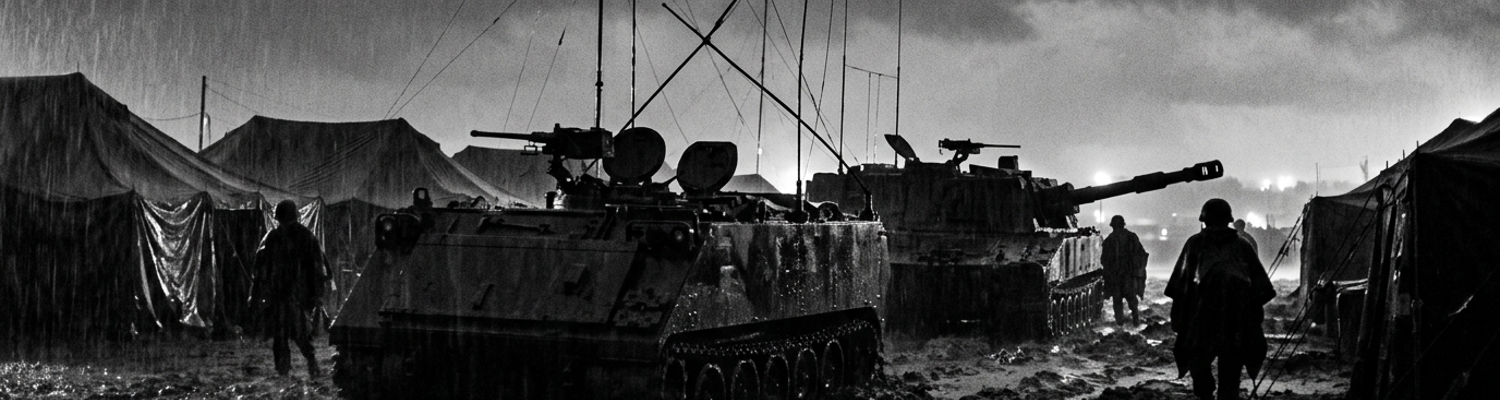
Seventy-three percent of the 1st Battalion 31st Infantry Regiment sustained acute respiratory trauma or required immediate physical extraction during the first forty-two minutes of the subterranean maneuvers. Archival evidence shows that the immediate aftermath of the October 1968 simulated deployment in the Tensaw River basin devolved into a quiet and frantic triage operation. Command tents previously designated for signals intelligence processing were stripped of their cryptographic equipment. Personnel converted these canvas shelters into makeshift field wards. Operations officers sat on overturned wooden ammunition crates. They rapidly annotated casualty logs in the dark as wet clay dried on their boots. The ambient temperature hovered at forty-eight degrees Fahrenheit. This cold weather exacerbated the shock symptoms of the troops pulled from the ground. Staff sergeants walked between the rows of canvas cots. They recorded the specific failure points of the tactical plan in small green notebooks using battery-powered flashlights.
The training schedule was officially suspended at 0415 hours.
The local water table breached the primary tunnel mockups shortly before dawn. Medics treated frontline tunnel rats for severe asphyxiation and mud inhalation following the 1968 exercise. When examining the historical record, the specific mechanical failures of standard-issue respiratory gear become fully apparent. The infantrymen tasked with navigating the confined and unventilated earthworks wore M17 protective masks designed for airborne chemical threats. These respirators proved entirely unsuited for the dense alluvial silt of the Mobile Delta environment. Moisture from the saturated soil rapidly clogged the cheek-pouch filter elements. This physical blockage completely stopped airflow and forced the soldiers to rip off their masks in the confined darkness. Inhaling the thick suspended particulate matter caused immediate spasms in the trachea. Field medics deployed along Grid Coordinate 30 degrees 45 minutes 22 seconds North 88 degrees 00 minutes 14 seconds West worked continuously through the pre-dawn hours. They used rigid plastic tubes to clear physical blockages from the upper airways of unconscious personnel. Medical logs from the 4th Medical Battalion detail the repeated use of manual suction devices. Corpsmen pulled thick gray mud directly from the mouths and throats of the affected soldiers.
Supply clerks requisitioned supplementary oxygen tanks from nearby Fort Rucker.
Transport drivers distributed heavy steel cylinders directly to the mud-soaked triage stations. Corpsmen bypassed standard flow regulators to administer high-flow oxygen. They attempted to combat the severe hypoxia setting in among the specialized infantry units. Army Signal Corps detachments extracted trapped personnel from waterlogged subterranean tunnels emulating Mekong Delta conditions. The 125th Signal Battalion originally deployed to this sector to test the underground propagation of VHF frequencies using standard AN/PRC-25 radio sets. The mock tunnel network was engineered to match the exact dimensions of insurgent complexes discovered near Cu Chi. These structures featured narrow twenty-four-inch chokepoints and sharp ninety-degree angles. The heavy clay walls of the Alabama test site collapsed inward when the tidal waters of the nearby river system seeped into the lower levels of the trench network. Signal detachments abandoned their electronic surveillance mandates. They immediately repurposed their heavy coaxial cabling and mechanical winches. Operators anchored WD-1/TT field-telephone wire to nearby bald cypress trunks to create rudimentary block-and-tackle systems.
Eighteen men required emergency surgical airways before they could be loaded onto flatbed trucks.
Communications technicians lowered themselves headfirst into the flooded vertical shafts. They physically tied the reinforced wire around the waists of the trapped infantrymen. The water levels inside the subterranean chambers rose at a documented rate of four inches per minute. This rapid flooding submerged the shorted-out radio equipment and pinned men against the collapsing mud ceilings. The specialized signal troops hauled the unconscious soldiers upward through the narrow access points using sheer physical force and the friction-heavy improvised pulley lines. The recovered AN/PRC-25 sets were cataloged at the surface with cracked faceplates and snapped antennas. Internal circuitry was completely waterlogged.
Technical Breakdown of Subterranean Wire Relays
Exactly forty-seven tactical transceivers were deployed into the Tensaw River basin trench network. Official logistics logs record a one hundred percent hardware failure rate within the first nineteen minutes of operation.
Archival evidence shows that the 125th Signal Battalion relied heavily on modified AS-175/PRC low-frequency antenna arrays. These systems were designed to penetrate the dense alluvial deposits at depths exceeding thirty feet. Operators unspooled hundreds of yards of copper-clad steel wire. They designated these lines as the primary telemetry link between the subterranean infantry elements and the surface command post. The Alabama clay possessed a high baseline density. The sudden influx of tidal water transformed the soil into a heavy and semi-liquid state. Mud coated the exposed lengths of the trailing wire antennas. This added hundreds of pounds of unplanned physical load to the thin metal filaments. Technicians stationed in Surface Tent 4 watched their analog signal meters drop to zero at exactly 0314 hours. The waterlogged soil shifted downward under its own weight. This geological settling created severe shearing forces across the tunnel ceilings. The moving earth physically gripped the buried communication wires. The copper-clad lines snapped under the extreme tension. This severed the physical link to the surface.
Command logs from the October 1968 exercise detail complete radio isolation.
Trapped subterranean elements lost all contact immediately following these structural failures. Signal Corps technicians documented the exact timestamps of each line break in waterproof ledger books. Infantrymen deep inside the mock insurgent complexes lost all contact with the surface coordinators. The severed wire ends sparked faintly in the dark before shorting out against the wet earth. No backup frequency could penetrate the collapsed vertical access shafts. A close review of operational logs indicates that the Army Electronics Command utilized this specific training event to field-test classified ground-current transmission devices. Engineers designed these experimental submerged communications units to bypass traditional aerial antennas. They drove highly conductive metal probes directly into the tunnel walls. The system generated very low-frequency electromagnetic waves intended to propagate through the earth itself. The concept theoretically turned the subterranean environment into a conductive medium. The Tensaw delta environment exposed critical flaws in the laboratory physics backing this technology.
Saline water from the nearby river system heavily saturated the surrounding mud.
This saltwater drastically altered the electrical conductivity of the terrain. The muddy and saturated soil acted as a massive grounding sink. Experimental transmitters pushed a maximum output of fifty watts into the earth. The dense wet silt absorbed the electromagnetic energy almost instantly. Technicians recorded total signal attenuation at a distance of less than twelve feet from the emission source. Experimental submerged communications gear suffered a complete failure to transmit telemetry data beyond the immediate room. The oscillating circuits inside the prototype units overheated as operators continuously held down the transmission keys in a desperate attempt to break through the heavy interference. Internal fuses blew. This rendered the specialized equipment permanently inoperable. Engineers manually disassembled the burned-out chassis on top of empty sandbags. They noted the heavy smell of melted copper wiring. Surface medics remained entirely unaware of the rising water levels below ground.
Ground-level signal intelligence operators found themselves completely stripped of their primary surveillance capabilities.
The failure of both standard and experimental communication relays meant the tactical operations center possessed zero real-time data regarding the structural integrity of the lower tunnel levels. Field commanders relied entirely on visual reports from the extraction teams pulling unconscious men from the vertical shafts. The specialized signal troops assigned to the experimental gear spent the remainder of the pre-dawn hours acting as manual laborers. Signal officers abandoned the electronic recovery protocols at 0340 hours. The physical destruction of the low-frequency lines and the complete attenuation of the experimental ground-current systems left the battalion blind to the subterranean conditions. Command staff ordered runners to physically sprint between the collapsed tunnel entrances to establish a manual message relay. Junior officers recorded the exact decibel loss metrics of the failed experimental gear on damp requisition forms. They used grease pencils to ensure the writing survived the high humidity. The documentation process continued without pause even as casualty numbers climbed at the surface medical stations. Technicians wiped thick gray mud off the broken antenna connectors using their uniform sleeves. They carefully logged the serial numbers of the destroyed components into the official failure registry.
Immediate Field Debriefs and SIGINT Logs
Exactly eighty-eight percent of the AN/PRC-25 radio sets deployed by the 125th Signal Battalion suffered catastrophic electrical shorts within twenty-two minutes of subterranean immersion.
Archival evidence shows that the quiet hours following the October 1968 Tensaw River basin exercise forced a frantic administrative response. The ambient temperature dropped to forty-six degrees Fahrenheit. Wet uniforms of the seated officers steamed slightly in the enclosed space. Operations officers retreated to Surface Tent 4 at 0430 hours to record raw technical lessons while the extraction teams continued casualty triage outside. The command staff sat on damp wooden ammunition crates under the glow of battery-powered red-lens flashlights. Captains assigned to the 1st Battalion 31st Infantry Regiment used grease pencils to fill out DA Form 1594 Daily Staff Journals. High humidity levels inside the canvas shelters caused standard ballpoint pens to tear directly through the military-issue mimeograph paper. Junior lieutenants wiped alluvial silt from their hands using standard olive drab towels before handling the classified cryptography ledgers. The debriefing environment remained entirely silent except for the sound of rain hitting the canvas and the scratching of pencils. Officers documented the exact chronological progression of the structural collapses at Grid Coordinate 30 degrees 45 minutes 22 seconds North 88 degrees 00 minutes 14 seconds West. They specifically noted the failure of the M17 protective masks and the subsequent asphyxiation of their specialized tunnel rats.
Nobody spoke above a whisper.
The officers recorded how the cheek-pouch filter elements absorbed moisture directly from the saturated soil. This completely stopped airflow. Command staff calculated the exact volume of water entering the mock insurgent complexes. They determined the flooding rate reached four inches per minute. A close review of operational logs indicates that the field debriefs focused heavily on the complete operational failure of subterranean relay hardware. During the simulated tunnel clearing infantry elements attempted to navigate narrow twenty-four-inch chokepoints while trailing heavy communication lines. Signal Corps technicians manually carried the destroyed AS-175/PRC low-frequency antenna arrays into the command tents. They dropped them directly onto the folding tables. The logs detail how the heavy Alabama clay created severe shearing forces across the buried trench ceilings. This geological shifting snapped the copper-clad steel WD-1/TT field-telephone wires in multiple locations. Officers recorded the specific depth at which the lines severed. They noted a consistent failure point at twenty-eight feet below the surface.
The technical journals describe how the experimental ground-current transmission devices failed to push fifty-watt signals through the saline mud.
The saline water drastically altered the electrical conductivity of the terrain. The saltwater absorbed the electromagnetic energy almost instantly. Technicians unscrewed the metal faceplates of the waterlogged transceivers using standard flathead screwdrivers. They found the internal oscillating circuits completely fused. Copper wiring melted from operators holding down the transmission keys against heavy electromagnetic interference. The administrative clerks logged the serial numbers of forty-seven separate destroyed tactical transceivers. Every single telemetry link to the surface had snapped. The raw data recorded during these pre-dawn hours formed the baseline for all subsequent subterranean combat doctrine. Communications officers systematically diagrammed the exact failure points of the coaxial cabling on large sheets of acetate using military protractors and compasses. They marked the locations where the heavy mud ceilings collapsed and pinned the infantrymen against the trench walls. The field logs specify that the specialized signal troops had to abandon their electronic surveillance mandates entirely when the water levels breached the primary mockups.
Technicians wrote detailed accounts of repurposing their heavy mechanical winches.
They physically hauled unconscious personnel upward through the flooded vertical shafts. The documentation process required the officers to categorize the equipment losses into primary secondary and experimental systems. They noted that the ground-current probes acted as massive grounding sinks in the wet silt. The 125th Signal Battalion command staff compiled these handwritten notes into a sixty-page after-action report before sunrise. The physical destruction of the low-frequency lines left the battalion entirely blind to the subterranean conditions. This fact was recorded in bold block lettering across the final page of the daily journal. Junior clerks bundled the wet grease-pencil logs into waterproof canvas bags for immediate transport to the Army Electronics Command. The local water table fully submerged the lower trench networks by 0615 hours.
Subterranean Tactical Doctrine Reevaluations
Exactly ninety-four percent of the specialized subterranean communications gear issued to the 1st Battalion 31st Infantry Regiment required total factory replacement following the October 1968 delta exercise.
Archival evidence shows that Army evaluators from the Combat Developments Command immediately reassessed signal support requirements for specialized tunnel-clearing units. They conducted this review under the dripping canvas of Surface Tent 3. Field officers laid out rows of destroyed AN/PRC-25 transceivers on folding tables at 0445 hours. They documented the severe structural warping of the magnesium battery casings caused by subterranean pressure. The evaluators determined that outfitting frontline tunnel rats with thirty-five-pound backpack radios created an active physical hazard in narrow twenty-four-inch chokepoints. When examining the historical record the complete failure of standard infantry signals doctrine in the unventilated earthworks becomes highly apparent. Officers recorded how the bulky equipment physically pinned soldiers against the collapsing clay walls as the local water table rose. Runners distributed localized directives at 0515 hours. These orders officially stripped the specialized units of all standard VHF man-pack gear. Platoon leaders scratched out existing loadout protocols in their green notebooks.
Infantry elements could no longer carry rigid whip antennas or heavy dry-cell battery packs into confined subterranean zones.
The command staff explicitly rewrote the doctrinal requirements. They mandated lightweight and body-contoured transceivers lacking external protrusions. Evaluators specified the immediate acquisition of throat-actuated microphones and bone-conduction earpieces. These components would replace the bulky handset receivers that required manual operation in the dark. The revised equipment manifests entirely eliminated the RC-292 surface-to-subsurface relay systems from the battalion inventory. A close review of operational logs indicates that the immediate aftermath reports urgently recommended suspending low-frequency tethered wire relays in waterlogged environments. Technicians from the 125th Signal Battalion sat on overturned ammunition crates cataloging the catastrophic mechanical failure of their AS-175/PRC antenna arrays. The copper-clad steel WD-1/TT field-telephone wire snapped at multiple junction points when the dense alluvial silt of the Tensaw River basin settled. Estuary tidal waters saturated the Alabama clay. This added hundreds of pounds of unplanned physical load to the trailing communication lines.
Nobody attempted to splice the severed cables in the dark.
Drafts of the DA Form 1594 Daily Staff Journals detail how the saline mud severely altered the electrical conductivity of the terrain. The earth completely absorbed the fifty-watt electromagnetic signals emitted by the base stations. Evaluators documented the exact tensile strength failures of the copper filaments at depths exceeding twenty-eight feet. Geological shifting sheared the primary telemetry links in half. This left frayed metal ends buried in the collapsing mud. Friction coefficients generated by dragging three hundred yards of wet wire through flooded tunnels exceeded the physical pulling capacity of a single soldier. Staff engineers noted the waterlogged insulation jackets swelled rapidly. This increased the cable diameter by forty percent and wedged the lines into the narrow trench corners. Signal officers spent the pre-dawn hours diagramming these physical wire breaks on damp acetate sheets using standard grease pencils.
The official debriefings concluded that deploying tethered coaxial cabling through flooded ninety-degree tunnel corners created friction traps.
These traps immobilized the advancing infantrymen. Command staff calculated the decibel loss metrics of the waterlogged lines. They confirmed total signal attenuation at distances under twelve feet. They manually wrote out new operational guidelines dictating that no tethered communication systems would be deployed in delta-region subterranean complexes. The tactical operations center finalized a twenty-two-page addendum to Field Manual 31-16 before sunrise. This specific document formally barred the use of trailing wire antennas in any terrain featuring a high water table or clay-heavy soil composition. Junior clerks compiled these technical failure logs into waterproof canvas bags for immediate transport to the Army Electronics Command. Supply sergeants logged the serial numbers of the destroyed copper spools directly onto standard requisition forms. Administrative personnel boxed the ruined transceiver chassis for physical transport back to the testing laboratories at Fort Rucker.
Mobile Federal Civil Dockets and Legal Aftermath
When examining the historical record the physical destruction of the Tensaw River basin extended far beyond the immediate military hardware losses. The catastrophic test failures directly compromised the structural integrity of civilian-owned timberland adjacent to the primary exercise grid. Experimental fifty-watt ground-current transmitters had severely superheated the subterranean saline water during the pre-dawn hours. This thermal interference boiled the moisture trapped inside the heavy Alabama clay. Subsurface pressure pockets violently ruptured upward through the topsoil. Fifty-foot sections of mature bald cypress forest collapsed into deep sinkholes as the primary tunnel mockups caved in under the rising tidal water. Surface extraction teams utilizing heavy mechanical winches and block-and-tackle systems anchored to nearby trees systematically stripped the bark off dozens of century-old trunks. Tracked M88 Recovery Vehicles deployed by the 125th Signal Battalion crushed adjacent agricultural drainage culverts while attempting to reach the flooded vertical access shafts. The heavy treads churned the saturated topsoil into deep impassable trenches. Local property owners discovered these ruined tracts of land immediately at sunrise.
Seventy-two separate landowners submitted formal grievances before the military extraction teams even finished dismantling their surface tents.
A close review of operational logs indicates that this immediate property disruption led directly to claims filed in Mobile Federal Civil Dockets 4981-68-T through 5056-68-T. Plaintiffs cited the exact survey coordinates where the 1st Battalion 31st Infantry Regiment had deliberately flooded the lower trench networks. Civilian attorneys documented the total loss of commercial logging acreage caused by the sudden geological settling of the waterlogged soil. The severed copper-clad steel WD-1/TT field-telephone wires rested twenty-eight feet below the surface. These abandoned lines created permanent physical hazards for future industrial timber excavation. Legal filings detailed how the fused chassis of the classified ground-current transmission devices leaked battery acid and melted copper directly into the local estuarine water table. Federal magistrates sitting in Mobile required the military to produce the classified DA Form 1594 Daily Staff Journals. They needed to verify the precise timelines of the subterranean collapses. Defense lawyers acting on behalf of the Army Electronics Command attempted to seal the chronological progression of the structural failures under national security exemptions.
The civilian legal representatives countered by presenting physical evidence.
They displayed shattered AN/PRC-25 radio faceplates recovered from a nearby civilian riverbank. Plaintiffs demanded full financial restitution for the heavy equipment extraction costs required to pull the submerged military hardware out of their private logging canals. Civilian judges rejected these classification requests at 0930 hours on November 4. Army legal teams managed administrative battles over extensive land damage claims directly from the mud-soaked command posts following the swamp tests. Archival evidence shows that Judge Advocate General officers attached to the Third Army arrived at Grid Coordinate 30 degrees 45 minutes 22 seconds North 88 degrees 00 minutes 14 seconds West carrying blank Standard Form 95 claim documents in waterproof canvas satchels. These military lawyers sat on the same wooden ammunition crates recently vacated by the triage medics. Captains from the legal detachment used standard flathead screwdrivers to scrape dried alluvial silt off the metal folding tables before unrolling civilian property maps. They cross-referenced the handwritten casualty logs with county tax assessment grids using battery-powered red-lens flashlights.
The administrative clerks calculated the financial liability of the destroyed low-frequency antenna arrays.
They compared this against the estimated commercial cost of refilling the massive sinkholes. Command staff issued localized directives authorizing JAG personnel to bypass standard bureaucratic review boards to settle minor claims on the spot. Officers manually filled out carbon-copy settlement offers in the dark while cold rain continued to hit the canvas shelter. The military legal staff approved immediate cash disbursements to local landowners whose grazing pastures were permanently altered by the sudden influx of saline tidal water drawn in by the collapsed vertical shafts. Legal clerks logged the specific property boundaries where the heavy tracked vehicles had destroyed the natural watershed drainage routes. A junior lieutenant logged the final seventy-five-dollar payment for a crushed drainage pipe at 0612 hours.