
Southern Bataan Scorched Earth Demolitions
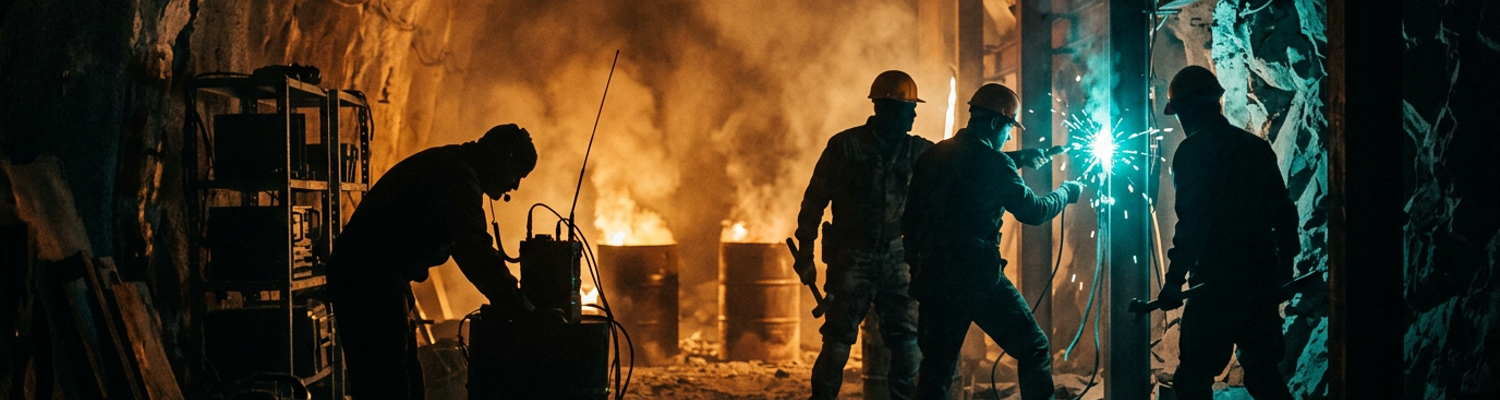
Engineers struggled to maneuver overloaded cargo trucks and ammunition trailers along the narrow dirt trails of southern Bataan as frontline defenses disintegrated under relentless bombardment. Major General Edward King opened surrender negotiations on April 8 and 9, 1942, prompting Army combat engineers to initiate scorched earth demolitions across southern Bataan to prevent critical war materiel from falling into Japanese hands. Work crews hauled crates of dynamite and heavy blasting powder out of dispersed jungle storage tunnels, laboring against steep volcanic ravines and failing vehicle engines to position charges at every vital bridge, fuel dump, and communication switchboard. Drivers pushed boiling radiators and slipping clutches to their absolute mechanical limits, running supply trucks directly into roadside ditches when engines seized so the following demolition teams could set the wooden truck beds on fire. Sledgehammers, thermite canisters, and blasting caps passed rapidly from hand to hand as soldiers prepared artillery tubes and ammunition stockpiles for systematic destruction before enemy forward patrols could encircle the remaining rear guard units. Teams split into small working parties across the southern peninsula, stringing friction wire and priming charges along key road junctions where retreating infantry clogged the final evacuation routes toward the coast.
Infantry columns cleared the blast perimeters along the coast while engineering and ordnance detachments detonated ordnance depots at Little Baguio and spiked artillery breeches across the southern peninsula. Demolition crews ignited hundreds of tons of high explosive artillery shells and aerial bombs stacked in the deep ravines around Little Baguio, setting off chain reactions that blasted sheets of dirt and iron shrapnel hundreds of feet into the sky. Gun crews jammed heavy steel spikes, files, and high strength bolts into the breech blocks of their remaining 155 millimeter howitzers, hammering the metal plugs flush against the screw threads to permanently wreck the mechanisms. Artillerymen stripped the panoramic sights and optical rangefinders from their mounts, smashing the precision glass lenses with rifle butts and throwing the broken brass housings into nearby ravines. Soldiers followed by dropping thermite grenades down the gun barrels, creating intense chemical heat that warped the rifling into useless iron slag within seconds. Thick clouds of chemical smoke and burning sulfur settled over the shattered gun pits as the demolition parties abandoned their ruined battery positions and fell back southward toward the water at Mariveles.
Navy and Army demolition details sabotaged the Mariveles naval facilities before boarding small craft to evacuate across the channel to Fort Mills. Machinists smashed the electrical generators, diesel pumps, and drydock repair workshops lining the harbor with heavy sledgehammers and cutting torches to ensure the facilities offered no salvage value to advancing Japanese forces. Sailors opened the sea valves and ruptured the engine manifolds of scuttled patrol boats and tugs, sinking the damaged vessels into the shallow bay floor while secondary fuel explosions tore through the timber wharves above. Exhausted demolition details gathered along the burning harbor slips amidst falling cinders, tossing their remaining rifles, tools, and wire reels into deep water before crowding into overloaded motor launches, whaleboats, and mine tenders. Coxswains pushed throttles wide open against the incoming tide, guiding their low riding craft across the three miles of open water toward the blackout perimeter of Fort Mills as Japanese artillery shells raised geysers of water across the channel behind them.
Subterranean Reorganization Inside Malinta Tunnel
Barges bumped against the shattered timber pilings of South Dock at Fort Mills, discharging hundreds of soaked soldiers directly into the hands of waiting shore parties. Military police directed the incoming men off the open wharves and along the pulverized coastal road toward the eastern portal of Malinta Hill to escape incoming artillery bursts. Thousands of exhausted, wounded, and malnourished troops from Bataan crowded into the lateral tunnels of the Malinta complex, collapsing on the damp concrete floor of the main east west shaft. Many soldiers suffered from advanced malaria, severe dengue fever, and dysentery, dropping their wet canvas packs and empty cartridge belts where they fell because their legs could no longer carry them. Stretcher teams carried hundreds of severe blast casualties through the east portal, filling the entryways with groaning infantrymen while clouds of rock dust from surface shell strikes drifted through the heavy steel blast doors.
Fort Mills combat engineers established emergency administrative zones, internal perimeter cordons, and triage stations inside the unlined rock laterals behind the blast doors to restore operational control within the subterranean maze. Work details strung barbed wire, hemp guide ropes, and wooden timber barricades across the lateral junctions to keep panicked crowds away from the central headquarters and hospital sections. Officers set up makeshift administrative desks on overturned wooden crates near the central corridor, logging surviving unit rosters and assigning every able bodied soldier to defensive tunnel details. Medics converted several unlined stone laterals on the north side into overflow wards, laying wounded men side by side on canvas stretchers and bare blankets along the jagged rock walls. Demolition specialists stacked spare dynamite boxes and detonator reels inside secure dead end shafts to protect ordnance stocks from accidental ignition as passing troops bumped through the darkness.
Blowers inside the utility shafts vibrated violently as engineer crews fought to circulate breathable air through the packed corridors. Heavy diesel exhaust and the smell of sulfur seeped through unsealed ductwork, combining with body heat and humidity to raise the air temperature inside the rock vaults above ninety degrees. Mechanics used open end wrenches and scrap gaskets to seal leaking pipe joints on the auxiliary air blowers, tapping failing motor bearings with brass hammers to keep the intake impellers spinning. Rock fragments and fine stone dust shook loose from the unlined ceiling vaults whenever heavy enemy artillery shells landed on the surface of Malinta Hill, settling over the surgical tables and communications gear below. Maintenance crews shoveled loose shale out of drainage ditches along the tunnel tracks to prevent stagnant water from rising and shorting out the primary electrical conduit cables.
Telephone lines ran parallel to these conduit cables, linking the underground command center to outlying gun emplacements and beach defense positions under constant fire. Staff officers crowded into the small operational cubicles inside Lateral Three, reviewing combat reports and sorting troop rosters to calculate remaining food, medicine, and small arms ammunition reserves for the garrison. Couriers ran between the command desks and the triage cordons, delivering assignments that sent newly arrived soldiers back out through the east entrance into bomb cratered defensive trenches on the surface. Armed guards at the blast doors checked every passing soldier with bayonets fixed, enforcing strict blackout discipline as artillery concussions outside shook the mountain to its foundations.
Japanese Siege Artillery on the Bataan Bluffs
Japanese forces positioned Type 45 240 millimeter siege howitzers and heavy artillery batteries along the heights of Mariveles and the Bataan bluffs, unleashing the sustained concussions that shook the island fortress. Imperial Japanese Army forward observers occupied the crests of Mount Mariveles, looking directly across the three miles of water onto the exposed gun emplacements and surface installations of Corregidor. Tractor units and infantry labor details hauled the massive 240 millimeter pieces into camouflaged revetments nestled in the jungle ridges, anchoring the heavy steel base rings into solid timber pads. Gun crews hoisted four hundred pound high explosive projectiles into the breech mechanisms, adjusting elevation gears to drop plunging fire directly onto fortified targets across the strait. Batteries opened fire in disciplined salvos, sending high explosive ordnance flying across the channel to strike the unprotected gun tubs, water distillation plants, and rock slopes around Malinta Hill.
Fragments of solid granite broke loose from the unlined ceiling vaults as heavy shells detonated along the mountain ridge above. Sustained heavy caliber bombardment produced severe underground concussion waves, causing rock spalling and blinding dust within the Malinta Tunnel network. Soldiers and medical staff pressed cotton gauze and wet handkerchiefs over their faces to filter out the suffocating gray powder that hung motionless in the unventilated shafts. Sharp slivers of rock flaked off the walls without warning, striking wounded men on their cots and tearing through canvas field litters. Maintenance crews moved along the main corridor with shovels and wheelbarrows to clear stone rubble off the narrow gauge trolley tracks before supply carts stalled.
Engineers braced splintered ceiling timbers with upright railroad ties and steel screw jacks to keep the supply tracks open. Diesel exhaust from damaged auxiliary generators combined with the floating stone dust to foul mechanical air blowers, forcing mechanics to clean clogged filter screens with solvent every two hours. Telephone switchboard operators inside Lateral Three plugged patch cords into surviving trunk lines as reports confirmed the destruction of surface mortar batteries and searchlight positions. Gunners at Battery Way and Battery Geary attempted to return fire with their surviving twelve inch mortars, but the fixed mortar pits faced brutal counter battery strikes from the Bataan heights. Japanese 240 millimeter shells dropped with near vertical trajectories into the open concrete emplacements, shattering recoil cylinders and burying gun crews under collapsed parapets.
Stretcher teams sprinted across the shell torn surface between incoming salvos to pull buried gunners out of the smoldering mortar pits. Ordnance mechanics followed behind the medical parties to salvage intact shell hoists, spare fuses, and mechanical sights before the next Japanese salvo struck the terraces. Combat wire details unspooled heavy copper telephone lines from wooden hand reels, running replacement circuits through fresh bomb craters to reconnect isolated beach defense bunkers along the shoreline. Linemen spliced severed cables with black friction tape while taking cover in pulverized volcanic dirt, listening for the distant dull thuds of Japanese howitzers firing from the cliffs across the water. Sentry posts along the northern beaches observed the muzzle flashes erupting along the Mariveles ridgeline, relaying firing bearings over the newly spliced lines as another heavy barrage arched toward the island.
Diesel Generator Repairs and Exhaust Maintenance
Artillery shells from the incoming barrage slammed directly into the crest of Malinta Hill, shattering concrete blast aprons and ripping open the surface grates above the central utility shafts. Pulverized rock dust pulled through intake shafts repeatedly choked ventilation systems and clogged fuel filtration units essential for subterranean life support. Giant suction blowers drew the abrasive stone powder deep into the power plant laterals, where it coated moving piston assemblies, gummed up governor linkages, and turned lubrication grease into a thick grinding paste. Machinists pulled brass filter screens from fuel feed lines every few hours, scraping off gray sludge and washing the mesh in drums of dirty kerosene so fuel could reach the injectors. Heavy soot settled over the generator beds while the diesel cylinders misfired, causing exhaust temperatures to climb and threatening to shut down electrical power to the underground hospital.
Engineers worked around the clock between April 10 and 15 to ream carbon fouled exhaust manifolds and jammed bypass valves on primary diesel power plants. Stripped to their waists in the stifling heat of the generator room, soldiers unbolted scorching iron piping with heavy pipe wrenches and chipped away hardened carbon deposits using cold chisels and steel scrapers. Black slag fell away in brittle chunks from the interior walls of the exhaust flues, exposing pitted metal surfaces that mechanics scrubbed down with wire brushes. Rust and heat had locked the pressure relief bypass valves inside their bronze housings, requiring crews to soak the assemblies in penetrating oil and drive the valve stems loose with lead mallets. Each reassembled manifold required fresh asbestos cord gaskets, which the mechanics cut by hand from salvaged insulation sheets before torquing the flange bolts back into place.
Flange bolts creaked under final tightening as work crews prepared to test the heavy diesel units under full electrical load. Operators opened the compressed air starter valves, spinning the massive flywheels until the cylinders caught fire and sent dark exhaust pulsing upward through the vertical rock chimneys. Vibrations from surface shell bursts had cracked these concrete exhaust chimneys near the crest of the hill, allowing caustic exhaust gases to leak out of the flues and drift back into the hospital corridors. Pipefitters climbed wooden maintenance ladders inside the dark utility laterals to wrap sheet metal bands and wet cement bandages over the fractured pipe joints. These improvised seals kept the lethal carbon monoxide from spilling into the crowded wards, forcing the smoke out through the upper hillside vents into the open air.
Hillside vents continued to release smoke plumes that drew immediate Japanese artillery corrections, showering the ridge with fresh explosions that dislodged more shale down the utility shafts. Maintenance crews kept spare cotton waste, clean fuel cartridges, and emergency grease buckets stacked beside the running generator beds to handle the continuous influx of grit. Electricians monitored the switchboards on the power plant wall, throwing manual knife switches to ration power between operating room sterilizers, ventilation fans, and the headquarters radio transmitters. Battery charging stations inside Lateral Three drew steady amperage from the repaired generators, keeping the field radio accumulators powered so communications officers could prepare outgoing strategic dispatches.
High-Voltage Cable Splicing Under Bombardment
Radio accumulators required continuous current from exterior power lines to stay operational, but topside bombardments constantly endangered the entire electrical distribution grid. Surface detonations and seismic shock repeatedly severed topside armored high voltage transmission lines connecting external utility runs to the tunnel complex. Heavy Japanese artillery shells landing along the spine of Malinta Hill pulverized the protective soil cover, caving in subterranean conduit runs and shearing heavy steel armored cables under direct blast pressure. Shockwaves rippled through the underlying rock layers, pulling anchored conduits straight out of their masonry footings and twisting interior copper conductors until they snapped under tension. Expanding blast craters exposed buried lead sheathed feeder cables to flying shell fragments, severing the conductors that carried current between topside substations and subterranean facilities. Severed copper cores sparked against shattered concrete conduit trenches along the outer slopes, cutting all incoming high voltage electricity to the underground transformer vaults.
Transformer vaults went dark throughout the lower levels, forcing garrison engineers to mobilize emergency crews for hazardous topside repairs. Engineering repair details ventured into damaged conduits to manually splice heavy copper busbars and restore direct current battery charging circuits. Soldiers crawled through partially collapsed utility passageways wearing heavy canvas gloves and steel helmets, dragging wooden tool chests packed with files, hacksaws, and mechanical clamps through heaps of dislodged shale. Dust choked the men inside the narrow shafts as incoming Japanese artillery continued to hammer the earth directly above their heads, sending fine sand trickling through fractured ceiling joints. Flashlights illuminated the jagged edges of crushed steel conduit where falling boulders had pinched the main electrical cables flat against the stone floor. Linemen stripped charred rubber insulation from the ruptured cable ends, squaring the mangled metal faces with hand files so replacement conductors could bridge the gaps.
Copper busbars provided the rigid carrying capacity needed to bridge the severed high voltage gaps inside the fractured utility raceways. Repair crews slid thick rectangular plates of solid metal across the severed line segments, securing the overlapping ends with heavy bronze bolts and mechanical lock washers. Mechanics leaned their weight into double ended wrenches to torque the fasteners tight, ensuring flat contact surfaces that would not overheat or arc under high electrical loads. Sparks showered the damp rock walls when secondary shorts touched the conduit frame, forcing linemen to inspect every inch of adjacent casing for hidden cracks or loose grounding straps. Soldering crews heated heavy copper soldering irons over portable gasoline blowtorches, sweating molten solder into the cable lugs to guarantee uninterrupted electrical continuity across the raw joints. Electricians wrapped thick layers of varnished tape over the bolted splices before coating each joint with waterproof asphalt mastic to block seepage from broken hillside drainage ditches.
Asphalt mastic hardened over the taped splices just as line crews signaled the underground substation to test the restored connections. Electricians inside Lateral Three threw open knife switches back into contact, sending thousands of volts surging through the repaired busbars to feed the main transformer banks. Voltmeter needles jerked upward across the switchboard faces, confirming that steady alternating current had reached the heavy rotary converters. Rotary converter armatures spun up to speed with a rising mechanical whine, converting the high voltage alternating current into stable direct current for the storage vaults. Direct current output flowed immediately into the bank of wet cell storage batteries, filling the accumulator lateral with the faint smell of bubbling acid as the cells absorbed the charging current. Signal Corps technicians quickly reconnected the charged battery banks to the high power radio transmitters, tuning the output coils so operators could begin coding the next priority dispatch for the War Department.
Freshwater Distillation Infrastructure and Pipeline Fractures
Transmitters hummed as operators coded the priority dispatches, but the heat from running radio equipment and thousands of crowded men rapidly exhausted the remaining water inside Malinta Tunnel. Topside artillery bursts sheared supply lines linking Fort Mills surface catchments and distillation machinery to underground water reservoirs. Japanese high explosive shells cratered the open concrete drainage basins on the plateau above, smashing cast iron feeder mains and puncturing the steel evaporator shells that boiled seawater for the garrison. Scalding steam and purified condensate poured out through jagged shrapnel holes directly into the smoking soil, completely cutting off the gravity fed lines that filled the subterranean cisterns. Storage levels in the central underground reservoirs plummeted within hours of the barrage, forcing island commanders to slash daily water rations to a single canteen cup per man.
Surgeons inside the subterranean hospital faced an immediate crisis as taps sputtered dry across the operating rooms and recovery laterals. Medical officers required hundreds of gallons of clean water each day to scrub deep shrapnel wounds, wash soiled bandages, and steam sterilize surgical instruments between amputations. Dehydration rapidly worsened the condition of dysentery and malaria patients lying on double tiered bunks, where the stifling tunnel air reached over ninety degrees. Dust and flies swarmed around open dressings as orderly details struggled to maintain basic sanitation without running water in the wards. Combat engineers rushed into the dark auxiliary laterals behind the hospital ward, hauling heavy pipe wrenches, lead wool, and replacement iron fittings to locate internal pressure leaks. Work parties crawled along fractured drainage trenches beneath the concrete flooring, tracing damp conduits with their bare hands because open torches risked igniting pockets of sewer gas and fuel fumes.
Engineers managed rust frozen bypass valves and conducted high pressure pipe fitting in near darkness to preserve clinical supplies for the subterranean hospital. Mechanics pounded seized iron valve stems with bronze mallets and soaked the threaded collars in penetrating oil, fighting to open forgotten cutoff gates that had rusted shut during years of peace. High pressure water from secondary storage tanks slammed into the dry auxiliary lines as the gates gave way, spraying cold jets through hairline fractures in the aged pipe walls. Soldiers straddled the vibrating lines in knee deep runoff, wrapping split sleeve repair clamps around the ruptures and packing the seams with tarred hemp rope. Plumbers hammered soft lead wire into the leaking collar joints to block escaping pressure before tightening the exterior harness bolts. Wrenches groaned against corroded square nuts as teams torqued the steel brackets tight, forcing thick rubber gaskets against the iron casting until the pressurized leaks subsided to small trickles.
Brass pressure gauges on the hospital manifold steadily climbed back toward normal operating marks as the sealed pipe clamps contained the flow. Hospital corpsmen immediately opened the sterile scrub sinks, filling iron kettles to boil scalpels and preparing intravenous saline mixtures for incoming blast casualties. Armed sentries took up positions at every secondary spigot throughout the tunnel complex, enforcing strict command orders that prohibited unauthorized drinking and reserved the remaining flow for medical triage and field kitchen kettles. Orderlies carried steaming buckets of boiled water back into the operating laterals, allowing doctors to resume emergency surgeries on wounded men lined up along the tunnel walls. Exhausted work details gathered their tools and hauled hand cranked water carts down the south lateral, loading filled five gallon cans onto small push trolleys to resupply the artillery crews dug in across the battered surface of the island.
Cryptographic Destruction and Signal Security Protocols
Trolley wheels rattled past the open entryway of Lateral Eight, where communication teams worked under flickering electric bulbs to process an unrelenting backlog of strategic traffic. Army Signal Intelligence Service and Signal Corps operators maintained secured communications while systematically destroying classified paper registers in metal incinerator drums. Specialists fed stacks of secret tactical codebooks, super encipherment tables, and obsolete station call lists into modified fifty five gallon steel barrels fitted with draft pipes. Dense smoke swirled through the low ceilinged chamber as technicians stirred the smoldering paper with iron rods to ensure complete reduction to ash, while guards watched over each burning drum with carbon dioxide fire extinguishers ready to smother escaping sparks that might threaten nearby accumulator batteries. Operators typed out outbound message strips only inches away from the heat, keeping vital radio circuits open to Honolulu and the War Department while furnace flames consumed years of peacetime signal records. Ash drifted across the concrete floor as clerks threw the last bundles of registered documents onto the glowing embers.
Embers glowing inside the incinerators cast red light across heavy workbenches where technicians tackled the physical demolition of higher level cipher machinery. Signal personnel smashed mechanical M 138 A strip cipher assemblies and key lists with sledgehammers to prevent cryptographic compromise as external defenses deteriorated. Mechanics laid the long aluminum channel bases and sliding printed alphabet strips across solid stone anvils, swinging ten pound iron hammers with full force against the delicate mechanical tracks. Repeated blows twisted the precision metal guide rails into jagged scrap and pulverized the celluloid cipher strips into unrecognizable powder. Sergeants checked each shattered assembly against serial inventories to confirm that no functional slide or key sequence remained intact for Japanese intelligence units to capture. Cryptographers scooped the mangled aluminum debris and shredded key lists into empty ration boxes for disposal down deep subterranean mine shafts, as heavy hammer strikes rang through the lateral alongside the rhythmic clicking of remaining telegraph keys to mark the deliberate dismantling of the garrison cryptographic capability.
Telegraph keys continued to clatter without pause as radiomen transmitted critical operational dispatches using single use cipher pads and remaining tactical codes. Operators huddled over water cooled transmitter consoles, relaying status updates on perimeter ammunition levels, hospital conditions, and damaged surface fortifications directly to General Douglas MacArthur in Melbourne. Linemen monitored fluctuating output currents from the patched generator busbars to prevent sudden voltage spikes from burning out fragile vacuum tubes. Heat inside the lateral steadily mounted as radio transmitters and smoldering incinerator barrels competed for the stale, dust laden air circulating through the ventilation grates. Cryptographic supervisors carefully tracked each one time pad page as it was keyed, immediately tearing the paper slips from their cardboard bindings and dropping them into kerosene pots. Transmitters clicked out the final confirmation receipts from receiver stations across the Pacific, maintaining the fragile administrative lifeline between the besieged rock and military planners in Washington.
Radio operators logged each incoming acknowledgment from the War Department, recording signal strength readings before clearing the frequencies for high priority combat reports. Signal officers locked remaining emergency cipher registers into steel strongboxes, posting armed guards at the vault doorway with explicit instructions to detonate thermite charges if Japanese troops breached the main east portal. Technicians checked the wiring on electric detonators clamped to reserve radio sets, preparing to shatter the vacuum tube arrays and quartz crystals at a moment notice. Outside the signal lateral, the dull concussions of Japanese siege howitzers continued to pound the rock overhead, dislodging fine shale dust that sifted down onto the radio desks and cooling metal drums. Soldiers swept the debris away from the transmitting keys and kept typing, sending fresh status reports across the airwaves while the subterranean air filled with the sharp smell of scorched paper and hot iron.
Fort Mills Dispatches to the White House
Cryptographers encoded Lieutenant General Jonathan Wainwright and his staff urgent operational dispatches for transmission to the War Department Classified Message Center and the White House Map Room as rapidly as runners carried the handwritten drafts from the command desk. Cipher clerks punched the text into mechanical keyboards, converting grim casualty figures and structural damage assessments into five letter code groups that masked the collapsing state of the fortress. Staff officers clustered around the transmission desks with grease pencils and field maps, tallying broken gun carriages and collapsed tunnel portals before handing the next revision to the signalmen. Every incoming field report reflected the rapid depletion of the garrison, where three inch antiaircraft ammunition ran dangerously low and coastal artillery tubes suffered severe barrel erosion from continuous counterbattery fire. Battery commanders topside directed their remaining gunners to ration their rounds against incoming Japanese air raids, sending hurried casualty figures down severed telephone lines that wire details spliced back together under fire. Operators typed those numbers directly onto cipher sheets, feeding the growing stacks of paper into the radio transmitters while artillery concussions rattled the concrete floor.
Signalmen transmitted outbound dispatches that documented catastrophic ammunition expenditures, critical casualties, and power generation failures, contrasting with detached administrative optimism from Washington. Radio operators keyed detailed reports explaining that primary diesel units were failing under heavy loads and that hospital wards were overflowing with blast victims who lacked basic surgical dressings. Wainwright warned his superiors that the island artillery could no longer return fire effectively against the massed siege guns on the Bataan heights without fresh supplies of powder and shells. Incoming messages from the War Department urged the garrison to hold its ground and praised the defenders for tying down Japanese divisions needed in other theaters. War planners in Washington outlined distant strategic expectations and spoke of eventual victory while failing to provide a single cargo vessel or transport plane capable of piercing the enemy blockade. Staff officers in Lateral Three read the decoded Washington cables with growing anger, realizing that political leaders thousands of miles away did not grasp the physical destruction taking place on the island.
Electricians fought to maintain electrical current as power plant failures threatened to cut off the radio transmitters in the middle of urgent message sequences. Soot clogged the exhaust manifolds of the surviving diesel engines, causing output voltage to drop and forcing technicians to switch communication equipment onto rapidly draining emergency battery banks. Cryptographers worked by the weak yellow glow of dry cell flashlights, checking cipher strips by hand whenever the overhead electric bulbs flickered and died. Transmitters drew heavy amperage from the storage batteries, broadcasting updated coordinates of Japanese artillery emplacements directly to naval monitoring stations in Hawaii. Linemen monitored the battery terminals with handheld voltmeters, watching the needles fall toward zero while mechanics threw manual switches to shed nonessential lighting loads throughout the tunnel system. Signal officers paced the narrow lateral between the battery racks and the radio benches, calculating how many hours of battery power remained before the fortress lost all voice contact with the outside world.
Wainwright drafted another operational dispatch at his folding field desk, detailing the collapse of surface trenches and the loss of all remaining water reserves. Couriers carried the penciled message slip through the smoke filled corridor, dodging stretcher bearers who were hauling fresh blast casualties from the pulverized east portal. Code clerks immediately converted the dark appraisal into encrypted radio bursts, flashing the text across thousands of miles of ocean directly into the Map Room of the White House. Aide officers in Washington received the signals, decrypted the five letter groups, and carried the stark casualty reports to President Roosevelt desk alongside maps showing Japanese forces advancing to the water edge. Back inside the trembling rock of Malinta Hill, radiomen listened to the faint confirmation tones from receiving stations across the Pacific before pulling the completed message sheets from their clipboards. Technicians filed the outgoing transmission log into a canvas pouch, locked the metal strongbox, and prepared the next batch of priority cipher traffic as incoming artillery shells slammed into the ridge above.