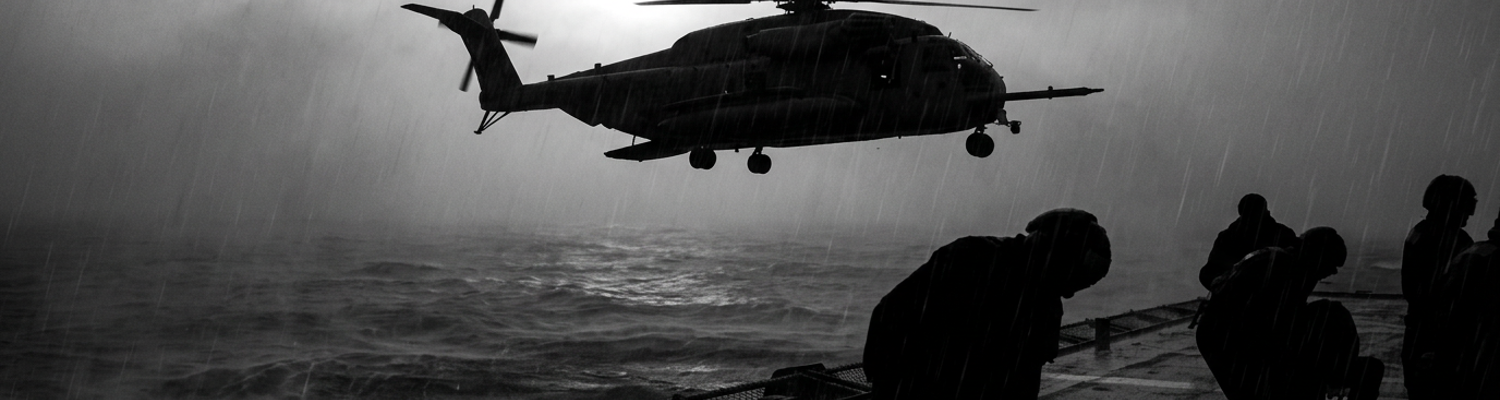

Operation Masher and Binh Dinh Coastal Evacuations
Major General Harry Kinnard directed the 1st Cavalry Division into the Bong Son Plain on January 24, 1966. Archival evidence shows that this deployment initiated Operation Masher. Weather systems moving inland from the South China Sea grounded flight operations immediately. Aviation mechanics faced an unmanageable backlog of nonstandard inventory items. The 133d Assault Support Helicopter Company attempted to fly CH-47 Chinooks below the cloud ceiling. They needed to establish forward artillery bases in the An Lao Valley. This decision rapidly destroyed the airframes. Rotor blades delaminated under the constant moisture. Turbine sand filters clogged with dense coastal mud. Supply officers at the Qui Nhon logistics hub recorded a severe shortage of replacement T55-L-7 engines. This shortage halted heavy transport operations across the sector. Infantrymen found themselves stranded in flooded rice paddies with rapidly depleting ammunition reserves.
Aviation fuel became a strictly rationed commodity.
A close review of operational logs indicates that the division outpaced its own ground support infrastructure within the first forty-eight hours of the assault. Road networks along Highway 1 were heavily mined by local guerrilla forces. Monsoon rains washed out the secondary dirt tracks completely. Commanders relied entirely on aerial resupply. CH-47 payloads were strictly limited to 7,000 pounds. Density altitude and weather constraints in the mountainous spurs bordering the coast dictated this strict weight limit. The 228th Assault Support Helicopter Battalion struggled to deliver 105mm howitzers to the high-elevation firebases. Parts failed continuously. Mechanics cannibalized grounded helicopters for hydraulic pumps. They removed pitch change links and transmission seals from disabled airframes. These maintenance crews worked exposed on pierced steel planking. They sank ankle-deep into the mud while attempting to torque main rotor bolts. Ground troops in the Kim Son valley resorted to rationing C-rations. The supply of JP-4 jet fuel dwindled at the forward arming and refueling points.
The supply chain collapsed entirely by the second week.
Army aeromedical evacuation units coordinated Search and Rescue relays with offshore naval task groups. UH-1 Dustoff crews operating under the 11th Aviation Group flew into contested landing zones. They equipped their aircraft with standard medical hoists. Salt spray corrosion jammed the winch mechanisms constantly. Inland extraction points lacked the aviation fuel necessary for round-trip flights to secure hospitals in Qui Nhon. Army pilots established ad-hoc refueling and patient transfer protocols with Seventh Fleet vessels stationed in the South China Sea. Task Force 115 operated just off the coast. They provided destroyer escorts like the USS Hull to act as navigational reference points. Radar-deprived Huey pilots flew through dense fog using these ships as visual guides. Casualties were winched directly from the jungle canopy. Pilots flew eastward over the beachhead. Offshore hospital facilities and amphibious assault decks became the primary receiving bays for severe trauma cases. Naval flight deck crews routinely hot-refueled Army helicopters. Corpsmen offloaded wounded infantrymen into the triage wards of the USS Repose.
Cross-branch coordination required highly specific radio frequencies. These frequencies frequently mismatched between the services. Army aviators relied on FM radios for ground communication. Navy controllers utilized UHF bands for deck approaches. Radiomen physically swapped quartz crystals inside ARC-54 transceivers while in flight. This physical modification established contact with the offshore fleet. Night rescues forced pilots to hover over pitch-black water. They used only the dim red deck lights of amphibious ships for spatial orientation. Downed aircrews floating in the South China Sea were located by Navy P-5M Marlin flying boats. Army UH-1s operating at the maximum limit of their fuel ranges extracted these downed crews. The continuous exposure to maritime environments accelerated airframe degradation. Saltwater stripped the protective zinc chromate primer from the Huey tail booms. Engines failed entirely. Saltwater ingestion caused severe compressor stalls in the Lycoming T53 turbines. Flight crews washed the blades with fresh water after every offshore sortie. This process depleted the limited potable water supplies on the ships.
Mechanics logged fifty hours of maintenance for every hour of flight time.
UH-1 Huey Turbine Failures and Salt Spray Encrustation
Dustoff pilots from the 11th Aviation Group flew low-altitude extraction profiles directly over the South China Sea surf zone in late January 1966. They ferried casualties from the Bong Son Plain to offshore medical ships. This specific routing exposed the unprotected turbine air intakes of the UH-1 Iroquois to heavy ocean salt spray. The Lycoming T53-L-11 turboshaft engines powering these airframes relied on a forward-facing bellmouth intake. Engineers at Bell Helicopter originally optimized this intake geometry for temperate inland climates. Hovering fifty feet above the rolling swells of the Seventh Fleet operating area created a violent aerodynamic vacuum. The main rotor downwash kicked up a dense localized column of atomized seawater. This highly corrosive mist bypassed the standard mesh debris screens entirely. Millions of microscopic saltwater droplets entered the compressor section of the engine during every single offshore landing approach. Maintenance logs from the 15th Medical Battalion indicate that pilots routinely flew through these salt clouds for up to four hours a day.
The turbine engines ingested pure seawater.
A close review of operational logs indicates that the immediate consequence of this maritime exposure was rapid internal engine degradation. The atomized seawater flash-boiled the moment it contacted the heated titanium compressor blades inside the T53 turbine. This rapid evaporation left behind thick hardened layers of sodium chloride crust along the leading edges of the axial compressor stages. Salt-spray encrustation fundamentally altered the aerodynamic profile of the internal blades. Airflow passing through the engine became violently disrupted. This turbulence caused severe compressor stalls during low-altitude hovering. Pilots experienced these stalls as a series of loud concussive backfires echoing through the exhaust pipe. Exhaust gas temperatures spiked instantly. Sudden engine failures followed within seconds. The combustion chamber failed due to the disrupted air supply and extinguished completely. Dustoff crews attempting to winch wounded infantrymen from coastal marshes near the Kim Son valley suddenly lost all main rotor torque. Aviators were forced to execute emergency autorotations directly into the flooded rice paddies.
Mechanics lacked the specialized desalination solvents required to strip the baked-on crust.
Supply clerks at the Qui Nhon logistics center reported a complete depletion of replacement T53-L-11 engines by February 4. Flight line supervisors ordered ground crews to conduct manual freshwater washes of the turbine internals after every single sortie over the beachhead. This directive immediately drained the limited potable water reserves stored aboard the amphibious support ships. Maintenance personnel physically climbed onto the engine cowlings with hand-pumped agricultural sprayers filled with distilled water. They sprayed the liquid directly into the bellmouth intakes while the engines cranked at low rotations per minute. The process required forty-five minutes per helicopter. Flight schedules disintegrated. Medevac requests from the 2nd Battalion, 7th Cavalry Regiment stacked up on the radio net. Mechanics painstakingly scrubbed salt deposits off the guide vanes using nylon brushes. Division commanders eventually authorized the cannibalization of grounded aircraft just to extract clean compressor assemblies. Technicians worked through the night on the pitching decks of destroyers. They utilized flashlights and standard socket wrenches to swap heavy engine blocks.
The torque values on the mounting bolts degraded rapidly due to the ambient maritime humidity.
Army aviation doctrine provided no contingency for this specific type of environmental attrition. The 1st Cavalry Division had based its entire offensive strategy on the assumption of continuous aerial mobility. Saltwater ingestion proved that the hardware could not survive the geography. Parts requisitions transmitted via high-frequency radio to supply hubs in Okinawa went unanswered for weeks. Battalion commanders grounded up to sixty percent of the medevac fleet on any given morning. Infantry platoons operating in the An Lao Valley were forced to carry their wounded on improvised stretchers through dense jungle terrain. They moved toward inland clearing stations on foot. The lack of functional engines forced ground units to rely on slow M113 armored personnel carriers. These vehicles provided casualty evacuation along heavily mined dirt tracks.
Hoist Cable Wear and Forest Canopy Extraction Bottlenecks
Medevac units operating over the An Lao Valley during late January 1966 relied exclusively on internal electric winches to extract wounded infantrymen. Ground troops from the 1st Battalion, 7th Cavalry Regiment took heavy casualties in sectors completely choked by two-hundred-foot mahogany trees. Intertwined liana vines and dense bamboo thickets covered the terrain. Physical landing zones did not exist. Dustoff pilots from the 15th Medical Battalion hovered their UH-1 Iroquois helicopters directly above the primary canopy layer to execute vertical extractions. Crew chiefs operated the standard Breeze-Eastern rescue hoists mounted to the cabin floor. They lowered heavy steel forest penetrators through small gaps in the foliage. The descent path required the 250-foot galvanized steel wire rope to drag continuously against abrasive bark. Splintered branches snagged the line. Wind currents generated by the main rotor downwash violently swayed the suspended cable during the twenty-minute extraction cycles. This constant lateral friction ground the outer metallic layers of the wire rope against the rough jungle canopy. The cable rubbed heavily against the hardwood trunks. Pilots adjusted their hover positions constantly to compensate for sudden crosswinds.
Individual steel strands snapped under the heavy abrasion.
A close review of operational logs indicates that this rapid fraying immediately compromised the structural integrity of the entire winch system. The standard aviation cable possessed a factory tensile strength rated for six hundred pounds. Broken outer wires reduced that load limit by more than half within three extraction missions. Mechanics referred to these broken wires as fishhooks. Crew chiefs manually inspecting the lines after returning to the forward arming and refueling points discovered severe structural degradation along the bottom fifty feet of the spool. Operating a damaged line risked a complete catastrophic failure. A snapped cable would drop a wounded soldier and a flight medic a hundred feet into the underbrush. Maintenance protocols dictated the immediate replacement of any cable displaying more than three broken wires per linear inch. Aviation mechanics physically cut the frayed sections off with heavy-duty aviation bolt cutters. They attempted to salvage the remaining length of the spool. Crews attempted to splice the shortened cables using copper swage sleeves and hydraulic crimping tools directly on the pierced steel planking of the flight line. The modified cables failed load-testing calibrations.
This field modification left the hoists too short to reach the jungle floor.
Supply officers at the Qui Nhon logistics hub failed to procure replacement components. The theater inventory lacked the specialized non-rotating wire rope required for the UH-1 hoist assemblies. Requisition forms transmitted via high-frequency radio to the primary Army Materiel Command depots in Okinawa generated zero inbound shipments. Logisticians had prioritized heavy artillery shells and small arms ammunition over obscure aviation spares. Mechanics scoured grounded airframes. They tried to cannibalize intact cable spools. The high-volume casualty extractions had degraded the entire fleet simultaneously. There were no spare parts left in the local supply chain. Internal electric motors powering the hoist assemblies also began to burn out. The continuous strain of pulling three-hundred-pound loads through tangled branches caused the direct-current winch motors to overheat. They melted their internal copper windings. Infantry platoons pinned down near the Bong Son Plain resorted to hacking physical clearings out of the dense vegetation. They used machetes and blocks of C-4 explosive. Ground commanders reported that this manual clearing process delayed emergency medical evacuations by up to six hours per casualty. Soldiers bled out waiting for the detonation smoke to clear. Flight line supervisors at the 11th Aviation Group recorded a backlog of forty-two grounded medevac helicopters. They waited on a single shipping crate of replacement winch cables.
15th Medical Battalion Field Maintenance Strain
The 15th Medical Battalion faced an unprecedented volume of inbound trauma cases during the initial ground assaults across the Bong Son Plain. By January 28, 1966, infantrymen from the 2nd Battalion, 12th Cavalry Regiment engaged heavily armed People's Army of Vietnam forces near the hamlet of Phung Du. Casualty collection points overflowed with cavalrymen suffering from gunshot wounds and shrapnel lacerations. Dustoff crews flew back-to-back sorties through driving monsoon rains to ferry these soldiers twenty kilometers south. They delivered them to the division clearing station at Landing Zone Dog. The continuous flight cycles rapidly destroyed the UH-1D Iroquois airframes. Coastal sand mixed with rainwater to form a highly abrasive paste. This paste coated exposed moving parts along the entire fuselage. Swashplate bearings ground themselves into metal shavings. Tail rotor pitch change sliders seized mid-flight due to the grit. Pilots reported severe cyclic control stiffness. The abrasive mud worked its way past the protective rubber boots and into the hydraulic flight control servos.
The battalion grounded twenty-two medevac helicopters in a single afternoon.
A close review of operational logs indicates that flight line supervisors at LZ Dog possessed no sheltered maintenance bays to conduct repairs. Aviation mechanics performed heavy engine teardowns on warped pierced steel planking. The metal sheets sank deep into the flooded terrain. They attempted to service the Lycoming T53-L-11 turboshaft engines while standing exposed in the torrential downpour. The high operational tempo and the corrosive coastal environment had severely contaminated the internal turbine assemblies. Axial compressors were choked with baked-on silica and dried mud. Standard maintenance doctrine required technicians to flush these components using pressurized solvent carts and specific chemical agents like PD-680 cleaning compound. Mechanics needed to inject this solvent directly into the engine air inlet at high pressure. This process would break apart the hardened crusts forming on the titanium guide vanes.
Supply clerks at the Qui Nhon logistics depot failed to deliver these specialized solvents.
The absence of proper flushing components forced the 15th Medical Battalion maintenance crews into an unmanageable cycle of rapid improvised engine overhauls. Technicians lacked the necessary replacement O-rings and carbon-faced seals required to rebuild the engines after a manual teardown. They lacked clean turbine oil. They scavenged completely disabled airframes for usable hardware under the dim illumination of battery-powered flashlights. Mechanics physically scrubbed the contaminated axial compressor stages using standard issue diesel fuel and stiff-bristled nylon brushes. This unapproved field expedient dissolved the thickest mud layers. It left a highly flammable petroleum residue inside the combustion chambers. Safety wire snapped in the mechanics' hands as the ambient humidity corroded their tool kits.
The diesel residue altered the combustion timing entirely.
When crews attempted to run the overhauled engines on the test stands, the residual fuel ignited unevenly across the burner cans. The resulting hot starts warped the first-stage gas producer turbines. Exhaust gas temperatures exceeded maximum allowable limits within seconds. Internal compressor bleed band valves jammed open due to the lingering grit. The engines seized completely on the flight line with a loud metallic grinding noise. Flight medics watched their primary evacuation platforms destroy themselves during basic post-maintenance ground runs. Medevac requests from the infantry companies pinned down in the An Lao Valley stacked up on the tactical radio nets. Battalion commanders transmitted urgent requisitions on the FM frequencies requesting crated replacement engines from the 1st Logistical Command. Those requests queued up behind priority shipments of 105mm artillery fuses and belted machine gun ammunition. Technicians covered the ruined engine cowlings with canvas tarps. They walked back to the triage tents to assist the surgeons.
Combat Camera Documentation of Logistical Breakdowns
The Department of the Army deployed specialized photographic detachments directly into the Bong Son Plain to record the medical evacuation procedures of Operation Masher. Embedded Army combat camera crews attached to the 15th Medical Battalion operated continuously at Landing Zone Dog throughout the first week of February 1966. These two-man teams utilized spring-wound 16mm Bell and Howell Filmo 70DR cameras to film the operational strain on the division air ambulances. The resulting black-and-white motion picture film captured a high-tempo casualty collection point rapidly degrading under the weight of severe supply shortages. Dustoff pilots from the 11th Aviation Group flew continuous extraction sorties in UH-1D Iroquois helicopters. The aircraft touched down on pierced steel planking submerged under three inches of coastal mud. Camera operators recorded ground personnel physically dragging heavy canvas litters through the violent rotor wash. Flight mechanics desperately inspected the airframes between cycles. The footage reveals flight crews attempting to clear jammed M60 door guns. They wiped coastal sand from the perspex windshields using dirty rags. The physical toll on the hardware is highly visible in the unedited reels. Air intakes display thick layers of dried mud blocking the protective mesh screens.
The camera lenses captured a fleet of heavy machinery actively destroying itself in the monsoon environment.
When examining the historical record, the unedited reels expose the absolute collapse of the forward maintenance chain. Footage documented multiple grounded helicopters pushed to the edge of the perimeter wire. These airframes waited for basic replacement parts that never arrived from the rear echelons. Visual records show UH-1D tail booms stripped of their synchronized elevators. Access panels were left open to the torrential rain. Aviation mechanics at the 15th Medical Battalion required specific Bell Helicopter hardware to keep the main rotors turning. Technicians desperately needed 42-degree and 90-degree tail rotor gearboxes. They needed pitch change links and hydraulic flight control servos to replace units destroyed by the abrasive sand. Requisition requests sent via high-frequency radio to the Qui Nhon logistics hub went unfilled for ten consecutive days. The camera crews filmed maintenance officers pointing at empty wooden supply crates. One frame shows a mechanic holding up a sheared trunnion bearing directly to the lens. The mechanics physically lacked the specialized puller tools required to extract seized bearings from the tail rotor assemblies.
Flight line supervisors possessed zero inventory of the required zinc-chromate primer to prevent saltwater corrosion on the exposed aluminum bulkheads.
A close review of operational logs indicates that the visual documentation aligned perfectly with the written daily maintenance reports filed by the 1st Cavalry Division. Combat camera detachments recorded the physical process of mechanics cannibalizing the grounded helicopters to keep a fraction of the fleet airborne. Technicians utilized standard half-inch socket wrenches and heavy battery-powered flashlights to unbolt functional Lycoming T53-L-11 engine components from completely disabled airframes. The film shows ground crews working in ankle-deep water. They attempted to swap contaminated fuel control units from one helicopter to another. Supply clerks at the coastal depots failed to procure the required aviation-grade O-rings and carbon-faced seals to reseat the scavenged parts properly. Mechanics resorted to wrapping frayed electrical wiring harnesses with standard olive-drab duct tape to prevent short circuits in the monsoon downpours. One specific continuous sequence of footage tracks a maintenance chief attempting to torque the primary retaining nut on a main rotor mast. He repeatedly slips on the wet steel planking while trying to secure the heavy mast hub. The camera pans down to show the required safety lock-wire missing entirely from the assembly. The technician relies on standard steel pliers to twist a piece of unapproved copper wire through the retaining bolt head.
The geographic isolation of the Kim Son valley amplified the parts deficit.
Signal corps radiomen transmitted daily logistics reports detailing the exact number of unflyable airframes to the division headquarters. The camera crews documented the physical manifestation of these reports by panning across the flight line at coordinates BR 845 921. Fourteen distinct UH-1D helicopters sit completely stationary with their main rotor blades tied down to the tail booms. Ground troops from the 2nd Battalion, 7th Cavalry Regiment walked past these useless machines while carrying their own wounded toward the triage tents. The footage captured the exact moment a CH-47 Chinook attempted to deliver a sling-load of replacement parts. The heavy lift helicopter dropped a cargo net filled with unwanted 2.75-inch folding-fin aerial rockets instead of the requested engine turbines. Flight line supervisors threw their clipboards into the mud upon inspecting the misallocated cargo.
Supply Chain Deficiencies in Early Aeromedical Doctrine
Executing continuous airmobile medical evacuation logistics in a coastal monsoon environment represented a sheer mechanical impossibility. Elements of the 1st Cavalry Division initiated Operation Masher in late January 1966 along the Binh Dinh coastline. Medevac pilots from the 15th Medical Battalion flew UH-1D Iroquois air ambulances directly into the littoral zone bordering the South China Sea. The geography guaranteed equipment failure. Sea spray and driving monsoon rains combined with fine coastal sand to create a highly abrasive slurry. This mixture coated the unprotected turbine air intakes during low-altitude extraction profiles over the Bong Son Plain. The Lycoming T53-L-11 turboshaft engines ingested pure saltwater and silica. The immediate consequence was rapid internal degradation of the axial compressor stages. Sodium chloride crusts formed on the heated titanium guide vanes. This instantly altered the aerodynamic profile of the internal blades. Exhaust gas temperatures spiked. Crews experienced severe compressor stalls while hovering just feet above the flooded rice paddies near coordinates BR 845 921.
The turbine engines flamed out in mid-air.
A close review of operational logs indicates that this specific vulnerability to littoral conditions paralyzed the division medical evacuation capabilities within seventy-two hours. Saltwater stripped the protective zinc-chromate primer off the aluminum tail booms of the UH-1Ds. Exposed electrical wiring harnesses short-circuited in the constant coastal humidity. Radiomen at Landing Zone Dog lost contact with offshore naval vessels because the ARC-54 transceivers filled with condensation. Maintenance crews lacked the specialized desalination solvents required to strip the baked-on crust from the engine internals. They resorted to scrubbing contaminated compressor blades with standard diesel fuel and stiff-bristled nylon brushes on the pierced steel planking. This unauthorized field modification left a highly flammable residue inside the combustion chambers. Hot starts warped the first-stage gas producer turbines during post-maintenance ground runs.
Mechanics logged fifty hours of maintenance for every hour of flight time.
The resulting maintenance bottlenecks in Binh Dinh forced a complete overhaul of theater-level spare parts distribution for Army aviation. By February 4, flight line supervisors reported a backlog of thirty-eight grounded medevac helicopters waiting on basic hardware. Supply clerks at the coastal depots in Qui Nhon failed to procure replacement 42-degree and 90-degree tail rotor gearboxes. Requisition forms transmitted via high-frequency radio to the primary Army Materiel Command depots in Okinawa generated zero inbound shipments. Logisticians had prioritized 105mm artillery shells and small arms ammunition over obscure aviation spares. Commanders at the 1st Logistical Command recognized that the standard supply chain was collapsing under the high operational tempo. They initiated a priority air-freight protocol known as the Red Ball system to bypass the congested surface ports.
Cargo planes began flying replacement parts directly from the continental United States to forward supply hubs in Vietnam.
When examining the historical record, it becomes clear that this shift in distribution doctrine was a direct reaction to the mechanical attrition of Operation Masher. Logistics officers in Saigon established a closed-loop direct exchange system specifically for UH-1 components. Aviation mechanics at LZ Dog were required to physically hand over a destroyed hydraulic flight control servo or a seized swashplate bearing before receiving a replacement unit. This policy prevented forward units from hoarding rare inventory items. Supply depots reconfigured their shipping crates to include complete pre-assembled engine blocks rather than individual internal seals and O-rings. Technicians working in the flooded coastal swamps lacked the clean room environments necessary to rebuild complex turboshaft engines. They utilized standard socket wrenches to swap heavy engine blocks on the pitching decks of amphibious support ships.
The torque values on the mounting bolts degraded rapidly due to the ambient maritime humidity.
Signal corps radiomen transmitted daily logistics reports detailing the exact number of unflyable airframes to the division headquarters using FM frequencies. Fourteen distinct UH-1D helicopters sat completely stationary in the mud at Landing Zone Dog with their main rotor blades tied down to the tail booms.