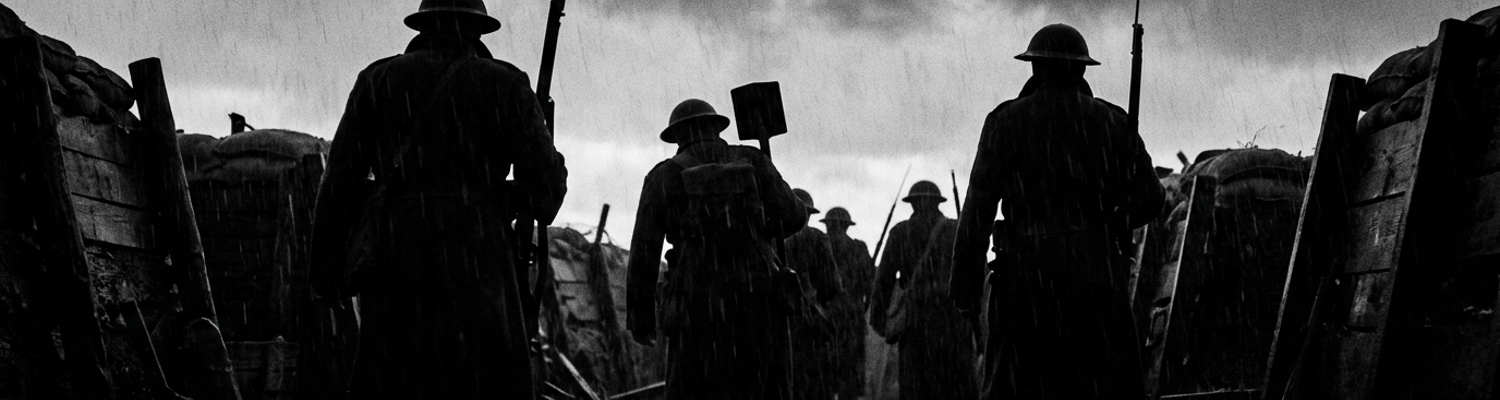

Operation Adair Launch and Intelligence Cable BT 142358
The adversary held a four-to-one numerical advantage across the southern boundaries of Quang Tin Province. Intelligence map overlays in the battalion command bunker recorded two reinforced regiments of the 2nd Division of the People's Army of Vietnam. They were complemented by the veteran local force 1st Viet Cong Regiment holding the ridgelines and hedgerows around Thang Binh. Against this mass of several thousand entrenched hostile fighters, the 3rd Battalion, 5th Marines could muster fewer than eight hundred riflemen. A single understrength Marine rifle platoon of thirty men occupied linear frontages designed for an entire infantry company. Company commanders understood that every forward squad would encounter superior enemy numbers within minutes of making contact. Divisional reserves were unavailable to plug breaches in the line.
Numerical dominance belonged entirely to the opposing force.
A close review of operational logs (Command Chronology, July 1967) indicates that at 0615 hours on July 14, 1967, 3rd Battalion, 5th Marines received an urgent intelligence dispatch. It designated Grid BT 142358 as a heavily fortified hostile concentration. The targeted coordinate sat directly amid saturated rice flats three miles southeast of the district center. Monsoon runoff turned defensive fighting positions into collapsing mud pits. Marine riflemen cleared thick clay with scraping entrenching tools. They rebuilt waterlogged parapets while field radios sputtered with dead static. Warning dispatches transmitted from Regimental Combat Team 5 headquarters specified that the coordinate sheltered deep subterranean bunkers. These were reinforced overhead with heavy coconut logs, railroad ties, and thick layers of tamped subsoil. High humidity and persistent damp corroded PRC-25 radio terminals. Signal personnel scraped contacts clean with bayonet points while cross-referencing topographic map sheets. Aerial reconnaissance flights over the grid square confirmed fresh fighting trenches and overhead wire entanglements. They also identified mutually supporting heavy machine gun positions designed to enfilade any force attempting to cross the open paddies.
The intelligence cable demanded an immediate combat sweep.
When examining the historical record, Operation Adair commenced southeast of Thang Binh to intercept reinforced Viet Cong and North Vietnamese Army elements. These units threatened to overrun local territorial outposts along Highway 1. Battalion commander Lieutenant Colonel Charles Webster ordered Company Kilo and Company Mike to deploy as the primary assault elements. They moved cross-country across mud-soaked terrain to cut off the enemy force before it could disperse into the Que Son Valley. Hostile forces in this sector belonged to the 1st Viet Cong Regiment working in direct coordination with heavy-weapons battalions from the North Vietnamese 2nd Division. This presented a combined force equipped with Soviet-manufactured 12.7mm anti-aircraft machine guns, 82mm mortars, and recoilless rifles. Transport trucks stalled along the primary supply route. Thick clay clogged wheel wells and axles. The Marines proceeded on foot under blistering heat. Troops advanced along linear dikes and flooded paddies. They advanced through an approach corridor that local enemy cadres had seeded with wooden box mines, punji stakes, and pre-ranged mortar kill zones.
Archival evidence shows that as lead platoons closed within six hundred meters of the objective, acoustic conditions deteriorated into shrieking shrapnel and sudden mortar detonations. These blasts severed wired field telephones. Broken electrical connections inside squad radios created sustained dead static across company command nets. Waterlogged sandbags slumped along canal banks. They offered zero protection against incoming steel fragments that sheared through radio antennae and personal gear. Riflemen used hand-and-arm signals through driving rain. They pushed the assault line into the outer tree lines of the village complex where visibility dropped below twenty yards.
The first enemy bunker embrasure opened fire with a heavy machine gun at 0830 hours.
Fortified Complex Architecture Near Grid BT 140360
Coordinates BT 140360 concealed an engineered defensive zone.
Archival evidence shows that local Viet Cong sappers and North Vietnamese Army combat engineers spent months preparing the tree line flanking BT 140360. Building crews stripped salvaged stone and kiln-fired masonry from French-era structures around Thang Binh. They utilized the rigid material to erect subterranean bunker boxes capable of resisting direct artillery concussion. Above these stone foundations, hostile engineers layered heavy jackfruit and coconut palm logs in alternating horizontal and vertical tiers measuring up to three feet thick. Laborers packed wet alluvial mud drawn directly from adjacent riverbanks and paddy bottoms between each timber layer. They tamped the clay until it formed an elastic composite barrier. Marine 3.5-inch rocket teams later fired high-explosive anti-tank rounds directly into the bunker faces. The packed alluvial mud absorbed the explosive jets. The primary log frames remained structurally intact. Mutual overlapping fields of fire linked these redoubts. Each bunker featured low-aperture firing slits cut flush with the natural ground level. This allowed RPD light machine guns and Degtyaryov heavy weapons to sweep flat paddies with interlocking bands of grazing fire six inches above the standing water.
Frontal assault squads walked directly into crisscrossing streams of 7.62mm tracer rounds.
A close review of operational logs indicates that the hostile engineers did not isolate these fighting bunkers as independent strongpoints. Subterranean communication trenches connected individual firing points across the entire hamlet perimeter at BT 140360. This formed an unbroken web of protected subterranean transit ways. Diggers cut these passages five to six feet into the clay soil. They shored up the walls with woven bamboo mats and placed earthen overhead covers concealed under living scrub vegetation. Internal crawlspaces featured ninety-degree angle baffles designed to suppress grenade overpressures and defilade rifle fire if Marines breached an entryway. Company Kilo elements directed mortar suppressive fire onto an active bunker on the northern approach. Hostile gun crews slid into the communication trench. They hauled their weapons forty yards south through the lateral shafts. Enemy combatants surfaced at secondary firing apertures before the Marine assault squads could cross the open paddy. They caught the maneuvering riflemen in enfilade from positions previously marked as suppressed. Battalion radio logs recorded repeated reports from platoon commanders who found hostile fire re-emerging from bunkers that had just been cleared with satchel charges.
The trenches turned every captured strongpoint into a renewed tactical trap.
When examining the historical record, Marine engineers discovered that these subterranean arteries linked at least fourteen camouflaged fighting apertures along the southern edge of BT 140360. Defensive commanders inside the complex positioned their communication trenches below the local water table. They constructed drainage sumps lined with crushed stone to keep the passage floors usable despite steady monsoon downpours. Radio antennas for hostile forward observers sat concealed inside hollowed bamboo stalks projecting through the trench ceiling. These ran down to battery-powered wire stations that coordinated pre-registered mortar fire on Marine rally points. Marine flamethrower teams brought forward to clear the bunker faces suffered mechanical igniter failures after wading through waist-deep paddy water. The 106mm recoilless rifle rounds failed to collapse the reinforced masonry lintels. Hostile rifle squads used the trench passages to resupply ammunition drums directly from central storage caches buried eight feet beneath the village center. They maintained continuous suppression against the stalled assault platoons.
Tactical Deployment of Companies Mike and Kilo
A close review of operational logs indicates that at 0845 hours, Company M and Company K executed the initial assault into the fortified village treelines under sustained machine-gun fire. The rifle companies deployed two abreast across four hundred meters of waist-deep rice paddies fronting grid coordinates BT 140360. Company Kilo held the northern approach. Company Mike anchored the southern flank. Hostile gunners embedded within reinforced bamboo hedgerows held their fire until the lead Marine elements crossed the secondary drainage canal. They opened with simultaneous interlocking volleys from Soviet-pattern 12.7mm DShK heavy machine guns (serial numbers indicating 1965 production) and Type 56 light automatics. Mud-laden paddy water churned violently under continuous automatic fire that skipped inches off the surface. Machine gun teams attempting to lay down suppressive fire with squad M60s suffered constant jams. Fine river silt contaminated the open gas cylinders and feeding trays. Company officers pushed their rifle platoons directly toward the vegetative berms to escape the water.
Forward progress stopped abruptly along the exposed paddy dikes.
Archival evidence shows that mechanical weapon stoppages crippled American firepower during the first twenty minutes of contact. Marine riflemen firing early-model M16 rifles experienced severe extraction failures. Hot propellant gas left thick carbon rings that fused soft brass cartridge casings directly inside muddy chambers. Infantrymen lacked forward assists or specialized cleaning tools. They unsheathed three-piece steel cleaning rods. They shoved them down smoking barrels under direct fire and manually hammered stuck cartridges out through the ejection ports. Mud contaminated the rifle buffer springs. This reduced cyclic rates until weapons ceased cycling altogether. Mortar crews from Company Mike tried to establish defensive fire from positions behind low earthworks. Soft mud caused their 60mm baseplates to sink six inches after every discharge. This threw off all elevation and deflection settings. Heavy fragmentation from exploding 82mm enemy rounds punctured water cans and tore apart canvas bandoliers. Riflemen quickly exhausted their basic combat load of twenty-round magazines. They were unable to establish local fire superiority against concrete-reinforced log bunkers set flush with the ground.
The open terrain offered no cover from grazing automatic fire.
When examining the historical record, point platoons encountered pre-sighted kill zones that fractured conventional linear platoon advances into isolated squad actions. Enemy combat engineers had surveyed the approach corridors weeks earlier. They registered their heavy weapons on the narrow dikes that crossed the flooded fields between BT 141359 and BT 140360. 1st Platoon and 2nd Platoon moved forward in standard skirmish lines. They triggered coordinated flanking fires. This killed forward command leaders and sheared the whip antennas off PRC-25 radio sets. Severed wiring harnesses inside battalion relay sets ended forward battery communication. This interlocking machine-gun envelope obliterated all linear squad coordination within sixty seconds. Platoon commanders lost visual contact with their lead fire teams as dirt geysers obscured the treeline. Men scrambled down into the muddy drainage cuts. They left individual fire teams trapped behind narrow earthen berms where squad leaders could neither see adjacent units nor receive radio transmissions from company headquarters. Trapped in sixty-yard pockets, riflemen endured continuous streams of 12.7mm rounds that tore through the earthen dikes between them.
Squad leaders operated on their own initiative to break out of the kill pockets. Fire team leaders crawled through stagnant water to reach close range. They attempted to knock out the positions with M79 grenade launchers. Exploding 40mm high-explosive rounds struck the exterior log revetments. They detonated harmlessly against packed mud cushions without damaging the guns within. Point men improvised satchel charges using blocks of C-4 explosive and delay blasting caps. They slid them across mud berms toward the embrasures under the cover of rifle fire. Isolated clusters of four to six Marines threw smoke grenades to blind the embrasures. They advanced on their bellies through thirty yards of bullet-swept mud toward the nearest communication trench.
Parapet Maintenance and Monsoonal Fighting Hole Erosion
The water table along the paddies sat four inches below the surface grass.
Archival evidence shows that torrential monsoon downpours struck the 3rd Battalion, 5th Marines lines between coordinates BT 141359 and BT 142358 within three hours of initial contact. Saturated earthen parapets built along paddy margins dissolved into liquid clay under a relentless deluge exceeding two inches per hour. Hostile gunners from the 1st Viet Cong Regiment swept the dikes with 7.62mm fire and intermittent 82mm mortar barrages. Riflemen lay prone in standing water. They worked the threaded locking collars of standard M1951 entrenching tools (FSN 5120-705-2487). Men loosened the screw mechanisms with their teeth or bayonet hilts when fine grit locked the hinges. They angled the steel spade blades at ninety degrees to drag sodden earth back toward their chest-high berms. High-explosive mortar bursts repeatedly liquified these improvised defenses. This showered shrapnel across exposed positions and blew out newly shoveled retaining ridges. Squad leaders directed two riflemen in each four-man team to shovel wet mud continuously while the remaining two maintained suppressive fire toward the village tree line. Sandbags had deteriorated from weeks of damp storage at Chu Lai. Infantrymen scooped slurry bare-handed to maintain a minimal four-inch defilade against grazing DShK rounds.
Field fortifications sheared straight down into the trenches.
A close review of operational logs indicates that the sudden ground saturation destroyed the structural integrity of two-man fighting holes dug along the secondary canal line. Riflemen from Company Kilo had excavated initial positions three feet deep into the alluvial subsoil during the early morning lull. They planned to use them as interlocking secondary fighting positions. Within forty minutes of the downpour, hydrostatic pressure caused the unsupported clay sidewalls to bulge and shear inward. This pinned occupants up to their thighs in thick, suctioning mire. Drainage sumps dug into foxhole corners quickly filled with runoff. This reversed the intended runoff flow and channeled surface water directly into the defensive pits. Platoon commanders ordered troops to abandon deep excavations and transition to shallow scrapes along existing agricultural berms. Men trapped in collapsed holes could not traverse their M16 barrels across assigned sectors of fire. Engineers attempting to revet the walls found zero lumber in the fire zone. They left riflemen with no mechanical means to secure the collapsing mud.
Saturated clay walls collapsed without warning.
When examining the historical record, rising floodwaters inundated company ammunition staging points established along low-lying bunds fifty meters behind the forward trace. Crates of 60mm high-explosive mortar rounds and green metal cans of linked 7.62mm ammunition rested in eight inches of stagnant runoff when the irrigation cuts overflowed. Moisture penetrated the permeable cardboard packing tubes. This turned the protective inner sleeves into pulpy residue that gummed up the tail fins and mechanical fuze assemblies of mortar shells. Battalion logistics officers noted that salt air and monsoon moisture accelerated galvanic corrosion across steel-cased linking clips. This caused machine gun belts to bind when fed into the receivers of Company Mike M60s. Ammunition handlers scrambled under continuous mortar harassment to haul five-hundred-round wooden crates onto higher ground. They improvised dunnage from severed jackfruit branches and discarded poncho shelters. Forward squad runners returning from the supply points carried M16 magazines wrapped in plastic ration wrappers to keep silt out of the follower springs.
Mortar crews wiped soaked propellant increments on their trousers before dropping rounds down the tubes.
Improvisational Sapping and Trench Clearing Protocols
Doctrine died at the trench lip.
A close review of operational logs indicates that standard Marine Corps doctrine for clearing reinforced enclosures collapsed within minutes of entering the forward communication trenches at BT 140360. Field manuals instructed four-man fire teams to stack along revetments, pie trench corners with high-ready M16 rifles, and breach blind junctions in rapid two-man wedges. That training assumed right-angle corners with level dirt floors wide enough for shoulder-to-shoulder movement. Inside the complex, North Vietnamese engineers had dug the passages less than twenty-eight inches wide. They alternated the floor grade between calf-deep mud sumps and jagged subterranean steps. Point men rounding the tight earthen corners found their rifle muzzles striking the woven bamboo shoring. This wedged weapon barrels directly into dirt sidewalls. Hostile gunners positioned prone at the base of sixty-degree elbow bends waited for the visual silhouette of a helmet or an extended rifle barrel before triggering five-round bursts from Type 56 automatics. Steel projectiles struck clearing teams point-blank through chest-level clay edges. This shattered the lead men and blocked the single-file line of advance behind them.
Frontal entry produced instant casualties.
Archival evidence shows that rifle squad leaders from Company Kilo responded to these fatal funnels by completely abandoning textbook corner clearing in favor of improvisational counter-sapping. Riflemen refused to step into the open trench intersections. Two-man teams crawled across the top of the mud berms with standard M1951 entrenching tools locked at right-angle hoe configurations. Marines scraped away the topsoil eighteen inches behind the defended corner while crawling through incoming sniper fire. They excavated vertical plunge holes directly through the trench roof. They opened narrow vertical shafts down into the enemy transit ways. Once an opening breached the bamboo ceiling, an infantryman thrust an M16 barrel down into the dark passage below. They fired cyclic bursts blindly into the hostile traverse to suppress defenders while another Marine widened the breach. By cutting downward bypasses directly into the earthen ceilings, the squads bypassed the defended blind corners from above without ever entering the grazing kill line of the hostile gunners.
The trench war became vertical.
When examining the historical record, subterranean saps cut laterally into the trench walls presented an even more intractable tactical problem. These recessed alcoves, dug three to four feet deep into the firm subsoil beneath horizontal jackfruit timbers, sheltered enemy fighters who retreated into the darkness whenever Marine fire approached the junction. Fragment patterns from standard 40mm grenades fired by M79 gunners struck the outer earthen lintels. They expended their explosive energy outside without penetrating the recessed pockets. Clearing teams adapted by constructing field-expedient satchel charges using canvas sandbags stuffed with ten to fifteen pounds of composition C-4 plastic explosive. Demolition men fitted these packages with non-electric blasting caps and short lengths of M700 time fuze. They initiated the charges with M2 friction igniters before heaving the heavy bags blindly around ninety-degree clay corners. Detonations produced massive overpressures in the confined tunnels. The high-explosive concussions sheared through internal timber retaining stakes. They ruptured the eardrums and lungs of defenders sheltering inside the recessed saps and collapsed tons of wet clay directly into the crawlspaces.
Concussion did what bullets could not.
Combat logs from Company Mike record that infantrymen paired these concussive blasts with rapid-fire fragmentation drills to secure the surviving dead-space pockets. Clearing teams pitched pairs of M26A1 fragmentation grenades around the next blind elbow immediately after a satchel charge detonation collapsed the forward roof. They bounced the smooth steel spheres off the dense clay berms so they rolled directly toward the recessed sap entrances. The lethal fragmentation envelope of the exploding M26A1 canisters eliminated any hostile fighters attempting to dig themselves free of the collapsed subsoil. A backup rifleman rounded the shattered corner with a loaded bayonet and a combat shotgun before the dust settled. They fired point-blank double-ought buckshot into the subterranean crawlway. Squad leaders rotated point men after every two corner clearances. Thick cordite smoke and burning mud stripped of oxygen left the forward infantrymen vomiting into their utility shirts. Company Mike consolidated its hold over the southern trench junction by stacking enemy bodies inside the blown-in saps and using them to revet the collapsed walls against subsequent counterattacks.
Degradation of PRC-25 Radios and Command Networks
Water destroyed the radio network faster than hostile fire.
Archival evidence shows that standard AN/PRC-25 tactical transceivers (NSN 5820-00-857-0759) carried by Company Kilo and Company Mike suffered systemic signal degradation the moment operators dropped into flooded fighting scrapes. Operating along the 30.00 to 75.95 megahertz very-high-frequency band, the units depended on clean line-of-sight propagation that saturated subsoil completely neutralized. Sunk inside six-foot clay communication trenches near coordinate BT 140360, the short three-foot AT-892 steel tape antennas radiated directly into wet earth walls. They lost over eighty percent of their effective radiated power to ground absorption. Neoprene gasket seals protecting the lower battery compartment failed under steady hydrostatic pressure when radio operators submerged the aluminum chassis in knee-deep drainage sumps. Infiltrating paddy water flooded the BA-386 dry battery cavities. This created instant electrolytic shorts that corroded the terminal pins and drained cell voltages from fifteen volts down to zero within twelve minutes. Signalmen attempting to swap power packs found their canvas accessory bags filled with soupy mire. They were forced to wipe terminal contacts with utility trousers before clamping fresh dry cells into corroded housings.
Every transmission attempt inside the earthworks produced only dead static.
A close review of operational logs indicates that communications personnel tried to regain net connectivity by rigging ten-foot AT-271 fishpole whip antennas onto the flexible base springs. Raising these extended antennas above the trench lip immediately drew concentrated fire from 12.7mm DShK positions concealed in the tree line. Steel projectiles sheared the hollow brass sections off at the mounting collar. The remaining whip fragments whipped back into the trenches, slicing the faces of waiting radio operators. Silt and iron-heavy clay ground into the threads of the U-229 audio connectors. This broke contact between the transceiver casing and the H-138 handset cords. High humidity accelerated condensation across the intermediate-frequency strip and the final power-amplifier stage inside the unit housings. This caused the single 2E24 vacuum tube to burn out when operators pressed the push-to-talk switches against dead loads. Platoon runners dispatched to re-establish physical contact between separated assault squads had to low-crawl across open paddy dikes under direct machine-gun observation.
Forward command elements operated in total electronic isolation.
When examining the historical record, Forward Air Controllers attached to Company Mike suffered total communication blackouts during the most severe phases of the bunker assault. Battalion tactical air control parties tasked with directing Marine Attack Squadron 12 A-4 Skyhawks out of Chu Lai could not maintain contact with incoming flights once strike aircraft descended below cloud ceilings at eight hundred feet. Operating on dedicated ultra-high-frequency channels using PRC-41 pack sets alongside the battalion PRC-25 FM nets, forward controllers found their signals completely blocked by dense jungle scrub and surrounding terrain folds. Attack pilots orbiting overhead at four hundred knots could not identify friendly positions. Yellow and green smoke markers drifted horizontally across the mud flats, blending with burning scrub fires. Forward controllers inside the forward irrigation ditch attempted five times to talk strike aircraft onto fortified log bunkers sixty yards ahead of the Marine line. Their carrier signals broke up into unintelligible bursts of noise. Flight leaders aborted three successive napalm drops along the southern tree line because they could not confirm the front-line trace of Company Kilo rifle platoons pinned in adjacent ditches.
By 1120 hours, regimental combat logs noted that zero voice traffic passed between the forward assault companies and the 1st Battalion, 13th Marines artillery fire direction center for forty-seven consecutive minutes. The infantry suppressed heavy machine-gun bunkers with 3.5-inch rocket launchers and hand-thrown satchel charges.
Masonry Bunker Clearance and Close Quarters Fighting
The light anti-tank weapon proved useless against hardened stone.
Archival evidence shows that rifle squads from Company Kilo fired over twenty M72 LAW rockets directly at the exterior masonry embrasures anchoring BT 140360 without disabling a single hostile machine gun. The 66mm shaped-charge warheads depended on high-velocity molten copper jets to burn through vehicle armor plate. Sixty-centimeter-thick French-quarried granite and salvage kiln brick dispersed the explosive energy outward across the wet mud revetments. Piezoelectric fuzes detonated against the exterior stone without generating internal spalling or structural collapse when rockets struck the reinforced masonry lintels squarely. Hostile RPD machine gunners inside the bunkers paused only seconds during each rocket blast before resuming sustained fire across the exposed rice bunds. Company Kilo squad leaders ordered riflemen to eliminate the masonry works manually. Assault teams stripped off web gear, slung their rifles across their backs, and crawled through three-inch mud slicks toward the firing slits. Pinned flat beneath grazing 7.62mm fire that cleared the paddy surface by less than five inches, infantrymen dragged themselves sixty yards through standing water. They clutched smooth-bodied M26A1 fragmentation grenades in their fists until they closed to within twenty-five yards of the gun apertures.
Riflemen entered the subterranean kill zones through blown blast doors.
A close review of operational logs indicates that combat transitioned into violent subterranean grappling the moment Marines dropped into the redoubts beneath the masonry caps. In pitch-black crawlspaces four feet below ground level, standard 39-inch M16 rifles (Colt Model 603) proved impossible to traverse against hostile combatants waiting behind reinforced bulkhead baffles. Long barrels hung up on exposed root systems and field telephone wire running along the earthen walls. Marine team leaders drew their standard-issue .45 ACP M1911A1 semi-automatic pistols. They fired point-blank into the darkness while working downward along descending access ladders. Hostile defenders armed with folding-stock Type 56 carbines grappled directly with clearing teams in ninety-degree crawlways. They turned the clearance into hand-to-hand combat fought with M7 bayonets and heavy Ka-Bar knives. Unburned powder smoke and exploding defensive grenades exhausted the breathable oxygen inside the chambers. Men fought chest-to-chest in standing water. Point men used steel bayonets to disarm North Vietnamese defenders who lunged from concealed lateral crawl holes. They drove blades through utility uniforms into heavy timber frames.
Combat inside the central bunker network lasted forty-five minutes without interruption.
When examining the historical record, second platoon riflemen from Company Mike systematically cleared three interconnected masonry chambers along the western perimeter of BT 140360 by coordinating sidearm fire with point-blank fragmentation. Team leaders cycled fresh seven-round magazines into their M1911A1 pistols by feel. They cleared jammed slides caused by fine paddy grit before advancing down the secondary branch tunnels. Subterranean shockwaves from defensive grenade drops ruptured the eardrums of Marine point men. Fire teams pushed through collapsed mud bulkheads to neutralize surviving heavy-machine-gun crews. Clearing teams recovered four damaged DShK gun mounts, seventeen discarded SKS carbines, and twelve dead hostile gunners from the central underground room before cordoning the southern trench exits at 1240 hours.
Tactical Aftermath and Doctrinal Friction With MACV Strategy
The village complex fell silent at 1415 hours.
Archival evidence shows that the clearance of BT 140360 exposed severe discrepancies between high-level Military Assistance Command, Vietnam search-and-destroy directives and the physical execution of bunker warfare. MACV planners in Saigon prioritized rapid mobility and body count metrics. They envisioned helicopter-borne infantry sweeping vast tracts of terrain to force decisive engagements. The 3rd Battalion, 5th Marines spent eight hours advancing less than six hundred meters. They expended thousands of rounds of small arms ammunition and hundreds of pounds of high explosives to secure a single hamlet perimeter. The fortified network at Thang Binh required methodical, slow-paced siege tactics that contradicted the divisional emphasis on rapid maneuver. Rifle companies sustained heavy casualties not in open maneuver, but while trapped in flooded communication trenches fighting hand-to-hand with entrenching tools. Battalion commanders filed post-action reports detailing the inadequacy of standard infantry equipment for subterranean clearance. They requested specialized demolition kits and shortened shotguns for future operations in Quang Tin Province.
Search-and-destroy became a static crawl.
A close review of operational logs indicates that the physical toll on the assault companies degraded their combat effectiveness for weeks following Operation Adair. Company Kilo and Company Mike suffered severe attrition among their non-commissioned officer ranks. Squad leaders and fire team commanders took the highest casualty rates while leading frontal assaults against the masonry embrasures. Medical evacuation helicopters could not land in the flooded paddies during the height of the engagement. Corpsmen treated severe gunshot wounds and shrapnel lacerations on muddy canal banks using contaminated field dressings. The monsoon rains accelerated trench foot and bacterial skin infections among the surviving riflemen. Weapons platoons spent days stripping down jammed M16 rifles and M60 machine guns. They boiled the rusted components in diesel fuel to remove the baked-on river silt. The 1st Viet Cong Regiment and elements of the North Vietnamese 2nd Division withdrew their surviving forces into the Que Son Valley under the cover of darkness. They left behind a shattered village complex and a heavily depleted Marine battalion.
The enemy traded space for American blood.
When examining the historical record, the July 1967 Thang Binh saps demonstrated the tactical sophistication of North Vietnamese combat engineering. Hostile forces transformed standard agricultural terrain into a multi-layered defensive network capable of absorbing massive firepower. The interlocking bunkers, subterranean trenches, and recessed saps negated American advantages in artillery and close air support. Marine infantrymen bore the full weight of the clearance operation. They fought a claustrophobic, vertical war inside collapsing mud walls. The engagement at BT 140360 forced regimental commanders to reevaluate their approach to fortified village complexes. They recognized that standard linear assaults produced unacceptable casualty rates against prepared defenses. The 3rd Battalion, 5th Marines held the ground at Thang Binh. The cost of that ground dictated a shift in tactical thinking across the division.
The mud claimed the dead.