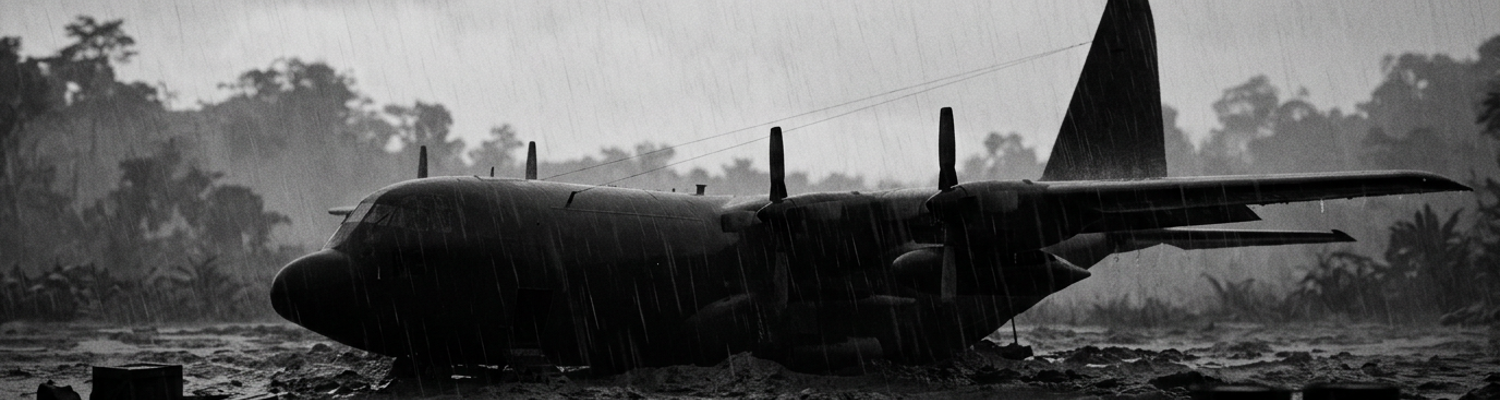

Stilwell's Operational Directives and the May Timetable
The plan to sustain a division-scale assault force over hundreds of miles of jungle canopy using an unprepared dirt strip during the onset of the monsoon was physically impossible from the day it was conceived.
The strategic clock dictated every tactical breakdown that followed.
General Joseph Stilwell issued field orders in early May 1944 demanding the immediate seizure of the Myitkyina railhead. This target served as the northernmost terminus of the Burma railway network. The operation required completion prior to the breaking of the southwest monsoon rains scheduled to inundate the Hukawng Valley by late May. Allied theater planners in New Delhi and Chungking viewed Myitkyina strictly as an air staging hub to replace the perilous Hump route over the eastern Himalayas. Staff directives threw three exhausted battalions of the 5307th Composite Unit Provisional across sixty-five miles of the Kumon Range. These elements moved along treacherous mountain tracks toward the airstrip at Pamati. Orders required these ground elements to secure the dirt runway and immediately seize the urban perimeter before cloud decks dropped below ridge heights. The Chinese 88th and 89th Regiments of the 30th Division reinforced the advance. The 42nd and 150th Regiments of the 50th Division followed close behind. Operational maps treated the railhead and the adjacent rail yards as secondary objectives that would collapse once transport planes touched down. Headquarters expected the airstrip operational within hours to land Chinese infantry and engineer battalions. The command staff bet that forward momentum alone would overrun the Japanese defenders before torrential storms washed out ground supply trails from Ledo.
No contingency existed for an entrenched urban defense.
Allied theater command framed the final urban clearance around an unfeasible seventy-two-hour timetable. Planners expected disorganized Japanese rear-echelon troops to abandon the town upon the loss of the western airfield on May 17. Combat intelligence reports drafted by NCAC G-2 sections had estimated the garrison at fewer than five hundred service troops, hospital patients, and non-combat personnel. Archival evidence shows that Colonel Maruyama Fusayasu had actually organized a defense force exceeding three thousand troops. He anchored his lines with seasoned combat veterans from the 114th Infantry Regiment. Elements of the 56th Division and heavy engineering detachments from the 18th Division reinforced the perimeter. Japanese soldiers turned the railway station and dense teak compounds into interlocking machine-gun bunkers. These positions featured railway ties, sandbags, and five-foot earthen parapets. Drainage ditches and railway embankments running north to south along the Myitkyina-Mandalay track formed ready-made anti-tank moats. Type 92 heavy machine guns and Type 41 75mm mountain guns covered these approaches.
The seventy-two-hour clearance schedule assumed Allied foot patrols could simply sweep the streets without heavy artillery support.
Armored vehicles and coordinated aerial bombardment were entirely absent from the initial assault plan. When the 150th Chinese Infantry Regiment pushed east from the captured runway into the zigzagging alleys of Myitkyina on May 18, Japanese machine-gun fire caught whole companies in the open across swampy rice paddies. Heavy casualties shattered the Allied operational timeline within its first twelve hours.
Initial Airhead Seizure at Myitkyina Airfield
Surprise achieved the objective before noon.
The initial capture succeeded because Japanese local commanders expected an attack from the north rather than across the Kumon Range from the south. At 1000 hours on May 17, 1944, Task Force H of the 5307th Composite Unit Provisional struck the western edge of the Myitkyina airstrip. The 1st Battalion of Merrill's Marauders alongside the Chinese 150th Infantry Regiment under Colonel Charles N. Hunter executed the breach. Japanese maintenance crews and light security detachments from the 114th Infantry Regiment broke contact and fell back toward the railway station. They abandoned ammunition dumps and earthworks without cratering the single dirt runway. Task Force H secured the physical perimeter within three hours. Troops were too exhausted by dysentery and the grueling sixty-five-mile march through the Kumon foothills to establish outer defensive outposts beyond the tree line. Hunter's signal corps detachment transmitted the coded radio message to northern combat headquarters in Assam at 1530 hours. This transmission initiated the immediate airlift. Ground crews at Sookerating, Dinjan, and Mohanbari immediately began loading combat cargo aircraft with soldiers of the Chinese 89th Regiment. Every twin-engine transport took on twenty-four fully equipped infantrymen, their pack mortars, and crates of 7.92mm Mauser ammunition. Pilots received orders to maintain five-minute approach intervals directly into the newly won perimeter.
Red clay dust coated the landing gear of the first flight before the perimeter was secure.
A close review of operational logs from Tenth Air Force troop carrier units indicates that transport aircraft touched down on an unpaved landing strip completely visible to enemy observers. Beginning at 1600 hours on May 17, dozens of C-47 Skytrains descended through broken cloud cover into the valley bowl. They aligned with the 4800-foot dirt strip while Japanese artillery units systematically found the range. Type 92 70mm battalion guns and 81mm mortars concealed in bamboo thickets along the southern railway embankment opened a sustained barrage against the touchdown zone. Pilots landed through active shell impacts. Aircrews kept their Pratt & Whitney R-1830 radial engines running at high idle to prevent spark plug fouling. They swung cargo doors open while the planes still rolled across the uneven field. Chinese infantrymen jumped from moving cabin doors into flooded drainage ditches along the runway margins. Shrapnel shredded wing surfaces and severed exposed hydraulic brake lines. Four transports sustained severe structural damage to their rudder assemblies within the first ninety minutes of operations. Aircraft stacked in holding patterns over the Irrawaddy continued their descents directly into the impact zone without fighter escorts.
The strip had become an active kill zone.
Initial tactical success quickly degenerated into a maintenance crisis on the tarmac. By nightfall on May 17, inbound transports had landed the complete 1st Battalion of the Chinese 89th Regiment along with battery elements of the 22nd Mountain Artillery. Twelve C-47s sat immobilized on the runway shoulder with punctured tires and ruptured fuel tanks. Combat cargo crews lacked mobile recovery cranes or spare landing struts. Ground infantry pushed shattered airframes into drainage swales by hand under continuous 75mm mountain gun fire. Shrapnel ignited a cache of drums containing 100-octane aviation fuel off the southern taxiway. A dense plume of black smoke marked the airstrip coordinate for Japanese forward observers through the night.
Monsoon Inundation and C-47 Mechanical Attrition
The southwest monsoon broke over the Myitkyina airstrip on May 21, 1944.
Daily rainfall measurements recorded by the 879th Airborne Engineer Aviation Battalion exceeded four inches within single six-hour windows. This deluge stripped away the compressed red clay crust of the runway. Water tables beneath the river plain rose immediately to the surface. Decomposing organic matter and jungle silt mixed with standing rainwater. This combination formed an eighteen-inch slurry of acidic mud across the entire dispersal zone. Ground vehicles attempting to tow cargo pallets bogged down to their transfer cases within yards of offloading ramps. Engineers deployed D-4 bulldozers to grade the surface. Steel tracks churned the subsoil into a liquid mud pit that swallowed heavy engineering plant wholesale. Forward elements had no structural base to stabilize the runway footprint. Foot soldiers of the Chinese 89th Regiment could not haul heavy water-cooled machine guns or 82mm mortar bases across the flight line. Crews abandoned crate loads along exposed taxiway fringes. Every attempted supply haul turned into a static winch recovery operation under continuous cloudbursts.
Standing water hid deep ruts beneath a uniform sheet of brown runoff.
Incoming transport aircraft touched down blind into these submerged craters at ninety miles per hour. Douglas C-47 Skytrain airframes landed at gross weights exceeding twenty-six thousand pounds with loads of 75mm howitzer shells. They struck invisible trenches hidden beneath the surface pools. The impact violently compressed the oleo-pneumatic landing gear struts past their mechanical design limits. Forward trunnion pins sheared clean off under sideways torque. The dual main gear assemblies collapsed into the wheel wells and drove spinning aluminum propeller blades straight into the mud. Hydraulic lines operating at one thousand pounds per square inch ruptured along the lower firewall connections as landing gear scissors twisted sideways. Flammable mineral fluid discharged into the mud. Pressure gauges inside cockpits dropped instantly to zero. The main wheel brakes failed entirely. Pilots lost all directional steering on the flooded surface. Co-pilots pumped manual hand brakes in vain as reservoir fluid emptied in seconds. Uncontrolled transports slid through standing pools until digging their wingtips into the runway verge. Tail wheel assemblies snapped off. Wreckage blocked incoming approach paths for following flights.
No replacement parts reached the strip.
Field mechanics from Tenth Air Force service detachments lacked dry concrete pads, jacks, and replacement tubing to repair the accumulating wrecks. Ground crews worked submerged to their waists in stagnant runoff. They stripped usable hydraulic fittings and salvageable landing struts from destroyed airframes while sniper fire swept in from the eastern rail line. Tropical fungal growth invaded torn line couplings within twenty-four hours of exposure. Bulk fluid drums became contaminated. Rubber packing seals inside the strut cylinders rotted away. Transport squadrons operating out of Assam airfields were forced to reduce payload quotas by twenty percent to keep planes from sinking past their wheel hubs during touchdown. Every single landing gouged new trenches into the subgrade. By the final week of May, fourteen shattered C-47 airframes lay abandoned along the runway shoulders. Their lower fuselages remained caked in fungal clay while air transport commanders canceled daylight reinforcement flights.
Supply Airdrop Degradation along the Irrawaddy
Parachutes disintegrated inside the cargo bays before reaching the drop coordinates.
Warehouse dumps at Assam staging depots in Ledo and Dinjan lacked dehumidified storage facilities. Canvas, cotton, and rayon fibers sat exposed to ninety-degree ambient heat and constant ninety-five percent relative humidity. Standard twenty-four-foot Type G-1 cotton supply parachutes sat packed in wet burlap containers for weeks prior to issue. Aggressive micro-fungal rot bred across the weave. This persistent atmospheric moisture stripped the tensile elasticity from braided cotton shroud lines. It weakened the crown webbing loops connecting the canopies to standard cargo harness rings. Douglas C-47 crews deployed the static lines at drop speeds exceeding one hundred and ten knots over Myitkyina. The sudden opening shock routinely tore rotted canopy gores straight along their vertical seams. Suspension lines snapped under the sudden jolt of five-hundred-pound crates of 75mm pack howitzer ammunition and crated water cans. Heavy bundles separated instantly from their canopies. They plummeted into the jungle canopy at terminal velocity. Ground detachments from the 5307th Composite Unit Provisional reported that free-falling mortar shell containers penetrated several feet into the saturated clay. They detonated on impact or pulverized dry rations into inedible dust.
Crews delivered hundreds of tons directly to the riverbed.
Low-pressure storm fronts descending from the Kumon Range pinned cloud ceilings between two hundred and four hundred feet above the valley floor. Pilots negotiating the narrow river corridor flew blind through driving rainsqualls that obscured terrain markers and signal fires lit by forward Chinese infantry. River valley crosswinds blowing off the eastern bluffs gusted past thirty knots. These winds struck transport planes broadside during their low-altitude approach runs across the designated drop fields west of the Myitkyina railway line. Riggers standing at open fuselage doorways pushed bundle trains outward through heavy turbulence. The restricted drop altitude gave static-line canopies only four to six seconds to arrest descent. Crosswinds grabbed the swaying canopies and carried whole cargo serials across the narrow two-hundred-yard drop clearing held by Task Force H. Crates drifted eastward past the high clay bluffs. They splashed directly into the swollen Irrawaddy River. The river had crested ten feet above its seasonal banks with runoff waters flowing at ten knots. Heavy mortar baseplates and boxed small-arms ammunition sank instantly into thirty feet of mud-choked water.
Retrieval parties faced drowning and targeted rifle fire along the riverbanks.
Recovery units managed to salvage less than thirty-five percent of dropped tonnage during the final ten days of May 1944. Marauder patrols and Chinese engineers from the 14th Division attempted to string wire cables across flooded inlets to snag drifting ration crates. Strong undercurrents snapped steel tow ropes and swept three transport skiffs downstream into Japanese-held territory. Japanese snipers stationed on the eastern shore at Waingmaw maintained direct fields of fire across the open river bend. They picked off salvage crews as they dragged soaked canvas sacks from the swirling brown current. Thousands of rounds of .30-caliber machine gun ammunition drifted south toward enemy defensive lines around the Myitkyina rail yards. Plasma containers and field surgical kits followed the exact same current.
Frontline Artillery and Medical Supply Deficits
Artillery barrels fell silent across the western perimeter before the third week of May ended.
Forward 105mm howitzer crews supporting the Chinese 89th Regiment and Task Force H faced stringent ammunition caps of just six rounds per tube per day. Behind this rationing lay an administrative paralysis across Assam supply depots at Ledo, Dinjan, and Chabua. Rail sidings in eastern India were choked with general engineer stores and heavy vehicle assemblies. This blocked Class V ordnance trains from transferring high-explosive shells to airfield ramps. Flight crews occasionally managed to load standard forty-pound M1 high-explosive projectiles into Douglas C-47s. Persistent torrential storms and submerged touchdown zones at Myitkyina prevented transport landings. Two batteries of M2A1 105mm howitzers emplaced in cleared bamboo groves north of the Pamati ferry could not register zeroed firing concentrations against fortified Japanese positions. Gun commanders watched Japanese Type 92 mountain guns methodically shell Allied runway positions without returning counter-battery fire. Battery officers repeatedly denied urgent fire missions requested by Chinese company commanders pinned down within eighty yards of the Myitkyina railway station.
Gunners defended their tubes with carbines because shell pits stood empty.
Attempts to float artillery resupply down the Irrawaddy on improvised pontoon rafts resulted in complete losses. Fast river currents swamped wooden lighters. Ground observers near the charpoy huts of Radhapur had located Maruyama's timber-reinforced command bunkers along the western rail embankment. Tenth Air Force forward air controllers could not direct aerial strafing runs under two-hundred-foot cloud decks. Artillery forward observers requested twenty-round salvos to crack the overhead coconut-log fortifications. Battery command counters granted two shells. Both impacts failed to penetrate the four-foot dirt berms. Japanese machine-gun teams remained unharmed to sweep advancing Allied platoons with crossfire across waterlogged paddies.
Biological collapse decimated combat strength faster than Japanese defensive fire.
Saturated foxholes and open sanitation trenches filled with brown monsoon runoff. The complete breakdown of field purification systems sparked virulent outbreaks of amoebic dysentery across all three battalions of Merrill's Marauders and adjacent Chinese infantry units. Men evacuated their bowels thirty to forty times a day while lying flat in weapon pits under constant sniper fire. They suffered from severe rectal hemorrhaging and dehydration. An explosive surge of Plasmodium falciparum and vivax malaria infected frontline ranks simultaneously. The theater supply pipeline failed to maintain shipments of replacement suppressive quinine and quinacrine hydrochloride tablets to the Assam airheads. Critical medicine crates sat stranded at the base depot in Calcutta. Soldiers who lost their initial twenty-tablet blister packs in river crossings had zero replacement access. Internal temperatures among infected riflemen spiked above one hundred and four degrees Fahrenheit. Violent shivering fits prevented soldiers from sighting their M1 Garand rifles or operating mortar traversing gear.
Field aid stations operated without saline solution or clean bandages.
Evacuation manifests from the single dirt taxiway logged over seventy-five daily litter cases suffering from advanced delirium and parasitic intestinal collapse. Depleted infantry companies operated with fewer than thirty men able to walk the perimeter wire.
Tropical Moisture Failure of Tactical Radios
Voice communication between forward assault platoons and overhead strike aircraft ceased to function across the Myitkyina perimeter by the fourth week of May.
Assault battalions from the 5307th Composite Unit Provisional and the Chinese 150th Infantry Regiment depended on two primary radio platforms to coordinate close air support with Tenth Air Force forward air controllers. Forward observers pinned down in the flooded trenches northwest of the railway station carried the SCR-300. This thirty-eight-pound backpack frequency-modulated transceiver operated between 40.0 and 48.0 megacycles. Tactical doctrine required frontline rifle companies to employ these portable sets to relay target coordinates to tactical air control parties positioned along the western edge of the Pamati airfield. Long-range transmission back to Northern Combat Area Command airbases in Dinjan and Chabua required the vehicle-mounted or two-man portable SCR-284. This amplitude-modulated unit operated across high-frequency bands between 3800 and 5800 kilocycles. It required a heavy GN-45 hand-cranked generator. Air liaison officers from the 5th Liaison Squadron attempted to establish continuous contact with P-40 Warhawks and B-25 Mitchells circling above the cloud base. They directed bomb drops against fortified timber bunkers held by Colonel Maruyama's 114th Infantry Regiment. Ground teams marked Japanese strongpoints with colored smoke pots. They spoke into T-17 handheld microphones to guide pilots through descending cloud layers. Operating manuals rated the SCR-300 for a three-mile line-of-sight range through temperate woodland. The dense teak canopies and bamboo groves outside the city limits suppressed operational range to less than five hundred yards.
The tropical atmosphere systematically destroyed the internal components of every radio chassis in the valley.
Relative humidity levels hovered continuously near ninety-eight percent. This overwhelmed the non-hermetic seals of the Signal Corps equipment. Moisture vapor infiltrated the stamped sheet-metal housings of both radio sets. Condensation formed directly onto the exposed phenolic circuit boards. Standard BA-70 dry battery packs assigned to the SCR-300 suffered rapid structural breakdown within seventy-two hours of exposure to saturated mud. These packs consisted of nested zinc-carbon dry cells designed for temperate storage. Corrosive ammonium chloride electrolyte seeped through cracked cardboard jackets. Battery terminals became encrusted in thick blue-green copper sulfate verdigris. Electrical conductivity halted entirely. Aggressive saprophytic fungal spores colonized the Bakelite bases and wiring harnesses inside the transceiver chassis. Fungal hyphae formed conductive moisture filaments across adjacent tube socket pins. Miniature 1T4, 1R5, and 3S4 glass vacuum tubes short-circuited under the high plate voltages required for transmission. Condensation inside intermediate frequency transformers caused dielectric breakdown. Calibrated tuning circuits drifted completely off assigned channels. Signalmen scraped contacts with trench knives and attempted to dry delicate chassis components over petrol fires beneath ponchos. Soot contamination and localized thermal shock cracked the glass envelopes of spare vacuum tubes.
The simultaneous breakdown of portable signal hardware severed tactical command and control between company commanders and air support squadrons. On May 24, elements of the 3rd Battalion, 5307th Composite Unit Provisional attacked Japanese entrenchments near the Charpoy settlement. They lost all radio link with Tenth Air Force fighter-bombers orbiting at two thousand feet. Flight leads from the 80th Fighter Group aborted three consecutive bomb runs against Japanese machine-gun redoubts along the northern railway spur. They could not receive updated target adjustments or warning markers from the blinded ground observers. Company commanders sent runner messengers through open mud paddies to carry coordinate updates by hand. Japanese snipers firing Type 99 rifles from concealed platform trees killed four consecutive runners before any handwritten coordinates reached the battalion command post. Deprived of aerial strafing suppression, advancing Chinese platoons walked straight into interlocking fire from Type 92 heavy machine guns emplaced in reinforced brick buildings.
Signal supply records at Ledo confirmed the total equipment loss. Eighty-two percent of replacement vacuum tube allotments dispatched to Myitkyina arrived shattered or waterlogged inside wet packing straw.
Severed Air-Ground Coordination and Urban Fratricide
Flight leaders diving through broken cloud banks over the northern rail corridor had no way to tell who occupied the ruins below.
Tenth Air Force pilots flying Curtiss P-40 Warhawks and North American P-51 Mustangs arrived over the target sector with zero direct link to forward ground observers. Saturated SCR-300 transceiver sets sat ruined across company command posts. Corroded battery contacts and blown vacuum tubes cut voice transmission at the exact moment close support was requested. Air liaison teams resorted to spreading orange and cerise fluorescent identification panels across jungle clearings to demarcate friendly perimeters. Daily cloudbursts washed these cotton markers into the swamp or caked them in red sediment until they blended into the surrounding earth. From an attack cockpit descending at three hundred miles per hour beneath five-hundred-foot cloud ceilings, the river valley appeared as a continuous expanse of rain-drenched teak groves, bamboo thickets, and gray water pools. Japanese defensive nests belonging to the 114th Infantry Regiment lay mere yards from Allied foxholes. They hid beneath overhead timber berms that looked identical to the surrounding undergrowth. Pilots circled blind over the western fringes of the town. They could not pinpoint where friendly skirmish lines ended and enemy fortified weapon pits began.
Mud obscured every visual marker on the ground.
This total lack of coordination produced direct urban fratricide during the battle for the Myitkyina rail yards. On the morning of assault operations against the western perimeter, mixed assault detachments from the Chinese 150th Infantry Regiment alongside veteran squads from the 5307th Composite Unit Provisional breached the locomotive repair depot. Japanese defenders had converted these sprawling, multistory brick railway workshops into an interlocking strongpoint. They utilized heavy iron lathe bases, locomotive boilers, and reinforced masonry arches to shield water-cooled machine guns. American and Chinese riflemen engaged in brutal, room-to-room hand grenade fighting inside the smoky machine bays. They cleared individual engine pits with Thompson submachine guns and satchel charges. Aerial reconnaissance reports sent back to Dinjan had designated the entire railway workshop complex as an active enemy redoubt. Air commanders remained unaware that friendly infantry had already forced entry through the western facade. P-40 fighter-bombers swept out of low cloud cover to deliver direct ground-attack runs on the complex. They released five-hundred-pound general-purpose demolition bombs and raked the masonry structures with continuous salvos of .50-caliber armor-piercing incendiary rounds.
Delayed-action bomb fuzes penetrated the corrugated iron roofing and exploded directly inside the crowded assembly halls. Detonations brought down load-bearing brick walls and heavy steel crane gantries onto the Chinese and American assault squads pinned inside the interior passageways. Shockwaves detonated friendly ammunition belts and white phosphorus grenades carried by the lead platoons. The enclosed industrial floor became a confined zone of flying shrapnel and pulverized mortar dust. Surviving riflemen attempting to drag wounded comrades through smashed window bays were caught in secondary strafing runs as diving pilots made second passes over the smoking rubble. Ground officers frantically fired green star-cluster flares from handheld projectors to signal an immediate abort. Thick monsoon smoke hanging beneath the overcast ceiling obscured the pyrotechnics from the cockpit canopies.
Over thirty American infantrymen and scores of Chinese soldiers were killed or incapacitated by their own aerial ordnance inside the collapsed machine shops. Battalion aid stations recorded fifty-two casualties from that single strike before nightfall.
Logistical Post-Mortem of the Myitkyina Campaign
Japanese garrison resistance collapsed on August 3, 1944.
The final breakthrough occurred only after Major General Mizukami Tadao committed ritual suicide in his command dugout on August 1. Colonel Maruyama Fusayasu orchestrated an unauthorized night evacuation across the Irrawaddy River. Japanese rear-guard units detonated remaining ammunition caches and abandoned approximately two hundred immobile wounded soldiers with hand grenades before pushing bamboo rafts into the swollen current under Allied mortar fire. Chinese infantry from the 50th Division and the 14th Division breached the final perimeter trenches along the shattered Myitkyina railway station at dawn on August 3. Eighty continuous days of static combat had reduced the assault forces to physical ruin. Merrill's Marauders evacuated over two thousand three hundred men due to scrub typhus, malaria, and physical exhaustion. Barely two hundred ambulatory infantrymen remained on the line. Combat cargo squadrons of Tenth Air Force flew round-the-clock airlift sorties through monsoon squalls without relief. They racked up hundreds of hours of unlogged engine wear while mechanics cannibalized wrecked airframes for spare parts. Flight crews operated in states of severe fatigue. They landed heavily loaded twin-engine transports onto pitted runways after twelve consecutive hours in unpressurized cockpits.
Eighty days of combat left both air wings and ground regiments physically depleted.
Theater logistics post-mortems identified the failure to deploy steel Marston matting and moisture-sealed electronics as critical tactical oversights. Northern Combat Area Command post-mortems concluded that omitting steel Marston matting crippled forward air mobility for two straight months. Theater planners prioritized immediate infantry reinforcements and small-arms ammunition over heavy engineering stores. They refused to allocate Douglas C-47 cargo capacity to lift standard ten-foot pierced steel planks from air depots in Ledo. Each ten-foot by fifteen-inch Marston mat panel weighed sixty-six pounds. A functional 4800-foot runway surface required nearly two thousand tons of perforated high-carbon steel. Planners calculated that the native alluvial clay of the Pamati strip would support sustained transport traffic through the monsoon season. This miscalculation grounded heavy cargo operations as soon as downpours liquefied the subgrade. Unreinforced mud tore off main gear assemblies, cracked hydraulic lines, and turned every C-47 landing into a structural hazard. Engineers from the 879th Airborne Engineer Aviation Battalion packed craters with bamboo bundles, river gravel, and salvaged aircraft skin. These materials splintered under the twenty-six-thousand-pound gross weight of inbound cargo transports. Post-operation engineering surveys concluded that airlifting Marston matting during the first seventy-two hours of the airhead seizure would have prevented seventy percent of all transport airframe write-offs at the strip.
Unpaved mud destroyed more transports than Japanese antiaircraft batteries.
Post-mortems equally singled out the deployment of unsealed communications gear as a devastating technical oversight. Tenth Air Force liaison teams entered the Hukawng and Irrawaddy valleys equipped with standard Signal Corps SCR-300 backpack sets and SCR-284 field radios. These units carried no moisture barriers or anti-fungal treatments. Persistent tropical humidity caused internal condensation to coat open phenolic circuit boards. Saprophytic fungi grew across socket contacts and induced immediate plate-voltage short circuits inside unprotected miniature vacuum tubes. Standard zinc-carbon BA-70 dry battery cells lacked waterproof rubberized outer jackets. They corroded from within and leaked acidic ammonium chloride paste across wiring harnesses within hours of jungle exposure. Forward air-ground coordination collapsed because ground observers could neither transmit target coordinates through clouded valleys nor maintain frequency stability on corroded variable inductors.
Theater technical bulletins issued after the fall of the town mandated full tropic-proofing for all future communications gear deployed across Burma. Signal Corps maintenance registers logged six hundred ruined radio chassis at the Ledo repair depot by September.