
Origins and Scope of Exercise Eligible Receiver 97
Thirty-three commercial Dell laptops running Windows NT operating systems. Fifty-six kilobit-per-second dial-up modems. Open-source network mappers. Heavy-duty password cracking dictionaries. Standard landline telephone connections.
The payload brought to the theater lacked kinetic explosives.
The targeted infrastructure included the unclassified Non-secure Internet Protocol Router Network nodes at the United States Pacific Command. Civilian supervisory control and data acquisition relays managing municipal power grids were also targeted. Telecommunications switches routing emergency calls across major American metropolitan centers fell into the operational scope. The entire arsenal was purchased at electronics retail stores for less than one thousand dollars.
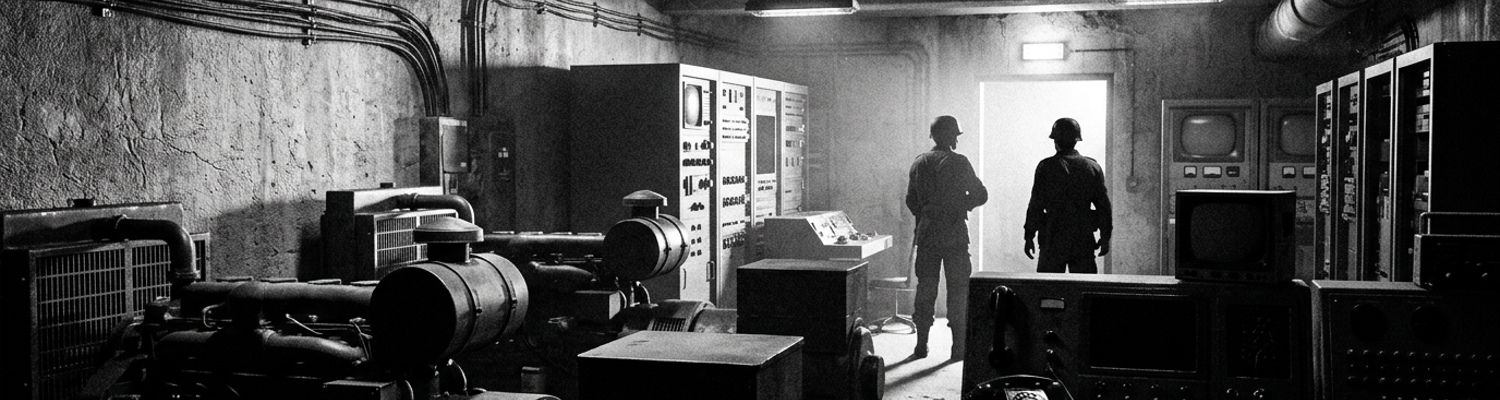
Initiated in June 1997 as a Joint Staff exercise to test defense vulnerability. The operation exposed the fragility of the military and civilian digital interface. Archival evidence shows that Chairman of the Joint Chiefs of Staff General John Shalikashvili authorized the simulation to run continuously from June 9 to June 13. Enlisted communications specialists stationed at Camp H.M. Smith in Hawaii experienced the doctrine firsthand. Operators sitting in windowless subterranean command centers watched their cathode-ray tube monitors flicker. Unauthorized administrative commands flooded the local area network. Routine file requests timed out. The physical hardware failed under the load of intentional packet storms. Cooling fans in the server racks spun to maximum revolutions per minute. Processors maxed out handling bogus traffic.
The ambient temperature in the server rooms spiked.
Technicians scrambled to physically disconnect Ethernet cables from wall ports. The smell of hot dust and ozone filled the confined spaces. Standard operating procedures dictated reporting the anomalies up the chain of command. The secure phone lines routed through the base branch exchange returned only dead air.
Nobody at the terminal level knew this was a scheduled test.
The Joint Staff utilized a National Security Agency Red Team playing aggressors against national infrastructure. A small group of twenty-five NSA personnel operated out of an unclassified rented office space in Elkridge Maryland. Assuming the profile of a hostile foreign intelligence service with moderate technical capabilities. The unit restricted its toolkit strictly to publicly available exploits. A close review of operational logs indicates the team deployed automated war-dialers to map the unlisted modem connections linking the Pentagon to the commercial public switched telephone network. Bypassing firewalls required exploiting unpatched vulnerabilities in sendmail and File Transfer Protocol services running on standard UNIX-based systems. The attackers systematically compromised the digital routers managing electrical grids in the Pacific Northwest. Simulating catastrophic power blackouts involved altering the operational parameters of the circuit breakers remotely.
Airmen at the 609th Information Warfare Squadron at Shaw Air Force Base detected the network anomalies.
The enlisted defenders lacked the administrative privileges and jurisdictional authority to isolate the compromised civilian infrastructure. The Red Team seized root access to the command structure within forty-eight hours. Enlisted watchstanders at the National Military Command Center attempted to draft emergency action messages to alert deployed Pacific fleets. The NSA aggressors intercepted these transmissions by spoofing the unclassified email servers. Altering the text of the deployment orders directly in the transit queues allowed the attackers to control the flow of information. Junior officers received fabricated instructions directing carrier strike groups to alter their headings away from the simulated conflict zones.
The digital interference triggered physical chaos on the operations floor.
Dot-matrix printers ground out endless lines of corrupted ASCII characters. Secure fax machines locked into continuous reboot cycles. Communications technicians resorted to using personal handheld radios and civilian payphones in the hallways to contact their superiors. The Red Team monitored these out-of-band communications by tapping the commercial telecommunications hubs located in adjacent civilian neighborhoods. Federal Bureau of Investigation agents dispatched to investigate the network anomalies were denied access to the compromised server rooms by local military police.
Commercial Software and SCADA Network Exploits
Archival evidence shows the aggressor cell operating from Elkridge relied entirely on shrink-wrapped software available at any suburban electronics retailer. The physical setup consisted of commercial US Robotics Sportster 56k external modems stacked on folding tables alongside standard desktop computers. Red LED lights flashed continuously across the plastic casings during automated dialing sequences. Attackers utilized ToneLoc to dial thousands of sequential telephone numbers in the 808 area code targeting military facilities in Oahu. No classified exploits were deployed against the defense networks. The Red Team loaded L0phtCrack onto standard Pentium II processors to hash intercepted passwords.
Enlisted communications personnel at the 516th Signal Brigade at Fort Shafter heard the rapid mechanical clicking of the branch exchange switches.
The commercial dialers tied up every available incoming line. This effectively executed a denial of service attack through sheer volume of analog calls. The automated software systematically mapped the base telecommunications architecture by recording the audio tones of active modems.
The assault required only basic dial-up access and a standard credit card.
Once inside the unclassified perimeter the attackers pivoted toward the civilian infrastructure supporting the military installations. A close review of operational logs indicates the Red Team targeted the regional utility SCADA networks powering major Pacific Air Forces staging areas. They scanned for open Port 23 Telnet connections using basic network mapping shareware. Remote terminal units managing the local municipal power grids ran on outdated UNIX operating systems. Default administrator credentials for these systems were printed in publicly available user manuals distributed by the hardware manufacturers. The attackers typed standard administrative commands into their commercial terminal emulators. These unclassified keystrokes instructed the programmable logic controllers at the civilian electrical substations to physically open the main circuit breakers.
The digital commands traveled over unencrypted microwave relays directly to the civilian power routing facilities.
At Hickam Air Force Base the high-intensity discharge lamps on the flight line extinguished instantly. Enlisted mechanics working on the hydraulic systems of C-17 Globemaster III transport aircraft were plunged into total darkness. SCADA manipulation severed the primary 115-kilovolt transmission lines feeding the installation. Physical sirens blared across the maintenance hangars as the air pressure dropped in the pneumatic lines. Airmen scrambled over rolling toolboxes and heavy equipment to manually activate emergency battery lighting. Backup diesel generators located behind the command centers spun up. They vibrated the concrete floors and filled the surrounding air with heavy exhaust fumes. The attackers had already used their commercial software access to alter the synchronization protocols between the civilian grid and the military backup systems.
These heavy engines detected a false phase mismatch from the manipulated SCADA sensors.
The generators automatically tripped their internal safety relays and shut down completely to prevent a hard electrical overload. Sweating technicians propped open the heavy blast doors to vent the rapidly accumulating heat. Commercial network mappers allowed the Red Team to identify the specific IP addresses assigned to the uninterruptible power supply network management cards inside the base server rooms. Attackers sent standard Simple Network Management Protocol reset commands using a basic Windows command prompt. Lead acid battery backups drained their internal cells completely within fifteen minutes. Enlisted watchstanders watched their cathode-ray tube monitors shrink to a single white dot before fading completely to black.
Shouting matches broke out across the physical environment inside the tactical air control center.
Non-commissioned officers ordered junior personnel to locate physical flashlights and snap chemical light sticks to read the printed contingency binders. Ambient temperatures climbed at a rate of four degrees per minute as the primary HVAC chillers lost all electrical feed.
Civilian Power Grid Failures and Command Severance
A close review of operational logs indicates the NSA Red Team shifted their focus from military firewalls to the unprotected municipal utilities supplying Oahu on the third day of the exercise. The attackers utilized standard 56k modems to dial directly into the unclassified corporate billing networks of the civilian energy provider. Moving laterally through the poorly segmented network architecture they accessed the supervisory control and data acquisition relays located at the Kahe Power Plant on the western coast of the island. The facility generated power using six large oil-fired steam turbines. Attackers downloaded the unprotected schematics for the programmable logic controllers managing the 138-kilovolt transmission lines.
They typed basic administrative override commands into their command prompts in Maryland.
These unencrypted network packets traveled through public telephone lines and instructed the physical relays at the civilian substations to trip their main breakers. Enlisted personnel monitoring the regional power distribution at the Pearl Harbor substation observed an immediate drop in line voltage. The analog dials on the monitoring panels spun backward. Heavy mechanical contactors inside the transformer yards physically separated with a loud crack.
The hum of the heavy electrical transformers ceased instantly across the island.
Archival evidence shows the cascading electrical failure propagated directly into the United States Pacific Command headquarters at Camp H.M. Smith. Enlisted technicians assigned to the J6 Communications Directorate sat in subterranean bunkers. The overhead fluorescent tubes flickered and died. Operators watched their radar tracking screens collapse into static before fading out. Standard doctrine required the automatic transfer switches to immediately route the load to the primary backup diesel generators. The Red Team had already infiltrated the facility management networks governing these backup systems hours before the civilian grid went down. Modifying the synchronization protocols allowed the attackers to feed false phase-mismatch data to the automatic transfer sensors.
The heavy Caterpillar generators detected this fabricated electrical anomaly.
They engaged their internal safety lockouts to prevent a catastrophic short circuit. The uninterruptible power supply batteries took the full strain of the command center network servers. These lead-acid arrays were only rated to hold the electrical load for fifteen minutes. The primary command node for all Pacific theater operations went completely dark. Air circulation stopped immediately within the sealed concrete bunker. The ambient temperature climbed rapidly as the server racks continued to radiate residual heat without the massive HVAC chillers running. Non-commissioned officers physically bumped into steel desks while navigating the pitch-black operations floor. Junior enlisted personnel cracked chemical light sticks to illuminate the physical contingency binders stacked on the consoles.
The lack of electricity caused the STU-III secure telephones to drop their cryptographic keys.
Communications specialists picked up the receivers and heard only flat analog static. The primary military command structure was entirely severed from the Pacific Fleet. Technicians attempted to manually override the locked automatic transfer switches using heavy steel breaker bars in the generator room.
The steel held.
The physical safety interlocks jammed under the applied torque. When examining the historical record the outage exposed the fragile dependency of the military apparatus on unprotected civilian infrastructure. The enlisted personnel lacked the engineering schematics required to bypass the manipulated programmable logic controllers. Dispatching runners to the surface level became the only method of transmitting orders. Sweating airmen ran up three flights of concrete stairs to reach the exterior motor pool. They used the unencrypted VHF radios mounted inside parked high-mobility multipurpose wheeled vehicles to broadcast blind transmission checks to the Pearl Harbor naval station. The radio operators adjusted their squelch knobs and waited for a response.
The frequency returned only atmospheric noise.
Cascading Blackouts Across Tactical Networks
Archival evidence shows the simulated infrastructure attacks initiated a rapid degradation of physical hardware at the Joint Intelligence Center Pacific. Located inside Makalapa Crater the facility served as the primary intelligence fusion hub for all branches operating in the theater. The civilian grid failure severed the 4160-volt primary feeders supplying the compound at 1400 hours local time. Heavy mechanical contactors in the basement substation slammed open. Lead-acid battery arrays in the uninterruptible power supply rooms took the immediate load of the server farm.
Red Team operators had previously accessed the simple network management protocol interfaces on these battery arrays.
They used default manufacturer passwords downloaded from a public bulletin board. They commanded the charge controllers to initiate a deep discharge cycle simultaneously. The physical batteries drained to zero capacity in less than four minutes. Acid boiled inside the plastic casings as the chemical reaction accelerated beyond safety margins. Enlisted watchstanders heard the high-pitched warning alarms of the power units flatline. Power loss triggered widespread communication failures across joint commands as the voltage dropped below operational thresholds. Secure telephone equipment require constant electrical current to maintain their cryptographic ignition keys in active memory. Specifically the STU-III units bolted to the intelligence desks.
The sudden absence of power wiped these volatile memory banks instantly.
Non-commissioned officers picking up receivers to report the blackout to the United States Pacific Command headquarters found only dead air. At the 516th Signal Brigade stationed at Fort Shafter technicians scrambled through unlit hallways to access the main distribution frames. They attempted to patch tactical field wire directly into the surviving commercial phone lines using punch-down tools. This command decision failed because the public switched telephone network switches in the adjacent civilian neighborhoods also lacked backup generator power. Physical runners carrying handwritten situation reports navigated the windowless corridors using standard issue right-angle flashlights. The runners logged transit times exceeding twenty minutes between adjacent command sections.
A close review of operational logs indicates operational centers experienced immediate data telemetry collapse across the entire island.
Inside the 613th Air and Space Operations Center at Hickam Air Force Base airmen monitored live radar feeds from E-3 Sentry aircraft patrolling the Pacific. The fiber-optic multiplexers routing this incoming data required active cooling and constant alternating current. When the grid failed the routing switches shut down hard. Cathode-ray tube monitors displaying the regional air picture froze on a single frame before shrinking to a white dot and shutting off. The local area network carrying targeting data and flight telemetry dropped all active packets. Operators lost contact with three airborne fighter squadrons instantly. The Joint Worldwide Intelligence Communications System terminals severed their physical connections to the mainland databases.
Senior enlisted controllers ordered junior personnel to drag heavy plexiglass plotting boards out of storage closets.
Without automated telemetry tracking aircraft required manual calculation using grease pencils and compasses. The physical environment inside the operations center degraded rapidly as the heavy HVAC chillers stopped pumping cold air through the raised floor tiles. Ambient room temperatures reached ninety-two degrees Fahrenheit within thirty minutes. Heat radiating from the dead server racks forced technicians to physically remove the metal side panels from the computer chassis to prevent permanent thermal damage to the internal hard drives. Platoon commanders shouted grid coordinates across the dark room. Data packets from the early warning radar stations at Mount Kaala hit dead end nodes at the base perimeter.
Airborne crews broadcasting their fuel states and coordinates over UHF radios received no acknowledgment from the darkened command center.
The ground controllers stood in the dark holding unpowered headsets. A master sergeant ordered the physical disconnection of the primary fiber lines from the wall ports.
Automated Power Switching Infrastructure Failures
Archival evidence shows the simulated attack on the Hawaiian Electric Company grid instantly severed the 12.4-kilovolt distribution lines feeding Schofield Barracks. Enlisted personnel inside the 25th Infantry Division tactical operations center relied on a dual-redundant power architecture designed to withstand direct physical assaults. Standard operating procedures dictated that any drop in line voltage would trigger the facility automatic transfer switches. These mechanical relays were programmed to instantly disconnect the base from the civilian grid and route the electrical load to a subterranean battery array. This uninterruptible power supply provided a specific fourteen-minute window for the primary backup diesel generators to reach their required operating speed of 1800 revolutions per minute.
Red Team operators stationed in Maryland bypassed the physical security of the generator yard entirely.
They accessed the unencrypted facility management network via a standard dial-up connection. They intercepted the Modbus communication protocols governing the programmable logic controllers attached to the transfer switches. Attackers injected fabricated telemetry data indicating a severe frequency mismatch between the spinning generators and the tactical center internal bus. The digital relays received the falsified 60-hertz phase error and immediately engaged physical safety lockouts to prevent an electrical fire. Backup generators failed to initiate due to these switching protocol breaches. Mechanics from the 29th Brigade Support Battalion sprinted across the motor pool to the concrete generator housing.
They found the heavy Caterpillar engines completely silent.
The digital controllers on the exterior casings displayed flashing red fault codes indicating a catastrophic phase synchronization failure. A staff sergeant attempted to bypass the compromised programmable logic controllers by manually closing the circuit using a steel breaker bar. The heavy mechanical contactors refused to seat. The Red Team had altered the firmware instructions at the root level. They commanded the magnetic coils inside the switchgear to actively repel the contact pads. Platoon technicians unbolted the metal access panels to physically jump the low-voltage control wires. Sweating soldiers stripped the copper insulation with standard-issue Leatherman multi-tools under the beam of right-angle flashlights. They twisted the bare wires together to force the starter motors to engage.
The engines cranked briefly before the compromised firmware detected the manual override and flooded the fuel injectors to stall the cylinders.
Unburned diesel fuel pooled on the concrete floor.
Tactical operations centers lost primary and secondary grid redundancy within a span of six minutes. Inside the windowless command bunker the lead-acid battery banks depleted their stored charge. Enlisted watchstanders observed the overhead fluorescent lighting dim to a dull orange before extinguishing completely. The heavy air conditioning chillers ground to a halt. The sudden silence exposed the rapid clicking of the failing server hard drives as the voltage dropped below minimum operating thresholds. Cathode-ray tube monitors displaying live troop deployments collapsed into white horizontal lines. Operators lost all digital connections to the Pacific Command architecture. Radio operators grabbed the handsets of their Single Channel Ground and Airborne Radio Systems. The liquid crystal displays on the transceivers faded to black.
The internal cryptographic ignition keys wiped their volatile memory banks due to the lack of electrical current.
Non-commissioned officers shouted across the pitch-black room ordering junior soldiers to break open chemical light sticks and locate the physical contingency binders. The temperature inside the sealed operations floor climbed to ninety-four degrees Fahrenheit. A close review of operational logs indicates the isolation of the 25th Infantry Division was absolute. Without functioning computers or secure radios the enlisted staff resorted to analog communication methods. Runners navigated the dark corridors using physical handrails. They carried handwritten situation reports up three flights of concrete stairs to the surface level. Soldiers commandeered parked high-mobility multipurpose wheeled vehicles in the adjacent lot. They attempted to use the vehicular very high frequency radios to transmit blind calls to neighboring installations. The operators adjusted the squelch settings and keyed the heavy plastic handsets.
The speakers emitted only static.
The vehicular batteries drained trying to push signals through the thick radio frequency interference generated by the failing civilian transformers.
Ground Level Tactical Communications Collapse
A close review of operational logs indicates the data degradation began at 0814 hours local time within the 30th Signal Battalion stationed at Wheeler Army Airfield. Enlisted signal corps personnel responsible for maintaining the Pacific theater unclassified routing infrastructure watched their network traffic graphs spike vertically. Commercial Cisco 7000 series routers located in the primary server farm received an incoming flood of User Datagram Protocol packets targeting Port 53. The automated denial-of-service attack overwhelmed the physical memory buffers on the routing boards in less than twelve seconds. Technicians observed the green activity lights on the 10Base-T Ethernet switches turn solid amber before locking up completely.
The hardware froze.
Heat sinks mounted on the internal processors exceeded standard operating parameters as the central processing units attempted to parse millions of fabricated requests. Non-commissioned officers ordered junior specialists to initiate hard reboots by physically cycling the heavy toggle switches on the server chassis. The network mapping software deployed by the Red Team immediately detected the hardware coming back online and instantly re-initiated the packet flood. Enlisted signal corps personnel experienced total digital data loss across every connected subnet. Archival evidence shows the immediate response involved physical triage. Sweating technicians crawled under the raised antistatic floor tiles to manually trace the fiber-optic trunk lines connecting the base to the civilian telecommunications grid.
They pulled the heavy plastic connectors directly from the wall ports to isolate the local area network.
This command decision severed the installation from the outside world entirely. The Secure Internet Protocol Router Network terminals lost their cryptographic handshakes. Without external connectivity the internal domain name servers failed to resolve any local addresses. Standard file transfers ceased. The enlisted defenders attempted to route emergency communications through the base branch exchange using copper field wire and punch-down tools. The analog switches were already jammed by automated war-dialing software.
Chaos mounted as modern command displays went dark across stations inside the United States Pacific Command Joint Operations Center.
The subterranean bunker housed dozens of cathode-ray tube monitors displaying live tracking telemetry via the Global Command and Control System. The sudden data loss caused the tactical software to hang on active background processes. Incoming radar tracks from early warning stations at Mount Kaala froze on the thick glass screens. Airmen tapped their mechanical keyboards to refresh the interface. The system returned fatal exception errors. The heavy Sun Microsystems UNIX workstations began to crash sequentially as their network interface cards failed to negotiate the corrupted traffic. Screens flickered. They shrank to bright white horizontal lines. They powered down into black glass.
Operators lost visual contact with three active carrier strike groups operating in the Philippine Sea.
The physical environment inside the windowless room deteriorated rapidly. When examining the historical record the loss of the digital displays triggered immediate procedural breakdowns on the operations floor. Platoon commanders shouted grid coordinates across the dark room. Junior enlisted personnel ripped open cardboard boxes of chemical light sticks and snapped them to illuminate the dead monitors. The heavy air conditioning chillers failed due to the concurrent power grid attacks causing ambient temperatures to climb past ninety degrees Fahrenheit. Technicians ripped the metal side panels off the dead workstations to prevent the internal hard drives from warping under the trapped heat. A master sergeant ordered operators to drag heavy plexiglass plotting boards out of a rear storage closet.
Airmen grabbed grease pencils to manually track the last known coordinates of airborne fighter squadrons.
The physical radar returns updated only when runners arrived with handwritten notes from the surface radio antennas.
Fallback to Degraded High Frequency Relays
Archival evidence shows that by 1600 hours local time the complete failure of the Secure Internet Protocol Router Network forced enlisted operators to abandon modern digital architecture entirely. Inside the windowless communications bunker at Marine Corps Base Hawaii technicians from Marine Wing Communications Squadron 18 faced total telemetry blackout. Automated switching racks sat dead. Non-commissioned officers ordered junior Marines to pry open sealed transit cases containing legacy AN/PRC-104 high frequency radio sets. These analog transceivers had sat in deep storage for years. Operators blew thick layers of dust off the heavy metal faceplates.
They hauled the forty-pound battery boxes up three flights of concrete stairs to the roof of the command center.
Sweating corporals unspooled hundreds of feet of copper wire across the scorching tar paper to construct field-expedient dipole antennas. Tying the wire ends to physical air conditioning vents required standard parachute cord. Back down in the sweltering bunker radiomen connected the coaxial cables to the receiver units and aggressively cranked the frequency selector knobs to 4.500 megahertz. The heavy speakers emitted a wall of static. Establishing a localized high frequency net required bypassing the primary cryptographic security protocols. Standard KY-99 Advanced Narrowband Digital Voice Terminals relied on continuous electrical current to hold their variable ignition keys in active memory. Cascading civilian power grid failures had wiped these volatile memory banks completely clean hours earlier.
A close review of operational logs indicates that reloading the cryptographic material required a physical KYK-13 electronic fill device.
This specific piece of hardware sat locked inside a time-delay safe requiring electronic authentication to open. Without electricity the vault keypad remained completely dead. Communications chiefs made the tactical decision to abandon the encryption hardware entirely. Technicians physically unscrewed the serial connectors linking the radios to the crypto units. They plugged basic H-250 plastic handsets directly into the analog audio ports. Marine operators depressed the push-to-talk buttons to broadcast blind transmission checks in the clear. Every spoken syllable radiated outward across the Pacific ionosphere without any digital scrambling.
Reverting to unencrypted analog transmissions immediately exposed all tactical voice chatter to hostile interception.
National Security Agency Red Team aggressors operating out of Maryland anticipated this specific fallback to legacy communications. They utilized commercial shortwave receivers purchased from civilian hobbyist catalogs to monitor the frequency bands assigned to Pacific theater emergency broadcasts. Analysts plugged standard 3.5mm audio cables from the headphone jacks of their radio scanners directly into the microphone inputs of their Dell laptops. Raw analog audio streams were recorded onto standard hard drives. Enlisted watchstanders in Hawaii began reading daily operational reports over the open airwaves to coordinate supply lines. Supply clerks at Wheeler Army Airfield transmitted exact aviation fuel inventory numbers. Platoon commanders at Schofield Barracks broadcasted the precise grid coordinates of their stranded motor pools.
The aggressor cell logged every troop movement in real time.
Using basic triangulation techniques the attackers mapped the entire degraded command structure. Red Team operators typed the intercepted physical coordinates into unclassified civilian mapping software. Cross-referencing the spoken unit designations with publicly available military organizational charts downloaded from the internet took only minutes. When a frustrated first lieutenant at the 25th Infantry Division tactical operations center broadcasted a request for emergency diesel fuel over the 5.000 megahertz channel the interceptors recorded his exact location and equipment shortage. Unencrypted transmissions provided a comprehensive audio blueprint of the physical chaos unfolding across the island. The Maryland team compiled these intercepted audio files into basic WAV formats. Attaching these sound clips to unclassified emails allowed the aggressors to route them back to the Joint Staff exercise controllers as absolute proof of total communications compromise.
Logistics Integration and Defense Reorganization
Archival evidence shows the total integration of defense logistics with unclassified public utilities created an unrecoverable sequence of physical equipment failures. At 0900 hours local time on June 12 the Red Team exploited a known software vulnerability in the commercial UNIX systems managing the Honolulu Board of Water Supply. The attackers gained root access to the programmable logic controllers governing the municipal water pumps. They issued a basic sequence of shutdown commands via a standard 56k dial-up connection. Physical pressure inside the primary thirty-six-inch transmission mains dropped to zero within forty-five minutes.
Enlisted boiler technicians at Pearl Harbor Naval Station watched their mechanical pressure gauges drop past the red safety lines.
The massive steam plants powering the shipyard dry docks required continuous fresh water flow to maintain operational temperatures. The automated safety valves on the boilers slammed shut to prevent a dry-fire explosion. The dry docks lost all heavy lifting capacity. When examining the historical record the loss of civilian water pressure directly disabled the fire suppression systems inside the Red Hill Underground Fuel Storage Facility. The heavy steel tanks held millions of gallons of JP-5 aviation fuel inside hollowed-out basalt rock. Navy safety protocols strictly prohibited fuel transfer operations without active water pressure for emergency foam deployment.
Enlisted quartermasters physically locked the heavy gate valves on the primary pipelines feeding Hickam Air Force Base.
Fuel trucks idled on the concrete tarmac. Without the civilian water pumps running the military could not refuel the Pacific Fleet. Civilian telecommunications failures compounded the logistical freeze. The GTE Hawaiian Tel central switching office exhausted its backup battery reserves. The commercial fiber-optic trunks carrying the primary military logistics data went completely dark. Supply officers at Camp H.M. Smith lost all visibility on incoming cargo flights. The base commanders drafted handwritten requests for emergency water trucks from the Hawaii Army National Guard.
A close review of operational logs indicates the total paralysis of the Pacific theater forced a large-scale reorganization of the Department of Defense command structure.
General John Shalikashvili reviewed the handwritten after-action reports detailing the collapse of the secure networks. He drafted a classified memorandum ordering the immediate establishment of a unified command element dedicated exclusively to digital network defense. The Joint Staff initiated the physical construction of the Joint Task Force-Computer Network Defense headquarters inside the Pentagon. Contractors pulled thousands of feet of shielded Category 5 cable through the drop ceilings of the newly designated secure compartmented information facility. Air Force Major General John H. Campbell assumed command of the unit on December 30 1998. The initial staffing roster consisted of just twenty-four enlisted technicians and junior officers pulled from various signals intelligence battalions.
They operated entirely out of a converted storage room in the D-Ring.
The new unit discarded the outdated doctrine of relying solely on physical perimeter security. Technicians deployed the Automated Security Incident Measurement system across the unclassified non-secure internet protocol router network hubs. This hardware consisted of standard rack-mounted Sun SPARCstations running customized packet-sniffing software on Solaris operating systems. Enlisted operators configured the intrusion detection sensors to log the source IP addresses of incoming connection requests targeting port 21 and port 23. Analysts sat in front of heavy cathode-ray tube monitors in Arlington watching scrolling lines of green text as the sensors parsed live network traffic. They manually cross-referenced flagged IP addresses against a printed binder of known hostile subnets.
When a sensor detected an unauthorized root-level command the operator physically reached across the console to pick up a secure telephone line.
They dialed the affected base communications squadron directly. The standard operating procedure required the receiving technician to manually disconnect the compromised local area network from the external router trunk. Early intrusion detection lacked automated kill switches. The physical extraction of the Ethernet cable became the primary method of network defense. Airmen stationed at the Air Force Computer Emergency Response Team at Kelly Air Force Base integrated their daily reporting with the new Joint Task Force. The enlisted staff faxed printed network logs to the Pentagon at the end of every twelve-hour shift.