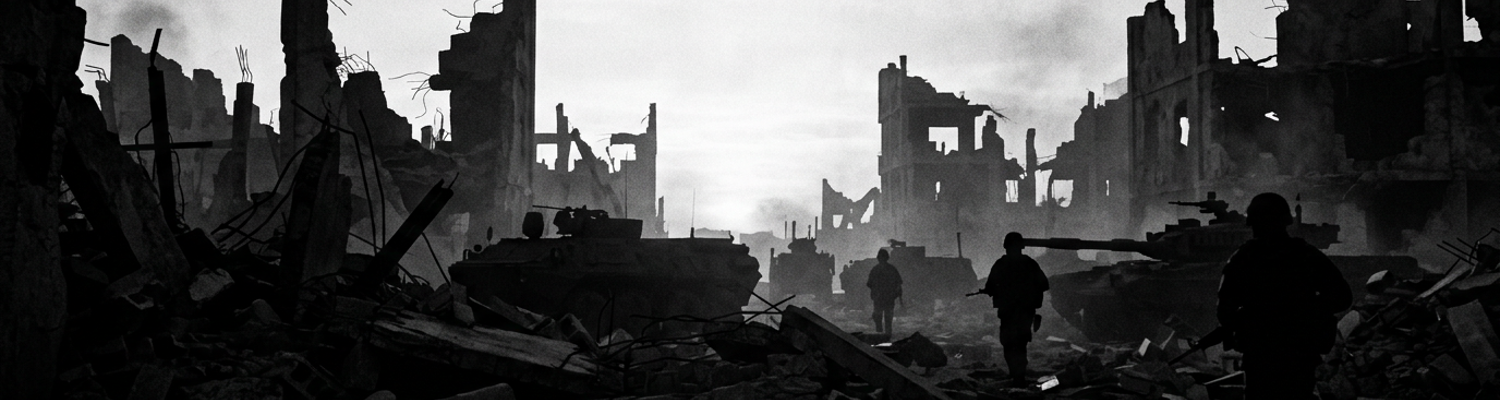

Asato River Crossing and Initial Assault Maneuvers
Corporal Thomas Gable of the 6th Engineer Battalion knelt in ankle-deep gray silt on the north bank of the Asato Gawa. He wrenched a galvanized turnbuckle to tension a five-eighths-inch steel guy wire. The low-pitch whistling of incoming Japanese ordnance drowned out the clicking of his ratchet. When examining the historical record of May 10, 1945, engineer units attached to the Sixth Marine Division attempted to throw pneumatic ponton runs and kapok footbridges across the two-hundred-foot tidal estuary. Mechanical conditions failed immediately. Outgoing ocean tides dropping six feet within hours exposed slick mudflats. Structural cables snapped under sudden unsupported loads.
Every span laid down between 0400 and midday disintegrated.
Japanese Type 97 81mm mortars nested on the high ground south of the canal had pre-registered coordinates on every bend. Sustained bracket fire repeatedly fragmented the wooden footwalks. Fast-moving tidal surges ripped steel anchoring pickets clean out of the saturated mud.
Archival evidence shows Colonel Merlin F. Schneider committed the 22nd Marine Regiment to force the waterway without relying on intact crossings. At 0900 on May 10, riflemen from Company C, 1st Battalion stepped down into chest-deep, sulfur-fouled water along a two-hundred-yard frontage near the mouth of the estuary. Japanese defenders from the 44th Independent Mixed Brigade opened with concentrated salvos from Model 92 heavy machine guns. Concealed 70mm battalion guns embedded inside reinforced concrete burial vaults on the south bank fired directly into the water. Marines waded across the channel with rifles held overhead. Their cartridge belts dragged them down into soft submarine silt channels. Shell splinters threw up dense geysers every few yards. Inter-service friction between Tenth Army headquarters and Marine division commanders worsened the tactical chaos. Rigid Army supply directives held back dedicated heavy pontoon trains in rear-echelon depots (NARA Record Group 338). Marine regiments had to secure a bridgehead with rubber raiding craft and improvised timber floats.
Men drowned under the dead weight of their own waterlogged packs.
Surviving platoons clawed their way onto the south bank only to find their tactical doctrine obsolete within fifty yards of the seawall. For six weeks, the 22nd Marines had executed rapid open-country maneuvering across the wide ridges of northern Okinawa. They relied on wide company sweeps, open flanks, and long-range fire coordination. The southern bank dropped them directly into the northern edge of ruined Naha. The area was a pulverized sprawl of shattered masonry, coral rubble, and subterranean defensive labyrinths. Street signs, landmarks, and mapped thoroughfares no longer existed. Japanese infantry had transformed shattered school basements and multi-chambered ancestral tombs into interlocking pillboxes. They mutually supported each position through hand-dug communication trenches. Squad leaders could not see five yards beyond the jagged debris piles in front of them. Combat splintered immediately into blind close-quarters room clearing. Standard company formations ceased to operate. Marine riflemen discarded open-order skirmish lines to advance yard by yard. They used satchel charges, BAR fire, and white phosphorus grenades to pry defenders out of blackened cellar holes.
Field radios fell dead against the wet masonry.
A close review of operational logs indicates Colonel Schneider could not push armor across to assist the pinned rifle companies until late in the afternoon of May 11. Combat engineers finally stabilized a single Bailey bridge truss under smoke screens. Marine tank crews with the 6th Tank Battalion waited in long idling queues along the northern embankments. Army supply officers argued over bridge classifications and transport priority. Across the river, isolated squads of the 22nd Marines burned through their basic ammunition loads without resupply. They defended perimeter pockets measuring less than thirty square yards. Japanese mortar batteries on the reverse slope of Sugar Loaf Hill kept direct registration on the south river wall. This prevented casualty evacuation boats from cycling back to the northern shore.
Tactical Adaptations in Collapsed Concrete Tenements
Preliminary naval bombardments from Fifth Fleet battleships and repeated low-altitude strike runs by Marine aircraft had stripped Naha of its above-ground layout. Over fifteen hundred tons of high-explosive ordnance reduced multi-story concrete commercial buildings and residential tenements into eight-foot mounds of pulverized coral, fractured slabs, and tangled reinforcing rods. These jagged debris piles blocked every major transit corridor. M4A3 Sherman medium tanks from the 6th Tank Battalion stopped advancing past the canal banks. Steel tracks slipped on pulverized concrete. Grousers sheared off. Guide horns snapped. Tank hulls became high-centered on reinforced slabs when drivers attempted to bulldoze through the ruins. Inter-service friction paralyzed immediate engineering fixes. Tenth Army headquarters retained priority control over all motorized heavy equipment. They assigned armored earth-movers to widen rear-echelon supply routes for XXIV Corps rather than diverting engineering plant to clear assault avenues for frontline Marine regiments.
Sherman tanks idled in smoke-filled cross streets while crews watched riflemen crawl unsupported into the rubble.
Archival evidence shows subordinate Marine commanders quickly discarded standard company doctrine to overcome the paralyzed armor. Regimental officers in the 22nd and 29th Marines broke their platoons down into ad-hoc eight-man assault cells configured specifically for room-to-room subterranean clearing. Two Browning Automatic Riflemen anchored each cell. They laid down sustained cyclic bursts to sweep exterior cellar windows and suppress Japanese fire ports. Operating beside the automatic riflemen, two-man bazooka gunners positioned M9A1 launchers against masonry corners. They fired 2.36-inch M6A1 rocket projectiles from twenty yards away into ground-floor structural lintels to blast open entryways. Combat engineers drawn from Company A, 6th Engineer Battalion trailed the shooters. They hauled satchels of demolitions and pressurized flame equipment directly through the breach points. Army staff observers sent back field reports criticizing these improvised formations as undisciplined departures from approved tactical manuals. The ad-hoc squads were the only units making forward progress through the grid of pulverized stone.
Tactical command collapsed into isolated squad actions fought below street grade.
A close review of operational logs indicates that eliminating the subterranean strongpoints required ruthless application of corkscrew-and-blowtorch tactics against reinforced basements. Soldiers of the Japanese 44th Independent Mixed Brigade and converted naval landing personnel occupied fortified cellars beneath collapsed residential structures. They shielded themselves under overhead concrete mats reinforced with steel railroad tracks. Riflemen suppressed the embrasure with rifle grenades and automatic fire. An engineer crawled through exposed rubble with an M2-2 portable flamethrower. The operator unhitched the projector nozzle, aimed through the jagged slit, and discharged five-second squirts of thickened fuel. The liquid was pressurized to two hundred pounds per square inch directly into the cellar interior. Burning fuel sucked available oxygen out of the sealed basement. An engineer assistant crawled forward and pushed a twenty-pound canvas satchel of Composition C-2 past the blown frame. Pulling the ring on an M1 delay friction igniter initiated a fifteen-second fuze. The charge detonated, blowing out the interior foundation walls and dropping three hundred tons of collapsed tenement rubble onto the fortification below.
Tenth Army Civil Affairs and Frontline Command Friction
When examining the historical record, the Sixth Marine Division pressed deeper into northern Naha around May 13. Tenth Army Military Government Section dispatched Public Safety Division officers directly into forward combat sectors. These rear-echelon Army administrators operated under explicit policy directives to preserve municipal archives, cadastral land surveys, property tax deeds, and household registration ledgers. These documents were concentrated within the intact basements of the Naha Municipal Hall and the Okinawa Prefectural administrative complex. Loss of these land registries would render postwar civilian administration and property restitution legally impossible across the Ryukyu archipelago. Direct orders from Tenth Army civil affairs liaisons sought to restrict the deployment of M2-2 portable flamethrowers, WP smoke rounds, and incendiary napalm strikes against designated public administration buildings (Tenth Army Order 45-B). Rear-echelon directives insisted that assault platoons clear municipal structures using selective small-arms room entries rather than blanket combustion.
Rifle companies taking fire along the Machinato-Naha corridor faced a different fight.
Frontline Marine rifle companies were absorbing devastating small-arms attrition from the exact stone and concrete edifices Army bureaucrats sought to preserve. Hidden Japanese snipers from the 44th Independent Mixed Brigade equipped with Type 99 7.7mm rifles firing smokeless propellant operated from elevated rubble perches. They used ceiling crawlspaces and ventilation ducting throughout the municipal district. Every open intersection along the Kokuba estuary approaches became a direct-fire kill zone. Marine squad leaders and navy corpsmen were systematically picked off within seconds of stepping onto exposed pavement. Confronted by Army civil affairs liaisons attempting to limit heavy ordnance in their sectors, company officers from the 22nd and 29th Marine Regiments summarily ejected the rear-echelon personnel from forward battalion command posts. Platoon leaders refused to trade Marine lives to spare municipal filing cabinets. Company commanders ordered 75mm pack howitzers, bazooka teams, and combat engineers equipped with white phosphorus hand grenades to douse any building spitting machine-gun fire. They actively burned out multi-story municipal blocks to strip enemy snipers of concealment.
Paper records burned alongside enemy firing nests.
A close review of operational logs indicates that the friction escalated into a bitter jurisdictional dispute between Tenth Army headquarters and Sixth Marine Division command over tactical priorities. Tenth Army planners under Lieutenant General Simon Bolivar Buckner Jr. prioritized preserving urban infrastructure to serve as supply depots and civil internment hubs for Island Command once combat operations shifted south. Marine Major General Lemuel C. Shepherd Jr. and his assault echelons recognized that these municipal foundations formed the surface roof caps of a fortified subterranean network. Japanese combat engineers had excavated deep subterranean shelters beneath the Naha Chamber of Commerce and city administrative buildings. They linked them to heavy concrete storm drainage lines that ran straight into the harbor. Counterattack squads from the 44th Independent Mixed Brigade cycled through these subterranean passages untouched by naval shell fragments. They emerged behind Marine frontline positions after rifle platoons had already bypassed the surface ruins. Eliminating these underground strongpoints required collapsing the entire overhead masonry mass. Combat engineers with the 6th Engineer Battalion packed eighty-pound cratering charges and drums of thickened fuel into cellar window embrasures. They detonated subterranean junctions to collapse entire municipal complexes straight into the tunnels below.
The 6th Tank Battalion expended seven hundred gallons of flame fuel against a single government telephone exchange on May 15.
Subterranean Tomb Clearance and Civilian Extraction Disputes
Archival evidence shows that as assault platoons of the 29th Marine Regiment pushed toward the southwestern outskirts of Naha around May 17, the terrain gave way to hundreds of hillside ancestral crypts. These were known as turtleback or lyre-shaped tombs. Carved directly into soft limestone knolls and fronted by thick masonry aprons, these centuries-old Okinawan burial structures measured up to thirty feet across. Japanese engineers from the 44th Independent Mixed Brigade systematically converted the vaults into hardened, mutually supporting bunkers. Breaching teams knocked firing ports through the rounded stone facades. They set Type 92 7.7mm heavy machine guns on low tripod mounts deep within the recessed bone chambers. These recessed positions hid muzzle flashes behind heavy stone lintels. Subterranean crawl trenches dug between adjoining family plots allowed small-arms gunners to shift firing points whenever Marine rifle grenades hit the outer courtyards. Interlocking sectors of grazing fire covered every open swale between the low limestone ridges. They pinned down assault elements of Company E, 2nd Battalion within yards of the burial mounds.
Direct frontal entries into the narrow stone doorways proved fatal.
Marine assault units adapted by relying on M15 white phosphorus smoke hand grenades and WP rifle grenades to burn out the recessed embrasures. Riflemen crawled within twenty yards under covering fire from Browning Automatic Rifles. They lobbed WP canisters through the chopped firing slits. Upon detonation, burning phosphorus particles scattered across the interior limestone floors. The material reached temperatures above four thousand degrees Fahrenheit while rapidly consuming the enclosed oxygen inside the burial vaults. The resulting chemical reaction filled the unventilated chambers with dense, suffocating clouds of phosphorus pentoxide smoke. This drove defenders out of the low entrance tunnels or caused fatal respiratory burns. Army civil affairs teams and frontline medical personnel strongly condemned these measures. Observers from the Tenth Army Military Government Section pointed out that the indiscriminate dispersal of burning phosphorus in confined stone vaults violated field directives concerning the treatment of noncombatants known to be taking shelter alongside Imperial Japanese Army holdouts.
Marine platoon commanders ignored the protests and kept feeding WP canisters into every dark aperture.
A close review of operational logs indicates that Tenth Army Public Safety units faced impossible operational conditions trying to pull civilian families out of these cavernous limestone labyrinths. Converted Japanese naval infantry and regular army soldiers frequently forced local Okinawans into the deepest subterranean rear chambers of the tombs. They used them as human shields and ammunition carriers. Public Safety teams operating without heavy weapons and accompanied by unarmed Nisei interpreters from the Military Intelligence Service approached the courtyards with portable public-address loudspeakers. They tried to talk the occupants out before Marine rifle squads leveled the structures. Japanese squad leaders answered these surrender appeals by shooting noncombatants who moved toward the burial chamber doors. They also rolled fragmentation grenades into the interior civilian groups to prevent surrenders. Public Safety officers attempted to halt Marine demolitions. Forward combat commanders refused to delay their timeline while taking continuous automatic fire from the hillsides.
Civilian extractions broke down entirely under direct small-arms fire.
Combat engineers attached to the 6th Engineer Battalion moved behind the rifle platoons with fifty-pound demolition blocks of Composition C-2 to settle the issue permanently. Reaching the blind curved roofs of the lyre tombs, engineers planted shaped charges against the limestone keystones. They tamped the explosives with wet sandbags to direct the shockwave downward. Detonations sheared the limestone lintels and dropped thousands of pounds of coral capstone directly into the subterranean crypt chambers below. This crushed the machine-gun platforms, weapon crews, and barricaded rear galleries beneath collapsed rubble.
Between May 18 and May 20, the 29th Marines cleared over sixty-five converted burial tombs along the southern Naha ridges using this combined method of phosphorus suppression and overhead demolition.
Sensory Attrition Under Continuous Battlefield Illumination
When examining the historical record, naval fire support vessels anchored two miles off the Naha coastline sustained continuous illumination schedules that obliterated normal night conditions over the urban battlefield. Destroyers cycling through Fire Support Group Baker expended hundreds of 5-inch/38-caliber Mark 18 star shells alongside ground-based 81mm mortar flares. They maintained unbroken chemical brilliance over the ruins from sunset to sunrise. Parachute-suspended magnesium canisters burned at six hundred thousand candlepower. They cast long, erratic shadows through the collapsed multi-story tenements of the Matsuyama and Omoromachi districts. Fifth Fleet gunnery doctrines mandated constant overhead glare to protect anchorage perimeters and prevent night infiltration by Japanese 44th Independent Mixed Brigade counterattack squads. Frontline company commanders with the 22nd Marine Regiment submitted urgent operational requests through joint naval gunfire liaison officers to cease illumination for three-hour intervals. They attempted to give assault squads pitch-black concealment to extract wounded and rest exhausted riflemen. Naval gunfire coordinators refused every request. They cited fleet standing orders issued by Tenth Army sector air defense directors who feared undetected mass banzai charges. Trapped in perpetual artificial daylight without sleep for five consecutive days, Marine riflemen suffered severe disruptions to their basic circadian rhythms. Sensory perception deteriorated rapidly across frontline platoons. Riflemen reported visual hallucinations, perceiving jagged concrete fragments and twisted iron rebar shifting across the rubble.
Night ceased to exist across the Naha ruins.
Archival evidence shows that physical atmospheric contamination accelerated the physical exhaustion of clearing squads moving through the interior rubble grids. Sustained detonations of twenty-pound Composition C-2 satchel charges, high-explosive pack howitzer shells, and white phosphorus canisters pulverized the city's soft limestone foundation blocks into microscopic alkaline coral dust. Every footstep and structural collapse threw this fine calcium carbonate sediment into the air. It suspended alongside thick sulfur dioxide smoke generated by smoldering municipal buildings and burned flame fuel. Clearing squads belonging to the 29th Marine Regiment entered subterranean basements without mechanical ventilation or protective dust masks. Inhaling the caustic mixture produced severe chemical bronchitis, caustic pharyngeal burns, and persistent spasmodic coughing fits. These fits revealed assault team locations to Japanese defenders barricaded behind interior walls. Operating rods on M1 Garand rifles and gas cylinder ports on Browning Automatic Rifles fouled repeatedly from the abrasive coral paste formed when ambient ocean humidity mixed with the airborne powder. Frontline navy corpsmen requisitioned M1 industrial respirators and clean saline washes from Tenth Army base supply dumps in the Awase sector. Army supply depots refused the emergency requisitions on bureaucratic grounds. They classified the respirators as rear-echelon engineering stores restricted from frontline issue (Logistics Memo 44-A).
Men coughed up dark fluid flecked with alkaline sediment while clearing weapon jams in windowless basements.
A close review of operational logs indicates that continuous sensory bombardment during close-quarters basement assaults generated unprecedented rates of neuropsychiatric casualties across Sixth Marine Division combat echelons. Rifle squads forced to sweep subterranean networks, ancestral burial crypts, and shattered concrete tenements under unending light experienced continuous physiological tension. Soldiers could not find darkness to decompress their nervous systems. This created an operational environment of uninterrupted adrenaline release. Squad leaders in the 1st Battalion, 22nd Marines reported experienced combat veterans becoming catatonic. They trembled uncontrollably. Some fired full magazines into empty plaster walls after mistaking optical flare reflections for attacking enemy soldiers. Friction erupted between frontline Marine medical teams and Tenth Army psychiatric consultants over the handling of these breakdowns. Army neuropsychiatric inspectors assigned to Tenth Army medical headquarters in Kadena viewed early evacuation requests with skepticism. They drafted administrative circulars that classified forward stress collapse as poor small-unit discipline or individual malingering. Frontline Marine regimental surgeons rejected these assertions. They pointed to acute exhaustion states where men could no longer process verbal orders or hold weapons. Field dressing stations attached to the 6th Medical Battalion were flooded with hundreds of riflemen exhibiting severe combat fatigue, tremors, and dissociative disorientation.
Psychiatric evacuations accounted for nearly twenty percent of all non-fatal casualties processed through division clearing stations during the third week of May.
Urban Demolition Repercussions and Post-Assault Command Assessments
Post-assault engineering surveys conducted by the 6th Engineer Battalion and Tenth Army civil engineers confirmed that the systematic destruction of Naha left ninety percent of the provincial capital entirely uninhabitable. The prewar city of sixty-five thousand residents was reduced to fractured foundations and jagged limestone mounds. Over six weeks of preparatory naval shelling by Fifth Fleet combat groups, carrier strikes dating back to October 1944, and the May 1945 ground assault expended millions of pounds of explosives directly into the urban zone. Munitions obliterated roughly twenty-three thousand residential dwellings, commercial storefronts, and civic buildings. Below street level, subterranean infrastructure suffered equal devastation. Fractured water mains flooded utility tunnels. High-explosive twenty-pound charges ruptured the city's ceramic drainage mains. This created standing pools of stagnant sewage across the Matsuyama and Omoromachi wards. The pulverized coral dust mixed with decomposing organic matter. It bred swarms of blowflies that overwhelmed forward medical sanitation teams and rendered the cleared ground uninhabitable for incoming support units.
Only a handful of reinforced concrete skeletons along the harbor perimeter withstood the bombardment.
Archival evidence shows that post-battle evaluations deepened administrative rifts between Army military administrators and Marine field leadership. Brigadier General Fred C. Wallace and his Island Command officers submitted condemnatory memorandums targeting Major General Lemuel C. Shepherd Jr. and his regimental commanders. Army planners argued that the Sixth Marine Division had employed disproportionate high-explosive demolitions, napalm strikes, and tank-mounted flame weapons. They transformed an intact regional supply center into an unusable debris field. Island Command calculated that sheltering over eighty thousand displaced civilians in adjacent rural areas would divert hundreds of two-and-a-half-ton cargo trucks away from XXIV Corps supply routes. Shepherd fired back in official division action reports (Document 112-G). He documented that Imperial Japanese Army troops under the 44th Independent Mixed Brigade had turned every municipal basement, bank vault, and residential cellar into mutually supporting bastions. Marine commanders maintained that attempting room entries with small arms alone would have resulted in catastrophic infantry losses across their assault battalions.
Marine battalion casualty lists from the Kokuba estuary approaches substantiated Shepherd's assessment.
A close review of operational logs indicates that the capture of the city exposed severe flaws in inter-service coordination protocols for populated urban battlegrounds. Operational planning documents prepared by Tenth Army staff had treated Naha as an ordinary operational phase line rather than a specialized combat environment requiring integrated joint procedures. Army field manual doctrine contained no joint urban clearance manuals to guide simultaneous operations between Navy gunboats, Marine assault battalions, and Army civil affairs detachments. Communication protocols broke down at the tactical boundary between services. Marine SCR-300 backpack radios operated on frequency-modulated bands incompatible with the amplitude-modulated radio sets used by Army Military Government teams and Navy gunfire liaison officers. Target clearance protocols mandated up to six administrative authorizations through Tenth Army headquarters before forward Marine controllers could call artillery fire onto Japanese positions inside designated civil infrastructure sectors.
Assault squads routinely waited over two hours for clearance while taking fire from fortified stone warehouses.
Supply coordination suffered similar paralysis. Marine combat engineer platoons desperately needed motorized earthmovers to clear high-explosive rubble lanes for armored vehicle support. Tenth Army supply officers retained centralized control over all heavy engineering plant to grade supply roads for the southern front. Joint air support liaison protocols failed when Marine forward air observers could not redirect Army Air Forces P-47 sorties. The services used conflicting target-grid coordinates for the Naha urban zone. Tenth Army civil affairs personnel lacked tactical vehicles, tactical radios, and armed escorts. They were unable to move into cleared districts to manage civilian groups without pulling frontline rifle squads off the perimeter. Joint chiefs of staff post-campaign evaluations logged fifty-four separate procedural failures in inter-service urban doctrine during the two-week battle for the capital.