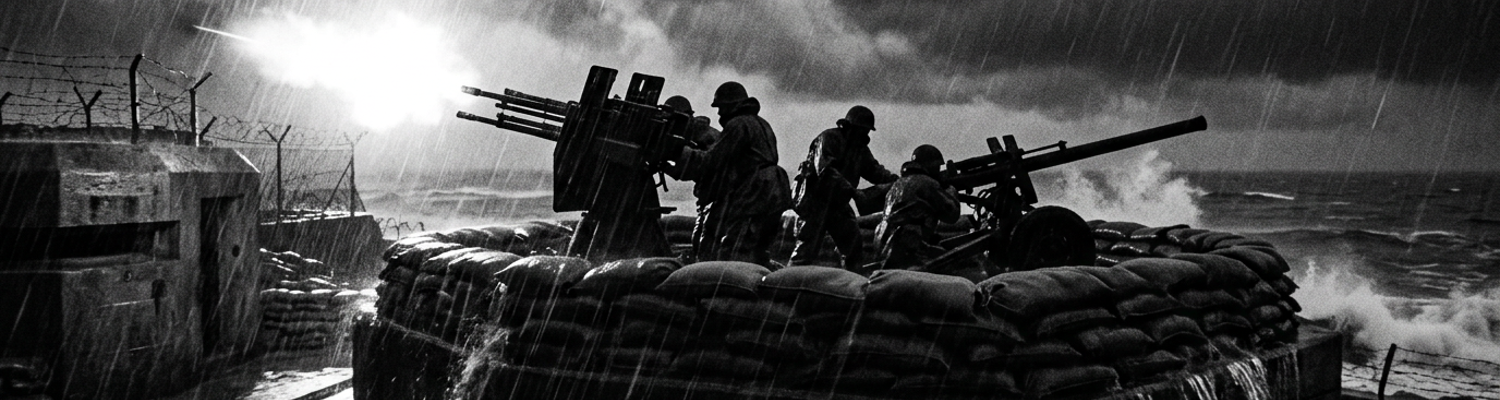

Strategic Vulnerability of the Qui Nhon Ammunition Pier
Archival evidence shows that supply personnel assigned to the 593rd General Support Group operated around the clock. Qui Nhon functioned as the primary deep-water port supporting operations across the II Corps Tactical Zone. Every pound of material bound for inland combat bases passed through this coastal bottleneck at coordinates 13 46 N 109 14 E. Convoys assembled by the 8th Transportation Group took bulk tonnage directly off the wharves. They hauled it up National Route 19 through the Mang Yang Pass. Artillery batteries supporting the 4th Infantry Division and the 173rd Airborne Brigade consumed thousands of tons of 105mm and 155mm high-explosive projectiles unloaded at these moorings every single month.
Fully laden cargo vessels drawing twenty-eight feet of draft entered only through dredged navigation channels.
These channels were subject to constant coastal silting. Crane friction brakes burned out under the unceasing weight of twenty-ton container assemblies. Winch cables snapped. Dock hands were crushed beneath pallets of uninspected crate stock.
Supply pipelines died the moment dock cranes stopped swinging.
A close review of operational logs indicates that the sprawling ammunition pier extended far into open littoral waters. It was deliberately constructed two miles away from the central port facilities. This isolated position created an exposed target for Viet Cong maritime saboteurs. Combat swimmers of the 126th Naval Sapper Regiment navigated the falling tides. They breathed through cut hollow reeds or captured Soviet-pattern rebreathers. They towed floating satchel charges against the wooden pilings. Water currents along the bay mouth reached speeds of four knots. These currents concealed swimmer wakes beneath rolling whitecaps.
AN/TVS-4 night-vision sensors mounted on timber observation towers flickered out.
Rain soaked their external battery packs. Picket sentries in Boston Whaler skiffs dropped Mk 2 concussion grenades into the swells at ten-minute intervals. Scribes typed out duplicate transfer manifests inside leaky sandbagged shacks just sixty feet from palletized mortar fuses.
A single limpet mine could level the entire bay.
When examining the historical record of harbor defense detachments in early 1969, shore battery logs show that salt build-up consistently jammed the traverse rings of M55 quad .50-caliber gun mounts. Diesel backup generators frequently died from seawater intrusion in the fuel lines. This extinguished carbon-arc searchlights without warning. Patrol craft were left blind in the shipping channel. Rust clogged the feed trays of pintle-mounted machine guns within thirty-six hours of installation. Ordnance personnel stacked crated munitions on raw timber dunnage less than twelve feet above sea level. Rising swells washed straight over the explosive casings.
Improvised Littoral Revetments of the 84th Engineer Battalion
Archival evidence shows that combat engineers of the 84th Engineer Battalion arrived at the shore battery perimeter with Caterpillar D7E bulldozers and M54 five-ton dump trucks. They erected blast barriers directly into the surf line. Digging into the tidal flats of Qui Nhon Bay, forward work details excavated tons of marine aggregate. They pulled sea mud and crushed coral from shallow reef deposits along the eastern spit. They packed the abrasive coral directly into green burlap and treated polypropylene revetment bags.
Soldiers stacked these bags twelve feet high along a three-thousand-yard arc.
This shielded shore-facing M55 quad mounts and exposed ammunition dunnage from low-angle rocket fire. Coral shards repeatedly sliced through the synthetic fibers of the bags under the weight of the fill. Hydraulic cylinders on the bulldozers pitted and blew their seals within seventy-two hours. Salty ocean spray mixed with airborne grit. Combat engineers shovelled crushed coral by hand into corrugated steel revetment bins when the front-end loaders suffered total transmission failure.
Saltwater stripped the skin off their hands down to the raw flesh.
When examining the historical record of the 1969 monsoon cycle, daily precipitation along the Binh Dinh coastline frequently exceeded six inches. This turned compacted earthen ramparts into liquefied mud. Water saturated the sandbag tiers until the base layers ruptured from hydrostatic pressure. Tons of wet sludge dumped straight into open artillery pits. Electric traverse motors shorted out. Forward crews worked through the night with entrenching tools to clear drainage ditches.
At the same time, 82mm mortar rounds from Viet Cong positions on the Phuoc Mai ridges detonated across the revetment line.
Shrapnel tore through newly placed barricades. Canvas sandbags ignited. Gaps opened in the primary blast walls. Bulldozer operators ran their diesel engines without headlights to avoid drawing direct fire from 75mm recoilless rifles. They steered blind across slick berm edges. Vehicles regularly slid into the surf. Field telephone lines between the battalion command post and the outer revetments repeatedly grounded out in standing water. Soldiers ran physical repair details through open mortar patterns to reset washed-out coral revetments. They secured ammunition holding pads before high tide struck.
Diesel exhaust hung thick in the freezing downpour.
A close review of operational logs indicates that the 84th Engineer Battalion cycled three work shifts every twenty-four hours. Standard Army construction manuals dictated a forty-five-degree slope for unreinforced earthen embankments. The continuous deluge flattened every unbacked berm within four days of grading. Combat engineers responded by driving pierced-steel planking vertically into the sand. They backfilled the metal walls with eight-ton layers of crushed coral aggregate hauled directly from coastal quarries. Mortar fragments shredded these improvised retaining walls during night bombardments. Jagged steel splinters and stone chips flew into the living bunkers behind the battery line.
Enlisted men patched the breaches with waterlogged timber dunnage.
They used salvaged ammunition crates and wet cement bags that cured into solid stone blocks in the persistent rain. Supply clerks repeatedly rejected emergency requisitions for heavy-duty geofabric and timber pilings. The required triplicate signature forms had blurred into illegibility from moisture inside coastal administrative tents.
The mud rose above their boot tops.
Records from the harbor defense detachment confirm that every foot of revetment had to be rebuilt at least five separate times during the autumn and winter months of 1969. Sniper rounds from across the harbor inlet struck the dozer blades at regular fifteen-minute intervals. Forward engineer detachments laid double-apron concertina wire along the outer coral berms while standing chest-deep in tidal backwash. They secured the perimeter against sappers even as incoming artillery shrapnel snapped the anchor pickets. By the end of November, over forty thousand sandbags and six hundred tons of crushed reef coral had been shovelled into the defensive perimeter surrounding the Qui Nhon ammunition storage pads.
Heavy Direct-Fire Weaponry of Harbor Shore Batteries
Archival evidence shows that harbor defense detachments at Qui Nhon anchored twin M40 106mm recoilless rifles directly onto timber-reinforced firing aprons. These aprons sat at the outer spit of the logistics basin. Gun crews aligned these paired tubes side by side on heavy steel pintles. The pintles were bolted to reinforced concrete foundation pads at grid coordinates CR 092-274. Their direct objective was countering high-speed North Vietnamese combat sampans and armed fiberglass skiffs probing the inner anchorage under cover of evening squalls.
Each M40 weapon carried a coaxial M8C .50-caliber spotting rifle mounted directly over the main barrel.
This spotting rifle was chambered for a specialized tracer cartridge ballistically matched to the 106mm high-explosive antitank and antipersonnel canister rounds. Enlisted gunners zeroed the spotting rifles onto marker buoys bobbing six hundred yards out in the channel. When the tracer struck a hull, the loader hit the mechanical trigger of the primary barrel. An eighteen-pound projectile flew across the water at one thousand six hundred feet per second. The violent backblast of the paired weapons blew out protective sandbag screens. Crushed coral scattered into open living bays forty yards to the rear.
Muzzle flash blinded the loader for three seconds.
A close review of operational logs indicates that salt accumulation along the harbor mouth caused persistent mechanical failures inside the M40 breech assemblies. Interrupted threads on the horizontal sliding breech blocks seized when brine dried into thick crystalline crusts. Crews hammered opening levers with empty brass cartridge cases. Firing pins corroded inside their sleeves after three days of sea exposure. This caused misfires during rapid-fire drills against floating target barrels. Gun detachments from the coastal security force stripped the weapons down twice daily. They cleaned internal recoil springs with diesel fuel when standard cleaning solvent shipments failed to clear the docks.
Ordnance personnel modified the standard M79 mountings with field-welded steel stops.
This prevented the twin recoilless barrels from traversing too far inboard and scouring adjacent observation posts with backblast overpressure. Supply sergeants at the 593rd General Support Group rejected twelve consecutive work orders for replacement spotting-rifle firing mechanisms. Waterlogged paperwork had dissolved along the carbon copies.
Every fifth tracer round failed to ignite in the wet chamber.
When examining the historical record of the port defenses, combat engineers integrated M45 Quadmount .50-caliber machine gun turrets into the coral-packed revetments. These motorized systems housed four M2HB heavy machine guns within an armored steel tub. They were mounted on an M55 trailer base that had been stripped of its road wheels and concreted into subterranean timber cribbing. Electric drive motors traversed the turret at sixty degrees per second. Two heavy-duty six-volt batteries powered the system. An external Onan single-cylinder gasoline generator kept them on continuous charge.
Defense coordinators positioned these quad mounts in offset revetment pockets along the three-thousand-yard seawall perimeter.
They established interlocking sectors of grazing fire that crossed twenty inches above the low-tide mark. Each turret carried two thousand rounds of link-belted ammunition in four external chest magazines. This delivered a combined cyclic rate of over two thousand rounds per minute across the bay entrance. High-density fire sweeps were calibrated to shred rubber swimmer skiffs, wooden junks, and naval sappers attempting to scale the pilings of the fuel and ammunition piers.
The generator exhaust poisoned the gun tubs with carbon monoxide.
Records from the harbor defense detachment confirm that continuous salt-fog exposure shorted the firing solenoids on the M45 top barrels within forty-eight hours of coastal placement. Crew chiefs spliced commercial copper wire directly into the manual foot pedals. This bypassed water-damaged wiring harnesses. Gunners were left exposed above the gun shields to clear out-of-battery jams by hand. Sustained sixty-round bursts overheated the air-cooled barrels. The rifling melted. The .50-caliber projectiles keyholed wildly across the water after two hundred yards.
Battery personnel stockpiled two hundred pre-loaded ammunition cans inside the timber revetments.
They covered the metal boxes with tarpaulins to prevent salt water from corroding the disintegrating metallic links. During night alerts, target designation fell to AN/TVS-4 night-observation devices. These devices repeatedly failed when coastal spray penetrated their lens housings. Quadmount gunners had to lay down blind interlocking barrages based purely on compass azimuth markers painted on the revetment rim. Gun crews expended eighty-two thousand rounds of .50-caliber ammunition along the harbor mouth during November 1969 alone.
Viet Cong Sapper Skiffs and Maritime Infiltration Tactics
Archival evidence shows that maritime infiltration cells drawn from the Viet Cong D.408 Sapper Battalion operated out of concealed staging points. These points were scattered throughout the mangrove estuaries of Thi Nai Lagoon just four miles north of the port anchorage. Sappers operated in teams of two or three. They stripped flat-bottomed wooden sampans of all reflective metal fittings. They rubbed raw charcoal and black crankcase oil across the outer hull planks to absorb harbor illumination.
Each darkened skiff carried four to six fifty-pound satchel charges.
These charges were packed with Soviet-supplied TNT blocks and captured American C-4 plastic explosive. They were sealed inside vulcanized rubber inner tubes and coated in thick asphalt mastic to resist salt penetration. Mechanical delay fuses and pressure-activated pencil detonators were taped directly against shaped charges fitted with barbed steel grapple hooks. Sapper cadres designed these explosive packages to clamp directly around underwater creosote-treated timber pier pilings. These pilings supported the primary ammo offloading cranes.
Detonation of three synchronized packages was calculated to shatter the support cluster.
Loaded rail dollies and palletized ordnance would drop into forty feet of ocean water.
A single severed piling meant thirty days of dead crane track.
When examining the historical record of coastal reconnaissance along the Phuoc Mai Peninsula, coastal defense logs reveal how North Vietnamese and local Viet Cong boat crews exploited the winter northeast monsoon. Gale-force wind patterns kicked up eight-foot rolling swells across the shallow bar of the harbor mouth. This filled sea surface displays on AN/SPS-53 radar units with blinding sea return. Viet Cong steersmen timed their entry to match falling tides and zero-visibility rain squalls. They slipped through coastal blind spots along the rocky eastern headlands. Fifty-foot US Navy Swift Boats of Task Force 115 could not pursue without shearing propeller shafts on submerged granite reefs.
Boston Whaler sentry skiffs operated by the coastal security force were forced to throttle back in the churned littoral shoals.
They lost steerage while green water washed over open cockpits and shorted outboard magnetos. Sapper helmsmen aligned their skiffs alongside the crest of incoming breaking waves. This cut silhouette exposure to less than twelve inches above the foam.
Radar screens went blank every time squall lines struck the outer spit.
A close review of operational logs indicates that infiltrators abandoned silent sculling once their wooden craft cleared the outer sandbars and reached the three-hundred-yard channel marker. Operators yanked manual pull-cords on muffled Japanese two-stroke outboard engines. This kicked the flat-bottomed skiffs onto plane for high-speed assault runs straight toward the ammunition berths. The low-profile craft moved at sixteen knots across choppy backwash. They presented rapidly shifting target angles. This defeated the mechanical depression limits of shore-mounted artillery.
Gunners manning the 106mm recoilless rifles could not depress their barrels lower than minus-ten degrees.
Watercraft skimming directly beneath the main battery trajectory remained completely untouched. Sapper skiffs closed the final two hundred yards under erratic serpentine maneuvers. They cut their engines fifty yards out so momentum hurled the hulls directly into the dark underbelly of the pilings. Infiltrators leaped into the tide with their satchel charges. The empty wooden boats drifted into adjacent ship moorings to draw outgoing machine gun fire.
Enlisted perimeter lookouts counted seven distinct sampan wakes heading toward Pier Two before the primary searchlight generator failed at 0240 hours.
Saltwater Corrosion and Landline Communication Failures
Archival evidence shows that tactical communication between the harbor defense command center and the forward firing revetments relied on thousands of yards of WD-1/TT twin-conductor field wire. This wire was strung across the tidal causeway. Each line consisted of four tinned-copper and three galvanized-steel strands encased inside inner polyethylene insulation and an outer nylon jacket. Constant exposure to wind-driven salt spray and relentless monsoon downpours degraded the protective outer sheath within seventy-two hours of placement along the sand spit. Ocean brine seeped into micro-fractures in the plastic coating. It reacted immediately with the steel cores to form thick iron-oxide scale. The copper wiring corroded into brittle copper-carbonate paste.
Electrical resistance along the landlines surged from the baseline seventy ohms per loop mile to well over twelve hundred ohms.
Batteries inside the TA-312/PT field telephones could not push sufficient current through the corroded lines. Voice transmissions transformed into indecipherable static. Hand-cranked magneto generators on the telephone sets short-circuited when wet sand worked into the gear housings. Gun captains could not ring the plotting room.
Corrosion destroyed voice links faster than wire teams could lay fresh spools.
A close review of operational logs indicates that signal detachments assigned to maintain the network along grid coordinates CR 095-271 faced an escalating breakdown of physical wire infrastructure. Wiremen dragged heavy RL-39 reel apparatus through hip-deep mud. They attempted to elevate the WD-1/TT lines onto makeshift timber tripods and bamboo stakes above the corrosive high-water mark. Gale-force coastal gusts repeatedly tore the elevated lines down into the surf. Unsealed splices were submerged beneath five feet of breaking waves. Technicians attempted to seal wire connections with rubber friction tape and liquid mastic. High salinity dissolved standard vulcanizing compounds within hours.
Supply clerks at the coastal depot repeatedly denied emergency requisitions for water-resistant MX-306/G pressure-splice assemblies.
The carbon-paper transfer slips had dissolved in the humidity of administrative tents. Battery personnel resorted to twisting bare metal strands together by hand. They wrapped the joints in discarded plastic ration bags that leaked immediately.
Waterlogged junction boxes grounded entire switchboards into the wet coral base.
When examining the historical record of Viet Cong counter-battery operations, shrapnel from coordinated mortar barrages routinely severed the remaining functional landline routes across the harbor neck. Sapper mortar teams positioned along the northern ridgelines of the Phuoc Mai Peninsula fired salvos of 82mm Type 53 high-explosive rounds directly onto the narrow spit. This spit connected the ammunition berths to the tactical operations center. Detonations showered the sand berms and pierced-steel retaining walls with high-velocity jagged steel fragments. Shrapnel sliced clean through the brittle salt-hardened field wires. Physical circuits across eight separate defensive sectors were cut within three minutes of the opening barrage.
Repair crews attempting to trace the breaks under fire found severed cable ends scattered across hundreds of yards of churned mud and flooded craters.
Forward gun crews manning the twin 106mm recoilless rifles and M45 Quadmount positions were stripped of all direct telephonic contact with the battery fire direction officer.
The severed landlines left weapon crews completely isolated in forward fighting positions.
Operational reports from December 1969 reveal that secondary radio communications provided no relief for the cut-off positions. Forward crews activated backpack AN/PRC-25 frequency-modulated transceivers inside the gun pits. Airborne salt crusts had coated the antenna base connectors and grounded the signal into the revetment frames. Moisture penetrated the BA-386/PRC wet-cell battery compartments. Power output drained to zero before operators could establish contact with tactical command. Loaders and gunners were cut off from coordinated fire commands. They had to make autonomous engagement decisions. Incoming mortar impacts continued to shake their sandbagged emplacements.
Battery commanders could not transmit target vectors to the perimeter pits.
They could not send radar plots or friend-or-foe identifications. The isolated gunners relied solely on manual azimuth markers and visual flares. Forward gun sections expended illumination rounds blindly into the harbor mouth without knowing if naval patrol craft operated within their direct line of fire.
Direct Harbor Engagements During Monsoon Night Attacks
Archival evidence shows that harbor defense gunners at the outer perimeter of Qui Nhon faced near-total visual blackout during the midnight squalls of November 1969. Gale-force monsoon gusts exceeding forty knots drove heavy ocean spray straight into optical gun sights. M109 elbow telescopes were caked with salt residue. Distant contact points blurred into smeared grey shapes. AN/TVS-4 night-observation devices failed entirely as seawater penetrated their sealed battery wells. Weapon crews were left without passive infrared detection capabilities. Personnel manning the reinforced revetments at coordinate CR 092-274 were forced to align their weapon tubes using manual traverse handwheels.
They tracked targets purely through intermittent visual flashes across the littoral swells.
Illumination support arrived via 81mm mortar crews firing M301A2 parachute flares from rear revetments. Aerial flares dropped from loitering Douglas AC-47 gunships supplemented this light. The swinging parachutes drifted erratically in thirty-five-knot coastal winds. Rapidly shifting shadows across eight-foot wave crests hid incoming wooden craft within trough hollows. Gunners timed their manual elevation adjustments to the rising crests of the swells. They watched for the brief muzzle flashes of Viet Cong AK-47 fire and RPG-2 rocket launches aimed at the battery embankments.
Each weapon flash provided less than a half-second window of visual acquisition.
Ocean spray wiped out the gunner's forward view immediately after.
A close review of operational logs indicates that coastal gunners tracked approaching targets by coordinating manual searchlight sweeps with coaxial spotting rifle fire. Carbon-arc searchlights mounted on twenty-foot timber towers swept twenty-degree arcs across the outer sandbars. These units regularly shorted out when generator belts slipped on wet pulleys. Whenever the white beams flickered off, enlisted gun captains leaned over the splinter shields of their M40 recoilless mounts to scan the surf with bare eyes. They waited for the distinct orange signature of incoming machine gun tracer fire bursting from the darkened watercraft.
Gun layers adjusted mechanical handwheels forty degrees per turn.
This compensated for the rolling six-knot tide that threw light wooden hulls off predictable approach bearings. Gunners fired single-round test bursts from their coaxial M8C .50-caliber spotting rifles. They followed the bright red tracer trajectory through the driving sheets of rain until a sharp water plume or splintering impact confirmed target range. Salt water corroded the electrical firing contacts. Loaders frequently tripped the spotting mechanism by jerking manual pull-lanyards rigged directly to the trigger housing.
Gun crews tracked moving sampans by the strobe of burning cordite.
When examining the historical record of close-in actions at the pier approaches, shore battery crews deployed specialized antipersonnel rounds directly against infiltrating watercraft closing inside one hundred and fifty yards. Loaders shoved eighteen-pound M581 antipersonnel cartridges into the open breeches of the twin M40 106mm recoilless rifles. They slammed the horizontal sliding blocks shut with gloved hands. Each M581 projectile contained six thousand individual thirteen-grain steel wire flechettes. These were packed ahead of an internal expulsion charge set for zero-delay muzzle activation.
The muzzle blast dispersed an expanding cone of steel darts traveling at fifteen hundred feet per second across the water surface.
These darts ripped through pine hull planks, unarmored outboard motors, and watercraft occupants before the wooden boats reached the inner piling net. At closer ranges under seventy-five yards, crews loaded M340A1 canister rounds filled with hundreds of solid steel pellets. The solid shot blew out entire wooden gunwales. Wooden sampans were destroyed. Satchel charges stowed along the floorboards detonated. Severe backblast from these point-blank recoilless discharges slammed into the flooded coral revetments behind the firing pad. Sandbag retaining tiers blew out. Ammunition loaders were deafened.
Backblast overpressure blew three hundred sandbags straight into the living bays.
Records from the harbor defense detachment confirm that forward recoilless rifle crews expended forty-four M581 flechette rounds and nineteen canister projectiles during a two-hour engagement on the night of December 4, 1969. Infiltrating sappers of the D.408 Sapper Battalion abandoned five shattered sampans within eighty yards of the ammunition pier pilings. Three intact craft drifted overturned in the falling tide. Battery personnel recovered nineteen enemy weapons, eleven unexploded forty-pound satchel charges wrapped in vulcanized rubber, and four pneumatic swimmer sleds stranded on the sandbar at low water.
Bureaucratic Civic Action Mandates Under Active Fire
Archival evidence shows that during the height of the monsoon sapper attacks against Qui Nhon harbor in late October 1969, company-grade officers of the 84th Engineer Battalion received direct orders from USARV headquarters to log civilian economic metrics. Forward work parties fortifying perimeter berms at grid coordinates CR 093-272 were required to fill out five-page Civil Operations and Revolutionary Development Support questionnaires. They did this while taking intermittent 82mm mortar fire from the Phuoc Mai Peninsula. Battalion clerks distributed mimeographed field assessment packets to engineer platoons operating Caterpillar D7E bulldozers along the outer revetment ditch.
Heavy equipment operators had to dismount under direct sniper fire.
They calculated daily family earnings, livestock headcounts, and retail fish pricing in the neighboring hamlet of Hai Cang. Company commanders were instructed to tally local employment numbers for port-area day laborers on standardized DA Form 1888 slips. This had to be completed before emergency sandbag requisitions could be routed up the chain of supply. When incoming recoilless rifle shells tore through the coastal wire, sergeants pulled waterproof document sleeves from their flak jackets to shield pencil entries from torrential downpours. Salt spray and swamp mud smeared the demographic lines into gray mush.
Pencil lead snapped across wet paper under shrapnel strikes.
A close review of operational logs indicates that these administrative requirements stemmed directly from federal civic action doctrines drafted thousands of miles away in Washington. Policy directives issued through Military Assistance Command, Vietnam incorporated programmatic recommendations outlined in domestic urban studies. This specifically included the published reports titled Investing in Children and Youth and Reconstructing Our Cities. Rear-echelon planning staffs adapted these municipal development blueprints into mandatory pacification metrics for active combat zones. Tactical garrisons were compelled to document neighborhood youth enrichment programs and structural housing rehabilitation projects around the logistics depot.
Frontline troops manning the perimeter wire were tasked with surveying teenage schooling attendance rates.
They recorded vocational training needs and municipal drainage improvements inside waterfront shantytowns that harbored active Viet Cong sniper positions. Battery officers responsible for aiming twin M40 recoilless rifles had to account for community playground initiatives and juvenile recreational spaces directly between the harbor ammunition pier and enemy mortar coordinates. Combat personnel spent four hours per shift cross-referencing civic infrastructure indices against municipal rebuilding formulas instead of clearing weapon stoppages or repairing severed landlines.
Headquarters treated youth development metrics as priority intelligence.
When examining the historical record of the 593rd General Support Group, defensive watch officers documented pervasive equipment neglect caused directly by mandatory socioeconomic data collection during November 1969. Sappers from the D.408 Sapper Battalion probed the timber piers with satchel charges. Forward engineer squads stood ankle-deep in brackish tide pools filling out sixty-column ledger sheets detailing regional carpentry apprenticeships and harbor marketplace sanitation facilities. Battery maintenance crews delayed replacing worn firing pins on M45 Quadmount machine guns. Motor pool clerks were backlogged processing municipal sanitation audits.
Tactical radio frequencies on the battalion net were repeatedly tied up by field grade officers demanding transmission of youth census figures for relay to Saigon.
Enlisted gunners stripped of rest between sixteen-hour coastal guard details collapsed over clipboard forms. They recorded fictitious population counts under red battle-lantern light while incoming mortars rattled the corrugated bunker roofs. On November 17, 1969, an engineer detail running a tractor repair line on the beachhead abandoned three flooded D7E bulldozers to complete a mandatory fifty-point survey on municipal harbor housing density.
Logistical Net Saturation and Terminal Tactical Isolation
Archival evidence shows that the tactical FM radio networks assigned to the Qui Nhon harbor perimeter disintegrated under a deluge of routine administrative traffic. Operating on AN/PRC-25 manpack radios and vehicle-mounted AN/VRC-12 transceiver sets across the 30.00 to 75.95 megahertz band, coastal defense operators shared assigned channels with rear-echelon supply units of the 593rd General Support Group. When sapper skiffs entered the outer channel, gunners attempting to transmit urgent contact reports found the primary defensive frequencies jammed by supply depots three miles inland. Quartermasters, motor pool dispatchers, and wharf supervisors transmitted continuous non-tactical requisitions across the tactical operations grid.
Voice traffic consisted of clerk personnel reciting twenty-digit Federal Stock Numbers.
They checked delivery schedules for bulk portland cement and tracked missing pallets of uniform boots. Transmitters at the tactical operations center lacked selective frequency isolation. Standard carrier squelch overrides from powerful thirty-watt vehicular stations instantly washed out the weak two-watt signals broadcast by forward fighting holes along the sand spit.
Rear depots drowned combat channels in requisitions for typewriter ribbons and engine grease.
A close review of operational logs indicates that command-level signal officers failed to allocate dedicated tactical strike frequencies to the forward weapon pits at grid coordinates CR 092-274. Battery gunners manning the twin M40 106mm recoilless rifles dialed through assigned operating presets. They encountered bureaucratic supply coordination on every channel. Company clerks in air-conditioned trailers at the Qui Nhon logistics basin tied up the battalion tactical net for forty minutes at a stretch. They argued over damaged crate manifests and refrigerated container temperatures.
When infiltrators opened fire with automatic weapons against the seawall revetments, gun captains pushed transceiver talk switches.
Their transmissions were blocked by administrative personnel requisitioning spare Caterpillar alternator belts. The physical handsets of the radio sets cracked under continuous salt-fog exposure. Moisture inside the RT-505 receiver-transmitter casings caused frequency drift that threw battery stations completely off their designated operational nets.
Gun captains hammered handset push-to-talk switches against dead air.
When examining the historical record of these isolated night actions, forward gun crews responded to total electronic isolation by adopting improvised pyrotechnic signaling systems to control coastal fire patterns. Gun captains were stripped of radio fire direction and severed from the WD-1/TT wire lines. They stockpiled handheld M127A1 white star parachute clusters and M125A1 green star illumination signals directly inside the weapon tubs. Weapon leaders established crude visual firing codes across the three-thousand-yard defensive arc without battalion authorization. A single hand-fired red star cluster launched from an outer revetment signaled incoming low-profile craft approaching along the channel centerline. This alerted adjacent M45 Quadmount gunners to depress their four .50-caliber barrels toward the surf line.
When coastal gales tore the parachutes off standard illumination rockets, loaders cracked open waterproof aluminum canisters of Mk 1 marine distress signals.
They fired thirty-second magnesium burning flares by slapping percussion caps against revetment timber posts.
Flares drifted backward over friendly sandbags in thirty-knot coastal winds.
Forward weapon crews adjusted direct-fire elevation angles by the flickering irregular light of these drifting chemical flares. Recoilless rifle gunners tracked the brief silhouettes of wooden sampans as magnesium charges swung beneath erratic parachute cords forty feet above the breaking surf. If a target craft cut through the outer coral reef, the nearest recoilless gunner fired an improvised pen-gun flare directly over the enemy hull. This marked its coordinates for quad .50 gunners firing blind from flanking bunkers. High-velocity ocean squalls extinguished burning magnesium candles mid-descent. Crews set fire to diesel-soaked sandbags anchored along the low-water spit to establish fixed surface reference points. The entire harbor defense force operated as disconnected autonomous weapon pockets. They laid down sixty-round machine gun bursts and flechette barrages against coordinates illuminated solely by burning chemical slag. Battery records show that forward gun pits burned through four hundred and twenty M127A1 illumination canisters during the early morning hours of November 28, 1969.