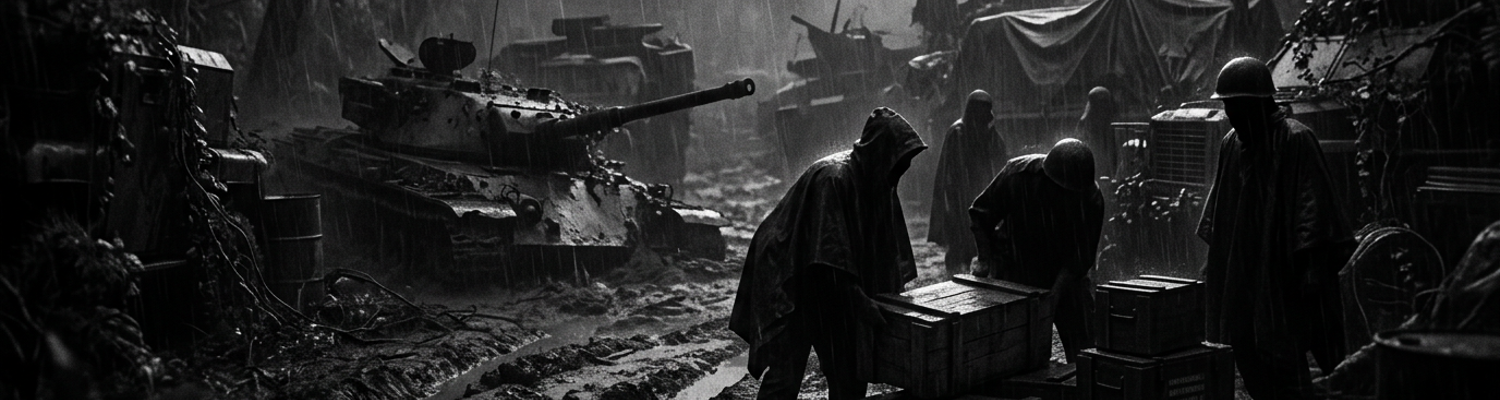

Improvised Maritime and Overland Resupply Networks
Joint Task Force 510 supply clerks operating out of Camp Navarro faced an adversary outnumbering their forward details by a ratio of fourteen to one. Abu Sayyaf Group combatants maintained a continuous presence across the 1,379 square kilometers of Basilan Island. They deployed heavily armed hunter-killer teams equipped with M60 machine guns and B-40 rocket-propelled grenades along every recognized transit corridor. Forward Operating Base Isabela contained only forty-two dedicated support technicians. The surrounding jungle canopy concealed an estimated eight hundred hostile fighters actively tracking the exact grid coordinates of the daily resupply convoys.
The complete collapse of standard military transport protocols occurred within seventy-two hours of the initial deployment.
Quartermaster detachments assigned to Operation Enduring Freedom Philippines abandoned their doctrine of utilizing armored tactical vehicles. The severe weight restrictions of the primitive infrastructure dictated this shift. Supply officers from the 525th Quartermaster Company relied on unarmored civilian cargo trucks. They sourced local Isuzu Elf and Mitsubishi Fuso flatbeds to move rations and ammunition across the hostile jungle tracks connecting Lamitan to Tuburan. These commercial vehicles possessed zero ballistic protection against 7.62mm small arms fire. Drivers navigated the deeply rutted logging routes exposed through thin glass windshields. The mechanical toll on these civilian trucks generated continuous breakdowns in sectors heavily populated by insurgent forces. Standard civilian leaf springs snapped under the weight of palletized 5.56mm ammunition crates. Axles cracked when the Fuso trucks dropped into waterlogged craters left by monsoon rains.
Convoys routinely halted for hours in high-threat ambush zones.
Mechanics cannibalized parts from disabled trucks to keep the leading vehicles moving forward. Command decisions at the JTF 510 level authorized the continued use of these unprotected assets out of absolute necessity. Supply sergeants strapped Kevlar vests to the interior doors of the cabs in an attempt to stop incoming shrapnel. Heavy mud on the Tuburan route frequently reached depths of thirty inches during the afternoon storms. Vehicle recovery operations required the support technicians to dismount. They physically attached steel tow cables to the shattered civilian bumpers under direct sniper fire from the adjacent tree line. Maintenance records from March 12 show that fourteen out of twenty leased flatbeds were permanently disabled by structural frame failure.
Archival evidence shows inventory specialists utilized indigenous wooden outriggers to bypass the compromised overland supply channels.
They sustained isolated outposts near Maluso and Tipo-Tipo using these vessels. Quartermaster units initiated an improvised maritime resupply network after the primary dirt roads became entirely impassable. Soldiers contracted local fishermen to operate traditional double-outrigger bangka boats. These narrow vessels measured exactly twenty-two feet in length. They relied on unprotected 16-horsepower Briggs and Stratton lawnmower engines adapted for marine use. Military cargo handlers loaded meals ready to eat into the unprotected wooden hulls under the cover of darkness. The pump boats departed from the docks at Isabela City at 0200 hours. This schedule avoided visual detection from hostile spotters positioned along the mangrove swamps. Contracted boatmen navigated the treacherous Basilan Strait at maximum speeds of seven knots. Salty spray routinely shorted out the exposed spark plugs on the modified civilian engines.
Mechanics wrapped the ignition coils in plastic bags and electrical tape to prevent total engine failure during transit.
Quartermaster personnel sat entirely exposed on the wooden benches alongside the local operators. They transited directly through known Abu Sayyaf coastal operating areas. Supply sergeants carried only their personal M4 carbines to defend the heavily laden wooden vessels against potential intercept by insurgent speedboats equipped with mounted heavy weapons. A high center of gravity caused by stacking the military crates above the gunwales made the outriggers highly susceptible to capsizing in the heavy swells off the western coast. On April 4, a cracked engine mount on a contracted outrigger spilled three hundred pounds of Class VIII medical supplies directly into the Basilan Strait at coordinate 06 degrees 38 minutes North 121 degrees 54 minutes East.
Mechanical Degradation of Water and Power Systems
A close review of operational logs indicates that the 525th Quartermaster Company deployed specific hardware to Forward Operating Base Isabela on February 14, 2002.
They unloaded six 600-gallon-per-hour reverse-osmosis water purification units and twelve 30-kilowatt tactical quiet generators. These systems formed the core infrastructure required to sustain the Joint Special Operations Task Force elements stationed across the island. The physical environment immediately degraded the internal components of this hardware. Ambient humidity levels consistently hovered at 95 percent throughout the deployment zone. Moisture bypassed the protective weather seals on the hybrid generator control panels. It corroded the exposed copper wiring harnesses. Fine coral dust generated by continuous helicopter rotor wash at the primary landing zones created a secondary abrasive threat. This airborne calcium carbonate particulate measured less than five microns in diameter. It easily bypassed standard foam air filters installed on the heavy equipment.
Reverse-osmosis water purification units and hybrid power generators suffered a 70 percent mechanical failure rate within three weeks.
The complete degradation of the water purification capabilities began at the intake valves drawing from the Aguada River near coordinate 06 degrees 42 minutes North 121 degrees 58 minutes East. Standard operating procedure required the purification systems to process raw surface water through a series of multimedia filters. The pumps then forced the fluid through semi-permeable membranes at 900 pounds per square inch. The high concentration of suspended coral silt in the local water table clogged the intake screens within the first forty-eight hours of operation. High-pressure booster pumps overheated. They attempted to push the sediment-heavy fluid through the compromised primary filters. Mechanics documented the catastrophic failure of the main pump seals on four separate units between February 18 and March 7. Command elements at JTF 510 ordered an immediate reduction in daily potable water allowances from six gallons per soldier to exactly 1.5 gallons.
Supply officers restricted this limited reserve exclusively for hydration and medical trauma care.
Support personnel entirely ceased using purified water for hygiene or food preparation. Technicians lacking replacement membranes resorted to backwashing the delicate filters with untreated river water. This field expedient measure permanently destroyed the microscopic pores required to filter out indigenous bacterial threats. Maintenance logs reveal massive internal damage to the diesel combustion chambers of the hybrid generators. Quartermaster units initially supplied the FOB Isabela generators with military-grade JP-8 aviation fuel. Supply chain disruptions forced quartermasters to supplement these reserves with locally procured commercial diesel transported in unsealed fifty-five-gallon drums. Barge operators loading the drums at Zamboanga City frequently allowed saltwater to pool on the drum lids. The temperature differentials during the night caused the drums to breathe.
This thermal expansion drew the corrosive saltwater directly into the fuel supply.
Water separators on the 30-kilowatt generators filled to capacity and overflowed into the main fuel lines. The abrasive coral dust that had bypassed the air intakes mixed directly with this contaminated fuel inside the combustion chambers. This abrasive slurry deeply scored the cylinder walls of the Yanmar diesel engines. Piston rings shattered under the uneven compression loads. Fuel injectors designed to atomize pure JP-8 became entirely obstructed by a hardened paste of salt and calcium carbonate. Maintenance detachments instituted a continuous rotation of manual injector cleaning every four hours. Technicians physically dismantled the fuel delivery systems using wire brushes and chemical solvents under the illumination of chemical lights. Seven of the twelve generators experienced complete engine lockup by the first week of March. Base electricians permanently cannibalized the alternators from the seized generators to construct localized direct-current power grids for the surgical tents.
Civil Affairs Infrastructure Initiatives and Hostile Interdiction
Company C of the 96th Civil Affairs Battalion landed at the Isabela City airstrip on March 15, 2002.
Planners at Joint Task Force 510 attached these specialized engineering detachments directly to Operational Detachment Alpha teams from the 1st Special Forces Group. Their primary directive involved executing large-scale pacification projects across the hostile southern and eastern quadrants of Basilan. Heavy equipment operators unloaded Caterpillar D7G bulldozers and portable rotary well-drilling rigs from C-130 transport aircraft. The command structure assigned these units to construct medical clinics and drill deep-water wells in the isolated municipalities of Maluso, Tipo-Tipo, and Tuburan. Planners calculated that establishing reliable public utilities would sever the local reliance on insurgent shadow governments. Civil affairs personnel immediately transported 4,000-pound pallets of Portland cement and corrugated steel roofing materials into the jungle interior using unarmored five-ton flatbed trucks.
The 96th Civil Affairs Battalion executed these infrastructure initiatives completely exposed to hostile observation.
Civil-military infrastructure initiatives faced constant threat from active Abu Sayyaf insurgent forces operating out of the Mohamad Ajul peninsula. Combatants equipped with M14 rifles and RPG-7 rocket launchers established elevated firing positions in the dense mahogany canopy overlooking the engineering sites. Insurgent spotters tracked the noise of the unsuppressed diesel earthmovers from distances exceeding three kilometers. Abu Sayyaf hunter-killer teams specifically targeted the vulnerable cooling systems of the heavy engineering vehicles. A single 7.62mm armor-piercing round penetrating the aluminum radiator of a John Deere 230LC excavator instantly disabled the machine. Mechanics attempting field repairs on these heavy vehicles had to physically climb onto the engine block. They took direct fire from the adjacent tree line during these repair operations. Special Forces operators established 360-degree security perimeters around every active construction zone.
This defensive requirement drained available manpower.
It restricted the ODA teams from conducting offensive reconnaissance patrols. Insurgents detonated command-wired improvised explosive devices along the newly graded road shoulders. Daily situation reports detail a systematic campaign of insurgent disruption at the Tuburan clinic project. Civil affairs engineers initiated the foundation pour for a 1,200-square-foot medical facility at coordinate 06 degrees 39 minutes North 122 degrees 09 minutes East on May 12. Abu Sayyaf mortar teams registered the exact grid coordinates of the construction site during the initial land clearing phase. At 1400 hours on May 14, three 60mm mortar shells impacted directly inside the wooden concrete forms. The explosions scattered wet cement and shredded the steel rebar framework.
Engineering personnel wearing thirty-two pounds of Kevlar body armor abandoned the curing concrete to seek cover in defensive trenches.
The abandoned concrete hardened unevenly under the afternoon sun. Structural integrity requirements forced the 96th Civil Affairs Battalion to spend the next four days breaking apart the ruined foundation with pneumatic jackhammers. The noise generated by the jackhammers drew localized sniper fire every afternoon. Well-drilling operations experienced identical levels of kinetic interference near the coastal village of Al-Barka. Civil affairs technicians operated a trailer-mounted rotary drill designed to penetrate the hard limestone bedrock at a depth of 150 feet. The drilling process required a continuous flow of pressurized water to cool the diamond-tipped bit and flush pulverized rock from the shaft. Abu Sayyaf fighters severed the exposed rubber water supply lines with concentrated small arms fire during a night attack on June 3.
The drill operator did not immediately detect the loss of fluid pressure in the darkness.
Friction temperatures inside the borehole exceeded 800 degrees Fahrenheit within minutes. The diamond-tipped drill bit fused completely to the surrounding limestone bedrock at a depth of eighty-two feet. Technicians abandoned the seized equipment in the shaft. Supply officers recorded a six-month backorder for replacement drilling components.
Failure of Automated Tracking and Digital Distribution
The 1st Special Forces Group and attached support elements deployed to Basilan Island in early 2002 faced an adversary force that outnumbered their initial forward supply detachments.
Abu Sayyaf Group combatants maintained overlapping fields of control across the dense jungle interior. Heavily armed hunter-killer teams equipped with M60 machine guns and B-40 rocket-propelled grenades monitored every established transit corridor leading out of Isabela City. The surrounding mahogany canopy concealed over eight hundred hostile fighters actively tracking the exact grid coordinates of the daily resupply convoys. Forward Operating Base Isabela contained exactly forty-two dedicated supply clerks during the initial build-up phase. Supply officers possessed no secure landlines or armored transport assets to outmaneuver this concentrated hostile presence. The Department of Defense initially attempted to manage the theater supply chain using the Movement Tracking System and automated Radio Frequency Identification interrogators.
Planners at Joint Task Force 510 deployed these digital distribution networks to coordinate the daily flow of Class I rations and Class V ammunition.
The hardware immediately degraded in the tropical island environment. Ambient humidity levels consistently exceeded 95 percent at the primary receiving docks near coordinate 06 degrees 42 minutes North 121 degrees 58 minutes East. Saltwater vapor bypassed the weather seals on the Panasonic Toughbook control terminals. Internal cooling fans on the server racks drew fine coral sand directly into the motherboards. System administrators documented the complete thermal failure of six primary database servers between February 12 and February 19. The L-band satellite transceivers mounted on the supply depot roofs experienced continuous signal attenuation from the dense monsoon cloud cover. The 112th Signal Battalion had not deployed enough dedicated technical support specialists to conduct component-level repairs on the circuit boards.
Technicians lacking replacement processors attempted to dry the corrupted motherboards under direct sunlight.
Salt corrosion permanently destroyed the copper contact pins on the automated inventory scanners. Quartermasters operating out of Camp Navarro entirely abandoned standard Army Regulation 710-2 property accountability protocols. Supply sergeants from the 525th Quartermaster Company recognized that the inoperable digital network left frontline units completely blind to incoming ammunition shipments. Command elements authorized an immediate deviation from standard army doctrine to establish raw localized supply chains. Inventory specialists initiated a manual distribution system using locally procured spiral notebooks and carbon paper. Quartermasters bypassed the centralized Zamboanga supply hub entirely to avoid the paralyzed digital inventory gates. Supply officers carrying physical bundles of Philippine pesos contracted indigenous civilian cargo handlers directly at the Isabela City docks.
These unvetted local nationals loaded crates of 5.56mm linked ammunition onto unarmored Mitsubishi Fuso flatbed trucks.
They operated without any formal Department of Defense documentation or DA Form 1687 signature cards. Insurgent spotters positioned in the adjacent mangrove swamps documented the exact cargo weight of every departing civilian truck. The improvised supply chains required support technicians to operate completely outside traditional force protection guidelines. Quartermaster detachments established forward distribution points at isolated civilian rubber plantations along the Lamitan to Tuburan corridor. Supply sergeants paid local plantation foremen directly in cash to store palletized medical supplies inside corrugated tin drying sheds. Archival logs from March 3 detail a transaction where a single supply officer exchanged four hundred dollars for the emergency transport of three thousand pounds of Class VIII medical supplies using a convoy of civilian carabao carts.
The draft animals dragged the military cargo through thirty inches of mud.
They reached a trapped Special Forces medical detachment at coordinate 06 degrees 39 minutes North 122 degrees 09 minutes East. The carabao carts arrived at the medical tent at 0430 hours.
Abandonment of Mechanized Cargo Transport Doctrine
By late February 2002 the forward support detachments of Joint Task Force 510 found themselves isolated inside a jungle theater entirely saturated by hostile forces.
Abu Sayyaf Group combatants outnumbered American quartermasters by an estimated ratio of fourteen to one. Insurgent spotters occupied elevated terrain along every ingress route leading into Forward Operating Base Isabela. Eight hundred heavily armed fighters equipped with M60 machine guns and B-40 rocket-propelled grenades maintained an overlapping continuous presence outside the concertina wire perimeters. The 525th Quartermaster Company operated with exactly forty-two supply specialists attempting to sustain a theater-wide expeditionary campaign under constant surveillance. Enemy sniper teams registered the exact grid coordinates of the primary supply depots. The Basilan crisis rapidly exposed severe vulnerabilities in early Global War on Terror expeditionary supply operations. Planners at United States Pacific Command initially attempted to push heavy mechanized sustainment packages into the southern Philippines using doctrine designed for desert environments.
Heavy equipment operators from the 525th Quartermaster Company landed at the Isabela City airstrip on March 4.
They brought six 10K All-Terrain Lifter System forklifts and twenty-four standard twenty-foot ISO shipping containers. The island primitive infrastructure immediately collapsed under the 25,000-pound weight of the loaded cargo handlers. Unpaved dirt routes connecting the airstrip to the forward operating bases lacked a foundational rock base. Monsoon rains transformed the volcanic topsoil into a deeply viscous mud that reached depths of forty inches along the primary transit corridors. The heavy tactical forklifts sank directly to their axles. Mechanics attempting to recover the trapped heavy machinery utilized M984 wrecker trucks equipped with hydraulic winches. The massive pull force required to extract the 10K ATLS vehicles snapped the one-inch steel recovery cables.
Whipping steel lines severely injured two support technicians on March 9 near coordinate 06 degrees 40 minutes North 122 degrees 04 minutes East.
Command elements ordered the total abandonment of mechanized cargo handling outside the immediate concrete footprint of the Isabela airstrip. The rigid ISO containers sat unopened on the tarmac. Forward units operating deep inside the mahogany canopy ran dangerously low on Class IV barrier materials and Class V ammunition. Quartermasters realized their high-tonnage motorized transport doctrine was entirely incompatible with the physical terrain of the Sulu Archipelago. Supply officers recorded a complete cessation of motorized resupply operations by the second week of March. Daily situation reports detail an immediate regression to pre-industrial cargo transport methods. Sustained operations required low-tech sustainment methods tailored to austere jungle environments.
Quartermaster detachments abandoned their immobilized transport trucks and initiated direct cash contracts with local agricultural workers.
Supply sergeants bypassed the paralyzed military distribution network by purchasing indigenous carabao draft animals and wooden sledges. Local handlers loaded wooden crates of 5.56mm linked ammunition and cases of meals ready to eat onto these unarmored agricultural platforms. The water buffalo pulled the heavy loads through deeply rutted logging trails that had previously destroyed the military suspension systems. The draft animals progressed at a maximum speed of two miles per hour. Moving materials across the steep elevation changes near the Tuburan municipality forced an even more primitive approach. Archival logs from April 12 document a specialized supply mission to sustain a trapped Special Forces medical detachment at coordinate 06 degrees 39 minutes North 122 degrees 09 minutes East. Terrain gradients exceeding thirty degrees rendered even the carabao sledges useless.
Supply officers hired forty local porters to physically carry three thousand pounds of Class VIII medical supplies and intravenous fluids up the ridgeline.
Indigenous carriers utilized woven rattan baskets secured to their foreheads with traditional tumplines to distribute the eighty-pound loads across their cervical spines. Supply personnel marched alongside the porters through the dense vegetation. They carried only their personal M4 carbines for defense. An insurgent ambush on the porter column resulted in the loss of four hundred pounds of intravenous saline solution.