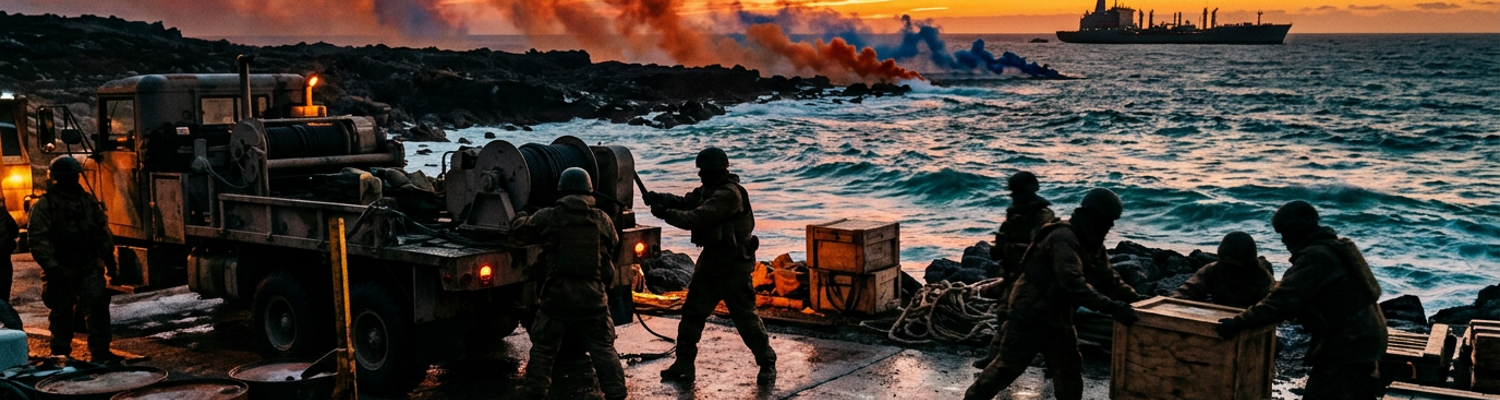

Okunoshima Arsenal Clandestine Chemical Stockpiles
Canvas hoods muffled the heavy breathing of disposal personnel as they tightened their thick rubber suits along the jagged coastline of Okunoshima. Sweat pooled inside impermeable gloves and fogged glass eyepieces while teams adjusted valve seals under the heavy sea air. Every man understood that a single tear in the fabric or a faulty respirator seam meant severe chemical burns and permanent lung damage. The steep brush covered bluffs above the beaches hid rows of concrete bunkers, power plants, and sealed cave entrances that had operated behind strict wartime secrecy. Workers and soldiers who had operated those facilities left behind thousands of leaking steel drums inside unventilated concrete bunkers that now demanded immediate physical clearance.
Clearance operations remained hidden because mapmakers intentionally expunged Okunoshima from prewar civilian maps to conceal the mass production of those chemical munitions inside this isolated compound. Operating under the secretive title of the Tadanoumi Arsenal, the Imperial Japanese Army manufactured over 22,000 tons of sulfur mustard, lewisite, and vomiting agents on the island between 1929 and the end of the war. Civilian laborers mixed toxic compounds in unventilated sheds with little protective clothing, suffering chronic blisters and coughing spells. Plant supervisors pushed shifts around the clock to fill artillery shells, smoke pots, and bomb casings as the war situation deteriorated. Defeat in August 1945 abruptly halted the machinery, prompting the fleeing garrison to bury records, dump vats into surrounding waters, and abandon vast stocks of poison inside unsecured warehouses.
Warehouses received soldiers assigned to Allied inspection teams in late 1945 who discovered thousands of corroding drums and aerial chemical bombs stored across the dirt floors. Rust ate through the thin metal shells of the containers, allowing drops of dark amber liquid to seep onto the ground and release stinging vapors into the damp air. Piles of chemical munitions sat without safety tags or inventory manifests, forcing technicians to identify volatile contents through crude field tests while breathing shallowly inside cumbersome filters. Constant exposure to the odor of rotting geraniums from lewisite and the pungent smell of mustard agent wore down the nerves of the men tasked with securing the perimeter. Minor accidents triggered sudden panics that sent men scrambling outside to strip off gear in search of burning skin.
Skin burns and growing mental exhaustion turned daily contact with leaking toxic containers into an agonizing test of nerve for the assigned engineers. Sleepless nights inside base camps offered little relief because workers obsessed over phantom smells and imagined microscopic leaks in their protective suits. Officers recognized that prolonged exposure to the decaying stockpiles was eroding operational focus and increasing the likelihood of a catastrophic handling accident. Commanders ordered specialized disposal squads to haul heavy wooden winches, steel cables, and neutralizing chemicals up the island pathways to begin sorting the most unstable munitions for deep sea dumping. Crews hoisted the first pallet of corroded chemical bombs onto flatbed trucks and chained them down for transport to the loading docks.
Demilitarization Mandates and Tokyo Trial Evidence
Docks received the heavy flatbed trucks as drivers navigated the winding switchbacks toward the concrete quayside. General Headquarters of the Supreme Commander for the Allied Powers ordered Operation Lewisite in May 1946 to eliminate the toxic stockpile under US Army Chemical Warfare Service supervision. Chemical Warfare Service officers paced the concrete ramps with clipboards and gas detectors, watching the slow descent of each convoy because any abrupt shift in cargo could crack a weakened weld and release lethal arsenic vapors into the harbor air. Drivers gripped their steering wheels tightly with damp canvas gloves, knowing that a blown tire or a sudden jolt over coastal potholes would force an instant evacuation in zero visibility respirators. Winch cables squealed as cranes hoisted the palletized bombs from the flatbeds and swung them into open cargo barges, rocking the vessels in the rough inland swells. Supervisors monitored the unloading at the water edge with constant vigilance, rotating men off the docks every two hours to prevent clumsy handling mistakes caused by panic and heat exhaustion.
Heat exhaustion and toxic exposure also threatened specialists from military intelligence who worked directly behind those dockside teams to secure technical formulas and manufacturing dossiers. Translators and chemical weapons researchers sifted through hundreds of contaminated binders inside the island research buildings, dreading each page turn because toxic drops of mustard and lewisite still coated the moldy covers. Workers suffered splitting headaches and nervous hand tremors after hours of leaning over brittle documents in unventilated underground rooms. Soldiers scraped white neutralizing powder over contaminated floor tiles whenever a brittle folder flaked apart, fighting the nausea caused by hours of breathing recycled air through charcoal filters. Field teams used cotton swabs and solvent kits to neutralize chemical smears across handwritten test logs before passing the sheets through airlocks to waiting clerks. Technical officers cataloged every cooling system diagram, reactor vessel blueprint, and chemical purity ratio, packing the technical dossiers into sealed transport boxes destined for the military intelligence laboratories at Camp Detrick.
Camp Detrick received the technical data while attorneys from Allied legal teams intercepted duplicate copies of those shipping records to prepare evidence for the International Military Tribunal for the Far East. Prosecutors questioned former arsenal managers during long interrogation sessions, comparing conflicting entries to uncover hidden production quotas and unrecorded deep sea disposal coordinates. Legal clerks struggled with fatigue as they worked through the night, cross checking casualty rates from plant accidents against daily chemical yields under tight courtroom deadlines. Interrogators noted the psychological strain on witnesses who broke down while describing factory workers blinded by blistering fumes or children burned during emergency cleanup shifts. Courtroom assistants cataloged affidavits from Japanese medical officers who had treated industrial casualties, verifying the chain of custody for every recovered document by matching serial stamps on corroded bomb casings directly to the trial binders. Clerks stamped the final exhibit folders and transferred the authenticated logs to locked vaults in the trial chambers.
Cavern Magazine Ordnance Extraction
Chambers buried deep inside the island hills held the lethal physical reality outlined in those sequestered documents. Flashlight beams illuminated hanging mists where corroding munitions containers leaked high concentrations of persistent blister and choking vapors into unventilated subterranean tunnels. Trapped fumes of sulfur mustard and lewisite pooled along the damp rock floors, saturating the stagnant air with heavy chemical mists that immediately attacked any exposed surface. Thick butyl rubber suits trapped body heat and drenched the men in sweat within minutes, while fogged glass goggles turned every step over broken shale into a terrifying gamble against hidden punctures. Men listened to their own ragged breathing inside rubber masks, fighting sudden waves of panic as claustrophobia and chemical dread pushed their nervous systems toward complete exhaustion. Team leaders checked the wrist seals of their subordinates with trembling fingers before signaling the men to step toward the unstable chemical piles stacked along the slimy rock walls.
Rock walls crumbled as engineer details manually extracted unstable drums of lewisite and sulfur mustard from deteriorating underground cavern magazines. Rust had corroded the bottom rims of the fifty gallon vessels, turning the steel into brittle flakes that threatened to burst open under the slightest pressure. Crews had to crouch in pairs to slide canvas slings beneath the leaking barrels, holding their breath whenever the rusted metal groaned and oozed dark liquid across their gloves. Prolonged shifts in the dark tunnels destroyed the emotional endurance of the handlers, causing experienced soldiers to freeze in place or hyperventilate as their filter canisters hissed with every frantic inhale. Workers rotated out of the caverns with trembling knees and bloodshot eyes, vomiting from heat sickness before medics could hose down their decontamination suits and push fresh water through their mouthpieces. Supervisors kept the extraction pace unrelenting despite the mounting nervous breakdowns because ocean tides and naval transport schedules dictated strict daily quotas for clearing the mountain vaults.
Mountain vaults emptied slowly as engineers relied on improvised winches and physical muscle to transport weeping chemical containers over hazardous unpaved terrain to coastal staging areas. Wooden timber frames anchored with steel stakes groaned under the strain as crews hauled the slippery vessels out of the cave entrances and down steep dirt tracks cut through thick brush. Slippery mud and loose gravel threatened the footing of every four man carry team, where a single misstep meant dropping an oozing poison drum and spraying everyone nearby with liquid blister agent. Physical exhaustion degraded motor control and dulled reaction times as the afternoon wore on, forcing drained soldiers to shout through their respirators to coordinate every lifting motion. Handlers collapsed onto the dirt berms as soon as each drum reached the coastal staging depot, tearing off their facepieces to gasp for sea air while decontamination crews doused the leaking cargo with slurry bleach. Soldiers grabbed fresh ropes and hurried back up the muddy incline to drag the next batch of leaking containers from the hillside.
Gear Strain and Thermal Exhaustion
Hillside operations forced ropes to strain against slick rubber palms while disposal personnel operated inside impermeable rubberized protective suits and M4 protective service masks in high ambient Japanese humidity. Thick summer air blanketed the Seto Inland Sea, but inside the hermetically sealed layers of treated fabric the internal temperature spiked past forty degrees Celsius within minutes of physical exertion. Charcoal canisters hissed with high resistance during every frantic inhalation, forcing soldiers to draw stale air through the rubber flutter valves while heavy condensation blinded their glass eyepieces. Heart rates accelerated past safe thresholds as the suffocating combination of trapped body heat and near total darkness produced acute claustrophobic panic, constricting breathing passages and inducing dry heaves. Soldiers fought the instinctive urge to tear off their facepieces in the toxic air, knowing that a single breath of concentrated lewisite vapors would destroy their bronchial tissue. Severe heat retention inside non breathable chemical suits forced officers to limit operational shifts to brief intervals to prevent heat stroke.
Heat stroke threatened the crews until officers blew brass whistles across the rocky ledges to pull trembling handlers from the cavern lines before their circulatory systems collapsed. Exhausted men staggered out of the tunnel portals and dropped onto timber shoring frames, shaking violently as the weight of their saturated suits pinned them to the earth. Excessive perspiration filled rubber gloves and boots, degrading manual dexterity and sharply increasing the risk of dropping corroded munitions. Sweat accumulated several inches deep inside the stiff butyl boots, sloshing with every step and stripping raw friction blisters across swollen heels and ankles. Handlers lost the fine motor control needed to grip wet tools as their fingers cramped into painful spasms inside the fluid filled hand coverings, turning basic mechanical tasks such as securing winch hooks into dangerous physical struggles. Team leaders had to physically pry stiffened fingers off wooden carry poles because muscle cramps locked hands in place after only ten minutes of continuous hauling.
Hauling stopped abruptly whenever steel hooks repeatedly slipped from numb waterlogged fingers as teams struggled to secure weeping bomb casings to the transport cradles. Every sudden slide of rusted metal against slick rubber triggered violent spikes of adrenaline, causing drained soldiers to freeze in terror as they braced for a fatal spray of arsenic blister agent. Nervous exhaustion shattered emotional control across the work details, causing grown men to shout incoherently through their speech diaphragms or collapse into silent weeping inside their masks. Combat fatigue spread across the recovery squads as chronic sleep disruption and brutal thermal punishment eroded basic self preservation reflexes. Supervisors watched experienced soldiers drop their tools and stare blankly at the cave floor, completely unresponsive to verbal commands and unable to keep their footing on the greasy rock ledges. Hallucinations of invisible gas leaks and sudden mask punctures tormented handlers during every pause in work, driving multiple personnel to violent panic attacks right at the tunnel entrances.
Tunnel entrances became triage points as medics rushed forward with utility shears and wash buckets to cut the semi conscious workers out of their steaming suits before organ failure set in. Pints of trapped sweat poured out of the sliced rubber boots and gloves onto the decontamination deck, mixing with white neutralizing powder and splashing across the gravel. Orderlies soaked flushed chests with cold seawater and forced salt tablets down parched throats to treat the onset of heat delirium and dangerous dehydration. Stripped soldiers lay shivering on canvas stretchers as chemical burns reddened skin where leaking sweat had washed trace toxins past weakened wrist and ankle seals. Rest periods remained strictly rationed because Allied naval barge schedules demanded continuous loading operations before the evening tides shifted across the harbor. Supervisors ordered the stabilized men back into clean protective gear, fastening replacement respirators over raw facial sores and marching them down the quayside ramps to receive the next batch of chemical containers.
Handling Detail Psychological Attrition
Containers scraped against the timber skids as the returning handlers gripped the corroded iron casings under the watchful eyes of their squad leaders. Every sharp burr of rusted metal and every jagged crate corner threatened to puncture their thin outer barriers. The constant dread of microscopic suit tears and invisible vesicant exposure generated persistent combat fatigue among disposal details as the work continued without pause. Men inspected their rubber sleeves every few seconds for wet discolored patches, believing that liquid agent was seeping through the seams even when chemical detectors registered zero contamination. This unending fear of unnoticed chemical contact wore down mental reserves much faster than the heavy physical lifting, leaving handlers completely drained before their shifts reached the halfway mark. Squad leaders watched their men hesitate before grabbing rusted edges, freezing in place as rapid adrenaline spikes disrupted their breathing rhythm.
Breathing rhythm broke down completely because M4 respirators muffled shouted commands and warnings into hollow grunts, compounding the danger whenever a container shifted on the skids. Sensory deprivation and restricted auditory communication inside M4 respirators exacerbated isolation and hypervigilance during high tempo handling shifts. Fogged triangular lenses cut off peripheral vision, forcing workers to swing their entire upper bodies to track the movements of their partners. Thick rubber hoods trapped the sound of their own heavy breathing and rapid heartbeats, drowning out mechanical alerts and causing handlers to startle at harmless deck vibrations. Hand signals replaced spoken orders, but stiff rubber mittens made hand gestures difficult to distinguish through sweat streaked eyepieces. Misunderstood signals caused teams to drop heavy lifting tongs or pull in opposite directions, heightening the danger with each slip across the wet quayside.
Quayside operations pushed engineers into acute psychological breaking points, marked by somatic panic reactions, tremors, and severe insomnia during weeks of continuous ordnance transfer. Uncontrollable muscle twitches seized the arms and legs of seasoned soldiers, making it impossible to steady hoisting lines or balance heavy crates on the dollies. Several men collapsed onto the loading platforms in sudden hyperventilation attacks, clutching their throats and pulling at their sealed facepieces under the mistaken belief that their filters had clogged. Nightfall brought no relief in the offshore barracks, where recurring chemical nightmares and imagined odors of lewisite jolted men awake every hour in cold sweat. Exhausted soldiers paced the barracks floor with shaking limbs, scrubbing imaginary chemical spots from their arms until raw skin began to bleed. Medical officers found their tranquilizer stocks depleted within days as standard sedatives failed to calm the persistent autonomic nervous arousal tormenting the disposal squads.
Disposal squads lost personnel rapidly as physicians pulled the most severely incapacitated handlers from the active rosters, assigning them to wash down stations while sending less experienced replacements directly to the loading ramps. Replacement soldiers stepped hesitantly into the empty positions, their fingers trembling as they gripped the wet hoisting ropes beside the remaining veterans. Commanders shortened the duration of heavy lifting rotations and added extra decontamination checks to compensate for the degraded motor skills of the work details. Chemical Warfare Service officers monitored the quayside perimeter with portable vapor detector kits, signaling winch operators to speed up cargo transfers before the afternoon sea breeze shifted inland. Barge crews secured the final row of strapped chemical drums to the hold deck, cast off the heavy mooring lines from the iron bollards, and directed the tugboats to tow the munitions out toward the deep water disposal site.
Bungo Channel Deep-Water Scuttling Operations
Site transit began as towlines shuddered under the strain of tugboats dragging the barges into open water, while Allied teams loaded thousands of neutralized and leaking chemical containers onto modified Landing Craft Mechanized for transport off the island. Salt water washed over the steel gunwales, mixing with bleach wash that sloshed across the open well decks and soaked through the protective clothing of exhausted deckhands. Coxswains suffered from intense combat fatigue after continuous thirty hour piloting shifts, enduring headaches and severe disorientation caused by engine vibrations and trace chemical vapors trapped over the bay. Mechanical steering gear jammed repeatedly under the weight of shifted cargo, forcing sleep deprived sailors to manually wrestle slippery corroded drums across rolling deck plates during heavy ocean swells. Crewmen reached an acute psychological breaking point as continuous terror of catastrophic container breaches triggered uncontrollable muscle tremors and panic attacks in the cramped wheelhouses. Navigators guided the pitching craft southward through choppy coastal waters toward open sea lanes where larger transport vessels waited to receive the toxic freight.
Freight transfer commenced as cargo booms swung outward from the receiving ships, allowing disposal crews to move bulk agent drums into condemned merchant cargo hulks fitted with internal scuttling charges. Winches groaned under the heavy weight of the mustard gas drums, shaking the rusted decks of the doomed freighters and unnerving the riggers who guided the steel wire slings. Riggers experienced overwhelming emotional collapse inside the dark unventilated holds, knowing that a single dropped container would detonate exposed fuses or flood the lower compartments with deadly vesicant vapor. Perspiration flooded through the eye lenses of rubber respirators, blinding workers as they used wooden pry bars and timber blocks to wedge the unstable chemical barrels against the steel bulkheads. Handlers suffered hyperventilation and acute panic whenever metal rims slipped against the slick decking, causing several men to abandon their positions on the hoist platforms in hysterics. Hatch bosses slammed the iron cargo covers shut over the loaded holds and hammered down the securing wedges to prepare the ships for their final offshore tow.
Tows commenced as steel hawsers tightened across the stern rollers and ocean going tugs pulled the sealed freighters into the deep navigational approach of the Bungo Channel. Demolition details boarded the rolling hulks in heavy swells to complete final checks on the timed fuses, electrical wiring, and shaped charges placed throughout the lower hull compartments. Soldiers suffered severe nervous exhaustion after weeks of unbroken hazardous duty, demonstrating impaired hand eye coordination and blank unresponsive stares while connecting delicate electrical detonators. Engineers experienced intense claustrophobic dread in the flooded machinery rooms, where darkness, rising bilges, and the smell of sulfur caused experienced sappers to freeze on the access ladders. Detachment leaders manually set the scuttling delay timers, pulled the secondary safety pins, and hurried back to the main deck to board waiting evacuation craft.
Craft pulled away just before explosives shattered the lower hull plating with dull underwater concussions, sending shockwaves through the hulls and allowing thousands of tons of sea water to rush into the lower holds. Allied naval and engineer detachments scuttled the laden hulks into deep oceanic trenches off the Bungo Channel to complete maritime disposal, watching from safety boats as the vessels settled beneath the waves. Disposal personnel on the escort ships broke down in severe physical and nervous exhaustion, weeping openly on the open decks or staring mutely at the ocean as the unrelenting pressure of chemical operations ended. Medical staff treated soldiers who collapsed from autonomic nervous exhaustion and physical shock, wrapping trembling veterans in blankets while monitoring erratic pulses and shallow breathing. Sinking hulls disappeared entirely beneath the surface into ocean depths exceeding three thousand feet, releasing a final surge of bubbles and white foam across the water. Flotilla commanders ordered the support vessels onto a northern heading toward the naval station at Kure, leaving the empty coordinates marked only by drifting surface oil.
Incineration and Facility Decontamination
Oil slicks faded from view as engineers stationed on the Okunoshima shoreline listened to the fading rumble of the Kure bound convoy and turned back toward the contaminated interior to destroy the toxic waste left in the empty storehouses. Chemical warfare personnel erected sealed high temperature incinerators on Okunoshima to burn residual toxic sludge, munitions casings, and wooden packing crates. Heavy steel fireboxes roared day and night near the beaches, where feeding the ovens pushed the work details into dangerous physical and nervous exhaustion. Men shoveled thick black muck into the combustion chambers while balancing on slick iron platforms, suffering degraded reflexes that caused handlers to drop their tools and stumble against blisteringly hot flue pipes. Hallucinations of creeping vapors tormented workers who spent hours staring into the white hot draft, triggering severe panic attacks that forced medics to pull shaking soldiers from the catwalks. Crews shoved another cart of contaminated wood into the open hopper and slammed the hatch shut to contain the swelling draft.
Drafts carried smoke from the incinerator stacks heavily above the shoreline as the combustion cycle reached peak intensity, spreading dangerous fumes over the rocky ridges. Off gassing smoke and localized combustion emissions required continuous downwind air monitoring to protect remaining occupation garrisons. Sniffer teams patrolled the perimeter trenches with handheld vapor test pumps, checking detector papers every twenty minutes for invisible traces of arsenic and sulfur. Technicians suffered acute sensory strain as they knelt in the soot laden brush, their nerves fraying under the constant expectation that a sudden shift in the prevailing sea winds would poison their own camps. False alarms drove guards into hysterical fits of frantic mask donning, leaving men hyperventilating inside their rubber headpieces until officers broke their grip on the intake valves. Exhausted monitor teams rotated along the perimeter to wash stinging eyes and calm their shaking hands before relaying the wind data down to the harbor wash down crews.
Crews in the harbor area received the wind reports and mobilized as decontamination squads spread massive quantities of chlorinated lime slurry across former production floors, railheads, and harbor piers. Soldiers dragged heavy canvas hoses and wooden push brooms across the wet concrete, scouring every seam where liquid poison had soaked into the masonry over decades of wartime manufacturing. Caustic fumes from the boiling chemical slurry burned through worn canvas overshoes, aggravating the persistent dread of contamination that plagued every man on the detail. Handlers suffered severe emotional breakdowns as the endless physical scrubbing of chemical soaked stone merged with total sleep deprivation, causing several workers to collapse into hysterical weeping on the slippery floors. Medical orderlies dragged three incapacitated scrubbers out of the production hall to hose their skin down with cold freshwater and administer smelling salts. Supervisors ordered the remaining men to shovel fresh bags of dry lime powder into the mixing tanks to replenish the thick bleaching paste.
Paste thickened as lime dust billowed from the hopper mouths while replacement laborers dumped the heavy paper sacks into the water vats. Chemical burns erupted across sweaty forearms whenever airborne powder reacted with moisture trapped inside torn cuffs, pushing the exhausted replacements to the edge of delirium. Soldiers struggled against profound nervous exhaustion, their motor skills so blunted by unbroken shifts that men dropped steel shovels directly into the churning agitator blades. Officers refused to halt the operation, compelling trembling crews to guide mechanical spreader trucks through the factory alleyways to lay a final blanket of neutralizing agent over the crushed rail ballast. Drivers steered the vibrating trucks with numb blistered hands, their vision blurred by sweat and condensation inside their suffocating facepieces. Mechanics coupled the final high pressure hoses to the truck manifolds, blasting the remaining chemical docks with boiling disinfectant water until the runoff washed clean into the drainage sumps.
Operation Lewisite Technical Exploitation and Legacy
Sumps channeled the drainage water into coastal ditches while US Army Chemical Warfare Service officers set up wooden workbenches on the cleared concrete aprons. Officers compiled definitive technical assessments of Japanese chemical ordnance design for Allied defense intelligence by unbolting the nose plugs of deactivated aerial bombs and measuring casing wall thicknesses with brass calipers. Technicians carried out this delicate examination with trembling hands and bloodshot eyes, flinching whenever steel wrenches scraped against corroded metal threads. Weeks of constant proximity to lethal vesicants left the evaluators completely on edge, suspecting that every hollow casing might still harbor an unvented pocket of pressurized poison. Evaluators suffered intense headaches and muscle twitching as they leaned over the disarmed shells, struggling to maintain the manual dexterity required to extract internal booster cups without striking sparks. Draftsmen sketched the mechanical firing pins onto linen drafting paper before specialists packed the final graphite pencil sketches and sectioned bomb casings into waterproof shipping crates bound for Allied intelligence headquarters.
Headquarters received the shipping crates just as military authorities signed the final clearance manifests for the island site. Demilitarization of Okunoshima concluded without catastrophic mass detonations, yet the violent burning in open incinerators and the hasty washing of toxic sludge left persistent environmental arsenic contamination across the landscape. Chemical residue washed into porous volcanic bedrock, poisoning freshwater aquifers and killing vegetation across the hillsides surrounding the former production plants. Soil tests around the burned chemical storehouses revealed lethal concentrations of toxic arsenic compounds that resisted normal weathering and rainwater filtration. Heavy summer downpours carved deep gullies through the scorched earth, washing chemical soot into agricultural terraces and coastal mud flats. Inspection squads marked these poisoned ravines with red warning flags and sealed the perimeter wells with padlock chains before marching the remaining cleanup troops toward the troopships.
Troopships carried the disposal personnel away from the island, but the physical and psychological damage followed the men into military hospitals and civilian life. Veterans of the disposal operation returned with long term neuropsychiatric strain and documented respiratory vulnerabilities stemming from sustained hazardous duty. Months of working inside suffocating rubber suits while anticipating catastrophic chemical leaks shattered the nervous stability of dozens of handlers. Men suffered sudden waking panics, muscle spasms, and severe insomnia, frequently jumping from their bunks in cold sweats because they believed their respirators were failing. Microscopic suit tears and caustic smoke exposure resulted in persistent respiratory vulnerabilities, including chronic bronchitis, scarred lung tissue, and recurrent shortness of breath during routine physical exertion. Army medical boards classified numerous handlers as permanently incapacitated due to autonomic nervous exhaustion, recording these disabling symptoms in individual discharge folders before processing the damaged soldiers for final medical evacuation.