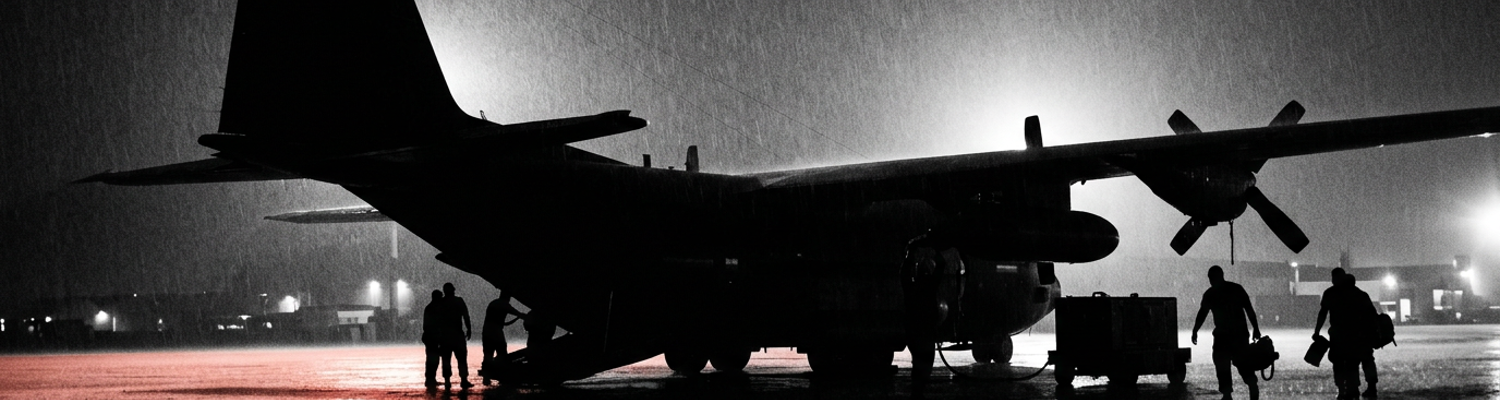

Naval Air Transport Service Expansion and Route Engineering
Navy Transport Flight 625 heavy declared an immediate emergency. Manifold pressure dropped to zero on Pratt and Whitney radial engines two and three. The aircraft descended through four thousand feet over coordinate 15 degrees North 145 degrees East. The flight deck crew experienced severe hypoxia-induced spatial disorientation. They requested an emergency vector to Orote Field.
When examining the historical record, the establishment of the Naval Air Transport Service originated from a direct order issued by Secretary of the Navy Frank Knox. This occurred shortly after the Pearl Harbor attack. By early 1944, Pacific fleet operations required moving thousands of tons of high-priority cargo across six thousand miles of open ocean. Surface vessels took weeks to deliver cargo. Admiral Ernest King expanded NATS into a globe-spanning aviation network. This expansion absorbed civilian airline personnel. It integrated commercial flight procedures into military operations.
The engineering requirements for these Pacific routes pushed aircraft structures to their physical limits.
Douglas R5D Skymaster airframes hauled ten thousand pounds of payload over fourteen-hour ocean legs. Mechanics at Naval Air Station Alameda routinely replaced cracked cylinder heads on the R-2000 Twin Wasp engines. Running at continuous maximum cruise power caused this damage. Flight crews operated in unpressurized cabins at ten thousand feet. They breathed supplemental oxygen through rubber masks. They tracked radio navigation signals from Hawaii to Johnston Atoll and Kwajalein.
Human endurance failed.
A close review of operational logs indicates the activation of Squadron VR-11 for long-range transport missions occurred specifically to address supply shortages in the Marianas campaign. Commissioned at Naval Air Station Honolulu, VR-11 expanded rapidly in 1944 under the command of Captain D.W. Tomlinson. It became the largest aviation squadron in the United States military. The unit deployed hundreds of pilots and navigators to forward bases like Isley Field on Saipan. They delivered whole blood, mortar fuses, and classified radar components directly to the front lines.
Pilots logged over one hundred and twenty flight hours per month.
The constant low-frequency vibration of the four radial engines caused temporary deafness and chronic headaches. Aviators developed severe anxiety disorders. They experienced auditory hallucinations of failing engines during their off-duty hours. Flight surgeons documented severe combat fatigue among navigators. These men spent twelve hours staring at drift meters over featureless ocean water. They calculated wind correction angles while fighting microsleep.
Tomlinson brought a highly professionalized safety culture to the squadron. Officers instituted mandatory rest periods. They developed staggered sleep schedules on the aluminum deck plates of the cargo hold. This ensured at least one rested aviator stayed at the flight controls.
Flight surgeons grounded thirty percent of the squadron by October due to severe neurological tremors.
The deployment of VR-11 aircraft required constant mechanical interventions at forward bases. Ground crews on Saipan worked on the coral-dust covered flight lines. They repaired frayed elevator cables. They replaced blown tires destroyed by the jagged Marpi Point runways. A single R5D required two hundred hours of maintenance for every one hundred hours of flight. Maintenance logs from November 1944 list seventy-two separate instances of hydraulic fluid leaks in the main landing gear struts. The high humidity of the Marianas caused rapid corrosion on exposed electrical terminals. Technicians rewired entire instrument panels overnight.
Mechanics stripped aluminum sheeting from crashed bombers to patch bullet holes in the transport fuselages.
PB2Y Coronado Transport Modifications and Limitations
Archival evidence shows that the Naval Air Transport Service relied heavily on the Consolidated PB2Y Coronado flying boat. This allowed them to bypass the incomplete airstrips across the Marianas. Squadron VR-11 integrated the four-engine PB2Y-3R transport variant to handle heavy airlift duties. They flew cargo directly into the protected waters of Tanapag Harbor on Saipan.
Maintenance crews at Naval Air Station Alameda stripped these former patrol bombers of their bow, dorsal, and tail gun turrets. This maximized internal payload capacity. Replacing the heavy defensive armament with reinforced duralumin floor plates allowed the airframes to carry up to sixteen thousand pounds of high-priority cargo. They could also transport forty-four passengers per flight.
Four Pratt and Whitney R-1830 Twin Wasp radial engines powered the sixty-six-thousand-pound flying boats. The route spanned two thousand miles from Hawaii to the forward operating bases.
The physical effort required to control the aircraft during water landings in six-foot ocean swells degraded pilot reflexes. Captain D.W. Tomlinson observed the rapid onset of muscular fatigue among his seaplane crews. He implemented mandatory dual-control handling procedures during the final approach phase.
The unassisted mechanical flight control cables required eighty pounds of continuous yoke pressure during banking maneuvers.
Tomlinson's command staff approached the integration of the Coronado with a highly structured training regimen. Instructors ran continuous drills on the hydrodynamics of the stepped hull design. This prevented the aircraft from porpoising and shattering the lower fuselage during rough water landings at coordinate 13 degrees 27 minutes North, 144 degrees 39 minutes East.
The PB2Y-3R transport airframes completely lacked cabin pressurization systems.
Flight crews operating at cruising altitudes between ten and twelve thousand feet faced constant physiological degradation from the thin air and sub-zero temperatures. Aviation machinists removed the heavy internal heating units to save weight. This allowed for transporting bulky medical supplies and whole blood containers. Aviators wore heavy fleece-lined leather flight suits. They breathed supplemental oxygen through rubber masks tethered to portable low-pressure cylinders. The mechanical flow rate regulators on these primitive oxygen systems frequently froze solid during the night transits.
Pilots experienced the early stages of hypoxia. This manifested as localized facial numbness and degraded peripheral vision.
The transport variants of the Coronado operated entirely without operational radar systems. Naval engineers uninstalled the ASV surface-search radar arrays. This reduced the electrical load on the engine-driven generators. It also eliminated the aerodynamic drag of external dipole antennas. This technical omission forced VR-11 flight crews to navigate the hazardous intertropical convergence zone using only dead reckoning and celestial fixes.
Dense cumulonimbus cloud formations frequently obscured the stars. This rendered the Mk II octants useless for determining positional latitude. Pilots flew blind through severe tropical depressions. They relied on the erratic signals of low-frequency radio direction finders. These suffered from heavy atmospheric interference caused by lightning discharges. The lack of terrain-mapping radar meant crews descended through heavy overcast toward the Marianas relying strictly on barometric altimeters and timing calculations. Navigators knelt on the uninsulated floor plates by the side blister windows for hours. They dropped magnesium drift flares into the black ocean to calculate wind shear.
Radiomen transmitted position reports in the blind. They hoped a surface vessel would intercept and relay the coordinates.
The psychological toll of anticipating a mid-air collision drove many aviators to the point of clinical exhaustion. Tomlinson's safety culture dictated that flight surgeons conduct mandatory neurological evaluations after every third Pacific crossing. Medical personnel checked for the involuntary hand tremors that preceded complete combat fatigue. The combination of hypoxia, sleep deprivation, and the constant roar of the unsynchronized R-1830 engines caused permanent auditory nerve damage in dozens of veterans.
Maintenance records from December 1944 detail the replacement of thirty-four shattered windshield panels on the Coronado fleet. High-velocity hail impacts during unguided flights through unmapped thunderstorms caused this damage.
Kwajalein to Saipan Medical Evacuation Operations
A close review of operational logs indicates that the Naval Air Transport Service initiated unescorted evacuation runs beginning in June 1944. These 1,200-mile flights cleared the mounting casualties from Operation Forager. Captain D.W. Tomlinson directed Squadron VR-11 to convert their Douglas R5D Skymasters into airborne medical transport units.
Aviators departed Kwajalein Atoll at coordinate 8 degrees 43 minutes North, 167 degrees 44 minutes East. They carried full loads of aviation fuel and medical supplies.
These flight crews operated entirely without fighter escort across Japanese-patrolled ocean sectors. The R5D airframes lacked self-sealing fuel tanks and protective armor plating. This maximized the internal weight capacity for returning patients. Navigators plotted the westbound track toward Saipan using basic dead reckoning. They scanned the horizon for enemy G4M Betty bombers. Continuous fourteen-hour round trips pushed the Pratt and Whitney R-2000 radial engines far beyond their specified thermal limits. Mechanics at Kwajalein documented a sharp increase in sheared oil pump drive shafts. Running the engines at high cruise power settings to outrun localized weather systems caused these failures. Pilots fought severe combat fatigue. They constantly scanned the engine cowlings for the first signs of oil leaks or smoke.
The unpressurized aircraft vibrated violently during the descent through heavily contested airspace toward the Marianas.
Transporting critically wounded casualties directly from active combat zones required extreme operational risk at the forward airstrips. VR-11 flight crews landed their heavy four-engine transports on the coral-surfaced Isley Field on Saipan. Japanese artillery units on Mount Tapochau actively shelled the runway during these operations. Ground personnel loaded patients directly from field ambulances into the aircraft. Mortar rounds detonated less than three hundred yards from the parking aprons.
Navy medical corpsmen secured up to thirty wire-mesh litters inside the stripped cargo holds. They used heavy canvas webbing straps attached to the aluminum fuselage ribs. Casualties consisted heavily of Marines suffering from severe shrapnel lacerations, compound fractures, and traumatic amputations. Dust and pulverized coral blew through the open cargo doors. This coated the sterile bandages and jammed the mechanical valves on portable oxygen cylinders. Flight engineers rushed to calculate weight and balance parameters. Medical officers triaged the most unstable patients for immediate loading. The high volume of casualties forced commanders to bypass standard safety protocols. They overloaded the aircraft by two thousand pounds.
Pilots advanced the throttles to maximum takeoff power to lift the heavy airframes off the cratered runway.
The physiological conditions inside the R5D cabins during the eastbound return flights to Kwajalein degraded rapidly. Climbing to ten thousand feet to avoid turbulent weather dropped the internal cabin temperature to near freezing. Flight nurses covered patients with thick wool blankets to prevent hypothermia. The airframes lacked environmental heating systems. Atmospheric thinning at altitude exacerbated the respiratory distress of Marines with chest wounds. Corpsmen rotated the limited supply of low-pressure oxygen masks among the most critical casualties.
Severe anxiety and auditory distress among the shell-shocked patients stemmed from the continuous low-frequency drone of the R-2000 engines. Medical personnel struggled to maintain intravenous fluid lines in the dark. They relied on standard-issue red-lens flashlights to monitor the flow of whole blood and plasma. Erratic aircraft motion during transit through heavy cumulonimbus clouds caused the glass plasma bottles to swing violently against the metal bulkheads. Navy flight surgeons recorded multiple instances where severe turbulence caused fresh surgical incisions to rupture mid-flight.
Mechanics at Kwajalein routinely spent hours scrubbing coagulated blood from the cargo floorboards using raw aviation gasoline.
Fifth Fleet Command Conflicts and IFF System Failures
Archival evidence shows a severe organizational fracture between Fifth Fleet headquarters and land-based transport commands over Marianas airspace in late summer 1944. Naval commanders aboard flagships prioritized the absolute defense of the carrier task forces against Japanese aerial counterattacks. Admirals issued strict routing directives. These required all incoming Squadron VR-11 Douglas R5D Skymasters to execute complex holding patterns at coordinate 15 degrees 45 minutes North, 146 degrees 12 minutes East before receiving approach clearance.
Base operations officers at Isley Field countermanded these orders directly.
Army Air Forces transport dispatchers on Saipan demanded straight-in approaches. This minimized flight times for aircraft carrying critically wounded Marines and operating on marginal fuel reserves. The resulting airspace confusion forced exhausted transport crews to orbit for up to two hours over hostile waters. Navigators suffering from advanced sleep deprivation struggled to calculate wind-drift corrections using Mk II octants. They were trapped between conflicting command authorities. Captain D.W. Tomlinson observed a sharp spike in anxiety-induced tremors among his flight deck personnel. Pilots knew the Pratt and Whitney R-2000 engines consumed excessively high volumes of 100-octane aviation fuel during low-altitude holding maneuvers. The mechanical burn rate of four radial engines consuming two hundred gallons per hour at three thousand feet induced sheer panic on the flight deck.
Flight engineers routinely recorded the main fuselage fuel tanks running completely dry just seconds after the heavy duralumin landing gear struts slammed into the Marpi Point runway.
The organizational friction compounded heavily with a complete mechanical breakdown of high-frequency radio protocols across the Pacific theater. Airborne radiomen relied on the Collins ART-13 transmitter and BC-348 receiver to communicate with fleet air traffic controllers. High atmospheric humidity and pervasive salt spray caused severe electrical arcing across the internal vacuum tubes of these unsealed radio sets. Lightning discharges from nearby cumulonimbus formations completely blocked voice transmissions on the primary 3105 kilocycle command frequencies.
Flight crews attempted to rely on the SCR-695 Identification Friend-or-Foe transponder systems. They broadcast their non-hostile status to the naval vessels below. The heavy structural vibration of the unpressurized cargo holds frequently shattered the fragile glass oscillator tubes inside the IFF receiver boxes. Surface radar operators manning the SK air-search arrays on destroyers and heavy cruisers received no electronic handshake from the approaching four-engine aircraft. Fleet gunnery officers interpreted the silent, heavy radar returns descending through the overcast as incoming Japanese G4M Betty bombers initiating a torpedo run.
Navy anti-aircraft batteries fired hundreds of five-inch proximity-fused shells and 40mm Bofors tracer rounds directly at the unarmed transport planes.
Surviving a friendly-fire barrage over the Marianas pushed dozens of VR-11 aviators past the threshold of human endurance. The psychological erosion manifested in acute combat fatigue. Pilots who had successfully navigated fourteen hours of severe tropical depressions suddenly found themselves violently evading flak bursts from their own escort vessels. Adrenaline depletion left flight crews completely incapacitated upon landing. Medical officers at forward operating bases documented severe localized paralysis and hysterical blindness among radiomen. These men had spent hours screaming into dead microphones trying to halt the naval bombardment. Tomlinson directed his flight surgeons to heavily sedate these men using sodium amytal injections. This stopped their violent physical convulsions on the medical cots. Squadron doctors noted that the combination of conflicting routing orders and failed IFF protocols caused permanent neurological damage. Aviators developed severe post-traumatic stress disorders. They flinched violently at the sound of metal wrenches dropping on the hangar floor.
Maintenance crews spent three days patching seventy-four jagged shrapnel holes in the aluminum fuselage of aircraft number 42-72314 using scavenged sheet metal and hundreds of structural rivets.
In-Flight Surgical Triage and Cabin Environment
When examining the historical record, Navy Pharmacists Mates assigned to Squadron VR-11 conducted complex surgical interventions directly on the aluminum deck plates of unpressurized Douglas R5D Skymasters departing the Marianas. Ground ambulances delivered casualties from the 2nd Marine Division directly to the Isley Field parking aprons at coordinate 15 degrees 7 minutes North, 145 degrees 43 minutes East. Medical personnel received patients suffering from severe blast trauma caused by Japanese 105mm artillery shells and Type 97 fragmentation grenades.
Flight nurses performed rudimentary triage as the four Pratt and Whitney R-2000 engines spooled to takeoff power. This kicked up thick clouds of pulverized coral dust that blew directly through the open cargo doors.
The high volume of wounded forced corpsmen to abandon standard diagnostic procedures. They relied entirely on visual assessments of arterial bleeding. Aviation machinists had stripped the internal soundproofing to save weight. This amplified the deafening mechanical roar of the propellers and made verbal communication on the flight deck impossible. Attendants used black grease pencils to write blood types and morphine dosages directly on the foreheads of conscious Marines. The unpressurized cargo holds completely lacked dedicated surgical lighting or electrical suction equipment. Medical officers knelt on the vibrating duralumin floorboards to pack deep shrapnel lacerations with standard-issue sulfanilamide powder while the aircraft climbed through rough tropical air masses. The severe mechanical vibration of the airframe consistently loosened brass tourniquet buckles.
Corpsmen applied continuous manual pressure to severed femoral arteries for fourteen consecutive hours.
The structural limitations of the transport aircraft directly exposed these critically injured patients to severe atmospheric degradation. Captain D.W. Tomlinson authorized his flight crews to climb above twelve thousand feet to avoid heavy cumulonimbus formations along the eastbound route toward Kwajalein Atoll. The R5D airframes lacked environmental control systems or insulated bulkheads. This left only a thin sheet of aluminum between the medical litters and the freezing slipstream. Internal cabin temperatures plummeted from ninety degrees Fahrenheit on the Saipan tarmac to negative ten degrees at cruising altitude within forty-five minutes.
This extreme temperature shift induced rapid hypothermia in trauma patients already suffering from heavy blood loss and circulatory shock.
Navy medical staff wrapped casualties in heavy wool blankets. They stacked empty canvas mailbags over their legs to preserve core body heat. Intravenous fluid lines containing whole blood frequently froze. Nurses held the glass plasma bottles inside their own leather flight jackets to thaw the liquid. Atmospheric thinning at twelve thousand feet severely compounded the physiological stress on Marines with punctured lungs. This condition is known medically as tension pneumothorax. The ambient pressure drop caused trapped air inside chest cavities to expand violently. This compressed the heart and remaining functional lung tissue.
Sutured incisions tore open as internal tissue swelled against the heavy cotton bandages.
Managing this altitude-induced respiratory distress pushed the medical personnel to the point of clinical exhaustion. Flight surgeons carried only a limited supply of portable low-pressure oxygen cylinders equipped with basic rubber face masks. The mechanical flow regulators on these unheated metal tanks frequently froze solid due to the condensation of ambient moisture in the sub-zero cabin air. Nurses used heavy steel wrenches to manually break the ice forming over the brass release valves. Command protocols required pilots to maintain altitude to conserve aviation fuel. This denied the medical staff the option of descending to denser air where the radial engines would consume higher volumes of 100-octane gasoline.
Attendants constantly monitored the blue discoloration on the lips of chest-wound patients. This determined who required immediate oxygen therapy. Corpsmen rotated the frozen masks between four different litters every five minutes. They attempted to keep multiple men conscious on a single tank. The constant low-frequency vibration transmitted through the aluminum fuselage caused temporary paralysis in the hands of the surgical teams trying to administer plasma injections using thick-gauge steel needles. Medical units recorded multiple instances of auditory hallucinations caused by the unsynchronized engines masking the sounds of the cargo hold.
Flight logs from October 1944 record thirty-one separate emergency descents initiated specifically to revive unconscious flight nurses.
Sustained Aircrew Fatigue and Psychological Erosion
A close review of operational logs indicates that Squadron VR-11 flight crews operating the Douglas R5D Skymaster routinely executed continuous thirty-six-hour operational shifts. The supply chain demands of the Fifth Fleet required uninterrupted transits from Kwajalein Atoll directly to the forward combat zones. Pre-flight preparations at coordinate 8 degrees 43 minutes North, 167 degrees 44 minutes East consumed four hours. Crews checked hydraulic fluid levels, inspected frayed elevator cables, and calibrated radio compasses. The outbound flight across the Pacific lasted fourteen hours.
Upon touching down at Isley Field on Saipan, ground personnel immediately loaded high-priority cargo or wounded Marines. The flight deck crew remained strapped into their seats.
Turnaround times frequently shrank to forty-five minutes under the active threat of Japanese artillery fire from Mount Tapochau. Aviators then advanced the throttles to takeoff power and initiated the fourteen-hour return leg without leaving the aircraft. The physical environment inside the unpressurized cockpit accelerated physical decay. Four Pratt and Whitney R-2000 radial engines produced a constant low-frequency vibration. This mechanical shaking transferred directly through the heavy duralumin floor plates into the aluminum pilot seats. It caused temporary numbness in the lower extremities.
Aviators attempted to sleep on cargo netting stretched across cold metal bulkheads between fuel transfer cycles.
Captain D.W. Tomlinson implemented a rotating watch system. He hoped to guarantee at least four hours of rest per crew member. The high-tempo airlift requirements completely shattered these scheduling attempts. Navigators calculated wind drift over the featureless ocean using Mk II octants while fighting severe sleep deprivation. They knelt for hours on the uninsulated floorboards. The unpressurized cabins required crews to breathe supplemental oxygen from portable cylinders above ten thousand feet. Mechanical flow regulators on these primitive tanks frequently jammed due to internal condensation freezing in the sub-zero atmospheric temperatures. The heavy rubber masks caused severe skin irritation and restricted peripheral vision.
The resulting mild hypoxia combined with extreme exhaustion to degrade pilot reflexes. Aviators struggled to maintain the eighty pounds of continuous yoke pressure required to bank the sixty-five-thousand-pound transports during evasive maneuvers. First officers regularly fell asleep while monitoring the oil temperature gauges. They only woke when the aircraft lost altitude.
Flight surgeons recorded a forty percent increase in involuntary facial tics among radiomen by late August 1944.
This sustained sleep deprivation caused severe cognitive decline as crews entered the heavily contested airspace surrounding the Marianas. Approaching coordinate 15 degrees 7 minutes North, 145 degrees 43 minutes East, pilots faced active harassment from Japanese Mitsubishi A6M Zero fighters and ground-based anti-aircraft batteries on Tinian. Exhausted aircraft commanders stared at the engine cowlings through the plexiglass windshields. Many misinterpreted the blue exhaust flames as incoming 40mm tracer fire. They initiated violent and unnecessary evasive dives. The constant deafening roar of the unsynchronized engines triggered aggressive auditory hallucinations during the long night flights. Pilots heard non-existent radio calls or the specific grinding sound of failing hydraulic pumps.
Medical officers diagnosed acute combat exhaustion in aviators who suddenly lost the ability to read basic barometric altimeter dials. Navigators forgot how to apply simple magnetic variation corrections to their compass headings. This sent aircraft dozens of miles off course. The mental strain of calculating fuel consumption rates while anticipating a mid-air collision broke the psychological resilience of highly trained officers.
Men wept uncontrollably at the flight controls while staring at the spinning gyroscopic artificial horizon.
Base hospitals at Naval Air Station Honolulu received hundreds of VR-11 personnel suffering from advanced neurological tremors. Doctors administered heavy doses of sodium amytal injections to stop the physical convulsions on the medical cots. The psychological erosion peaked during instrument approaches through dense cumulonimbus cloud formations. Crews suffering from severe combat fatigue lacked the mental capacity to process erratic signals from low-frequency radio direction finders suffering from heavy atmospheric interference. They flew blind through violent tropical depressions relying entirely on degraded gyroscopic instruments. Mechanics discovered flight crews were operating the R-2000 engines at dangerous manifold pressures. Pilots simply forgot to adjust the throttle quadrants and fuel mixture controls during rapid descents through the heavy overcast.
Maintenance records document twenty-two shattered cylinder heads directly attributed to exhausted aviators running the engines at maximum cruise power during steep landing approaches.
Navigation Hazards and Hostile Interception
Archival evidence shows that Squadron VR-11 navigators plotted the 1,200-mile westbound transit from Kwajalein Atoll to the Marianas relying exclusively on dead reckoning procedures. Douglas R5D Skymasters assigned to this route operated entirely without functional terrain-mapping or surface-search radar systems. Naval engineers at Naval Air Station Alameda systematically uninstalled the heavy APS-15 radar domes and their associated cathode-ray scopes from the lower fuselages. Removing this equipment eliminated all electronic radar coverage. It allowed the airframes to carry an additional eight hundred pounds of high-priority medical cargo.
This technical omission forced flight deck personnel to track their progress across the featureless Pacific utilizing only basic mechanical instruments.
Navigators knelt on the cold, uninsulated duralumin floorboards beside the starboard blister windows. They stared through optical drift meters for up to eight consecutive hours. They dropped magnesium drift flares into the black ocean water at coordinate 11 degrees 20 minutes North, 156 degrees 10 minutes East to calculate surface wind shear. Calculating these drift corrections required continuous manual inputs on aluminum E-6B flight computers while the unpressurized aircraft vibrated violently in the turbulent air masses.
The continuous physical strain of mathematical computation in freezing temperatures fractured their psychological resilience.
The complete absence of electronic navigation aids generated severe cognitive decay among the VR-11 officers traversing this specific sector. Heavy cumulonimbus cloud formations frequently obscured celestial bodies. This rendered the standard Mk II octants useless for determining positional latitude. Pilots flew blind through severe tropical depressions relying entirely on the erratic signals of low-frequency radio direction finders. Atmospheric interference caused by localized lightning discharges rendered these analog radio compass needles completely unreadable. They spun wildly on the instrument panel. The psychological toll of anticipating a navigational error that would plunge the aircraft into the open ocean drove many men to the point of clinical exhaustion.
Flight surgeons documented a sharp rise in severe anxiety disorders among navigators. They developed involuntary hand tremors while attempting to draw precise pencil lines on their paper aeronautical charts. The combination of hypoxia, sleep deprivation, and the constant roar of the unsynchronized radial engines broke their concentration entirely.
Medical personnel diagnosed acute combat fatigue in aviators who suddenly lost the ability to read basic compass headings.
The 1,200-mile transit route exposed these unescorted transport aircraft to constant vulnerability from both Japanese interception and disorganized American air defenses. VR-11 flight crews operated the sixty-five-thousand-pound Skymasters across hostile ocean sectors entirely without fighter escort. The R5D airframes lacked protective armor plating behind the pilot seats. They operated without self-sealing fuel tanks to maximize internal weight capacity. Approaching the Marianas at coordinate 15 degrees 7 minutes North, 145 degrees 43 minutes East, exhausted transport crews faced active harassment from Japanese A6M Zero fighters launching from the bypassed airstrips on Pagan Island.
Japanese pilots recognized the Douglas transports as high-value targets. They aimed their 20mm Type 99 cannons directly at the unprotected wing root fuel tanks.
Pilots executed violent evasive dives to avoid enemy machine-gun fire. They pushed the four Pratt and Whitney R-2000 radial engines far beyond their specified thermal limits. Surviving these Japanese patrols frequently placed the damaged transports directly into the path of American radar picket destroyers. High atmospheric humidity and severe structural vibration routinely shattered the fragile glass oscillator tubes inside the SCR-695 Identification Friend-or-Foe transponder systems.
Surface radar operators received no electronic signal verifying the non-hostile status of the approaching four-engine aircraft.
Fleet gunnery officers interpreting the silent radar returns initiated heavy anti-aircraft barrages against the inbound transport flights. Navy vessels manning the radar picket lines fired hundreds of five-inch proximity-fused shells directly at the unarmed Douglas transports descending through the overcast toward Isley Field. The mechanical burn rate of the R-2000 engines consuming two hundred gallons of 100-octane aviation fuel per hour restricted the ability of the Skymasters to climb out of the flak zones. Pilots suffering from advanced sleep deprivation violently banked the heavy aircraft to evade 40mm Bofors tracer rounds originating from their own escort ships. The severe structural stress of these uncoordinated turns frequently warped the aluminum aileron hinges. Adrenaline depletion left flight deck crews completely incapacitated upon landing. Squadron doctors heavily sedated these aviators using sodium amytal injections to stop their physical convulsions on the medical cots.
Maintenance crews at Saipan spent hours patching jagged shrapnel holes in the aluminum fuselages using scavenged sheet metal.
Revisions to Pacific Airlift Doctrine and Medical Protocols
A close review of operational logs indicates that the catastrophic breakdown of airspace management over the Marianas forced an immediate overhaul of joint command routing by November 1944. Admiral Chester Nimitz directed Fifth Fleet headquarters and Army Air Forces dispatchers to completely dismantle the overlapping authority zones. These zones had trapped Squadron VR-11 transports in friendly anti-aircraft fire. Staff officers drafted new procedural manuals. They mandated the creation of dedicated, non-combat approach corridors funneling directly toward Isley Field.
Planners established a hard deck at eight thousand feet for all inbound Douglas R5D Skymasters approaching coordinate 15 degrees 7 minutes North, 145 degrees 43 minutes East.
This altitude requirement separated the heavy transport aircraft from the low-level combat air patrols flying Vought F4U Corsairs. Base commanders lost their override authority. The revisions stripped local officers of the ability to countermand fleet routing orders during active Japanese aerial counterattacks.
Aircraft commanders received strict parameters forbidding holding patterns exceeding thirty minutes over hostile waters to conserve 100-octane aviation fuel.
These routing changes directly coincided with a theater-wide replacement of fragile airborne radio hardware. Naval engineers at Naval Air Station Alameda evaluated the shattered glass oscillator tubes recovered from the SCR-695 Identification Friend-or-Foe transponder systems of surviving VR-11 aircraft. The internal damage was extensive. Technicians designed heavily insulated shock mounts using vulcanized rubber to isolate the IFF receiver boxes from the severe structural vibration of the unpressurized cargo holds. The Bureau of Aeronautics issued technical orders to abandon the primary 3105 kilocycle high-frequency command channels. Airborne radiomen transitioned to experimental ultra-high-frequency transmitter sets. These new units penetrated the heavy atmospheric interference generated by lightning discharges inside cumulonimbus formations. Fleet air traffic controllers aboard radar picket destroyers synchronized their SK air-search arrays with these new frequencies.
Surface gunnery officers finally received clear, uninterrupted transponder codes confirming the non-hostile status of the descending transport planes.
The severe psychological erosion of the flight deck personnel forced Captain D.W. Tomlinson to implement aggressive crew fatigue limits by the end of the year. Flight surgeons analyzing the combat exhaustion among navigators and pilots successfully lobbied the Bureau of Medicine and Surgery. They capped maximum monthly flight time at eighty-five hours. Medical officers established mandatory forty-eight-hour grounding periods at Naval Air Station Honolulu for any aviator exhibiting involuntary facial tics or auditory hallucinations. The safety culture developed by Tomlinson's command staff required pilots to undergo rigorous neurological evaluations before returning to the flight controls of the sixty-five-thousand-pound airframes. Doctors checked for involuntary hand tremors. Squadron physicians restricted the use of sodium amytal injections exclusively to cases of acute post-traumatic stress disorder.
Attending physicians refused to clear exhausted men for duty simply to meet the daily airlift quotas demanded by Fifth Fleet supply planners.
This medical intervention extended directly to the complete restructuring of in-flight evacuation protocols for wounded Marines. Aviation machinists stationed at Kwajalein Atoll received direct orders to permanently modify the internal cargo spaces of the Douglas R5D Skymasters. Mechanics installed lightweight, gasoline-powered Stewart-Warner heating units into the forward bulkheads. These machines pumped warm air directly over the wire-mesh litters. This mechanical upgrade prevented the rapid onset of hypothermia as internal cabin temperatures dropped during the climb to twelve thousand feet. Navy Pharmacists Mates received advanced low-pressure oxygen distribution manifolds equipped with electrically heated flow regulators. The heated brass valves prevented ambient moisture from freezing solid in sub-zero temperatures. Ice formation ceased entirely. Corpsmen no longer had to manually break ice off the portable cylinders using heavy steel wrenches. The revised load manifests strictly limited the maximum patient capacity to twenty-four casualties per flight.
Flight engineers strictly enforced this new weight parameter to ensure the Pratt and Whitney R-2000 radial engines never exceeded their thermal limits during emergency evasive maneuvers.