
Initial SEAL Deployments in the Adriatic Theater
The physical decay of the operators began before a single shot was fired. A close review of operational logs indicates a state of sustained exhaustion. Lack of sleep, inconsistent meals, and the constant tension of readiness wore down the men’s bodies. They were specters of American foreign policy, haunting a coastline on the verge of chaos. This was not a conventional battlefield. There were no defined fronts. It was a slow burn of watching, waiting, and preparing for missions that might never materialize, a process that grinds down the human element with relentless friction. The cold, damp air of the Adriatic Sea seeped into their bones. A constant, nagging presence during long, dark hours spent on open water or huddled in cramped forward positions.
Initial deployments into the Adriatic theater were spearheaded by East Coast units. Primarily SEAL Team TWO and later SEAL Team EIGHT, operating under the command of Naval Special Warfare Group Two. These teams were the logical choice. Their traditional area of responsibility encompassed Europe and the Mediterranean. Arriving as the conflict in the former Yugoslavia spiraled, their presence was part of a larger, often ambiguous, NATO and UN effort to contain the violence. The SEALs were introduced into a complex operational environment with murky rules of engagement. This situation demanded extreme discipline and tactical patience. Detachments from SEAL Team TWO began populating the region in the early-to-mid 1990s, tasked with a broad spectrum of potential missions that reflected the uncertain nature of the intervention. They were a force held in reserve, a scalpel for a surgery that politicians were hesitant to approve.
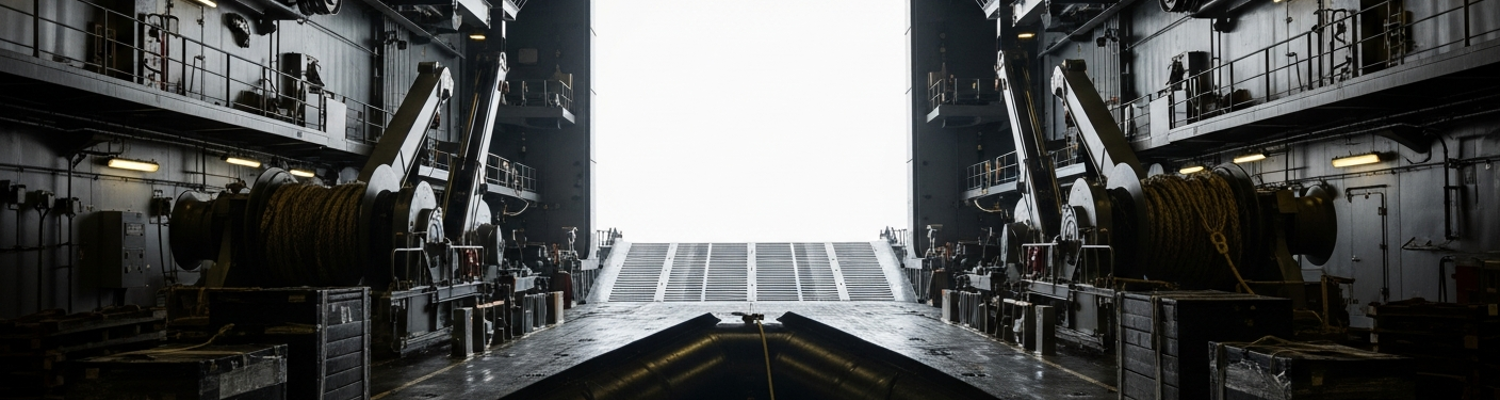
Their operational footprint was defined by a network of shore-based and maritime platforms. Operators staged out of Italian air bases, most notably Aviano Air Base, which served as a major hub for NATO air operations during campaigns like Operation Deliberate Force. This provided a secure rear area for planning and logistics. The true edge of their operational reach, however, was projected from forward floating platforms. These were not purpose-built special operations vessels but the amphibious assault ships of the U.S. Navy’s Amphibious Ready Groups, such as the USS Theodore Roosevelt, which patrolled the Adriatic. Life aboard these ships was a study in contrasts. Days of monotonous waiting could be shattered by immediate-action launch orders. SEAL platoons would maintain their equipment, from Zodiacs and dive gear to specialized communications arrays, in a state of constant readiness within the confines of the ship’s well deck. They were prepared to deploy on short notice into the contested littoral environment. This sea-based posture allowed them to remain close to the Bosnian coastline, a visible yet unseen threat.
These missions were a blend of intense reconnaissance and the latent potential for direct action. SEALs conducted special reconnaissance tasks, providing intelligence that was often unattainable by other means. This included hydrographic surveys of rivers like the Sava to confirm depths and map obstacles for conventional forces, a foundational task for any potential ground invasion. They were NATO’s eyes in the dark. They were tasked with identifying and monitoring Bosnian Serb military positions, artillery emplacements, and command-and-control nodes. These reconnaissance missions were high-stakes endeavors, often involving clandestine insertions along a hostile coastline. Later in the conflict, particularly after the Dayton Accords, the mission evolved. Elements of Naval Special Warfare, including the Naval Special Warfare Development Group (DEVGRU), were tasked with hunting Persons Indicted for War Crimes (PIFWC) in joint operations with units like the British SAS. These operations, such as Operation Tango, involved infiltrating deep into Serb-held territory to apprehend individuals charged with genocide and crimes against humanity, a clear shift to a direct-action role.
Riverine Operations and Intelligence Failures
Riverine missions were dictated by a constantly shifting intelligence feed. A review of after-action reports from Naval Special Warfare units in the Balkans reveals a reactive, frustrating planning cycle. A task to conduct reconnaissance on a Serbian-held bridge over the Drina could be canceled moments before launch. Satellite imagery might suggest new fortification activity. Or it could be radically altered mid-mission by a single, unverified report from a human source on the ground. This fluid intelligence environment came from a mix of sources: signals intelligence from RC-135 Rivet Joint aircraft flying patterns over Bosnia, imagery from Predator drones, and a network of CIA and allied human intelligence assets of varying reliability. For SEAL platoons from Team TWO and Team EIGHT, this meant that mission packages built around a specific target were in a constant state of flux. A suspected weapons cache. A Person Indicted for War Crimes. A paramilitary command post. The operators became masters of contingency, packing and re-packing equipment, studying alternate insertion points, and rehearsing scenarios that had a high probability of never happening. A mission to interdict a fuel barge on the Danube might transform into a last-minute reconnaissance of a different sector based on a garbled radio intercept. This forced team leaders to discard weeks of planning.
The river was another world entirely.
The littoral zones of the Sava and Drina rivers were defined by an unnatural stillness that weighed heavily on operators. The approach to a target area, often executed at night in inflatable F470 Zodiacs with muffled outboard engines, was a study in sensory tension. The complex coastal environment, with its dynamic water processes and proximity to land, created unique challenges not seen in open-ocean operations. Once the engines were cut for a silent paddle-in, the world shrank to the sound of water dripping from raised oars. The rustle of leaves on the densely wooded banks. The distant bark of a dog. This quiet was not peaceful. It was predatory. Every submerged log was a potential obstacle. Every shadow on the bank a possible machine-gun nest. Archival accounts describe the air as thick with the smell of damp earth, woodsmoke, and agricultural decay, a mixture that clung to clothing and equipment. The psychological pressure of this environment was immense. Operators were acutely aware that the silence could be shattered at any moment by the metallic click of a safety being disengaged or the sudden flare of a trip-wired illumination device, transforming the quiet riverbank into a pre-sighted kill zone.
This tension was compounded by the frequent disconnect between strategic intelligence and the situation on the ground. A mission to apprehend a PIFWC, for example, might be based on intelligence that was days or even weeks old. A DEVGRU element tasked with a snatch-and-grab operation could infiltrate to a target building, only to find it abandoned. Or worse, rigged with explosives as a deliberate trap. In one widely reported joint operation with the British SAS, codenamed Operation Tango, the targets were located, but one chose to open fire rather than be taken, resulting in a lethal engagement. While that specific mission involved helicopter insertion, its outcome underscores the volatility that riverine teams also faced. Intelligence that identified a river crossing as unguarded could prove disastrously wrong. Teams could encounter freshly laid minefields on the banks or unexpected Serbian police patrols that were not on any intelligence summary. These discrepancies forced split-second decisions by platoon commanders far from any senior authority. Abort the mission and risk losing the target. Or push forward through an un-assessed threat environment. Often, the most valuable intelligence was what the SEALs gathered themselves upon arrival, a reality that left no room for error.
Systemic Failures in Logistical Support
The entire special operations effort in the Balkans was undermined by a brittle and often inadequate supply chain. Declassified logs reveal a persistent gap between the equipment issued and the specific demands of the Balkan environment. SEAL Team TWO, with its traditional focus on cold-weather operations, was theoretically prepared for the region’s harsh winters. Yet operators consistently faced shortages of specialized gear that was either worn out or simply unavailable in the European theater’s inventory. This was not a matter of lacking basic rifles or ammunition, but of niche equipment. For instance, the riverine operations central to monitoring the Danube and Sava required specific replacement parts for the outboard motors on F470 Zodiacs. These parts were frequently back-ordered or misrouted from depots in Germany or Italy. Teams experienced failures of Gore-Tex cold weather clothing, which had not been adequately replaced after years of hard training, leading to cases of frostbite and exposure on long surveillance missions. The mountainous terrain, particularly in Bosnia, created dead zones for the standard PRC-117 series radios. This problem required specialized antennas and retransmission gear that was in short supply. Platoons were forced to cannibalize equipment from other teams or procure civilian-grade hiking and climbing gear from the local economy, a stop-gap measure that introduced unacceptable variables into high-risk operations.
This logistical friction was dangerously compounded by unreliable intelligence that forced constant, last-minute changes to mission profiles. The intelligence picture was a chaotic mosaic of satellite imagery that was often days old, ambiguous signals intercepts from EP-3 Orion aircraft, and a network of human sources whose reliability was difficult to vet. For a DEVGRU squadron planning a PIFWC snatch, an entire operational plan, built around a specific building layout, guard patrol routes, and exfiltration corridors, could be rendered obsolete overnight. A target believed to be in a rural farmhouse near Prijedor might suddenly be reported in a block apartment in Banja Luka. This forced a complete reset. The constant churn had a corrosive effect. It burned out planning teams and forced operators to study and rehearse multiple complex scenarios, most of which would be discarded. More critically, it meant teams often launched with an intelligence package they knew to be flawed. They were inserting into a hostile area with the understanding that the ground truth could be radically different from the briefing. This discrepancy erased the carefully calculated margins of safety and left operators to improvise under extreme pressure.
The mission was not over until the team was recovered.
Delayed exfiltration procedures became one of the most significant sources of operational risk. The primary method of extraction for deep-penetration missions was via helicopter, often MH-53 Pave Lows or MH-60s flown by Air Force or Army special operations aviation units. These airframes, however, were a finite and high-demand asset shared across the entire NATO effort in Bosnia. A SEAL reconnaissance team that had completed its objective and moved to its extraction point would often face agonizing waits. A scheduled 0200 pickup could be pushed to 0400, then to 0530, as their helicopter was retasked to support a higher-priority mission or grounded by weather. This left operators dangerously exposed. A team hidden in a covert observation post for 72 hours could suddenly find itself waiting for extraction in the hours just before dawn. This was the most vulnerable period, when enemy patrols were most likely to be active. Every minute spent waiting on the ground after a mission’s completion increased the signature of the unit and the probability of compromise. The risk was that a successful reconnaissance or direct-action strike could unravel into a desperate fight for survival, not because of enemy action during the mission, but because the ride home was late.
The Accumulation of Combat Stress
Post-operational debriefs from the mid-1990s demonstrate a significant disconnect between the strategic objectives of Balkan operations and the material support provided to operators on the ground. The high tempo of missions, combined with a precarious and often failing supply chain, created a state of chronic, grinding fatigue that directly elevated operational risk. For SEALs from Team TWO and Team EIGHT, this was not a war of decisive battles but one of slow corrosion. The very equipment meant to provide a tactical edge became a source of constant friction. The F470 Zodiac inflatable boats used for riverine reconnaissance on the Sava and Drina were plagued by maintenance issues. Replacement parts for their outboard motors, essential for both clandestine insertion and rapid extraction, were frequently misrouted through logistical hubs in Italy or Germany. This led to delays and mission cancellations. Archival accounts detail how platoons were forced to cannibalize parts from damaged craft just to keep a single boat operational. This material deficit extended to personal gear. Gore-Tex cold-weather clothing, necessary for surviving long-duration surveillance in the damp, freezing Balkan winters, was often worn past its service life. This resulted in documented cases of frostbite and exposure. Communications, the absolute lifeline of a deployed special operations team, were similarly compromised. The mountainous Bosnian terrain created significant dead zones for the standard PRC-117 radios, and the specialized antennas or retransmission gear needed to overcome this were consistently in short supply.
The men were fighting the mission, the enemy, and their own equipment.
This persistent lack of adequate material support was dangerously magnified by the fluid and often unreliable intelligence that shaped mission profiles. High-level strategic intent, such as the mandate to hunt for Persons Indicted for War Crimes (PIFWC), rarely translated into actionable, ground-level intelligence. A DEVGRU assault team might spend weeks planning a raid on a specific target location near Prijedor, only to have the mission profile completely altered hours before launch by a single, uncorroborated report from a human source or an ambiguous signals intercept from an RC-135 flying over the region. This constant state of flux had a deeply corrosive effect on operator focus and morale. Teams were caught in a perpetual cycle of planning, rehearsing, and discarding complex operations. This led to burnout among mission planners and a dangerous sense of fatalism among the assaulters. They were frequently launched with the explicit understanding that the intelligence package was incomplete or outdated. This gap between command expectation and the situation on the ground forced platoon-level leaders to make life-or-death decisions with inadequate information, effectively erasing the calculated safety margins that special operations depend upon.
An Undocumented War of Psychological Erosion
Sanitized medical logs from the Balkan theater point to a profound psychological toll exacted by sustained, high-tension missions. For SEALs operating in Bosnia and the surrounding littoral zones, the enemy was often formless. A combination of ambiguous threats, political indecision, and monotonous waiting. This was not a war defined by constant firefights, but by the corrosive stress of perpetual readiness. Operators existed in a state of heightened alert for weeks and months, a condition that physiologically exhausts the human body through the sustained release of stress hormones. Platoons would plan and rehearse complex direct-action missions against Serbian command posts or PIFWC safe houses. Then the operations would be canceled moments before launch due to a shift in the political climate or a single piece of contradictory intelligence. This cycle of preparation, anticipation, and anticlimax created a unique and debilitating form of mental fatigue. A sense of purposelessness gnawed at the elite mindset. The strain was less about the fear of a known enemy and more about the anxiety of an uncertain one, where the greatest threat was often the abrupt termination of a mission that had consumed all of their focus.
The human element began to break.
This psychological pressure was compounded by a relentless operational tempo that offered no meaningful recovery. The result was a slow-motion breakdown of cognitive and emotional resilience, a condition known in military medicine as combat fatigue. Symptoms manifested not as dramatic battlefield collapses, but as a creeping degradation of performance. Slower reaction times. Lapses in judgment. A dangerous apathy that could settle over a team during long, cold nights of surveillance. An operator’s hypervigilance would slowly curdle into irritability and depression. This decline was invisible to senior commanders and the outside world, a private battle fought within the confines of the platoon. The very ethos of a SEAL, to push through pain and never quit, often prevented individuals from seeking help, further isolating them. The accumulation of sleep deprivation, inadequate nutrition on forward deployments, and the unending tension of the mission created a breaking point that was both invisible and inevitable.
A significant reason this psychological erosion remains a peripheral chapter in military history is the strict restriction on combat photography. This created historical blind spots. Unlike conflicts that would follow, where helmet cameras and digital media became ubiquitous, special operations in the pre-9/11 Balkans were conducted under a thick cloak of operational security. Personal cameras were forbidden. Official combat photographers, if present at all, were tightly controlled by operational commanders and intelligence officers. The political sensitivity of having U.S. special operators on the ground in a European conflict, often with murky legal justifications, meant that visual documentation was seen as an unacceptable risk. Consequently, there are very few candid images that capture the daily reality of these deployments. The exhaustion etched on faces. The decrepit state of field equipment. The sheer tension of living in a forward observation post. This absence of a visual record forces historians to rely on textual accounts, which are often scrubbed of the raw, human detail that photography provides. The true texture of the operator’s experience, the visceral reality of their psychological burden, is largely lost to history, documented only in redacted reports and the fading memories of the men who were there.