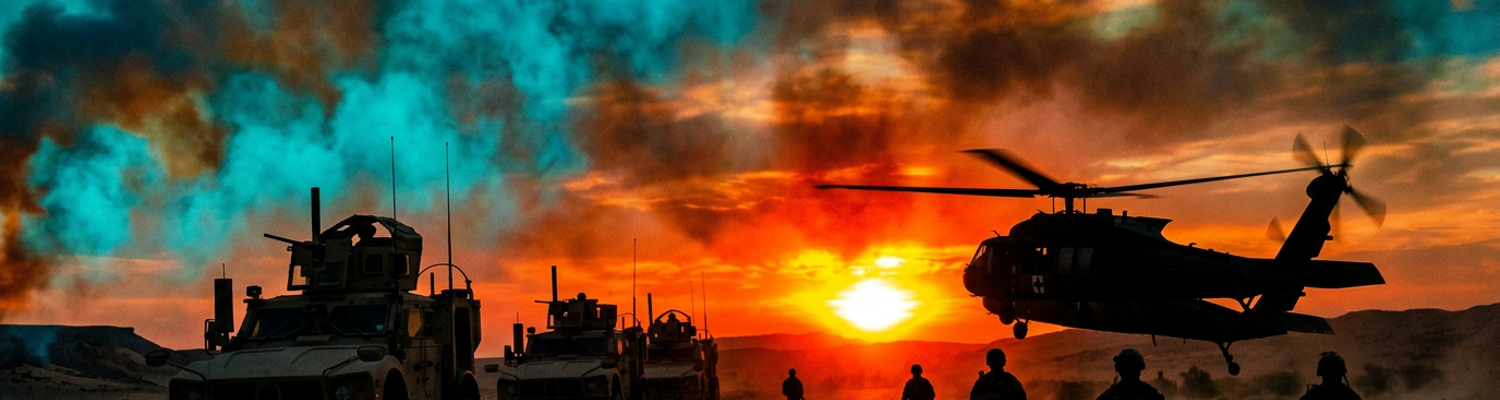

Retrograde Logistics Across Kandahar Province
Radio operators inside the battalion tactical operations center at Forward Operating Base Pasab detected the first sign of trouble when emergency distress calls crackled through their headsets from an ambush along Highway 1. Specialist Vance flagged the incoming transmission on his radio console, prompting the battalion watch officer to stride across the plywood command floor and demand the convoy coordinates. Accelerated Fiscal Year 2013 retrograde plans mandated rapid consolidation and abandonment of outlying combat outposts across Zhari District into Forward Operating Base Pasab. Outpost closures required soldiers to pack up heavy perimeter barriers, diesel generators, and ammunition bunkers within days. Heavy transport trucks flooded the open roads simultaneously without sufficient attack aviation to escort every movement. Battalion battle captains scrambled to redirect surveillance drones toward the highway, but every available airborne camera was already assigned to watch insurgent movement across the northern grape fields.
Grape fields and dry irrigation trenches provided insurgents with covered positions to place automatic weapons and rocket teams within direct sight of Highway 1. Battalion supply and security convoys traversing this route encountered dense insurgent pressure alongside shrinking logistical and technical maintenance footprints. Civilian mechanics and specialized logistics contractors had already evacuated Kandahar Province under rapid withdrawal deadlines. Overburdened motor pool soldiers were left to service heavily armored trucks without factory diagnostic tools or adequate spare parts. Mechanics scavenged alternators, starter motors, and wiring harnesses from stripped vehicles parked against the perimeter blast walls to keep transport columns operational. Convoy commanders ordered drivers forward on patched tires, leaking radiators, and cracked leaf springs that groaned under the weight of reinforced steel armor.
Reinforced steel armor plates and roof mounted countermeasure antennas placed severe mechanical strain on vehicle chassis while draining alternator output during daily transit runs between bases. Vehicle crews kept their electronic jammers operating at peak transmission strength to disrupt radio controlled roadside bombs. High wattage electronic interference saturated the immediate airspace around the moving trucks. Radiation from those countermeasure transmitters frequently spilled across tactical radio bands, drowning friendly voice nets in continuous static and cutting vehicle crews off from their commanders. Technicians at Pasab lacked the specialized test meters needed to balance antenna fields, causing jammers on neighboring trucks to disrupt emergency radio receivers. Patrols departed the security gates knowing that their own countermeasure gear could prevent distress calls from reaching the operations room if an ambush damaged their column.
Shrapnel from a command detonated roadside bomb struck the hull of a trailing transport truck eight kilometers west of Pasab, severing hydraulic steering lines and wounding the machine gunner in the turret. Electrical noise from nearby vehicle jammers immediately swamped the convoy tactical radios, preventing the patrol leader from transmitting an urgent casualty evacuation request. Specialist Vance watched the digital vehicle icon halt on his tracking display screen as the tactical voice channel disintegrated into loud hiss and interference tones. Duty officers clustered behind the radio console, demanding confirmation of the casualty status while the convoy radio telephone operator struggled to cut through the jamming barrier. Specialist Vance gripped his radio handset, selected the primary frequency bank, and reached for the manual power switches to force an emergency transmission through the electronic interference.
Counter RCIED Jamming Architecture and Duke V3 Systems
Switches on the amplifier panel clicked upward, but the operations center transmitter could still not pierce the dense wall of electromagnetic interference radiating from the convoy. Army vehicle elements deployed the vehicle mounted AN/VLQ-12 Duke Version 3 system as their primary defense against radio controlled improvised explosive devices. The Duke Version 3 system generated high power broad spectrum radio frequency energy across multiple ultra high frequency and very high frequency bands to inhibit remote triggering. Digital processing units inside each armored vehicle recognized incoming ambient signals and directed rapid fire electronic pulses into the atmosphere to disrupt insurgent transmitters before they could complete a circuit. Armored trucks throughout the stalled supply column carried these countermeasures bolted securely behind crew compartments, creating a continuous protective umbrella designed to neutralize hidden roadside explosives. Convoy drivers watched warning lights flicker across their dashboard control panels as the heavy countermeasure gear drained electrical power from the overworked alternators.
Alternators squealed under the immense mechanical drag as heavy power amplifiers routed hundreds of watts of current into the roof mounted antennas. High gain antenna masts fixed to the rear corners of the armored vehicles blasted continuous radio noise into the surrounding desert air to suppress potential insurgent trigger signals. Tight vehicle spacing along the narrow asphalt of Highway 1 forced these independent jamming fields to overlap, multiplying the strength of the electronic wash until it overwhelmed neighboring friendly antennas. Coaxial cables feeding into the convoy tactical voice radios absorbed this intense stray radiation, leaking raw static directly into vehicle intercoms and tactical receivers. Patrol commanders found their combat net radios completely paralyzed by the very countermeasure equipment installed to preserve their lives on the highway. Loudspeakers inside the disabled transport truck hissed with deafening white noise that drowned out every attempt to call the battalion operations center for help.
White noise filled the troop compartment while the wounded gunner slumped against the interior armor plating of the damaged turret. Combat medics on the scene quickly applied tourniquets and pressure dressings, but the soldier required immediate surgical evacuation by helicopter to survive his wounds. Army operational doctrine required an urgent nine line medical evacuation report over tactical radio before dispatchers at Pasab would launch the alert helicopters waiting on the flight line. Radio waves from the surrounding Duke systems continued to smother the convoy very high frequency voice nets, preventing any outbound distress transmission from leaving the patrol whip antennas. Patrol leaders confronted an immediate tactical dilemma between keeping their electronic shields active or clearing the airwaves to summon medical assistance.
Patrol leaders resolved this crisis by ordering nearby vehicle crews to shut down their Duke Version 3 transmitters and accept the risk of an unjammed ambush zone. Vehicle commanders reached across their crowded instrument panels and threw the primary jammer power switches into the off position. Cooling fans inside the heavy processing racks spun down, instantly collapsing the electronic bubble that shielded the stalled transport trucks from remote radio detonators. Static vanished from the battalion command frequency as the electromagnetic wall dropped along Highway 1. Specialist Vance heard the hiss clear from his headset at Forward Operating Base Pasab as the convoy operator began transmitting the nine line medevac request.
Radio Frequency Spillover and Tactical Network Degradation
Specialist Vance transcribed the first four lines of the casualty report onto a yellow legal pad until secondary jamming spikes tore through the radio receiver. Trucks directly surrounding the disabled transport had switched their jammers off, leaving other armored vehicles across the extended security perimeter with their transmitters active. Excessive radio frequency spillover from co located Duke Version 3 electronic warfare suites regularly overpowered local receivers and induced severe electromagnetic interference across the convoy communications network. Radio frequency energy leaked across adjacent metal chassis plates and crawled into unshielded radio cabling, filling the air around the vehicles with intense electromagnetic interference. Transceiver filters inside the tactical radios reached saturation within seconds, cutting off the patrol operator voice just as he attempted to read the wounded gunner medical condition.
Medical conditions remained unknown as AN/PRC-117G multiband platforms mounted in the command vehicles flashed red error symbols across their front display panels. High powered countermeasure radiation overwhelmed the internal processors of these crucial voice and data transmitters. Tactical satellite links dropped completely because stray high frequency pulses from the vehicle jammers blinded the sensitive directional antennas aimed at military satellites. Line of sight very high frequency signals suffered identical disruption, as the Duke system broadband electronic noise wiped out low wattage transmissions before the radio pulses could travel past the tree line bordering the highway. Blue Force Tracking computer monitors inside the operations center froze in place, preventing the battle captain from verifying whether the convoy remained under active fire or had pulled onto the road shoulder. Watch officers struck the plywood map tables with their open hands and ordered Vance to re establish a secure line through any open frequency bank.
Vance spun the channel dials across the primary console, switching the operations center base station through backup tactical frequencies to hunt for an open slice of spectrum. Frequency hopping algorithms programmed into the battalion radios collided repeatedly with the wideband jamming noise emitted by the Duke systems parked along the road. Electronic warfare specialists inside the operations center pulled maintenance manuals from metal cabinets to cross reference frequency band cutoffs with Duke antenna layouts. Technicians realized that the close spacing of the armored hulls along the narrow asphalt road prevented radio filters from separating intentional jamming power from legitimate emergency transmissions. Flight dispatchers at the Pasab helicopter pad refused to spin up the rotors on the waiting evacuation aircraft until Vance confirmed line five regarding patient count and line six covering security at the landing zone.
Landing zone security details remained unconfirmed, forcing convoy leaders along Highway 1 to abandon digital data broadcasts entirely and sprint through the roadside gravel between armored vehicles to deliver manual orders by hand. Vehicle commanders climbed down onto the road shoulder under threat of insurgent gunfire to instruct every remaining truck in the column to shut down its Duke countermeasure unit for a coordinated two minute window. Power switches clicked into the off position down the entire line of vehicles, silencing cooling fans and cutting every electronic countermeasure protecting the column against hidden roadside bombs. Vance heard the deep roar of background static instantly vanish from his headset speakers at Pasab, leaving behind the clear voice of the patrol radio operator reading the remaining lines of the medical evacuation request. Vance acknowledged the transmission, slammed the push to talk button on the flight line intercom, and called out the grid coordinates to the helicopter crew chief running across the airfield tarmac.
Eroded Signal Maintenance at Forward Operating Base Pasab
Helicopter crew chiefs sprinted across the airfield tarmac as Vance released the flight intercom button and turned back to his workbench. Dusty communications racks lining the plywood walls of the operations room hummed loudly, showing rows of warning lamps that had glowed amber for months without depot inspection. Repeated deployments and compressed dwell times eroded standard operating procedures for communications electronics maintenance and frequency allocation across the entire brigade combat team. Soldiers had spent less than twelve months at home station between combat tours, which left military repair depots with no time to completely rebuild degraded radio systems, inspect coaxial lines, or update countermeasure software before units shipped back to southern Afghanistan. Signal companies arrived in Kandahar with inherited equipment lockers filled with mismatched cables, burned circuit cards, and radio mounts rattling on stripped bolts. Technicians routinely bypassed scheduled bench tests, spectrum analyzer checks, and factory calibrations just to keep vehicles rolling out the base gates on daily route clearance patrols.
Route clearance patrols departed daily while insurgent mortar crews interrupted frantic repair efforts by dropping high explosive rounds across the interior gravel yards of Forward Operating Base Pasab. Incoming alarm sirens sent radio operators diving under sandbagged workbenches with their maintenance laptops still open and running diagnostic tests on their knees. Battalion signal officers and radio telephone operators were forced to jury rig frequency deconfliction profiles while under periodic insurgent mortar bombardment. Signal specialists sat on the dirt floor of protective bunkers and manually typed revised operational channel lists into spreadsheets, attempting to carve out narrow frequency windows where voice radios could function alongside active vehicle jammers. Official military frequency software rarely matched conditions in Zhari District, where dozens of combat vehicles packed into tight formations forced electromagnetic energy to spill across adjoining radio channels. Shrapnel tearing through exterior antenna cables often invalidated these hand calculated channel assignments within hours of their distribution.
Distribution of these improvised frequency sheets happened on laminated cards handed directly to vehicle commanders before convoys rolled past the perimeter wire. Radio telephone operators ran from truck to truck in the staging yard to hand program each multiband transceiver with the modified channel settings. Scavenged coaxial cables and mismatched antenna couplers salvaged from stripped vehicles were patched together with black electrical tape to replace gear broken during earlier insurgent rocket strikes. Shortages of factory replacement parts forced soldiers to splice severed cables by hand and protect vulnerable joints with silicone sealant that melted under the summer sun. Slight deviations in receiver tuning caused hand programmed frequencies to drift directly into the powerful transmission bands of the Duke jammers mounted on vehicle roofs. Desert dust seeped past worn rubber gaskets into the delicate internal components of the base station receivers, choking cooling fans and causing delicate circuit boards to overheat inside the operations center.
Operations center circuit boards baked until Vance pointed an electric desk fan directly at the exposed metal heat sinks of the base radio rack to keep the scorched transceivers from shutting down completely. Convoy crews on Highway 1 had already flipped their Duke jammers back on to protect against secondary roadside bombs, flooding the tactical command channel with renewed static. Signal needles on the radio console jumped erratically as the remote jammers clashed with the jury rigged base frequencies. Heat rising from the overburdened power supplies filled the corner of the operations center with the sharp smell of hot copper wiring and melted plastic insulation. Staff officers gathered behind the radio desk, listening intently for the medical helicopter pilot to announce contact with the ground forces over the noisy speaker. Vance gripped the manual channel selector on the transceiver housing and waited to seize the next split second gap in the electronic interference.
Highway 1 Ambush and Critical Casualty Evacuation
Electronic interference broke for a fraction of a second as Specialist Vance twisted the dial past the guard channels and heard broken combat shouts crackle through the receiver from the ambush zone along Highway 1. Insurgent fighters hidden behind irrigation berms and fortified mud compounds in Zhari District had coordinated multiple improvised explosive device detonations against the convoy column before opening up with concentrated machine gun fire and rocket propelled grenades. Explosive shockwaves shattered the bullet resistant glass of the center vehicles and threw sharp metal fragments through an unarmored cargo compartment, inflicting catastrophic chest and arterial wounds on an infantry soldier inside. Combat lifesavers applied tourniquets and pressure dressings against the bleeding wounds while heavy rifle rounds ricocheted off the vehicle hulls and kicked up thick clouds of dust along the highway shoulder. Convoy gunners fired reciprocal bursts from their roof mounted heavy weapons into the grape fields to suppress the attackers, but the patrol leader knew the critically wounded soldier would die on the roadbed without immediate helicopter evacuation.
Helicopter evacuation required clear communication, but radio operators keyed their microphone switches only to find the tactical frequencies swamped by harsh electronic noise. Persistent self jamming generated by onboard electronic countermeasure bubbles blocked emergency medical evacuation attempts over primary battalion command networks. Armored vehicles positioned around the blast site continued transmitting broadband radio frequency energy to stop insurgents from detonating secondary roadside bombs, yet those same high output electronic bubbles smothered the convoy very high frequency voice transmitters. Radio signals leaving the patrol whip antennas could not travel even fifty feet through the overlapping jamming fields to reach adjacent relay trucks, leaving the evacuation call unheard outside the ambush zone. Duty officers at Forward Operating Base Pasab stared at frozen tracking monitors while Vance struggled to extract recognizable voice coordinates from the deafening hiss in his headset.
Headset static crackled violently as the convoy radio operator desperately attempted to push through the electronic interference by boosting his transmitter wattage. Increased transmission power failed to solve the problem because the countermeasure jammers automatically detected the rising radio frequency output and released even heavier waves of disruption across the battalion frequency block. Trapped soldiers inside the ambushed column watched the wounded man lose consciousness from rapid blood loss on the steel floorboards of the disabled truck while insurgent rifle fire continued to strike the asphalt road margin. Patrol leaders realized that their own countermeasure systems had created an impenetrable barrier that cut them off completely from battalion headquarters, medical flight crews, and close air support. Ground commanders faced the brutal choice between keeping the electronic jammers powered to prevent another catastrophic explosion or shutting them down under active enemy fire so their radio operator could deliver the critical casualty transmission.
Casualty transmissions took priority as vehicle commanders shouted through the noise of gunfire and diesel engines, ordering specific crew members to disengage the circuit breakers on their electronic countermeasure racks. Armored truck crews reached into the cramped equipment bays behind their seats and manually flipped the heavy red power toggles, dropping the protective electronic shields one vehicle at a time. Radio receivers inside the battalion command center suddenly caught clear voice transmissions as the jamming field dropped across the center of Highway 1, allowing the patrol operator to read the urgent landing zone coordinates directly into the operations network. Vance grabbed his grease pencil, wrote down the six digit grid location on the glass tabletop, and passed the coordinates straight to the air assault battle captain to clear the incoming medical evacuation helicopter for immediate takeoff.
Notching Jamming Bands Under Kinetic Contact
Takeoff clearance sent DUSTOFF pilots launching their medical evacuation helicopter off the Pasab airstrip within minutes of receiving the coordinates, but their cockpit headsets caught only loud electrical static as they neared the ambush zone. Ground crews along Highway 1 had flipped their electronic transmitters back into operation after the initial distress call, immediately drowning out the local airspace with defensive radio energy. This electronic interference prevented the inbound pilots from receiving updates on active enemy firing positions, wind direction, or ground obstacles near the road shoulder. Disabling the Duke Version 3 jamming bubble directly traded active improvised explosive device protection for the radio window necessary to transmit a nine line medical evacuation request. Ground commanders realized their wounded gunner would die of blood loss within minutes unless the flight crew received exact patient details, terrain markers, and landing instructions before touching down. Convoy officers decided to suppress their electronic countermeasures while insurgent rifle bullets continued to strike the armored vehicle hulls.
Armored vehicle hulls took more hits as convoy commanders ordered the intentional notching and selective shutdown of protective jamming bands to break the electromagnetic lock and establish connection with medical flight assets. Truck gunners fired continuous heavy machine gun bursts into the surrounding tree lines while radio operators leaned deep into vehicle cabins to tap frequency exclusion values into their jammer control heads. Digital commands carved out narrow, silent frequency channels around the aviation voice bands while keeping other defensive radio frequencies active against remote detonators. Transceivers on the central command truck immediately cleared of electrical noise, allowing the patrol operator to read the critical remaining lines of the casualty report over the battalion tactical net. Radio operators transmitted the patient condition, tourniquet placement times, and green smoke marker instructions directly into the helicopter pilot headset. Inbound helicopter pilots acknowledged the clear transmission through their helmets and adjusted their flight path toward the highway markers.
Highway markers guided the helicopter pilots low over the dry irrigation ditches, but the ground patrol remained vulnerable to radio controlled explosives across the notched spectrum. Insurgent observers hidden in nearby mud compounds watched the stalled column and probed for gaps in the electronic coverage with handheld commercial radios and modified cellular phones. Vehicle crewmen remained rigid inside their hot troop compartments, knowing that any unjammed wireless signal passing through the open frequency notch could trigger heavy artillery shells buried beneath the road asphalt. Enemy fighters continued to fire sporadic rifle rounds from grape drying huts, but the unjammed radio net allowed ground gunners to direct accurate defensive fire into the wood line. Dust clouds rose thick around the highway as the rescue aircraft flared its rotors and placed its landing wheels firmly onto the pavement fifty yards behind the damaged transport. Combat medics rushed across the gravel shoulder under the spinning rotor blades with a folding litter, lifting the unconscious infantryman from the steel floor of the vehicle into the open helicopter cabin.
Helicopter cabins filled with the smell of aviation fuel as medics secured the litter inside and tapped the crew chief on the shoulder to signal an immediate liftoff. Rotors beat against the hot desert air as the helicopter climbed away from the ambush site toward the military surgical hospital at Kandahar Airfield. Convoy commanders immediately shouted over the vehicle radios to reactivate every disabled transmitter and restore their full jamming bubbles. Drivers reached across their crowded dashboard panels, clicked the Duke master toggles upward, and restored full broad spectrum interference across all ultra high and very high frequency bands. Cooling fans inside the vehicle equipment racks whined as the high output electronic warfare transmitters flooded the highway sector with defensive energy once again. Specialist Vance heard the clear radio channel dissolve into loud background noise back at Pasab as the armored column accelerated down Highway 1 to break contact.
Spectrum Maneuver Lessons from the Afghan Retrograde
Contact broke as Specialist Vance pulled the heavy plastic headset from his ears and recorded the convoy arrival time across the battalion operations board at Forward Operating Base Pasab. Surviving transport trucks and escort vehicles rolled through the perimeter wire with scorched antenna bases, cracked glass, and overheated electronics racks, giving signal maintenance crews their first direct look at the hardware that had choked under fire. The incident demonstrated the severe operational risks of electronic fratricide occurring when independent tactical communications and electronic warfare architectures lack automatic systems to stop radios from jamming each other. High output countermeasure suites had completely drowned out life saving medical channels on line of sight networks because they lacked automated filters and dynamic power controls to balance outgoing radio energy between transmitters sharing the same vehicle hulls. Ground commanders who had been forced to turn off their defensive jamming bubbles under direct enemy machine gun fire submitted urgent after action reports describing how mutual electronic interference had nearly killed a wounded soldier on Highway 1. Signal technicians unbolted the blackened Duke processing units from the truck cargo beds and loaded the internal diagnostic logs onto digital memory cards for brigade technical inspectors.
Brigade technical inspectors forwarded those digital memory cards directly to research facilities, testing grounds, and acquisition commands across the United States. Department of Defense assessments and 2013 operational studies catalyzed substantial revisions to Army spectrum deconfliction doctrine and modular platform engineering. Researchers discovered that rapid wartime procurement programs during the Afghan surge had packed combat vehicles with uncoordinated electronic boxes that competed fiercely for the same narrow radio bands. Rigorous laboratory tests confirmed that tactical transceivers and high power jammers placed within inches of each other on armored hulls generated deafening broadband noise, blinding patrol leaders when they needed urgent aviation support. Pentagon leadership recognized that ground units could no longer treat electronic warfare and tactical voice communications as separate, competing mission sets managed by different technical branches. Study panels directed military engineers to build integrated electronic systems where radio frequency emitters could detect, filter, and balance each other dynamically across a single shared digital network.
Digital network integration prompted engineers to dismantle the old bolt on countermeasure racks to construct unified electronic warfare suites using open hardware standards. Modernized combat platforms received centralized computing backbones that allocated frequency bands dynamically between tactical voice radios, countermeasure pods, and friendly aviation beacons in microsecond intervals. Signal officers in combat brigades adopted automated spectrum management software that analyzed local radio conditions and carved out guaranteed frequency lanes before patrol convoys left base perimeters. Training facilities modified their combat courses to drill infantry and armor crews on recognizing self inflicted radio jamming rather than mistaking electronic fratricide for insurgent electronic attacks. Specialist Vance and his fellow radio operators packed up the remaining legacy transceivers inside the Pasab operations center during the final base closure, boxing the heat damaged components for transport back to depot maintenance facilities. Maintenance crews bolted protective shipping covers over the empty radio racks and loaded the steel containers onto cargo trucks preparing for the final highway run toward Kandahar Airfield.