
The Unseen Enemy
In the summer of 1898, the United States Army went to war with Spain. It was an army configured for conflicts on the American plains, suddenly projected into the sweltering, disease-ridden climates of Cuba and the Philippines. While headlines focused on naval bombardments and infantry charges, the soldier on the ground faced a more pervasive enemy than Spanish Mausers. Heat, bacteria, and the resulting sickness threatened to cripple the expeditionary force before it could achieve its objectives. Typhoid, yellow fever, and dysentery were not battlefield possibilities. They were operational certainties. More than seven times as many soldiers would die from disease as from combat. The unprepared Quartermaster Department, which had been forbidden from stockpiling offensive war materials, scrambled to project American power overseas. The logistical chaos that ensued at stateside ports like Tampa, Florida, became legendary. A single-track railway line became a choke point, with supplies piling up unidentified on thousands of rail cars under the punishing sun. Within this maelstrom of poor planning and improvisation, one commodity emerged as a surprisingly vital instrument of war: ice. Its delivery to the front lines became a desperate, ad-hoc campaign, a frozen lifeline stretching from the rivers of New England to the fever tents of Santiago.
The Northern Harvest
The demand for ice was immediate and overwhelming. The Army needed it to preserve its volatile food supply, particularly the fresh beef transported in refrigerated rail cars to the ports of embarkation. It was essential for the field hospitals where hundreds of men succumbed to tropical fevers. And it was the only reliable method for providing troops with safe, potable water, as chilling the water was believed to help purify it and made the unpalatable, warm liquid bearable. The initial solution was to tap into America’s established and massive natural ice industry. For decades, companies in New England had harvested millions of tons of ice from frozen rivers and ponds, storing it in massive, sawdust-insulated ice houses for shipment during the summer.
The Quartermaster Department, under the direction of Colonel Frank J. Hecker, who was specifically appointed to manage transportation, began issuing massive contracts. They chartered dozens of commercial vessels, from dedicated steamships to coastal schooners, to haul the frozen blocks south. Companies that typically supplied the booming markets of New York and Philadelphia found themselves diverting their inventory to the war effort. Ice cut from the Kennebec River in Maine and from ponds across Massachusetts was loaded onto barges and ships. The process was a study in 19th-century industrial might. Horse-drawn plows with sharp teeth scored the thick winter ice into grids. Harvesting crews then used long handsaws to free the blocks, which were then floated down channels to steam-powered conveyor belts that carried them into the cavernous ice houses. Now, these same blocks were rushed to the ports, packed tightly in insulated holds with sawdust and hay to slow the inevitable melting. This sudden, massive government demand disrupted civilian supply chains. Ice prices in eastern cities saw instability as wholesalers prioritized the lucrative and urgent military contracts, leaving urban populations to contend with reduced availability during the peak heat of summer.
Industrial Cold Forged in the South
Natural ice alone could not meet the demand or the geographic reality of the war. The journey from Maine to Cuba was long, and melting claimed a substantial portion of every shipment. A more durable solution was needed closer to the theater of operations. The answer lay in artificial ice production. While the technology was not new, its application for military logistics on this scale was unprecedented. The Army commissioned the construction of temporary ice manufacturing plants at key logistical hubs, most notably Tampa and Key West in Florida, and later at Honolulu for the Philippine campaign. These were not small operations. They were sprawling industrial sites, often built in a matter of weeks, featuring the latest in refrigeration technology, typically ammonia compression systems derived from patents like those of John Gorrie and Ferdinand Carré.
These plants operated around the clock, filling the humid air with the noise of steam engines and the sharp smell of ammonia. A steam engine would power a compressor, which pressurized ammonia gas until it liquefied, releasing significant heat. The liquid ammonia then flowed through expansion coils submerged in a large tank of brine. As the ammonia rapidly expanded back into a gas, it absorbed immense heat, plunging the brine’s temperature well below freezing. Cans filled with purified water were lowered into this super-chilled brine, and over a period of hours, the water would freeze solid from the outside in. The resulting blocks of clear, hard ice, often weighing 300 pounds or more, were then hoisted out, ready for distribution. The logistical challenge simply shifted from sea transport to local production. These plants required a constant supply of coal to fire the boilers, purified water to make the ice, and skilled technicians to keep the complex machinery running in a hot, humid environment far from industrial support centers. Their output was a necessary buffer, supplementing the shipped ice and providing a more reliable source for the expeditionary forces gathering in Florida.
The Perilous Supply Chain
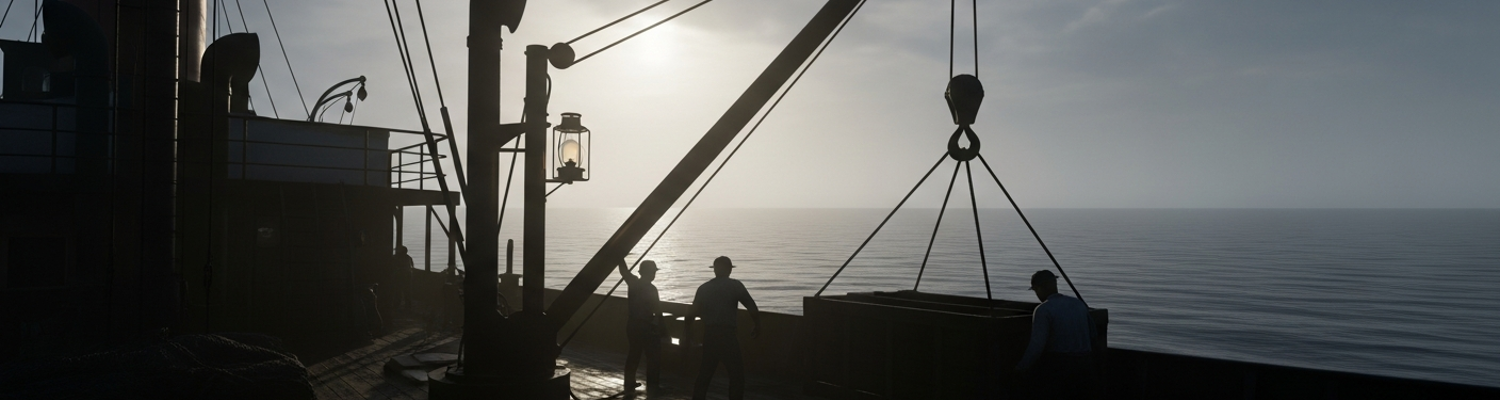
Getting the ice from the production plant or the northern schooner to the soldier was the final, and perhaps most difficult, leg of the journey. The Army’s Quartermaster Corps leased a fleet of commercial vessels to act as transports and supply ships. Some ships, like the steamship Comal, were chartered for as much as $625 per day to move troops and supplies. Other dedicated refrigerator ships, like the Port Victor, were contracted specifically for their cold storage capacity. These ships, with holds packed with ice and chilled beef, joined the chaotic convoys heading for Cuba. The crossing itself was fraught with peril. The transport fleet was disorganized and poorly protected, vulnerable to even a single Spanish torpedo boat. Onboard conditions were grim, with the heat, animal waste from cavalry mounts, and inadequate sanitation creating a foul environment for thousands of men packed onto ships designed for far fewer passengers.
Upon arrival off the Cuban coast at ports like Siboney, the real work began. The landings were chaotic, conducted with few proper barges or lighters. Ice had to be unloaded from the transport ships into smaller boats, rowed ashore, and then loaded onto whatever land transport was available. This usually meant mule-drawn wagons. These wagons, struggling over rudimentary roads and jungle tracks that turned to impassable mud in the daily rains, formed a slow, melting supply line to the front. Every hour of delay under the tropical sun meant less ice arrived at its destination. The sight of these wagons, dripping a trail of cold, clean water into the Cuban mud, was a powerful display of American material wealth to the Cuban insurgents fighting alongside them, a stark contrast to their own sparse logistical support.
Ice on the Front Lines
The arrival of ice at a field hospital or a regimental aid station had an immediate and profound impact. For the medical corps, it was a weapon against the fevers that were sweeping through the ranks. With more than 80 percent of troops eventually infected with diseases like typhoid, the ability to cool patients and provide chilled water was a matter of life and death. A temporary hospital in Siboney, built for 200 men, was quickly overwhelmed with nearly a thousand casualties after the assault on San Juan Heights, and ice became an essential tool for the overworked doctors. It cooled the oppressive hospital tents and provided relief to soldiers suffering from heatstroke and dehydration.
The ice also directly impacted the Army’s troubled ration supply. The war was plagued by a major food controversy known as the Embalmed Beef Scandal. Soldiers reported that canned roast beef was often foul-smelling and unpalatable, while refrigerated beef shipped to Cuba sometimes arrived decomposed. Commanding General Nelson A. Miles alleged that some meat was treated with chemical preservatives like boric acid, rendering it inedible. Theodore Roosevelt, in his testimony before the Dodge Commission investigating the conduct of the war, stated that he would have been willing to eat his hat before eating the canned beef his men were issued. While investigations later found fault with both poor quality control and the handling of the refrigerated supply, the incident highlighted the absolute need for reliable cold storage. A steady supply of ice allowed units to better preserve their rations, reducing waste and mitigating the risk of foodborne illness that was already rampant due to poor sanitation. This tangible link between ice and edible food directly affected troop morale and the Army’s ability to sustain combat operations.
A Legacy of Cold Logistics
The frantic, improvised effort to supply the U.S. Army with ice in 1898 was a messy, expensive, and chaotic success. It demonstrated that modern industrial technology could be deployed, however clumsily, to support an expeditionary force in a hostile climate. The operation saved lives, preserved food, and bolstered morale. Yet, its greatest impact was in the lessons it taught. The entire logistical nightmare of the Spanish-American War, from the railroad gridlock in Tampa to the dripping ice wagons in Cuba, exposed the severe deficiencies in the Army’s command and supply structure. The public outcry over the beef scandal and the high death toll from disease fueled a powerful push for military reform. Secretary of War Elihu Root, appointed in 1899, used the war’s failures as a mandate for radical change. He oversaw the creation of the Army War College and, most importantly, the establishment of the General Staff Corps in 1903. This new organization was designed to provide the centralized planning and coordination that was so conspicuously absent in 1898. Future logistical efforts would be managed not by ad-hoc contracts and desperate improvisation, but by a professional staff trained to anticipate the needs of a modern army. The frozen supply chain of 1898, born of necessity, thus became a key exhibit in the case for reforming the United States Army into a 20th-century military power.