
State Department File 861.20 and Fire Mission Failures
USS Olympia recalled her final shore patrols on April 8, 1919. The rail guns were frozen to their sidings. The shore expedition stalled before facing a single Bolshevik rifleman.
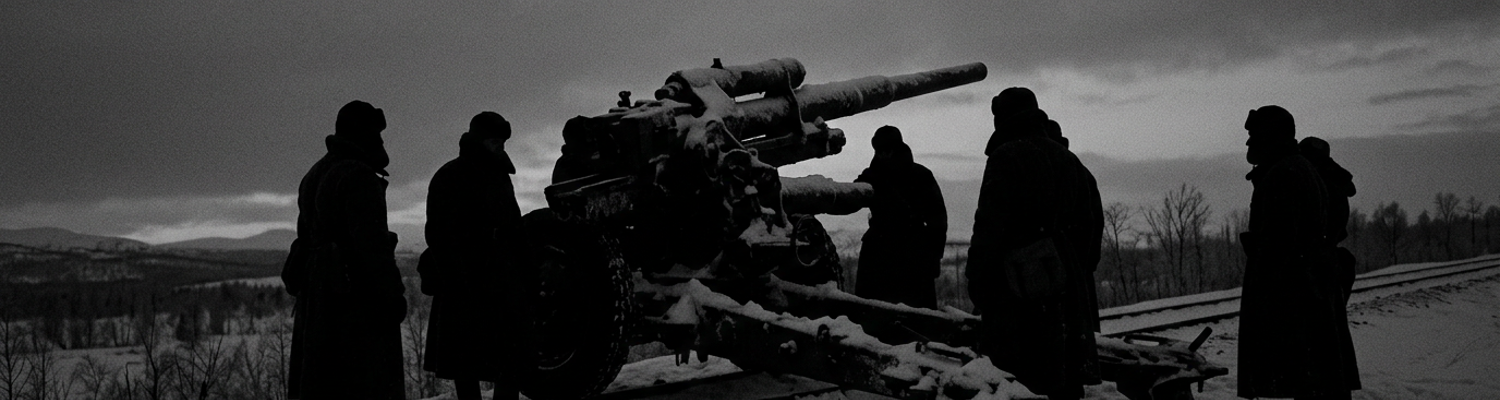
Archival evidence shows the breakdown was systemic and quantifiable. American diplomats tracked the intervention through State Department File 861.20. Intelligence reviews confirmed over seventy percent of Allied targeting coordinates failed to produce fires. Forward observation posts transmitted firing solutions for suspected Red Army troop concentrations from late summer through the sub-zero winter along the Murman Railway corridor. Battery emplacements never discharged their weapons. Declassified field reports compiled by American naval observers stationed between Murmansk and Kandalaksha logged hundreds of emergency fire missions. Out of every ten requests sent by forward patrols along the railway embankments, more than seven produced absolute silence. Forward observers stationed near the Kem sector watched hostile supply columns maneuver openly across frozen bogs. Coastal batteries and rail-mounted guns miles to the rear sat disabled. Broken telephone wire and jammed mechanisms caused complete operational paralysis.
Coordinates reached battery positions. The guns sat frozen.
A close review of operational logs indicates these artillery failures were directly tied to fuel starvation at base depots and frozen ordnance. The Bolshevik Sixth Army rarely needed to execute counter-battery missions. Internal mechanical decay dismantled Allied artillery operations from within. Sub-zero temperatures plunging past thirty degrees below zero caused the heavy mineral oil and water mixtures inside hydro-pneumatic recoil cylinders to solidify into paste. This locked the recoil mechanisms of French-designed 75mm guns and British naval pieces after one shot. Percussion caps failed to detonate. Moisture froze solid inside brass cartridge cases stacked on snow-covered wharves at the Murmansk docks. Firing pins fractured on brittle primer caps when hammer springs lacked the force to overcome thickened grease.
Steam locomotives assigned to run ammunition cars down the single-track Murman line broke down. Port supply dumps ran out of Welsh coal and cured birch cordwood. Train crews fed engines green pine logs. These unseasoned logs failed to build necessary boiler pressure. Severe ground frost heave warped the roadbed across spongy muskeg swamps between Kandalaksha and Kem. This snapped iron rail joints and threw supply flatcars into ditches. Three hundred tons of high-explosive shells sat buried under six feet of snow beside stalled switch engines in the Murmansk yards.
Naval Observation Posts South of Kandalaksha
Archival evidence shows forward observer detachments drawn from the protected cruiser USS Olympia deployed south of Kandalaksha in January 1919. They moved along the Murmansk-Petrograd railway to establish artillery control points. Junior officers from the marine detachment and seaman divisions organized these small squads. They advanced down the single-track railbed past the frozen waterways of the Kovda district into the uninhabited Karelian taiga. The sailors moved on foot and aboard hand-pumped push trollies. They hauled standard-issue naval telegraph sets, battery chests, and paper firing tables over roadbeds where sub-zero temperatures had sheared the iron fishplates. Every ten miles of southward movement forced the detachments to manhandle heavy gear around derailed railcars. They cleared fallen timber without mechanical cranes or transport animals.
Naval crews dressed in heavy sheepskin watch coats and fleece-lined sea boots. These garments grew rigid in the sub-polar cold. Frostbite occurred within forty minutes of stationary watch-standing. Gutta-percha insulation on the field telephone wire hardened and shattered in thirty-degree frost. Raw copper wire grounded out against the snow pack.
Signal wire snapped clean across the frozen drifts whenever reels snagged.
A close review of operational logs indicates these landing parties built concealed observation shelters to direct shore batteries against fortified Bolshevik defensive positions. Digging into the granite ridges overlooking the rail bed required the sailors to chisel through three feet of permafrost and glacial till. They used pickaxes, cold chisels, and small dynamite charges borrowed from British railway engineers. The parties revetted the dugout walls using heavy pitch-pine railway sleepers scavenged from track sidings. They topped these with cross-laid spruce logs and two feet of packed tundra turf. Spotters banked wind-blown snow over the log embrasures until the observation slits blended into the white taiga hillsides. Looking south toward the Loukhi sector, observers peered into the fortified lines of the Bolshevik Sixth Army. The enemy held the railway embankment with timber and earth blockhouses, revetted machine-gun positions, and log breastworks built across culverts. Maxim machine gun crews occupied fortified log bunkers designed to catch any infantry advance in interlocking crossfire along the railway clearing. Spotters used magnetic compasses and old Imperial topographic sheets to establish range estimates for defensive works guarding the rail bridges.
Condensation inside the optical tubes froze solid across the sighting prisms.
Artillery coordination logs confirm the forward posts failed to adjust allied fires onto those defensive works. Spotters attempted to direct improvised shore batteries mounted on railcars and naval guns positioned eight miles north along the frozen edge of the Kandalaksha Gulf. Range calculations broke down. The Barr and Stroud coincidence rangefinders suffered internal grease freezing. The adjustment dials locked at five hundred yards. Severed field-telephone lines forced spotters to dispatch runners on snowshoes through waist-deep drifts to relay target coordinates back to rear telegraph shacks. Gunners were aiming at sectors where Bolshevik scouts had already relocated by the time firing data reached the battery commanders. Battery crews discharged British six-inch naval guns and Russian three-inch field pieces blindly into the spruce timber. High-explosive projectiles exploded harmlessly into empty muskeg swamps six hundred yards short of the log redoubts. Allied artillery batteries expended forty-eight heavy high-explosive shells in a single morning without neutralizing a single enemy machine-gun nest.
Wet-Cell Battery Depletion and Signal Breakdowns
During the southward advance along the railway corridor past Polyansky siding, the landing parties discovered their portable wireless transmitters could not function. Standard naval landing equipment included portable spark-gap wireless sets. Heavy hardwood boxes encased the wet-cell lead-acid storage batteries powering these units. Ambient temperatures plunged to thirty-five degrees below zero. The dilute sulfuric acid electrolyte inside the glass cell jars underwent rapid thermal contraction. The specific gravity of the chemical bath collapsed. Internal electrical resistance surged across the submerged lead plates. Observers attempting to tap out morse code transmissions to Allied fire-control stations at Kandalaksha found terminal voltage plummeted from twelve volts to less than two within twenty minutes of exposure to the outside air.
Chemical action ceased entirely. The electrolyte crystallized into a thick slush that expanded and fractured the glass jars within their wooden housings. Lead plates buckled against each other. This short-circuited the battery cells permanently. Spotting squads crouched in sub-zero snow holes with dead telegraph keys. They were completely severed from radio contact with rear gun emplacements.
Electrolyte solution froze into solid slush inside every glass jar.
A close review of operational logs indicates the naval replenishment pipeline meant to resupply these battery banks broke down thousands of miles before reaching the front lines. Fresh wet cells, dry-cell packs, and sulfuric acid carboys dispatched from British depots in Newcastle and American ordnance stores in Scotland sat trapped. They remained inside the holds of merchant transports blocked by seasonal pack ice in the White Sea. Kola Inlet remained partially open only through the constant work of Russian imperial icebreakers. Dockside facilities at Murmansk possessed no heated warehouse storage for temperature-sensitive electronic components. Crates of replacement batteries unloaded onto snow-covered wooden piers cracked under sudden thermal shock. Acid spilled across the wharves before port working parties could log the manifests. Forward units submitted urgent telegraph requisitions through British railway control officers for dry cells and portable dynamo hand-cranks. Base depots had no inventory to release. Allied field commanders commandeered railway freight cars heading south strictly for dry rations, small-arms ammunition, and locomotive firewood. Signal detachments operated without a single replacement battery for six consecutive weeks.
Supply crates sat wedged beneath five feet of ice at the Murmansk quayside.
Observer detachments isolated on the rocky ridges above the rail line had to abandon wireless doctrine entirely. They established foot-courier relay systems across the snowpack. Spotting officers detailed pairs of sailors on snowshoes and improvised spruce skis to run handwritten range slips back through miles of trackless taiga toward the nearest hardwired railway telegraph office. These overland messengers had to traverse twelve to twenty miles of frozen muskeg. They carried dispatch pouches through active blizzards while navigating along snow-drifted telephone poles. Bolshevik partisan detachments and ski patrols from the Red Sixth Army tracked these messenger routes. They ambushed Allied runners at railway culverts and open lake crossings. Men collapsed from physical exhaustion, hypothermia, and windburn. They often crawled the final two miles along the iron tracks on hands and knees. Target coordinates carried by courier arrived at Allied fire-direction posts between six and fourteen hours after observers recorded the initial enemy movements.
Six out of seven dispatch runners sent north toward Polyansky siding suffered third-degree frostbite before delivering their map coordinates.
Kola Inlet Bottlenecks and Stranded Colliers
Archival evidence shows sheet ice along the thirty-three-mile length of the Kola Inlet thickened to over twenty inches by December 1918. This choked the narrow maritime approach to the Murmansk rail terminal. Strong tidal surges off the Barents Sea packed heavy drifting floes against the shallow bars near Cape Salny and the shoals around Abram Point. The deep-water channels sealed shut. Deep-draft British and American colliers carrying high-grade Cardiff steam coal and Pennsylvania anthracite drew upwards of twenty-four feet. This prevented them from bypassing the shore-fast shelf ice without icebreaker escort. Russian imperial icebreakers assigned to maintain the passage suffered cracked propeller shafts, sheared rudder pins, and severe boiler tube fouling. The icebreaker Svyatogor and the auxiliary icebreaker Ilya Muromets lay dead at their moorings off Polyarny.
Incoming merchant hulls sat immobilized thirty miles north of the unloading docks without active icebreakers to carve open the shipping channels. They held at anchor in open roadsteads where gale-force Arctic winds drove sea spray across the decks and froze anchor winches solid. Eleven thousand tons of bulk steaming coal sat inaccessible inside these trapped hulls. Port fuel dumps ashore reached absolute zero reserve capacity.
The transport ships anchored outside the inlet burned their own cargo just to keep their bilge pumps running.
USS Olympia auxiliary units stationed at the Murmansk naval base instituted mandatory fuel rationing. Engineering officers ordered the engine department to draw down fires. They extinguished all but two of the ship vertical triple-expansion propulsion boilers and severely restricted auxiliary boiler output. Auxiliary steam pressure dropped from an operating standard of one hundred sixty pounds per square inch to under forty-five. This starved the shore depot supply lines of usable energy. Steam pipes routed across the wooden wharves to allied workshops, railway maintenance sheds, and barracks lost pressure. Heat bled away long before reaching the base perimeter. Shore parties running depot operations had to shut down steam-driven cargo winches, overhead hoists, and mechanical coaling cranes. Sailors hauled five-hundred-pound machinery crates up icy ramps with manual hemp tackle. Workshop temperatures plunged to fourteen degrees below zero. Cutting fluids froze. Leather transmission belts stiffened until they snapped on drive pulleys. All depot overhaul work on disabled transport vehicles ended.
Cast-iron valve housings ruptured along the unheated dock lines when trapped water froze solid.
Logbooks show Olympia shore details received an authorized ration of only twenty-five pounds of bunker coal per stove per day. The normal sub-polar allocation was two hundred pounds. Working parties guarding the railhead warehouses scavenged empty packing crates, splintered dunnage boards, and discarded railway ties pulled from abandoned sidings to feed small barrel stoves. The green, creosote-soaked timber produced heavy soot that choked flue pipes without warming the rooms. Dockside steam pumps intended to supply boiler water to docked vessels and railway locomotives froze across the timber pilings. Work details thawed the iron supply lines with handheld kerosene torches for six hours to obtain a single hour of pumping. Machine oil inside the auxiliary electrical generators congealed into heavy grease. Dynamo drive shafts sheared whenever crews engaged the starter clutches. Murmansk base headquarters operated under a fourteen-hour daily blackout to keep the cruiser electrical dynamos from consuming her final six hundred tons of coal.
Railway Logistical Severance and Ordnance Freezing
The logistical lifeline linking Murmansk to frontline outposts collapsed during January 1919. Winter storms and ground heaves paralyzed the Murman Railway. Heavy snowdrifts buried track switches near Kem. Derailed flatcars blocked the single rail line for thirty miles north of Loukhi. Forward observers deployed by the USS Olympia detachment along railway sidings thirty-four and thirty-eight ran out of kerosene fuel within forty-eight hours of track blockage. Supply trains carrying five-gallon fuel tins and winter field rations remained stranded hundreds of miles to the north in the Kandalaksha marshalling yards. Spotting teams could not melt snow for drinking water or warm the cramped timber bunkers dug into the railway embankment without refined lamp kerosene for their pressure heaters and wick stoves. Standard-issue field rations consisted of canned corned beef, salt pork, and tinned beans. These froze solid into impenetrable blocks of ice. Men chipped away at frozen tins with bayonets. Knife points splintered against rock-hard meat. Teeth broke on unheated pilot bread.
Canned rations turned into solid cylinders of ice inside the men haversacks.
A close review of operational logs indicates the complete cessation of kerosene deliveries reduced forward observation parties to severe hypothermic exhaustion within a week. Spotting detachments positioned on the granite bluffs overlooking the Kovda rail bridge attempted to burn resinous spruce branches inside low-ceilinged earth dugouts. This produced dense wood smoke that caused chemical conjunctivitis and temporary blindness among rangefinder operators. Ambient temperatures inside the observation posts hovered between twenty and twenty-five degrees below zero. Caloric intake dropped below eight hundred calories per day due to the inability to thaw canned rations. Sailors suffered violent muscle tremors that made precision binocular tracking impossible. Dehydration set in rapidly. Consuming un-melted snow lowered core body temperatures to the point of collapse. British transport officers at Soroka attempted to push dog-sled teams and manual pack-sledges south along the railway right-of-way. Waist-deep powder snow and drifting blizzards halted all foot traffic after four miles.
Rail deliveries to the forward sidings ceased entirely for seventeen consecutive days.
Mechanical failures disabled every battery assigned to fire missions between Loukhi and Kem. Coastal defense guns and French-built field pieces mounted on flatbed railcars locked up completely under forty-below-zero frost. Artillery breach blocks fitted with interrupted screw threads and sliding wedge mechanisms became immovable. Standard naval petroleum grease congealed into hard resin inside the machining tolerances. Gun crews trying to force the breach levers open sheared off brass locking pins and bent steel operating handles with five-foot iron pry bars. Mechanical linkages connecting the firing triggers to the internal striker mechanisms failed to transfer movement because hardened oil jammed the guide channels. Shell fuses proved equally useless. Clockwork gears inside mechanical time fuses locked in place. Nose-mounted percussion fuses failed to function because moisture inside the brass detonator caps froze solid. This insulated the mercury fulminate from striker impact. British six-inch naval guns and Allied three-inch field batteries attempted to engage a Bolshevik armored train maneuvering near Siding 37 during a planned counter-battery fire mission on January 23. Not one piece discharged. Two shore guns suffered ruptured barrel sleeves when crews built open driftwood fires directly beneath the frozen breech housings to thaw the mechanism.
Tactical Withdrawal and Arctic Expeditionary Lessons
The forward rail posts south of Kandalaksha were consuming themselves to stay alive by late February 1919.
Captain Bion B. Bierer and Allied regional commanders reached an operational breaking point. Daily maintenance logs revealed over sixty percent of the Olympia shore party suffered from disabling frostbite, chemical bronchitis from green-wood fires, and acute caloric deficits. Isolated detachments garrisoning rail sidings between Polyansky and the Kovda bridgehead had exhausted their emergency rations of frozen corned beef and animal tallow. Track heaves along the single-line Murman Railway repeatedly derailed British supply engines. American sailors were stranded in sub-zero drifts eighty miles from the nearest operational depot. Locomotive tenders froze into solid ice blocks before relief crews could pump boiler feed water. Hand-pumped push trollies jumped warped iron fishplates whenever troops tried to evacuate non-ambulatory casualties.
American naval commanders withdrew the isolated rail detachments after logistics proved unsustainable under Arctic conditions. Bierer ordered the systematic withdrawal of all American naval personnel from the forward observation shelters. Sailors abandoned their timber dugouts, scrapped damaged spark-gap radio transmitters, and hauled wounded spotters on flatcars north toward Kandalaksha before late-winter blizzards sealed the track bed permanently.
The retreat south of Polyansky marked the end of American railway operations in the Karelian taiga.
A close review of operational logs indicates the collapse of the railhead detachments established a broader structural truth. Tactical reconnaissance and forward spotting are wholly ineffective without a fortified, winter-capable maritime supply line. Forward spotters drawn from the Olympia crew had repeatedly established clear visual sightlines over Bolshevik Sixth Army redoubts. They mapped firing grids across railway culverts and logged enemy troop movements in real time. None of this target acquisition generated successful artillery fire. Forward reconnaissance detachments occupied the terminal end of an unbroken four-thousand-mile logistical chain that disintegrated at the water edge. Trapped colliers and icebound cargo freighters held thirty miles north in the Kola Inlet could not transfer Welsh steam coal, dry-cell batteries, or replacement artillery recoil cylinders to the unheated timber quays at Murmansk. The theater ran out of fuel without active icebreakers maintaining shipping channels through the pack ice off Cape Salny. This paralyzed supply locomotives and left forward observers holding dead telegraph keys above unheated snow pits.
Target coordinates meant nothing when the ships carrying boiler coal sat locked in shelf ice.
Planners recognized Arctic combat operations invert standard doctrine when examining the historical record preserved in naval intelligence post-mortems. Optical rangefinders, field telegraph systems, and trained observation crews proved useless without industrial icebreakers and heated base warehouses. Allied naval commands had positioned forward spotters along twenty miles of hostile rail line while possessing zero specialized cold-weather shipping infrastructure to sustain them. Sub-zero temperatures contracted steel carriage frames, snapped un-insulated copper field wire, and caused wet-cell electrolyte to freeze into solid slush. This turned high-value fire-direction centers into liabilities requiring emergency rescue. Naval engineers analyzing the withdrawal determined an Arctic landing force required three tons of maritime thermal maintenance cargo for every single combat sailor placed on an observation ridge.