
Vice Admiral Kimura and the San Jose Bombardment Force
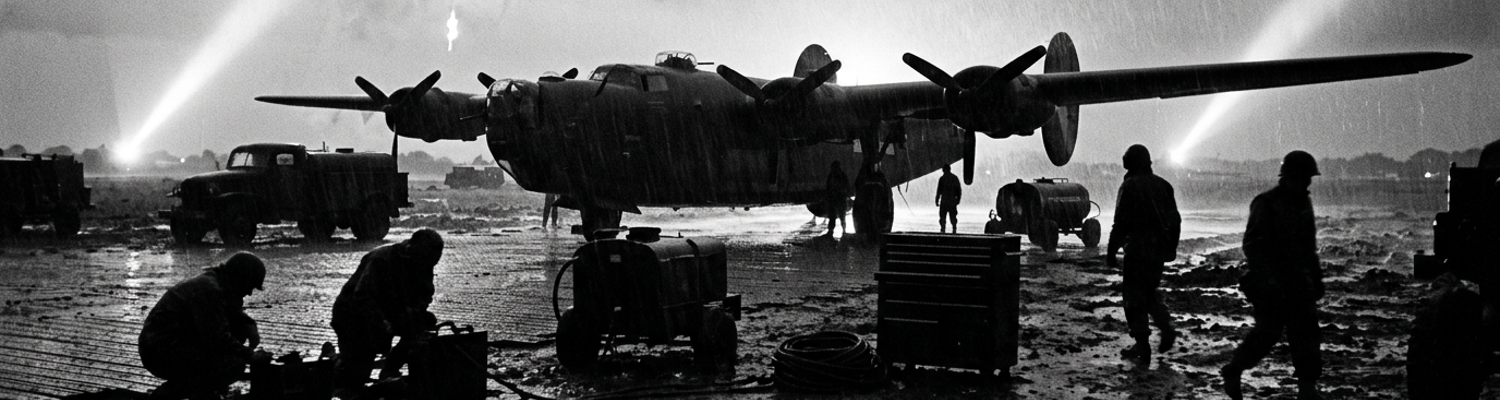
Waterlogged volcanic silt and ninety-four-degree ambient humidity formed a paste across the Mindoro beachhead. Corrosive tropical mold attacked optical sights within forty-eight hours of debarkation. In an unlit revetment off the southern end of the San Jose strip, a mechanic crouched over a disassembled auxiliary diesel generator. He worked blind. The enlisted man scraped the edge of a carbon-encrusted pocketknife blade across the pitted surface of a copper distributor contact point. He felt for smooth metal by touch alone. A few yards away, supply personnel took sledgehammers to warped pierced-steel planking. They labored to flatten twisted runway sections. Taxiing aircraft would otherwise rip their landing gear off on the jagged edges. Theater-level signal trunks had completely collapsed under continuous squalls. The ground echelon remained ignorant of incoming naval movements.
No operational radar warning reached the depot.
Archival evidence shows that the threat originated across the South China Sea at Cam Ranh Bay on the coast of French Indochina. Vice Admiral Masatomi Kimura directed the San Jose Bombardment Force to weigh anchor at 0900 on December 24, 1944. This operation carried the designation Rei-Go. The group maintained strict radio silence. The ships held an easterly course at sixteen knots through heavy ocean swells toward the Apo Reef passage. Imperial Japanese Navy planners intended this assault to exploit the precarious American toehold on Mindoro. Torrential monsoon storms repeatedly turned newly scraped dirt runways into unnavigable mud. Transit timing was calculated to slip past American aerial reconnaissance patrols during foul weather. The ships entered the waters off Mindoro near Mangarin Bay on the evening of December 26. Allied command posts on the island had received fragmented intelligence reports about Japanese surface movements. Local maintenance depots received nothing.
Kimura possessed total tactical surprise.
A close review of operational logs indicates the technical weight of Kimura's formation. The group was organized specifically to smash the two operational landing strips known as Hill Field and McGuire Field. Heavy cruiser Ashigara anchored the strike group. She carried ten 20-centimeter main guns and eight 61-centimeter torpedo tubes capable of firing Type 93 munitions. Light cruiser Oyodo deployed six 15.5-centimeter guns arranged in two forward triple turrets alongside high-angle secondary batteries. Six fleet destroyers rounded out the raiding force. Kasumi served as Kimura's tactical flagship. Kiyoshimo, Asashimo, Kaya, Kashi, and Sugi screened the cruisers. These escorts carried heavy torpedo tubes and dual-purpose 12.7-centimeter naval rifles. They loaded explosive fragmentation shells specifically fused to crater runway surfaces and destroy exposed aircraft dispersed in revetments. Flight operations from Hill Field had barely commenced when Kimura brought these guns within direct range of the shoreline. He aimed to detonate fuel stores and leave the Fifth Air Force completely stranded.
The primary objective was complete destruction of the airstrips.
Depot armorers on the beach were still fighting jammed manual bomb winches. They used iron bars to free cable drums seized by saltwater corrosion. High-altitude star shells suddenly burst directly over the airstrip perimeter. The shells cast stark white illumination across the unpaved dispersal pens. Parachute-suspended chemical flares released by Ashigara drifted downward. The light exposed row upon row of parked B-25 Mitchells and P-38 Lightnings against the churning mud. Japanese gunners received the execution order to commence continuous rapid fire against the runway coordinates.
Breakdown of Forward Air Control Circuits
Every radio