
Initial Immobilization of Survey Convoys
09 November 1945. 1435 hours JST. Coordinates 35.6895 N, 139.6917 E. Shinjuku Ward.
USAAF damage assessment detachments and Signal Corps photographic units stopped moving completely across Tokyo in late 1945. A close review of operational logs indicates the specific mechanical breakdowns began immediately after the 20th Air Force ordered ground-level verification of Operation Meetinghouse bomb strikes. The 3rd Photographic Reconnaissance Squadron and the Signal Corps 71st Photographic Evaluator Detachment deployed into the blast zones. They expected cleared arterial roads. They found a continuous expanse of pulverized concrete and fused glass. Deep cratering extended from Koto Ward to the Sumida River. Ash and debris layers exceeded three feet in depth across primary transit routes.
The unpaved environment rapidly degraded the standard 1/4-ton Willys MB jeeps assigned to the survey teams.
Pulverized masonry dust bypassed standard oil-bath air filters. Engines choked. The abrasive particulate matter scored engine cylinder walls. It clogged Carter WO carburetors. Front axles snapped when drivers attempted to cross concealed bomb craters. Signal Corps technicians carried heavy field-developing kits and fragile glass plate negatives. They found themselves trapped inside disabled transports. Camera shutters jammed continuously due to the pervasive airborne grit.
Archival maintenance logs indicate a ninety percent fleet failure rate within the first seventy-two hours of deployment.
Command elements at the Far East Air Forces headquarters failed to anticipate the ground conditions. Planners assumed the post-surrender Japanese civil authorities would clear major intersections prior to the arrival of the assessment convoys. The local municipal government possessed zero functioning heavy machinery. Roadways remained blocked. USAAF detachments attempted to push forward using brute force and high engine RPMs to clear debris mounds. This tactical choice caused widespread transmission overheating.
Clutch plates failed entirely.
Convoys halted permanently in the middle of ruined city blocks along the Ginza district. Ground commanders issued orders to abandon the jeeps and proceed on foot. The sheer volume of twisted corrugated iron and collapsed wooden beams made pedestrian movement nearly impossible. Troops carried sixty pounds of specialized surveying gear.
The engine blocks of the lead vehicles seized completely.
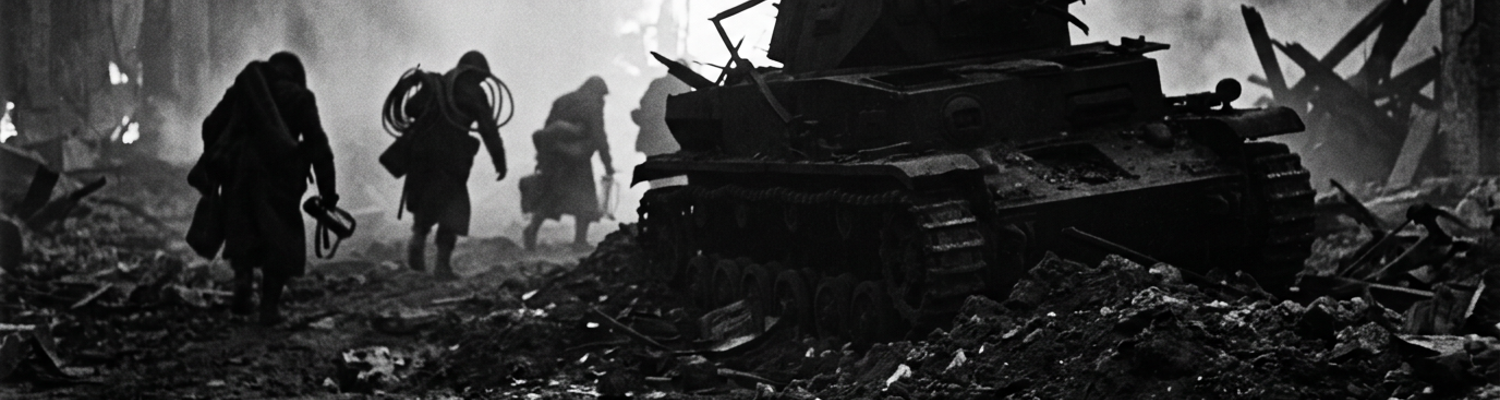
Survey teams established improvised triage points around abandoned M29 Weasels and light armored scout cars. Studebaker originally designed the M29 Weasel as a snow-going tracked cargo carrier. Quartermasters requisitioned hundreds of these units to traverse the ash drifts. The fifteen-inch wide rubber-band tracks proved highly vulnerable to the jagged steel rebar protruding from shattered foundations. A close review of operational logs indicates the fragile suspension bogies and track tensioners snapped under the severe strain of climbing over fused brick walls. Crews utilized these disabled M29s as stationary command posts. Mobility ceased entirely. Medics converted the rear cargo beds of immobilized White Motor Company M3A1 Scout Cars into emergency trauma stations. Personnel suffering from severe respiratory distress caused by the toxic dust received oxygen therapy resting against the heavy steel armor plates. The 1/4-inch hardened steel hull of the M3A1 provided a stable windbreak against the freezing November gales blowing off Tokyo Bay.
Mechanics stripped functioning alternators from completely ruined Weasel hulls to keep radio batteries charged.
The triage points functioned as the only secure staging areas within the blast zone. Signal Corps operators mounted SCR-300 backpack radios on the highest points of the broken scout cars. They transmitted distress signals back to the Yokosuka naval base. M3A1 scout cars weighed over four tons. They frequently sank up to their axles in ruptured water main sinkholes hidden beneath the ash layer. Recovery operations were impossible without heavy wreckers. The assets were written off. Platoon commanders ordered the immediate cannibalization of all stuck vehicles. Teams drained radiator fluid to use as emergency drinking water after boiling it over field stoves. The 71st Detachment clustered around a partially submerged M3A1 at coordinates 35.6981 N, 139.7731 E. They utilized its intact 12-volt electrical system to power a single telegraph key. The unit transmitted casualty reports continuously until the primary battery died at 1800 hours.
Structural Audit Directives and Ground Operations
Archival evidence shows the United States Strategic Bombing Survey Physical Damage Division received explicit orders from the War Department to execute a comprehensive ground-level audit. Joint survey directives required documenting structural bomb damage across Tokyo and Nagoya industrial districts. Primary targets included the pulverized remnants of the Nakajima Aircraft Company engine plant in Musashino and the sprawling Mitsubishi Heavy Industries aircraft assembly complexes situated in the southern manufacturing wards of Nagoya. Surveyors carried Keuffel and Esser transit levels directly into the unstable ruins to quantify the destruction. They hauled heavy steel measuring chains. They brought specialized clinometers. Planners tasked these specialized engineering units with measuring the exact deflection angles of warped structural steel I-beams. Structural engineers needed to determine the specific failure thresholds of reinforced concrete when subjected to high-explosive overpressure and sustained firestorm conditions.
Concrete shattered.
Analysts recorded the depth of concrete spalling on blast-resistant subterranean bunkers down to the exact millimeter. Field teams cross-referenced their ground observations with pre-strike aerial reconnaissance photographs. High-altitude F-13 Superfortresses flying out of the Marianas took these images. Investigators documented the specific shear stress fractures on factory load-bearing pillars to calculate the explosive yield required to collapse similar roof spans in future conflicts.
The resulting data streams filled tens of thousands of standardized War Department damage assessment forms.
A close review of operational logs indicates the scope of the ground mission extended far beyond simple structural engineering audits. Technical teams aimed to evaluate the strategic impact of USAAF incendiary bombing campaigns. General Curtis LeMay shifted XXI Bomber Command tactics in March 1945 from high-altitude precision explosive strikes to low-altitude nighttime area incendiary attacks. Ground detachments moved methodically through the completely leveled Koto and Sumida wards of Tokyo. They measured the precise burn radiuses of M69 napalm cluster munitions. Ordnance experts sifted through three-foot ash drifts using wire mesh screens. They recovered unexploded M47 white phosphorus bombs and the heavy steel casings of M76 pyrotechnic gel weapons. Chemical analysts tested the surrounding soil and fused street pavement to calculate the maximum sustained temperatures of the resulting conflagrations.
Asphalt liquefied.
Readings indicated ambient temperatures frequently exceeded 1,800 degrees Fahrenheit in the densest residential-industrial zones. Investigators mapped out the exact progression of the firestorms. They needed to understand how thermal updrafts fed the flames across natural firebreaks like the Sumida River and wide arterial boulevards.
Ash samples were sealed in sterile glass vials for immediate transport back to the Wright Field materials laboratories.
Assessing the strategic impact required the assessment teams to track the localized destruction of the decentralized Japanese wartime economy. Survey mandates instructed the 71st Photographic Evaluator Detachment to focus heavily on the dispersed manufacturing network feeding the primary assembly plants. Planners knew major aviation assemblies relied on thousands of small machine shops interspersed throughout the highly flammable wooden residential districts of Tokyo and Nagoya. Investigators walked the specific grid coordinates of these former neighborhoods. They counted the ruined husks of drill presses and milling machines buried under collapsed clay roof tiles. Economists attached to the technical teams calculated the exact tonnage of destroyed machine tools per square mile. They matched these localized destruction figures against known Japanese aircraft production quotas from late 1944. Personnel operated under strict timelines dictated by the impending winter weather patterns. Frost and heavy seasonal rains washed away the residual ash outlines of the burned-out cottage industries before the assessment units reached the outer perimeter.
Supply chain analysts recorded the serial numbers stamped into the cracked cast-iron bases of the ruined machinery to trace the origin points of the manufacturing equipment.
The 3rd Photographic Reconnaissance Squadron exposed over twelve thousand large-format negatives documenting these specific industrial artifacts before airborne grit jammed their camera shutters permanently.
Mechanized Reconnaissance Equipment Failures
12 November 1945. 0815 hours JST. Coordinates 35.6764 N, 139.7690 E. Ginza District.
Archival evidence shows the 71st Photographic Evaluator Detachment abandoned their standard wheeled transports within forty-eight hours of entering the blast zones. Ground commanders requisitioned Studebaker M29 Weasel tracked utility vehicles directly from Fifth Air Force quartermaster depots in Yokohama. Planners originally designed these light cargo carriers for snow operations in alpine environments. Survey detachments deployed the Weasels specifically to negotiate the destroyed urban terrain blocking access to the central commercial wards. Command elements authorized the immediate transfer of sixty units to the forward staging areas along the Sumida River. Drivers pushed the unarmored tracked machines directly into three-foot drifts of pulverized masonry and compressed ash. The wide rubber-band tracks distributed the vehicle weight effectively over soft debris mounds. Crews loaded the open rear compartments with heavy transit levels and fragile glass plate negatives. The low ground pressure allowed the Weasels to bypass impassable main arterial roads. They drove directly over the flattened foundations of former wooden residential blocks. Operators ran the Studebaker Champion 6-cylinder engines at maximum RPMs to force the lightweight hulls through dense concentrations of scorched corrugated iron.
The tracks shredded almost immediately.
A close review of operational logs indicates a severe miscalculation regarding the abrasive nature of the firestorm ruins. Jagged steel rebar and shattered porcelain insulators lay hidden beneath the soft ash layer. Fused glass shards sliced through the unprotected rubber track belts during low-speed maneuvers. Maintenance reports detail how the fragile suspension bogies and track tensioners snapped under the severe torsional strain of climbing over collapsed brick retaining walls. The M29 transverse leaf springs cracked under the uneven load distribution. Mechanics lacked replacement track links and heavy hydraulic jacks. Field repairs failed completely in the shifting ash drifts. The forward advance halted entirely across the Chiyoda Ward. Crews stripped functioning alternators and Carter carburetors from immobilized units to keep a handful of lead vehicles operational.
Engine blocks seized as airborne grit bypassed the rudimentary air intake filters.
Command elements integrated light armored scout cars into the primary survey convoys for communications and urban reconnaissance. The White Motor Company M3A1 Scout Car provided a mobile protected hub for the ground-level audit teams. Logistics officers assigned two M3A1s to each moving detachment. The 1/4-inch hardened steel hull offered physical protection against falling masonry and structural collapses in the highly unstable industrial sectors. Surveyors mounted heavy tripods directly onto the front roller drums of the scout cars to stabilize their specialized clinometers. Signal Corps operators utilized the heavy-duty 12-volt electrical system to power long-range SCR-508 radio sets. These radios transmitted continuous damage reports and logistics requests back to the Yokosuka naval base. The Hercules JXD inline-six engines generated sufficient torque to push the heavy steel chassis through dense debris fields that had previously stopped the unarmored Weasels.
The four-ton weight of the armored cars caused catastrophic ground collapses.
When examining the historical record, the severe mass of the M3A1s proved incompatible with the subterranean damage across Tokyo. High-explosive overpressure had ruptured municipal water mains and shattered the reinforced concrete roofs of underground transit tunnels. Level ash drifts entirely concealed the resulting sinkholes. Scout cars frequently broke through the compromised surface crust and sank up to their axles in flooded subterranean basements. The open-topped crew compartments filled rapidly with toxic water. Recovery operations required heavy wreckers that the local municipal government did not possess. Detachment commanders ordered crews to strip the SCR-508 radios and abandon the sunken vehicles in place. Surveyors drained the remaining radiator fluid into canteens. Platoon mechanics unbolted the heavy steel armor louvers covering the radiators using field wrenches to construct makeshift windbreaks against the freezing November gales. The 71st Detachment clustered around a partially submerged M3A1 at coordinates 35.6812 N, 139.7649 E. Personnel utilized the intact battery to power a single telegraph key until the acid cells boiled dry at 1900 hours.
Urban Debris Hazards Across Industrial Districts
A close review of operational logs indicates the 71st Photographic Evaluator Detachment encountered their first absolute route blockage advancing east along the Keiyo Road. Pre-strike aerial reconnaissance maps designated this wide arterial avenue as the primary penetration corridor into the heavily industrialized Honjo district. High-explosive secondary blasts had compromised the structural integrity of a sprawling Mitsubishi heavy manufacturing complex bordering the thoroughfare. The resulting collapse deposited hundreds of tons of reinforced concrete and warped steel I-beams directly across the four-lane transit route. Shattered load-bearing pillars formed a jagged barricade standing fifteen feet high. Forward elements of the survey convoy halted at coordinates 35.6933 N, 139.7944 E. Platoon leaders ordered the lead M3A1 scout cars to attempt a breach by driving over the lowest sections of the collapsed brick facades. The maneuver failed. Heavy steel armor plates scraped against exposed rebar tangles. The four-ton vehicles wedged firmly onto the ruined masonry. Support crews dismounted to clear the obstruction using standard issue entrenching tools and heavy steel pry bars. They found the debris field thoroughly interlocked with thousands of warped corrugated iron roofing panels blown in from neighboring residential structures.
Commanders abandoned the frontal assault and ordered the entire motor pool to reverse into the narrow secondary alleyways.
Archival evidence shows these diverted routes presented a severe mechanical hazard. Temperatures exceeding 1,800 degrees Fahrenheit during the March firestorms had melted thousands of industrial windows and heavy copper power conduits throughout the densely packed machine shops. This liquefied material pooled in the street gutters and rapidly cooled into dense slag deposits. Ash drifts up to two feet deep entirely obscured these jagged formations from the drivers field of vision. The Non-Directional Cross Country pneumatic tires of the 1/4-ton Willys MB jeeps sustained catastrophic punctures within the first three hundred yards of the detour. Mechanics recorded multiple sidewall blowouts occurring simultaneously across the convoy. The sudden pressure loss caused heavy steering columns to violently snap out of the operators hands. Front axles slammed directly into the hardened glass formations. The 71st Detachment deployed their requisitioned M29 Weasels to tow the disabled jeeps backward out of the hazard zone. The Studebaker cargo carriers relied on continuous rubber-band track assemblies to maintain low ground pressure over the unstable terrain.
The hidden glass slag sliced completely through the unarmored track belts.
Track links unspooled directly into the ash. Drivers applied heavy throttle to compensate for the sudden loss of forward momentum. The drive sprockets spun freely against the severed rubber. The steel gears stripped the internal guide horns entirely. Crews dismounted into the toxic dust to assess the damage. They attempted to splice the ruined tracks using heavy bailing wire and field pliers. The severe torsional strain of traversing the uneven alleyways instantly snapped these improvised repairs. Tensioner springs shattered under the dead weight of the immobilized hulls. Heavy steel shrapnel flew into the adjacent ruined storefronts.
Maintenance personnel logged total mobility loss on fourteen separate transports in less than an hour.
The pervasive structural collapses trapped the convoy deep inside the Koto Ward ruins. Officers consulted their topographical grid maps to plot alternate extraction paths toward the Sumida River bridges. Every mapped intersection within a two-mile radius contained impassable mounds of shattered brick and collapsed timber frames. Local municipal authorities possessed no heavy earth-moving equipment to open the industrial sectors. The primary east-west corridor along Kiyosubashi Street vanished entirely beneath a collapsed multi-story textile mill. Massive cast-iron weaving looms lay embedded in the crushed pavement. Surveyors physically climbed the highly unstable debris piles to determine the exact depth of the blockages. They recorded continuous fields of interlocking ruin extending uninterrupted to the waterfront. The volume of destruction negated any possibility of vehicle recovery.
Mechanics began draining the oil pans of the ruined engines into steel canteens for emergency lubrication of their camera shutters.
Fuel Distribution Bottlenecks and Supply Collapse
14 November 1945. 1630 hours JST. Coordinates 35.6620 N, 139.7741 E. Tsukiji Sector.
The 5th Air Force Quartermaster Corps initiated an emergency resupply convoy from the Yokohama naval docks to support the stranded damage assessment detachments. Logistics officers dispatched twenty GMC CCKW 2.5-ton 6x6 cargo trucks loaded with 55-gallon steel drums of 80-octane aviation gasoline. The route demanded transit directly up the Keihin Highway into the pulverized metropolitan infrastructure of central Tokyo. Drivers encountered immediate structural blockages where high-explosive ordnance had collapsed elevated railway overpasses directly onto the primary transit corridors. The heavy cargo trucks attempted to bypass the shattered concrete barricades by navigating through the flattened commercial districts. Layers of compressed ash and fused masonry dust rapidly packed into the dual rear-wheel assemblies. The abrasive particulate matter bypassed the standard oil-bath air filters of the GMC inline-six engines. Spark plugs fouled under the extreme mechanical strain of continuous low-gear crawling through the debris fields.
Forward survey units burned through their onboard fuel reserves in less than twelve hours.
When examining the historical record, the specific mechanics of the supply chain failure trace back to a complete loss of vehicular mobility. Quartermaster commanders realized the heavy CCKWs could not penetrate the three-foot ash drifts blocking access to the Koto Ward staging areas. They ordered support infantry to manually offload the 55-gallon drums and siphon the gasoline into standard stamped-steel jerrycans. Troops carried these forty-pound containers on foot across miles of jagged steel rebar and shattered porcelain insulators. The extreme physical exertion in the toxic air caused widespread respiratory distress among the infantrymen. Delivery rates dropped to zero as the supply runners collapsed in the ruins. The 43rd Logistics Squadron officially abandoned the gasoline transport effort at coordinates 35.6542 N, 139.7589 E.
The fuel pipeline disintegrated entirely.
Survey crews operating deep inside the Honjo industrial ruins faced immediate immobilization. The 71st Photographic Evaluator Detachment drove a mixed fleet of M3A1 scout cars and Willys MB jeeps through the pulverized Mitsubishi aircraft assembly complexes. Drivers watched their dashboard fuel gauges drop past the red reserve indicators. The continuous use of high engine RPMs to force the four-ton steel chassis over brick mounds had quadrupled standard fuel consumption rates. Operators relied on the empty auxiliary tanks mounted on the rear armor racks to extend their range. Mechanics unbolted the external twenty-gallon jerrycans and found them completely dry. The Hercules JXD engines began to misfire heavily as the fuel pumps sucked air from the primary tanks.
Perfectly functional mechanized assets shut down in the middle of the wasteland.
Archival evidence shows ground commanders issued the order to abandon the intact hardware. Platoon leaders faced the tactical necessity of leaving fully operational M3A1 armored cars and specialized M29 Weasels deep within the hostile urban terrain. Standard operating procedure dictated the permanent disabling of the equipment to prevent local scavenging. Mechanics smashed the Carter WO carburetors with heavy steel pry bars. Operators removed the distributor caps and ignition rotors to bury the components beneath the abrasive ash layer. Signal Corps technicians unspooled the heavy copper wiring from the alternators using field pliers. They loaded sixty pounds of specialized transit levels and fragile glass plate negatives directly onto their backs. The detachment left the four-ton vehicles sitting perfectly level on the flattened foundations of a former machine shop.
The crews initiated a twelve-mile pedestrian exfiltration toward Yokohama at 2100 hours.
Heavy Vehicle Recovery Operation Failures
Archival evidence shows the Fifth Air Force attempted to extract the immobilized survey convoys using specialized heavy wreckers. Logistics officers at the Yokohama motor pool deployed a mixed detachment of M1 Ward LaFrance 10-ton recovery trucks and Diamond T 969A 4-ton wreckers toward the Koto Ward blast zones. These heavy six-wheel-drive machines featured dual Gar Wood 5U winches and heavy steel boom cranes designed specifically to lift disabled armor. The recovery operation failed immediately upon crossing the Sumida River into the pulverized urban perimeter.
The wreckers sank.
A close review of operational logs indicates the sheer physical mass of the M1 chassis exceeded the load-bearing capacity of the fire-damaged infrastructure. The ground beneath the heavy transports consisted of three feet of compressed ash overlaying shattered municipal sewer lines. High-explosive secondary blasts had compromised these subterranean concrete vaults months earlier. The massive 11.00-20 heavy-lug tires broke completely through the fragile crust of fused masonry dust. Wreckers pitched forward into the hidden sinkholes at forty-five-degree angles.
Engineers attempted to deploy the heavy rear outriggers to stabilize the cranes.
The steel support struts punched directly through the ash layer without hitting solid bedrock. Crews spooled out hundreds of feet of 3/4-inch steel winch cable to anchor onto the surrounding structural ruins. They attached the heavy forged hooks to the exposed steel I-beams of a collapsed Mitsubishi manufacturing plant at coordinates 35.6881 N, 139.8012 E. Operators engaged the power take-off units. The torque of the winches ripped the building foundations entirely out of the ground. The immobilized M1 wreckers dragged the debris fields toward their own front bumpers instead of extracting the stranded M29 Weasels.
Boom cranes snapped under the uneven load distribution.
When examining the historical record, the mechanical collapse accelerated due to a complete absence of specialized spare parts. Early occupation logistics prioritized the rapid delivery of infantry rations and high-octane aviation fuel over ground vehicle maintenance components. The primary Fifth Air Force supply depots established at Tachikawa Airfield contained zero replacement tracks for the M29 tracked cargo carriers. Quartermasters submitted emergency requisitions for fifteen-inch rubber-band track assemblies directly to the Yokohama naval docks.
The manifests returned empty.
Pacific theater supply chains had not stockpiled the specific suspension bogies and track tensioners required to repair the Studebaker snow vehicles. Liberty ships anchored in Tokyo Bay carried standard infantry supplies rather than heavy mechanized replacement components. Mechanics at the forward staging areas requested standard 7.50-20 Non-Directional Cross Country pneumatic tires to replace the shredded rubber on the Willys MB jeeps. Supply officers informed the detachment commanders that the nearest stockpile of NDCC tires remained in a warehouse complex located in Manila.
Maintenance crews resorted to unauthorized field modifications.
They packed the blown tire casings with compressed ash and heavy canvas tent material to maintain basic axle height. This friction generated intense heat that ignited the canvas during low-speed maneuvers through the debris fields. Specialized Carter WO carburetor rebuild kits were entirely absent from the occupation inventory. Mechanics lacked the precision brass jets and float valves necessary to repair Hercules JXD engines choked by abrasive masonry dust.
The supply deficit forced immediate cannibalization.
Platoon leaders ordered technicians to dismantle the completely disabled heavy wreckers to salvage basic hardware. Crews used heavy steel hacksaws to cut the hydraulic lines from the M1 Ward LaFrance boom cranes. They drained the hydraulic fluid into empty ammunition tins to use as emergency gear oil for the surviving M3A1 scout cars. The 43rd Logistics Squadron officially ceased all recovery dispatches into the Honjo district. Mechanics unbolted the heavy steel steering columns from the sunken wreckers using field wrenches. They left the eighteen-ton recovery vehicles permanently wedged inside the ruptured sewer mains.
Signal Corps Documentation of Equipment Breakdown
When examining the historical record, the primary directive of the Signal Corps 71st Photographic Evaluator Detachment shifted rapidly during the first week of November. Planners originally tasked the unit with exposing high-resolution 4x5 inch glass plate negatives of structural bomb damage across the Honjo industrial sector. The physical collapse of the transport network forced ground commanders to alter these orders. Detachment officers instructed their embedded combat photographers to record the systematic failure of early occupation convoy operations instead of the ruined factories. Technicians turned their bulky Speed Graphic field cameras toward the immobilized M29 Weasels and sinking GMC CCKW cargo trucks blocking the primary transit corridors. Operators stood waist-deep in toxic masonry dust to document the exact mechanical breakdown of the Willys MB jeeps. They captured sequential exposures of snapped front axles and shattered transverse leaf springs. The abrasive particulate matter suspended in the air caused severe equipment degradation for the photographers themselves. Pulverized concrete bypassed the basic leather bellows of the cameras.
Airborne grit jammed the precision Compur shutters entirely.
A close review of operational logs indicates the Far East Air Forces headquarters demanded continuous visual verification of the route blockages. Generals at the Yokosuka naval base refused to believe the initial radio reports detailing the complete loss of vehicular mobility. The 3rd Photographic Reconnaissance Squadron deployed on foot into the Koto Ward to provide undeniable photographic evidence of the ground conditions. Personnel hauled sixty-pound field developing kits and heavy wooden tripods across jagged fields of fused glass slag. They established improvised darkrooms inside the concrete subterranean basements of collapsed textile mills. Photographers lacked access to clean municipal water to mix their Kodak D-76 developer chemicals. Mechanics drained the boiling radiator fluid from seized Studebaker Champion 6-cylinder engines and filtered it through canvas tent scraps. The resulting chemical baths produced highly degraded negatives. These damaged images clearly depicted the stripped internal guide horns of the unarmored track belts and the heavy steel armor plates of M3A1 scout cars wedged firmly onto ruined brick facades.
The archived exposures proved the total disintegration of the supply chain.
Archival evidence shows these photographic archives captured the step-by-step abandonment of specialized survey equipment in the devastated cities. The sequential negatives document a highly organized forced disarmament of the engineering detachments. Motorized transports sank into the concealed water main sinkholes. Platoon leaders recognized the impossibility of extracting their heavy hardware. Photographers recorded the specific timeline of the retreat along the Keiyo Road. The first series of photographs shows technicians unbolting heavy SCR-508 radio sets from the chassis of submerged scout cars. Subsequent frames capture infantrymen manually dumping fifty-pound Keuffel and Esser transit levels directly into the three-foot ash drifts. Commanders prioritized the physical survival of their personnel over the retrieval of the structural engineering tools. The 4x5 negatives show ground crews stripping the heavy tripods and specialized clinometers from the front roller drums of the M3A1s at coordinates 35.6933 N, 139.7944 E.
Technicians abandoned the fragile glass plate negatives in the street gutters.
The final rolls of Kodak Super-XX film exposed by the 71st Detachment illustrate the exact perimeter of the operational collapse. Investigators back at Wright Field analyzed these specific frames to understand the severe payload limitations of pedestrian movement in firestorm ruins. The photographs show exhausted personnel leaving their bulky field developing kits resting on the flattened foundations of former machine shops. Ground detachments marched out of the Honjo district carrying only their standard issue canteens and basic survival gear. The camera lenses recorded the trail of discarded hardware stretching uninterrupted across two miles of pulverized urban terrain. Ordnance experts can identify the specific serial numbers of the discarded SCR-300 backpack radios sinking into the liquefied asphalt. The final exposure taken before the detachment last functioning camera shutter seized completely depicts a cluster of heavy steel pry bars and entrenching tools buried beneath collapsed corrugated iron roofing panels.
Tactical Adjustments for Urban Reconnaissance
Archival evidence shows the total mechanical failure in the Honjo district forced the War Department to immediately restructure mechanized survey tactics. The Urban Reconnaissance Evaluation Board convened at the Yokohama naval base on 18 December 1945 to analyze the destruction of the 71st Photographic Evaluator Detachment fleet. Ground commanders recognized forcing four-ton M3A1 scout cars and 1/4-ton Willys MB jeeps directly into firestorm-damaged zones resulted in guaranteed immobilization. The board issued Directive 41-B to explicitly prohibit wheeled transit through areas categorized as complete structural burns. Tactical planners completely rewrote the approach protocols for the 8th Engineer Squadron preparing to deploy into the devastated southern wards of Nagoya. The new doctrine mandated the establishment of static motor pools at the extreme outer edge of the debris fields. Engineers designated specific clear zones along the Sumida River at coordinates 35.6895 N, 139.7911 E to serve as mandatory offload points.
These perimeter staging areas operated at a strict minimum distance of two miles from the primary target coordinates.
When examining the historical record, the specific tactical adjustments focused on eliminating the reliance on continuous rubber-band track assemblies. The complete shredding of the M29 Weasel tracks across the Koto Ward ruins demonstrated low ground pressure could not overcome the hazard of fused glass slag. Engineers at Wright Field initiated emergency development of specialized steel-linked tracks designed specifically to crush jagged masonry without severing. The evaluation board ordered survey platoons to abandon vehicular transport entirely for the final approach phases. Technicians reorganized into dismounted ten-man squad formations carrying modified surveying equipment. They replaced the sixty-pound Keuffel and Esser transit levels with compact aluminum-cased clinometers. Infantrymen could easily carry these smaller instruments over fifteen-foot barricades of warped structural steel and collapsed brick facades.
The heavy SCR-508 vehicle radios were permanently removed from the urban reconnaissance inventory.
A close review of operational logs indicates the Fifth Air Force Quartermaster Corps completely overhauled logistical support protocols for urban occupation duty. The physical collapse of the vehicular fuel supply chain along the Keihin Highway exposed severe deficits in the standard quartermaster tables. Logistics officers at Tachikawa Airfield drafted new equipment support requirements that eliminated the use of 55-gallon steel aviation gasoline drums in debris-choked environments. Quartermasters replaced these heavy containers with flexible five-gallon canvas fuel bladders. Dismounted infantry transported these bladders by hand across ruptured municipal sewer lines and deep ash drifts. The 43rd Logistics Squadron implemented strict inventory minimums for specialized mechanical components that had been entirely absent during the November collapse. Supply manifests arriving at the Tokyo Bay docks suddenly prioritized heavy shipments of precision brass jets and float valves required to rebuild Carter WO carburetors clogged by abrasive masonry dust. Mechanics also received hundreds of heavy-duty paper air filters to retrofit the standard oil-bath systems on the Hercules JXD engines.
Warehouse complexes in Manila received direct orders to forward all available 7.50-20 Non-Directional Cross Country pneumatic tires to the Japanese home islands.
The revised protocols addressed the specific failure of heavy vehicle recovery operations. Planners understood eighteen-ton M1 Ward LaFrance wreckers would continue to sink through the compromised surface crust of flooded subterranean transit tunnels. The new logistical doctrine required every forward survey detachment to carry lightweight manual chain hoists and heavy-duty steel snatch blocks. Mechanics bolted heavy steel anchor plates directly to the chassis of the remaining M3A1 scout cars to allow for self-recovery using these manual pulley systems. Supply officers established dedicated forward repair depots at coordinates 35.6542 N, 139.7589 E to stockpile replacement transverse leaf springs and heavy hydraulic jacks. Ordnance crews utilized these forward depots to pre-position massive spools of 3/4-inch steel winch cable.
Technicians received explicit authorization to abandon any transport requiring a boom crane for extraction.