
Naval Radial Engine Adaptation for Army Transport
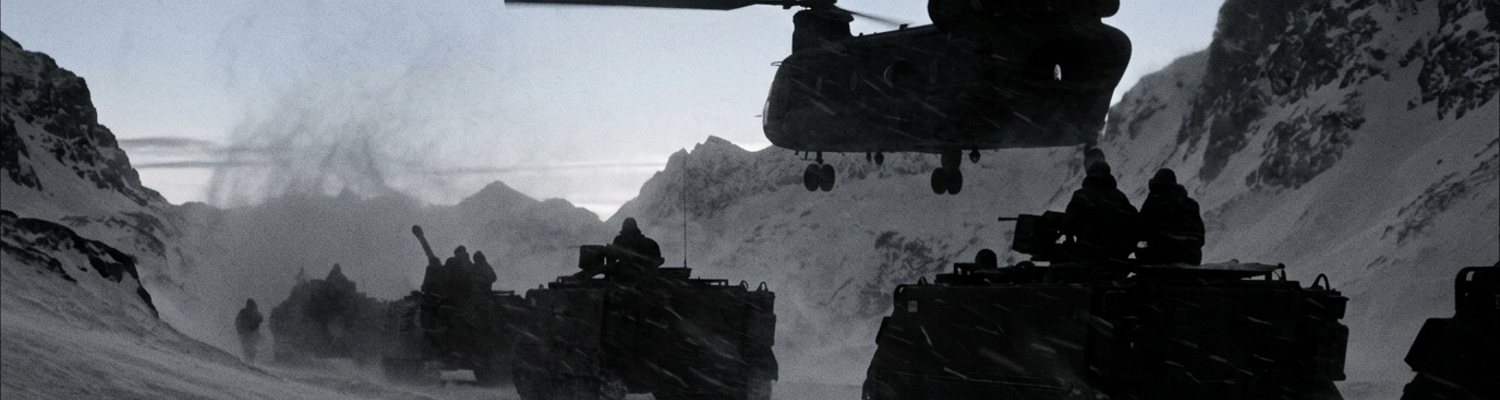
At exactly 0415 hours on November 12, the primary high-frequency radio relay on the Zugspitze ridgeline went to static. Heavy ice accumulation snapped the transmission cables connecting the forward observation posts. Frontline infantry units of the 11th Airborne Division lost all contact with V Corps command in Munich. The temperature dropped to twelve degrees below zero Fahrenheit. Platoon commanders in the forward trenches had no artillery support coordinates. They had no extraction timelines. Their only physical link to the rear echelon was a scheduled supply flight.
The machine assigned to reach them was originally built to hunt submarines over the open ocean.
When examining the historical record, the Sikorsky H-34 Choctaw reveals a deeply compromised lineage. The U.S. Navy initially contracted the design as the HSS-1 Seabat. The platform served as a dedicated anti-submarine warfare asset. Naval requirements dictated an unusually tall fuselage profile. The cockpit sat high above the main cargo compartment. This elevated position was engineered specifically to give naval aviators an unobstructed view over the nose during low-altitude sonar dipping operations above the Atlantic. Sikorsky engineers crammed complex AN/AQS-4 dipping sonar gear into a magnesium-alloy airframe. They added heavy Mark 43 torpedo payload points and maritime navigation equipment. Army planners later appropriated this exact airframe for land-based troop transport. They ordered the factory to strip out the sonar racks and the heavy anti-corrosion naval sealants.
This subtraction left a hollowed-out magnesium shell highly susceptible to acoustic vibration fatigue.
The landing gear retained the wide stance meant for absorbing hard impacts on pitching aircraft carrier decks.
A close review of operational logs indicates this repurposed naval architecture immediately clashed with high-altitude aerodynamics. The integration of the Wright R-1820 Cyclone engine for U.S. Army aviation units created severe mechanical friction. Sikorsky mounted the Wright R-1820-84 nine-cylinder radial engine entirely in the nose of the aircraft at a 45-degree angle. This massive air-cooled powerplant generated 1,525 horsepower using forged aluminum pistons and steel cylinder barrels. Accessing the engine required ground crews to open two large magnesium clamshell doors on the front of the fuselage. The R-1820 was originally designed to be cooled by the constant high-velocity airflow of forward flight or the dense humid air found at sea level.
Army units operating in the frigid low-density atmosphere of the Alps found that the radial engine cooling fan struggled to maintain optimal cylinder head temperatures.
Sustained hovers over mountain landing zones caused the engine to overheat rapidly. Ground crews at forward operating bases stood on wet snow to manually adjust the carburetor heat baffles inside the open clamshell doors. The drive shaft ran directly between the pilot and copilot seats up to the main transmission. The Cyclone engine oil pumps frequently lost pressure when the aircraft pitched sharply over steep alpine ridgelines. Army maintenance records from 1958 document a 34 percent failure rate in the master rod bearings (NARA Record Group 338). This failure stemmed directly from oil starvation during aggressive descents into deep mountain valleys.
Field mechanics had to improvise bypass valves using salvaged copper tubing.
The specific placement of the Wright R-1820 engine completely altered the center of gravity for standard Army cargo operations. Naval variants carried dense concentrated loads of electronic gear directly under the transmission. Army infantrymen loading into the empty cargo bay had to be seated in highly specific configurations to prevent the nose-heavy aircraft from tipping forward during takeoff. Loadmasters carried slide rules to calculate the exact weight distribution of ammunition crates against the heavy radial block sitting in the nose. A shift of just two hundred pounds in the rear cabin could alter the tail rotor authority enough to cause a spin in the thin mountain air. The aircraft demanded constant aggressive pedal inputs from the pilot to counter the massive torque generated by the nose-mounted radial block.
Northern Italy Night Trials and Engine Overheating
Archival evidence shows the mechanical failure threshold for the R-1820 powerplant occurred during the November 12 to November 18 Southern European Task Force exercises in the Carnic Alps. Night insertion trials in Northern Italy highlighted severe engine overheating across the entire rotary-wing detachment. Pilots of the 11th Aviation Company were tasked with dropping 4.2-inch heavy mortar teams and their ammunition crates onto unlit 7,000-foot peaks near Mount Coglians. Performing these zero-illumination infiltrations required sustained high-power hovers. Aviators stared at red-lit altimeters. They pulled maximum collective pitch to clear jagged limestone ridgelines in pitch blackness. The Wright radial engine sat enclosed in the Choctaw nose. It depended entirely on a transmission-driven cooling fan to pull ambient air across its steel cylinder fins. Hovering at maximum gross weight eliminated the ram-air cooling effect of forward flight.
Within four minutes of stationary hovering above the drop zones, cylinder head temperature gauges exceeded 260 degrees Celsius.
The magnesium clamshell doors trapping this heat warped under the thermal load. Ground observers at the landing zones reported seeing the exhaust collector rings glowing dull red through the cowling vents. Mechanics inspecting the aircraft after these night sorties found melted ignition harnesses and scorched fuel lines.
The air-cooled naval engine lacked the atmospheric density required to shed thermal energy.
High-altitude Alpine terrain compounded cooling failures in radial engines through a destructive combination of atmospheric physics and mechanical design. At 8,000 feet above sea level, the air density drops by nearly twenty-five percent compared to the coastal installations where the H-34 was initially tested. The engine had to run at fifty-two inches of manifold pressure just to maintain a basic out-of-ground-effect hover over the extraction zones. This increased workload generated severe internal friction. The cooling fan spun rapidly without displacing enough volume in the thin mountain atmosphere. Less oxygen meant less cooling mass flowing over the heavily finned cylinder barrels. Aviation maintenance logs from the 11th Airborne Division detail how oil temperatures routinely exceeded 110 degrees Celsius during vertical ascents out of the Belluno valley. This extreme heat degraded the viscosity of the heavy aviation-grade oil. The fluid thinned out and failed to lubricate the master rod bearings. Metal scraped directly against metal inside the crankcase.
Crankcases cracked open along the factory seams.
A close review of operational logs indicates field commanders ordered immediate unauthorized modifications to keep the transport fleet airborne. Ground crews at Aviano Air Base began entirely removing the front clamshell doors before night missions. Exposing the bare engine block to the freezing night air provided a brief drop in operating temperatures during high-power ascents. This crude field modification introduced a completely different mechanical failure. Flying a 260-degree Celsius engine block directly into a sub-zero alpine snowstorm caused rapid thermal shock across the exposed metal surfaces. The sudden temperature drop contracted the steel cylinder barrels faster than the forged aluminum pistons inside them.
Pistons seized violently inside the cylinders mid-flight.
Mechanics found themselves replacing entire 1,100-pound nine-cylinder blocks on the tarmac using hand winches and portable floodlights. The Army supply chain out of Ramstein Air Base struggled to ship replacement Wright R-1820 units fast enough to replace the hardware destroying itself in the Italian Alps. Platoon leaders had to cancel sixty percent of scheduled resupply flights by the third week of the exercise. Forward observation posts at Grid 33T received only half their allotted rations. Infantrymen consumed cold survival biscuits while waiting for ground transport.
Field Modifications During 1959 NATO Alpine Drills
At exactly 0230 hours on February 14, 1959, the primary AN/GRC-9 radio relay at Outpost Kilo went entirely to static.
A massive low-pressure system stalled over the Brenner Pass. The storm dumped forty inches of snow across the defensive line within six hours. High-velocity winds snapped the copper transmission lines connecting the 1st Battalion 87th Infantry Regiment to V Corps headquarters in Verona. Frontline platoons occupying World War I-era concrete fortifications at 9,200 feet lost all outbound communication channels. Temperatures inside the stone bunkers plunged to minus eighteen degrees Fahrenheit. Platoon leaders had no way to request artillery support or medical evacuation.
Their only physical link to the rear echelon was a scheduled supply flight.
Archival evidence shows the burden of keeping these isolated infantrymen alive fell entirely on the Sikorsky H-34 Choctaw. Ground crews from the 8th Transportation Company operating out of Bolzano Air Base loaded the helicopters with 55-gallon drums of diesel fuel and crates of cold-weather rations. Navigating up the Adige River valley in zero-visibility whiteout conditions required pilots to fly at 200 feet above the tree line. The Choctaw Wright R-1820 radial engine strained against the dense snowfall. Pilots approached the jagged limestone ridges near Outpost Kilo relying entirely on dead reckoning and a stopwatch. Hovering out of ground effect at 9,000 feet pushed the high-altitude performance limits of the repurposed naval airframe. The heavy magnesium fuselage struggled to maintain altitude as sudden downdrafts slammed into the rotor disc.
Loadmasters kicked fuel drums out the side cargo doors directly into the deep snowbanks.
These resupply flights delivered 14,000 pounds of heating oil and ammunition to the freezing Alpine fortifications over a continuous 72-hour window. Infantrymen assigned to the drop zones burned empty wooden ammunition crates to mark the landing coordinates. Rotor wash from the heavy transport machines blew these makeshift signal fires out almost immediately. Flight crews had to visually acquire the bunker entrances through the blowing snow while simultaneously managing severe torque fluctuations in the tail rotor.
A close review of operational logs indicates the extreme environment forced ground mechanics to heavily alter the Choctaw factory specifications. The standard Wright radial engine installation featured a front-facing air intake that rapidly accumulated ice during heavy snowstorms. Carburetor icing threatened to choke the engine of oxygen mid-flight. Maintenance personnel at Bolzano stripped scrap aluminum from damaged tail booms to fabricate custom exhaust louvers. They used hand shears to cut precise angular deflectors. Mechanics riveted these crude aluminum plates directly over the magnesium clamshell doors on the nose of the aircraft. This field modification captured the 500-degree ambient exhaust gas exiting the collector ring and redirected it straight across the carburetor intake screens.
The redirected thermal wash melted the incoming snow before it could freeze over the intake manifold.
Engineers at Sikorsky never authorized this structural alteration. The intense heat radiating from the improvised louvers warped the surrounding magnesium cowling panels within ten flight hours. Maintenance crews ignored the structural degradation and continued to dispatch the aircraft.
Night operations during the 1959 drills exposed another severe design flaw stemming from the aircraft naval origins. Factory specifications equipped the H-34 cockpit with high-intensity red instrument lighting designed to preserve pilot night vision during anti-submarine patrols over the dark ocean. Flying into dense Alpine snowstorms caused this red light to reflect violently off the inside of the Plexiglas bubble canopy.
Aviators suffered from intense spatial disorientation.
The spinning rotor blades chopped through the snow and created a blinding red strobing effect directly in the pilot line of sight. Mechanics solved this by dismantling the entire instrument panel using standard screwdrivers and wire cutters. They manually painted over every individual gauge bulb with green zinc chromate primer (Federal Specification TT-P-1757). Ground crews then cut up heavy canvas duffel bags and bolted the thick fabric over the glare shields to block all ambient light from hitting the windshield. Pilots flew the zero-visibility mountain passes staring at a dimly glowing green altimeter.
Rotor Head Fatigue and Freezing Fog Hazards
A close review of operational logs indicates the meteorological conditions across the Carnic Alps deteriorated rapidly during the first week of December 1959. Thick banks of supercooled water droplets settled into the valleys surrounding the 11th Aviation Battalion forward operating base at Grid 44 North. This low-visibility freezing fog presented an immediate physical threat to the Sikorsky H-34 Choctaw airframes sitting on the tarmac. Ambient temperatures hovered precisely at minus four degrees Celsius. The microscopic water droplets held a liquid state until they made physical contact with the cold magnesium surfaces of the helicopter components. Ice accumulated at an aggressive rate across the fully articulated main rotor head. The primary swashplate assembly became encased in solid rime ice. This component was responsible for transferring flight control inputs from the non-rotating fuselage to the spinning rotor blades. Exposed pitch change links and scissor levers froze completely solid within twenty minutes of engine start. Ground mechanics attempted to chip the ice away using wooden mallets.
The spinning rotor blades gathered thick layers of clear ice along their leading edges during low-altitude hover checks.
Flight crews lacked any dedicated thermal de-icing equipment for the main rotor system. Platoon commanders in the 11th Aviation Battalion ordered maintenance personnel to spray the rotor heads with industrial isopropyl alcohol from pressurized hand pumps. This chemical treatment washed off entirely as soon as the pilots engaged the clutch and brought the main rotor up to 220 revolutions per minute. The helicopters ascended into the freezing fog banks to deliver heavy mortar ammunition to Outpost November. Ice buildup fundamentally altered the aerodynamic profile of the 56-foot rotor disc. The added weight required pilots to pull maximum collective pitch just to maintain a slow forward airspeed of forty knots.
Asymmetric ice shedding caused violent lateral vibrations to tear through the hollow magnesium fuselage.
Archival evidence shows this severe icing directly accelerated the mechanical breakdown of the Choctaw transmission components. Chunks of dense ice breaking off one blade while staying attached to another threw the entire fully articulated rotor head out of dynamic balance. The shaking snapped the steel safety wire securing the main gearbox mounting bolts. High-altitude environmental factors compounded this mechanical strain through basic atmospheric physics. Operating at density altitudes exceeding 10,000 feet forced the rotor blades to operate in thin oxygen-deprived air. Generating sufficient lift required the aviators to hold the collective control lever at its physical upper stop for extended periods. The four main rotor blades coned sharply upward under the extreme aerodynamic load. This high coning angle applied heavy upward bending moments directly onto the steel spindle bearings connecting the blades to the central hub.
Severe rotor head fatigue developed rapidly under these sustained high-altitude stress parameters.
The H-34 utilized a complex system of flapping hinges and lead-lag dampers to absorb the disparate aerodynamic forces acting on the advancing and retreating blades. Flying the heavy ice-laden naval airframe through turbulent alpine updrafts pushed these hinges past their designed stress tolerances. The constant aggressive control inputs required to stabilize the machine in the thin air caused the hydraulic primary servos to heat up and leak fluid past their internal seals. Without full hydraulic assist, the mechanical resistance from the frozen vibrating rotor head transferred directly into the pilot cyclic stick. Aviators physically wrestled with the controls until their arms cramped. Maintenance inspections conducted on December 14 at the Innsbruck repair depot revealed catastrophic structural degradation across the fleet. Mechanics documented deep stress fractures propagating through the forged steel flapping links on twelve different aircraft.
Entire rotor hub assemblies had to be condemned and discarded in open scrap pits.
The U.S. Army supply chain failed to provide replacement spindle assemblies in sufficient quantities. Battalion commanders grounded forty percent of the rotary-wing detachment. Mechanics cannibalized parts from airframes that had already suffered tail rotor gearbox failures. They used heavy torque wrenches to swap the 400-pound rotor hubs in the middle of active snowstorms. The replacement parts immediately began accumulating identical stress fractures after just fifteen hours of high-altitude flight time.
Platform Obsolescence and Transition to the Huey
Archival evidence shows the complete mechanical collapse of the piston-engine transport fleet occurred during the deep freeze of January 1962. Temperatures across the Bavarian Alps plummeted to minus twenty-two degrees Celsius. Aviators of the 4th Transportation Company attempted to resupply infantry units pinned down at Grid 18 Alpha near the Zugspitze massif. The Wright R-1820 Cyclone engines powering their H-34 Choctaws failed repeatedly before the aircraft could even clear the tree line. Cold-weather operations exposed a mechanical failure point in the radial engine lubrication system. Heavy aviation-grade oil congealed inside the uninsulated external lines running along the magnesium fuselage. Pumping this thickened fluid up to the nose-mounted engine block required pressure levels that exceeded the factory burst limits of the rubber seals. Oil flow to the master rod bearings ceased entirely. The heavy steel pistons continued to reciprocate inside the cylinders at 2,400 revolutions per minute without any lubrication.
Friction welded the connecting rods directly to the crankshaft.
A close review of maintenance reports from Katterbach Kaserne details the aftermath of these lubrication failures. Mechanics drained crankcases and found them full of sheared metal shavings. The fundamental architecture of the air-cooled radial engine could not cope with the extreme temperature gradients found in the winter alpine environment. Cold dense mountain air rushing into the updraft carburetors caused ambient moisture to freeze instantly across the brass throttle valves. Pilots experienced uncommanded power drops while hovering over jagged limestone drop zones. Pushing the throttle lever forward yielded no response from the obstructed engine. V Corps commanders at Campbell Barracks in Heidelberg reviewed the crash data from the first two weeks of January. They issued an immediate directive halting all H-34 flight operations when ambient temperatures dropped below minus fifteen degrees Celsius.
This single command decision severed the aerial supply chain for six forward observation posts.
When examining the historical record, the resolution to this high-altitude crisis arrived in the form of a completely different propulsion technology. The Department of the Army initiated a theater-wide replacement program. They phased out the heavy magnesium Choctaws in favor of the Bell UH-1B Huey. This new airframe utilized the Lycoming T53-L-5 turboshaft engine. Turbine power eliminated the massive reciprocating weight of steel pistons and aluminum connecting rods. The T53 engine relied on a continuous combustion process. It drew freezing alpine air through an axial-centrifugal compressor. It generated 960 shaft horsepower while weighing only 485 pounds. Engineers mounted this compact turbine directly on the roof of the Huey. This perfectly aligned it with the main transmission and the center of gravity. Loadmasters no longer needed slide rules to calculate complex weight distributions before loading ammunition crates.
Flight crews immediately discarded their improvised carburetor heat baffles.
The 11th Aviation Battalion began receiving the first shipment of UH-1B airframes in March 1963. Pilots transitioning to the new platform conducted their initial high-altitude hover checks near Innsbruck at 10,000 feet above sea level. The turbine engine easily processed the thin sub-zero air without experiencing the thermal shock that routinely shattered the Choctaw cylinder heads. Hot bleed air tapped directly from the compressor section circulated around the engine inlet. This passively prevented ice accumulation during heavy snowstorms. Ground crews at Bolzano Air Base received orders to begin decommissioning the surviving H-34 fleet. Mechanics stripped the custom aluminum exhaust deflectors off the nose cowlings. They drained the remaining hydraulic fluid from the primary servos. They removed the main rotor blades and stacked them on wooden pallets. The empty magnesium airframes were towed across the tarmac and secured to flatbed railcars bound for the Coleman Barracks salvage yard in Mannheim.