
Soviet Maritime Expansion in NIE 11-14/40-81D
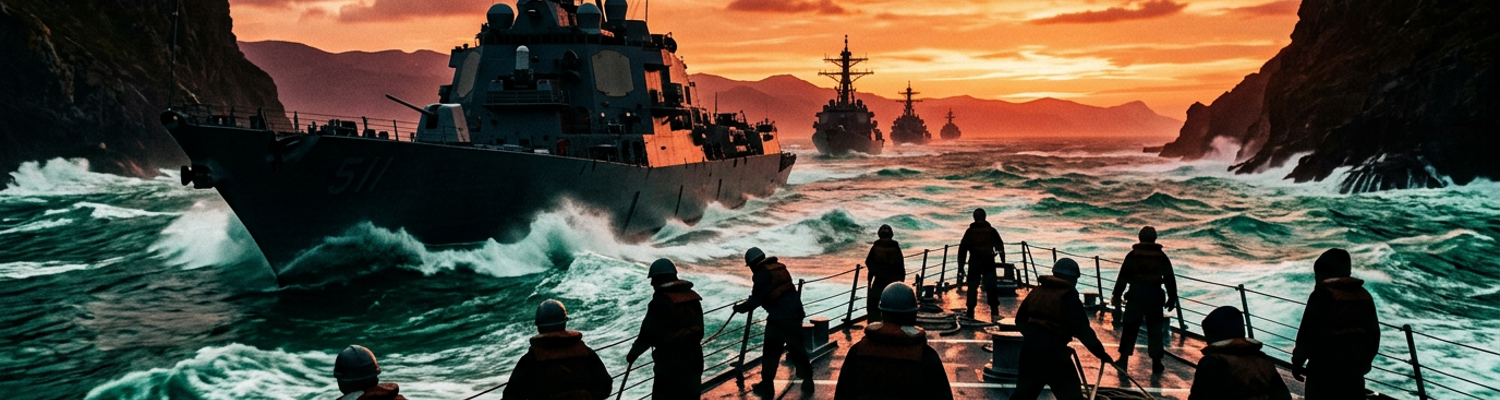
Copper-nickel condenser tubes inside Seventh Fleet warships cracked and choked under the cold abrasive silt of the northern straits. Boiler crews ran auxiliary pumps at half capacity while navigating within range of hostile coastal surveillance to prevent total mechanical failure. This plumbing vulnerability directly shaped how task forces planned their transits because a single clogged seawater intake could starve a main boiler of cooling water. Director of Central Intelligence assessment NIE 11-14/40-81D warned of Soviet Pacific Ocean Fleet growth to over 80 major surface combatants and roughly 100 submarines. This massive buildup meant that any mechanical failure aboard an American ship carried immediate tactical consequences. Machinists below the waterline worked in sweltering humidity to clear sand from heat exchangers and splice leaking high-pressure steam lines with scrap metal and hose clamps. Engine room watchstanders tracked every drop in boiler steam pressure because a loss of propulsion would leave the vessel drifting toward monitored shoals.
Steam lines rattled against their steel overhead hangers as throttlemen fought to preserve forward momentum across the contested waters. Soviet war doctrine focused on closing the Japanese maritime chokepoints of Soya, Tsugaru, and Tsushima to sever Western sea lines of communication. Closing these three geographic gateways would sever the maritime supply routes that linked North America to Japan, the Korean Peninsula, and allied bases across the Western Pacific. Engineers aboard the Seventh Fleet destroyers understood that any prolonged engine casualty would make their ships easy targets for Soviet patrol aviation and coastal strike forces assigned to seal the strait. Damage control teams fabricated makeshift bypass lines using spare hydraulic tubing to keep fuel injectors flowing despite heavy carbon fouling in the burners. Boiler technicians used hand wrenches to tighten leaking flange bolts under active steam pressure to keep the ships moving at full speed through the narrow shipping lanes.
Bolts along the high-pressure flanges groaned under continuous torque as the ships pushed toward the eastern exit of the strait. The intelligence assessment framed Tsugaru as a vital barrier for Soviet bastion defense strategies protecting Sea of Okhotsk patrol zones. Soviet ballistic missile submarines operated inside the Sea of Okhotsk as a protected second-strike retaliatory force. Submarine commanders relied on a secure defensive perimeter to keep Western antisubmarine forces from entering their patrol areas. Control of Tsugaru allowed the Soviet navy to block Western warships from slipping into the Sea of Japan or moving north toward the Kuril Island chain. Electrical technicians worked behind the propulsion turbines to cool overheating transformers by rigging canvas air ducts to blow freezing sea air across burning wire bundles. Auxiliary mechanics patched weeping sea chest valves with lead wire and rubber compound to prevent saltwater flooding from overwhelming the lower engineering bilges.
Bilge pumps discharged a steady stream of oily gray water over the side as repair parties secured the patched valves against the rising pressure. Engineers maintained constant watch on the main reduction gears and applied hand lubricants to overheated bearings while navigating within sight of northern headlands. Seventh Fleet command officers refused to alter the transit course because showing hesitation in the strait would signal operational vulnerability to watching Soviet reconnaissance vessels. Damage control crews cleared emergency tools from the deck plates only after the ships crossed out of the narrows and established steady cruising speed in the open ocean. Sailors secured the improvised cooling lines and recorded the repair logs for the next watch. Navigators set a final course toward the open waters of the North Pacific.
Strategic Geography of the Tsugaru Chokepoint
Quartermasters tracked each degree of rudder movement against detailed bathymetric surveys because the ships had to clear one of the most confined passages in the Pacific theater. The Tsugaru Strait spans roughly twelve miles at its narrowest point between Honshu and Hokkaido. Steep underwater shelves and powerful tidal rips rushing between the Sea of Japan and the Pacific Ocean forced watchstanders to fight constant lateral drift. Helmsmen gripped the polished brass wheels and made continuous steering corrections to keep the warships centered in the deep water trench. Propulsion engineers monitored shaft revolutions closely because any reduction in propeller speed allowed cross currents to push the hulls toward shallow coastal ledges. Bridge teams relayed course adjustments down to the engine rooms every few minutes to compensate for the turbulent flow of water churning around the rudders.
Rudder angle indicators clicked back and forth inside the wheelhouse as navigation officers worked to hold the ships within a strict political corridor. Japan maintained a three-nautical-mile territorial sea limit in the strait to preserve an international waters transit corridor for foreign naval combatants. Tokyo deliberately kept the narrower three-mile boundary along both coastlines instead of the standard twelve-mile baseline to leave a strip of open sea running down the center of the passage. This six-mile-wide strip of high seas gave American warships the legal right to pass through without violating domestic Japanese policies against bringing nuclear weapons into sovereign territory. Radar operators leaned over their green cathode-ray scopes to measure the distance to the Honshu and Hokkaido shores. Technicians warned the bridge whenever wind and current carried a hull within a thousand yards of the territorial boundary. Combat information center watch officers marked the radar returns with grease pencils on vertical plotting boards to verify that every ship stayed inside the allowable lane.
Sonar consoles down in the sound rooms hummed with loud static as technicians struggled to detect submerged threats lurking beneath the surface traffic. Littoral acoustic conditions suffered from complex thermal layering and high-volume commercial maritime traffic that masked submarine acoustic signatures. Warm water pushing from the Tsushima Current collided with cold northern water flowing out of the subarctic to create jagged thermocline layers. These sharp temperature boundaries bent passive sonar beams away from hostile targets and created massive acoustic blind spots. Dozens of commercial freighters, bulk cargo carriers, and wooden fishing trawlers crisscrossed the narrow passage at all hours. Civilian traffic filled the hydrophones with the deafening roar of cavitating bronze propellers and diesel exhaust. Submarine contacts could sit silently below the sharp temperature boundary while surface noise washed out their engine sounds completely. Technicians adjusted receiver gain knobs by hand and lowered expendable bathythermograph probes over the fantail every thirty minutes to map the shifting temperature boundaries in the water column.
Paper chart recorders inside the sonar shack fed out jagged temperature traces that forced operators to adjust their search depths on the fly. Saltwater corroded the delicate cable connections on the towed array winches. Electronics technicians spliced signal wires under dim red battle lanterns on the wet quarterdeck to restore the sensor feeds. Auxiliary machinery operators worked alongside the sonar gang to balance generator loads and prevent electrical spikes from blowing fuses inside the sensitive acoustic processors. Bridge officers correlated the patchy sonar readouts with surface radar tracks to keep fire control radars trained on nearby surface vessels. Lookouts swept the dark water with high-powered binoculars to spot any periscope wakes breaking the surface. Task force commanders ordered surface combatants to stagger their formation into a defensive column through the center of the international corridor. Watchstanders across the fleet locked their eyes onto the navigational beacons marking the eastern narrows and held their speeds steady until the ships cleared the final shallows.
Seventh Fleet Northern Chokepoint Screening Doctrine
Destroyers cleared the shallow shoals and fanned out across the eastern mouth of the strait to set up their primary patrol boxes. Seventh Fleet deployed destroyer screens alongside P-3C maritime patrol aircraft to maintain an unbroken acoustic barrier across the passage. Turboprop engines on the low-flying Orion patrol planes droned through heavy sea fog overhead while tactical crews dropped lines of active and passive sonobuoys into the freezing surface chop. Radio operators in the shipboard combat information centers fought continuous salt corrosion on their high-frequency whip antennas. Sailors scraped crust off connector pins with pocket knives to keep the radio data link with the aircraft operational. Acoustic sensor processors overheated in the cramped electronics spaces below deck. Junior technicians aimed portable blower fans straight at the exposed circuit boards to prevent thermal shutdowns during continuous monitoring.
Copper heat sinks on the acoustic processing racks glowed warm as technicians swapped out scorched filter capacitors while surface escorts sustained relentless barrier speeds. Operational doctrine required surface escort formations to establish continuous barrier patrols against outbound Soviet nuclear submarines. Soviet submarine captains based in Vladivostok sought to slip through the passage under the heavy commercial traffic to reach patrol areas in the open Pacific Ocean. Watchstanders on the escort bridges rotated lookouts every twenty minutes to combat freezing windburn. Sonar operators tracked faint machinery rattles that might indicate an outbound submerged contact trying to breach the line. Engineering crews in the forward generator rooms rigged emergency fuel line bypasses around clogged primary filters. Mechanics kept electrical power flowing without interruption to the main active sonar transducers.
Transducer arrays projected sound pulses through the freezing water column while plotting officers correlated raw returns with incoming telemetry from patrol aircraft. Screening units integrated acoustic sensor data across air and surface assets to detect transit attempts by Victor-class and Charlie-class hulls. Sonar specialists listened for the distinct reduction gear whine of a Victor-class attack boat. Operators also hunted for the characteristic pump transients generated by a Charlie-class cruise missile submarine running beneath the thermocline. Teletype lines between the tactical action officer and the airborne acoustic coordinator suffered intermittent signal drops due to antenna cable chafing on the mainmast. Radiomen spliced fresh coaxial line in freezing spray on the exposed signal bridge to restore the vital communications link. Plotting officers clamped hand-drawn grease pencil charts over the flickering cathode-ray consoles. Officers manually cross-referenced sonobuoy drop patterns against surface ship search tracks to verify that no blind spots opened up along the barrier line.
Grease pencil vectors multiplied across the tactical plot as destroyers turned on parallel barrier headings to close the acoustic gaps identified by the air crews. Boiler technicians below the waterline hand-pumped synthetic oil into overheated forced-draft blowers. Sailors kept combustion air surging into the fires without slackening ship speed. Acoustic operators in the sound shacks recorded ambient ocean noises onto magnetic tape reels. Technicians cataloged cargo ship screw cavitations so that the processors could strip out civilian clutter from potential submarine contacts. Flight crews aboard the orbiting P-3C aircraft dropped fresh sonobuoy patterns along the shelf drop-off. Surface commanders adjusted escort spacing to seal the deep underwater exit. Damage control watchstanders secured the auxiliary cooling hoses around the processing cabinets to leave the detection gear running at full capacity as the formation maintained its continuous vigil across the narrows.
Acoustic Barrier Tactics Against Soviet Submarines
Technicians adjusted receiver gain controls on the newly cooled processing cabinets as destroyer escorts operated AN/SQS-26 bow sonar systems alongside towed arrays. Massive rubber-domed sonar housings on the ship bows projected active sound beams through the warm surface water. Cold subarctic currents beneath the shelf created a deep acoustic shadow zone where Soviet submarines could run silently. Deck crews countered this blind spot by unreeling thousands of feet of steel-armored cable from stern winches. Sailors trailed flexible passive hydrophone arrays deep into the cold layer below the thermocline. Heavy towing strain and sharp underwater currents constantly flexed the array cables. Neoprene jackets split open and flooded delicate preamplifier modules with conductive brine. Sonar technicians worked in freezing wind on the wet fantail to splice severed signal conductors with crimp connectors. Sailors wrapped each repair in layers of self-vulcanizing rubber tape and marine grease. These dual sensor paths allowed sound operators to feed bow sonar data and towed array signals into shared display consoles to isolate machinery rattles above and below the temperature boundary.
Orion patrol planes deployed directional frequency analysis and recording sonobuoys across narrow transit funnels to cue surface combatants. Tactical navigators aboard the patrol planes dropped these listening buoys into deep underwater trenches where outward-flowing currents forced outbound submarines to run through narrow bottlenecks. Freezing seawater frequently chilled the buoy batteries below operational voltage before their internal chemical cells could ignite. Plane crews tested every dispenser rack and preheated backup sonobuoys near engine bleed-air ducts to prevent deployment failures. Surface combatants struggled to receive the low-wattage telemetry signals beamed from the bobbing transmitters because heavy sea spray corroded the masthead whip antennas. Radiomen climbed the icy rigging with wire brushes and emery cloth to clean corroded coaxial couplings. Technicians restored the data links before drifting buoys exhausted their battery life. Plotting officers in combat information centers converted the incoming directional bearing lines into grease pencil vectors on vertical plotting boards to calculate intercept courses for the waiting destroyers.
Screen commanders utilized coordinated sprint-and-drift maneuvers to maximize passive acoustic detection ranges while minimizing self-noise. Half the escort group throttled their steam turbines up to twenty knots to dash ahead into fresh blocking sectors. The remaining ships cut propulsion power completely and drifted in silence with silenced auxiliary machinery. Stopping the main engines eliminated propeller cavitation and hull vibration. Drifting allowed the towed arrays to detect faint diesel clatter or cooling pump hums over long distances. The constant violent changes in steam demand severely punished the propulsion plants below the waterline. Boiler technicians scrambled between the furnaces with hand wrenches to manually regulate sticking fuel atomizers and adjust forced-draft dampers. Mechanics prevented steam pressure collapses each time the bridge rang for dead slow. Machinists packed leaking valve stems with graphite cord under hissing steam clouds. Engineers held boiler pressure steady until the drifting ships finished their passive listening sweeps and signaled that they were ready to surge forward again.
Engineers monitored vibrating reduction gears through mechanical stethoscopes as the escorts accelerated into their sprint cycles to relieve sister ships on the barrier line. Sudden bursts of speed generated aerated hull wakes that swamped the bow sonar transducers with noisy bubbles. Operators manually trimmed the receiver gain and cleared false echoes from their scopes to regain the acoustic picture. Electronics technicians pulled scorched signal processor cards from the main receiver cabinets. Technicians soldered jumper wires directly across burned traces with handheld irons while bracing themselves against the roll of the ship. Tactical action officers merged the restored electronic tracks with fresh sonobuoy bearings. Officers relayed updated firing-solution bearings to anti-submarine rocket crews on the forward deck. Helmsmen answered repeated engine order telegraph bells and steered zig-zag courses across the deep channel to keep their sensor arrays perpendicular to the underwater escape lanes.
Winter Environmental Degradation and Hull Stress
Steel hull plates flexed under heavy breakers as sharp tactical turns forced the escorts into thirty-foot swells running against the tidal current. Heavy sea states in the strait imposed extreme cyclic loading on surface escort hull plating and external machinery alignments. The constant twisting motions placed immense strain on structural welds along the keel. Rivets loosened and internal support frames warped throughout the forward engineering spaces under the relentless pounding. Shaft bearings heated up rapidly because the distorted hull structures pushed long propulsion shafts out of true balance with the main reduction gears. Machinists crawled through cramped bilge flats with mechanical dial indicators to measure shaft deflections in real time. Damage control parties tapped thin brass shims under pump mounts to prevent auxiliary drive shafts from binding. Sailors adjusted bronze follower nuts on leaking stern-tube packing glands with hand wrenches. Mechanics worked in freezing bilge water to keep the shafts turning while ocean rollers hammered against the outer hull plating.
Seawater crashed over the forecastles and instantly froze across the forward gun mounts, superstructure walls, and open bridge wings. Severe winter gale winds and sub-zero temperatures triggered dangerous topside icing that compromised ship stability and deck-mounted gear. Thick rime ice accumulated on communication masts, radar pedestals, and fire control directors. Ice buildup rapidly raised each ship center of gravity and threatened to capsize the top-heavy destroyers. Inclinometers on the bridge showed sluggish roll recoveries. The vessels took dangerously long to right themselves after taking heavy waves on the beam. Deckhands wearing padded foul-weather jackets and safety harnesses ventured out onto the slippery main decks. Sailors swung wooden mallets and fire axes against ice accumulations on lifelines and antennas to shed dead weight. Auxiliary engineers in the lower spaces monitored stability curves and pumped fuel oil between double-bottom storage tanks. Engineers balanced the vessel trim to keep the ships upright in the heavy seas.
Saltwater spray continued to coat every exposed mechanism on the weather decks. Vital anti-submarine and seamanship systems turned into solid blocks of ice. Freezing sea spray caused rapid mechanical failure on exposed anchoring systems, torpedo tubes, and deck-handling machinery. Piston rods on the torpedo tube training drives froze firmly inside their sleeves. Ice prevented gunners from aiming the triple mounts into their firing sectors. Gunners mates directed portable hot-air blowers and kerosene heat guns against frozen gear trains. Sailors melted ice packs and freed the locked traverse bearings with steel crowbars. Boatswains cleared thick ice sheets from the anchor windlass brake bands with sledgehammers. Deck crews doused the frozen pawls and friction drums with warm hydraulic oil to ensure ground tackle remained ready for emergency anchoring. Technicians dried the electrical firing solenoids with canvas rags. Electricians wrapped exposed wire harnesses in vulcanized rubber tape and reported all deck weapon stations fully operational to the combat information center.
Emergency Maintenance on Sonar Transducer Arrays
Consoles inside the combat information center lost their forward acoustic picture seconds after the weapon reports cleared. The underwater listening array suddenly failed. Severe cold water and hydrodynamic slamming caused electrical and physical degradation across submerged AN/SQS-26 transducer elements. Heavy ocean rollers battered the protruding bow bulb with thousands of pounds of hydrodynamic force on every descent. Wave impacts fractured the delicate ceramic crystals stacked inside the array staves and jarred internal mounting brackets out of alignment. Near-freezing sea water penetrated microscopic cracks in the exterior rubber waterproofing jackets. Water intrusion created direct short circuits that drained transmission power from the main sonar amplifiers. Salt deposits accumulated across exposed electrical terminals. Brine bridged high-voltage supply lines and generated continuous arcing inside the submerged junction boxes. Electrical breakers in the lower equipment racks tripped in rapid succession to protect the primary generators from the surging ground faults. Forward detection went completely blind right as the ship pitched into the narrowest branch of the strait.
Technicians hauled portable test meters and waterproof tool bags down five levels of vertical ladders into the dark unheated spaces of the ship bow. Naval sonar technicians conducted emergency in-situ circuitry diagnostics and element isolations within flooded bow compartments. Icy sea water surged up past their knees as the ship plowed through the waves. Water splashed against the exposed terminal boards and shorted out test leads before the sailors could record baseline resistance readings. Technicians pressed metal probe tips against rows of brass terminal studs by the beam of battle lanterns. Sailors systematically measured electrical resistance across hundreds of individual transducer channels. Watchstanders checked multimeter needles against factory resistance specifications. Technicians marked dead modules with grease pencils as the freezing water numbed their bare hands. Sailors disconnected and capped the fried circuit wires using wire cutters and heavy insulating tape. Crews physically removed the damaged elements from the network so the operational staves could draw power without tripping the central breakers.
Gauges on the sonar dome service manifold suddenly showed a sharp drop in operating pressure. The flexible enclosure lost its structural integrity under the force of the sea. Loss of internal fluid pressurization threatened to collapse the massive rubber window against the transducer frame. A collapse would instantly crush the delicate acoustic array and distort outgoing sound pulses into useless echoes. Heavy wave impacts had ruptured the factory rubber gaskets on the pneumatic charging lines. These lines kept the internal water volume pressurized against external sea pressure. Escaping air bubbled out through split seals along the lower access hatch. Dome internal pressure dropped below the hydrographic resistance needed to deflect oncoming waves. Engineering ratings improvised pneumatic seal replacements to maintain proper pressurization inside the rubber bow sonar dome. Machinists hand-cut circular rings from thick neoprene gasket material salvaged from auxiliary pump stores. Mechanics coated the rough edges with silicone paste and wedged them into the leaking flange joints with adjustable wrenches.
Valves hissed as the repair team opened the emergency air charging manifolds to test the newly installed seals. Compressed air flooded into the dome casing. Air pressure drove the water level back to its calibrated operating height and expanded the rubber skin outward into its streamlined hydrodynamic shape. Needle indicators on the charging manifold steadied at design pressure as the fresh gaskets held tight against the surging seawater outside the hull. Electricians in the forward distribution spaces reset the main array breakers. Clean high-voltage power surged back down the restored electrical circuits to the surviving transducers. Operators in the sonar shack verified that clear active pings and passive hydrophone bearings were once again returning to their display scopes. Bridge officers received confirmation of full acoustic coverage across the channel. Commanders ordered the helmsman to maintain combat transit speed through the middle of the strait.
Propulsion Feedwater Casualties Under Strict EMCON
Throttle valves opened wide inside the forward engine room to answer the call for combat transit speed. Huge volumes of subarctic seawater rushed straight into the warship primary condensers. Thermal stress from near-freezing sea injection temperatures induced thermal shock and rupture in high-pressure boiler feed lines. Incoming seawater cooled hull-adjacent plumbing to near-freezing temperatures within minutes. Internal feed water flowed through the steel pipes at over four hundred degrees under twelve hundred pounds of pressure per square inch. Severe temperature differentials caused the thick steel walls of the main economizer feed lines to shrink unevenly. Longitudinal stress fractures tore across the supply pipes that fed the forward boilers. Pressurized superheated water flashed into blinding steam as it escaped the ruptured metal. Scalding vapor filled the lower engineering compartments and obscured sight glasses across the operating deck plates. Boiler water levels plunged toward danger thresholds within seconds. Low water threatened an immediate dry-firing casualty that would warp boiler tubes and shut down the ship main drive turbines in the middle of the narrow passage.
Headsets wired to the sound-powered telephone network carried frantic reports of falling drum levels from the drenched machinery bilges directly to central engineering and the bridge. Strict emission control protocols prohibited radio communication. Tactical doctrine required all engineering casualty responses to be coordinated via sound-powered telephone networks. Fleet commanders demanded absolute silence across the electromagnetic spectrum to deny Soviet electronic warfare vessels any radio direction-finding fixes on Seventh Fleet units maneuvering through the international corridor. Watchstanders pressed bulky carbon-cup microphones against their lips and cranked the call-box bells by hand. Sailors transmitted spoken orders through copper wires powered solely by the kinetic energy of their own voices. Bridge officers maintained their screening headings along the barrier line while acknowledging the propulsion emergency without transmitting a single electronic alert to companion warships. Engineering officers used the hardwired telephone circuit to issue step-by-step casualty containment procedures. Officers instructed the forward bilge teams to isolate the ruptured headers before the boilers ran dry.
Machinists hauled heavy tool rolls, spare tubing, and portable oxyacetylene welding gear down slippery ladders into the flooded bilges to carry out the isolation order. Machinist mates conducted rapid pipe braze repairs and feed line bypasses inside high-temperature machinery spaces during continuous screening. Air temperatures around the ruptured steam pipes climbed beyond one hundred and twenty degrees. Technicians worked in wet canvas coveralls that trapped body heat while icy bilge water sloshed over their boots. Sailors cut away the shredded sections of the main line with manual pipe cutters. Mechanics worked by the yellow beams of waterproof flashlights to expose clean metal edges on both sides of the fracture. Repair teams clamped auxiliary crossover pipes into place to create an immediate bypass route. The bypass diverted incoming reserve feedwater around the severed economizer loop and straight into the lower boiler drums. Fire-watch personnel held protective asbestos shields over adjacent electrical cables. Machinists applied direct torch heat to flow silver-brazing alloy smoothly into the newly installed bypass sleeve joints.
Silver braze solidified around the pipe seams under the steady hiss of portable cooling blowers. The hardened alloy sealed the emergency bypass joints against operating pressure. Auxiliary feed pumps picked up the secondary water flow as watchstanders slowly cracked the bypass isolation valves with box-end wrenches. Water levels inside the boiler sight glasses steadied and began climbing back toward the normal operating band. Restored water flow prevented the catastrophic tube meltdowns that would have stripped the vessel of all steam power. Engine room supervisors spoke into their sound-powered headsets to report full feedwater pressure restored. Supervisors confirmed that the propulsion plant could sustain combat transit speeds without further drop in steam delivery. Helmsmen answered the next engine order telegraph bell from the bridge. The warship stayed perfectly aligned with the escort column as the formation cleared the central narrows under total radio silence.
Electronic Countermeasures and Sustained Fleet Logistics
Radar display screens across the combat information center flared with bright white strobes of interference just as the warships settled onto their new screening coordinates. Soviet coastal stations and reconnaissance aircraft directed active radar and radio jamming against Seventh Fleet surface screening formations. Shore-based electronic warfare transmitters on nearby headlands flooded tactical ultra-high-frequency voice channels with high-pitched electronic noise. Tu-16 reconnaissance aircraft circled beyond visual range to beam pulsed microwave energy directly down the bearings of American search radars. Tactical action officers watched surface plots wash out into dancing bands of bright green static. Static masked approaching contacts and blinded the automated tracking computers. Electronics technicians pulled open heavy steel access drawers in the receiver racks. Technicians twisted manual gain dials and swapped crystal filter cartridges to hunt for narrow slivers of clear spectrum between the jamming lobes. Burned-out mixer diodes inside the receiver waveguides gave off bitter plastic smoke as incoming radio-frequency pulses overloaded the delicate circuits. Technicians extracted the scorched components with needle-nose pliers and soldered spare germanium diodes across the circuit boards by the beam of battle lanterns.
Lantern light reflected off the damp bridge wing deck plates as signalmen readied their optical shutter gear to track the heavy supply vessels trailing behind the combat escorts. Replenishment oilers and ammunition ships maintained precise formation station-keeping through visual signaling under radio silence. Quartermasters clattered directional shutter blinds on high-powered carbon-arc searchlights. Signalmen threw focused white light pulses across the dark swells toward the bridge superstructures of neighboring tankers without releasing a single stray radio transmission into the air. Lookouts on the logistics vessels peered through pedestal-mounted binoculars to read the rapid Morse code flashes. Lookouts relayed rudder angles and propeller shaft revolutions down to their engine rooms to maintain exact intervals inside the defensive box. Heavy ocean currents constantly dragged at the deep-draft hulls of the oilers. Helmsmen answered every visual signal with small deliberate steering corrections that prevented the clumsy auxiliary ships from drifting into the destroyer screen. Deck officers checked their optical stadimeters against masthead yardarms every three minutes. Officers confirmed that the ammunition ships held their designated stations within fifty yards of their assigned convoy grid points.
Stadimeters tracked every yard of spacing between the hulls while continuous high-speed maneuvering placed intense mechanical strain on the screening destroyers. Improvised shipboard mechanical and electronic repairs preserved convoy screen escort integrity without reliance on shore-based depot maintenance. Salt encrustation and persistent hull shuddering fractured the cast-aluminum cooling jackets on primary diesel generators. Leaking coolant threatened to drop electrical power to the combat information center. Machinist mates bypassed the cracked castings with hand-bent copper tubing and brass compression fittings to keep the generators online. Electricians crawled through dark cable trunks with heavy spools of rubber-sheathed jumper wire. Sailors spliced around water-damaged breaker panels to keep radar antenna pedestals turning against freezing headwinds. Machinists in the shipboard machine shops operated manual lathes to turn down raw steel bar stock into replacement valve stems for leaking hydraulic steering rams. Machinists quenched the fresh parts in buckets of turbine oil to harden the metal against wear. Damage control sailors bolted the newly turned valve stems into the hydraulic steering units and bled the air bubbles from the lines. Sailors restored positive rudder control so the escorts could hold their screening positions along the perimeter of the convoy.