
Post-Cold War Realignment and the 91st Space Wing
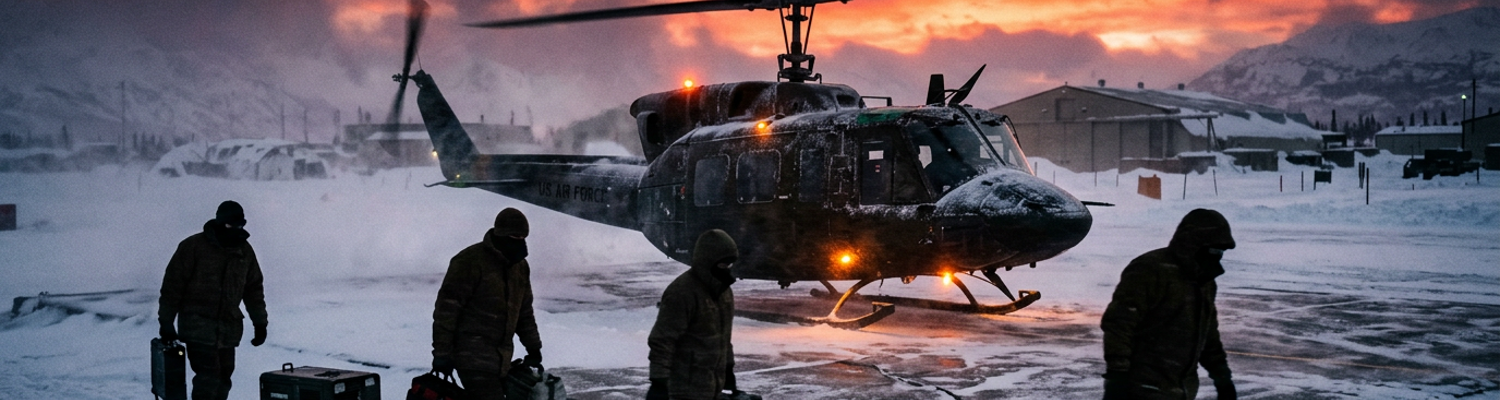
Metal shavings ground against the planetary gears inside the main transmission of a UH-1N Twin Huey flying low through subzero air over northern North Dakota. Flight engineers watched an amber chip detector caution light illuminate on the center console as transmission oil pressure dropped rapidly toward critical redline limits. Turbine exhaust fumes filled the cargo cabin after a fractured hydraulic return line sprayed fluid across the hot engine deck behind the main rotor mast. Crew members immediately grabbed a length of rubber hose, emergency sealant wrap, and stainless steel safety wire from their onboard repair kit to patch the leaking hydraulic line before the flight controls lost all hydraulic boost. Pilots lowered the collective control and guided the shuddering helicopter down onto the snow-covered concrete access apron of an isolated Minuteman launch facility.
Mechanics from the missile security response team met the grounded aircraft on the concrete apron with portable hand pumps and replacement hydraulic fluid. Freezing wind chilled the maintenance crew as they loosened the cracked fitting, spliced in fresh tubing, and tightened stainless steel clamps to restore normal system pressure. Mechanical emergencies of this kind became far more frequent because the 1998 deactivation of the 321st Missile Group at Grand Forks Air Force Base left the 91st Space Wing at Minot as North Dakota's sole Minuteman III operator. Minot personnel had to take over full operational responsibility for the northern missile fields, creating constant demands on a small fleet of aging helicopters that had to fly continuous support missions in extreme weather. Flight operations expanded rapidly across the winter months, turning routine supply runs into grueling endurance tests for both the aircraft and the ground crews who serviced them.
Aircrews took on these escalating mission demands by flying through severe winter conditions that grounded civilian air traffic across the region. The 54th Helicopter Squadron assumed an expanded operational radius to provide aerial security, logistical airlift, and technician transport across remote missile complexes in Bottineau and McHenry Counties. Snowdrifts piled six feet high across county gravel roads, blocking wheeled maintenance convoys and forcing the squadron to carry missile technicians directly into remote silos. Flight engineers secured heavy replacement electronic drawer units and hydraulic actuators inside the cabin, ensuring critical launch equipment reached isolated silos despite blocked roads. Pilots landed in blinding blowing snow next to security fences, keeping the rotor blades turning at idle speed so the turbine oil would not thicken and freeze during technician drop-offs.
Engineers on the ground positioned portable heaters and ducting near the idling engine bays whenever an aircraft had to shut down for extended repairs. Technicians frequently encountered frozen fuel control valves that would not open, forcing them to direct hot air from mobile blowers against the fuel lines until kerosene flowed freely into the combustors. Maintenance airmen carried out improvised technical fixes directly on windswept launch aprons using heat guns, rubber gaskets, and lockwire when standard supply trucks could not push through drifted roads. Crew chiefs wrapped insulated thermal blankets over transmission gearboxes, replaced brittle rubber seals with spare rings from their flight vests, and cleared frozen ice crusts from engine air intakes. Squadron pilots re-engaged the rotor system, lifted off from the launch facility apron, and set a direct flight course toward the next missile silo awaiting technical inspection in McHenry County.
Hydrological Threats Across Glacial Lake Souris
Turbine engines carried the helicopter over McHenry County, where the flat basin of ancient Glacial Lake Souris and the wetlands of the J. Clark Salyer National Wildlife Refuge created persistent high water tables and severe seasonal drainage hazards. Melted slush saturated the heavy clay soil across dozens of square miles, preventing standard wheeled maintenance trucks from driving along submerged section lines. Rapid prairie thaws repeatedly threatened subterranean infrastructure by pushing runoff against the buried Hardened Intersite Cable System and flooding launch facility blast sumps. Aircrews peering through the lower chin bubbles spotted muddy water swirling across gravel access roads and lapping against concrete launch aprons throughout the river basin. Flight engineers prepared portable submersible pumps, reinforced discharge hoses, and waterproof repair kits in the cargo cabin so technicians could clear flooded chambers before water destroyed sensitive missile electronics.
Pumps clattered against the metal cabin floor as the helicopter touched down beside an isolated launch facility where warning sensors had tripped. Technicians dropped through the cargo doors directly into knee-deep runoff and waded toward the heavy steel personnel access hatch. Underground water had already seeped past degraded perimeter seals, filling the lower blast sump basin to capacity and threatening the main power distribution racks. Technicians descended the vertical metal ladder into the damp silo equipment room and found that the primary mechanical sump pump had seized under the weight of silt-heavy water. Maintenance specialists quickly loosened the frozen pump motor with adjustable wrenches, spliced a backup electric pump into the building circuitry using spare wire nuts and insulated tape, and dropped a suction hose into the murky sump.
Impellers spun inside the replacement pump housing, driving gallons of brown runoff through the flexible discharge hose and out onto the surface gravel. Water receded from the blast sump deck, but rising pressure across the saturated lakebed continued to push moisture directly into the conduit passages of the buried Hardened Intersite Cable System. Moisture inside these sealed cable bundles threatened to corrode copper conductors and break the command signals linking underground launch control centers to the missile. Maintenance technicians pulled hot-air blowers and emergency splicing materials from their packs to dry out the soaked terminal blocks inside the cable junction box. Technicians packed pliable silicone sealant and rubber wrapping around the leaking conduit fittings, holding the materials tight with stainless steel hose clamps until the compound hardened. Air pressure gauges on the cable monitoring panel registered steady positive pressure as the airtight seal took hold, preventing groundwater from degrading the primary data lines.
Technicians packed their tools after verifying the cable pressure readings, climbing back up the steel ladder to the topside apron where cold winds whipped across the marshland. Rotor blades beat the air as the Twin Huey waited on the concrete pad, its engines running at flight idle to prevent landing skids from sticking in thawing mud. Flight engineers reached down from the open cargo doorway to grab the waterlogged toolboxes, spent sealant cartridges, and drainage equipment from the returning crew. Pilots monitored engine torque and exhaust gas temperatures as the technicians latched the cabin door and locked their safety harnesses into place. Rotor blades bit into the damp air as the helicopter lifted off the apron, banked over the flooded drainage channels of the wildlife refuge, and accelerated toward the next missile silo threatened by the spring thaw.
UH-1N Iroquois Operations in Prairie Weather Extremes
Aircrews of the 54th Helicopter Squadron flew twin-engine UH-1N Iroquois helicopters through zero-visibility blizzards and river-valley fog to execute emergency technician insertions as a sudden late-season arctic front overtook the warming basin. Heavy rime ice formed rapidly along the leading edges of the main rotor blades and clogged the external pitot tubes, causing the airspeed indicators on the instrument panel to freeze at zero knots. Flight engineers lunged forward between the armored cockpit seats to activate alternate static air sources and tap the frozen glass faces of the altimeters to free the internal mechanical needles. Moisture trapped inside the cabin environmental control lines froze into solid blocks, forcing the crew to uncouple the defroster hoses and redirect raw bleed air from the twin-pack engine through a spare length of flexible ducting. Hot bleed air hissed against the frosted glass of the pilot chin bubbles, clearing small visual openings through which the pilots could barely discern telephone poles and fence lines through the blowing snow. Turbine vibrations rattled the airframe as the pilots lowered their altitude to remain beneath the dropping cloud base, holding the cyclic stick steady against buffeting crosswinds.
Flight crews navigated featureless snowfields under low-ceiling conditions to deposit maintenance teams directly onto wind-scoured silo access aprons. Pilots lost all visible horizon lines over the uniform white landscape, forcing the copilot to stare continuously at the radar altimeter while the flight engineer leaned out the open side door to call out drift and surface elevation. Whirling ground blizzards kicked up by the rotor downwash completely blinded the cockpit during the final twenty feet of descent, turning the landing flare into a tense exercise in instrument reference. Skids crunched down onto the bare concrete perimeter of the launch facility, where high winds had swept away the drifts and exposed the frozen launch closure door. Missile technicians jumped from the cargo cabin into thirty-below-zero wind chills, hauling heavy test consoles and diagnostic cables through the prop blast toward the underground personnel access hatch.
Engineers remained aboard the shuddering helicopter with the engines idling to prevent the exposed turbine bearings from seizing in the subzero blast. Frozen moisture in the fuel lines suddenly triggered a fuel filter bypass caution light on the annunciator panel, indicating that ice slush was clogging the main fuel screens. Flight engineers grabbed a rubber mallet and heat gun from the cabin survival kit, tapping the aluminum filter bowls while directing heated air over the delivery manifolds to melt the ice before fuel flow stopped. Brittle electrical wiring harnesses along the tail rotor servo also cracked under the extreme cold and vibration, causing intermittent yaw twitching that the crew had to stabilize immediately. Crew chiefs stepped out onto the tail boom in blowing snow, wrapping cold-resistant silicone tape around the split wire loom and securing the repair with stainless steel safety wire to preserve directional control.
Pilots tested the anti-torque pedals as electrical signals to the tail rotor servo stabilized, confirming that yaw control was fully restored. Technicians emerged from the silo hatch below, signaling that emergency repairs to the underground Minuteman guidance computer were complete and the missile was back on operational alert. Crew members hauled the freezing airmen and their equipment bags back inside the cabin, sliding the heavy cargo doors shut against the driving snow. Pilots pulled pitch on the collective lever, channeling maximum turbine power to break the landing skids free from ice that had formed around the concrete pad. Rotor blades spun through the thick prairie squall as the helicopter climbed back into the low gray overcast, setting a compass heading for the next isolated launch facility.
Blast Sump Flooding and Intersite Cable Protection
Telemetry receivers in the helicopter cockpit beeped with emergency alerts from the next isolated launch facility, where rising groundwater inside unmanned launch facilities threatened to submerge blast sumps and compromise subterranean communications linkages. Pilots monitored their flight instruments through driving snow squalls as they descended toward the waterlogged perimeter of the remote missile silo. Surface runoff from the thawing Souris River basin had completely flooded the surrounding prairie drainage ditches, driving muddy meltwater past degraded outer seals directly into the underground concrete capsule. Technicians pulled on heavy rubber waders and checked their electrical diagnostic meters as the landing skids splashed down onto four inches of standing water covering the launch apron. Crew chiefs slid open the side cargo doors, allowing freezing sleet to blow across the cabin deck while airmen hauled heavy submersible pumps, wire spools, and reinforced discharge hoses out into the storm.
Technicians wrestled the heavy silo personnel hatch open against buffeting winds, revealing the dark vertical entrance shaft that dropped down into the subterranean launch tube. Freezing water poured down the steel ladder rungs in steady streams, pooling across the lowest equipment levels where the primary blast sump was rapidly filling toward the brim. Submerged intake screens on the silo floor were completely blocked with thick glacial silt washed in from saturated farm fields, paralyzing the facility mechanical drainage pumps. Water rose within inches of the shock-mounted equipment pedestals, threatening to immerse the sealed junction boxes carrying critical command signals for the missile. Maintenance specialists descended into the darkness, wading through waist-deep freezing runoff to reach the disabled sump basin and clear away jammed deck grates with pry bars and adjustable wrenches.
Airmen in mobile maintenance teams devised improvised sump pump bypass systems under sodium floodlights and magnesium flares to pump runoff away from sensitive cable junctions. Glaring yellow beams and harsh chemical light illuminated the damp subterranean darkness as specialists secured portable electric pumps to the structural steel framing above the rising water. Technicians spliced temporary power cables directly into the facility distribution bus, routing auxiliary suction lines past the jammed factory pipes and straight into the deepest point of the flooded sump. Flexible discharge hoses were clamped onto pump outlet manifolds with stainless steel bands, creating an emergency conduit route that bypassed the flooded floor drains. Gasoline generators on the topside apron sent steady electrical current down the access shaft, driving the pump impellers at maximum speed to force thousands of gallons of muddy liquid up to the surface.
Water receded from the lower blast sump deck after several hours of continuous pumping, exposing thick deposits of gray clay across the equipment mounting plates. Technicians immediately directed portable hot-air blowers over the damp electrical racks and sprayed moisture-displacing compound into the conduit fittings of the Hardened Intersite Cable System. Resistance meters attached to the subterranean communication circuits showed clean signal pathways, confirming that the copper lines linking the missile to the launch control center had suffered no water damage. Maintenance airmen reinforced the temporary bypass plumbing with stainless steel safety wire to ensure the electric pumps would continue operating automatically until permanent drainage valves could be installed. Technicians packed their tools, climbed the damp steel ladder to the surface apron, and loaded their diagnostic gear into the idling Twin Huey for immediate redeployment across the flooded missile field.
Emergency Silo Environmental Control Unit Field Repairs
Helicopters banked sharply over the flooded plains to answer a critical temperature alarm triggered by a failing environmental control unit inside a distant missile capsule. Flight engineers checked the payload manifest, ensuring they had loaded sufficient refrigerant canisters, replacement blower motors, and heavy canvas ducting to restore climate control to the overheating electronics. Pilots navigated through thick ground fog that clung to the river valley, relying entirely on their radar altimeters to avoid invisible power lines strung across the prairie. Skids slammed down onto the concrete launch apron just as the silo warning klaxon sounded, indicating that the internal temperature had breached the safety threshold for the sensitive guidance gyroscopes. Technicians leaped from the cabin with heavy tool bags, racing toward the personnel access hatch to prevent the missile targeting computer from suffering a catastrophic thermal shutdown.
Technicians scrambled down the vertical steel ladder into the equipment room, where stagnant, sweltering air immediately fogged their safety goggles. Coolant lines running along the curved concrete walls had ruptured under extreme pressure, spraying slick green fluid across the metal floor grates and starving the primary heat exchanger. Warning lights flashed across the environmental control panel, signaling that the main compressor had seized and the backup blower fans were circulating uncooled air directly into the electronics racks. Maintenance specialists quickly shut off the main power breaker to the damaged compressor, isolating the ruptured coolant loop to prevent further fluid loss. Airmen unrolled thick canvas ventilation hoses, connecting them to portable cooling units they had hauled down from the helicopter to create a temporary climate control circuit.
Portable cooling units roared to life on the equipment deck, pushing a steady stream of chilled air through the canvas ducting directly into the open access panels of the guidance computer. Technicians monitored the digital temperature gauges on the targeting racks, watching the numbers slowly drop back into the safe operational range as the improvised airflow displaced the trapped heat. Maintenance crews then turned their attention to the ruptured coolant lines, cutting away the split metal tubing with heavy pipe cutters and preparing the ends for emergency splicing. Specialists fitted brass compression unions over the severed pipes, tightening the heavy nuts with long-handled wrenches to create a pressure-tight seal without the need for welding equipment in the confined space. Fresh refrigerant hissed into the repaired cooling loop from portable charging cylinders, slowly restoring the proper operating pressure to the primary environmental control system.
Compressors engaged with a heavy mechanical thud as the technicians flipped the main power breakers back to the active position, sending chilled fluid circulating through the newly repaired heat exchanger. Frost formed along the exterior of the brass compression fittings, confirming that the emergency splice was holding the high-pressure refrigerant without leaking. Technicians removed the temporary canvas ducting and secured the access panels on the guidance computer, verifying that the internal cooling fans were drawing cold air evenly across the circuit cards. Maintenance airmen wiped the spilled coolant from the floor grates with heavy absorbent pads, packing their tools and empty refrigerant cylinders into canvas bags for the trip back to the surface. Technicians climbed the steel ladder back to the freezing topside apron, where the idling helicopter waited to carry them to the next mechanical emergency.
Logistical Strain and Sustained Strategic Deterrence
Flight crews hoisted the empty refrigerant cylinders and electrical test sets into the helicopter cabin before lifting off through freezing mist toward the next disabled launch facility. Deep snowdrifts and washouts had severed highway networks throughout Renville, Ward, and Bottineau counties, stranding heavy wheeled maintenance vehicles at base gates and leaving rural routes completely blocked. Continuous rotary-wing airlift enabled the 91st Space Wing to maintain continuous nuclear alert posture despite impassable rural roads across northern North Dakota. Huey pilots flew continuous sorties over blowing snow to rotate combat missile crews, deliver replacement guidance batteries, and drop technical troubleshooting specialists directly onto silo aprons. Flight mechanics monitored engine torquemeters and fuel transfer pumps while flying beneath low cloud decks, closely tracking gearbox oil temperatures and servicing stressed twin-pack engines through continuous twelve-hour duty shifts.
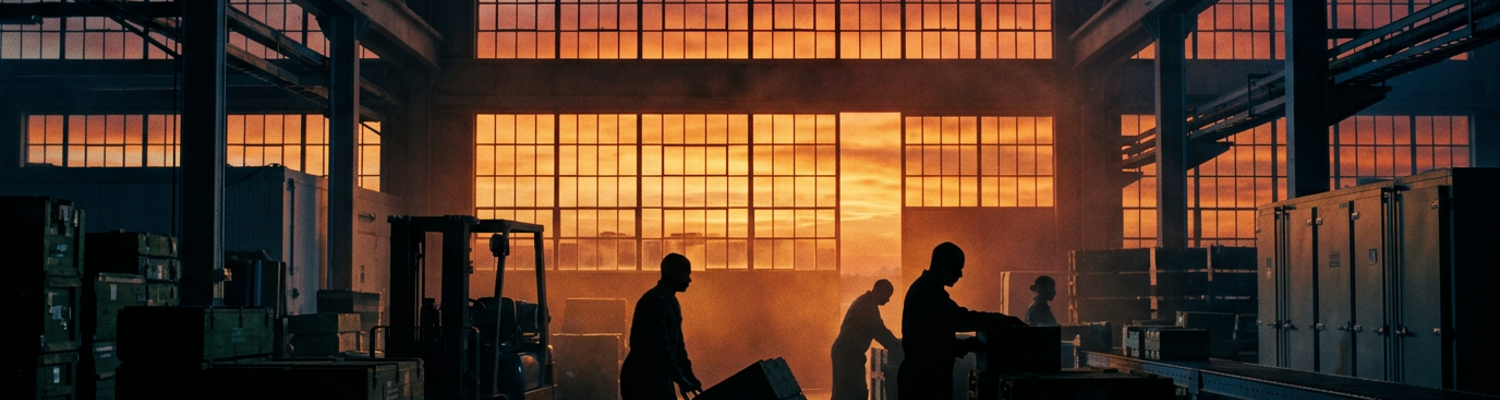
Maintenance specialists on the Minot flight line met each returning aircraft with mobile oil carts and preheated fuel hoses to turn the helicopters around within thirty minutes. Technicians inspected rotor hub seals, wiped hydraulic fluid from fuselage panels, and replaced heat-cracked turbine igniter plugs in subzero hangar drafts. Silo cooling systems and subterranean air handlers continued to fail in the field because freezing surface intake louvers blocked ventilation airflow to the underground electronics racks. Airborne maintenance teams carried spare thermal bypass switches, electric warming pads, and custom wire jumpers in canvas kit bags to restore environmental control units inside critical capsules before guidance gyroscopes overheated. Crew chiefs used heavy ducting and portable forced-air heaters to blow hot air directly down silo access tubes, driving out damp air and preventing condensed moisture from shorting out open relay cabinets while technicians swapped damaged circuit cards.
Engineers recorded each mechanical workaround on grease-stained clipboards, noting how auxiliary heaters, improvised ducting, and synthetic lubricants protected the delicate Minuteman electronics from freeze-thaw cycles. Ground crews codified these field discoveries into formal technical orders, documenting exact duct placements, cold-weather preheat sequences, and emergency electrical bridging steps. The technical workarounds developed in the Souris Basin established durable cold-weather operational doctrine for Twentieth Air Force missile support operations. Staff officers distributed these standardized procedures to sister helicopter units and maintenance groups across F.E. Warren Air Force Base in Wyoming and Malmstrom Air Force Base in Montana. Missile combat crews and maintenance squadrons integrated the new flight-insertion checklists into their severe-weather emergency action plans, ensuring that no silo remained unserviced when arctic blizzards closed overland routes across the northern plains.
Helicopter crews of the 54th Helicopter Squadron kept their rotor blades spinning on the Minot alert pad as fresh winter storms rolled south across the Canadian border. Pilots signed aircraft flight logs, verified radio frequencies with the missile wing command post, and pulled cold-weather survival gear bags into the passenger compartment. Flight engineers latched the cargo doors over newly loaded crates of hydraulic valves, pump seals, and heater blower motors destined for isolated silos in Bottineau County. Ground handlers pulled wheel chocks away from the skids and signaled clear space across the snow-covered tarmac. Twin turbine engines throttled up to full takeoff power, lifting the helicopter into blowing snow to deliver another emergency repair team to the northern missile field.