
Flight Line Operations at King Fahad Air Base
Ceramic seals inside a high-power traveling-wave tube amplifier ruptured with a sharp crack, instantly killing the primary telemetry downlink on the baking tarmac. Technicians in sweat-soaked flight suits dropped their wrench sets and lunged for the scorched sensor bay, coughing as noxious ozone and melted plastic fumes billowed into the humid desert air. Ground maintenance crews confronted extreme tarmac heat that caused traveling-wave tube amplifier burnouts and intermittent telemetry link drops throughout every preflight engine run. Radiant heat baking off the asphalt frequently exceeded one hundred thirty degrees Fahrenheit, pushing the delicate microwave electronics past their thermal safety thresholds before the aircraft could even begin its takeoff roll. Crew chiefs scrambled to position mobile air-conditioning carts alongside the fuselage, pumping chilled air through fabric hoses into the equipment racks while specialists unbolted the ruined amplifier chassis.
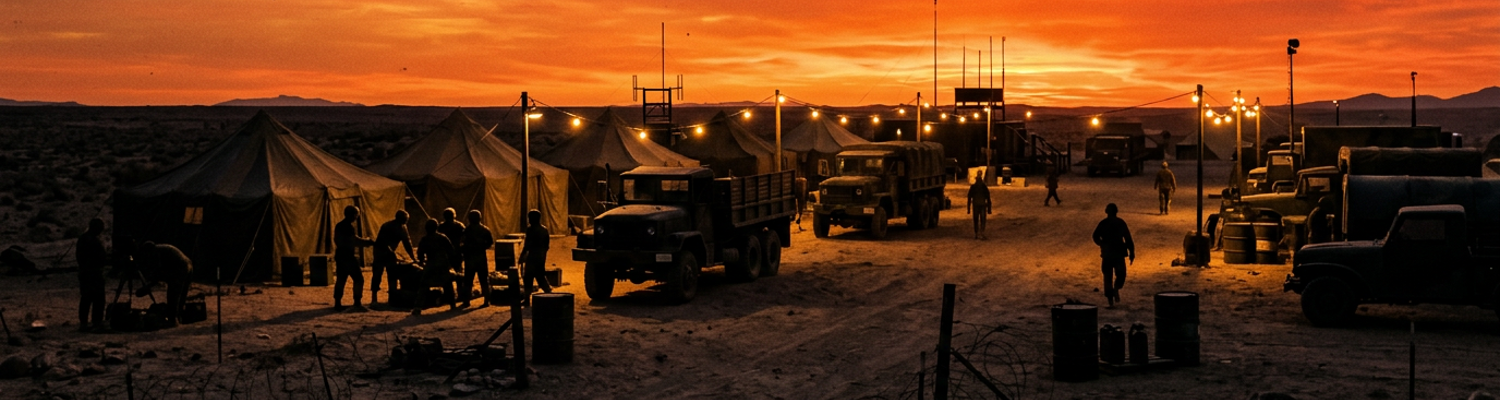
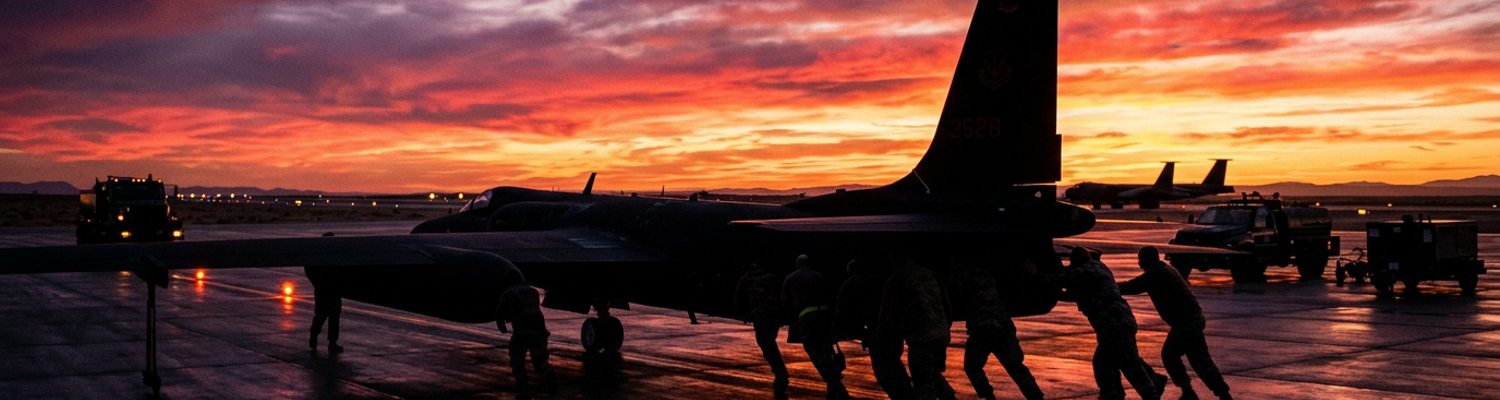
Mechanics tossed the ruined amplifier chassis into a metal scrap bin and pulled fresh crates of spare electronic parts onto the baking asphalt. Crates of spare electronic parts arrived constantly for Operating Location CH of the 1704th Reconnaissance Squadron Provisional, which had deployed TR-1A and U-2R airframes to King Fahad Air Base at Taif in late August 1990. Flight line crews labored through day and night rotations to keep these high-altitude gliders airworthy despite chronic shortages of specialized spares and punishing dust storms. Pilots squeezed into bulky full-pressure suits inside air-conditioned staging vans, preparing for grueling eight-hour patrols into thin upper-atmosphere airspace. Aircrews flew operational sorties along the Saudi border utilizing ASARS-II synthetic aperture radar and SYERS electro-optical payloads to monitor the massive buildup of Iraqi mechanized divisions.
Sensor operators configured the cameras and radar dishes to capture high-resolution radar strips and daylight photographs, cataloging enemy revetments, tank parks, and supply convoys tucked into border berms. Antennas bolted to the aircraft fuselage beamed these raw data packets across hundreds of miles of empty sand to the coalition tactical air control center in Riyadh. Glitches in the transmission chain continually severed the digital feeds, leaving staff officers stranded in informational voids just as they attempted to track potential Iraqi cross-border incursions. Staff officers pounded on terminal consoles when real-time radar tracks abruptly dissolved into static, unable to determine if the blank screens meant Iraqi forces were masking their vehicles or if a distant aircraft had suffered an electronic breakdown. Commanders paced between tactical maps pinned to the blast walls, barking orders into telephone receivers to reestablish contact with Taif while Iraqi intentions remained entirely obscured.
Couriers in Riyadh carried physical rolls of processed film and hand-annotated radar plots down long underground corridors to fill the gaps left by the unreliable electronic downlinks. Photo interpreters clamped magnifying loupes over the wet-film negatives, squinting through the grain to distinguish between decoy vehicles and genuine Soviet-built armor. Targeting officers cross-referenced these delayed photographic findings against outdated intelligence binders, discovering that several armored columns had shifted positions hours before the imagery ever reached the bunker. General officers used grease pencils to mark new defensive sectors on acetate-covered wall charts, shifting fighter patrols and ground forces based on reconnaissance snapshots that were already obsolete. Operations planners submitted urgent tasking orders to the airfield at Taif for immediate follow-up flights, forcing tired maintenance crews back onto the sweltering ramp to prep another aircraft.
Command Isolation Inside the Riyadh Bunker
Maintenance crews at Taif pushed another aircraft out of the hangar while CENTCOM planners and senior intelligence analysts operated inside the subterranean Ministry of Defense bunker complex in Riyadh. Reinforced concrete blast walls and heavy steel doors sealed these planners dozens of feet beneath the city streets, cutting them off entirely from the heat, the glare, and the deafening engine noise of the distant flight lines. Recirculated air moved through industrial filters with a steady mechanical hiss, chilling the underground rooms while rows of mainframe computer banks and cathode-ray terminals illuminated the staff in pale green light. Communications technicians sat shoulder to shoulder along perimeter consoles, wearing bulky audio headsets and repeatedly adjusting patch panels in a frantic effort to restore severed microwave data streams from western Saudi Arabia. Telephones rang constantly along the central command desks with demanding calls from high-ranking officers who wanted immediate overhead confirmation of suspected Iraqi tank movements along the Kuwaiti border.
Commanders and theater leadership experienced acute geographic detachment and strategic isolation from forward frontline conditions along the border as they answered those urgent phone calls. Scout units and forward air defense batteries patrolled shimmering salt flats hundreds of miles to the north, choking on fine desert dust in temperatures well above one hundred degrees Fahrenheit. None of that sweltering physical reality reached the climate-controlled bunker, leaving senior decision-makers to evaluate the battlefield through sterile cardboard symbols and hand-drawn grease-pencil lines. Radio operators stationed at forward command posts struggled with severe atmospheric interference, sending distorted fragments of tactical reports that took hours to decode and verify in the rear. Staff directors stared at these incomplete summaries and debated defensive troop deployments without knowing whether forward observation posts were actually under artillery fire or simply obscured by passing sandstorms.
Sandstorms and rigid strategic reporting channels created an operational information vacuum regarding the real-time maneuvers of Iraqi Republican Guard divisions. Field intelligence had to move through administrative layers of battalion, brigade, and corps headquarters before any report could be cleared for transmission to the subterranean war room. Republican Guard heavy armor units took full advantage of these multi-hour verification lags, moving T-72 tanks and tracked artillery between concealed revetments while coalition analysts studied photographs of empty sand taken earlier that morning. Intercept officers working the secure teletypes received contradictory sightings from different forward observation posts, yet strict security classifications prevented rapid cross-checking between neighboring coalition units. Analysts filed revised enemy order-of-battle estimates into thick vinyl binders, realizing that Iraqi mechanized brigades had already shifted into striking positions without triggering a single automated alarm in Riyadh.
Generals reacted to these silent enemy movements by grabbing grease pencils and stepping up to the main acetate situation board to redraw defensive boundaries around the forward airfields. Operations officers drafted urgent redeployment orders for mechanized infantry battalions, pushing ground forces toward vulnerable border gaps based entirely on guesswork and fragmentary radar tracks. Intelligence specialists gathered around the central conference table to mark alternate interception zones along the highway corridors. Couriers grabbed the freshly stamped paperwork and rushed down the concrete corridors toward the radio encryption vaults to broadcast the new orders to frontline units. Planners dialed the flight operations desk at Taif once again, demanding that the next available TR-1 airframe be fueled and launched into the night sky before the Iraqi armor could advance any further.
Bandwidth Bottlenecks and Tactical Correlator Failures
Flight dispatchers at Taif acknowledged the urgent scramble, sending another TR-1 into the dark night sky to beam real-time reconnaissance back to the capital. Headquarters intelligence sections relied on SENIOR BLADE and Army Tactical Radar Correlator vans stationed in the Riyadh compound to receive and process these incoming high-altitude transmissions. Heavy industrial power cables ran from these modified military trucks across the hot asphalt, dropping through reinforced ventilation shafts into the subterranean command spaces below. Operators crammed inside the climate-controlled van interiors flipped toggle switches and aligned directional dish antennas to catch the digital microwave pulses sent from the distant aircraft. Analysts waited by their bunker terminals for the specialized van processors to translate raw radar reflections into clear overhead maps of Iraqi border troop concentrations.
Computer screens inside the vans flickered with fragmented error codes instead of coherent images as the incoming digital stream broke apart. Severe electronic bandwidth bottlenecks caused airborne ASARS-II synthetic aperture radar downlinks to repeatedly desynchronize under heavy theater demand. Dozens of coalition units across Saudi Arabia were broadcasting priority communications over the same saturated tactical satellite channels, crowding the radio-frequency spectrum and blocking the massive data bursts required by the high-resolution radar. Sensor processors dropped crucial framing pulses during these sudden signal drops, causing rolling lines of static to replace the radar images of Iraqi tank battalions and artillery batteries. Radar operators tapped on diagnostic displays and manually adjusted receiver tracking knobs, but the digital feeds dropped out again each time theater radio traffic peaked.
Hardware limitations inside the processing shelters made these electronic signal drops almost impossible to correct in the field. Neither SENIOR BLADE nor the Tactical Radar Correlator systems had completed comprehensive operational evaluation before their urgent deployment to Saudi Arabia. Engineers had rushed the experimental vans straight from domestic development laboratories onto transport cargo planes when Iraqi tanks crossed into Kuwait in August. Maintenance technicians discovered that the unproven computer boards and early software routines lacked the processing power to handle the sustained signal volume of a full theater war. Cooling fans inside the processor racks whined loudly as circuit boards overheated under the sustained data load, forcing technicians to open access panels and aim portable utility fans directly onto the hot electronics.
Operators pulled scorched circuit cards from the processing racks to reboot the correlation mainframes, wiping out half-formed radar sweeps and clearing the system memory. Corrupted digital data packets reached the subterranean tactical air control center in fragmented, unusable chunks that showed blank desert corridors instead of fortified enemy positions. Intelligence officers stared at the broken lines on their display consoles, unable to confirm whether Republican Guard tank formations were standing down or advancing toward the border berms. Watch officers grabbed grease pencils and updated the command wall maps using unverified radio fragments and old sightings from previous days. Commanders ordered courier teams to run up the bunker stairs and fetch raw paper printouts directly from the vans in a desperate attempt to salvage any usable targeting data before dawn.
Sensor Deficits and Wet-Film Alternatives
Paper printouts dropped onto the underground briefing tables covered in jagged gaps and blank streaks where the microwave transmission had collapsed over the desert. Operations officers unrolled these damaged thermal sheets across plastic grid overlays, only to find that the synthetic aperture radar scans skipped entire sectors along the forward berms. Persistent data-link dropouts and sensor blind spots prevented commanders from acquiring reliable verification of Iraqi border entrenchments. Deep revetments, buried command dugouts, and barbed-wire trench lines built behind the sand berms vanished completely into the radar blind spots during sudden link drops. Senior targeting analysts tapped their grease pencils against empty acetate grid squares, unable to separate genuine Iraqi artillery pits from harmless terrain shadows. Watch officers piled the useless paper into metal waste bins and informed theater leadership that electronic sensors could not deliver reliable targeting intelligence for the coming air campaign.
Commanders confronted this worsening intelligence crisis inside the subterranean war room as the countdown toward the coalition offensive accelerated. Competing radio traffic from dozens of air, naval, and ground units clogged tactical relay satellites, choking off the electronic bandwidth needed to push high-resolution radar imagery to Riyadh. Theater commanders realized that acute electronic data-link saturation compelled the reintroduction of high-altitude optical wet-film missions by December 31, 1990. General officers set aside their experimental digital display terminals and reached for secure landline telephones to contact the airfield at Taif directly. Planners instructed the reconnaissance wing to pull wet-film cameras out of storage, clean off the preservative grease, and load long rolls of high-definition film into the aircraft bays. Teletype machines in the communications center rattled loudly as staff officers sent priority launch authorizations west across the Arabian Peninsula.
Technicians of the 1704th Reconnaissance Squadron Provisional tore open those incoming teletype orders inside the flight operations building at King Fahad Air Base and immediately pulled heavy camera pallets onto the flight line. Maintenance specialists wheeled hydraulic bomb lifts beneath the nose bays of the high-altitude reconnaissance aircraft to hoist the massive panoramic lenses into position. The 1704th Reconnaissance Squadron Provisional commenced high-altitude sorties equipped with the IRIS-III optical bar panoramic camera. Armorers bolted the rotating optical barrel assembly into the fuselage, securing wide spools of five-inch photographic film capable of capturing edge-to-edge horizons with extreme clarity. Ground crews connected heating blankets around the camera assemblies to prevent the gears and delicate film emulsion from freezing brittle in the sub-zero temperatures found at seventy thousand feet. Pilots climbed into pressurized flight suits, sealed their gold-tinted visors, and taxied away from the Taif hangars to photograph the Iraqi fortifications on physical film.
Film canisters dropped from the returned aircraft into waiting thermal transport bags the moment the reconnaissance planes rolled to a stop on the Taif asphalt. Mobile processing vans stationed beside the runway drew the exposed film rolls through chemical wash baths and heated drying cabinets, producing hundreds of feet of continuous black-and-white negatives. Armed couriers loaded the metal film spools onto fast liaison aircraft, flying them straight across the desert to the Riyadh headquarters before daylight. Photo interpreters in the subterranean bunker laid the dried film strips across fluorescent light tables and inspected the imagery through binocular microscopes. Lenses magnified tiny details across the Iraqi border, revealing camouflaged trench zigzag patterns, buried fuel pipelines, and wire obstacles that had completely escaped the saturated digital radars. Intelligence officers used fine-tipped drafting pens to trace precise target coordinates directly onto the photographic acetate, handing the completed strike maps to tactical air planners.
Processing Elements and Physical Film Couriers
Planners pinned these strike maps to their subterranean briefing boards, only to discover that vast stretches of the Kuwaiti border still lacked verified overhead coverage. CENTCOM deployed the 9th Reconnaissance Technical Squadron to establish the Mobile Intelligence Processing Element in Riyadh to resolve this crippling intelligence deficit before combat operations began. Squadron specialists cleared space in the headquarters motor yard and leveled rows of heavy expandable shelter vans, connecting diesel generators and high-voltage power conduits to run the facility around the clock. Airmen installed heavy-duty air scrubbers and industrial filtration systems on every intake vent to keep fine blowing desert dust from ruining the chemical developer tanks and scratch-prone film rolls. These self-contained laboratories gave theater commanders a dedicated photographic exploitation base right beside the bunker complex, but the specialized facility still depended on physical film rolls flown from hundreds of miles away at King Fahad Air Base.
Couriers at King Fahad Air Base scrambled to meet each returning TR-1 as soon as its landing gear touched the baking Taif runway. Technicians unlatched the lower camera bay doors and carefully lowered the heavy optical magazines onto padded transport dollies before the aircraft engines had even cooled. Exposed IRIS-III wet-film canisters from Taif sorties were couriered physically across the desert to Riyadh aboard dedicated liaison aircraft. Pilots flew these twin-engine transport shuttles through violent desert thermal currents and blinding sandstorms, pushing their aircraft at maximum continuous airspeed across the central plateau. Liaison aircrews treated every single flight as an emergency operational scramble because theater commanders were waiting on the photographic results before finalizing attack corridors. Flight couriers stood by the cabin doors with their harnesses unbuckled as the planes touched down at Riyadh, ready to jump onto the tarmac the second the wheels stopped rolling.
Runners hauled the aluminum film canisters straight from the runway into the Mobile Intelligence Processing Element vans, slamming the light-tight outer hatches shut behind them. Specialists working in pitch darkness unpacked the heavy five-inch film rolls and spooled the delicate emulsion into continuous automatic processor machines. Chemical developer tanks circulated warm fluid over the film stock, converting invisible latent exposures into crisp, high-contrast imagery before feeding the strips through wash baths and heated drying blowers. Technicians inspected every foot of drying negative stock for chemical streaks or mechanical tears, cutting the long rolls into manageable strips and rolling them onto spools for immediate delivery. Armed couriers loaded the freshly dried film rolls into protective transport bags and ran them through the security checkpoints, descending the concrete stairwells directly into the underground command bunker.
Officers met the couriers at the blast doors and carried the heavy film spools straight into the intelligence center, relying on light tables and physical film negatives to confirm Iraqi fortified positions prior to the offensive. Photo interpreters clamped binocular microscopes over the illuminated film frames, carefully scanning the negatives at high magnification to detect camouflaged revetments, buried fuel pipelines, and barbed-wire trench lines. These pristine physical images exposed hundreds of decoy tanks and plywood artillery pieces that Iraqi deception units had constructed along the Kuwaiti border to fool airborne electronic radar sensors. Staff analysts used fine drafting needles to measure trench dimensions and wax grease pencils to mark confirmed targets directly on clear plastic protective overlays. Targeting teams compiled these verified bunker coordinates into daily strike binders, handing the physical target packages to the air planners who routed coalition bombers for the opening night of the campaign.