
Signal Corps Combat Cameramen in the Solomons
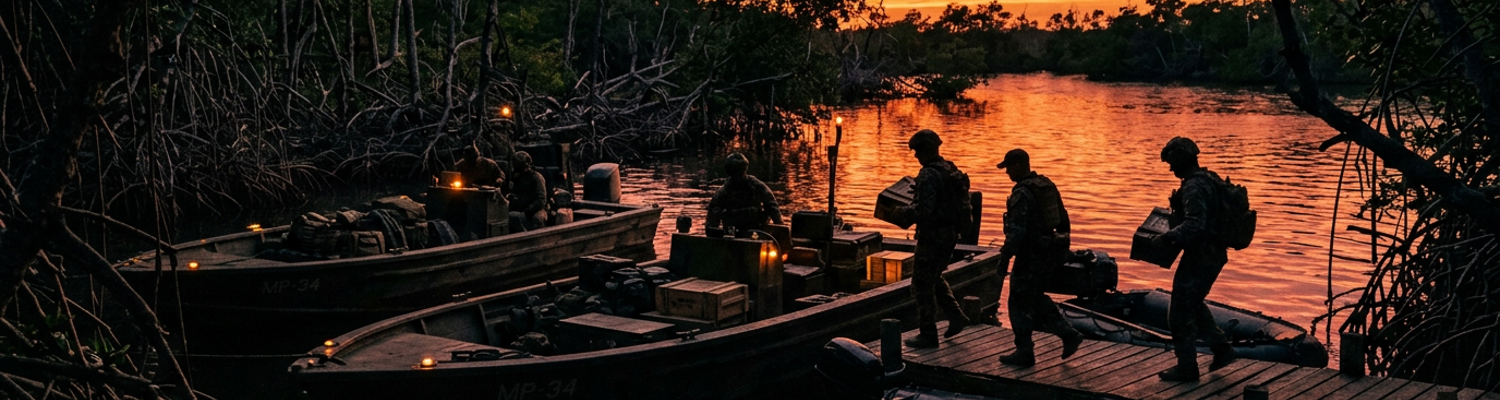
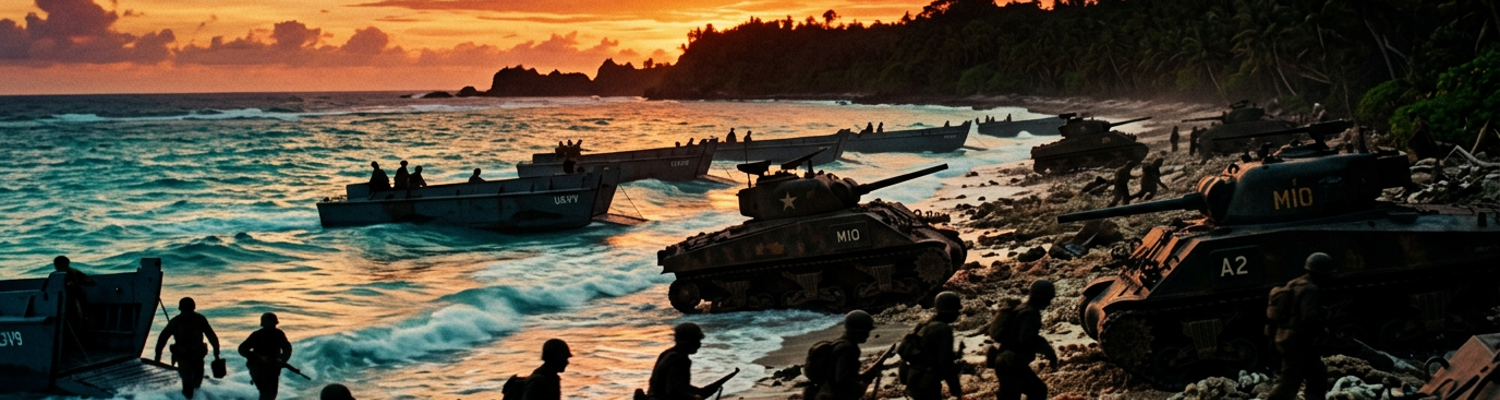
Artillery shells severed the wire lines linking forward positions to rear command posts, forcing detached visual teams to rely on their own initiative in the dense undergrowth. Army Signal Corps cameramen and civilian press photographers documented the grueling 1942 and 1943 campaigns across Guadalcanal and New Georgia without receiving direct daily instructions from theater headquarters. These camera operators accompanied infantry platoons through wet jungle swamps, hauling bulky wooden tripods, metal film magazines, and heavy press cameras into active combat zones. Photographers crouched in muddy foxholes alongside riflemen during mortar barrages, waiting for momentary pauses in enemy fire to raise their lenses and document the fighting. Every physical movement across the battlefield required cameramen to protect fragile glass lenses, mechanical focal-plane shutters, and light-sensitive film holders from sudden drops, flying coral fragments, and constant torrential rain.
Rainwater soaked through canvas carrying cases within hours of landing, causing thick mold to coat the fabric and exposing delicate optical equipment to rapid decay. Extreme tropical humidity and fungal rot rapidly degraded four-by-five Speed Graphic leather bellows and liquefied gelatin-silver film emulsions. The folded leather bellows on the standard press cameras softened, cracked along their seams, and admitted stray daylight that ruined unexposed sheet film inside the holders. Microscopic fungi fed on the organic glues binding the wooden and leather camera bodies, while the chemical gelatin layers on the film melted into sticky, blackened fluid that stuck permanently to paper envelopes. Photographers improvised field repairs by wrapping electrical friction tape around cracked camera bellows and scraping mold off glass elements with dry flannel patches cut from their undershirts. These patched cameras continued to produce critical combat images, which cameramen sealed inside emptied steel ration cans using waterproof tape before handing the containers to beach couriers.
Couriers carried the sealed ration cans onto naval landing craft, transferring the exposed film to southbound cargo transports bound for rear supply bases. Undeveloped negatives languished for weeks at shipping depots in Noumea, New Caledonia due to severe South Pacific transport bottlenecks. Crates containing raw combat film sat stacked inside hot dockside warehouses alongside ammunition boxes and engine parts, entirely bypassed by transport planners who prioritized urgent shipments of aviation fuel and replacement weapons. The high temperatures trapped beneath corrugated metal roofs accelerated the chemical breakdown of the unwashed emulsions, melting the fragile negative rolls into brittle, fused blocks. Maritime supply officers lacked specific handling guidelines for visual materials, leaving the unprocessed film exposed to heat and pilferage on the crowded docks.
Censors stationed at the Noumea naval base seized these delayed crates directly from depot workers, asserting exclusive jurisdiction over all visual records produced in the South Pacific Area. Army staff officers objected immediately, insisting that Signal Corps negatives belonged under War Department authority and required rapid transit to military intelligence bureaus in Washington. Navy inspection teams refused to release the containers, ordering photographers and couriers to surrender their field logs and personal notebooks for examination. Personnel from both services argued over custody rights on the docks while hundreds of developed and undeveloped rolls sat under armed guard. Navy officials ended the confrontation by impounding the entire backlog of Army negatives, stamping the shipping tags with secret classifications, and locking the containers inside naval supply vaults pending clearance from higher headquarters.
Breakdown of the 43rd Infantry Division at Munda
Steel vault doors closed over photographic evidence of an unraveling tactical offensive, but the human disaster generating those images deepened across the jagged coral ridgelines of New Georgia. Soldiers of the 43rd Infantry Division suffered catastrophic rates of malaria, physical exhaustion, and combat neurosis during the drive on Munda Point airfield. Infantrymen spent days hacking through tangled mangrove roots and dodging Japanese sniper fire from camouflaged coconut log bunkers, unable to sleep as nighttime mortar barrages tore through the jungle canopy. Malaria parasites multiplied rapidly in the bloodstreams of troops who lacked dry clothing or insect netting, causing riflemen to shake uncontrollably with fever and collapse along the trails before ever reaching enemy positions. Men screamed and dug into the mud with bare hands, completely paralyzed by combat neurosis after enduring weeks of constant artillery shelling and close-quarters night fighting. Depleted platoons lost all tactical cohesion under the strain, forcing desperate company officers to physically drag weeping and shivering soldiers away from the front line and back toward makeshift battalion aid stations.
Canvas aid tents overflowed with broken men just as a widespread logistical breakdown stalled medical evacuations and replenishment of frontline infantry units fighting in dense jungle terrain. Tropical downpours washed away primitive dirt trails, turning supply roads into impassable trenches of deep mud that trapped heavy tractors and stopped transport jeeps from delivering water or ammunition. Litter bearers struggled through knee-deep swamps and sharp coral outcroppings for ten hours at a time to carry a single wounded soldier to the coast, where shallow barrier reefs prevented navy landing craft from reaching the beach. Exhausted stretcher teams dropped their litters directly into the mud from physical collapse, leaving rows of bleeding, feverish soldiers lying in the rain without blood plasma, painkillers, or clean bandages. Supply officers abandoned trucks along the blocked routes, forcing hungry riflemen to scavenge rations from fallen comrades while waiting for transport aircraft whose dropped cargo crates repeatedly vanished into the thick jungle canopy. Signal Corps photographers moved directly among these dying casualties and overburdened field doctors, aiming their lenses at the physical reality of an army paralyzed by equipment failures and medical collapse.
Cameramen captured unvarnished photographs of psychiatric casualties and frontline aid station trauma that military leadership deemed damaging to home-front morale. Their black-and-white sheet film recorded clear images of vacant-eyed teenagers trembling on muddy litters, catatonic soldiers staring blankly into the jungle, and blood-covered medics operating on dying men under torn canvas tarpaulins. Field officers demanded the surrender of these exposed film holders on the spot, warning the visual teams that such graphic records contradicted daily radio communiques announcing rapid progress toward the airfield. High-ranking theater commanders recognized that photographic proof of widespread psychological collapse would provoke angry investigations in Congress and destroy public trust in military leaders across the United States. Navy and Army brass feared that pictures showing broken, weeping soldiers would disrupt factory production on the home front, reduce war bond sales, and create public resistance to the draft. Theater headquarters dispatched emergency orders relieving the division commander of duty, while military censors locked the controversial negatives away in guarded archives.
Naval Censorship under Admiral Halsey in Noumea
Guarded archives inside the headquarters building held the impounded Munda negatives as Admiral William Halsey consolidated all press control under naval officers at his joint South Pacific command in Noumea, New Caledonia. Halsey established this centralized information hub inside a converted French schoolhouse, placing naval intelligence and communications personnel in total authority over every outgoing dispatch, photograph, and radio broadcast. Army ground commanders fighting in the northern Solomons soon discovered that their field communiques and press pool submissions had to clear the desks of naval officers who prioritized fleet secrecy over infantry recognition. Naval staff officers treated all public information as an operational weapon, enforcing strict naval security guidelines on news material regardless of which military branch generated the story. Civilian correspondents who lived alongside Army riflemen on the front lines had to submit their typed drafts to naval screening boards that routinely delayed transmission by days or weeks. Navy officers sat at long wooden examination tables, wielding red grease pencils, heavy black ink pads, and sharp razor blades.
Razor blades sliced directly through paper negatives and typed field reports as naval censors aggressively redacted casualty counts, logistical failures, and dispatches regarding psychological collapse among Army infantrymen. Censors struck out every mention of the hundreds of soldiers disabled by combat neurosis and tropical fevers during the assault on Munda airfield, replacing detailed casualty lists with vague notices of minor resistance. Naval gatekeepers cut passages describing how primitive jungle trails washed out, how artillery pieces sank into mangrove swamps, and how shallow coastal reefs blocked landing craft from evacuating wounded riflemen. Navy officials believed that home-front reports of panic, mutinous breakdowns, or severe supply shortages would erode public confidence in the joint command and disrupt war production. Screeners blacked out names, dates, and geographic coordinates from photographic captions, ensuring that the public learned nothing about the paralysis that crippled frontline combat companies. Censors deposited the excised slips of paper and blackened film prints into zinc burning cans behind the headquarters building.
Zinc burning cans smoldered outside the offices while bureaucratic friction intensified between Army public relations personnel and naval gatekeepers over the suppression of official Army historical records. Army public relations officers stationed in Noumea protested that Navy blue-penciling went far beyond protecting fleet movements, actively erasing the operational record of Army ground divisions to elevate the public image of naval forces. War Department historians and Signal Corps liaisons argued that combat film, after-action casualty tallies, and aid station logs constituted vital military records required for tactical doctrine and honest military history. Naval gatekeepers dismissed these protests, insisting that joint theater authority gave Admiral Halsey total jurisdiction over all materials leaving the South Pacific, including internal Army intelligence and official Signal Corps negatives. Army colonels exchanged sharp words with naval staff captains during daily briefing sessions, accusing the Navy of concealing transport failures while burying the genuine sacrifices of ground troops. Army staff officers retaliated by quietly bypassing the Noumea censors, smuggling duplicate prints of unredacted combat photographs and classified medical reports into courier pouches bound directly for the War Department in Washington.
Contraband Film Smuggling via Air Transport Command
Courier pouches bound for the War Department required covert handling, prompting frustrated Army personnel and war correspondents to coordinate with Air Transport Command pilots who could bypass aggressive naval inspections. Photographers and reporters worked by flashlight in damp field tents near Henderson Field, sealing exposed four-by-five sheet film and raw thirty-five millimeter motion picture reels into airtight aluminum cans taped shut with adhesive canvas. Navy inspection teams monitored the harbor docks, cargo lighters, and commercial mail holds, yet they lacked the manpower to search every flight crew boarding inland transport planes. Sympathetic Army Air Forces transport couriers agreed to carry the illegal cargo, sliding the heavy canisters into their canvas navigation kits, instrument storage compartments, and personal flight jackets. Ground crews hurried these flight bags through the perimeter fences without logging the contents on standard flight manifests, slipping past naval security patrols stationed along the airstrip.
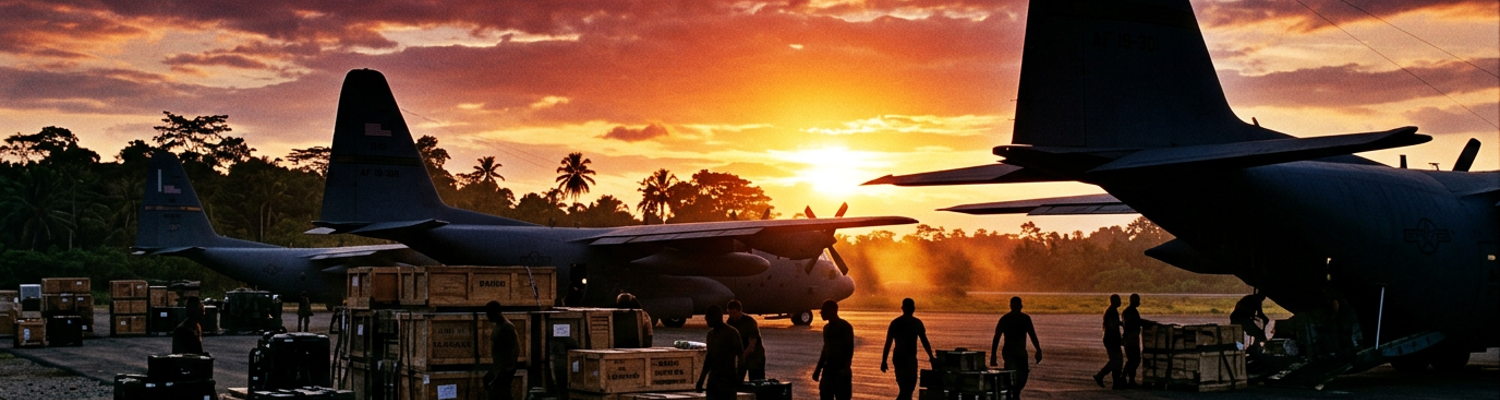
Airstrip security patrols watched Douglas C-47 transport planes roar off crushed-coral runways, carrying these clandestine shipments of raw negative reels along island-hopping routes that bypassed South Pacific Area headquarters in Noumea entirely. Flight crews hopped across staging bases on Espiritu Santo, Fiji, Canton Island, and Hawaii, refusing to surrender their personal baggage or classified courier satchels to naval base authorities during refueling stops. Pilots kept the canisters insulated against high-altitude freezing inside the cargo cabins, preventing the fragile photographic emulsion from cracking before reaching the mainland. The transport planes touched down at airfields outside San Francisco, where military couriers boarded fast transcontinental flights directly to Washington. Courier guards delivered the sealed aluminum cans directly to War Department intelligence and public relations offices inside the newly built Pentagon, handing the contraband reels straight to Army colonels who had organized the covert pipeline.
Army colonels handed the contraband reels to Pentagon darkroom technicians who broke the wax seals on the smuggled canisters, developing the raw negatives in chemical baths under red safelights to assess the battlefield reality. Freshly processed prints revealed shocking scenes that contradicted every sanitized radio bulletin issued by naval public relations officers in Noumea. Sheet film showed emaciated infantrymen of the 43rd Division collapsed along muddy trails, field surgeons operating without plasma under shredded tarpaulins, and young soldiers frozen in catatonic shock from weeks of unceasing artillery fire. Army staff officers recognized that these visual records completely disproved naval claims of rapid progress and minimal resistance in the Solomon Islands. General Staff officers assembled the unvarnished images into classified review folders.
Classified review folders moved across Washington as Army colonels delivered the uncensored visual evidence of the Solomons campaign privately to civilian leadership in the Office of War Information. Director Elmer Davis and his senior civilian deputies gathered around briefing tables to examine the unretouched photographs of military collapse and aid station trauma. Civilian information leaders had spent months clashing with naval commanders who withheld casualty numbers and scrubbed all negative news from public communiques. These smuggled prints provided civilian officials with undeniable visual proof that naval censors were concealing operational failures and medical disasters to protect their own command reputation. Davis secured the unedited Solomons photographs inside his heavy leather briefcase.
War Department Clashes and White House Policy Shifts
Leather briefcases carried by Office of War Information head Elmer Davis opened inside the Oval Office, allowing him to spread the smuggled South Pacific prints across the executive desk. Davis cited the suppressed Pacific imagery to convince President Franklin D. Roosevelt that sanitized coverage endangered public war resolve. The civilian director pointed to darkroom prints showing dead riflemen half-submerged in swamp water, bloodstained stretcher-bearers, and psychiatric casualties trembling in field aid stations. Sugarcoated bulletins and cheerful communiques, Davis explained, led factory workers and defense volunteers to believe the Pacific campaign was already won without heavy sacrifices. Civilian apathy was already rising across mainland war plants, producing higher rates of factory absenteeism and lowering civilian purchases of war bonds. Roosevelt studied the uncensored photographs with visible alarm, acknowledging that shielding the home front from the brutal human cost of battle weakened national endurance for a prolonged war.
National endurance concerns prompted General George C. Marshall to leverage the smuggled frontline imagery against Navy Secretary Frank Knox to challenge unilateral naval censorship authority during heated joint conferences in the Pentagon. Marshall slapped duplicate contact prints of the broken 43rd Infantry Division onto the conference table, proving that naval censors under Admiral Halsey had suppressed evidence of logistical breakdowns to protect theater command prestige. Knox defended the naval screening boards in Noumea, arguing that releasing photographs of dead soldiers and psychiatric trauma would hand easy propaganda victories to Japan and terrify military families. Marshall countered that naval officers had drastically overstepped their legitimate security boundaries by classifying Army combat logs, aid station reports, and historical film as secret navy property. Army leaders refused to allow naval personnel to bury infantry sacrifices while issuing one-sided communiques that praised naval aviators and bypassed ground troops. Knox found his administrative position untenable as Marshall demanded immediate War Department parity over all wartime combat film clearance.
War Department demands for parity forced President Franklin D. Roosevelt to step into this escalating cabinet dispute to settle the jurisdictional feud between his military departments and reshape national information policy. The resulting inter-service crisis forced the White House to liberalize censorship guidelines, officially authorizing the release of photographs depicting American combat casualties. Roosevelt directed the War and Navy Departments to ease their longstanding prohibition on casualty imagery, maintaining military jurisdiction over theater censorship while mandating inter-service coordination for releasing combat photographs. New operational directives instructed military screeners to approve photographs showing fallen American soldiers, provided the pictures concealed faces, military dog tags, and unit identification markings. Naval base commanders in Noumea received urgent telegraphic orders to cease redacting Army casualty reports and halt the destruction of uncensored photographic negatives. War Department clerks in Washington unlocked the secure Pentagon storage vaults, stamping official distribution approvals onto crates of previously impounded combat film for immediate delivery to nationwide newspaper syndicates and weekly picture magazines.