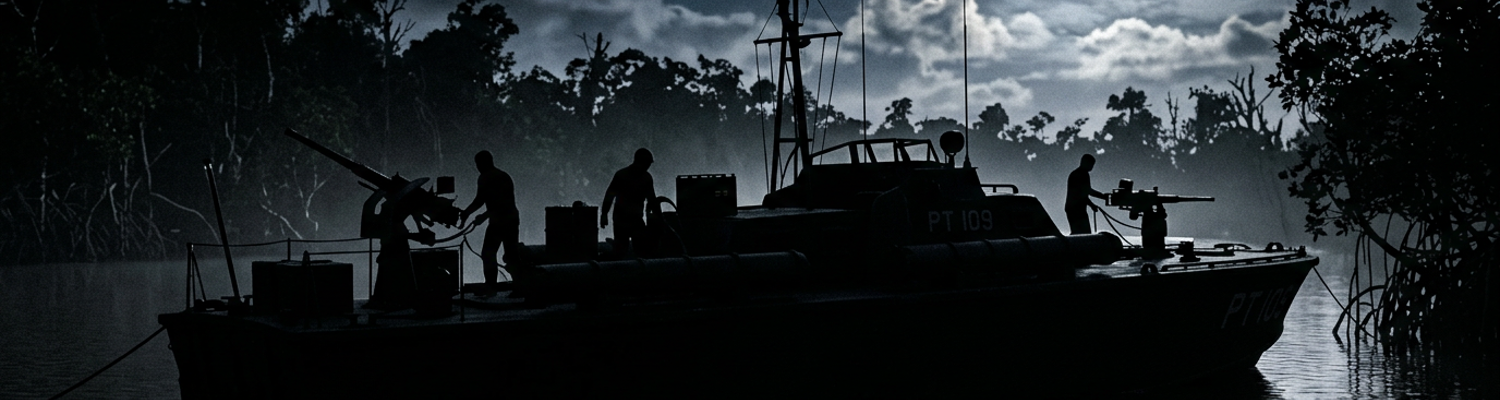

Japanese Air Superiority and Littoral Dominance
Pre-war United States Navy tactical manuals published in 1939 guaranteed surface flotillas would operate under a secure umbrella of coordinated anti-aircraft batteries and carrier-based interceptor squadrons. By the second week of January 1942, sailors assigned to the Asiatic Fleet found themselves trapped in an unprotected stretch of water. They were hunted continuously from an uncontested sky. Archival evidence shows Japanese land-based aircraft had established absolute control over the airspace above Manila Bay. The Imperial Japanese Navy 11th Air Fleet (NARA Record Group 38) operated primarily out of airfields in southern Formosa. They deployed waves of Mitsubishi G4M bombers and A6M Zero fighters across the 14.5 N 120.8 E grid. Kanoya and Takao Kokutai bomber groups flew daily sorties at twenty thousand feet. They dropped fragmentation and high-explosive ordnance with unopposed precision. American early warning systems were entirely absent following the systematic destruction of radar installations at Iba and Clark airfields on December 8.
Ground crews and deckhands developed severe auditory hallucinations.
A close review of medical logs from the naval hospital tunnels on Corregidor indicates continuous aerial bombardment accelerated physical and mental deterioration among surface crews. Men spent daylight hours huddled in shallow slit trenches. Others pressed against the steel bulkheads of moored tugs. They waited for the shriek of falling ordnance. Japanese aviators of the 11th Air Fleet flew overlapping sorties. American personnel never experienced more than two hours of uninterrupted quiet. This sustained tempo eroded basic mental functions of the sailors. Dehydration compounded the exhaustion. Water rationing took effect. Temperatures inside the steel compartments of the remaining surface vessels routinely exceeded one hundred and ten degrees Fahrenheit.
Men stopped speaking.
Admiral Thomas C. Hart ordered all surviving Asiatic Fleet surface elements to cease daylight movements. This included the minesweeper USS Quail and various auxiliary tugs. They transitioned exclusively to nocturnal littoral resupply maneuvers. Command directives aimed to utilize darkness to evade Japanese bombers. They moved ammunition and food from Mariveles to the besieged garrison on Corregidor at 14 23 N 120 34 E. Motor Torpedo Boat Squadron 3 began operating strictly between the hours of 2000 and 0400. They worked alongside a collection of commandeered inter-island steamers and shallow-draft barges. Navigators piloted their vessels within yards of the jagged Bataan coastline. They lacked the aid of running lights or illuminated compasses. Psychological burdens of these night operations proved severe. Coxswains stared into the pitch-black horizon until their vision blurred. They feared running aground on uncharted coral reefs. Colliding with floating debris was a constant threat.
A single dropped wrench on a steel deck drew immediate machine-gun fire from Japanese patrol aircraft dropping parachute flares.
Operating these vessels in low-visibility conditions pushed men and machines past their design limits. Packard 4M-2500 marine engines (serial block 44-12998) powering the PT boats required constant maintenance. Exhausted engine room crews could no longer provide this upkeep. Mechanics worked in total darkness. They relied entirely on touch to replace fouled spark plugs and repair ruptured coolant lines. Scavenging low-octane automotive fuel from abandoned dumps on the peninsula caused the engines to knock violently and overheat. Engineers trapped in cramped compartments breathed heavy exhaust fumes for hours. This led to widespread carbon monoxide poisoning. Physical symptoms of this exposure mirrored severe combat fatigue. Symptoms presented as uncontrollable hand tremors. Vomiting was common. Sailors displayed a complete inability to focus on basic mechanical tasks.
The Asiatic Fleet command structure recorded a forty percent increase in insubordination and nervous collapse by the end of February.
Quartermasters logged instances where helmsmen let go of the wheel. They collapsed onto the deck. They were unresponsive to verbal commands or physical strikes. Supply runs through the South Channel to the North Mine Dock at Corregidor took three times longer than standard peacetime estimates. Crews offloaded heavy wooden crates of .30 caliber ammunition by hand in absolute silence.
Pasig River Nightly Underway Fuel Replenishment
Archival evidence shows standard supply lines from the Cavite Navy Yard had completely collapsed under continuous aerial bombardment by late January 1942. Command staff of the 16th Naval District requisitioned a fleet of civilian craft. These included flat-bottomed wooden cascos and shallow-draft harbor tugs like the USS Fidias and Vaga. These commandeered vessels navigated the winding waters of the Pasig River nightly. They delivered three-inch anti-aircraft shells and high-octane aviation fuel to the remaining defensive batteries. The Pasig River presented a severe navigational hazard. The waterway was heavily silted and filled with the submerged wreckage of scuttled merchantmen. Draft clearances dropped to less than four feet in several sectors near the Jones Bridge. Crews loaded heavy wooden crates of 3-inch 50 caliber fixed ammunition and fifty-five-gallon drums of bunker oil by hand at the Muelle de la Industria docks. Personnel hauled eighty-pound boxes down steep stone embankments. They lacked mechanical cranes or block-and-tackle systems. They had to complete the transit downriver. They exited the breakwater at 14 35 N 120 58 E. They crossed the open bay to Corregidor before dawn.
Missing the 0430 sunrise deadline guaranteed immediate destruction by patrolling Mitsubishi F1M observation floatplanes.
A close review of operational logs indicates nightly riverine transits induced extreme psychological distress among helmsmen and deck crews. Navigating the Pasig required threading unarmored barges through shifting mudbanks and sunken steel masts. Crews lacked any visual references. The oppressive heat of the Philippine dry season trapped heavy gasoline fumes close to the water surface. This sickened the sailors manning the exposed tiller arms. Men forced to steer these shallow-draft craft began suffering from severe night terrors and chronic insomnia. Medical officers recorded cases where boatswain mates developed stress-induced blindness. Their optic nerves failed after hours of straining to pierce the absolute darkness of the river channel. The constant threat of running aground and becoming a stationary target at daylight caused crew members to grind their teeth until their molars fractured.
The human mind degraded rapidly under the continuous expectation of a fiery death.
Once clear of the river mouth, these shallow-draft lighters rendezvoused with the Asiatic Fleet surviving torpedo boats and patrol craft. They conducted underway replenishment operations under complete blackout conditions. Standard United States Navy doctrine required floodlights. Clear visual signals and standardized distance lines for ship-to-ship refueling were mandatory. The tactical situation in Manila Bay forced crews to transfer highly volatile fuel and heavy munitions between pitching vessels in total darkness. They relied entirely on touch and whispered commands to coordinate maneuvers. Deckhands threw heavy manila mooring lines across the black void between hulls. They attempted to secure the vessels together as they matched speeds at exactly eight knots. The lack of visual depth perception caused severe accidents during the approach phase.
Two sailors from Motor Torpedo Boat Squadron 3 had their legs crushed between the grinding steel gunwales of a PT boat and a refueling barge on February 14.
Transferring fuel required engineers to wrestle heavy rubber hoses across gaps between moving vessels. Mechanics unscrewed brass fuel caps blindly. They stripped the threads in their exhausted haste. High-octane aviation gas spilled onto the wooden decks. It soaked the sailors dungarees and created an extreme fire hazard. A single spark from static electricity or a dropped steel wrench would ignite the fumes. The psychological pressure of operating under these blackout conditions caused widespread nervous exhaustion among engine room personnel. Men operating manual rotary pumps shook uncontrollably. Their muscles spasmed from the tension of listening for Japanese aircraft while handling explosive liquids in the dark. The ambient noise of sloshing fuel and groaning mooring lines masked the approach of enemy patrols overhead. Crews finished transfers completely drenched in raw gasoline and saltwater. Quartermasters recorded the exact volume of transferred aviation gas using only their fingertips to read embossed numbers on sounding tapes.
Army Shore Battery Signal Revisions and Lantern Codes
Pre-war War Department field manuals published in 1940 guaranteed seamless nighttime interoperability between maritime supply flotillas and coastal defense networks. This was facilitated through the standardized Joint Army-Navy Visual Communications protocol. Asiatic Fleet sailors attempting to deliver munitions to Corregidor in early 1942 encountered a system completely degraded by command paranoia and mechanical failure. United States Army Forces in the Far East headquarters operating deep inside the Malinta Tunnel issued daily cryptographic revisions to challenge-and-reply sequences. Staff officers feared Japanese codebreakers had intercepted master signal books during the chaotic retreat from Manila. These frequent signal protocol revisions created continuous confusion between exhausted naval crews navigating supply barges and US Army shore batteries manning fortified islands of Manila Bay. Couriers failed to deliver mimeographed updated code sheets to commandeered civilian lighters operating out of the Pasig River. Boatswain mates approached fortified concrete walls of Fort Drum at 14 18 N 120 37 E flashing outdated cipher sequences.
Army gunners perceived these incorrect flashes as imminent Japanese amphibious assaults.
Archival evidence shows the physical and psychological toll of this communication breakdown severely degraded operational capacity across the 59th Coast Artillery Regiment. Coastal defense sentries stared through high-powered optical rangefinders into the black expanse of the bay for twelve-hour shifts. Sleep deprivation caused severe visual hallucinations. Privates mistook whitecaps of the tide for wakes of hostile torpedo boats. When an unrecognized naval lighter flashed an obsolete recognition code using a standard 10-inch Aldis signal projector, heavily fatigued battery commanders frequently ordered immediate targeting solutions. Naval signalmen standing on exposed wooden decks of supply barges recognized the distinct mechanical grinding of 12-inch coastal rifles rotating on their barbettes in the dark. The sound triggered acute panic attacks among boat crews. Men fumbled with heavy brass shutter switches of their own lamps. Their hands shook so violently they could not tap out emergency abort signals.
A single mistimed depression of the telegraph key transformed a friendly supply run into a target for heavily armed American coastal batteries.
To reduce visibility of high-intensity Aldis lamps, the 16th Naval District command mandated the use of commercial Dietz kerosene lanterns fitted with cobalt-blue glass shrouds. Quartermasters intended these modified civilian lanterns to emit a low-visibility directional beam visible only through binoculars at close range. Rapid cryptographic revisions complicated this makeshift system. Signalmen attempted to transmit complex alphanumeric codes by manually raising and lowering a heavy canvas sack over the hot glass chimney. Miscommunicated lantern codes inadvertently signaled exact replenishment coordinates to enemy observers positioned on the high ground of the Bataan peninsula. Physical exhaustion of crews made precise timing impossible. During a resupply operation on February 18 near the Bottomside docks, a severely fatigued naval quartermaster dropped his canvas blackout shroud while attempting to execute a newly revised authentication sequence.
The exposed lantern burned steadily for forty-five seconds against the absolute darkness of the shoreline.
Japanese forward artillery observers attached to the 14th Army stationed on Mount Samat recorded the exact azimuth of the blue light. Prolonged illumination provided Japanese surveyors with a perfect triangulation fix on grid 14 23 N 120 33 E. Within four minutes of the signal error, a battery of Japanese Type 89 150mm field guns (as of February 18) opened fire from concealed positions six miles away. High-explosive shells bracketed exact replenishment coordinates at the North Mine Dock. The initial barrage obliterated a shallow-draft wooden casco. It was fully loaded with three-inch anti-aircraft ammunition. Concussive force from secondary explosions ruptured eardrums of surviving dockworkers. It threw the naval signalman into the oil-slicked waters of the bay. Shrapnel shredded adjacent mooring pylons and ignited several floating drums of aviation fuel. Medical officers examining the rescued signalman the following morning logged a complete psychological break. The sailor sat on a cot in the hospital lateral of the Malinta Tunnel. He continuously mimicked the motion of pulling a canvas shroud over an invisible lantern.
Imperial Artillery Targeting of Exposed Supply Points
Archival evidence shows forward observation posts attached to Lieutenant General Masaharu Homma 14th Army had established an unbroken line of sight over northern approaches to Manila Bay by early March 1942. Japanese artillery spotters from the 1st Field Heavy Artillery Regiment entrenched themselves along jungle ridges of Mount Mariveles at elevation 14 30 N 120 29 E. These surveyors operated captured American M1910 azimuth instruments and Type 88 10x150 trench binoculars to monitor riverine choke points below. Asiatic Fleet crews operating shallow-draft cascos and requisitioned harbor tugs attempted to maintain absolute blackout conditions while navigating silt-choked estuaries of the Pampanga and Pasig rivers. Mechanical degradation of their signaling equipment betrayed them. Exhausted naval signalmen relied on modified Dietz kerosene lanterns fitted with brass shutters to authenticate their approach to friendly shore batteries. High ambient humidity caused unlubricated brass hinges on these shutters to corrode and bind. When a severely fatigued sailor depressed the thumb lever to tap out a Morse identification sequence, the jammed shutter frequently locked in the fully open position.
The exposed yellow flame burned visibly for miles.
A close review of medical records from the 16th Naval District details the psychological collapse of signal crews tasked with operating these faulty lamps. Men developed profound nervous tremors. Their hands shook so violently they dropped heavy lanterns onto wooden decks of supply barges. Shattered glass instantly ignited pooling kerosene. This created a highly visible beacon for Japanese spotters positioned on the high ground. Japanese artillerymen had pre-calculated firing solutions for every major river mouth and coastal inlet along the Bataan peninsula. Once an exposed light signal illuminated a riverine supply point, Japanese battery commanders transmitted coordinates via field telephone to concealed gun pits located four miles inland. The human mind broke under the absolute certainty of incoming fire. Sailors knew a jammed shutter or a dropped lantern guaranteed an immediate lethal response. Men crouched behind thin wooden bulkheads. They covered their ears and waited for the distinct mechanical shriek of incoming ordnance.
Some deckhands completely stopped speaking.
Systematic artillery barrages orchestrated by the 14th Army decimated the Asiatic Fleet remaining inventory of shallow-draft vessels throughout March. Japanese gunners utilized Type 89 150mm field guns and Type 38 75mm field pieces to saturate illuminated riverine coordinates with high-explosive point-detonating shells. Flat-bottomed wooden cascos possessed zero armor plating. They disintegrated immediately upon a direct hit. Operational logs indicate loss rates among these requisitioned supply craft exceeded sixty percent during a three-week period. During a botched resupply run near the mouth of the Orani River on March 12, a stuck signal shutter exposed a convoy of three heavily loaded lighters carrying aviation fuel and 3-inch anti-aircraft shells. Japanese 150mm shells bracketed the channel within two minutes of light exposure. Resulting concussive blasts shattered wooden hulls. They threw heavy splinters through bodies of the crew. Survivors were dumped into muddy water. Medical officers at Corregidor hospital laterals documented cases where rescued sailors suffered from uncontrollable vomiting and stress-induced amnesia.
Shrapnel shredded unarmored engine compartments.
High volume of incoming artillery fire forced surviving crews to abandon assigned resupply missions. They grounded their vessels on coastal mudflats to avoid complete destruction. Naval command attempted to replace shattered wooden cascos with requisitioned steel-hulled harbor tugs like the USS Banaag. Heavier draft of these steel vessels caused them to run aground on submerged sandbars near the Orion cutoff during low tide. This rendered them stationary targets for Japanese gunners at dawn. Crewmen trapped aboard these grounded tugs experienced acute panic attacks as the sun rose. They knew Japanese forward observers were dialing in their exact coordinates. Engineers refused to enter boiler rooms. They physically fought with commanding officers on open decks. A Japanese 75mm armor-piercing shell struck the grounded USS Banaag directly on its starboard waterline at 0615 on March 14. This detonated the forward fuel bunker.
Psychological Fatigue in Shallow-Draft Crews
Pre-war Bureau of Medicine and Surgery manuals published in 1938 guaranteed surface crews a mandatory eight-hour rest cycle after any continuous twelve-hour underway watch to prevent mental degradation. Sailors operating requisitioned shallow-draft cascos in the Pampanga River delta at 14 44 N 120 36 E encountered conditions that instantly invalidated these peacetime baselines. The manual promised systematic relief. The delta delivered uninterrupted terror. A close review of medical logs from the 16th Naval District shows personnel manning these supply barges averaged less than ninety minutes of broken sleep per forty-eight-hour period by late March 1942. Sleep deprivation became absolute. Japanese Mitsubishi F1M observation floatplanes launched from the seaplane tender Sanuki Maru dropped parachute flares continuously throughout the night. Blinding magnesium light forced crews into sustained hyper-vigilance. Physical mechanics of evasion required sailors to cut their engines. They drifted blindly into dense mangrove swamps along the coastline. They sat in total silence while aircraft circled at one thousand feet. Midnight temperatures exceeding ninety-five degrees Fahrenheit combined with heavy mosquito infestations to make rest physically impossible. Enlisted men trapped in poorly ventilated holds of wooden barges breathed in heavy diesel fumes from leaking fuel drums.
Sustained exposure to these environmental extremes triggered severe auditory hallucinations among deckhands.
Unrelenting combat fatigue accelerated the psychological breakdown of riverine crews as they operated in absolute isolation from higher command. Fleet radio silence protocols dictated supply vessels could not transmit distress signals regardless of mechanical failure or enemy contact once they departed Mariveles docks. Isolation was total. Archival evidence shows this severing of communication lines induced acute paranoia in boatswain mates steering through uncharted Orani River mud flats. Men stared into the black horizon for twenty consecutive hours. They attempted to spot submerged coral heads without the aid of searchlights or moonlight. Constant threat of immediate destruction by Japanese artillery patrols on the shoreline caused sailors resting heart rates to stay dangerously elevated for days at a time. Bodies began to fail. Medical officers stationed at Malinta Tunnel hospital laterals recorded dozens of cases where evacuated engineers presented with severe physical tremors and complete catatonia. Isolation compounded the stress of operating failing machinery. Mechanics had to repair ruptured coolant lines on their Packard 4M-2500 marine engines entirely by touch in the dark.
Engineers routinely burned the skin off their forearms while blindly groping for fractured exhaust manifolds.
The human breaking point manifested in widespread insubordination and sudden physiological collapse.
On the night of March 22, a shallow-draft wooden lighter loaded with fifty-five-gallon drums of aviation gasoline ran aground on a sandbar near the mouth of the Pasig River. The crew of six enlisted men had been operating without relief for fourteen days. They subsisted entirely on half-rations of hardtack and heavily chlorinated water. When the commanding ensign ordered deckhands to enter chest-deep water to manually push the barge off the obstruction, all discipline dissolved. Three sailors simply sat down on the wooden deck and refused to move. Operational records indicate the men were completely unresponsive to verbal commands or physical strikes. Their mental functions had eroded entirely. Immediate threat of Japanese dawn patrols no longer registered as danger. Another sailor aboard the adjacent tug USS Fidias suffered a complete psychological break during a similar grounding incident. He repeatedly struck his own head against the steel bulkhead until he fractured his skull. Quartermasters attempting to log these incidents found their hands shaking so violently they could not grip their pencils.
Medical personnel cataloged eighty-four distinct cases of stress-induced blindness among surviving helmsmen by the first week of April.
This widespread nervous exhaustion directly compromised mechanical operation of the resupply fleet. Crews assigned to manually pump bilge water from leaking wooden cascos lost basic motor coordination required to operate heavy iron rotary handles. Their muscles stopped responding. Sailors stood frozen in ankle-deep water inside the holds. They stared blankly at the rising tide while their vessels slowly sank beneath them. Command staff attempted to cycle the most severely degraded personnel back to defensive lines on Corregidor. Lack of replacement sailors forced the same exhausted men back onto barges after less than six hours of medical observation. Doctors administered heavy doses of sodium amytal to stop violent muscle spasms. The medication failed to calm their minds. Sailors woke up screaming. They were convinced they were trapped inside burning engine compartments. Gunner mates tasked with manning exposed .50 caliber machine guns on decks of tugs began firing wildly into the empty jungle canopy at the slightest sound of breaking branches.
Resulting muzzle flashes instantly exposed their exact coordinates to Japanese forward observers stationed on Mount Samat.
Tokyo War Crimes Tribunal Evidence on Signal Breakdowns
When examining the historical record from post-war proceedings, declassified Japanese personal intelligence reports detailed systematic tracking of American signal errors across the Bataan operational sector. Field diaries recovered from the Imperial Japanese Army 14th Army signal intelligence detachments showed observers stationed on high ridges of Mount Samat at 14 36 N 120 30 E maintained continuous nightly surveillance of the bay. These forward listening posts utilized captured American M1910 azimuth instruments and Type 88 trench binoculars. They documented exact frequency and duration of erratic light emissions from Asiatic Fleet supply barges. Japanese intelligence officers recorded distinct micro-variations in Morse code transmission rhythms originating from American naval lighters attempting to contact Army shore batteries. Translated logs noted the standard operational cadence of American quartermasters had completely collapsed into panicked irregular bursts of light by mid-March 1942. Military analysts correctly attributed these erratic flashes to severe nervous exhaustion and sleep deprivation among enemy signalmen.
Hands shook too violently to maintain a steady telegraph key rhythm.
Physical degradation of American sailors provided the Japanese with highly accurate targeting data. Observers logged specific instances where exhausted naval personnel dropped modified Dietz kerosene lanterns onto wooden decks of their cascos near the Mariveles cutoff. These intelligence reports cataloged precise coordinates of seventy-three separate accidental illuminations between March 15 and April 4. Japanese artillery commanders mapped exact transit routes of shallow-draft lighters by connecting these plotted points of human failure. Constant surveillance deeply affected mental stability of American crews who survived resulting artillery barrages. Sailors steering through dark waters developed acute paranoia. They knew invisible spotters were documenting their every physical mistake. Men forced to operate brass shutter levers of signal lamps began suffering from intense psychosomatic paralysis.
They stared at their own hands in the dark. They were physically unable to open the shutters.
Tribunal records presented at Tokyo confirmed Imperial forces actively exploited these specific Army-Navy communication failures to maximize American casualties. Documents submitted as Exhibit 1342 during the 1946 International Military Tribunal for the Far East revealed Lieutenant General Masaharu Homma command staff issued direct orders to capitalize on the cryptographic disconnect between the Asiatic Fleet and the United States Army Forces in the Far East. Japanese signal interception units operating out of Orani monitored botched challenge-and-reply sequences between requisitioned naval tugs and Army gunners stationed at Fort Drum. When a naval boatswain mate fumbled a newly revised cipher using a cobalt-blue signal lamp, Japanese artillery spotters intentionally held their fire.
They waited for American shore batteries to react.
Japanese forward observers watched as heavily fatigued Army sentries activated their 60-inch Sperry searchlights to illuminate suspected hostile targets. The sentries were confused by incorrect naval signals. High-intensity carbon-arc beams swept across the South Channel. They exposed unarmored naval supply barges fully loaded with fifty-five-gallon drums of aviation fuel. Japanese Type 89 150mm field guns then targeted illuminated vessels and active searchlight emplacements simultaneously. This coordinated exploitation of the inter-service communication gap caused a complete collapse of trust between American branches. Naval crews refused to transmit authentication signals as they approached Corregidor minefields. Sailors chose to pilot explosive-laden lighters completely blind through defensive nets rather than risk triggering a friendly searchlight.
The psychological pressure of this silent running broke the minds of the helmsmen.
Medical logs from Malinta Tunnel laterals recorded a sharp increase in self-inflicted injuries among surviving signal corps personnel. Naval quartermasters intentionally crushed their own fingers with steel wrenches. They did this to avoid being assigned to exterior lamp stations. Army battery commanders operating 12-inch coastal rifles at Battery Hearn developed severe combat fatigue from constant false alarms. Artillery officers stared through optical rangefinders for forty-eight consecutive hours. They tried to differentiate between a Japanese amphibious assault craft and an American tugboat flashing a corrupted lantern code. Inability to verify targets led to widespread nervous collapse among fire control teams. An Army spotter on Corregidor suffered a total mental breakdown on April 8. He accidentally directed a 3-inch anti-aircraft battery to fire upon an American medical launch that had failed to transmit the correct daily cipher. He abandoned his post and walked silently into the jungle.