
Motor Torpedo Boat Squadron 2 at Tulagi
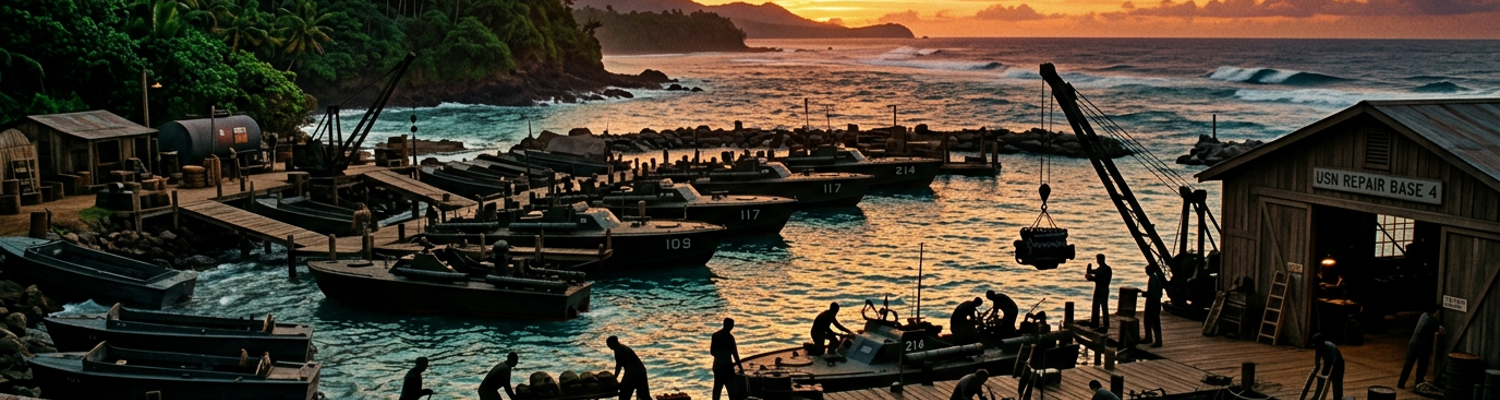
Motor Torpedo Boat Squadron 2 hauled seventy-seven-foot wooden hulls, crated Packard engines, and heavy fuel drums across thousands of miles of open ocean to establish an advanced naval outpost at Tulagi Harbor. Transport freighters lacked heavy crane booms capable of hoisting the thirty-ton craft over the side. Crews towed their patrol boats behind converted destroyers through heavy seas and hand-pumped volatile aviation gasoline from leaking steel drums. Sailors and construction workers anchored makeshift repair facilities along the muddy shoreline of Sesapi base. Men cleared thick mangrove roots and drove timber piles into the tidal flats to build crude maintenance docks. Constant tropical downpours soaked electrical ignition wiring while warm harbor shallows fostered destructive marine worms that bored into untreated mahogany planking. Intense humidity warped delicate engine gaskets inside their cardboard packing. Mechanics worked through sweltering daytime heat and sudden squalls on exposed repair barges. Machinists stripped down supercharged marine engines with hand wrenches while fighting off persistent swarms of malarial mosquitoes. Every routine engine overhaul consumed replacement carburetors, spark plugs, and copper fuel fittings that the forward depot at Sesapi could not manufacture on its own.
Cargo ships carried the vast majority of new marine engines, electrical spares, and repair machinery across the Atlantic Ocean to support Operation Torch in North Africa. High-priority Atlantic convoys delivered thousands of trucks, landing craft, and aviation repair crates to invasion forces in Morocco and Algeria. Rear logistics hubs at Noumea and Espiritu Santo received only leftover scraps. Torpedo boat officers in the Solomon Islands submitted urgent requisitions for engine valves, propeller shafts, and radar vacuum tubes. Rear supply depots repeatedly stamped those forms unfilled or canceled them outright. Supply officers at Tulagi watched general transport vessels unload crates of infantry rations and artillery shells while the specialized replacement parts for high-speed Packard engines remained stranded on West Coast piers. Maintenance crews at Sesapi responded by dragging battle-damaged hulls onto the mud and stripping drowned engines to salvage whatever working parts remained. Machinists spent their nights filing down scorched ignition points, hammering bent bronze propeller blades straight on iron anvils, and cutting replacement gaskets from scrap cardboard boxes.
Hulls stripped down to bare ribs lined the muddy shoreline of Tulagi Harbor as small-boat operational readiness rates fell below fifty percent across the Solomon Islands theater in early January 1943. Mechanics pulled cracked pistons from dead engine blocks, spliced frayed ignition cables, and wrapped split copper fuel lines in friction tape to return a handful of patrol craft to duty. Crews testing their patched boats across the harbor frequently suffered sudden carburetor fires or clogged salt-water cooling pipes. Skippers limped back to the Sesapi docks on two engines or a single sputtering screw. Commander Allen Calvert led Motor Torpedo Boat Flotilla One from his headquarters hut at Sesapi. Calvert faced nightly Japanese destroyer runs down the Slot with fewer than eight seaworthy boats out of more than a dozen assigned craft. Patrol boat skippers accepted these mechanically crippled craft without functioning radar sets or reliable exhaust mufflers. Deckhands loaded four heavy torpedoes into their greased launching tubes, lashed spare machine-gun ammunition drums onto the cockpit coamings, and primed their sputtering engines for night combat in Ironbottom Sound.
Mechanical Failures of Packard Engines and Torpedoes
Packard 4M-2500 marine engines inside each wooden hull groaned under the strain of high-speed idling, frequently breaking down before the boats cleared the harbor entrance. Engine compartment temperatures quickly climbed past one hundred and forty degrees inside the unventilated engine spaces. Heat boiled volatile fuel inside copper feed lines and generated severe vapor locks that starved carburetors of fuel. Intake and exhaust valves seized tight inside their bronze guides as intense heat warped the cylinder blocks during sudden bursts of throttle. Motor machinists dropped through narrow deck hatches into the dark, sweltering bilges with wooden mallets and pliers. Engineers tapped stuck valve stems free while toxic exhaust fumes collected beneath the deck planking. Skippers watched their three engines lose synchronization in mid-channel. Grease-stained engineers vented bubbling fuel lines and scrubbed fouled spark plugs while the boats drifted without power across the black water.
Fuel drums delivered to the Sesapi repair base introduced rust flakes and water that made these engine stoppages far worse across the squadron. Severe shortages of clean aviation gasoline forced ground crews to roll battered fifty-five-gallon steel drums across the tidal flats. Sailors strained fuel by hand through felt hats, chamois cloths, and fine copper screens. Microscopic rust particles and gummy tropical fungus still slipped through the cloth filters, clogging delicate carburetor jets and scoring fuel pump gears during high-speed runs. Vital replacement parts including factory-machined valves, bronze bushings, and ignition distributor points failed to arrive on supply ships from rear depots. Machinists turned scrap bronze rods on hand lathes to cut makeshift fittings. Mechanics filed down pitted electrical contacts by hand and wrapped cracked copper tubing in friction tape to patch boats back together for combat duty.
Mark 8 torpedoes housed inside exterior deck tubes introduced another mechanical crisis as soon as the patched boats reached open water. Tropical saltwater corrosion ate away at exposed steel linkages, freezing the manual release racks and mechanical firing mechanisms inside thick crusts of rust and dried brine. Deckhands coated release cables and firing triggers in thick layers of axle grease. Relentless ocean spray washed the protective lubricants away during choppy patrols across Ironbottom Sound. Crews closing to short range against Japanese destroyers pulled cockpit release levers only to have the mechanical tripping cables jam solid against the guide brackets. Torpedomen scrambled onto wave-washed side decks under fire to beat stubborn release racks with iron mallets or kick frozen levers loose before enemy destroyers slipped past into the darkness.
Torpedoes that finally tumbled into the sea frequently ran erratic courses or struck enemy hulls without detonating their temperamental firing pins. Skippers turning their wooden hulls away from retaliatory gunfire then suffered immediate engine failures as sudden acceleration demands pulled fuel vapors and dirt into the carburetors. Vapor-locked Packard engines sputtered out one by one under the stress of high-speed evasive maneuvering. Crippled patrol craft sat dead in the water within range of Japanese five-inch naval guns. Engineers worked frantically by hand pump in darkened bilges to restore gasoline line pressure and restart stalled engines before searchlights pinned the hulls. Commander Calvert ordered surviving boats back to the Tulagi docks before dawn. Exhausted ground crews immediately stripped drowned motors and swapped bent hardware to prepare for the next night run.
The Cape Esperance Interception on January 10
Mechanics tightened the last fuel line fittings and pushed eight patched hulls from Motor Torpedo Boat Squadron 2 away from the Tulagi docks on the evening of January 10, 1943. Skippers dispatched the small craft across Ironbottom Sound to intercept an incoming eight-destroyer Tokyo Express run. Coastwatchers hidden on Bougainville had spotted the fast Japanese warship formation heading southeast down the Slot. Spotters warned naval commanders that the destroyers carried hundreds of supply drums to feed imperial troops on Guadalcanal. Skippers divided their eighty-foot wooden craft into scouting pairs, crawling along the darkened coastline between Savo Island and Cape Esperance at idling speed. Low throttle prevented their noisy exhaust pipes from giving away their patrol positions. Salt spray washed over the low deck coamings as sailors primed their temperamental Mark 8 torpedo release gear, checked their twin fifty-caliber machine guns, and wiped ocean brine from their weapons. Lookouts peering through night binoculars caught the pale wakes and low silhouettes of the Japanese destroyer column entering the channel shortly before midnight. Skippers jammed their throttles forward, revving their Packard engines to full combat power and steering their thin mahogany hulls directly into the path of the oncoming warships.
PT-43 spearheaded the attack column, accelerating through the darkness to close within four hundred yards of the Japanese destroyer Tokitsukaze before firing its deck-mounted torpedoes. Launching charges flashed across the water as the torpedoes tumbled from their racks, lighting up the low wooden hull and exposing the boat to destroyer bridge lookouts. Tokitsukaze responded with rapid salvos from its deck guns and automatic weapons. Heavy shell fire crashed through the unarmored mahogany sides of the torpedo boat. Splinters from high-explosive impacts tore through the forward compartment, killing the bow machine gunner and severely wounding both motor machinists. Seawater flooded into the shattered engine spaces. Lieutenant Charles E. Tilden realized his crippled boat was losing buoyancy under the continuous barrage, prompting him to swing the helm hard toward the nearby Guadalcanal shoreline. Crewmen braced themselves as PT-43 struck the sandy shallows at high speed. Tilden intentionally beached the burning, heavily damaged vessel on the Japanese-held coast so the surviving sailors could scramble over the side into the surf rather than drown in deep water.
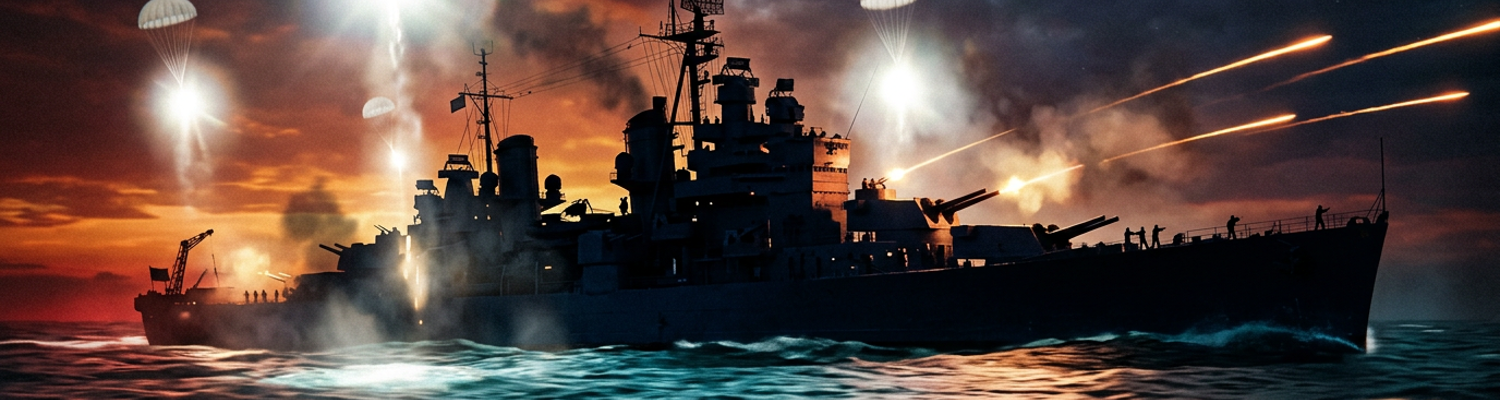
PT-112 charged directly toward the destroyer Hatsukaze to draw enemy fire away from the beached PT-43. The boat closed within point-blank range off Cape Esperance to fire its own spread of torpedoes. One American torpedo struck Hatsukaze square in the bow, tearing open its forward compartments and slowing the warship. Tokitsukaze immediately swept the bay with its searchlights and pinned PT-112 in a brilliant beam of white light. Japanese gunners trained their twin-mount 127mm main guns on the illuminated patrol boat, delivering accurate five-inch explosive shells from a distance of only a few hundred yards. Two 127mm shells tore through the forward engine room bulkhead below the waterline. The impacts smashed the Packard engine blocks into twisted scrap and severed the main aviation gasoline feed lines. High-octane fuel poured into the bilges and ignited in a massive fireball. Secondary explosions among the stored ammunition shattered the hull planking and blew the cabin structure apart. Fire consumed the boat from stem to stern within seconds. The blackened wreckage exploded, rolled over, and sank into the depths of Ironbottom Sound.
Sailors from PT-112 swam through burning oil slicks in the dark water off the cape. Men clung to life jackets and floating wooden debris while the Japanese destroyers turned north to break contact. Patrol craft PT-39 and PT-46 dashed through falling shrapnel and lingering smoke to haul eleven oil-coated men out of the sea before daylight exposed them to enemy coastal artillery. Across the channel, the abandoned hull of PT-43 sat firmly wedged in the sand bars of Guadalcanal. Japanese troops began gathering along the treeline to salvage its weapons and electrical gear. Commander Calvert requested naval gunfire support later that morning, directing an Allied warship to shell the beached wreck of PT-43 to pieces. Shells destroyed the classified radio equipment and machine guns before they fell into enemy hands. Motor Torpedo Boat Squadron 2 counted two boats destroyed and several others crippled by engine casualties and shell splinters. Tulagi base retained only a fraction of its patrol force operational to face the next Tokyo Express run down the Slot.
Tactical Communication Breakdown with Guadalcanal Radar Stations
Skippers steered these surviving patrol boats out into the pitch-black waters of Savo Sound without a single onboard radar screen to track incoming Japanese destroyers. Early seventy-seven-foot Elco craft carried neither search radar nor electronic target display scopes in their cramped cockpits. Deck officers searched the darkness using handheld night binoculars and naked eyesight. Lookouts peered into heavy sea spray and low tropical overcast, unable to distinguish low-profile warship hulls against the black backdrop of volcanic islands until enemy searchlights suddenly flashed across the water. Fast destroyer runs down the Slot demanded instant target detection at long range, yet the thin wooden vessels had to navigate and fight completely blind across the sound. Squadrons relied entirely on shore-based radar stations positioned along the northern beaches and ridge tops of Guadalcanal to spot enemy convoys and broadcast tactical vectors over the water.
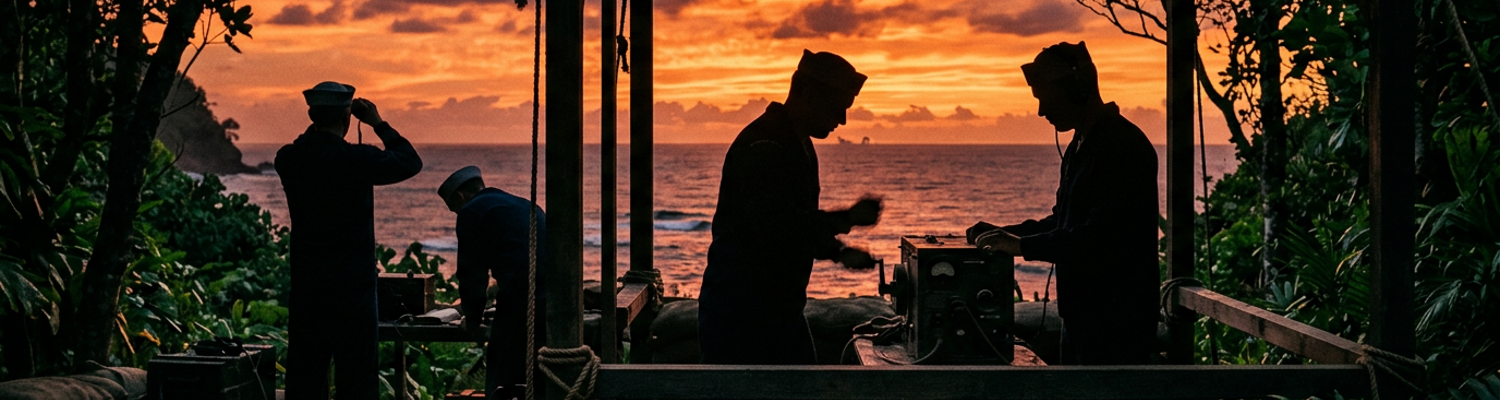
Signalmen stationed at these shore radar posts struggled to transmit clear enemy coordinates because violent tropical atmospheric interference continuously jammed their high-frequency voice circuits. Crashing thunderstorms, intense equatorial heat, and humid air masses over the Solomon Islands filled radio headsets with deafening bursts of static that drowned out spoken target bearings. Moisture penetrated the unsealed radio housings aboard the patrol boats, causing transmitter tubes to short out and corroding fragile copper wire terminals inside the damp radio compartments. Severe shortages of dry batteries across the forward base aggravated these electrical failures. Crews relied on weak power cells that deteriorated within days under tropical heat and humidity. Sailors unpacked replacement battery crates from rear supply ships only to find the cardboard casings swollen, damp, and drained of voltage before they even reached a boat radio rack. Transmitters powered by these dying batteries could barely push a faint, garbled carrier wave across the few miles separating the patrol sectors from the Guadalcanal shoreline.
Radio miscommunication between the coastal radar posts and the wooden patrol boats created critical firing delays during every tactical interception. Spotting stations ashore tracked Japanese destroyer columns moving past Savo Island at thirty knots. Garbled voice reports took ten to fifteen minutes to reach the cockpits of the waiting boats. Skippers spent precious minutes repeating compass headings and enemy ship counts through heavy radio static while the targets rapidly changed positions across the channel. Torpedo crews stood poised beside their manual release levers, waiting for verified target bearings while the actual warships steamed past their launch cones in the dark. Patrol craft frequently arrived at designated ambush positions long after the enemy destroyers had dumped their supply drums and reversed course back toward Bougainville. Skippers who finally gained visual contact found themselves forced into hasty, uncoordinated torpedo launches from bad angles or point-blank range. Wooden hulls absorbed concentrated return fire before the boats could disengage.
Commander Calvert gathered damage reports and radio logs at the Sesapi base the following morning, compiling detailed records of how communication failures had crippled each attack run. Patrol officers reported that destroyers had repeatedly slipped through their intercept zones because voice circuits failed at the exact moment torpedo firing solutions were needed. Technicians tested recovered radio sets on the repair dock and confirmed that salt moisture had rotted the internal wiring and drained the squadron's remaining dry-battery cells. Calvert drafted urgent dispatch cables to naval commanders at Noumea and Pearl Harbor. The commander requested factory-installed radar sets, sealed radio housings, and high-capacity generator systems for every wooden craft in the Solomons. Mechanics stripped copper wiring from wrecked transport planes at Henderson Field to patch the boats' remaining radios by hand. Ground crews raced to restore voice contact before the next destroyer run entered the channel.
Pacific Readiness Cables in Washington War Diaries
Radio operators tapped out damage assessments through the patched circuits, routing urgent combat readiness and attrition cables toward Washington between January 8 and January 10, 1943. Naval commanders in Noumea and Pearl Harbor endorsed the dispatches, forwarding warnings that small-boat flotillas across the Solomon Islands faced complete operational shutdown without immediate shipments of basic replacement parts. Teletype machines inside the Navy Department logged Calvert's grim tallies of sunken hulls, drowned engines, and failing radios alongside parallel complaints from carrier and destroyer squadrons. Admiral Ernest King and his operational staff reviewed the incoming messages. The cables detailed how severe supply diversions to the European and Mediterranean theaters had reduced South Pacific naval forces to scavenging scrap metal from ruined aircraft. These classified casualty figures and logistical warnings landed on the desks of senior war planners as President Franklin D. Roosevelt prepared for crucial allied strategy conferences overseas.
Henry Morgenthau Jr. gathered these classified naval cables inside his executive office, preserving the internal fleet complaints within Volume 602 of his secret war diaries. The Treasury Secretary maintained daily records of inter-service disputes over industrial production and shipping quotas. Morgenthau tracked how military branches competed for raw materials and cargo tonnage. Navy liaison officers funneled copies of South Pacific dispatches to Morgenthau so civilian leaders could see how material diversions toward Operation Torch were depriving forward bases. Morgenthau read detailed accounts of mechanics splicing telephone wire, cannibalizing torpedo valves, and grounding patrol craft due to contaminated fuel and missing ignition coils. His leather-bound diary volume captured the urgent warnings of naval administrators. Frontline sailors were trying to defend Guadalcanal with broken machines while European operations absorbed the nation's industrial output.
Documents circulating through the Joint Chiefs of Staff exposed the acute equipment shortages hampering frontline operations in the South Pacific. Bureau of Ships inspectors admitted that production lines on the mainland were delivering modern search radars, Packard engine assemblies, and torpedo exploders to Atlantic ports while Pacific depots received almost no factory replacements. Marine divisions on Guadalcanal and small-boat crews at Tulagi had exhausted their basic stocks of dry-cell batteries, spare copper tubing, and clean aviation fuel. Commanders lacked the supplies to sustain offensive patrols against incoming warship runs. Naval logistics chiefs presented charts showing that merchant ships originally assigned to the Solomon Islands had been redirected to Casablanca and Oran to support ground armies in North Africa. This bureaucratic exposure proved that the tactical losses off Cape Esperance were not caused by combat errors, but by the direct failure of a strained supply line spanning seven thousand miles of ocean.
Admiral Ernest King packed these alarming readiness cables into his briefing folders, preparing to confront British military chiefs over the global distribution of Allied war materiel. The naval commander argued that depriving Pacific outposts risked losing hard-won anchorages in the Solomons back to the Japanese fleet. Joint planners drafted formal demands for guaranteed cargo ship allocations and dedicated engine production lines to reinforce naval bases at Tulagi and Espiritu Santo. Couriers carried duplicate summaries of the Pacific dispatches directly to President Roosevelt aboard the presidential train as he departed Washington for French Morocco. King boarded his transport aircraft with Morgenthau's diary records and fleet cables firmly in hand. The admiral intended to secure factory shipments before the next wave of Japanese destroyers entered Ironbottom Sound.
Admiral King and Casablanca Logistics Debates
Admiral Ernest J. King unpacked his leather briefing binders inside the Anfa Hotel conference rooms in Casablanca, laying Calvert's grim readiness tallies directly before the British Chiefs of Staff. King utilized the alarming Pacific readiness data as tactical leverage. The admiral showed his Allied counterparts that half of the patrol boats defending Guadalcanal had broken down from mechanical wear rather than enemy action. Cable sheets listed seized Packard engine valves, corroded torpedo release gears, and failing radio batteries alongside the tactical losses of PT-112 and PT-43 off Cape Esperance. King pressed these maintenance figures into the discussions to prove that local naval forces were collapsing because factories had routed essential parts and clean fuel to Atlantic ports. British military chiefs examined the logs with visible skepticism. The British delegation remained reluctant to redirect critical manufacturing lines and merchant tonnage away from their own planned Mediterranean operations.
Field Marshal Sir Alan Brooke triggered a heated strategic debate across the conference table by demanding strict Allied prioritization of the European theater under the established Germany First doctrine. Brooke argued that the Pacific was meant to remain a secondary holding theater where American forces conducted purely defensive operations with minimal supply overhead. King rejected this defensive concept immediately, warning the combined chiefs that a passive stance in the Solomon Islands would invite a catastrophic Japanese counterstroke. American sailors and Marines could not simply hold static positions while tropical humidity rotted their equipment and enemy destroyers brought fresh reinforcements down the Slot each night. King insisted that maintaining an active perimeter required continuous naval patrols, rapid mechanical overhauls, and enough logistical support to keep frontline weapons working. British delegates resisted this operational view, warning that expanding Pacific requirements would pull transport ships away from the planned invasion of Sicily.
King delivered formal demands to the combined committee for an increased minimum allocation of combat shipping and replacement materiel for Pacific theaters. Naval planners accompanying King presented detailed requirements showing that Pacific commanders needed at least twenty-five to thirty percent of total Allied war resources to prevent their forward island bases from collapsing. This proposed quota called for dedicated cargo freighters, assault transports, crated replacement engines, and dry-cell radio batteries protected from Atlantic diversions. King explained that transport turnaround times across seven thousand miles of ocean required a continuous schedule of merchant freighters rather than sporadic shipments squeezed between European operations. British planners objected that granting dedicated Pacific shipping would delay ground buildup in North Africa and tie down scarce merchant tonnage in distant Pacific anchorages. Sharp arguments continued inside the committee rooms for several days. American naval officers refused to endorse Mediterranean campaign schedules without firm materiel guarantees for their South Pacific outposts.
General George C. Marshall stepped into the deadlocked meetings to broker an operational compromise. Marshall backed King by declaring that American public opinion and basic frontline security required steady offensive pressure against Japan. British and American chiefs finally drafted a compromise resolution that permitted Pacific commanders to retain the tactical initiative and advance against major Japanese bases such as Rabaul. This conference decision forced Allied logistics boards to allocate cargo space for crated Packard marine engines, modern radar sets, and waterproof electrical equipment bound for the Solomon Islands. King transmitted immediate execution orders from French Morocco to naval logistics depots on the American west coast. The admiral directed supply officers to prioritize South Pacific small-boat squadrons. Longshoremen at San Francisco docks began loading merchant freighters with heavy crane booms, crated engine assemblies, and fresh batteries to rebuild the operational strength of Motor Torpedo Boat Squadron 2 at Tulagi Harbor.
Allied Materiel Reallocation After the Casablanca Conference
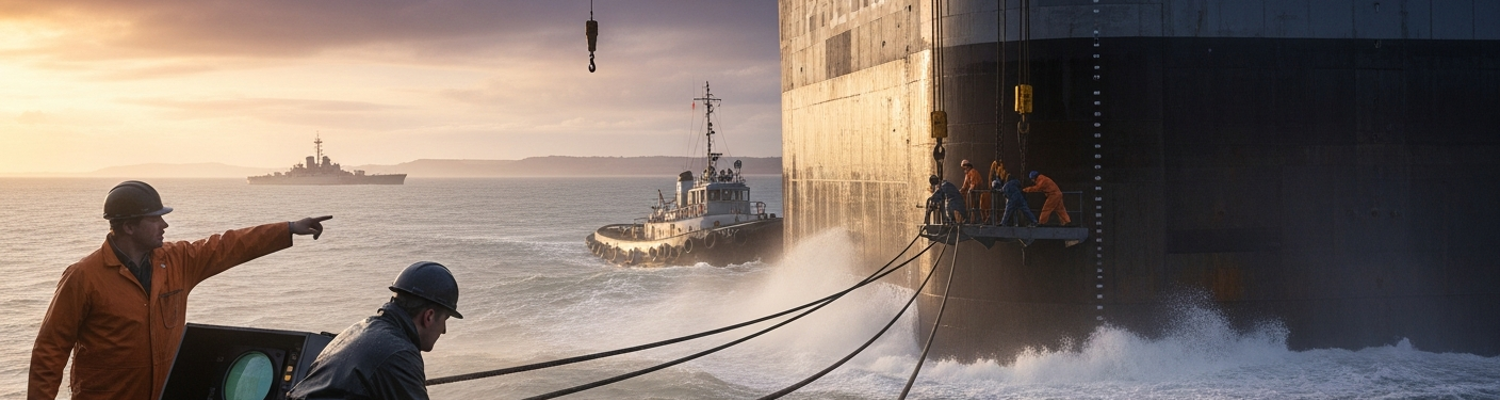
Steel cargo booms swung crated Packard engines and watertight battery boxes deep into the cargo holds of outbound Liberty ships. These shipments turned the compromise agreements forged at the Casablanca Conference into physical reality across the Pacific theater. Allied leaders had settled their bitter strategy dispute by officially approving sustained offensive operations against Japanese forces in the Solomon Islands rather than freezing the area into a passive holding sector. Naval commanders gained formal authorization to push beyond Guadalcanal toward New Georgia and Rabaul with dedicated assault forces and regular supply convoys. Crated small-boat parts, clean high-octane gasoline, and heavy workshop tools that were previously destined for North African ports received priority routing for the South Pacific. Stevedores worked continuous shifts through the winter damp to lash heavy deck cargo and clear the ships for immediate departure across the equator.
Transports clearing the Golden Gate sailed under a formal reassessment of Allied global merchant shipping pools designed to secure Pacific naval supply lines. American and British planners recognized that crossing seven thousand miles of open ocean required dedicated blocks of cargo tonnage rather than sporadic freighters squeezed between European operations. Shipping quotas protected hundreds of thousands of tons of cargo space exclusively for South Pacific depots at Espiritu Santo and Noumea. Convoys delivered steady streams of sealed steel drums containing uncontaminated aviation fuel. Clean fuel prevented the carburetor clogging and valve seizure that had crippled boats during earlier night actions. Warehouse crews at intermediate staging bases stacked crates of factory-fresh Mark 8 torpedo exploders, copper fuel lines, and high-capacity dry-cell radio batteries directly onto forward-bound lighters. Merchant hulls kept regular transit schedules, creating an uninterrupted chain of ocean transport that reached directly into the forward combat zone.
Sesapi repair docks absorbed this continuous flow of material as standardized logistics pipelines reached Tulagi later in 1943. Specialized tender ships anchored in Tulagi Harbor alongside floating drydocks. These support vessels gave machinist mates enclosed machine shops with precision lathes, drill presses, and crane hoists. Mechanics unboxed complete Packard 4M-2500 engine assemblies straight from factory packaging. Crews swapped worn powerplants out of wooden hulls in a single afternoon instead of scraping together parts from dead motors. Fuel lighters pumped filtered, water-free aviation gasoline through clean rubber hoses into boat tanks, ending the vapor locks that had choked engines during the January battles. Storage sheds held waterproof electrical harnesses, sealed ignition distributors, and pre-packaged carburetor rebuild kits that resisted tropical mold and corrosive salt humidity. Ground crews returned damaged hulls to frontline patrol status in hours rather than weeks, keeping the squadron operational readiness rate well above ninety percent.
PT boats equipped with factory-installed search radar arrived at the Sesapi docks to reinforce these frontline patrols later in 1943. Mounted radomes on the cockpit masts fed glowing green plan-position indicator scopes directly in front of the helmsman. The radar swept the surrounding sea out to several miles in total darkness. Radar operators tracked Japanese destroyers and steel barges moving through blinding tropical rain squalls. Technicians relayed precise bearing and range coordinates without depending on vulnerable shore-based voice circuits. Skippers coordinated surface torpedo attacks and heavy automatic cannon fire against enemy supply convoys while maneuvering at full combat speed in pitch-black waters. Crews engaged incoming targets at long range, turned sharply to avoid return gunfire with engines running at peak performance, and guided their wooden hulls safely back to Tulagi after sweeping Ironbottom Sound.