
Warships and the Destruction of the ABDA Combined Striking Force
Paper manuals issued by Allied naval academies promised that coordinated gun lines and synchronized air support would defend island choke points across the Pacific. The physical reality in the Java Sea ended in the total destruction of the Combined Striking Force as warships burned and sank due to a collapsed logistical supply chain. High combat losses and rapid Japanese amphibious advances prompted the formal termination of General Sir Archibald Wavell and his ABDACOM headquarters on February 25, 1942. Wavell transferred defense responsibilities to local Dutch authorities and evacuated his staff to India, severing unified intelligence gathering and central supply distribution networks. Dutch Vice Admiral Conrad Helfrich inherited operational command over the remaining Allied surface vessels without possessing a shared tactical codebook to link American, British, Australian, and Dutch ships together under combat conditions. Helfrich ordered Dutch Rear Admiral Karel Doorman to take every available combat warship to sea to intercept the Japanese Eastern Invasion Force off the northern coast of Java.
Doorman deployed his five cruisers and nine destroyers into a single column on the afternoon of February 27, 1942, searching for the enemy convoy without any aerial reconnaissance support. Japanese floatplanes tracked the Allied line from high altitude, transmitting precise bearing data to two heavy cruisers and two destroyer squadrons protecting the transport fleet. Japanese gunners opened fire at extreme range, followed by salvos of long-range Type 93 oxygen torpedoes that traveled silently through the water toward the Allied line. Intense gunfire and a torpedo explosion shattered the British destroyer Electra and Dutch destroyer Kortenaer early in the engagement, while communication breakdowns prevented Allied ship captains from executing coordinated counterattacks. Japanese torpedoes struck both Dutch light cruisers shortly before midnight, causing the sinking of HNLMS De Ruyter and HNLMS Java and resulting in the death of Dutch Rear Admiral Karel Doorman. Captain Albert Hector Rooks of USS Houston and Captain Hector Waller of HMAS Perth broke off combat and led their surviving cruisers westward toward Tanjong Priok to search for fuel and ammunition.
Houston and Perth entered the harbor of Tanjong Priok on the morning of February 28, 1942, finding port facilities entirely stripped of eight-inch shells and adequate fuel oil. Dutch naval authorities ordered both depleted cruisers to steam southwest through Sunda Strait toward the southern port of Tjilatjap, reporting that the narrow waterway between Java and Sumatra was completely clear of enemy vessels. Lookouts aboard Perth spotted Japanese patrol craft near Banten Bay shortly after eleven o clock that night, revealing that the two cruisers had run directly into the Japanese Western Invasion Force. Japanese destroyers and cruisers quickly encircled the Allied ships, illuminating them with searchlights and firing massed salvos of torpedoes into the crowded bay. Concentrated torpedo strikes and point-blank gunfire tore through the unarmored hulls of both vessels during a chaotic night action in Sunda Strait. Shells killed Captain Rooks on the bridge of Houston, while four torpedoes flooded the boiler rooms of Perth, causing both warships to capsize and sink before dawn.
Sailors from the sunken cruisers swam through thick bunker oil toward the beaches of Java, where Japanese landing parties captured them within hours of reaching the sand. Japanese naval forces intercepted the remaining Allied vessels the following morning, sinking the British heavy cruiser HMS Exeter and two escorting destroyers as they attempted to flee westward toward Ceylon. Destruction of these final combat units eliminated all Allied surface power across the Netherlands East Indies, leaving invasion transports free to disembark imperial ground troops along the Javanese coastline without naval opposition. Japanese ground divisions marched into the naval bases at Surabaya and Batavia within seven days, seizing port facilities, drydocks, and ammunition bunkers. Allied land garrisons exhausted their remaining ammunition supplies in brief holding actions before signing an unconditional surrender on March 8, 1942.
Logbooks and Operational Blindness Across the Theater
Clerks burned secret operational folders inside those surrender compounds, exposing paper trails that recorded weeks of fatal organizational failure across the theater. Joint Intelligence Committee daily logs compiled throughout February 1942 had methodically documented the incremental collapse of Allied air and naval warning networks throughout the Netherlands East Indies. Staff officers reading those daily summaries in London, Washington, and Batavia watched telegraph stations, radio direction-finding antennas, and visual lookout posts blink out across the archipelago map. Dutch signal corpsmen and colonial observers sent frantic telegraph alerts before Japanese bombing raids severed undersea cables, blew apart radio towers, or overran isolated island transmitters. Technicians tried to splice broken telephone wires and rig battery-powered radio transmitters under constant artillery fire, but replacement vacuum tubes and generator fuel ran out within days. Every new JIC log entry recorded expanding communication dead zones across the outer island barrier, leaving command centers staring at blank plotting boards where dynamic tracking pins had once marked approaching enemy forces.
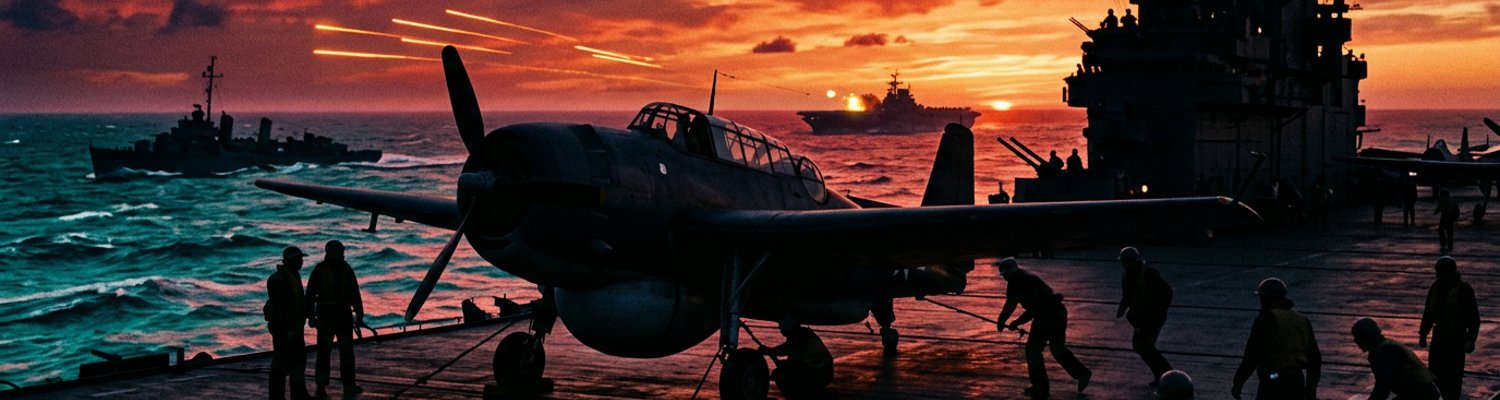
Fighters and bombers of the Imperial Japanese Navy moved directly into forward airstrips across southern Sumatra and Bali to exploit those blank sectors of the map. Ground crews at the Palembang airfields in Sumatra abandoned their fuel dumps and repair workshops when hundreds of Japanese paratroopers dropped onto the runways, leaving Dutch and British pilots without fuel or ammunition. Japanese landing forces captured the coastal airfield at Denpasar on Bali only days later, positioning land-based fighters and twin-engine bombers along the eastern sea approaches to Java. Brewster Buffalo fighters, Curtiss P-40 Warhawks, and Dutch Catalina flying boats that attempted to fly search patrols were intercepted and shot down by agile Mitsubishi Zero fighters operating from these newly captured bases. Mechanics dismantled damaged reconnaissance planes for spare parts or set them on fire on the tarmac to prevent capture, leaving Allied commanders without long-range visual patrols over the Java Sea. This loss of reconnaissance coverage as Japanese land-based air units seized forward airstrips blinded Allied naval headquarters to oncoming invasion convoys from every direction.
Analysts inside the joint operations bunker at Lembang received scout reports two or three days late, creating critical intelligence delays in identifying Japanese heavy cruiser escort dispositions. Radio interception teams picked up fragments of Japanese naval transmissions from staging areas at Cam Ranh Bay, Davao, and Balikpapan, but local codebreakers lacked the updated cipher books needed to translate the messages quickly. Couriers carrying hand-transcribed contact forms often arrived at naval headquarters long after Japanese troop transports had weighed anchor and shifted toward new destinations along the coastline. Naval planners could not determine whether Japanese heavy cruisers Nachi and Haguro were screening the Eastern Invasion Force or maneuvering to block the Sunda Strait to the west. Incomplete sighting reports described clusters of enemy transports near southern Borneo without identifying the heavy cruiser screens, destroyer flotillas, and carrier air cover protecting the invasion fleets.
Warships of the Combined Striking Force steamed directly into those unidentified gun lines because operational orders relied on those delayed, incomplete intelligence reports. Admiral Conrad Helfrich ordered Karel Doorman to attack transport ships off eastern Java based on reconnaissance coordinates that were thirty-six hours out of date. Doorman steered his cruisers into northern Javan waters expecting an unprotected convoy, only to find Japanese heavy cruisers waiting in line ahead with long-range torpedoes ready in their launch tubes. Naval staff officers in Batavia similarly informed Captain Hector Waller and Captain Albert Rooks that Sunda Strait was entirely free of enemy shipping, sending Perth and Houston directly into the massed transports of the Western Invasion Force. Lookouts aboard the Allied cruisers spotted enemy destroyer silhouettes and searchlight beams at point-blank range, realizing the true disposition of Japanese heavy naval forces only when enemy salvos began detonating against their armor.
Radio Breakdowns and Fleet Signaling Deficits
Armor plates buckled under incoming shells because shore installations across Java had failed to transmit timely Dutch naval aviation and Royal Air Force sighting reports directly to Allied strike group flagships. Dutch Catalina flying boats and British reconnaissance aircraft had tracked the Japanese invasion transports across the northern approaches for hours, yet naval command posts in Surabaya and Batavia held the incoming pilot logs in sorting queues. Shore staff processed the sighting forms through administrative verification channels, translated coordinates into separate national codes, and filed position updates into land-based headquarters plots rather than beaming immediate tactical dispatches to the fleet at sea. Radio operators aboard Karel Doorman flagship De Ruyter monitored empty receivers while the strike force steamed north on obsolete heading coordinates. This complete silence from regional shore bases left the Allied cruiser column without aerial warnings, unaware that Japanese heavy escorts had deployed into offensive gun lines only miles ahead.
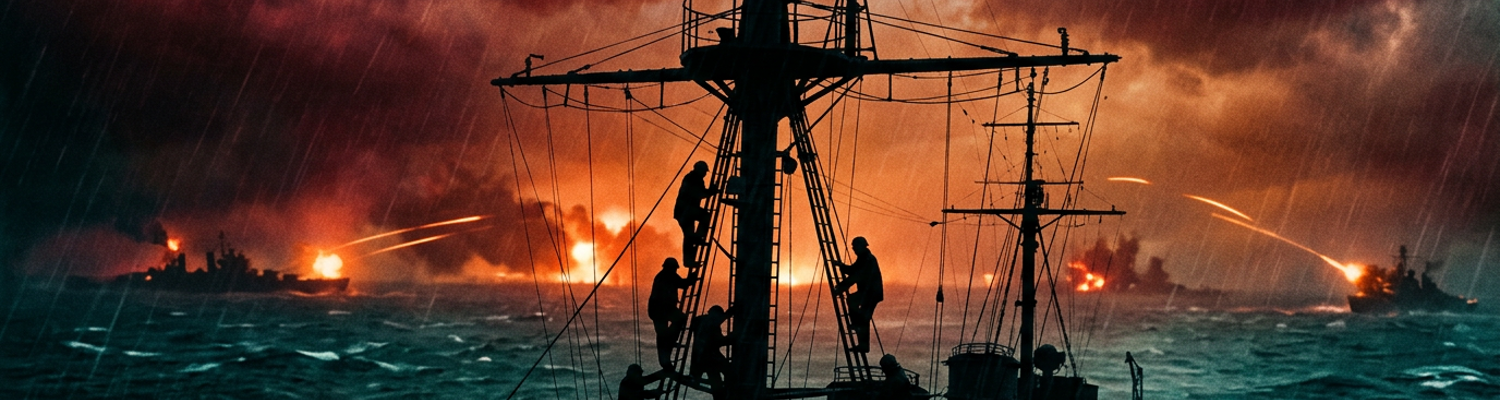
Karel Doorman struggled to organize his multi-nation force to face those gun lines without a shared tactical signal book to link his Dutch, American, British, and Australian vessels. The four national navies had never practiced coordinated fleet maneuvers together, and neither London nor Washington had supplied their ships with common tactical codebooks before the crisis erupted. Doorman was forced to relay basic maneuvering orders via visual flag hoists that Dutch signalmen strung up the masts of De Ruyter. British liaison officers on the flagship bridge translated these Dutch signals into English, signaling trailing cruisers by blinker light or running separate Royal Navy flag patterns up the yardarms. American signalmen aboard USS Houston and British sailors on HMS Exeter stood on windswept decks with hand-held code cards, deciphering each flag hoist before passing the translated instructions down to their helmsmen. This clumsy manual relay wasted crucial minutes during high-speed approaches, leaving ship captains waiting for confirmation while Japanese gunners adjusted their firing ranges.
Flag halyards whipped against the masts as transmission delays and misinterpretations between ships disrupted battle lines and split formations during contact turns. Japanese shells slammed into the boiler rooms of HMS Exeter and forced the heavy cruiser to swing away from the firing line, prompting trailing warships to misinterpret the turn as an intentional fleet maneuver ordered by Doorman. Captains behind Exeter swung their rudders to follow the turning cruiser, breaking the single column into scattered groups of vessels that drifted across each other fields of fire. Blinker lamp signals failed to resolve the confusion, as smoke from burning hulls and weapon blasts obscured visual sightings between the allied bridges. Destroyers raced through the cruiser lines searching for fresh visual cues, creating dangerous collision risks while attempting to evade incoming Type 93 torpedo spreads. The Allied formation dissolved into isolated, drifting warships, leaving individual captains to fight separate actions against the encircling Japanese cruiser squadrons without centralized tactical control.
Turbine Attrition Across US Asiatic Fleet Units
USS Houston entered these isolated surface actions with its main battery permanently crippled by unrepaired bomb damage sustained during earlier Allied operations. Japanese land-based naval aviation bombers had struck the heavy cruiser on February 4, 1942, during intense air raids across the Flores Sea. A direct bomb hit tore through the main deck and detonated against the barbette of the aft eight-inch triple gun turret, igniting ready-service powder charges, killing forty-eight sailors, and welding the armored mount into a useless block of scorched steel. Industrial repair facilities at the Dutch naval base of Tjilatjap lacked the heavy crane equipment and replacement machinery needed to hoist out the ruined gun assemblies or repair the severed electrical hoists. Captain Albert Rooks kept his warship in the fighting line with the destroyed turret welded down and sealed, reducing the heavy cruiser main battery firepower by one-third. American gun crews could aim only six forward eight-inch barrels at incoming enemy formations, severely restricting the ship defensive coverage and forcing it to expose its vulnerable broadsides during close-range tactical turns.
USS Marblehead could provide no supporting gunfire to cover those vulnerable turns because catastrophic bomb damage in the Flores Sea had already removed the light cruiser from the theater. Japanese naval bombers had singled out the vessel during the same February 4 air strike, dropping twin high-explosive bombs that pierced the upper decks and destroyed its steering gear. Blast pressure warped the rudder post, jammed the rudder hard over at an angle of nine degrees, and ruptured fuel tanks that flooded thirty-four internal compartments with seawater and heavy oil. Quartermasters on the bridge kept the listing ship moving by varying the engine revolutions between the port and starboard propeller shafts, backing down on one turbine while driving the other ahead to force the hull through erratic circles. Dutch technicians at Tjilatjap pumped out the flooded hull sections, but the port possessed neither a drydock large enough to hold the cruiser nor the replacement parts required to rebuild the ruined steering engine. Commander Arthur Robinson received orders compelling an emergency withdrawal of the crippled vessel across the Indian Ocean via Ceylon, stripping the Asiatic Fleet of its only other operational cruiser.
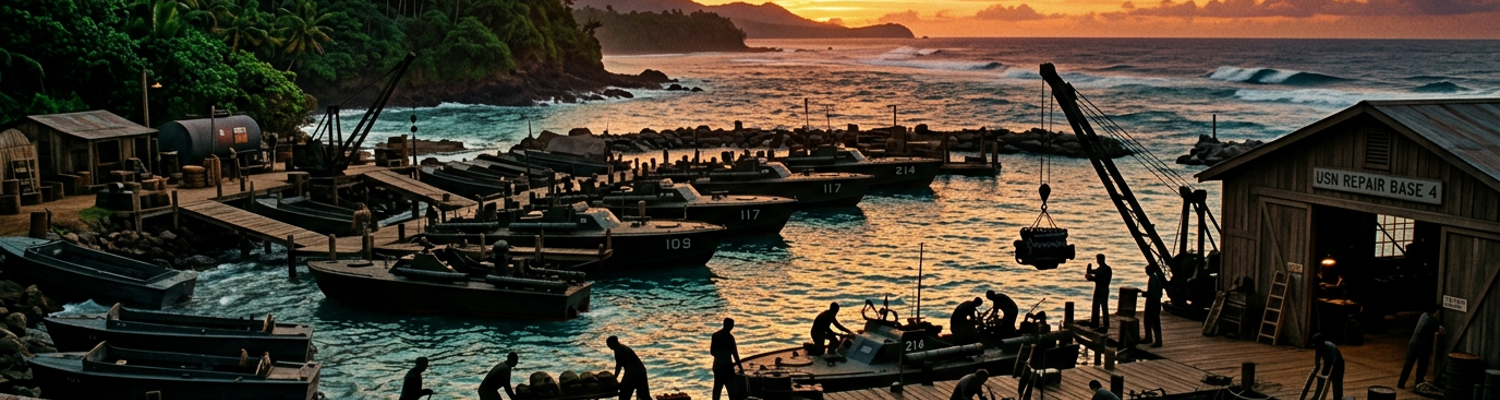
Destroyer Division 58 took over screening duties in the wake of that cruiser departure, wearing out its aging propulsion machinery through weeks of nonstop high-speed patrols. Obsolete Clemson and Wickes class destroyers built during the First World War comprised all four escort units of this division, yet their worn machinery could not endure the mechanical friction of continuous emergency steaming. Boilers operating without fresh water flushes accumulated thick salt crusts and scale along their interior tubes, triggering metal blisters, cracked furnace brickwork, and sudden steam pipe ruptures under pressure. Engine room sailors stood watches in humid compartments reaching one hundred and thirty degrees, wrapping leaking steam lines with asbestos canvas and driving wooden wedges into failing pump joints to keep the turbines spinning. Saltwater contamination corroded boiler tubes and fouled main condensers, cutting the top speed of these four-stack destroyers from thirty-five knots down to barely twenty-three knots. Division commanders had to withdraw their battered destroyers from frontline interception sweeps back into Surabaya harbor, anchoring the ships beside maintenance tenders to plug burst tubes and clean salt-encrusted condensers.
Magnesium Flares and Type 93 Torpedo Strikes
Lookouts aboard the remaining Allied cruisers faced night operations stripped of those screening destroyers, searching the black water without a single operational surface-search radar set across the entire Combined Striking Force. Naval commands in London, Washington, and Batavia had sent these American, British, Australian, and Dutch warships into the Pacific theater without modern radar equipment, leaving bridge personnel completely unable to detect distant enemy contacts through the darkness. Ship captains had to place their total tactical reliance on human lookouts who stood exposed to wind and spray on open bridge wings, scanning the horizon with standard handheld binoculars. Imperial Japanese Navy watchstanders had undergone rigorous night-vision selection and trained for years to fight in complete darkness using massive twenty-centimeter binocular mounts with light-gathering coated glass. These high-powered optical instruments gathered ambient starlight from the night sky to turn distant shadows into sharp silhouettes, allowing Japanese crews to identify Allied mastheads and hulls at ranges exceeding eight miles while Allied lookouts stared into impenetrable blackness.
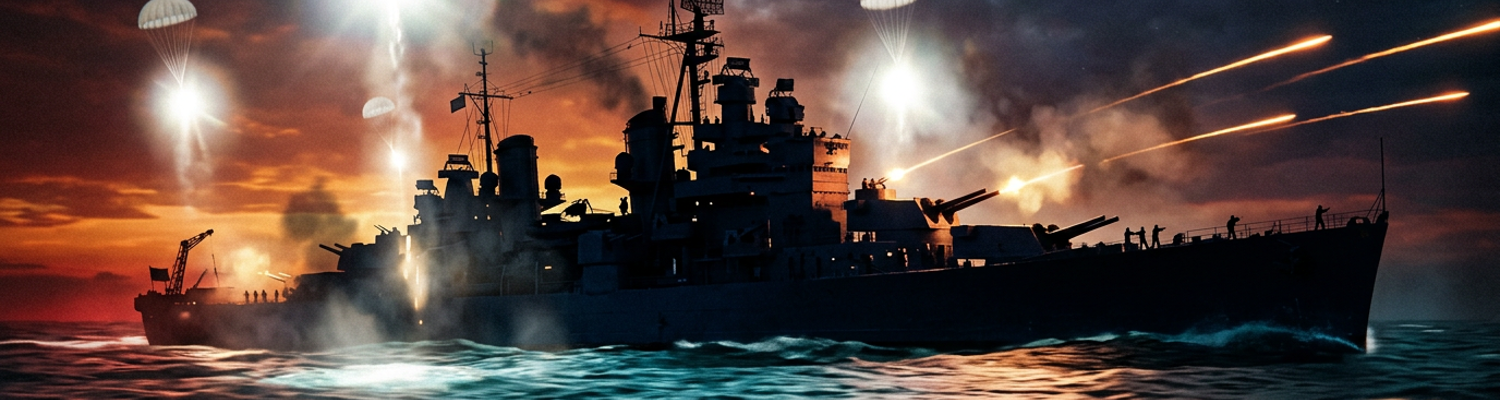
Floatplanes launched from Japanese cruiser catapults exploited this visual supremacy by shadowing the Allied column from high altitude and dropping parachute-retarded magnesium flares. Pilots timed these drops along the windward side of the Allied formation, releasing canisters that ignited into brilliant white chemical flames and drifted slowly downward beneath wide silk canopies. Magnesium light poured across the water, illuminating the gray armor, gun turrets, and churning wakes of the Allied cruisers and carving their hull profiles in razor-sharp relief against the sea. Imperial Japanese Navy night-bombing tactics coordinated these flare drops with sudden bomb runs from land-based aircraft, dropping high-explosive ordnance across the illuminated lanes to force Allied helmsmen into erratic evasive maneuvers that ruined their firing lines. Descending chemical glare destroyed the night-adapted vision of Allied watchstanders on open decks, leaving Karel Doorman and his captains blinded while Japanese warships observed every Allied course change from completely hidden positions beyond the light. Japanese gunners and bridge officers tracked these exposed cruiser silhouettes with precise optical rangefinders, calculating firing solutions against targets that could not even see the ships plotting their destruction.
Nachi and Haguro used that protective darkness to position their deck tubes alongside escorting destroyer divisions, preparing mass salvos of twenty-four-inch Type 93 Long Lance torpedoes at extreme standoff ranges. Imperial Japanese Navy commanders swung their ships into launch lines at distances exceeding twenty thousand yards, well beyond the reach of Allied weapons and far outside the visual range of Allied bridge crews. Standard Allied naval doctrine taught ship captains that surface-launched torpedoes were effective only out to ten thousand yards, convincing Karel Doorman and his staff that no underwater danger existed across such vast stretches of open water. Oxygen propulsion engines drove these massive Long Lance torpedoes through the sea at speeds near fifty knots, consuming the gas completely and leaving none of the telltale white bubble wakes that gave away conventional air-driven torpedoes. Torpedo crews on the Japanese destroyers immediately reloaded their tubes using rapid deck-mounted reload systems, readying second waves of weapons while the first salvos of one-thousand-pound high-explosive warheads raced silently toward the Allied formation. Heavy warheads slammed into the hulls of Dutch and Allied warships without the slightest visual warning, tearing open double bottoms, detonating boiler rooms, and breaking ship keels before any bridge lookout could report an incoming track.
Ammunition Exhaustion and Strategic Collapse of Java
Gun crews aboard the surviving Allied cruisers dragged their final rounds from deep handling rooms to fight back, only to find their main magazines stripped down to bare steel decks. Constant surface actions over the preceding weeks had exhausted the stocks of eight-inch and six-inch armor-piercing shells across USS Houston, HMAS Perth, and the Dutch light cruisers. Allied supply lines stretching back to Darwin, Ceylon, and Hawaii were severed by the Japanese advance, preventing merchant cargo ships or ammunition tenders from ferrying fresh industrial war munitions into Javanese anchorages. Weapons officers ordered their loaders to hoist star shells, practice rounds, and thin-cased bombardment ammunition into the breech blocks simply to keep the guns firing against oncoming Japanese warships. These improvised rounds lacked the hard steel caps needed to punch through the thick armor of Japanese heavy cruisers, exploding on contact with outer plating and causing superficial damage rather than penetrating vital machinery spaces. Captains watched their defensive fire slacken under relentless counterbattery salvos, forcing the battered surface ships to turn away from the battle line and seek shelter in remaining coastal harbors.
Fuel oil bunkers at those primary naval stations contained almost nothing to replenish the retreating warships once they tied up alongside the piers. Allied tankers had burned at sea or fled south days earlier, leaving shore storage tanks drained to the bottom sludge and unable to pump clean fuel into the cruiser boilers. Machine shop repair capacity across both naval bases collapsed simultaneously as heavy Japanese bombing raids tore through maintenance yards, collapsed drydock retaining walls, and smashed heavy metal lathes. Technicians and skilled colonial machinists evacuated the facilities or destroyed their own precision tools to prevent their capture, leaving damaged propulsion shafts, cracked steam valves, and warped hull plates completely unrepaired. Base commanders at Surabaya and Tjilatjap lacked spare parts, replacement boiler tubes, and auxiliary generators to restore basic mechanical functions across the docked vessels. Engineers abandoned hope of making the warships seaworthy for prolonged operations, leaving the immobilized hulls pinned against the docks without air cover to shield them from overhead attack.
Brewster Buffalo and Curtiss P-40 fighter squadrons based across Javanese airfields could provide no aerial umbrella to protect those exposed ports. Japanese Mitsubishi Zero fighters and land-based bombers systematically targeted airfields at Kalidjati, Perak, and Ngoro, catching Allied aircraft on exposed dispersal strips and detonating regional fuel dumps. Mechanics worked through the night in open bamboo hangars to patch bullet-riddled wings, cannibalizing wrecked fuselages for spare engine parts, landing gear tires, and machine-gun barrels. Overwhelming numbers of Japanese fighters destroyed the remaining Buffalo and P-40 units in running dogfights over western and eastern Java, shooting down experienced pilots and cratering the dirt runways until flight operations ceased entirely. Elimination of this land-based fighter umbrella gave the Japanese military complete command of the skies over the entire island. Japanese air divisions operated without opposition to spot Allied troop movements, strafe retreat corridors, and bomb the remaining Dutch, British, and American defensive lines into final submission.