
Fleet Radar Horizon Blind Spots at Leyte Gulf
CXAM and SK air search radars operated on metric wavelengths and suffered severe multipath interference and earth curvature horizon limits against low flying aircraft. Radio waves broadcast by these massive mattress shaped antennas bounced off ocean swells. This created dead zones of clutter where sea and sky met. The natural curve of the planet blocked targets flying beneath three hundred feet until they closed within twenty miles. Blueprints of these defective antenna arrays lay spread across my desk in the surreal tense quiet of the Navy Department in Washington. The sharp stench of mimeograph chemical solvents mixed with smoldering tobacco and heavy diesel exhaust drifting through open windows from the Mall. Bloodied after action dispatches from Leyte Gulf rested beside the technical drawings. These papers documented how fleet lookouts had to rely on naked eyesight because the Navy Department had sent ships into combat with air search systems physically blind to low altitude strikes. Fleet commanders had gambled their capital ships on the promise of electronic vigilance. Japanese pilots turned radar physics into an open highway toward the American carrier line.
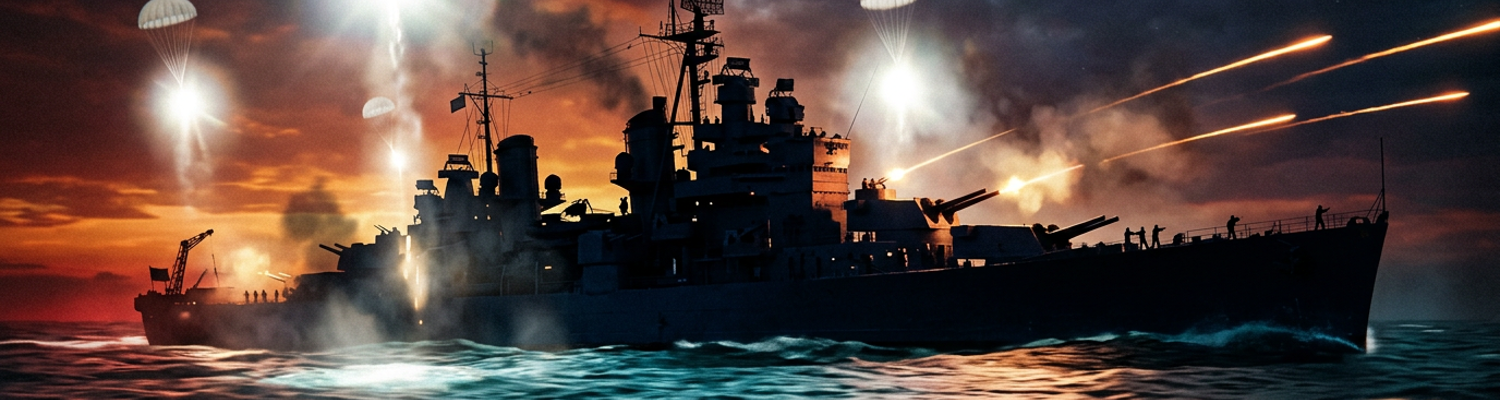
Task Force 38 absorbed the full fury of this tactical highway as Japanese strike leaders guided their planes down to wave top height. Coordinated Special Attack units exploited these low altitude detection blind spots during strikes against the fleet in late October 1944. Combat air patrols of F6F Hellcats orbited high above the ships. These fighters starved for radar vectors because carrier radar plotters saw only empty green glass on their consoles. Suicide pilots banked through the blind zones beneath the fleet radar horizon. The attackers burst into visual range only seconds before slamming their bomb laden fuselages into escort carriers and fleet decks off Leyte. Five inch antiaircraft batteries and forty millimeter Bofors mounts filled the air with shrapnel. Late optical detection left gunners insufficient time to stop determined pilots from plunging into the ships. Burning aviation fuel spilled across wooden flight decks as damage control parties dragged fire hoses through twisted steel.
Casualty reports arriving at the Navy Department exposed the operational limits of reliance on shipboard Combat Information Centers alone. Mimeograph solvents stung our eyes while smoldering cigarettes filled the cramped office air. Naval planners had placed absolute faith in the Combat Information Center. They believed that radar operators tracking scopes and sailors pushing plastic markers across edge lit glass boards could defeat any airborne threat. Leyte proved that shipboard plotting rooms were helpless when radar beams failed to see targets skimming the waves. Fighter director officers stood over empty boards until explosions shook the hull. Stunned officers in Washington stared at the mounting casualty lists. We realized that no amount of shipboard organizational polish could overcome the curvature of the earth. The physical laws of radio wave propagation had rendered our most advanced surface ships blind.
BuAer planners confronted their rivals in the Bureau of Ships as the casualty figures laid bare how years of bureaucratic infighting had blocked airborne early warning radar from reaching the fleet. Engineers in BuShips had fiercely defended their jurisdictional monopoly over shipboard radar development. They resisted BuAer proposals to lift early warning radar into the air aboard modified carrier aircraft. The physical solution required mounting an air search radar inside the belly of a carrier capable Grumman TBM Avenger. Elevating the scanner thousands of feet into the sky pushed the radar horizon far beyond the task force perimeter. Inter bureau disputes over budget lines, aircraft weight limits, and electronic equipment authority had stalled Project Cadillac in committee rooms. Fleet sailors paid the price in blood off the Philippines while administrators argued. Admiral Ernest King ordered immediate priority for airborne early warning radar development. He directed technical teams to rush the Project Cadillac flight trials forward without further bureau interference.
Project Cadillac Origins at the Radiation Laboratory
Couriers carried King's urgent directive out of our Washington corridors straight to civilian scientists at the Massachusetts Institute of Technology. This unlocked resources that bureaucratic friction had trapped for months. The Bureau of Aeronautics had authorized Project Cadillac with the MIT Radiation Laboratory in February 1944 to develop airborne early warning radar. Civilian physicists inside the laboratory had studied radar horizon geometry. They calculated that low flying strike planes would always slip past masthead antennas because the curve of the ocean masked their approach. Project Cadillac aimed to project fleet radar coverage beyond one hundred nautical miles. Elevating search antennas above surface curvature limitations required packing a long range scanner into a carrier aircraft. Lifting the radar thousands of feet into the cold sky cleared away the blind spots that shielded wave skimming aircraft. This transformed an airborne patrol plane into an observation platform that scanned downward across the vast curve of the sea. Radiation Laboratory engineers immediately converted their chalkboards and theoretical formulas into working mockups. They stripped heavy machinery down to bare aluminum frames to make the hardware light enough for carrier flight.
MIT engineers paired the high power S band AN/APS-20 radar with the AN/ART-28 airborne relay system to transmit radar scopes directly to carrier plotting rooms. This microwave radar operated at ten centimeter wavelengths. The system discharged massive one megawatt pulses that bounced off attacking planes while suppressing the ocean clutter that obscured targets on shipboard sets. Technicians shaped an eight foot elliptical scanner to channel those pulses into a narrow beam. They shielded the spinning antenna inside a bulbous fiberglass housing bolted beneath a modified Grumman Avenger. The weight of the radar transmitter, magnetron tubes, and heavy electrical generators pushed the airframe near its structural limits. Mechanics gutted the torpedo bay and ripped out armor plate to fit the equipment. Heavy electrical cables snaked through the fuselage to connect the spinning antenna to the power inverters. Cockpit space remained far too small and turbulent for airborne operators to run complex fleet intercept battles from a small cathode ray tube while dodging enemy fighters.
Transmitter circuits inside the AN/ART-28 converted the radar video signals into high frequency television broadcasts. This solved the problem of cramped cockpits by beaming the raw tactical picture down to the fleet. Carrier plotting rooms picked up these transmissions through directional antennas. The receivers recreated the airborne radar picture on twelve inch glass repeaters inside the Combat Information Center. Shipboard fighter director officers watched the exact same luminous blips that the aircraft antenna detected in the clouds. They tracked incoming strikes without relying on garbled voice reports from overworked pilots. Plotters eliminated the dangerous minutes lost to voice radio networks. Sailors used grease pencils to trace incoming bogies across edge lit plotting boards seconds after electronic contact. This live electronic link restored situational control to the carrier task force. Directors could now mass defensive fighter screens along threatened vectors.
Aviators flew modified Avenger prototypes over Massachusetts Bay to confirm that these fighter direction relays functioned against target planes skimming the coastal waters. Radiation Laboratory technicians monitored the shipboard scopes on shore. The scanning beam locked onto targets flying fifty feet above the waves at distances exceeding one hundred nautical miles. Microwave returns penetrated ocean spray and surface waves. The radar marked low altitude bombers that conventional shipboard radar sets had completely missed. Navy flight crews refined the electronic synchronizers between the spinning antenna and the television transmitter. This eliminated picture distortion during sharp turns and heavy engine vibration. Mechanics at the Boston Navy Yard began retrofitting fleet carriers with specialized receiving masts and cable runs. These wires linked the flight deck antennas directly into the plotting rooms. Grumman assembly plants received urgent production orders from the Navy Department. Lines of TBM-3W radar aircraft entered immediate serial manufacture for combat deployment in the Pacific.
Factory Supply Disputes Between BuAer and BuShips
Airframe fuselages rolled off the Bethpage assembly line without complete radar sets because supply managers in Washington could not settle distribution disputes between fleet surface programs and naval aviation. Disagreements over vacuum tube and cathode ray component allocations delayed procurement priorities throughout late 1944. Glass blown vacuum tubes and cathode ray indicator screens sat at the center of this material shortage. Industrial production runs proved unable to satisfy both aviation and surface demands at the same time. The Bureau of Ships controlled output quotas for these specialized vacuum tubes and high resolution screens. They routed shipments directly into surface search antennas and battleship plotting rooms while Bureau of Aeronautics assembly contracts sat unfilled. Supply liaisons brought memos to my desk describing airframes parked on factory floors waiting for five inch cathode displays. Those displays had been redirected to repair depots for damaged fleet destroyers. Planners argued over production schedules during daily conferences in our smoky Navy Department offices. They divided limited factory output between the immediate repair needs of damaged warships and the assembly of new airborne radar sets. Industrial contractors refused to accelerate factory runs until the bureaus resolved their conflicting supply orders. Factory floors filled with incomplete aircraft fuselages waiting for electronic components. Managers waited for unified procurement decisions from naval leadership while production lines stalled.
Receiver consoles arriving at East Coast naval yards ignited immediate jurisdictional disputes between the Bureau of Aeronautics and the Bureau of Ships over operational command. Bureau of Ships officers claimed total authority over any electronic hardware bolted directly to a warship hull. They insisted that shipyard technicians had to control the maintenance of AN/ART-28 receivers and carrier antenna mounts. Bureau of Aeronautics planners countered that these television receivers served aircraft squadrons. Aviation officers argued they needed direct operational control over the consoles to direct airborne fighter interceptions. Electronics officers from both bureaus argued across conference tables in Washington and along the docks. They disputed who would train the operators and who would authorize replacement parts. Technicians stood idle on hangar decks beside uncrated equipment. Bureau representatives sent formal protests back and forth over which branch held administrative authority for the coaxial cables connecting flight deck antennas to the plotting rooms. Bureau of Ships yard directors halted installation work on fleet carriers. They locked plotting compartments until administrative boundaries were formally settled. Pacific task force commanders waited for combat ready carriers while these inter bureau conflicts delayed ship modernization schedules in Boston and Norfolk.
BuAer avionics engineers designed airborne relay equipment without coordinating with Bureau of Ships electronics officers. This maintained bureaucratic boundaries that separated airframe avionics integration from carrier communication architectures and slowed unified doctrine development. Flight crews operated airborne radar transmitters that could not directly feed data into carrier fighter director boards without manual cable patching by enlisted radiomen. Naval aviators reported through flight division command channels that focused on visual scouting. Carrier plotting teams operated under surface warfare instructions that treated airborne radar data as auxiliary technical reports. Radio frequency assignments overlapped between airborne transmitters and shipboard communications. This caused electronic interference that distorted radar scope displays during test flights. Training commands received contradictory instruction manuals from the rival bureaus. Carrier fighter director officers had to improvise their own tactical terminology during live flight exercises. Couriers in our Washington office filed dozens of conflicting doctrine drafts into storage cabinets. Frontline carrier captains lacked standard intercept guidelines as fleet units prepared for the invasion of Iwo Jima.
Carrier Modification Challenges for the TBM-3W Avenger
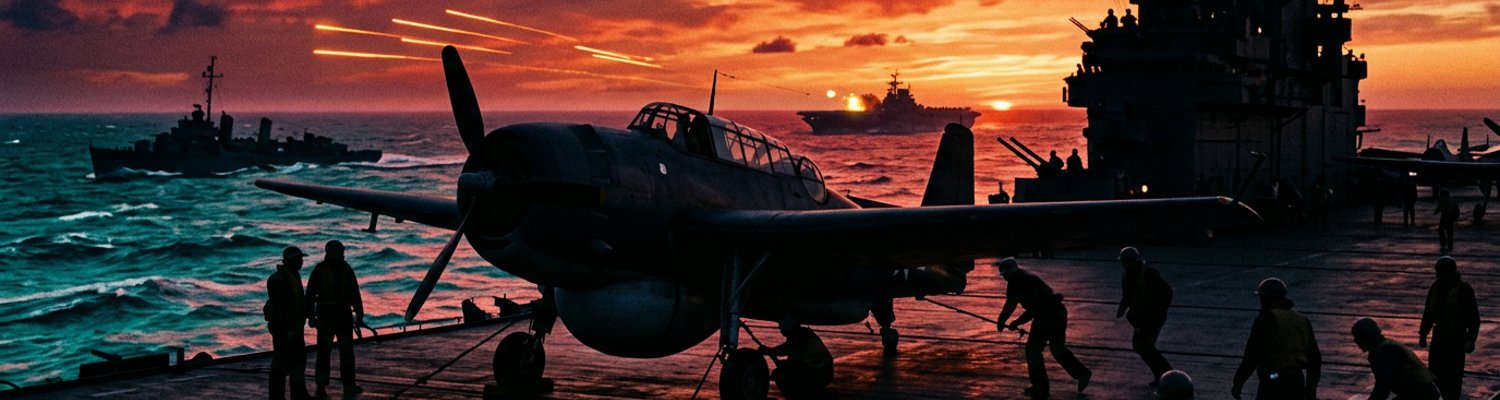
Riveters at the Eastern Aircraft Division rushed to provide those unguided carrier groups with airborne radar pickets by modifying the standard Grumman TBM Avenger airframe into the TBM-3W. Production crews in Trenton rebuilt the lower forward fuselage to carry the bulbous chin radome housing the APS-20 antenna. This large fiberglass fairing projected downward beneath the engine cowling and between the main landing gear legs. The shape altered the airflow around the propeller and wing roots. Blueprints delivered to my desk showed that the protruding housing created substantial aerodynamic drag. This drag destabilized the aircraft at low flight speeds. Test pilots reported that the radical nose profile reduced cruising speed by nearly thirty knots and altered the center of gravity. Flight crews wrestled with heavy stick forces as the disturbed slipstream buffeted the tail surfaces during simulated carrier deck approaches.
Mechanics stripped away standard combat equipment to restore aerodynamic balance and keep the modified bombers from crashing during carrier recovery. Structural modifications required stripping armor, ventral armament, and bomb bay doors to accommodate the heavy electronic suite. Torpedo bays that previously held heavy ordnance were sealed shut to support the radar transmitter, power inverters, and signal modulators. Technicians unbolted the belly machine gun and removed the heavy steel armor plate behind the pilot seat to eliminate dead weight. Removing these defensive weapons left the radar operators completely defenseless against enemy fighters. Our design calculations showed that any additional weight made deck landings lethal. Ground crews at the assembly plant rerouted hydraulic lines and installed secondary electrical generators. They added heavy electronic hardware to an already overburdened fuselage.
Carrier arresting gear and catapult limitations imposed severe weight thresholds that turned that heavy electronic hardware into a critical hazard. Flight deck arresting cables on Essex class carriers could snap if subjected to the sudden shock of an overweight Avenger touching down with a full fuel load. Hydraulic catapults at shore test stations lacked the acceleration power to launch the heavy aircraft safely without long takeoff runs into strong headwinds. Engineers solved the immediate weight problem by cutting internal fuel capacity. They sacrificed patrol endurance to keep maximum landing weight within safe arresting thresholds. Bureau liaisons in our office accepted shorter search missions because heavier fuel tanks caused landing gear struts to buckle on impact. Test pilots documented each hard landing in technical reports sent directly to our Navy Department desks. The heavy impacts stressed the airframe bulkheads and warped the aluminum skin panels. We watched the structural safety margins shrink with every qualification pass.
Pilots at Naval Air Station Patuxent River adjusted their flight techniques to compensate for these reduced safety margins during live deck landing trials. Aviators established a steeper glide path and carried partial engine throttle all the way to the flight deck. This prevented the low hanging radar chin from striking the carrier rounddown. Maintenance crews reinforced the tailhook assemblies and arresting gear attachment fittings with high strength alloy steel to absorb violent arrestment loads. Flight deck crews practiced fast turnarounds with specialized ground handling dollies. They maneuvered the low slung radomes clear of arresting cables and deck barriers. Navy evaluators conducted over one hundred successful carrier landings and catapult launches off the Maryland coast. They confirmed that the airframe could survive regular fleet operations. Project officers cleared the TBM-3W for carrier service and ordered factory managers in Trenton to deliver the first production airframes directly to Pacific combat squadrons.
Combat Legacy of Airborne Early Warning Systems
Crates of those newly completed production airframes arrived at naval supply depots weeks too late to alter the tactical disaster off the Philippines. Delayed carrier deployment prevented the TBM-3W and Project Cadillac from deploying operationally during the critical strikes at Leyte Gulf in late 1944. Mechanics in Norfolk and Pearl Harbor still had to wire radar receiving antennas and television receiver sets into fleet carrier hulls. Task Force 38 warships took heavy bomb and suicide hits from low flying Japanese aircraft while this dockyard work continued. Shipboard radar rooms off Leyte struggled with horizon blind spots and surface wave clutter. The modified Avengers were still undergoing deck integration trials thousands of miles from the combat zone. Memos on my desk confirmed that supply bottlenecks and bureaucratic delays had cost us the chance to shield our sailors with elevated radar. Fleet commanders fought the battle with traditional masthead sensors. Interceptor pilots lacked early target coordinates as enemy strikes skimmed across the water.
Pilots flying combat air patrols in coastal prototype trials had already demonstrated how airborne radar data solved this low altitude tracking problem. Test crews flying Cadillac Avengers over Chesapeake Bay tracked target planes skimming fifty feet above the waves at distances exceeding one hundred nautical miles. Television transmitters aboard the aircraft beamed live radar pictures directly down to carrier combat information centers through the airborne relay system. Shipboard fighter director officers used these transmitted radar pictures to steer defending fighters into firing position before the attackers reached weapons release range. Prototype trials proved the operational necessity of airborne relay stations for vectoring combat air patrols against low altitude attackers. Evaluators at the Patuxent River test station logged these interception runs on plotting charts. They proved to fleet skeptics that elevated radar antennas could protect surface ships from surprise low level strikes.
Charts from those Patuxent River trials circulated through our Navy Department offices in early 1945. These documents convinced senior planners to integrate airborne early warning aircraft permanently into fleet battle groups. Bureau officers who had fought over radio hardware and radar antennas began drafting unified operational manuals. They placed airborne radar data at the center of carrier defense. Technicians at naval air stations organized the first dedicated airborne early warning detachments. They outfitted carrier plotting rooms with standardized receiver consoles to display the incoming video downlinks. Aviators and shipboard fighter directors trained together in standardized communications. They replaced makeshift radio calls with formal intercept instructions that guided combat air patrols toward distant contacts. Fleet training commands assigned modified Avengers to fly continuous protective orbits around task forces. This transformed carrier defense from visual reactions into proactive radar screens.
Avengers flying those protective orbits established the operational pattern for all future carrier air defense. The technical foundation established by Project Cadillac led directly to postwar naval airborne early warning doctrines and modern carrier air wing operations. Aviation engineers preserved the belly mounted APS-20 radar configuration on postwar Grumman AF-2W Guardians and Douglas AD-3W Skyraiders. Designers eventually built specialized twin engine radar planes such as the E-1 Tracer and E-2 Hawkeye. Naval leaders formed permanent early warning squadrons that integrated directly into carrier air groups alongside fighter and attack squadrons. Flight deck crews launched these radar aircraft before strike packages left the catapults. The electronic sensors of the fleet pointed toward distant choke points to manage air battles hundreds of miles from the carrier line.