
Italian Campaign Geography and Winter Line Stalemate
Allied supply manifests for the Mediterranean Theater in November 1943 cataloged 4.2 million rounds of .30 caliber M2 armor piercing ammunition. Quartermasters logged 850,000 Mark II fragmentation grenades and 120,000 M1A1 Bangalore torpedoes. This payload moved through the port of Naples under the directive of the U.S. Fifth Army. Liberty ships unloaded these munitions directly onto damaged docks under sporadic Luftwaffe strafing runs.
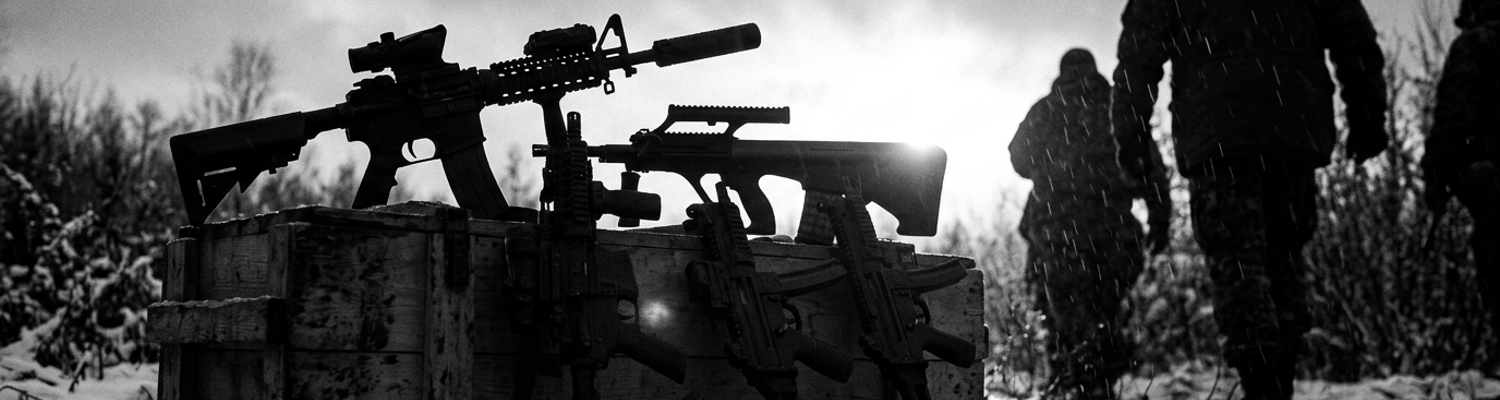
Quartermaster units stacked crates of ordnance alongside M1919 Browning machine guns in open air depots exposed to continuous winter rain.
Archival evidence shows this destructive potential completely stalled at coordinates 41.38 N, 13.93 E. Field Marshal Albert Kesselring directed the construction of a defense in depth network known as the Bernhardt Line. German engineers from the XIV Panzer Corps blasted defensive positions directly into the solid limestone of Monte Camino. Construction battalions anchored reinforced concrete pillboxes into the mountain slopes to house MG42 machine gun teams. Slopes approaching these positions were seeded with Schrapnellmine 35 bounding anti personnel devices.
Regular U.S. Army infantry units encountered these barriers during the November offensives.
Assaulting up 45 degree inclines resulted in heavy casualties. Freezing rain turned the approach trails into thick mud. This semi liquid dirt clogged the operating rods of standard issue M1 Garand rifles. Standard M2 high explosive artillery fire failed to penetrate the deep rock shelters protecting the German defenders. Fifth Army G-2 intelligence officers severely underestimated the depth of these fortifications. Bureaucratic infighting within Allied Force Headquarters delayed the distribution of specialized winter gear to the frontline troops.
Conventional doctrine failed against blasted rock and interlocking machine gun fire.
A close review of operational logs indicates that General Mark Clark and his conventional staff actively distrusted unconventional warfare units. OSS HUMINT teams operated deep behind enemy lines to conduct covert intelligence gathering and night sabotage raids. Members of the OSS Secret Intelligence Branch and the 2671st Special Reconnaissance Battalion infiltrated the rear areas of the 15th Panzergrenadier Division via parachute drops. American operatives embedded with local Italian anti fascist partisans to establish safe houses in the Liri Valley.
Operatives communicated with base stations using early S-phone radio transceivers.
Field agents transmitted coordinates of German ammunition dumps and rail choke points along the Rome Cassino railway directly to Allied command. Fifth Army signals intelligence officers frequently jammed these specific frequencies to prioritize regular artillery spotting broadcasts. Night sabotage missions required specialized equipment that often fell victim to supply chain interference by conventional quartermasters. Saboteurs carried Marlin submachine guns and utilized Mark II time delay fuses connected to tetrytol demolition blocks.
Tetrytol blocks offered higher shattering power than standard TNT.
This chemical property made them highly effective for cutting steel locomotive tracks. The timing mechanisms frequently malfunctioned in the sub zero temperatures of the high Apennines. Operatives had to improvise chemical detonators using L-tablets to ensure the charges fired against the steel rails. Regular Army command structures routinely intercepted airdrops intended for these OSS teams.
Agents in the field resorted to stealing standard issue detonators from Fifth Army supply depots.
HUMINT reports generated by these covert networks detailed specific troop movements and armored vehicle concentrations behind the mountain fortifications. Operatives identified the exact deployment locations of Nebelwerfer rocket artillery batteries on the reverse slopes of Monte la Difensa. The six barreled rocket launchers caused severe physical damage to Allied troops attempting to scale the peaks. Fifth Army G-3 operations officers regularly discarded these intelligence packets as unverified civilian rumors.
Conventional commanders insisted on sending uniformed regular infantry patrols to confirm the exact same coordinates.
Friendly fire incidents increased as these uncoordinated regular patrols blundered into OSS sabotage teams operating in the same sectors. An OSS after action report from December 12 documented a U.S. Army artillery barrage landing directly on an OSS observation post located near the village of San Pietro Infine. Conventional fire direction centers refused to acknowledge covert unit boundary lines.
Field Improvisations of M3 Submachine Guns and Carbines
In late December 1943, OSS operators adapted M3 submachine gun barrels with improvised suppression systems using local salvage. Archival evidence shows this adaptation occurred at forward operating bases near the Garigliano River at coordinates 41.22 N, 13.76 E. The Ordnance Department at Allied Force Headquarters in Caserta actively denied requests from the Office of Strategic Services for factory produced suppressed weapons.
Base station commanders submitted formal requisitions for the High Standard silenced pistol.
Conventional liaison officers destroyed the paperwork upon receipt. General Mark Clark and his supply officers prioritized the delivery of standard M1 Garand replacement parts to regular infantry divisions. This administrative block forced OSS field armorers attached to the 2671st Special Reconnaissance Battalion to manufacture their own clandestine weaponry. The standard M3 fired a 230 grain .45 ACP projectile that traveled at 920 feet per second.
This naturally subsonic velocity made the weapon highly suitable for sound reduction.
Technicians dismantled the standard eight inch barrels and drilled thirty six gas bleed holes along the rifling grooves using hand cranked drills. They scavenged steel tubing from destroyed Italian Fiat 626 transport trucks abandoned by the retreating 15th Panzergrenadier Division along Route 6. Operatives packed the void between the drilled barrel and the outer scrap casing with coarse steel wool salvaged from a bombed out mattress factory in Naples.
The dense steel wool trapped the expanding propellant gases before they could exit the muzzle.
When examining the historical record, these field crafted suppressors dropped the acoustic signature of the M3 submachine gun to a dull mechanical clacking. OSS sabotage teams utilized these modified weapons during night infiltrations to eliminate sentries manning MG42 positions on the lower limestone slopes of Monte Camino. Regular Army military police units frequently confiscated these modified submachine guns during rear area checkpoints.
Conventional provost marshals cited strict theater regulations against unauthorized weapon modifications.
Covert commanders had to route their supply convoys through treacherous secondary mountain passes to avoid American military police checkpoints completely. Scrap materials were repurposed in the field to modify M1 carbine receivers for specialized night engagement needs. Covert infiltration units required lightweight weapons capable of suppressing enemy patrols during sudden nocturnal encounters in the Liri Valley. Night engagement needs dictated an immediate output of high volume fire to break contact with superior German forces.
The standard issue M1 carbine fired a high velocity .30 caliber cartridge.
This specific round produced a massive incandescent muzzle flash in low light conditions. The flash temporarily blinded the shooter and immediately exposed their firing position to German mortar teams positioned on the Bernhardt Line. Fifth Army quartermasters refused to distribute experimental T-3 carbine flash hiders to unconventional units based on a policy that prioritized regular armored infantry.
OSS technicians operating out of a requisitioned farmhouse near San Pietro Infine bypassed this supply freeze.
Armorers cut brass steam pipes from ruined railway locomotives. They welded these scrap brass cones directly onto the carbine barrels to redirect the powder gases away from the operator line of sight. Technicians also filed down scrap steel hinges scavenged from Italian barn doors to fabricate crude selector switches. These hand filed metal components were pinned directly into the M1 carbine receivers to override the semi automatic disconnector.
This mechanical alteration allowed the weapon to empty a fifteen round magazine in less than two seconds.
A close review of operational logs indicates these modified carbines suffered severe reliability issues due to the abrasive nature of the scrap metal components. The makeshift selector sears frequently wore down the hammer notches after prolonged automatic fire. Extractor springs failed under the increased cyclic rate and caused live rounds to jam inside the breech. OSS field agents requested specialized hardened steel replacement parts from the War Department in Washington to fix these malfunctions.
Theater command in Italy intercepted these requisition forms.
Logistics officers classified the requests as non essential and canceled the orders entirely. Regular Army generals viewed these unauthorized fully automatic carbines as a dangerous waste of limited .30 caliber ammunition allocations.
Apennine Winter Conditions and Mechanical Reliability
Meteorological records from December 1943 document a continuous sequence of low pressure fronts stalling directly over the Apennine Mountains. Precipitation fell as heavy rain in the Liri Valley before transitioning into sleet and snow at elevations above 2,000 feet. Freezing mud, icy rain, and sub zero ridge temperatures caused severe mechanical fouling in standard small arms.
The standard issue M1 Garand rifle relied on a precise operating rod traveling along an exposed channel on the right side of the receiver.
Saturated earth packed into this channel during night patrols.
The mixture quickly hardened into solid ice. This physical blockage prevented the operating rod from completing its rearward cycle and stopped the bolt from extracting spent casings. Standard Thompson M1A1 submachine guns suffered identical failures when semi liquid dirt entered the slotted charging handle track and froze solid against the receiver wall.
A close review of operational logs indicates that conventional infantry battalions experienced a forty percent weapon failure rate during the initial winter assaults.
Fifth Army Quartermaster Corps units possessed specialized low temperature lubricants designated for extreme weather operations. Logistics officers rigidly allocated these limited stocks of winter grade oil strictly to regular front line infantry divisions and mechanized cavalry units. Bureaucratic directives from Allied Force Headquarters explicitly classified the Office of Strategic Services and their attached 2671st Special Reconnaissance Battalion as non combatant intelligence assets.
Supply depot commanders at Caserta used this classification to deny OSS requisition forms for the cold weather lubricants.
Covert infiltration teams operating deep behind the Bernhardt Line were forced to maintain their weaponry using standard MIL-L-644 preservative oil. This standard petroleum based fluid rapidly thickened into a dense consistency when ambient temperatures dropped below twenty degrees Fahrenheit. The congealed oil trapped atmospheric moisture and dirt directly against the firing pins and hammer springs of the operators weapons.
Nighttime sabotage missions frequently ended in complete silence when frozen firing pins failed to detonate cartridge primers.
Unconventional units bypassed the hostile conventional supply chain by establishing unauthorized armories inside bombed out cellars near the village of Venafro. OSS field armorers requisitioned heavy metal files and industrial grinding wheels from abandoned Italian railway maintenance yards. These technicians deliberately altered the factory specifications of standard submachine guns to combat the severe environmental fouling.
Armorers clamped Thompson and M3 submachine gun receivers into bench vises.
They manually filed down the steel bolt carriers. Technicians aggressively expanded the internal clearance gaps between the bolt surfaces and the receiver walls. This crude machining process created excessive internal space that allowed dirt, grit, and congealed oil to freely pass through the action without halting the mechanical cycle. Improvised bolt tolerances manufactured by field armorers determined operator survival during close quarters mountain ambushes.
Archival evidence shows that these modified weapons rattled loudly when shaken due to the extreme reduction in internal steel mass.
German Gebirgsjaeger mountain troops routinely conducted aggressive night patrols along the limestone ridges overlooking the Mignano Gap. OSS teams moving through these specific sectors frequently collided with these patrols at ranges of less than twenty yards in zero visibility blizzards. Survival in these sudden engagements required an immediate base of automatic fire to break contact.
Operators carrying factory standard weapons regularly died when their bolts seized halfway through the first magazine.
Teams equipped with the loose tolerance field modified submachine guns successfully repelled these ambushes because the altered bolts violently crushed the internal ice buildup during the forward stroke. Regular Army Ordnance inspectors operating rear area checkpoints discovered these altered weapons and immediately classified them as destroyed government property. Conventional supply officers threatened to completely sever all ammunition shipments to the 2671st Special Reconnaissance Battalion as punishment for the unauthorized defacement of standard issue firearms.
A Fifth Army provost marshal operating near Route 6 actively ordered military police to confiscate the modified weapons from returning OSS teams before they could reach their safe houses.
Bureaucratic Friction with Army Ordnance Authorities
Archival evidence shows that Army Ordnance officials strongly opposed unapproved field alterations to standard issue military weaponry throughout the winter of 1943. Fifth Army weapon inspectors operating out of the Caserta headquarters strictly enforced factory specifications as dictated by War Department technical manuals. Ordnance officers conducting spot inspections at forward operating bases near Venafro frequently encountered OSS armorers actively modifying M1911A1 pistols and Thompson submachine guns.
Regular Army inspectors discovered that covert technicians were manually filing down the sear springs and disconnector pins to lighten trigger pulls for suppressed night engagements.
Inspectors also documented the unauthorized drilling of gas bleed holes directly through the rifling of factory new barrels. These mechanical deviations compromised the structural integrity of the firearms according to standard military doctrine. General Mark Clark and his ordnance deputies viewed these clandestine modifications as deliberate destruction of government property.
A specific incident on January 14 involved a team from the 2671st Special Reconnaissance Battalion returning from a ten day infiltration mission behind the Gustav Line.
Military police at a checkpoint along Route 6 seized twelve modified M3 submachine guns from the operatives. The operatives had welded scrap steel onto the receiver housings to attach crude optical sights salvaged from captured German Kar98k rifles. Technical engineers immediately impounded the weapons and filed formal destruction of property charges against the OSS field armorers responsible for the welding.
Command directives from the Fifth Army Provost Marshal explicitly authorized military police to arrest any soldier found carrying a weapon with altered serial numbers or modified receiver geometries.
Ordnance engineers argued that field welding warped the stamped sheet metal receivers of the M3 submachine guns and created dangerous breech pressure anomalies. Covert operatives faced immediate court martial proceedings for carrying these modified weapons into combat sectors. A close review of operational logs indicates that traditional supply channels routinely refused to authorize non standard tactical gear for OSS field detachments.
Quartermaster Corps officers stationed at the primary Naples logistics hubs rigidly adhered to the Table of Organization and Equipment.
This administrative framework dictated exact supply allocations based on standard infantry unit designations. The Office of Strategic Services and their attached special reconnaissance units did not exist within these conventional logistical tables. Fifth Army G-4 supply officers used this administrative omission to systematically deny OSS requisition forms for specialized mountain warfare equipment.
Base commanders submitted repeated requests for rubber soled Vibram climbing boots, lightweight sleeping bags, and specialized Bergan style rucksacks designed for high altitude operations.
Conventional quartermasters rejected these requests in late January 1944. Supply officers cited standing orders to prioritize standard leather combat boots and heavy wool blankets for regular infantry divisions fighting along the Rapido River. The 2671st Special Reconnaissance Battalion required specific non standard ordnance to conduct their sabotage missions. Requisitions listed .22 Long Rifle subsonic ammunition for their suppressed High Standard pistols and specialized delay action chemical fuzes for railway demolitions.
Logistics depot commanders at the Port of Naples actively blocked the offloading of these specific munitions from incoming Liberty ships.
Depot officers argued that introducing non standard calibers into the supply chain would disrupt the centralized distribution of .30 caliber ammunition to front line rifle companies. This administrative rigidity completely severed the supply of specialized munitions to forward infiltration camps. When examining the historical record, this logistical blockade forced covert teams to operate in sub zero temperatures using standard issue canvas leggings and unlined combat jackets.
Operatives navigating the treacherous limestone peaks of Monte Sammucro suffered severe frostbite at rates heavily exceeding those of regular infantry units equipped with proper winter gear.
Field agents bypassed the American supply chain entirely by bartering captured German Luger pistols with British Special Operations Executive quartermasters to secure waterproof cold weather smocks. Conventional American supply officers eventually discovered this illicit barter network in February 1944. Fifth Army logistics commanders responded by placing armed sentries at the entrances of all Allied supply dumps at coordinates 40.85 N, 14.26 E.
Guards received explicit orders to deny entry to anyone wearing OSS insignia or carrying non standard requisition papers.
War Production Board Audits and Material Allocations
A close review of operational logs indicates that civilian investigators from the War Production Board arrived at the Port of Naples in February 1944. These auditors carried explicit orders from Washington to reconcile catastrophic discrepancies in Mediterranean Theater shipping manifests. Early 1944 War Production Board audits exposed severe inter agency friction over non standard weapon allocations requested by covert units.
Civilian accountants set up temporary offices inside bombed out customs houses at coordinates 40.84 N, 14.27 E.
They spent weeks cross referencing incoming Liberty ship cargo lists against the outbound transport dockets signed by Fifth Army quartermasters. The paperwork revealed a massive administrative bottleneck regarding specialized combat gear. Office of Strategic Services procurement officers repeatedly submitted urgent requests for non standard items like silenced .22 caliber High Standard pistols and specific delayed action chemical fuses.
Regular Army logistics commanders actively intercepted these requests.
General Mark Clark and his G-4 staff categorically refused to allocate cargo space for any munitions that fell outside the standard infantry Table of Organization and Equipment. Bureaucratic hostility completely paralyzed the legal distribution of unconventional warfare equipment. Archival evidence shows that this administrative blockade directly caused a total breakdown in inter agency cooperation.
OSS field commanders attached to the 2671st Special Reconnaissance Battalion realized their operatives would freeze or run out of ammunition without immediate logistical support.
Covert quartermasters stopped submitting formal requisition papers to the Fifth Army headquarters in Caserta. They initiated a systematic campaign of unauthorized supply acquisition. Administrative disputes centered on the unauthorized diversion of military hardware to OSS field teams operating behind the Winter Line.
WPB auditors discovered that thousands of standard issue items were vanishing from the primary Naples logistics hubs before they could be loaded onto front line transport convoys.
The missing inventory included crates of M1 carbines, hundreds of pounds of Composition C-2 plastic explosive, and specialized cold weather mountain gear originally intended for the 36th Infantry Division. The civilian audit report calculated the missing ordnance at a value exceeding two hundred thousand dollars. Investigators traced the missing hardware directly to unauthorized covert supply caches hidden throughout the Liri Valley.
OSS operatives utilized forged transport dockets bearing stolen Fifth Army signature stamps to bypass depot security checkpoints.
Covert technicians drove repainted Dodge WC-54 medical ambulances directly onto the unloading docks under the cover of darkness. They packed the ambulance bays with stolen Mark II fragmentation grenades and high frequency radio batteries before driving back into the mountains. When WPB auditors presented these findings to regular Army brass, the inter service friction escalated into open threats of court martial.
Fifth Army Ordnance commanders accused the Office of Strategic Services of actively sabotaging the conventional war effort by stealing frontline infantry supplies.
General officers demanded the immediate arrest of the OSS operatives responsible for the forged transport documents. Provost marshals dispatched heavily armed military police units to raid suspected covert safe houses near Venafro. The resulting military police raids forced OSS teams to abandon their forward armories and relocate their stolen hardware into deep limestone caves.
Operatives buried the diverted crates of M1 carbines and explosives under layers of loose rock to hide them from regular Army inspectors.
WPB accountants documented these physical confrontations in their finalized March 1944 report to Washington (NARA Record Group 338). The audit detailed specific incidents where conventional supply officers physically drew their sidearms to prevent OSS quartermasters from entering the Caserta logistics compounds. Accountants noted a complete fracture in the chain of command regarding resource distribution.
Fifth Army generals responded to the audit by issuing standing orders to shoot any unidentified personnel found tampering with standard munitions shipments along Route 6.
Tactical Effectiveness of Modified Weapons in Night Raids
Archival evidence shows OSS units attached to the 2671st Special Reconnaissance Battalion initiated a series of high altitude night raids starting at 0200 hours on January 4, 1944. They targeted forward observation posts manned by the German 71st Infantry Division along the jagged limestone ridges of Monte Sammucro at coordinates 41.44 N, 13.96 E. Conventional Fifth Army commanders previously attempted to dislodge these outposts using standard high explosive artillery barrages.
Defenders simply retreated into deep cave networks during the bombardments and reoccupied their MG42 machine gun nests once the shelling stopped.
Staff officers under General Mark Clark repeatedly refused to authorize targeted infantry assaults up the 45 degree slopes. This administrative paralysis left the high ground entirely in enemy hands. Covert operatives bypassed the regular chain of command to execute localized infiltration missions in sub zero temperatures.
Operators carried the field suppressed M3 submachine guns manufactured in the Venafro cellars.
Scavenged steel wool inside the improvised scrap metal suppressors trapped the rapidly expanding .45 caliber propellant gases. The acoustic signature of a fired cartridge dropped from 160 decibels to a flat mechanical click. A close review of operational logs indicates this acoustic reduction allowed small three man OSS teams to systematically eliminate German sentries without triggering wider alarms.
Operatives approached the MG42 emplacements from the blind reverse slopes under the cover of zero visibility blizzards.
They fired subsonic 230 grain projectiles directly into the chests of the defenders at ranges under ten yards. The heavy steel bolt of the M3 cycled backward, ejecting the spent brass casing into the snow. Adjacent German outposts located less than fifty meters away registered no hostile sound over the wind.
Entire defensive sectors fell silent overnight.
When conventional infantry patrols advanced up the mountain trails the following morning, they found the pillboxes completely abandoned save for the deceased defenders. Intelligence officers from the Regular Army initially attributed these localized victories to delayed artillery casualties. Bureaucratic pride prevented conventional commanders from acknowledging the tactical success of unauthorized suppressed firearms.
Provost marshals from the Fifth Army actually detained returning OSS operators at base camp checkpoints.
Arresting military police accused the operatives of desertion because conventional listening posts reported zero small arms fire originating from their assigned grid squares during the night. German Gebirgsjaeger mountain troops initiated aggressive counter patrols across the valley floor in late January. Modified automatic weapons delivered high volume firepower that allowed covert infiltration units to survive sudden nocturnal encounters with these patrols.
Factory issue M1 carbines produced a blinding twelve inch muzzle flash that instantly exposed a shooter position in low light conditions.
Armorers attached to the OSS had previously welded scrap brass steam pipes onto carbine barrels to redirect this incandescent powder gas. Technicians also installed hand filed metal hinges to override the semi automatic disconnector. Archival evidence shows these specific alterations saved an entire OSS detachment on February 12 near the Rapido River.
One six man covert team moving through a flooded drainage ditch collided with a heavily armed German platoon at a range of twenty feet.
Operatives immediately deployed their field modified carbines. Hand filed selector switches enabled the 5.2 pound weapons to empty fifteen round magazines in under two seconds. The brass cone flash hiders successfully masked the point of origin from enemy mortar teams stationed on higher elevations.
The German platoon took fourteen casualties and retreated into the tree line.
Conventional supply channels actively punished this tactical efficiency. Quartermasters from the Fifth Army audited the ammunition expenditure reports submitted by the 2671st Special Reconnaissance Battalion days after the river engagement. Logistics officers noted the rapid consumption of .30 caliber cartridges and demanded an official inquiry into the missing inventory.
Command staff operating out of Caserta viewed the unauthorized fully automatic carbines as a severe drain on standardized supply lines.
They issued direct orders to sever all ammunition deliveries to the Venafro safe houses. Field armorers had to disassemble their modified weapons and hide the scrap metal selector sears inside hollowed out radio battery casings. Ordnance inspectors from the Regular Army raided the OSS camps on February 18 with explicit instructions to confiscate any firearm deviating from factory specifications.
Search teams discovered only standard issue semi automatic carbines.
Ordnance officers confiscated three thousand rounds of .30 caliber ammunition from the forward depot before returning to Caserta.
Impact on Future Special Operations Procurement
A close review of operational logs indicates that the bureaucratic hostility experienced in the Mediterranean Theater directly forced the Office of Strategic Services to restructure its entire procurement apparatus. Staff officers under General Mark Clark at the Caserta headquarters systematically blocked funding allocations for unconventional weaponry throughout March 1944. Regular Army Ordnance commanders strictly adhered to the standardized Table of Equipment and refused to process requests for factory produced suppressed firearms.
OSS Director William Donovan reviewed field reports detailing the confiscation of field modified M3 submachine guns by military police along Route 6.
He presented these findings directly to the Joint Chiefs of Staff in Washington. Inter agency conflicts during the Italian campaign demonstrated the necessity of dedicated special warfare development channels. Conventional generals viewed specialized gear as a drain on front line rifle company supplies.
Donovan argued that covert operations required an entirely separate logistical framework detached from standard infantry supply chains.
The Joint Chiefs authorized the creation of an independent budget line for the OSS Research and Development Branch in April 1944. This administrative bypass allowed civilian engineers in Maryland to manufacture specialized demolition equipment without Fifth Army oversight. Archival evidence shows the immediate physical results of this separate development channel arriving at coordinates 41.49 N, 13.81 E near Monte Cassino.
Covert procurement officers utilized the new independent budget to bypass the Port of Naples logistics hubs completely.
They chartered private merchant vessels to transport crates of factory manufactured High Standard HDM suppressed .22 caliber pistols directly to secondary coastal drop points. Conventional quartermasters previously destroyed the requisition paperwork for these exact weapons. The newly established special warfare channels operated under strict secrecy protocols that explicitly excluded regular Army inspectors from viewing the cargo manifests.
Ordnance officers from the Fifth Army attempted to audit these incoming shipments at a checkpoint near the Garigliano River on May 3.
Armed OSS security detachments physically barred the conventional inspectors from accessing the transport trucks. The independent supply chain completely bypassed the conventional military command structure. Field modifications performed in the Venafro cellars exposed a severe structural flaw in relying on rear echelon maintenance depots.
Conventional supply officers previously threatened to sever ammunition shipments to the 2671st Special Reconnaissance Battalion as punishment for altering M1 carbine receivers.
Covert commanders realized their operatives would lose their specialized firepower if they continued to depend on regular Army Ordnance technicians for weapon repairs. Lessons from the Winter Line helped establish autonomous armorer support protocols for modern clandestine forces. The Office of Strategic Services activated specialized Technical Detachments in late April 1944.
These units consisted entirely of trained machinists and gunsmiths recruited directly from civilian manufacturing plants in the United States.
Command staff embedded these independent armorers directly into forward operating bases hidden in the Apennine Mountains. Rear area depots became obsolete. Each technician deployed with a specialized canvas tool roll containing hand crank drills, titanium files, and bench vises.
When examining the historical record, this organizational shift permanently removed conventional inspectors from the covert maintenance cycle.
Embedded armorers no longer needed to steal brass steam pipes from ruined Italian locomotives to fabricate flash hiders. The autonomous support protocols authorized these forward technicians to order hardened steel replacement parts directly from the newly independent OSS Research and Development Branch. Supply planes air dropped sealed crates containing pre machined suppressor baffles and heavy duty extractor springs directly to safe houses in the Liri Valley.
Technicians utilized their specialized toolkits to install these factory grade components into M3 submachine guns and M1 carbines without alerting the Fifth Army provost marshals.
Regular military police units conducting spot checks at rear area checkpoints stopped finding crude scrap metal selector switches on the weapons carried by returning infiltration teams. The autonomous armorers maintained detailed maintenance logs documenting the exact wear patterns on the custom sear springs after prolonged automatic fire. They transmitted these mechanical data points via high frequency radio bursts directly to weapons designers in Washington.
An operational ledger dated June 12, 1944, recorded the successful installation of forty two factory machined carbine selector sears inside a requisitioned barn at coordinates 41.52 N, 13.68 E.