
Subic Bay Operations and the Mount Pinatubo Crisis
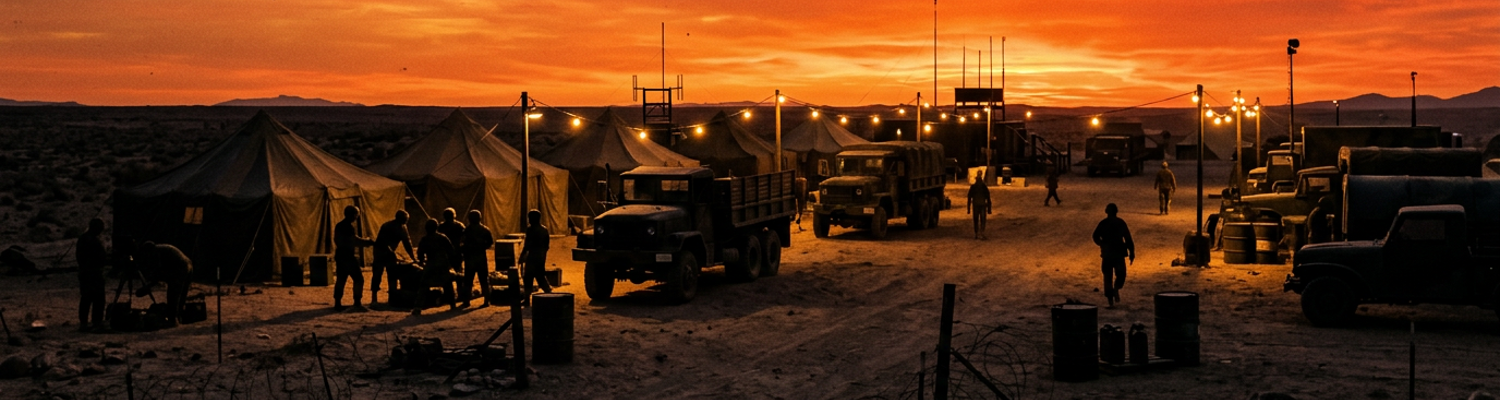
Mount Pinatubo exploded into a massive column of rock and gas in June 1991, throwing total darkness across central Luzon and smothering military installations under a relentless fall of volcanic debris. Heavy rainfall from Typhoon Yunya mixed with airborne grit, turning dry particles into dense mud that hardened directly on buildings and roadways. Millions of tons of volcanic ash deposited over U.S. Naval Base Subic Bay and Clark Air Base. Structural beams buckled across aircraft hangars, utility lines fell under the heavy weight of the debris, and electrical transformers exploded when wet ash caused short circuits in the primary power grid. Navy personnel cleared access roads with front end loaders and bulldozers, fighting to keep critical routes open as falling ash threatened to crush the entire industrial complex.
Shipyards and Naval Supply Depot warehouses anchored Seventh Fleet forward readiness, providing continuous warship turnarounds for aircraft carriers and cruisers across the western Pacific. Specialized installations allowed Seventh Fleet combatants to complete engine overhauls, hull maintenance, and ammunition replenishment without returning to distant homeports in Hawaii or the United States west coast. Ash penetrated the air vents of precision machine shops, coating heavy industrial lathes and hydraulic cranes required to repair damaged hulls and propulsion shafts. Clogged air intake filters forced maintenance crews to shut down primary diesel generators, which severed electrical power to refrigerated storage lockers holding food and medical reserves for forward deployed battle groups. Base commanders realized the industrial damage crippled routine maintenance schedules, prompting senior officers to issue emergency orders to evacuate nonessential personnel and assess base survival.
Evacuation teams mobilized immediately to ensure base survival while planners conducted emergency structural and operational damage assessments across the waterfront under Operation Fiery Vigil. Navy transport helicopters and landing craft shuttled families away from collapsed housing areas toward deep water anchorages where the aircraft carrier USS Abraham Lincoln and amphibious assault ships waited offshore. Sailors cleared ash from flight decks and ventilation intakes with high pressure saltwater hoses to keep ship propulsion systems operating during boarding operations. Evacuation teams loaded more than twenty thousand military dependents and civilian employees onto departing vessels bound for Cebu and regional airfields. Logistics officers and damage assessment teams stayed behind on the damaged piers, inspecting cracked seawalls, flooded drydocks, and collapsed warehouses to determine whether the base could still function as a fleet hub.
Inspectors evaluating the fleet hub discovered cracked support pillars inside major machine shops, thick layers of abrasive sludge throughout primary fuel lines, and contaminated cooling systems that disabled heavy drydock pumping machinery. Volcanic ash settled directly into harbor basins, reducing water depths along key repair berths and threatening to draw destructive sediment into the sea chests of arriving destroyers. Base planners concluded that Clark Air Base suffered total structural destruction, leading the Air Force to abandon that airfield permanently while Subic Bay faced an uncertain future under heavy cleanup demands. Repair crews cleared critical piers and restored basic water lines, but the damaged facilities could no longer guarantee rapid drydock availability or continuous warship turnarounds. Seventh Fleet quartermasters immediately diverted incoming combat supply ships to secondary ports across the region and opened urgent operational reviews to locate an alternate deep water logistics hub in Southeast Asia.
Philippine Senate Treaty Rejection and Base Evacuation
Logistics reviews proceeded while American military negotiators attempted to preserve long term basing rights in Manila. Negotiators spent months drafting an agreement that would grant the United States a ten year operational lease at Subic Bay in exchange for hundreds of millions of dollars in annual economic aid. Filipino political leaders and street demonstrators expressed intense domestic resistance to foreign military installations following the physical devastation of Mount Pinatubo and the broader collapse of the Soviet Union. The Philippine Senate voted twelve to eleven to reject the proposed Treaty of Friendship, Cooperation, and Security on September 16, 1991, as senators stood inside the legislative chamber in Manila to cast the deciding ballots against extending the American military presence. Command staff at Subic Bay received the final vote tallies over secure radio links, realizing that months of emergency ash cleanup could not save the naval station. Philippine government officials immediately drafted eviction directives to force all remaining American military commands off the base grounds.
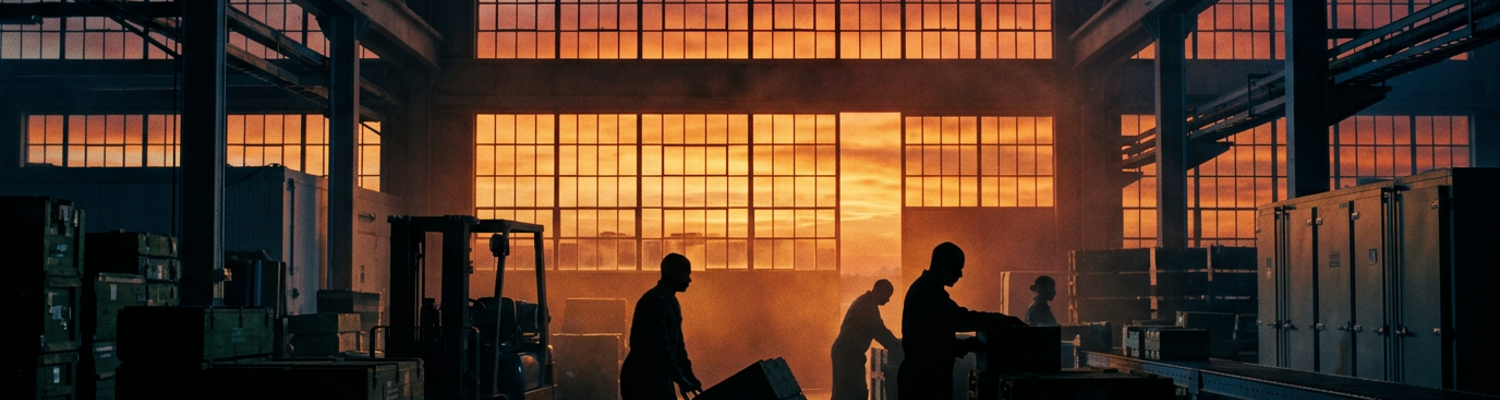
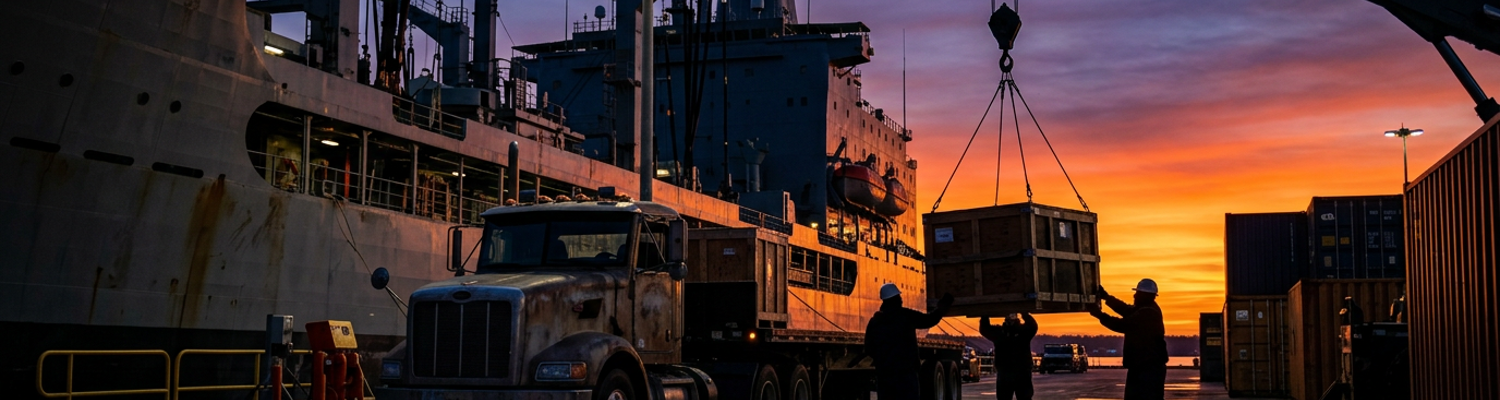
Manila issued a formal diplomatic notice requiring the complete evacuation of those base grounds by the end of December 1992. Logistics officers faced a strict fifteen month deadline to dismantle almost a century of military installations scattered across sixty thousand acres of land and harbor waters. Supply teams categorized thousands of machine tools, heavy industrial generators, medical inventories, and warehouse racks that had sustained forward deployed battle groups through decades of Pacific patrols. Civilian dockworkers and Navy Seabees began crating repair equipment, unbolting heavy lathes from machine shop floors, and loading container chassis at the naval supply depot. Riggers towed floating cranes into position along the piers to hoist heavy industrial machinery out of waterfront workshops and pack it into the holds of commercial freighters. Packing crews worked in around the clock shifts under tropical heat, filling cargo containers with ship parts, testing benches, and electronics calibrators. Commanders understood that losing this vast industrial footprint would immediately disrupt routine maintenance for cruisers and destroyers operating between the Persian Gulf and the Sea of Japan.
Cruisers and destroyers faced the imminent loss of forward repair drydocks and large scale ordnance storage, threatening endurance across the Western Pacific. Subic Bay contained the only heavy repair facilities between Japan and the Indian Ocean capable of handling emergency hull repairs and complex propulsion overhauls without forcing ships to transit thousands of miles back to Guam or Hawaii. Munitions crews at the Camayan Point naval magazine had to remove and ship more than two hundred thousand tons of bombs, missiles, and artillery rounds stored deep inside reinforced concrete bunkers. Weapons handlers loaded missile canisters, depth charges, and palletized artillery shells onto flatbed trailers, hauling the explosives down winding mountain roads to waiting ammunition ships docked at the wharf. Specialized marine crews prepared to detach electrical lines and ballast piping to tow massive auxiliary floating drydocks out of the bay for open ocean transit across the Philippine Sea. Seventh Fleet leadership ordered Task Force 73 planners to dispatch survey teams immediately to examine commercial maritime berths, fuel pipelines, and repair yards along the Singapore Strait.
Fleet Logistics Briefing in January 1992
Survey teams gathered harbor depth soundings along the Singapore Strait, compiling drydock dimensions and pipeline capacities from commercial shipyards into dense operational dossiers for Seventh Fleet leadership. Seventh Fleet quartermasters compressed these technical findings into a critical five minute operational brief in January 1992, presenting their case directly before White House and national security staff during a presidential diplomatic visit to the region. Logistics officers unrolled acetate route maps across the conference table, tracing maritime chokepoints and showing how the closure of Subic Bay threatened to isolate warships operating between the western Pacific and the Persian Gulf. White House staff members initially questioned whether established American bases on sovereign territory could absorb the fleet resupply workload without opening a brand new overseas facility. Quartermasters countered these doubts by turning directly to operational run times, pointing out that routine deployment schedules left zero margin for lengthened supply lines.
Supply lines stretching back to Guam or Hawaii created unmanageable resupply gaps in the Indian Ocean, according to detailed transit metrics presented by the planners. Supply officers calculated that a combat stores ship departing Apra Harbor in Guam needed ten continuous steaming days across four thousand nautical miles just to deliver spare parts to the Strait of Malacca. Naval supply depots in Hawaii stood more than six thousand nautical miles farther east, which extended round trip voyages to nearly six weeks and exceeded the practical range of civilian crewed auxiliary cargo ships. Severe geographical separations meant that deployed warships in Southwest Asia would exhaust aviation fuel tanks, fresh food stocks, and missile magazines long before relief convoys arrived. Cruisers and destroyers assigned to carrier battle groups would deplete their own propulsion bunkers just escorting auxiliary convoys back and forth across vast ocean reaches.
Ocean reaches required an immediate transition to an equatorial hub to sustain forward deployed carrier battle groups, as quartermasters established during the brief. Singapore occupied the central position at the southern entrance of the Malacca Strait, placing repair facilities and replenishment anchorages directly along the transit route between Pacific homeports and Middle East patrol stations. Logistics tenders stationed along the Singapore waterfront could stage fuel, palletized provisions, and technical teams to rendezvous with passing strike groups in less than forty eight hours. Commercial shipyards at Sembawang possessed heavy drydocks, deep water basins, and precision machine shops capable of handling hull repairs on any Seventh Fleet cruiser or destroyer without needing permanent American military sovereignty. Refueling operations in the city state would purchase fuel directly from regional commercial oil refineries, allowing fleet oilers to pump marine diesel and aviation kerosene directly from shore pipelines rather than waiting on cross ocean tanker shipments.
Tankers and commercial access points received immediate approval from President George H.W. Bush, authorizing negotiators to finalize an official agreement allowing the Navy to operate out of commercial facilities in Singapore. National security staff recognized that moving away from large sovereign bases toward agile commercial access points solved the diplomatic and financial burdens of maintaining massive military enclaves abroad. Seventh Fleet leadership issued immediate operational directives to Commander, Logistics Group Western Pacific, designating Task Force 73 as the lead echelon to establish the new equatorial command post. Planners at Subic Bay began drafting shipping manifests and personnel billets to shift communications gear, supply supervisors, and contract specialists into offices at Sembawang Wharves. Quartermasters sealed the briefing folders and transmitted execution orders to the waterfront at Subic Bay, directing warehouse crews to stage the first convoy of communications gear for immediate sealift to Singapore.
Accords and the Places Not Bases Strategy
Freighters bound for Singapore received steel cargo containers packed with secure radio sets and satellite terminals while American and Singaporean diplomats met across conference tables to formalize the logistics transfer. President George H.W. Bush met with Prime Minister Goh Chok Tong during his January 1992 state visit to Southeast Asia, where Washington and Singapore concluded formal access agreements that approved the fleet relocation. Negotiators drafted language that allowed American warships and supply tenders to use commercial berths, fuel docks, and drydocks throughout the island without creating an American territorial compound. White House officials and Seventh Fleet liaisons exchanged signed diplomatic notes in government offices overlooking the commercial harbor, ensuring that Navy supply lines would not snap when Subic Bay closed. State Department teams coordinated with local port authorities to set harbor access fees, cargo clearing protocols, and berthing priorities for American auxiliary ships already en route across the South China Sea.
Vessels transiting the South China Sea followed harbor pilots into deep water channels under a novel operational framework that replaced traditional military installations. The arrangement pioneered the post Cold War places not bases operational model, securing rotational access without permanent United States sovereign bases on foreign soil. Seventh Fleet officers abandoned the old pattern of building fenced garrisons, overseas housing developments, and self contained sovereign enclaves that often provoked regional political backlash. Naval planners instead contracted directly with local commercial shipyards, regional bunkering companies, and civilian port managers to handle vessel repairs and fuel distribution on a pay as you go schedule. American sailors and maintenance specialists rotated through local facilities on temporary duty orders, arriving to service specific combat groups and departing once the warships steamed back out to sea. This agile structure reduced diplomatic friction while preserving the heavy repair capabilities and refueling berths required to sustain naval power across two oceans.
Traffic across two oceans prompted engineers at commercial shipyards along the Johor Strait to expand their fabrication workshops to handle the surge of incoming American destroyers and supply ships. The bilateral understanding built upon the 1990 Memorandum of Understanding to dramatically scale up naval maintenance and logistics deployments across the island. The earlier 1990 framework had permitted small scale aircraft rotations and occasional warship port calls, but the new accord transformed Singapore into the primary operational hub for Seventh Fleet logistics. Fleet contractors leased deep water berths at Sembawang Wharves and secured access to heavy commercial graving docks capable of drydocking cruisers and landing craft. Maintenance specialists stationed repair teams directly inside local drydocks, combining private Singaporean technical labor with Navy quality assurance inspectors to rebuild turbine pumps and replace hull plating. Supply officers routed commercial tanker contracts through Singaporean refineries, allowing naval replenishment oilers to fill their fuel bunkers straight from waterfront pipelines.
Pipelines fed fuel transfer hoses and heavy pallet jacks across the Sembawang docks as Task Force 73 personnel established their primary command center inside converted waterfront administrative offices. Seventh Fleet logisticians and engineering staff integrated tactical communications consoles, secure data networks, and inventory dispatch desks directly into Singaporean port facilities. Logistics specialists linked warehouse computers directly with Seventh Fleet operational headquarters in Japan, creating a real time supply tracking system for warships operating in the Persian Gulf and Indian Ocean. Supply convoys carrying tons of spare parts, fresh provisions, and naval munitions from vacated Philippine depots began offloading their cargo directly into leased Singaporean storage bays. Technicians raised communications antennas above the waterfront roofs and initiated secure radio checks with carrier battle groups transiting the Malacca Strait, establishing the operational readiness of the new Southeast Asian logistics post.
Repair Integration at Sembawang Wharves
Radar stations at the new logistics post monitored incoming signal returns as the first gray hulls approached the Singapore Strait, directing warships straight toward leased commercial piers. Harbor control stations tracked radar contacts in the crowded waterway, clearing commercial tanker traffic to make room for American destroyers and combat auxiliaries. The agreement granted Seventh Fleet vessels expanded access to Sembawang Wharf and deep water berths at Changi Naval Base. Line handlers and civilian harbor pilots guided combat ships along the narrow channels into the northern anchorages at Sembawang. Planners coordinated with Singaporean maritime authorities to arrange clearance windows for deep draft aircraft carriers and guided missile cruisers that required deep water berths. Port engineers confirmed harbor soundings, set heavy rubber mooring fenders along the concrete seawalls, and hooked shore power cables directly into shipboard electrical switchboards.
Switchboards hummed under steady municipal current while shipyard superintendents boarded arriving combatants to inspect worn machinery and damaged equipment. Seventh Fleet shifted maintenance requirements to commercial shipyards such as Sembawang and Keppel for voyage repairs and hull overhauls. Civilian shipwrights and machinists climbed down into hot engineering spaces alongside Navy repair officers to scope out cracked boiler tubes, leaking valves, and worn propulsion shaft seals. Task Force 73 contracts replaced the former military repair depot structure at Subic Bay with commercial job orders awarded directly to private yards along the Johor Strait and Keppel Harbor. Skilled Singaporean welders and pipefitters worked round the clock on tight turnaround windows, cutting away rusted steel hull plates, re tubing heat exchangers, and balancing massive bronze propellers inside drydocks. Commercial tugs pulled guided missile frigates out of drydock basins and tied them alongside fitting out piers as dockyard managers signed off on certified voyage repairs.
Repairs required supply officers to coordinate with commercial shipping agents to feed a steady pipeline of replacement components and consumable goods to the newly repaired warships. The logistics framework leveraged the commercial efficiency and container infrastructure of the Port of Singapore Authority for naval freight. Navy logisticians abandoned slow military owned cargo distribution networks, plugging naval shipping manifests directly into Singapore automated container terminals. High speed gantry cranes at the commercial port lifted standard twenty foot shipping containers packed with aircraft engines, radar modules, and emergency valves directly from incoming transshipment freighters. Port of Singapore Authority dispatchers cleared customs paperwork electronically, sorting naval cargo alongside thousands of commercial shipping boxes without bureaucratic delays. Automated dockside straddle carriers transferred prioritized military crates straight from container stacks onto flatbed trucks bound for the northern wharves.
Wharves received palletized cargo straight from truck drivers who delivered the freight to shipside cranes at Sembawang Wharf, where deck crews hoisted provisions and spare parts down into lower storage holds. Seventh Fleet quartermasters checked serial numbers and verified delivery manifests on handheld clipboards, confirming critical turbine parts that had arrived from American factories in just days. Supply handlers stacked dry food rations, fresh drinking water crates, and hydraulic fluid drums across the weather decks, filling auxiliary storerooms to maximum operational capacity. Fleet engineers completed final dock trials on rebuilt reduction gears, flashing up auxiliary boilers to test steam pressures before casting off shore lines. Commanding officers accepted completed work packages from shipyard supervisors, ordered line handlers to cast off heavy mooring lines, and steered refitted warships back out into the international shipping lanes of the Malacca Strait.
Reorganization of Task Force 73 and COMLOG WESTPAC
Exhaust from turbines drifted across the Malacca Strait shipping lanes as those refitted warships cleared the channel, demonstrating that private commercial docks could successfully return combatants to front line fleet operations. Navy leaders recognized that keeping these vessels fueled and armed required an equally agile command echelon stationed directly at the commercial waterfront. Commander, Naval Surface Group Western Pacific officially completed its physical relocation from Subic Bay to Singapore in July 1992. Navy administrative teams and quartermasters hauled the last filing cabinets, classified communication consoles, and tactical planning boards out of their abandoned Philippine offices and loaded them aboard military cargo planes bound for Paya Lebar Air Base. Logistics specialists unloaded those cargo pallets at the Port of Singapore Authority terminal at Sembawang, trucking sensitive communication arrays into leased waterfront offices overlooking the commercial anchorages.
Anchorages sat just outside the windows as communications technicians wired those newly arrived consoles into high frequency radio arrays, establishing continuous links with Seventh Fleet headquarters in Japan. Command staff dismantled the old administrative structure that had governed surface combatants throughout the Cold War. The command was reorganized and reflagged as Commander, Logistics Group Western Pacific, designated COMLOG WESTPAC, under Task Force 73. Seventh Fleet leadership transferred operational oversight of frontline surface combatants to battle force commanders, freeing the newly designated logistics staff to focus entirely on supply lines and vessel maintenance. Operations specialists pinned revised command rosters and organizational diagrams to the office walls, designating specific watch sections to coordinate commercial voyage repairs, fuel contracts, and regional port clearances.
Clearances fell to watchstanders assigned to those new dispatch sections, who picked up direct communication lines to forward deployed supply vessels as Task Force 73 assumed operational control over regional Combat Logistics Force ships, Military Sealift Command assets, and mobile repair teams. Fleet oilers, ammunition carriers, and stores ships operating between Japan and the Arabian Sea began taking maneuvering instructions and delivery priorities straight from the Singapore command deck. Civilian mariners aboard Military Sealift Command auxiliary ships synchronized their ocean transit routes with Task Force 73 schedules to conduct mid ocean underway replenishments with passing carrier battle groups. Navy logisticians also organized mobile repair teams made up of specialized machinists, welders, and electronics experts who could fly directly to regional commercial ports to repair damaged shipboard pumps and radars on short notice. Logistics dispatchers plotted each auxiliary ship position on large regional wall charts, updating transit speeds and cargo inventory tallies with grease pencils.
Grease pencil marks on the plotting boards showed supply ships converging on designated fueling zones across the South China Sea and Indian Ocean, verifying that forward warship endurance no longer depended on a permanent sovereign naval station. Logistics officers calculated fuel burn rates and ammunition requirements for carrier battle groups, routing replenishment oilers into open ocean transfer tracks without delaying combat missions. Mobile repair teams boarded commercial flights from Changi Airport with specialized tool kits and replacement circuit cards, meeting wounded frigates at anchorages in Thailand and Malaysia to carry out pier side engineering fixes. Supply coordinators in Singapore keyed final dispatch manifests into the terminal logistics network, directing loaded fuel tankers and ammunition ships to slip their moorings and proceed directly toward deep water rendezvous points in the Philippine Sea.
Fleet Replenishment Operations Across the Indo Pacific
Tankers steamed through heavy ocean swells toward those Philippine Sea rendezvous points, translating computerized cargo manifests into continuous resupply runs across the open water. This operational expansion meant that COMLOG WESTPAC became responsible for fuel, ordnance, and supply coordination across fifty million square miles of the Pacific and Indian Oceans. Watchstanders inside the Singapore logistics cell tracked fuel inventories, high explosive ordnance transfers, and critical mechanical spares across an operational area stretching from the International Date Line to the eastern shores of Africa. Logistics officers synchronized commercial bunker contracts with Military Sealift Command auxiliary ship movements, routing fleet oilers and dry cargo vessels to intersect passing battle groups without disrupting combat mission tempos. Rigging teams on auxiliary decks fired messenger lines across the water gaps, securing heavy fueling probes into warship receiving trunks while maintaining steady speeds in rough seas. Operations specialists updated shipboard fuel levels and ammunition expenditures on central plotting displays, confirming that surface combatants remained fully provisioned as task groups turned westward toward Middle Eastern patrol stations.
Stations in the Middle East relied directly on the Singapore hub as the vital resupply fulcrum for Seventh Fleet vessels transiting to and from Persian Gulf operations. Destroyers, amphibious assault ships, and aircraft carriers supporting regional security missions and United Nations sanctions enforcement stopped at Sembawang Wharves to take on bunker fuel, replenish dry stores, and complete voyage repairs. Logistics dispatchers at the commercial berths coordinated with the Port of Singapore Authority to clear priority sea containers filled with turbine blades, radar components, and fresh rations through customs without administrative delays. Supply personnel loaded crated provisions, palletized ordnance, and barrels of hydraulic fluid straight into warship storage holds, shortening in port turnaround windows so battle groups could proceed through the Strait of Malacca on schedule. Engineering technicians completed diagnostic checks on propulsion shafts and auxiliary generators at the pier, verifying that deployed combatants possessed the mechanical reliability required for high tempo operations before task groups departed to join planned naval maneuvers alongside regional partners.
Partners integrated replenishment operations into bilateral exercises, including the Cooperation Afloat Readiness and Training series, to test these supply networks under realistic field conditions. Logistics planners used these annual bilateral sea phases to practice complex underway replenishment, communications interoperability, and emergency maintenance drills with partner navies across Southeast Asia. American supply ships transferred marine diesel fuel and palletized dry goods to surface combatants from Singapore, Malaysia, Thailand, Indonesia, Brunei, and the Philippines while steaming alongside them in close formation. Deck crews rigged tensioned span wires between ship hulls in rolling tropical waters, teaching allied line handlers how to receive fueling probes, balance heavy cargo nets, and lock transfer couplings into matching deck fittings. Machinists and electronics technicians conducted joint repair workshops aboard foreign patrol craft, sharing equipment troubleshooting methods and standardizing logistics communication procedures for future multinational operations. Line handlers tripped quick release pelican hooks and hauled heavy messenger lines back onto the supply decks as participating warships turned away from the replenishment rigs, securing the deck gear and resuming independent patrol routes through regional waters.
Strategy and Modern Forward Presence
Warships fanning out across regional waters proved that forward presence no longer required vast sovereign garrisons, as the 1992 relocation established the enduring template for rotational naval access throughout the broader Indo Pacific theater. Fleet commanders applied this shared berth strategy to bilateral access agreements with regional partners from Australia to the Persian Gulf. American negotiators traded the heavy political liabilities of overseas sovereign bases for flexible commercial maritime service contracts and shared airfield facilities. Task Force 73 logisticians coordinated commercial bunkering, routine hull maintenance, and specialized parts delivery across this loose web of civilian ports. Civilian port authorities throughout the region followed the Singapore arrangement by opening commercial channels to American auxiliary supply vessels, providing steady sustainment for rotating naval task groups. Quartermasters tracked these port visits on regional logistics boards, scheduling pier spaces and fuel deliveries to keep combat ships operating continuously along major maritime trade corridors.
Corridors of maritime trade prompted Changi and Sembawang to expand and support long term rotational deployments of Littoral Combat Ships and P-8A Poseidon maritime patrol aircraft as operational requirements evolved. Engineers reinforced deep water concrete piers at Changi Naval Base, adding high capacity shore electrical connections, fresh water lines, and heavy mobile crane pads to service shallow draft Littoral Combat Ships alongside deep draft carriers. Maintenance teams installed specialized diagnostic equipment and spare parts lockers inside leased facilities at Sembawang, enabling rapid dockside engine maintenance and hull inspections between active deployments. Flight crews operated P-8A Poseidon maritime patrol aircraft out of nearby military airfields, uploading acoustic sonobuoy data and radar surveillance tracking files inside climate controlled briefing rooms. Aviation machinists turned aircraft around on shared ramps by loading sonobuoy tubes, checking turbine oil levels, and replacing electronic circuit cards straight from modular containerized supply vans. Dock workers loaded fresh stores and replacement waterjet components directly into the open mission bays of moored Littoral Combat Ships, preparing crews for continuous patrols across regional choke points.
Destroyers departing these equatorial berths fanned out across regional choke points, demonstrating how the decentralized logistics model proved indispensable for modern distributed maritime operations and rapid expeditionary fleet support. Fleet commanders dispersed large battle groups into smaller, agile surface action units that operated independently across millions of square miles of open ocean. Logistics officers abandoned reliance on massive, centralized supply depots that presented vulnerable targets to long range adversary missiles. Military Sealift Command tankers and dry cargo ships pushed fuel, munitions, and provisions directly to scattered expeditionary units utilizing shallow draft anchorages and commercial piers. Tactical data networks linked these forward deployed auxiliaries directly to Seventh Fleet logistics coordinators in Singapore, allowing real time inventory adjustments as ships shifted between patrol sectors. Contract specialists arranged fuel barging and pier side crane rentals at secondary ports across the region on short notice, ensuring distributed combat units sustained steady operational tempos.
Tempos remained high as quartermasters directed those chartered barges and cargo tenders straight toward rendezvous coordinates in remote island waterways. Barge crews pumped marine diesel fuel directly into the storage tanks of waiting destroyers anchored inside natural harbors across the island chains. Deck hands aboard underway replenishment vessels hauled tensioned fuel hoses across open water, feeding combat systems and propulsion plants without forcing surface combatants to pull back to major naval bases. Maintenance technicians boarded commercial speedboats with diagnostic tools and replacement pump seals, completing emergency propulsion repairs while combatants remained on active maritime watch. Logistics dispatchers at Task Force 73 headquarters tracked every fuel transfer and parts delivery on encrypted tactical terminals, shifting supply convoys whenever reconnaissance flights reported adversary movements. Weapons handlers strapped missile canisters and sonar equipment onto flatbed trailers at commercial docks, staging the next wave of expeditionary cargo for immediate sealift into the operational theater.