
NAS Norfolk Debriefs After Opening Patrol Cycles
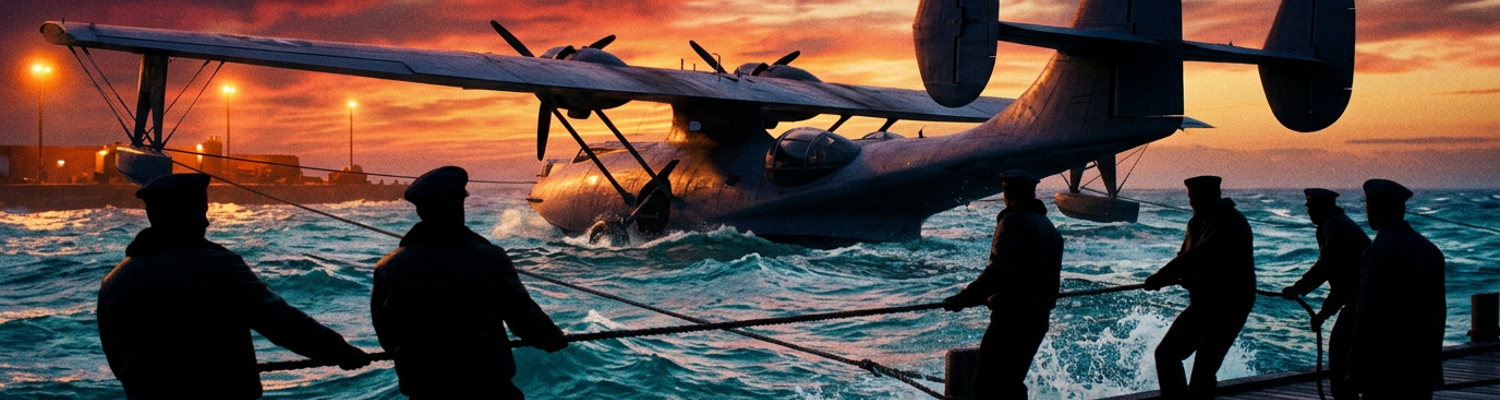
Radiomen at the Naval Air Station Norfolk communications center intercepted erratic Morse code signals from an incoming patrol plane drifting far west of its assigned landing lane. The aircraft transmitter tapped out fragmented position reports before cutting off entirely, prompting the watch officer to alert base command and dispatch emergency rescue boats into the choppy waters of Willoughby Bay. Base lookouts spotted the twin engine seaplane wobbling through low coastal clouds with uneven engine power, barely skimming the tree line before splashing hard onto the harbor surface. Ground handlers waded into the surf with heavy tow lines to secure the shuddering hull and drag it toward the concrete ramp before the incoming tide could roll the aircraft over. Squadron commanders and flight surgeons convened immediately after this opening seventy two hour patrol cycle to analyze critical operational breakdowns. Medical personnel hurried across the wet concrete apron to pull trembling flight crews out of the damp fuselage and guide them directly into the operations building.
Surgeons guided the soaking aviators onto wooden benches under bare electric bulbs and began recording their physical symptoms. Debriefing records documented acute pilot exhaustion and cognitive degradation caused by continuous twelve hour open ocean search tracks flown without relief crews or functional autopilots. The pilots had spent half a day wrestling heavy mechanical flight yokes against relentless Atlantic crosswinds because the primitive gyroscopic steering units failed shortly after takeoff. Flying through rain and heavy chop with no second pilot meant that the men could not take their hands off the controls to eat rations, plot navigational bearings, or stretch their cramping legs. Severe mental fatigue set in after eight hours of scanning featureless gray waves, leaving pilots unable to calculate fuel burn rates or read their instrument dials accurately. Clipboard sheets filled up with notes showing that several navigators lost their bearings completely and mistook commercial cargo ships for foreign naval vessels during the final hours of their sweep.
Commanders studied those handwritten notes alongside fuel logs to determine why basic flight discipline had collapsed across the entire patrol area. Technical inspectors reported that raw gasoline fumes had seeped from auxiliary tank valves directly into the unventilated cockpits, sickening the crews and speeding up their disorientation. Saltwater spray had also penetrated the exterior radio housings, shorting out electrical transmitters and cutting off planes from shore stations just as stormy weather closed over the Virginia Capes. The gathered officers realized that their standard peacetime procedures were failing completely during real open ocean searches. Senior captains recognized that dangerous mechanical failures and exhausted crews would cause fatal crashes unless ground crews immediately repaired the aircraft and reconfigured their equipment.
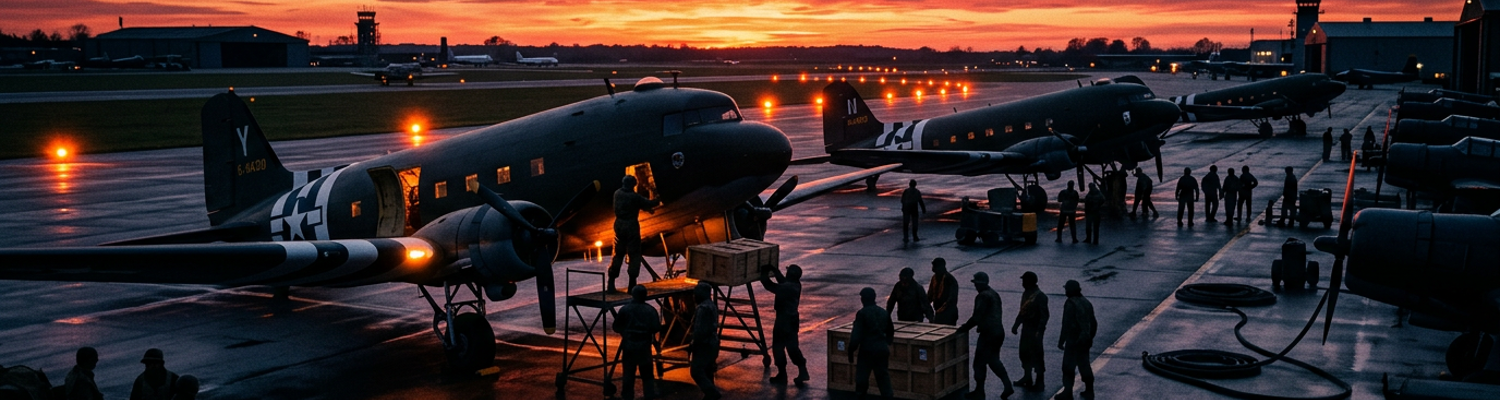
Mechanics pushed the battered patrol planes into the main maintenance hangars to begin emergency mechanical overhauls. Wrench crews immediately stripped down the faulty gyroscopic autopilots and replaced the cracked rubber seals on the fuel distribution lines. Base medical officers drafted strict new orders requiring at least two qualified pilots and a relief technician on every flight that extended beyond six hours. Communications technicians installed waterproof canvas covers over the exterior radio antennas to shield delicate wiring from ocean spray. Operations officers erased the existing launch schedule from the ready room blackboard and canceled the next morning patrols until every aircraft passed a full inspection of its steering cables and navigation gear.
Saltwater Spark Plug Fouling and Mechanical Strain
Machinists shoved tall wooden maintenance stands beneath the wings of the grounded aircraft to begin tearing into the engines before the flight logs even reached the front office. Consolidated PBY Catalinas and older Consolidated P2Y flying boats suffered severe powerplant degradation while operating far beyond land based maintenance facilities. Flight crews had pushed these twin engine seaplanes through endless ocean patrols at altitudes of less than five hundred feet, where ocean winds whipped heavy sea foam directly into the spinning propeller arcs. Ground crews working inside the drafty hangars stripped away the aluminum cowl panels and discovered that the harsh Atlantic environment had punished the engines far more than anyone anticipated during peacetime training. Thick layers of evaporated sea salt clung to the cylinder cooling fins, trapping operational heat inside the engine blocks and baking the engine oil into a dark gummy residue. Technicians tagged each damaged Pratt and Whitney radial engine with red warning tape to signal that neither the modern Catalinas nor the aging biplane flying boats were safe to fly without a complete mechanical overhaul.
Maintenance personnel logged widespread spark plug fouling, ignition harness shorting, and engine cylinder corrosion caused by persistent low altitude Atlantic salt spray. Fine oceanic mist had forced its way past rubber weather seals, soaking the braided cloth wrapping on the high tension electrical leads and creating paths for electrical currents to short out across the engine casing. The loss of steady electrical sparks caused rapid misfiring across multiple cylinders, which accounted for the violent engine shaking that pilots had reported over the open sea. Crewmen unthreaded the dual spark plugs from each cylinder head and found the electrode gaps heavily coated with white mineral crust and damp carbon soot. Trapped moisture had corroded the steel cylinder barrels, etching tiny pits into the polished metal walls and causing severe compression leaks that robbed the engines of cruising power. Ground handlers dropped the ruined spark plugs into metal buckets and hauled wooden crates of fresh replacement parts from the supply depot to rebuild the ignition systems from scratch.
Replacement parts disappeared rapidly from station bins as mechanics worked through the night to rebuild the ruined ignition systems across both patrol squadrons. The older Consolidated P2Y sesquiplanes presented the worst mechanical crisis because their exposed wing struts and outdated engine mounts lacked the protective shielding found on the newer PBY flying boats. Patrol Wing 5 had deployed these older aircraft into open Atlantic waters where repair tenders and shore facilities could not reach them during emergency engine breakdowns. Flight engineers on board the P2Ys had spent their missions leaning out of open hull hatches with hand pumps of kerosene, trying desperately to wash salt crusts off the distributor caps while the aircraft bounced through low coastal fog. Maintenance chiefs recognized that washing engines during flight was entirely ineffective and ordered ground crews to coat every ignition harness in thick waterproof grease before reassembling the cowlings. Base supply officers dispatched urgent telegraph orders to naval manufacturing depots for waterproof ignition harnesses, heavy duty spark plugs, and extra cylinder barrels to keep the remaining patrol squadrons from being permanently grounded.
Forward Seaplane Tender Logistical Shortfalls
USS Gannet and USS Owl, two small seaplane tenders anchored far up the coast, struggled to service dispersed flying boats in exposed coastal anchorages during adverse sea states while those mainland depot orders were still being processed. Atlantic swells rolled past the outer sandbars and tossed the converted minesweepers violently against their anchor chains, making it nearly impossible for flight crews to secure their aircraft safely. Pilots brought their twin engine patrol planes into the choppy bays with dead engines, cutting their throttles and drifting across the crests toward the bobbing tender hulls. Sailors leaned over the low bulwarks with long wooden boat hooks and heavy Manila lines, trying to snag the wingtips and nose cleats of the seaplanes without puncturing the thin metal hulls. Shifting ocean winds pushed the massive wings toward the steel superstructures of the tenders, forcing engine mechanics to jump into open motorized whaleboats to fend the aircraft off with wooden oars. Deckhands worked through the surging surf to secure frayed mooring lines before the violent harbor chop could crush the fragile wing floats against the armor of the ships.
Crewmen aboard both tenders reported critical shortages of replacement radial engine assemblies, spare magnetos, and heavy open water hoisting equipment once the battered planes were tied down alongside the service decks. Neither ship possessed the specialized crane derricks required to lift heavy machinery off a bobbing wing in five foot ocean swells. Machinists stood on the rocking main decks and peered into empty storage lockers that held only general hardware, basic hand wrenches, and light sheet metal patches. Salt encrusted the cylinder banks of every incoming aircraft, but the tenders had zero crated radial engines in their holds to replace powerplants that had seized from ocean spray. Mechanics had to wedge themselves onto narrow catwalks high above the water to dismantle corroded cylinder heads by hand while the planes pitched and dipped on the whitecaps.
Electricians huddled inside the cramped tender workshops to salvage electrical parts that could not be replaced from the depleted stores of the ships. Ignition specialists found every spare magneto bin empty, leaving them no choice but to disassemble the salt soaked distributors taken from the grounded engines. Technicians scraped green corrosion off copper points with emery cloth and placed the damp coils under hot incandescent bulbs to bake out trapped seawater. Riggers on the weather deck struggled alongside them, trying to fashion makeshift hoisting slings out of wire rope and cargo booms to support aircraft that had fractured wing struts. Heavy hoisting equipment designed for calm harbors failed under the strain of open water, as sudden wave crests yanked the steel cables taut and snapped boom pins. Maintenance officers watched the damaged planes drift backward on their lines and immediately logged that forward tender support could not function without proper heavy lift booms and dedicated parts depots.
Logbooks from USS Gannet and USS Owl reached the desk of the patrol wing commander within hours of the morning inspection, confirming that the offshore tender concept had broken down. Commanders realized that leaving flying boats exposed in open roadsteads with under equipped tender ships was destroying more aircraft than the patrol missions themselves. Operations officers canceled the scheduled afternoon patrol sweeps and ordered the remaining flyable Catalinas to return immediately to the sheltered ramps at Norfolk. Tender captains weighed anchor and moved their vessels into narrower, protected river mouths to shield the grounded flying boats from oncoming coastal gales. Base engineers drafted emergency modification blueprints for heavier tender cranes and submitted urgent procurement requests for dedicated seaplane supply barges to support the next patrol rotation.
High Frequency Radio Failures During Atlantic Squalls
Radiomen at Norfolk reviewed the flight logs from that morning rotation and uncovered widespread signal failures that left the entire patrol line blind. Aircraft high frequency radio networks suffered near total signal collapse during heavy Atlantic rain squalls, severing contact with sector control stations along the eastern seaboard. Flight radiomen tapped their telegraph keys inside the noisy, vibrating flying boats, but the torrential rain and atmospheric static smothered their transmissions into useless buzzing. Shore based sector stations listened to dead air for hours at a time, completely unable to confirm whether missing patrol planes were still airborne or ditching into the Atlantic swells. Watch officers in coastal plotting rooms posted blank tracking cards onto their wall maps because incoming Morse code check ins had vanished entirely. Operations commanders realized that even if the tender supply problems were solved, the patrol wing had no reliable way to direct its aircraft once Atlantic squalls rolled over the flight lanes.
Copper trailing wire antennas snapped under the weight of driving rain and turbulent air currents as the planes plowed through the squall lines. Fragile trailing wire antennas and primitive shipboard receivers left airborne crews unable to transmit urgent meteorological or navigational updates to the fleet below. Radiomen unspooled backup antenna cables through lead in tubes beneath the hulls, but violent downdrafts whipped the weighted lead ends until the copper strands sheared against the aircraft skin. Naval destroyers and seaplane tenders pitched violently in the gale, their outdated receiver circuits drowning in static background noise whenever airborne operators attempted to report shifting storm fronts. Flying boat navigators watched their drift meters spin wildly over the open ocean without any way to radio for shore based direction finding bearings. Patrol pilots were forced to fly entirely on dead reckoning through blinding rain, unable to warn oncoming flights about dangerous low altitude turbulence or squalls building along the coastline.
Technicians at the Norfolk seaplane base swarmed the returning patrol planes to inspect the ruined radio gear as soon as the pilots cut their engines on the ramp. Wet insulation and burnt vacuum tubes cluttered the repair benches as radio specialists dismantled water logged transmitters that had shorted out in mid flight. Rainwater had seeped past external cable ports, pooling inside aluminum chassis boxes and melting the delicate internal wiring. Communications officers collected the handwritten in flight navigation logs and noted dozens of missed position reports that coincided directly with the arrival of the storm fronts. Maintenance crews discarded the fried transmitter coils into scrap bins and worked under floodlights to trace electrical shorts across the damp radio compartments. Flight radiomen stood beside the workbenches with bloodshot eyes, showing base engineers how moisture had crept along the exposed telegraph keys during the worst downpours.
Engineers drafted urgent technical directives requiring ground crews to install heavier antenna winches and moisture resistant junction boxes across every operational aircraft. Base communications chiefs dispatched couriers to naval supply depots across the region to search for insulated wiring, spare vacuum tubes, and shielded receiver components. Operations planners cleared the ready room chalkboards and redrew the patrol routing corridors to keep flying boats within line of sight visual signaling distance of coastal lighthouses and picket ships. Watch officers filed formal incident reports warning the Chief of Naval Operations that high frequency radio equipment could not withstand routine Atlantic storms without complete weatherproofing. Mechanics stayed inside the cold hangars through the rest of the night, coating radio bay bulkheads with shellac and soldering fresh lead weights onto reinforced steel antenna wires. Squadron commanders officially restricted all long range scouting operations until flight tests confirmed that the modified radio gear could punch a signal through coastal rain.
Unencrypted Contact Broadcasts and Diplomatic Friction
Officers at the Norfolk base operations center examined stacks of fresh contact logs while ground crews readied the modified patrol planes for their radio verification flights. Aircrews operated under strict directives from Chief of Naval Operations Harold R Stark requiring all foreign warship and submarine contacts to be broadcast in plain, unencrypted radio code. Naval planners in Washington had mandated open broadcasts to prove that American neutrality patrols operated without favoritism or clandestine coordination with any European power. Radiomen aboard the patrolling Catalinas had strictly followed these orders, tapping out exact coordinates, ship courses, and vessel descriptions without using cipher wheels or confidential codebooks. Squadron intelligence staff reading through the incoming transcripts realized immediately that sending plain language contact reports across international maritime frequencies had stripped away all operational surprise on the open ocean.
Reports from immediate post flight debriefings highlighted diplomatic friction as belligerent British, French, and German vessels monitored open transmissions that disclosed their positions to adversaries. Warship commanders cruising off the American coastline maintained continuous radio watches and copied every unencrypted broadcast sent by the flying boats. British destroyer captains lodged formal objections through embassy channels after American planes revealed the tracks of Royal Navy patrols to German submarines lurking in western sea lanes. German merchant vessel masters reacted with equal anger when American broadcasts gave British and French cruisers exact bearings that enabled surface interception in the North Atlantic. Pilots explained to base intelligence officers that merchantmen and warships regularly altered their headings or began evasive zigzags the moment an American aircraft finished transmitting its plain text contact flash.
Radiomen inside the Norfolk command post recorded dozens of frustrated maritime intercepts while flight crews detailed these evasive maneuvers. Foreign radio officers transmitted numerous messages over commercial channels with bitter accusations that the United States Navy was actively compromising their tactical security under the guise of neutral observation. Flight lieutenants described how armed merchant vessels and cruisers trained their secondary gun batteries directly on low flying PBYs whenever the planes circled to confirm ship identities and send position flashes. Aircrews had to endure visual threats from nervous gun crews because the unencrypted broadcasts effectively turned every routine sighting into a public target announcement for both sides of the conflict. Squadron leaders gathered these volatile accounts into urgent memorandum folders and delivered them directly to the patrol wing commander for immediate review.
Commanders spread the diplomatic complaints and flight logs across the conference tables to formulate emergency recommendations for higher naval authorities. Naval headquarters in Washington refused to waive the plain code rule because political leaders feared that using secret ciphers would incite accusations of back channel cooperation with Great Britain. Wing planners responded by redrafting patrol track instructions to keep flying boats at greater visual standoff distances from sighted warships to reduce the risk of accidental anti aircraft fire. Communications technicians updated the squadron radio log templates to record the exact frequency and signal strength of every open broadcast so intelligence analysts could track which foreign navies were listening in real time. Watch officers sealed the processed debriefing folders and dispatched motorcycle couriers to deliver the raw findings to the Navy Department before the next flight cycle began.
Navigational Drift Errors and Defensive Weapon Shortages
Motorcycle exhaust still hung in the damp morning air outside headquarters as navigators unrolled salt crusted ocean charts to calculate the severe positional errors from the opening patrols. Patrol navigators recorded hazardous dead reckoning drift errors resulting from the complete absence of long range electronic navigational aids over featureless water. Flying boats had spent hours cruising hundreds of miles offshore under overcast skies that completely blocked the sun and stars, leaving aircrews with nothing more than magnetic compasses, mechanical airspeed indicators, and hand held stopwatch timers. Crosswinds blowing across the open sea had steadily pushed the twin engine planes sideways for hours without the pilots realizing how far off course they were traveling. Plotting officers discovered that several aircraft had drifted more than fifty miles away from their assigned search tracks before sighting coastal landmarks on their return legs. These massive positional errors caused returning planes to burn through emergency reserve fuel while hunting blindly for the mouth of Chesapeake Bay in falling darkness.
Aircrews climbing down from these fuel drained aircraft handed over mission logs detailing an even more acute danger during their offshore runs. Crews documented vulnerability to foreign combatants due to critical shortages of defensive machine gun ammunition and functional depth bomb racks. Sighted European warships and armed freighters routinely manned their deck guns as American flying boats passed nearby, yet the patrolling Catalinas carried almost no means to defend themselves. Squadron armories held only small allotments of thirty caliber and fifty caliber rounds, leaving gunners with just a few dozen bullets per waist blister gun and nose turret. Pilots flying low over tense international sea lanes realized that any belligerent vessel choosing to open fire would easily overpower their virtually unarmed flying boats.
Armorers inspected the underwing bomb shackles on the grounded patrol planes and confirmed that the offensive equipment was largely unusable. Metal pylons designed to drop depth bombs suffered from stuck release solenoids and corroded manual linkage cables that jammed whenever gunners pulled the cockpit release levers. Aviation ordnance specialists lacked spare release mechanisms, wiring harnesses, and live explosive stores required to outfit more than a handful of operational Catalinas. Flying boat commanders noted in their debriefing statements that even if they pinpointed hostile submarines operating inside the coastal neutrality zone, they possessed neither functional depth bomb racks nor enough explosive charges to prosecute an attack. Mechanics attempted to unfreeze rusted release latches with penetrating oil and wire brushes, but replacement parts simply did not exist in station stockpiles.
Commanders gathered these defective bomb components and navigation logs at the wing operations desk to rewrite flight directives before the next wave launched. Operations officers shortened search sectors by dozens of miles so that navigators could use prominent coastal lighthouses and offshore lightships as visual reference checkpoints to correct dead reckoning drift. Base armorers stripped defensive machine guns and ammunition belts from reserve aircraft in the hangars to consolidate full battle loads onto the next three planes scheduled for dawn takeoff. Ground crews hauled salvaged bomb rack assemblies out of storage crates, cobbling together functional release mechanisms by hand so at least one flying boat per sector could carry dummy depth charges for deterrence. Duty officers posted the revised flight tracks on the operations board and ordered the newly armed crews to climb into their hulls twenty minutes ahead of schedule.