
Strategic Imperatives of the Ipo Dam Grid
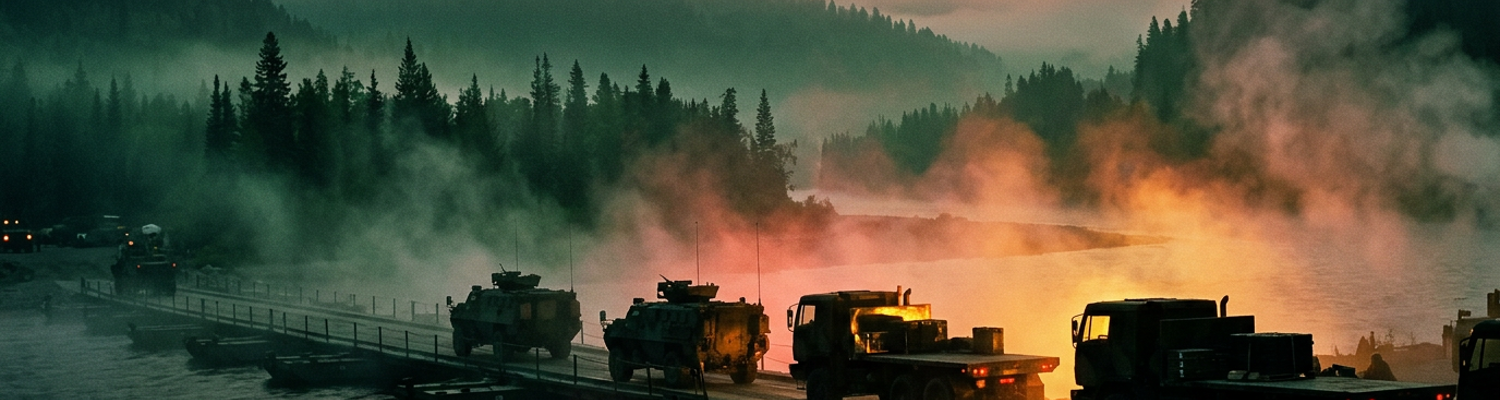
0630 hours. 06 May 1945. Coordinates 14.8558 N, 121.1502 E. The Angat River gorge in Bulacan Province.
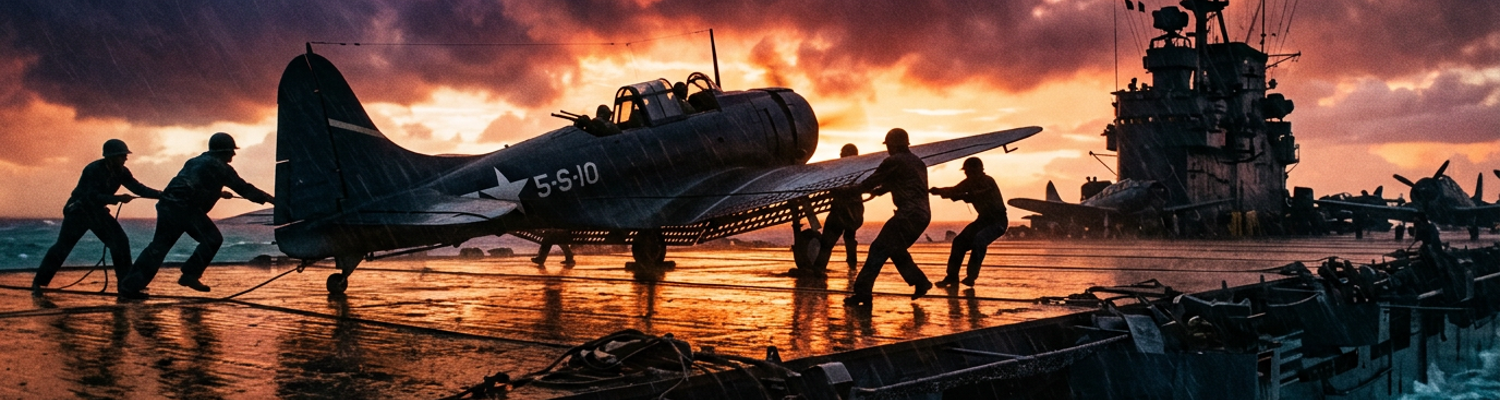
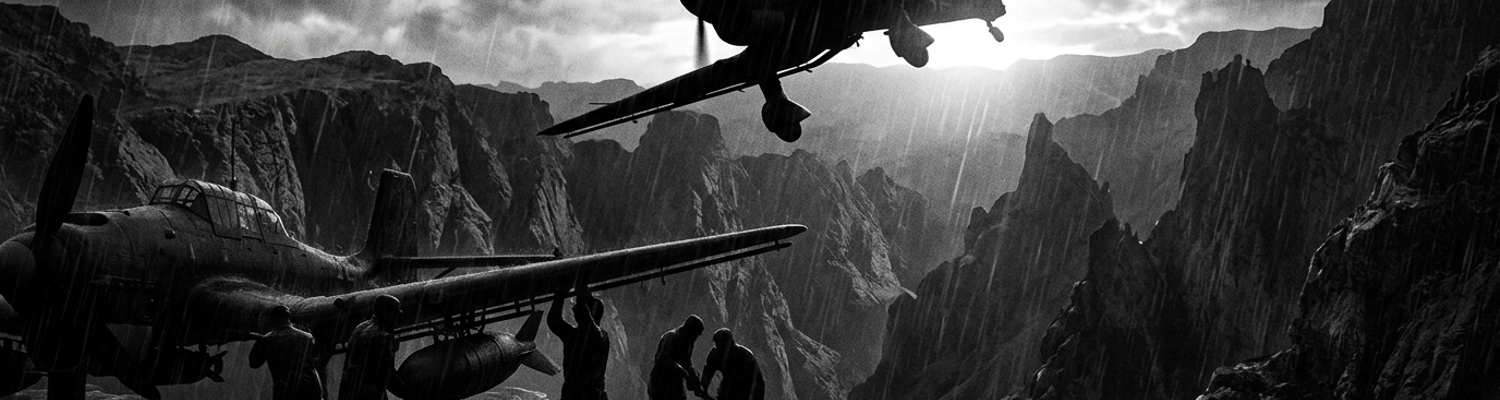
A close review of operational logs indicates that General Walter Krueger and the Sixth Army faced a specific civic threat thirty miles northeast of Manila. The capital relied entirely on the Novaliches-Ipo water system. This was an integrated network of dams, intake towers, and concrete conduits feeding the Balara Filters. Japanese forces withdrew into the Sierra Madre and seized the control station at Ipo Dam. This gave General Shizuo Yokoyama and the Shimbu Group physical control over the drinking supply for the city. Opening the spillways meant washing out advancing American infantry along the river valley. Shutting the intake pipes threatened to cause epidemic dysentery across a civilian population surviving on untreated river water. Major General Leonard F. Wing and the 43rd Infantry Division could not shell the reservoir works. Artillery fire would destroy the sluice machinery they were sent to capture intact. Sixth Army assigned Marine Aircraft Groups 24 and 32 to conduct sustained low-altitude close air support to resolve the standoff. They flew Douglas SBD-5 Dauntless dive bombers directly from the crushed-coral strip at Mangaldan.
The Marines were flying their Dauntless airframes past their mechanical expiration dates. Not by choice. By direct order.
Archival evidence shows that Major General Takashi Kobayashi transformed the vertical gorge into a heavily fortified defensive network. Japanese engineers hollowed out the karst topography of Mount Oro and Mount Marikit. They cut deep multi-tiered shafts into solid limestone. Over four thousand troops manned these subterranean bunkers. This included surviving sailors from the Manila Naval Defense Force and infantry from the 105th Division. Heavy type-92 machine guns, 47mm anti-tank guns, and 120mm mortars were pulled back into reverse-slope caves. These caves shielded the weapons from flat-trajectory artillery. The firing ports commanded every approach along the Metap Valley and the Angat riverbed. Infantry platoons attempted to scale the ridges. Japanese crews rolled high-explosive aerial bombs down forty-degree cliff sides by hand. They fired knee mortars from concealed limestone chimneys. Ground assaults directed at the cave openings resulted in extreme casualties among the 43rd Division and Agustin Marking and his Philippine guerrillas. Grazing automatic fire pinned the men on open granite faces. Conventional artillery barrages deflected off the limestone ridges without penetrating the reinforced galleries beneath.
Nothing moved above ground along the gorge during daylight.
Ground-crew maintenance reports document a relentless operational tempo for Colonel Clayton C. Jerome and MAG-32, alongside Lieutenant Colonel Lyle H. Meyer and MAG-24. This tempo eroded pilot reaction times. Marine aviators flew up to four sorties a day. They ran thirty-minute round trips from the airstrip to the target coordinates without cutting their Wright R-1820-60 Cyclone engines between bomb reloads. The SBD-5 featured a 1,200 horsepower radial engine. It carried a maximum bomb load of 2,250 pounds. The airframes operating at Mangaldan had surpassed their recommended overhaul flight hours. Ground crews hand-cranked winches under heavy humidity. They rigged M47 napalm tanks beneath the fuselages. These were unfinned 110-gallon drop tanks filled with a gelatinized mixture of gasoline and synthetic rubber powder. Over two hundred air strikes hit the cliff faces between May 6 and May 12. The planes dropped over 200,000 gallons of flaming gel into the fissures to asphyxiate Japanese gunners inside their caverns.
Cockpit temperatures reached 130 degrees Fahrenheit.
Carbon monoxide leaks through worn firewall grommets left flight crews nauseated and sleep-deprived. Pilots skimmed tree branches at three hundred miles per hour. They pulled six Gs in vertical pullouts over the intake tower. Antiaircraft fire from 25mm twin-mount guns sheared control cables and punctured oil lines. Mechanics routinely discovered bent fuselage bulkheads, stretched wing-root bolts, and cracked cylinder heads caused by recurring high-g dives. On 17 May 1945, the 169th Infantry secured the intake valves intact.
Command Clashes and Radio Net Congestion
Friction between infantry frontlines and rear air headquarters nearly broke the strike campaign before ordnance hit the ridges.
Forward observation posts near Osboy Ridge housed Sixth Army forward air controllers. These teams featured seasoned Marine air liaison officers operating alongside the 43rd Infantry Division. They demanded immediate tactical authorization to direct Douglas SBDs onto Japanese machine-gun bunkers fifty yards ahead of American foxholes. Far East Air Forces air staff officers sitting at rear desks in suburban Manila rejected this doctrine wholesale. George Kenney and the Fifth Air Force staff maintained rigid administrative procedures. These rules required strike requests to filter through a centralized air support operations center. The center enforced broad safety buffers of a thousand yards from friendly positions. Marine controllers in the mud watched Japanese mortar squads re-zero on pinned infantry. They waited for army air controllers miles away to approve individual dive angles. Sixth Army ground commanders routinely bypassed FEAF channels. They spoke directly to MAG-24 flight leads over local radio nets. This triggered open jurisdictional disputes between army division leaders and air corps staff over who possessed legal terminal control of close air support in the Angat gorge.
Operational authority broke down completely.
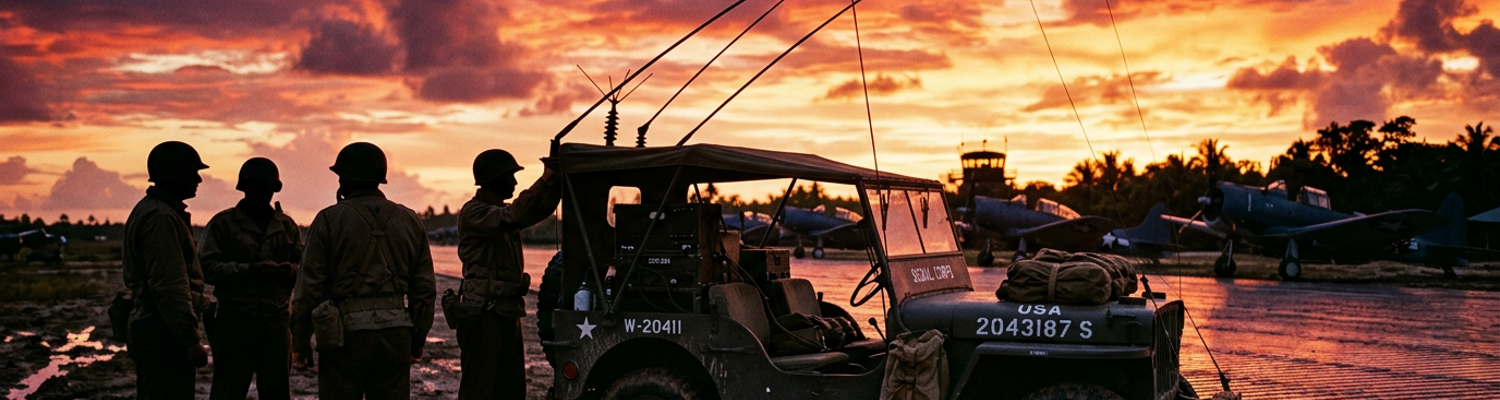
This organizational split caused catastrophic gridlock across the tactical radio spectrum. Frontline Marine ground controllers equipped with SCR-284 radio sets and jeep-mounted SCR-399 transmitters shared the same narrow VHF frequencies with Fifth Air Force fighter-bomber groups, army artillery spotting planes, and division-level communication networks. The Signal Corps Radio set 284 was a heavy amplitude-modulated transmitter-receiver. It required a hand-cranked generator for field operation. The SCR-399 was a mobile communications shelter mounted on a 2.5-ton truck chassis. Signal traffic reached absolute saturation. SBD cockpits filled with deafening harmonic distortion, howling static, and overlapping voice transmissions. This noise wiped out run-in clearance calls from the ground. Dauntless pilots from MAG-24 orbited for forty minutes at a stretch over the Angat reservoir while waiting for an unjammed transmission window. Many were already flying on their fourth sorties of the morning with muscles locked in spasms from heavy rudder pedals.
In this holding pattern, flight leaders watched their fuel gauges tick down past safe reserve levels.
A single blocked radio transmission meant aborting the strike or ditching into the jungle. Pilots yelled over each other on open channels. Their voices cracked from sheer physical strain and throat-choking cockpit heat. Low-frequency whistles from damaged dynamotors rendered key terminal coordinates unintelligible. Tactical communication collapsed. When examining the flight logs of MAG-24, operational records reveal that weather conditions over the southern Sierra Madre forced pilots into dangerous instrument descents without radar guidance. Afternoon tropical squalls routinely pulled cloud ceilings down to six hundred feet above the jagged karst ridges of Mount Marikit. This totally obscured the narrow defile of the Angat River. Marine flight leaders could not locate the target markers visually from standard dive altitudes of ten thousand feet.
Instead of breaking off, flight leaders formed tight echelons. They descended blindly through dense turbulent overcast. The crews relied purely on stopwatch timing and magnetic compass headings. Pilots punched through the cloud base at two hundred knots. They skimmed the jagged limestone outcrops with barely two hundred feet of vertical clearance beneath the cloud deck. At that altitude, flight crews had roughly four seconds to spot the terrain. They had to acquire the cave entrance, drop their 500-pound general-purpose bombs or unfinned napalm tanks, and haul back on the control stick to avoid slamming into the opposite gorge wall. Flight surgeons reported that this sustained threat of controlled flight into terrain caused acute neuroses, severe involuntary tremors, and deep psychological dissociation among aircrews. They returned to Mangaldan unable to uncurl their fingers from the throttles.
Archival casualty reports list three MAG-24 aircrews missing in action after losing visual contact inside the cloud deck.
Japanese Anti-Aircraft Defenses and Danger-Close Strikes
Japanese defenses along the Angat river gorge were configured specifically to turn the narrow approach corridors into overlapping fields of fire.
Mount Oro and Mount Marikit formed a gap barely three hundred yards wide at the water edge. This forced every incoming Marine dive bomber into a predictable single-file flight track. Dual-mount and triple-mount 25mm Type 96 autocannons occupied camouflaged revetments carved directly into the limestone cliff faces. The Type 96 25mm autocannon fired a 0.55-pound projectile. It had an effective vertical range of 9,800 feet. These weapons fired high-explosive incendiary rounds at cyclic rates of two hundred twenty rounds per minute. Japanese gun crews zeroed these weapons onto the exact dive recovery point rather than tracking planes across the sky. When SBDs entered the gorge, gunners laid down dense patterns of grazing fire across the canyon exit. This filled the narrow space with heavy fragmentation. Below these positions, high-velocity 47mm Type 1 anti-tank guns fired flat-trajectory solid shot directly into the low-altitude pullout lanes. The Type 1 47mm anti-tank gun fired a 3.37-pound armor-piercing shell at 2,700 feet per second. These high-velocity shells did not rely on altitude fuzes. Crews skipped them across the water surface or fired them straight into the rock face ahead of diving aircraft to generate fields of secondary stone shrapnel.
Cockpits filled with the sharp stench of cordite and burning hydraulic fluid.
Flying through these approach paths broke the nervous systems of flight crews who had already logged twenty consecutive combat days. Dauntless pilots pushing over into seventy-degree dives at four thousand feet had to hold their crosshairs steady through converging green tracer fire. SBD-5 control surfaces fought the pilots at dive speeds exceeding two hundred forty knots. This required two-handed muscle strain on the stick. Rudder pedals vibrated violently from buffeting perforated dive flaps. Shrapnel from 25mm airbursts shredded outer wing skins. The fragments snapped elevator trim cables and tore through Plexiglas canopies. Gunners in the rear seats were strapped facing backward into open cockpits. They watched incoming 47mm rounds detonate against the limestone bluffs only inches beneath their wings. Flight surgeons recorded pilots suffering from uncontrollable muscle twitching, profuse cold sweats, and temporary tunnel vision. This wiped out peripheral depth perception during final pullout maneuvers.
Returning aviators sat frozen in their seats at Mangaldan.
Their flight suits were soaked in hydraulic oil and sweat. They stared blankly as ground mechanics extracted twenty-millimeter shell fragments from wing spars. Flight crews had to dive directly toward their own infantry. Operational records document that dive bombers were dropping ordnance directly on top of friendly frontlines. Colonel Agustin Marking and his Philippine guerrillas sat pinned behind limestone boulders barely seventy-five yards from Japanese fortified cave entrances. Infantrymen from the 169th Infantry Regiment shared these positions. Normal safety protocols mandated a buffer of one thousand yards for five-hundred-pound AN-M64 demolition bombs. The terrain made standard safety margins impossible. MAG-24 pilots had to release their payloads at altitudes below twelve hundred feet. They let gravity weapons fall into ravines where a tracking error of two degrees meant blowing friendly troops out of their foxholes.
Pilots released unfinned 110-gallon napalm tanks that wobbled wildly through the air. The tanks splashed flaming jellied gasoline across Japanese trenches fifty yards ahead of the guerrilla perimeter. The heat radiated straight through the floorboards of the diving aircraft. Friendly troops on the ground suffered flash burns and temporary suffocation from oxygen depletion. Mechanical release levers frequently stuck from accumulated grit. Pilots had to manually yank emergency salvo handles with their left hands while holding extreme high-G pullouts with their right.
Marking and his scouts recovered three unexploded M47 napalm casings forty paces from their forward foxholes.
Cockpit Thermal Extremes and Monsoon Flying
Internal cockpit temperatures inside the Douglas SBD-5 Dauntless consistently exceeded 110 degrees Fahrenheit during low-altitude strikes across Bulacan Province.
The aircraft featured a multi-panel Plexiglas greenhouse canopy. This structure magnified the tropical solar load. An uninsulated steel firewall transmitted heat directly from the nine-cylinder Wright R-1820-66 radial engine operating at maximum continuous power. Ambient relative humidity along the central Luzon plain regularly topped eighty-five percent. This disabled the natural evaporative cooling mechanisms of the human body. Marine flight crews belonging to MAG-24 flew strapped into canvas harnesses. They wore heavy herringbone-twill flight suits. These garments soaked through with sweat, mineral salts, and atomized engine oil within minutes of leaving the coral runway at Mangaldan. Salt encrustations stung pilot retinas. This blinded aviators during target acquisition. Fluid loss degraded psychomotor reaction times and spatial awareness. Flight surgeons documented widespread acute heat exhaustion throughout the group. Medical staff noted resting pilot pulses above one hundred thirty beats per minute. They recorded severe peripheral vasodilation and involuntary muscle contractions. These spasms locked aviator boots onto the directional rudder pedals during three-hundred-knot dive recoveries.
Aviators vomited into their flight helmets from thermal shock before reaching the target grid.
Far East Air Forces planners aggravated this physiological breakdown. They enforced mandatory administrative napalm drop quotas during the daily arrival of the southwest monsoon. Sixth Army headquarters assigned fixed strike schedules. These directives required MAG-24 to drop predetermined tonnages of M47 110-gallon napalm tanks along the Angat River gorge. The planners ignored local cloud bursts and torrential downpours sweeping off the Sierra Madre. Marine aviators were forced to drop their ordnance into blinding cloudbursts. These storms dumped three inches of rainfall an hour. The water completely obscured river bends and ridgeline targets. Torrential sheets of water instantly cooled the limestone slopes of Mount Oro. This washed the gelatinized gasoline fuel down mountain gullies before it could cling to Japanese gun embrasures. Submerged in rain, white phosphorus M13 igniters failed to ignite the fuel mixtures. The M13 igniter used a white phosphorus burster charge. It was designed to shatter the tank casing and ignite the gelled gasoline upon impact.
Dozens of unexploded drop tanks remained intact on wet rock faces. Staff officers stationed at administrative headquarters in Manila demanded full quota fulfillment on paper. They threatened squadron leadership with formal operational failure marks whenever poor weather caused flights to return with unexpended tanks. Commanders treated bomb manifests as administrative check-boxes rather than tactical decisions.
Flight reports document persistent spatial disorientation during blind instrument recoveries around the 2,000-foot peaks encircling Ipo Dam. Tropical squalls dropped ceiling bases below three hundred feet. This forced formations into thick overcast where visual reference points vanished. Standard SBD-5 instrument panels carried only primitive vacuum-driven artificial horizons and turn indicators. These instruments regularly tumbled when pilots hit severe convective turbulence. Deprived of a visual horizon against the vertical cliffs of Mount Marikit, pilots suffered from vestibular illusions. The middle ear falsely signaled an inverted attitude during straight-and-level flight. Aviators fought the physical urge to bank their control sticks toward hidden rock walls. They relied on erratic compass needles while their barometric altimeters fluctuated wildly in shifting storm pressures. Pulling out blind beneath cloud decks along narrow river ravines required high-g elevator hauls. These maneuvers stretched wing-attach bolts and tore structural rivets from center-wing sections.
On 14 May 1945, a two-plane element from VMSB-133 clipped ironwood trees along the Metap Valley. They were chasing an artificial horizon reading that lagged thirty degrees behind reality.
Sustained Sortie Tempo and Psychological Attrition
Lieutenant Colonel Lyle H. Meyer and Marine Aircraft Group 24 operated under a sortie frequency that stripped flight personnel of basic biological recovery.
Between 08 May and 15 May 1945, SBD-5 crews from VMSB-241 and VMSB-133 logged four to six combat missions every daylight cycle. They ran a continuous air shuttle between the crushed-coral runway at Mangaldan and the limestone walls flanking the Angat River. Flight durations averaged thirty-eight minutes from takeoff roll to trap. This created an operational rhythm where pilots never vacated their cockpits between delivery runs. Marine commanders instituted hot-pad turnarounds. Dauntless bombers taxied directly from the recovery pattern to the ordnance revetment. Their Wright R-1820-60 Cyclone engines were left idling at eight hundred revolutions per minute. Aviators sat strapped into their metal bucket seats. Fuel hoses pumped eighty-octane aviation fuel. The eighty-octane aviation fuel contained high levels of tetraethyl lead. This compound caused neurological toxicity upon sustained inhalation. Armorers slammed bomb shackles shut beneath the belly pan. Total ground time dropped to eleven minutes per cycle.
Pilots consumed salt tablets and tepid canteen water through open cockpit windows without cutting magnetos. They breathed in a steady mixture of leaded exhaust fumes and scorched rubber before taxying back out for the next takeoff roll. No flight leader received more than four hours of broken sleep in any thirty-six-hour operational block.
Group flight surgeons cataloged severe neurological breakdown across flight rosters as consecutive mission counts crossed thirty sorties per aviator. Marine medical officers noted widespread gross motor tremors, bilateral hand shaking, and unprompted muscle spasms in the legs. These spasms interfered with directional rudder pedal authority during steep dives. Aviators suffered acute dissociative combat neurosis. They displayed blank facial postures, persistent auditory ringing, and delayed verbal processing during post-strike mission intelligence debriefs. Flight records identify pilots whose fingers locked into involuntary grip contractions. Crew chiefs had to physically pry their hands off throttle levers and stick grips after shutdown. Several dive bomber pilots experienced situational amnesia. They retained zero memory of their bombing runs from the time they entered the Angat gorge at four thousand feet until they cleared the mountain crest at Mount Marikit. Squadron medical officers distributed small rations of pharmaceutical sedatives. They forced three hours of unconsciousness before dawn pre-flight briefings. They sent trembling crews straight back into combat air patrols over Bulacan Province.
Medical tents admitted nine pilots in forty-eight hours for total sensory paralysis.
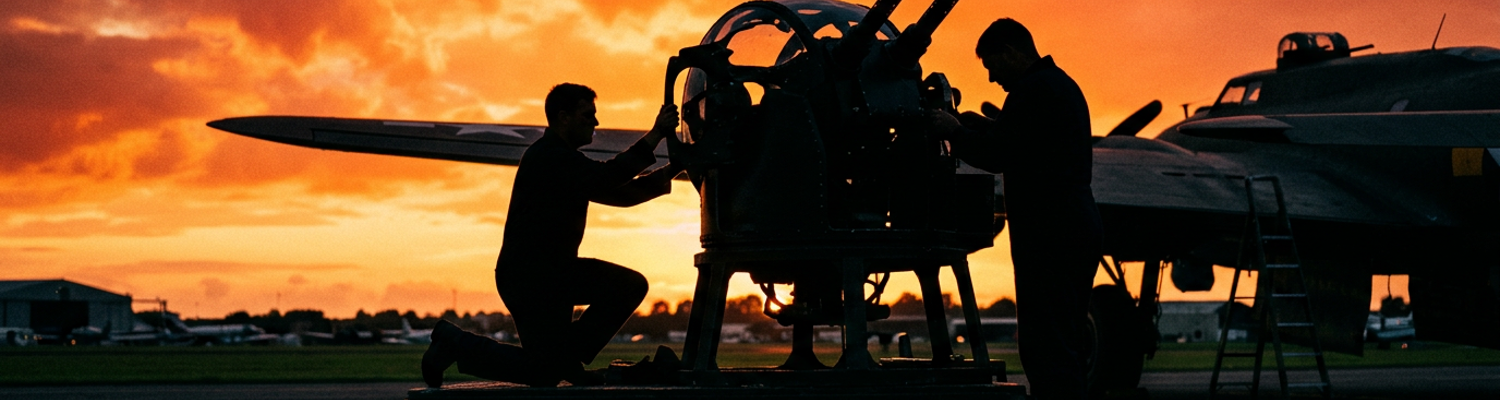
Ground personnel experienced equal physical destruction while servicing weapons systems under extreme solar exposure. Marine ordnance crews and line mechanics labored on the unshaded Mangaldan strip. Crushed white coral reflected direct sunlight and raised surface ground temperatures to 125 degrees Fahrenheit. Armorers hand-mixed napalm fuel charges beside open metal drums. They blended volatile aviation gasoline with synthetic rubber powder and thickeners without protective chemical respirators. Caustic gasoline splashes caused chemical contact dermatitis and second-degree burns across exposed torsos. Heavy aromatic vapors sickened line crews with toxic nausea and violent migraine attacks. Loading crews used manual hand-crank cable winches to lift 110-gallon M47 incendiary tanks onto fuselage bomb racks beneath idling aircraft. Each tank weighed roughly eight hundred pounds when filled. The Cyclone engine exhaust blasted armorers with 160-degree prop-wash loaded with carbon particulates. Men wrestled unguided sway braces into alignment under this heat.
Flight line medical logs recorded forty-two cases of acute heat prostration, severe heat cramps, and delirium among ground crewmen between 11 May and 14 May alone. By mid-afternoon on 13 May, ordnance chief petty officers used immersion water troughs behind the revetments to revive mechanics who collapsed under the bomb hoists.