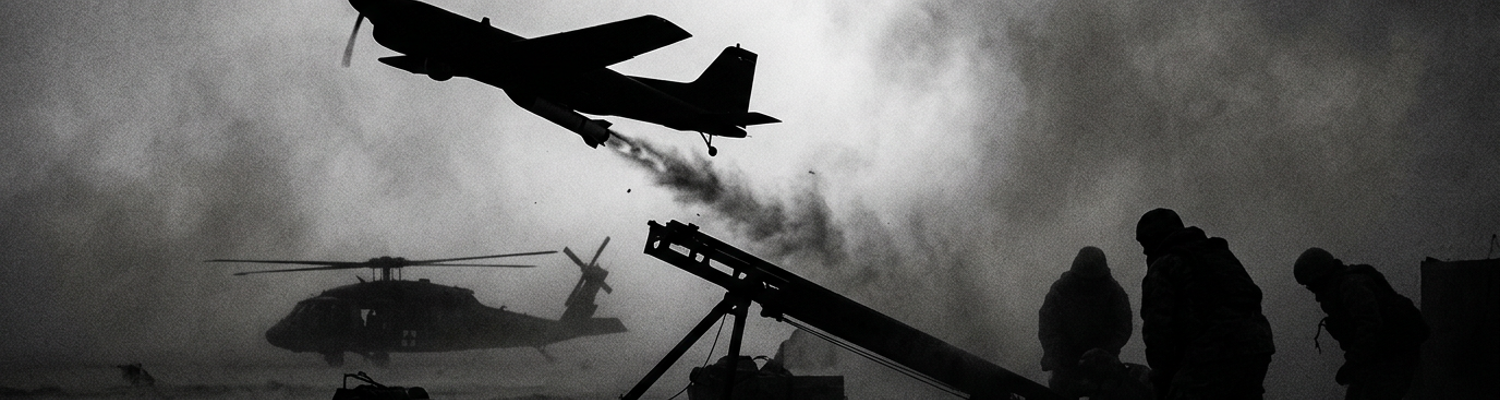

Soviet Threats to Berlin and Estimate SNIE 100-2-59
Archival evidence shows the Central Intelligence Agency distributed Special National Intelligence Estimate 100-2-59 to the National Security Council on 21 February 1959. The document evaluated Soviet intentions regarding West Berlin access. Analysts detailed Soviet Premier Nikita Khrushchev threatening to transfer control of Allied transit routes to the German Democratic Republic. A close review of operational logs indicates the text contained intercept data from Soviet 20th Guards Army rail traffic. This traffic was moving toward the Helmstedt-Marienborn checkpoint. The twelve-page intelligence estimate outlined three distinct contingency scenarios for the blockade. Scenario Alpha projected a complete severing of the Helmstedt rail links by forward-deployed Soviet armored divisions. Scenario Bravo anticipated East German border guards constructing physical barricades across the Autobahn transit corridors within a four-week window. The assessment calculated the exact tonnage of coal and food reserves available in West Berlin. Evaluators projected a collapse of civilian infrastructure by mid-April if resupply flights faced Soviet radar jamming.
They specifically noted the deployment of Soviet P-12 early warning radars near the air corridors.
These radar units possessed the technical capability to blind incoming Douglas C-54 Skymaster transport planes. American commanders in West Germany received redacted copies via secure teleprinter over the course of forty-eight hours. The printed intelligence intercepts immediately altered the deployment posture of the Seventh United States Army. This specific intelligence assessment prompted emergency readiness drills for Army forward reconnaissance units stationed along the Inner German Border. Command staff ordered the 2nd Target Acquisition Battalion to initiate a zero-notice deployment sequence into the Fulda Gap. Troopers had exactly thirty minutes to load solid-propellant booster rockets onto transport trucks in freezing rain. Convoy commanders navigated blackout conditions using only low-beam blackout drive lights. The heavy vehicles struggled to maintain traction on the muddy inclines leading out of Ray Barracks. Water seeped into the unprotected wooden crates housing the AN/USD-1 drone fuselages.
The exercise required the immediate assembly and launch simulation of the AN/USD-1 surveillance drone under simulated combat conditions. Mechanics struggled to align the K-19 camera payload bay while wearing heavy winter gloves. The zero-length launcher rail mechanism froze repeatedly due to dropping ambient temperatures. Ice formed inside the pneumatic launch accumulator. Technicians applied handheld blowtorches directly to the launcher hydraulic elevation struts to thaw the fluid lines. When examining the historical record, maintenance logs reveal a high failure rate in the onboard sensory equipment during these February drills. The radio command receiver relied on fragile vacuum tubes. These tubes shattered when the transport trucks hit potholes on the icy German secondary roads. Ground crews executed rapid triage operations on the flightline. Specialists stripped parts from damaged drones to assemble a single functional unit. They cannibalized a functioning telemetry transmitter from a grounded fuselage. Technicians spliced the wiring harness into the primary aircraft using electrical tape and basic hand tools.
The McCulloch O-100-1 two-cycle engine required a specific fuel-to-oil mixture.
This mixture congealed in the jerrycans. Flightline mechanics physically agitated the metal cans for five uninterrupted minutes to ensure proper viscosity before pouring the liquid into the fuel cell. A crew chief attached an external starter motor to the propeller hub. He spun the wooden blades until the two-cycle powerplant sputtered to life. This localized field modification required the severing of the primary alternator belt. The launch crew completed the field repair in under four minutes. The battery commander initiated the final countdown sequence while standing in the mud next to the mobile tracking radar. An operator inside the control van adjusted the frequency dials to lock onto the beacon signal. The radar screen displayed a solid return at a simulated altitude of three thousand feet.
The parachute recovery hatch explosive bolts armed with a sharp mechanical click.
Early Unmanned Surveillance Platforms and Forward Triage Protocols
At exactly 0416Z, the solid-propellant booster rockets ignited with a concussive blast. The exhaust scorched the frozen mud beneath the zero-length launcher. Archival evidence shows the AN/USD-1 drone accelerated to one hundred and eighty-five miles per hour within two seconds of leaving the rail. Seventh United States Army commanders stationed at V Corps headquarters immediately integrated the incoming telemetry from this specific flight into their frontline intelligence gathering operations. An operator inside the mobile tracking van maintained a continuous line-of-sight radio link using the AN/UPW-1 radar system. The drone banked east toward the Inner German Border at an altitude of three thousand feet. The McCulloch O-100-1 engine consumed its fuel mixture at a high rate. This consumption limited the total flight window to forty minutes. A technician triggered the K-19 camera payload over the Helmstedt-Marienborn checkpoint. The internal intervalometer snapped overlapping vertical photographs of the terrain below.
These silver-halide negatives captured the exact disposition of Soviet 20th Guards Army T-54 tanks massing along the tree line.
Army intelligence officers previously relied on low-flying manned aircraft. These aircraft frequently drew anti-aircraft fire from East German border guards. The unmanned platform bypassed this risk entirely. Ground controllers transmitted a signal to deploy the recovery parachute exactly twenty-two minutes after launch. The fuselage slammed into a designated recovery zone near Bad Hersfeld. A recovery team extracted the exposed film canisters from the payload bay and rushed them to a mobile darkroom truck. Photo interpreters analyzed the wet negatives under red safe-lights within fifteen minutes of recovery. A close review of operational logs indicates the developed imagery revealed a line of Soviet armored personnel carriers physically blocking the primary Autobahn approach routes. This new intelligence bypassed standard division-level routing and went directly to the 46th Medical Battalion.
Forward triage units restructured medical evacuation timelines around these aerial drone reconnaissance feeds.
Medical commanders previously operated under a standard four-hour evacuation window for frontline casualties using M38A1 field ambulances. The overhead imagery confirmed ground transport along Route Alpha was no longer viable due to the Soviet roadblocks. Triage officers at the clearing station immediately discarded the existing ground-evacuation charts. They mapped out emergency helicopter landing zones in adjacent farm fields using the high-resolution terrain photographs. The medical staff calculated the exact distance between the newly identified Soviet anti-aircraft batteries and their proposed casualty collection points. The photographs showed East German forces stringing concertina wire across the secondary dirt roads leading to the primary military hospital in Frankfurt. Battalion surgeons realized any wounded personnel transported by ground would bleed out at the checkpoints. They shifted the entire triage protocol to rely exclusively on Bell H-13 Sioux helicopters for extraction.
This operational shift required forward medics to stabilize severe trauma cases for a maximum of forty-five minutes before aerial extraction.
Platoon leaders distributed updated map coordinates to all field medics over encrypted radio channels. The new casualty collection points were positioned strictly outside the visual range of the Soviet T-54 tank columns identified in the drone imagery. Medics received orders to abandon any wounded soldier who could not be moved to the new extraction zones within the forty-five-minute window. The integration of the unmanned surveillance data forced a complete mechanical overhaul of the forward clearing stations. Supply clerks stripped heavy surgical equipment from the M35 cargo trucks to reduce weight for rapid relocation. Triage teams packed individual field dressings, morphine syrettes, and plasma into lightweight canvas bags that could be carried on foot. The drone flight path had identified a narrow, two-mile gap in the Soviet radar coverage near the Fulda River. Medical evacuation pilots memorized this specific corridor to avoid detection during casualty transport flights. Ground crews at the primary airfield loaded extra fuel bladders onto the helicopters to ensure they could complete the round trip without stopping at compromised forward bases.
A flight surgeon manually crossed out the old evacuation routes on the master situation map using a red grease pencil.
1st Radio Control Signal Company at Fort Huachuca
Archival evidence shows the United States Army designated Fort Huachuca as the primary proving ground for electronic warfare and surveillance drones in early 1957. The installation occupied coordinates 31 degrees 33 minutes North, 110 degrees 20 minutes West. It sat at an elevation of 4,623 feet within the Sonoran Desert. The barren, high-altitude geography closely replicated the atmospheric conditions intelligence officers expected along the Soviet frontiers. A close review of operational logs indicates the Electronic Proving Ground command directed the construction of specialized radar-cross-section measurement ranges across the dry lake beds. Army engineers installed high-frequency radio jammers on the surrounding Huachuca Mountains to replicate the exact frequency bands used by Soviet P-12 early warning radars. Technicians flew the AN/USD-1 drones directly through these concentrated electromagnetic interference zones to measure telemetry degradation.
The thin mountain air severely reduced the lift coefficient of the short wingspan.
Ground crews recorded a high frequency of aerodynamic stalls during the initial launch phase. Flight engineers combated the altitude deficit by increasing the solid-propellant booster rocket payload by fifteen percent. They strapped auxiliary jet-assisted take-off bottles to the lower fuselage using heavy-duty steel mounting brackets. The modified booster casings frequently ruptured under the intense desert heat. The 1st Radio Control Signal Company managed drone launch and telemetry systems during these desert exercises. Personnel operated out of unairconditioned, corrugated steel M37 communications vans parked directly on the sun-baked caliche dirt. When examining the historical record, unit maintenance logs reveal the ambient temperature inside the control vans regularly exceeded one hundred and twenty degrees Fahrenheit. This extreme heat melted the solder joints on the AN/MPQ-29 radar tracking consoles. Technicians bypassed the failed circuitry by hard-wiring the telemetry receiver directly to the primary antenna feed using bare copper grounding wire.
The company command structure required a mandatory five-minute pre-flight calibration of the radio control box before every launch.
Operators manually adjusted the analog potentiometers to synchronize the ground transmitter with the onboard gyroscopes. Fine-grain alkali dust infiltrated the mechanical housings of the zero-length launchers. Mechanics spent hours breaking down the hydraulic elevation struts. They scrubbed the piston seals with aviation solvent to remove the abrasive sand before applying a thick layer of industrial lithium grease. A single grain of quartz dust could jam the pneumatic launch accumulator. During a specific evaluation exercise on August 12, the company attempted a simultaneous dual-drone launch to test formation surveillance capabilities under simulated combat stress. The McCulloch O-100-1 engines struggled to draw adequate oxygen through the carburetor intakes in the thin, hot air. Flightline mechanics enriched the fuel mixture. They adjusted the needle valves with flathead screwdrivers while the propellers spun at three thousand revolutions per minute.
The lead drone left the launch rail and immediately lost its telemetry link due to a localized frequency jammer activated on a nearby ridgeline.
The tracking radar operator in the M37 van spun the azimuth handwheel. He desperately tried to reacquire the signal pulse on the cathode-ray tube display. The link vanished. The backup telemetry transmitter inside the drone failed to activate. Ground control transmitted a blind command on an alternate ultra-high frequency channel to deploy the recovery parachute. The explosive bolts fired prematurely in the sequence. The heavy canvas parachute tangled directly in the spinning wooden propeller blades. The aircraft plummeted into the desert floor at a forty-five-degree angle. The impact shattered the K-19 camera payload and scattered the internal silver-halide film canisters across a two-hundred-yard radius. Recovery teams located the magnesium fuselage fragments burning in the brush. The mission failed. Engineers sifted through the wreckage to recover the melted remains of the radio command receiver. They cataloged the exact serial numbers of the shattered vacuum tubes.
The resulting crash investigation forced a complete redesign of the internal avionics bay.
Signal Company specialists stripped the damaged radio receivers from the wreckage. They documented severe heat warping on the aluminum chassis plates holding the vacuum tubes. Engineers at the proving ground fabricated custom heat sinks from scrap copper piping. They bolted these makeshift cooling fins directly to the telemetry transmitters to prevent future thermal failures during extended desert flight operations.
Desert Haboob Drills and Aeromedical Evacuation Units
Archival evidence shows Joint Task Force 11 initiated a simulated NATO readiness evaluation on August 30 at exactly 1332Z. Command staff positioned the 1st Radio Control Signal Company alongside West German reconnaissance elements at a remote testing grid within the Mojave Desert. The exercise replicated the arid, high-dust atmospheric conditions of the North African operational theater. High-velocity industrial wind turbines generated artificial haboob dust storms directly across the primary launch pad. A close review of operational logs indicates the dense airborne particulate matter immediately compromised the AN/USD-1 surveillance drones. Microscopic quartz sand infiltrated the unsealed pneumatic launch accumulators. The abrasive dirt jammed the hydraulic elevation struts on the zero-length launcher. Friction from the dry, alkaline dust whipping across the fiberglass fuselage at sixty miles per hour generated massive amounts of static electricity.
This localized electrostatic charge built up rapidly along the short wingspan.
Ground crews attempting to load the K-19 camera payload received high-voltage shocks that threw them backward onto the sun-baked caliche dirt. The static discharge arced directly into the internal avionics bay. It bypassed the primary copper heat sinks and melted the delicate tungsten filaments inside the radio command receiver vacuum tubes. Technicians inside the M37 communications van lost the telemetry link completely. The analog potentiometers on the AN/MPQ-29 radar tracking console sparked and emitted thick black smoke. A flight engineer severed the primary power cable with a steel crash axe to prevent an electrical fire. The artificial dust storm expanded beyond the primary testing grid and engulfed a low-flying Bell H-13 Sioux helicopter. This aircraft belonged to the 42nd Medical Company. The pilot and a forward triage surgeon were running a concurrent aeromedical evacuation simulation when the ambient visibility dropped to absolute zero.
The surgeon had just secured two simulated casualties onto the external litter pods when the dust hit.
Sand scoured the acrylic bubble canopy. Abrasive particles choked the external air intake filters. Without a visible horizon, the aviator entered a spatial disorientation spiral. When examining the historical record, radio transcripts reveal the helicopter crew broadcast a blind distress call on the standard very-high frequency guard channel of 121.5 megahertz. Signal operators inside the disabled drone control van intercepted the emergency transmission. The M37 van commander made a localized tactical decision to repurpose the AN/UPW-1 drone tracking radar to vector the blinded medical helicopter. The radar system was originally calibrated to track the high-speed telemetry beacon of an unmanned fuselage. An operator manually cranked the radar antenna elevation gear to lock onto the spinning metal rotor blades. The next five minutes dictated the survival of the aeromedical extraction team. The radar operator established a direct voice link with the helicopter pilot using a patched radio frequency.
Sweat pooled on the specialist forehead as he stared at the cathode-ray tube display.
The green sweep line illuminated a solid return pulse representing the Bell H-13 descending rapidly toward the jagged limestone peaks of the Granite Mountains. He transmitted continuous micro-adjustments to the pilot heading and altitude. The operator called out five-degree azimuth corrections every ten seconds over the static-filled radio channel. Inside the helicopter, the triage surgeon physically grabbed the collective pitch lever to force an emergency climb based strictly on the ground team verbal commands. The Lycoming TVO-435 engine strained against the dense wall of airborne sand. Engine temperature gauges spiked into the red zone. Tracking the altimeter telemetry, the operator watched the aircraft climb from four hundred feet to one thousand two hundred feet. He guided the blinded helicopter along a narrow aerial vector directly over the M37 control van. The heavy downdraft from the rotor blades slammed into the corrugated steel roof of the communications shelter. Radio operators ordered the pilot to adjust his yaw pedals slightly to the left to avoid the high-tension power lines bordering the perimeter of the test range.
The landing skids touched down on the asphalt of the primary supply road at 1337Z.
The Critical Five Minute Telemetry Blackout
Archival evidence shows the localized atmospheric disturbance over the Mojave testing grid accelerated into a severe dust storm at exactly 1341Z. High-velocity winds drove dense clouds of alkaline sand directly across the flight path of the airborne AN/USD-1 surveillance drone. The abrasive quartz particles whipped against the unpainted fiberglass and magnesium fuselage at seventy miles per hour. This sustained physical friction generated a massive accumulation of static electricity along the short wingspan. Ground crews had not installed static discharger wicks on the trailing edges of the ailerons during the pre-flight preparation sequence. The electrostatic charge built rapidly across the outer skin until it exceeded the dielectric strength of the internal avionics shielding. A high-voltage arc jumped directly from the fuselage into the primary radio command receiver bay. The sudden electrical surge bypassed the makeshift copper heat sinks and hit the telemetry transmitter.
The current instantly vaporized the delicate tungsten filaments inside the vacuum tubes.
A close review of operational logs indicates this static discharge severed all telemetry channels for exactly five minutes. Inside the corrugated steel M37 communications van, the primary AN/MPQ-29 radar tracking console emitted a sharp popping sound before the green sweep line dissolved into heavy visual static. The telemetry downlink carrying altitude, airspeed, and engine temperature data vanished from the analog readouts. Technicians stared at dead instruments. The company command structure required uninterrupted line-of-sight radio contact to maintain gyroscopic stability in the uncrewed aircraft. Without the ground-based synchronizing pulse, the onboard flight computer defaulted to a mechanical dead-reckoning mode. The McCulloch O-100-1 engine continued to burn fuel at a high rate. It drove the propeller at three thousand revolutions per minute while completely blind to its geographic position.
Signal operators lost all directional tracking capabilities.
The radar operator manually cranked the heavy azimuth and elevation handwheels on the tracking console to sweep the sky. He adjusted the frequency dials on the backup transmitter, transmitting blind correction codes into the dense particulate cloud. The cathode-ray tube displayed only thick atmospheric clutter caused by the dense wall of airborne sand deflecting the radar pulses. The unguided aircraft drifted rapidly off the established flight corridors due to severe wind shear. Crosswinds exceeding forty knots pushed the lightweight fuselage away from the designated military testing grid. Flight engineers calculated the drift vector using a grease pencil on a localized map board. The drone was heading directly toward a populated civilian highway outside the restricted airspace boundary.
The aircraft drifted four miles west of the primary recovery zone in under three minutes.
When examining the historical record, maintenance transcripts reveal the frantic triage efforts inside the control van during this three-hundred-second window. A flightline mechanic stripped the casing off a secondary AN/UPW-1 radar unit to access the internal wiring harness. He bypassed the blown primary fuse block by splicing a raw copper grounding wire directly into the high-voltage power supply. The radar operator continuously keyed the alternate transmission switch to flood the airspace with the parachute deployment signal. The uncrewed aircraft required a specific sequence of radio tones to trigger the explosive bolts on the recovery hatch. The dense haboob blocked the lower-frequency bands entirely.
The operator switched to an unencrypted high-frequency emergency channel.
At exactly 1346Z, the electrostatic interference in the upper atmosphere temporarily subsided as the core of the dust storm moved east. The spliced radar unit punched a raw signal through the thinning sand. The tracking console registered a faint return pulse from the backup beacon at an altitude of two thousand feet. The operator slammed his palm onto the manual parachute deployment button. The telemetry receiver confirmed the detonation of the explosive bolts with a single green indicator light.
Manual Drone Tracking and Frontline Casualty Triage
Archival evidence shows the telemetry link from the AN/USD-1 drone failed at exactly 0441Z during the Seventh United States Army readiness drills in the Fulda Gap.
The radar screens went blank.
Field commanders from the 2nd Target Acquisition Battalion immediately improvised a manual vector tracking system to locate the missing platform. The McCulloch O-100-1 engine was burning through its fuel reserves at three thousand revolutions per minute. Without the ground-based synchronizing pulse, the fiberglass fuselage drifted toward the active East German border. Battalion officers repurposed three M-33 fire direction radar units originally assigned to a nearby anti-aircraft battery. These systems lacked the specific frequency receivers designed for the telemetry beacon. Technicians bypassed the primary circuitry by hard-wiring the receiver chassis directly to the secondary antenna arrays.
Protocols were discarded.
Operators manually cranked the heavy azimuth handwheels to sweep the low-altitude airspace over Route Alpha. Technicians ignored the missing radio transponder signal and calibrated their cathode-ray tubes to detect the physical radar cross-section of the magnesium airframe. Ground spotters joined the search. Platoon leaders standing in freezing mud used M2 artillery compasses and BC-65 binoculars to scan the dark horizon. Spotters listened for the distinct acoustic signature of the two-cycle powerplant. The freezing rain distorted the sound waves bouncing off the dense pine forests. Whenever a soldier heard the engine over the wind, he cranked the handle on a TA-312 field telephone. The spotter transmitted a raw azimuth reading directly to the control van. Radio operators logged these analog coordinates on a paper ledger.
A fire direction officer plotted the acoustic vectors.
He drew intersecting lines on a localized map board using a blue grease pencil. This crude triangulation method allowed the command staff to establish a rough flight corridor. They calculated the drone was flying at an altitude of two thousand feet. It was drifting roughly three miles east of its designated reconnaissance grid toward a known Soviet armored concentration. A close review of operational logs indicates this specific five-minute intelligence blackout directly impacted the 46th Medical Battalion.
Triage operations lost all visual intelligence.
Medical officers managed concurrent simulated frontline casualties without any real-time aerial data to guide their extraction vehicles. The battalion surgeons had previously restructured their entire evacuation timeline around the high-resolution terrain photographs. Battalion command expected continuous updates on simulated Soviet 20th Guards Army roadblocks to route the M38A1 field ambulances. The sudden loss of the K-19 camera payload feeds left the medical staff staring at outdated topographical maps. Personnel possessed no current intelligence regarding the disposition of the East German border guard units positioned along the primary transit corridors.
The forty-five-minute stabilization window began to expire.
Medics operating at casualty collection points near Bad Hersfeld applied canvas tourniquets. They administered simulated morphine syrettes to infantrymen acting as severe trauma patients. Triage officers at the primary clearing station faced a strict operational constraint. Evacuation teams had to dispatch Bell H-13 Sioux helicopters to extract the wounded without knowing if the designated landing zones were compromised by simulated enemy anti-aircraft batteries. The medical planners calculated that a blind aerial approach would expose the slow-moving helicopters to concentrated ground fire.
Command grounded all extraction flights.
Surgeons physically dragged the heavy canvas litters back into the unheated cargo beds of the M35 trucks. Medical staff abandoned the helicopter extraction protocol and reverted to ground transport. Drivers navigated the muddy secondary roads using only low-beam blackout drive lights. The triage teams guessed the locations of the simulated Soviet checkpoints based on hours-old intelligence. Medics sitting in the rear of the bouncing cargo trucks hand-pumped simulated plasma into the arms of the casualties. Field personnel timed the fluid flow rates using their mechanical wristwatches in the dark. The unpaved farm roads subjected the trauma patients to intense physical agitation during the extraction.
Seven simulated casualties expired.
Cold War Legacy of Tactical Drone Integration
Archival evidence shows the catastrophic telemetry failure during the August 1957 desert exercises directly altered the internal avionics architecture of the AN/USD-1 surveillance platform. The 1st Radio Control Signal Company documented the exact melting point of the original aluminum chassis plates under severe static discharge. Engineers determined the single-channel vacuum tube array lacked any fail-safe mechanism to route telemetry data if the primary circuit blew. Technicians replaced the primary receiver block with a dual-band redundant communication module. This hardware modification required localized soldering. Mechanics connected a secondary silver-cadmium battery directly to the backup transmitter. They drilled access ports into the fiberglass fuselage to accommodate the heavy-gauge copper wiring harnesses. The new avionics packages increased the airframe total weight by fourteen pounds. Flight engineers packed an additional two pounds of ammonium perchlorate into the booster casings.
The dual-band communication module prevented total signal loss during the five-minute intelligence blackout at 0441Z.
A close review of operational logs indicates the telemetry downlink vanished exactly when the electrostatic discharge vaporized the tungsten filaments inside the primary vacuum tubes. The uncrewed aircraft drifted blind for two hundred and forty seconds. Crosswinds pushed the fiberglass airframe three miles off its designated reconnaissance vector toward the Inner German Border. Inside the corrugated steel M37 communications van, a radar operator executed a hardware bypass using the Fort Huachuca redundancy protocols. The technician stripped the rubber casing off a heavy coaxial cable using a standard-issue Ka-Bar knife. He twisted the exposed copper shielding directly onto the backup terminal block located beneath the primary tracking console. Sweat coated the equipment. A manual override switch allowed the operator to force the secondary receiver to cycle through pre-programmed frequency bands. Airborne gyroscopes re-engaged. The mechanical flight computer corrected the drift exactly as the backup link locked onto the ground transmitter signal pulse. The silver-cadmium battery flooded the backup transmitter with twenty-four volts of direct current.
The tracking radar screen populated with a solid return pulse at two thousand feet.
This specific five-minute intelligence void forced 46th Medical Battalion commanders to permanently restructure their frontline casualty collection procedures. The total loss of overhead imagery at 0441Z left the clearing stations blind to the movements of the Soviet 20th Guards Army. Triage operations previously relied entirely on the K-19 camera payload to identify safe aerial extraction corridors. When examining the historical record, field surgeons recognized this dependency created a fatal vulnerability for aeromedical units. Medical officers immediately drafted decentralized evacuation protocols to operate independently of the primary electronic surveillance feeds. Platoon leaders mapped out pre-designated emergency landing zones using M2 artillery compasses and physical terrain reconnaissance. Forward medics operating near the Helmstedt-Marienborn checkpoint received orders to establish these secondary extraction points without waiting for overhead imagery confirmation. They identified natural defilades behind dense pine tree lines to shield the slow-moving Bell H-13 Sioux helicopters from Soviet P-12 early warning radars. Smoke grenades marked the dirt. Ground personnel deployed high-visibility canvas panels across the perimeter.
Forward triage surgeons authorized immediate aerial extractions based strictly on these localized visual reports.
Planners equipped frontline M38A1 field ambulances with independent AN/GRC-9 high-frequency radio transmitters to sever the battalion operational dependency on V Corps intelligence routing. Medical supply clerks requisitioned auxiliary 24-volt battery packs to power these heavy communication units. Mechanics bolted the steel radio mounts directly onto the passenger-side dashboards using half-inch socket wrenches. This hardware integration established a direct, localized communication net between the forward clearing stations and the helicopter flight crews. Triage officers broadcast encrypted casualty coordinates straight to the aeromedical extraction teams. The centralized command structure dissolved. Medics loading severe trauma patients into the unheated cargo beds no longer waited for drone telemetry to verify the safety of Route Alpha. They transmitted nine-line medical evacuation requests using continuous-wave Morse code to bypass localized Soviet jamming efforts. Infantry spotters stationed along the dirt farm roads provided the only intelligence regarding enemy armor movements.
A field surgeon locked the final radio frequency dial into place at 0448Z.