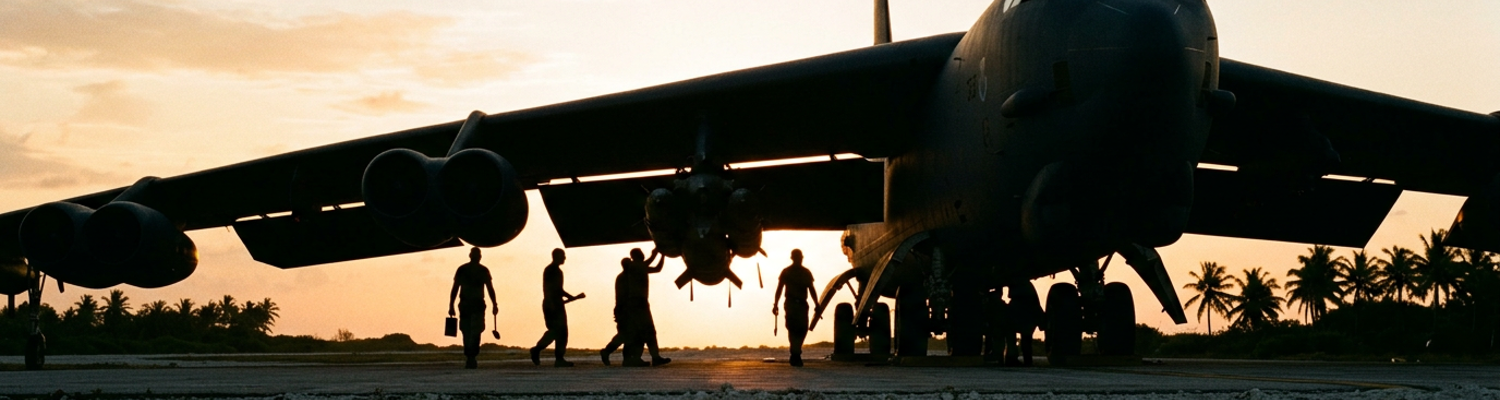

Deployment of VPB-109 to Palawan Airfield
At 0430 hours on the crushed coral airstrip at Puerto Princesa, absolute stillness dominated the flight line. A profound silence hung over the humid tarmac in the tense moments immediately preceding the engine start sequence. Ground crews waited next to the heavy auxiliary starting carts. They stood beside the massive radial engines of the parked bombers.
A close review of operational logs indicates this quiet was a rare exception during the deployment of Patrol Bombing Squadron 109 to Palawan Airfield.
The squadron arrived in April 1945 under direct orders from Fleet Air Wing 17. Their mandate involved conducting low-altitude anti-shipping operations across the South China Sea. Establishing this forward operating base required a large influx of aviation gasoline and replacement parts. The Pacific theater supply chain could not support this sudden demand. Cargo vessels assigned to transport PB4Y-2 engine spares delayed their arrival by three weeks. Shallow draft limitations at the hastily constructed harbor facilities near coordinate 9.74 degrees North, 118.74 degrees East caused these shipping bottlenecks. Mechanics routinely cannibalized damaged aircraft to keep the daily flight schedule active.
They lacked standard maintenance stands to service the modified airframes.
Squadron personnel spent their first two weeks filling sinkholes on the primary taxiways with hand shovels. The 84th Naval Construction Battalion heavy engineering equipment was stranded on a transport ship anchored twelve miles offshore. Command decisions at the Seventh Fleet level prioritized the delivery of high-explosive ordnance over base infrastructure construction materials. Aviation machinist mates slept in unfloored canvas tents. They pitched these tents directly on top of muddy drainage fields near the runway perimeter.
Archival evidence shows the PB4Y-2 Privateer patrol bombers assigned to VPB-109 underwent extensive structural changes. These non-standard modifications allowed the aircraft to carry the Special Weapon Ordnance Device Mark 9 Bat glide bomb. Naval engineers working under the Bureau of Ordnance installed specialized reinforced bomb racks outboard of the engine nacelles. These racks had to support the 1,700-pound total weight of the munition. Technicians routed thick wiring harnesses through the wing spars. This connected the aircraft internal power supply to the bomb's Bell Telephone Laboratories S-band radar system.
This external umbilical connection experienced frequent electrical faults in the high ambient humidity of the Philippines.
Maintenance personnel spent up to six hours manually tuning the delicate radar receivers before every authorized flight. The SWOD Mark 9 housed a 1,000-pound general-purpose warhead inside a ten-foot plywood and steel airframe. This demanded highly specific handling procedures on the crowded flight line. Armorers used hand-cranked Mark 8 winches to hoist the bulky weapons onto the modified sway braces.
The sheer physical bulk of the weapon frequently caused the winch gears to strip during loading procedures.
The internal mechanics of the Bat bomb introduced severe maintenance bottlenecks at Palawan. The glide bomb relied on a wind-driven generator mounted on the nose. This generator powered the internal gyroscopes and autopilot control surfaces during flight. Ground crews had to manually inspect the generator bearings for salt corrosion every forty-eight hours. They dismantled the nose cones with basic hand tools.
If a single glass vacuum tube inside the radar guidance package shorted out from the vibration of the Privateer's four Pratt and Whitney R-1830 Twin Wasp engines, the entire weapon became an unguided piece of dead weight.
Mechanics lacked specialized diagnostic equipment to test the radar tracking parameters on the ground. They relied on visual inspections of the fragile wiring looms connecting the bomb to the aircraft radar operator station.
Replacement radar tubes were completely backordered through the supply chain.
Aircrews flying out of Puerto Princesa faced strict payload limitations due to the heavy drag induced by the two underwing Bat bombs. The PB4Y-2 Privateers had to offload hundreds of gallons of fuel to safely take off from the 5,000-foot coral runway. Flight engineers calculated maximum takeoff weights down to the pound. They needed to ensure the aircraft could clear the palm trees at the end of the strip.
The main landing gear struts compressed to their absolute mechanical limits.
SWOD Mark 9 Bat Missile Avionics and Guidance
Archival evidence shows the technological core of the weapon system rested entirely on its specialized electronics. The SWOD Mark 9 Bat relied on an early autonomous K-band radar guidance package designed by Bell Telephone Laboratories. Ground crews at Palawan Airfield struggled constantly with the delicate internal components of this active radar seeker. The system operated on a 24 GHz high-frequency band. This required precisely machined brass waveguides and fragile magnetron tubes housed directly behind the plywood nose cone.
Technicians from Carrier Aircraft Service Unit 33 had to calibrate the transmitter frequency using bulky oscilloscope carts. They dragged these heavy carts across the uneven coral sand.
The ambient humidity of the Philippine wet season routinely penetrated the unsealed avionics bays during these procedures. Moisture condensation directly short-circuited the main targeting relays inside the analog computer. Mechanics spent hours wiping down the internal circuitry with scarce isopropyl alcohol requisitioned from the base medical tent.
The K-band transmitter frequently burned out before the aircraft even reached the runway threshold.
When examining the historical record, the deployment of this autonomous system was highly specific to the geographic constraints of the southern Philippines. Vice Admiral Thomas Kinkaid directed VPB-109 to utilize the Bat against Japanese maritime transport routes passing through the Balabac Strait. This narrow waterway separates the southern tip of Palawan from the northern islands of Borneo near coordinate 7.6 degrees North, 117.2 degrees East. Elements of the Japanese South-West Area Fleet used this specific choke point. They moved shallow-draft cargo vessels carrying aviation fuel and raw rubber from the Dutch East Indies toward the home islands.
The K-band radar was theoretically capable of locking onto the steel hulls of these 2,000-ton freighters from a release distance of roughly fifteen to twenty miles.
The guidance package could not easily differentiate between a steel cargo ship and a rocky island.
Operational logs indicate the Balabac Strait presented severe radar clutter problems for the early autonomous tracking system. The K-band frequencies bounced off the steep limestone cliffs of Balabac Island and the surrounding coral reefs. This fed conflicting return signals back into the Bat control mechanisms. Flight crews releasing the weapon at 10,000 feet watched as the gyroscopes commanded sudden pitch alterations based on false radar echoes from the coastlines.
Pilots flying the PB4Y-2 Privateers dropped to extremely low altitudes to secure a clean line of sight against the flat ocean surface. They had to establish this clear view before engaging the weapon tracking lock.
This low-level approach exposed the slow-moving bombers to concentrated 25mm anti-aircraft fire from Japanese escort vessels positioned along the transport routes. The autonomous tracking sequence required a full thirty seconds of straight and level flight to compute the target relative velocity.
A single bullet through the unarmored wing root meant catastrophic fuel loss.
Aviation ordnancemen back at Puerto Princesa attempted to adjust the radar gain sensitivity to filter out the island clutter. They lacked the proper schematics to modify the K-band receiver logic boards on the flight line. Mechanics resorted to manually bending the aluminum reflector dishes inside the nose cone by fractions of an inch to narrow the radar beam width. Supply officers sent urgent radio requests to Fleet Air Wing 17 headquarters at Clark Field. They asked for replacement magnetrons specifically tuned for the high-clutter environment.
Those requisitions went unanswered for three months.
The failure rate of the autonomous guidance package during these shipping strikes forced a complete overhaul of pre-flight testing procedures. Squadron commanders mandated that every SWOD Mark 9 undergo a live tracking test against a wrecked landing craft permanently anchored in Puerto Princesa harbor. This test had to occur before the weapon was authorized for combat use. Armorers linked the bomb radar output to a remote display screen inside a parked jeep to verify the K-band lock.
If the signal degraded by more than ten percent during a five-minute test window, the weapon was immediately red-tagged and pushed to the back of the revetment.
By late May 1945, VPB-109 had accumulated a stockpile of forty-two red-tagged Bat missiles sitting in the open sun. The intense tropical heat caused the plywood nose sections to delaminate and peel away from the steel airframes.
Tropical Environmental Degradation of K-Band Avionics
A close review of operational logs indicates the local meteorology at Puerto Princesa systematically dismantled the SWOD Mark 9 weapon systems before they ever left the flight line. Ground temperatures on the crushed coral tarmac routinely exceeded 110 degrees Fahrenheit by mid-morning during the summer of 1945. Relative humidity hovered near ninety-five percent. This extreme Philippine humidity repeatedly degraded K-band radar wave-guides on the deployed missiles.
The Bell Telephone Laboratories design utilized hollow brass tubes to channel the 24 GHz high-frequency radio waves from the transmitter to the antenna dish. These unsealed wave-guides were completely exposed to the ambient tropical air.
Moisture rapidly condensed inside the brass channels during the temperature drops that accompanied evening monsoon rains. The resulting microscopic layer of water and rapid oxidation altered the internal dimensions of the wave-guides by fractions of a millimeter. This slight physical distortion caused severe signal attenuation and standing wave ratio spikes that disabled the radar seeker. Mechanics assigned to Patrol Bombing Squadron 109 attempted to manually swab the inside of the brass tubes with cotton rags tied to steel bore-cleaning rods.
They lacked any factory-issued desiccant packs to absorb the trapped moisture.
Archival evidence shows the supply chain originating from naval depots in California failed to anticipate the corrosive effects of the South China Sea environment on early precision-guided munitions. Ordnance officers at Palawan submitted daily emergency requisitions for hermetically sealed storage containers to protect the avionics. Seventh Fleet logistics officers denied these requests. They chose to allocate cargo space for standard unguided high explosives instead.
VPB-109 armorers had to leave the Bat missiles mounted on the PB4Y-2 Privateer wing racks overnight under basic canvas tarpaulins.
The heavy canvas trapped the damp night air directly against the weapon unpainted electronics bulkheads. By dawn, the internal wiring harnesses were completely saturated with salt-heavy dew. Ground crews attempting pre-flight radar calibration checks at 0500 hours frequently watched the primary targeting relays short out the moment they applied ground power from the auxiliary carts.
The short circuits triggered cascading electrical fires inside the plywood nose cones.
High heat and ambient moisture overheated and destroyed fragile vacuum tubes inside the autonomous guidance packages on a daily basis. The internal architecture of the Bat radar system relied on a dense cluster of glass-envelope vacuum tubes. This included the highly sensitive 2J22 magnetron used to generate and process the K-band return signals. These tubes sat tightly packed inside a steel chassis directly behind the weapon nose.
The dark green exterior paint of the bomb casing absorbed intense solar radiation throughout the afternoon. Internal temperatures inside the unventilated guidance section easily reached 140 degrees Fahrenheit while the aircraft sat parked at coordinate 9.74 degrees North, 118.74 degrees East.
This trapped thermal energy forced the moisture into the Bakelite tube sockets. The heat caused the glass envelopes to expand against their metal retaining clips. When the bombers climbed to 10,000 feet for their patrol routes, the sudden drop in atmospheric temperature caused rapid contraction. The stressed glass shattered.
A cracked vacuum tube immediately rendered the 1,700-pound weapon completely inert.
When examining the historical record, the failure of these specific electronic components dictated the entire operational tempo of the Palawan deployment. Technicians from Carrier Aircraft Service Unit 33 documented a sixty percent failure rate for the thyratron switching tubes used in the bomb autopilot relay system. The high ambient moisture caused high-voltage arcing across the exposed pins at the base of the tubes. This electrical arcing melted the solder connections on the logic boards and permanently fused the autopilot gyroscopes in a locked position.
Squadron engineers attempted to dry out the moisture-compromised avionics bays by constructing makeshift baking ovens. They built these ovens out of empty fifty-five-gallon aviation fuel drums heated by blowtorches.
They dismantled the guidance packages with hand tools and placed the logic boards inside the heated drums for two hours before reassembly. This unauthorized field modification frequently warped the aluminum chassis plates and misaligned the radar transceiver dishes. Supply officers at Puerto Princesa requested three hundred replacement 2J22 magnetrons and thyratron tubes from the Bureau of Ordnance via radio dispatch on June 12, 1945.
The transport ships anchoring off the coast that week delivered only crates of standard machine gun ammunition.
Logistical Bottlenecks and Field Maintenance Practices
Archival evidence shows the Seventh Fleet supply network completely failed to provision Patrol Bombing Squadron 109 with the necessary hardware to sustain daily glide bomb operations out of Puerto Princesa. Cargo manifests from May 1945 indicate transport vessels anchored in the harbor prioritized offloading standard 500-pound general-purpose bombs and aviation gasoline. Fleet Air Wing 17 command officers deliberately delayed the delivery of specialized SWOD Mark 9 replacement parts by classifying them as secondary priority cargo.
This administrative bottleneck stranded crates of factory-new release mechanisms aboard Liberty ships waiting weeks to dock at the shallow-draft pier facilities.
The ambient salt air of the Sulu Sea environment immediately corroded the exposed metal components of the PB4Y-2 Privateer underwing weapon racks. Ground crews discovered the primary mechanical release shackles locking the 1,700-pound missiles to the sway braces oxidized within forty-eight hours of exposure to the Philippine climate. The heavy steel locking jaws fused shut.
Armorers resorted to manually burnishing the rusted release shackles with scrap canvas and stolen engine oil.
When examining the historical record, this manual restoration process consumed hundreds of man-hours each week on the crushed coral flight line. Aviation ordnancemen dismantled the intricate Mark 51 bomb rack assemblies using basic wrenches and brass hammers. They sat on upturned ammunition crates in the tropical heat. They forcefully scrubbed the corroded locking pins and spring-loaded release levers until the bare metal shone through the rust.
The lack of standard chemical solvents forced these crews to soak the rusted components in buckets of high-octane aviation fuel drained directly from the bombers' wing tanks.
Mechanics then coated the burnished shackles with thick layers of industrial grease to prevent immediate re-oxidation. This heavy grease attracted pulverized coral dust blown across the tarmac by the spinning propellers of taxiing aircraft. The resulting abrasive paste jammed the mechanical linkages during low-altitude test flights over the Balabac Strait.
A jammed shackle trapped a live weapon on the wing.
A close review of operational logs indicates the electrical interfaces between the aircraft and the bomb suffered equally rapid degradation. The PB4Y-2 Privateers required an extensive network of specialized coaxial cables to route targeting data from the Bat K-band radar back to the operator display console inside the fuselage. These thick umbilical cables ran externally along the wing spars before connecting to the missile's unsealed avionics bay.
Extreme heat and heavy monsoon rains quickly compromised the rubber insulation surrounding the copper wire cores. Water pooled inside the primary connection points.
Radio technicians from Carrier Aircraft Service Unit 33 spent entire nights hand-splicing these corroded coaxial cables under complete blackout conditions. They worked outside in the jungle environment. They stood ankle-deep in mud trenches that bordered the primary taxiways. The technicians stripped away the rotted rubber insulation using pocket knives. Maintenance personnel manually twisted the exposed copper strands together by the light of shielded flashlights.
The base supply depot lacked standard electrical tape.
Ground personnel wrapped the freshly spliced junctions in strips of rubber cut from discarded landing gear tires. They heated heavy copper soldering irons over open gasoline blowtorches to seal the hand-twisted connections. This crude field maintenance altered the electrical resistance of the coaxial lines.
The analog display screens inside the Privateer radar compartment frequently registered severe static interference due to the mismatched impedance across the hand-soldered joints.
Technicians attempted to compensate by recalibrating the internal voltage regulators directly on the flight line. Repair crews applied direct current from heavy auxiliary carts to test the spliced umbilicals.
The mismatched voltage frequently triggered the weapon's internal self-destruct relays on the tarmac.
Combat Operations and Technical Legacy in the Pacific
When examining the historical record, the first combat deployment of a fully autonomous radar-guided weapon system occurred on April 23, 1945. Patrol Bombing Squadron 109 launched two PB4Y-2 Privateers from Puerto Princesa to strike Japanese maritime traffic anchored near Balikpapan harbor in Borneo. The aircrews identified a cluster of enemy transports at coordinate 1.25 degrees South, 116.83 degrees East.
Flight engineers initiated the drop sequence from an altitude of 10,000 feet.
The mechanical release shackles snapped open. The heavy umbilical cables connecting the SWOD Mark 9 Bat to the bomber physically tore away from the weapon's dorsal fuselage. This specific mechanical separation activated a series of internal relays that transferred total flight control to the bomb's onboard analog computer. The active radar seeker began transmitting high-frequency pulses toward the ocean surface without any further human input.
A wind-driven generator on the nose cone spun up to 8,000 revolutions per minute to power the internal gyroscopes.
Archival evidence shows this autonomous tracking sequence required highly complex electro-mechanical coordination inside the gliding munition. The radar receiver captured the return signals bouncing off the steel hulls of the Japanese freighters. These analog signals fed directly into a thyratron tube switching network. The tubes converted the radar echoes into electrical voltage variations.
Small electric servo motors mounted in the tail section interpreted these voltage spikes to physically manipulate the plywood elevator and aileron control surfaces.
The weapon adjusted its own pitch and roll mechanically to keep the target centered in the radar beam. Pilots in the PB4Y-2 observation aircraft watched the unpowered glide bomb correct its own flight path through heavy anti-aircraft flak to strike the bow of a transport vessel.
The 1,000-pound general-purpose warhead detonated instantly upon contact with the forward cargo hold.
Sustaining these daily sortie rates against Japanese shipping relied exclusively on improvised ground-level maintenance rather than spare part resupply. A close review of operational logs indicates the Bureau of Ordnance failed to establish a functional supply chain for SWOD Mark 9 consumable components. The severe shock of dropping the 1,700-pound weapons routinely fractured the cast aluminum trunnions on the Privateer's wing racks.
Logistics depots at Clark Field carried no replacement Mark 51 bomb rack assemblies.
Aviation machinist mates at Palawan Airfield resorted to cutting solid steel support beams from a wrecked Japanese hangar on the edge of the crushed coral runway. They dragged heavy oxygen-acetylene welding tanks across the tarmac to fabricate replacement sway braces from the scavenged scrap metal.
The heavy steel fabrications added eighty pounds of unsprung weight to each wing.
Mechanics faced identical supply deficits regarding the internal avionics of the Bat missiles themselves. The electric servo motors controlling the tail fins frequently burned out during the intense pre-flight testing on the 110-degree tarmac. Supply officers submitted priority requisitions for factory-new actuator assemblies on May 2, 1945. Cargo ships arriving from California delivered standard unguided ordnance instead.
Ground crews from Carrier Aircraft Service Unit 33 began cannibalizing the tail sections of red-tagged Bat missiles to keep the active flight schedule moving.
Technicians stripped the copper wiring out of broken base telephone lines to manually rewind the burnt-out armature coils inside the servo motors. They lacked standard factory test equipment to verify the electrical resistance of these hand-wound coils.
Armorers tested the improvised elevator servos by hooking them directly to stolen jeep batteries.
When examining the historical record, the complete absence of factory support forced squadron personnel to bypass standard naval aviation safety protocols on a daily basis. The autonomous guidance package required precisely calibrated gyroscope bearings to maintain level flight during the final attack phase. The high humidity and pulverized coral dust at Puerto Princesa rapidly degraded the factory-sealed bearing grease.
With zero replacement gyroscopes available in the theater, maintenance personnel drilled access holes directly through the steel bulkheads of the guidance section using hand augers.
They injected heavy automotive wheel bearing grease into the delicate gyroscope housings using improvised syringe tubes fashioned from discarded medical supplies. This thick grease severely altered the mechanical friction of the spinning rotors. Flight engineers had to manually calculate new release parameters for every single weapon to compensate for the sluggish gyroscope responses.
The modified analog computers commanded a delayed dive angle that extended the weapon's glide path by three miles.