
Fleet Cryptographic Purge and Reset
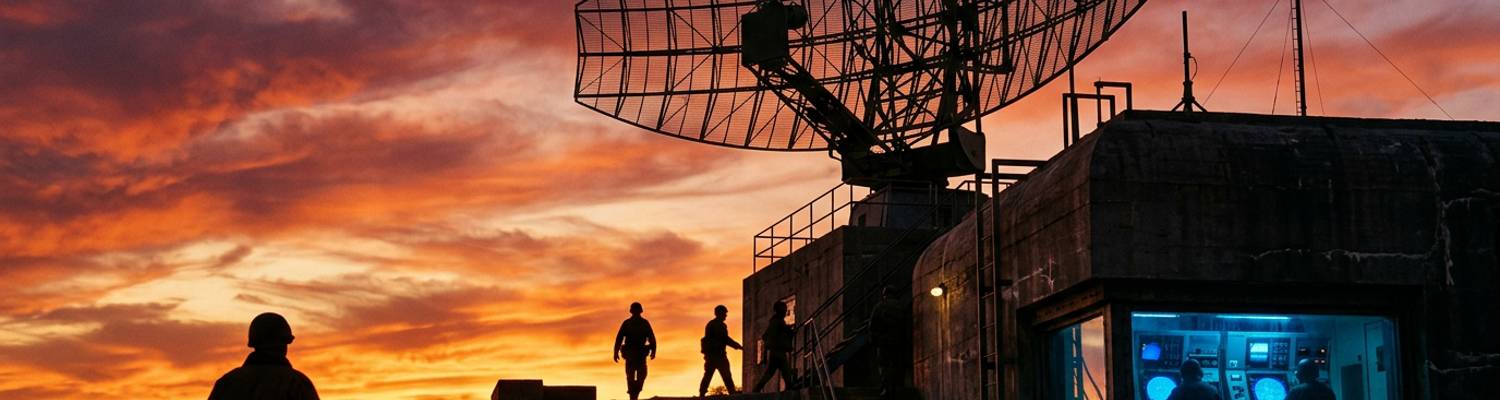
Soviet attack submarines shadowed American ballistic missile routes across the freezing depths of the Greenland, Iceland, and United Kingdom Gap. They exploited thermal layers and deep undersea trenches to listen for American propeller signatures. Hydrophone arrays anchored across the seabed registered routine engine pulses, but American surface combatants and strike groups operated under the deadly assumption that their tactical communications remained completely shielded from Eastern bloc electronic eavesdropping. Naval intelligence damage assessments shattered that operational certainty when couriers delivered classified findings directly into secure command spaces. The documents alerted admirals that Soviet intelligence had systematically penetrated their primary signal networks. Naval intelligence damage assessments confirmed compromised KW-7 ORESTES, KY-8, and KG-13 hardware key distribution channels across multiple maritime operational sectors. Technical evaluators warned fleet commanders that hostile monitoring posts had recorded encrypted fleet broadcasts for years. Analysts matched captured circuit cards and printed code manuals against intercepted high frequency transmissions. Radio rooms on destroyers and aircraft carriers immediately recognized that every tactical movement planned over these circuits had been transparent to Soviet tracking stations.
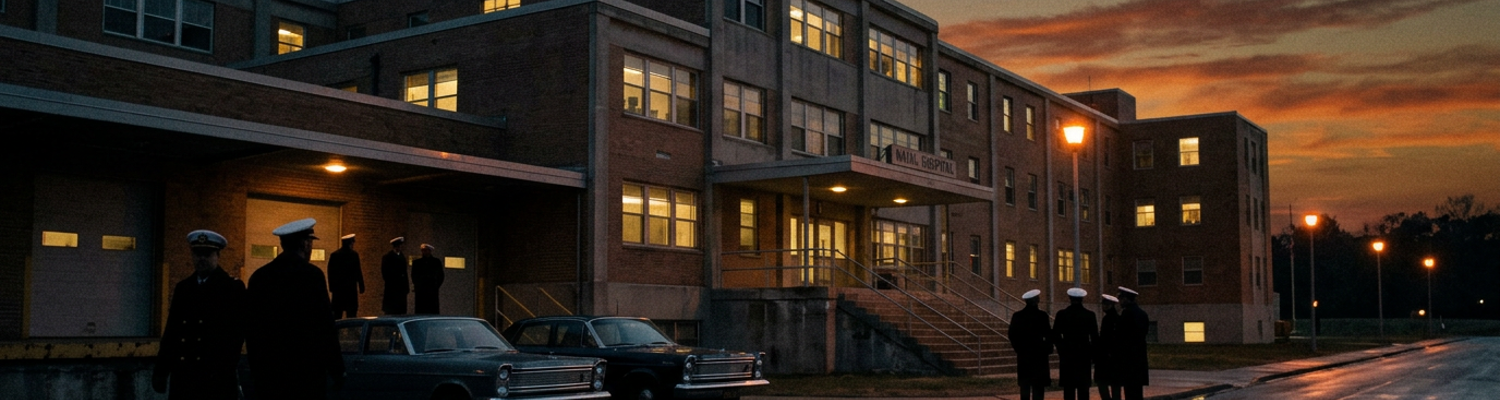
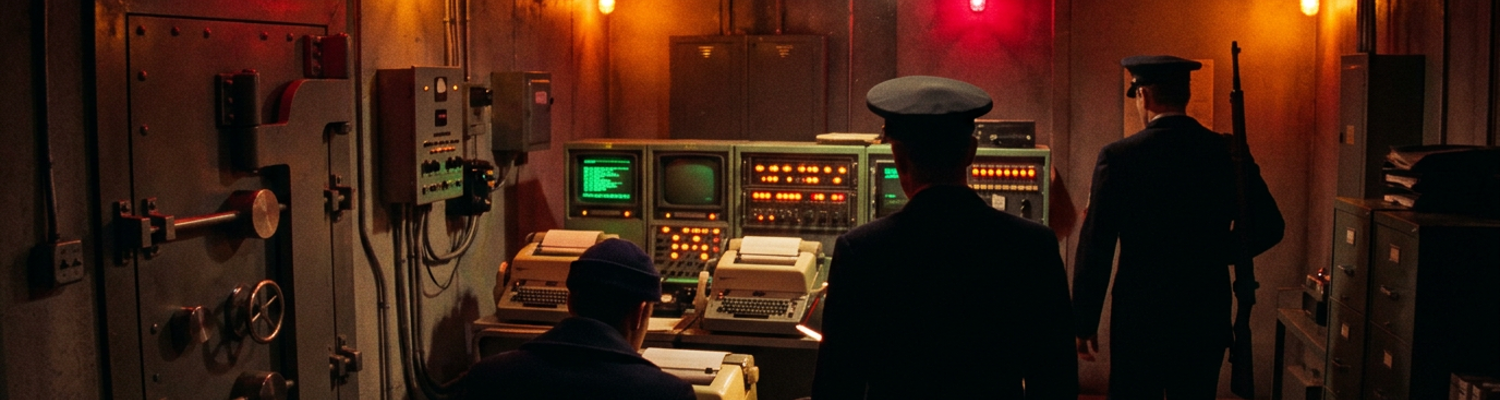
Commanders across the United States Navy responded to this acute vulnerability by issuing an emergency worldwide crypto zeroing order to purge compromised keylists and cryptographic rotor cards across Atlantic and Pacific fleet commands. Communications centers from Norfolk to Pearl Harbor received the high precedence message and immediately sent armed couriers to vault doors with orders to halt all routine cryptographic operations. Technicians inside secure teletype spaces took zeroize switches on active machines and flipped their heavy red guards. This action physically discharged the internal battery memory circuits to wipe stored mathematical variables instantly. Mechanical rotor cards slotted inside older coding chassis were pulled by hand from brass contact pins, severing the physical wiring pathways that produced daily frequency shift algorithms. Heavy shredders and incinerators began grinding through paper keylists that had guided daily encrypted traffic, destroying stacks of printed alignment tables before watchstanders could complete their shift rotations. Silence fell over primary teletype channels as operators shut down their transmitters and disconnected secure cabling, isolating ships at sea from their regional shore stations.
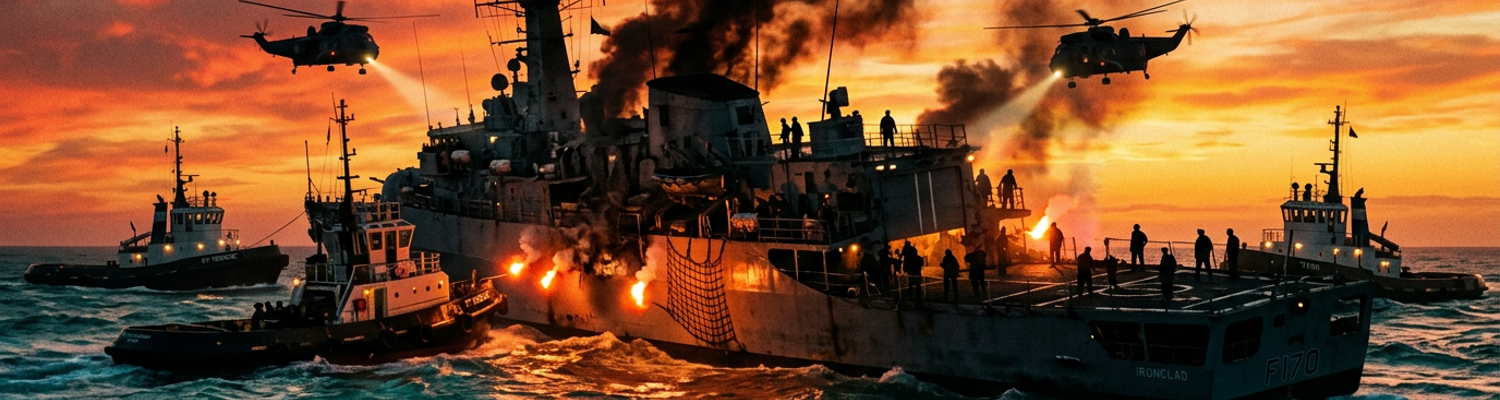
Technicians aboard underway warships and attack submarines faced the immediate task of restoring operational contact without touching the poisoned hardware channels. Heavy steel maintenance covers on KW-7 ORESTES teletype units were unlatched and swung wide, exposing the internal circuit boards where crews inspected pin alignments and cleared out burned key logic. Radio gangs working on tactical voice circuits pulled the power plugs on rack mounted KY-8 speech security boxes. This stripped away the analog encoding units that pilots and bridge officers relied on for clear voice ship to air coordination. Specialists handling wideband data links similarly detached KG-13 digital cryptographic units from automated naval tactical data computers, locking the heavy grey equipment boxes into transit cases until verified replacement materials could be brought aboard. Supply officers verified each empty safe compartment against physical inventory logs, stamping emergency purge receipts while armed sentries stood watch outside the vault doors.
Couriers carried replacement keying material from reinforced shore vaults across flight decks and gangways, handing double wrapped canvas satchels directly to shipboard communications officers. Radio operators broke the wax seals on emergency key envelopes, loaded clean paper tape segments through optical readers, and rekeyed dormant transmitters under the supervision of division officers. Bridge teams resumed low power tactical signals only after technicians verified that incoming test tapes matched clean mathematical matrices across every fleet broadcast channel. Commanders adjusted their underway patrol coordinates by hand on paper navigation charts, keeping acoustic silences intact while maintenance crews closed equipment panels and locked the stripped hardware back into operational status.
Walker and Whitworth Espionage Ring
Steel locking bars slid over those rekeyed machine cabinets because counterintelligence teams had uncovered how two trusted insiders dismantled the communications security of the entire fleet. Warrant Officer John Walker and Senior Chief Radioman Jerry Whitworth passed continuous daily keylists, technical manuals, and broadcast matrices to Soviet naval intelligence for over a decade. Walker began his espionage while running communications centers at submarine bases and command ships, copying sensitive cryptographic materials. He later recruited Whitworth to funnel identical secrets from aircraft carriers and West Coast communications hubs. Whitworth used his senior position inside shipboard radio rooms to smuggle out technical manuals and photography spools of secret keylists in his personal seabag during routine port calls. Courier packages containing these stolen code sheets and operational layout diagrams traveled through covert drop sites along rural Maryland roads directly into the hands of Soviet handlers. Soviet couriers flew the microfilmed documents straight to Moscow, delivering complete operational schematics of American naval signal networks before the original manuals were ever missed from their shipboard safes.
Soviet KGB and GRU signals personnel loaded the stolen keylists into captured and cloned American cipher machines at shore interception facilities. They decrypted United States Navy surface and submarine broadcast communications in near real time during peak Cold War deployments. Antenna farms outside Moscow and listening posts in Vietnam recorded encrypted radio bursts directly from the Western Pacific and the North Atlantic, matching daily frequency changes without delay. Technicians fed the intercepted radio traffic through the duplicated cryptographic matrices, producing clear plain text readouts of nuclear submarine deployment routes, carrier strike group itineraries, and tactical transit orders. Soviet fleet commanders received these decrypted orders within hours of their initial transmission, allowing them to reposition attack submarines across oceanic choke points long before American warships arrived. Watch officers in Moscow tracked the exact operational positions of ballistic missile submarines that American crews believed were patrolling undetected beneath Arctic pack ice. Red Navy attack boats adjusted their sonar search sectors using the stolen broadcast itineraries, eliminating the blind spots that American commanders spent decades trying to exploit.
Navy damage assessment teams reviewed submarine tracking logs to discover why Soviet hunter killer crews had demonstrated such uncanny precision in shadowing American vessels throughout the previous decade. Officers comparing past deployment routes with recently obtained intelligence reports realized that hostile tracking vessels were not relying on superior hydrophone technology or lucky sonar sweeps. Analysts discovered that Soviet surface task groups had anticipated every change of course, every replenishment rendezvous, and every weapons drill conducted during major fleet maneuvers. Senior leaders recognized that the stolen keylists had compromised tactical nuclear weapon inventories, casualty reports, and real time operational readiness updates from hundreds of underway vessels. Physical inspections inside secure spaces revealed that standard security procedures had failed completely, as lone operators held unmonitored combinations to two man control vaults and walked off ships with duplicate key tapes. Fleet command staffs drafted immediate directives ordering ship captains to strip single custody privileges, replace mechanical combination dials, and establish armed two person verification teams across every active cryptographic room.
Sentries took up permanent positions outside heavy vault bulkheads across every carrier and tender, enforcing strict two man integrity whenever communication safes were opened. Communications officers collected every technical publication, keylist binder, and wiring diagram aboard ship, conducting serial by serial muster inventories to verify that no unaccounted pages remained in circulation. Shipboard locksmiths drilled out compromised safe combinations and welded new steel hasps onto key storage lockers to prevent unauthorized off hours entry by solo watchstanders. Investigators gathered the remaining physical evidence from the Walker residence and Whitworth personal property, cataloging thousands of classified microfiche strips and encrypted message slips for upcoming federal court proceedings. Federal prosecutors in San Francisco and Baltimore presented boxes of recovered microfilm reels and seized codebooks before federal grand juries. These legal teams secured formal espionage indictments while naval technicians completed the physical rekeying of every transmitter in the Atlantic and Pacific fleets.
SOSUS Telemetry Compromise and Submarine Vulnerability
Transmitter rekeying efforts aboard surface warships could not undo the deeper disaster below the surface, where the breach exposed Sound Surveillance System acoustic arrays and submarine communication matrices to Soviet naval intelligence. Shore processing stations along both American coastlines had spent decades mapping underwater hydrophone clusters anchored into the continental shelves to identify Soviet engine harmonics across vast ocean basins. Technical manuals handed over by the espionage ring revealed the exact physical placement of these seabed listening cables, the frequency bands they monitored, and the mathematical formulas technicians used to isolate target noise from ocean background sounds. Soviet naval officers matched these array coordinates against stolen communications matrices that governed how command posts scheduled transmissions to patrolling submarines. Armed with those message timetables and sensor maps, Soviet planners identified dead zones in the American listening net and plotted evasion routes around the fixed underwater hydrophones. They relayed the precise coverage limits of the listening nodes directly to their Northern and Pacific fleet commands.
Victor class and Akula class hunter killer submarines exploited compromised telemetry to shadow American ballistic missile submarines on deterrent patrols departing Holy Loch and Bangor. Northern Fleet commanders directed their nuclear powered attack boats toward the Firth of Clyde in Scotland, stationing hulls just beyond territorial waters where submarines from Submarine Squadron 14 slipped away from the Holy Loch repair tender. Soviet Pacific Fleet commands similarly deployed their newest quiet hulls toward the Strait of Juan de Fuca, setting up interception patrols outside Puget Sound where Trident submarines departed Naval Submarine Base Bangor. Commanders of these Soviet attack boats knew the exact radio frequencies and transmission windows that American missile submarines used to acknowledge departure orders. Knowing when and where American boats were required to deploy trailing antennas or adjust depth to receive shore traffic, Soviet crews waited in silent ambush along the exact ocean paths American submarines relied on for quiet egress into the open sea.
Sonar operators aboard American ballistic missile submarines registered the low frequency drone of Soviet propellers tracking their wakes within hours of clearing coastal departure points. Crews on patrol felt the sudden shift in tactical reality as Soviet captains matched course changes with impossible accuracy, hanging off their baffles where shipboard passive sonar struggled to detect trailing traffic. Missile boat commanders recognized that their quiet transit corridors had lost their protective secrecy, as Soviet tracking vessels did not sweep broad search patterns with active sonar but instead drove straight to planned rendezvous coordinates. American watchstanders watched their paper tracing drums record persistent acoustic spikes from Victor class hulls hovering nearby, signaling that their stealthy departures were completely compromised. These persistent acoustic contacts forced American captains to execute violent turns and emergency clearing maneuvers, burning critical mission fuel and alerting hostile hydrophones to their presence instead of vanishing into deep patrol waters.
Admirals in Washington and London responded to these aggressive intercepts by scrapping decades of established transit procedures and ordering complete overhauls of deterrent departure tracks. Submarine group staffs abandoned standard egress routes across the continental shelf, routing outbound missile boats through treacherous shallow banks and unmonitored coastal trenches where bottom topography could mask their acoustic signatures from waiting hunter killers. Communications officers rewrote transmission schedules from scratch, cutting back on scheduled radio contact and restricting the deployment of buoyant wire antennas during the vulnerable first days of patrol. Tenders and shore facilities adjusted departure intervals, sending surface escorts and maritime patrol aircraft ahead of departing submarines to sweep interception sectors with active sonar buoys. Submarine commanders accepted the physical strain of unpredictable patrol paths, maneuvering their deep diving missile hulls through jagged undersea canyons to break the foreign acoustic grasp that had compromised the primary nuclear deterrent.
Stilwell Commission Investigations and Security Failures
General Richard G. Stilwell headed the Department of Defense Security Review Commission to determine why fleet communications had disintegrated and how shore installations had betrayed patrolling submarines. Investigators under his command fanned out across naval bases, intelligence stations, and Pentagon offices to inspect the daily handling of cryptographic assets. Stilwell published formal commission findings that cataloged chronic overclassification, clearance backlogs, and lax physical security protocols in military communications centers. His team discovered that the Pentagon carried more than four million active security clearances, overwhelming background investigators and allowing personnel to retain top secret access for years without mandatory reinvestigations. Administrative offices compounded this backlog by stamping millions of routine logistical records, weather forecasts, and administrative memos as classified information. Paper records piled high inside command spaces, creating an unmanageable flood of secret binders that distracted watchstanders from safeguarding genuine communications ciphers.
Vault spaces housing the registered publication system suffered the most dangerous operational breakdowns uncovered by the inquiry. Regulations strictly required two qualified personnel to be present whenever combinations were spun, heavy safe doors were opened, or daily cryptographic keylists were checked out for operational use. Commission inspectors documented the breakdown of two person integrity in registered publication system vaults, concluding that administrative complacency had compromised vital national security data. Investigators discovered that senior custodians routinely handed combinations to junior enlisted watchstanders, signed off on inventory logs without verifying serial numbers, and allowed lone technicians to work unobserved behind drawn privacy curtains. Solo operators exploited these dark corners and unlocked file cabinets to duplicate sensitive keycards, photograph technical wiring manuals, and smuggle code materials past unguarded entry checkpoints.
Checkpoint sentries and base gate guards had operated for years without metal detectors, package search policies, or continuous surveillance monitors. Stilwell detailed how perimeter guards waved uniformed personnel through security gates based on simple visual recognition, never searching personal gym bags, seabags, or toolboxes as technicians departed cryptographic spaces. Commission members walked unhindered into restricted communications spaces at multiple installations, discovering unlocked cipher cages, open safe drawers, and master keys resting on top of active transmission consoles. Alarm systems inside these key distribution facilities frequently sat disabled or unmonitored because duty officers considered false bells a nuisance during nighttime watch shifts. Technicians routinely left maintenance doors propped open with wooden wedges to circulate air through sweltering machine rooms, bypassing magnetic contact switches and electronic card readers designed to isolate secret hardware from the outside world.
Admirals ordered immediate physical overhauls across every military communications facility to enforce the urgent recommendations of the commission. Naval commands dismantled propped doors, stripped unauthorized combination locks, and installed continuous audio visual monitors inside registered publication system vaults. Armed sentries took up mandatory watch stations inside cryptographic workspaces, enforcing physical two person integrity by watching both custodians sign inventory cards for every issued keylist. Supply clerks fed tons of overclassified administrative paperwork into industrial shredders and incinerators to clear storage rooms and reduce the clearance rolls by hundreds of thousands of personnel. Base commanders cancelled single officer safe access across the fleet, welding secondary steel locking hasps onto cipher cabinets and logging every opening under the eyes of two armed watchstanders.
Jerry Whitworth Trial and Staff Memorandum COM 110.A
Prosecutors had stacked boxes of seized shipboard logs and cipher records before the jury by 15 July 1986, as deliberations were underway in the San Francisco federal espionage trial of Jerry Whitworth. Assistant United States attorneys spent hours walking the courtroom through photographic evidence, financial receipts, and flight manifests proving that Whitworth had transferred classified naval communications directly to John Walker for three hundred and thirty two thousand dollars in cash payments. Defense lawyers countered by arguing that Whitworth was an unwitting participant who believed the stolen cryptographic materials were delivered to allied nations like Israel or Australia rather than Soviet intelligence stations. Government prosecutors dismantled that defense by introducing anonymous letters sent by Whitworth to the Federal Bureau of Investigation, showing that the retired senior chief radioman fully understood the hostile Soviet destination of the stolen keylists. Naval damage assessment officers testified that the compromised broadcast circuits, telemetry channels, and cryptosystems exposed entire carrier battle groups to Soviet missile tracking throughout the Pacific and Indian oceans. Court clerks locked the physical evidence boxes into secure holding vaults while the twelve jurors retired to deliberate on thirteen separate felony counts.
Commissioners in Washington tracked those jury deliberations to overhaul the wider legal framework governing federal espionage penalties. Staff Memorandum COM 110.A analyzed base offense severity ratings for espionage offenses and identified the structural inability of indeterminate sentencing to deter military treason. Policy drafters documented that existing federal criminal statutes allowed judges wide latitude to impose vague prison sentences, leaving final release dates to the discretion of administrative parole officials. Military personnel who leaked sensitive cryptographic documents could walk free after serving only a fraction of their court mandated prison time under that older system. Legal evaluators warned that without mandatory prison terms tied strictly to the magnitude of operational harm, foreign intelligence officers could easily recruit military personnel who calculated that early parole would shorten their time behind bars.
Examiners on federal parole boards routinely granted early release to military convicts under the old rules, weakening deterrence by treating stolen cipher manuals like ordinary commercial fraud. Staff Memorandum COM 110.A urged the commission to eliminate parole eligibility for national security crimes and build a rigid scoring scale based on verifiable military damage. Offenses involving cryptographic keys, nuclear submarine patrol coordinates, and undersea listening arrays received the highest offense severity ratings in the federal system under this new formula. These top tier ratings required mandatory life terms for any service member who sold classified naval signal data to foreign agents, eliminating any opportunity for early release through administrative appeals. The proposed guideline structure removed judicial discretion to soften penalties based on personal remorse, tying prison terms directly to the operational damage suffered by frontline combat forces.
Judge John P. Vukasin Jr. enforced that uncompromising standard of accountability from the bench when the jury returned guilty verdicts against Whitworth on seven counts of espionage and tax fraud. Government prosecutors requested the harshest lawful punishment, submitting impact reports from fleet commanders who had spent millions of dollars purging compromised communications gear and rekeying ships across the world. Vukasin sentenced Whitworth to three hundred and sixty five years in federal prison with a formal recommendation against ever granting parole, while ordering a four hundred and ten thousand dollar fine to strip the former radioman of his espionage earnings. Deputy marshals secured heavy transport chains around the waist and ankles of Whitworth, marching him out of the courthouse to begin serving his term inside the maximum security federal penitentiary at Leavenworth. Sentencing commissioners in Washington submitted the completed guidelines table to Congress, establishing mandatory minimum ranges that classified unauthorized disclosure of cryptographic keylists as a top tier federal felony carrying non parolable life imprisonment.
Sentencing Guidelines and Parole Abolition
Congress adopted those completed tables to reshape the criminal justice system, drawing on the Sentencing Reform Act of 1984 as the Sentencing Commission structured fixed determinate guidelines that formally eliminated federal parole eligibility for military and civilian espionage convictions. Lawmakers designed the new determinate structure to eliminate the wide sentencing discrepancies that had long existed in federal courtrooms, where individual judges handed down unpredictable sentences for identical crimes. Prisoners convicted of selling classified defense secrets had previously relied on regional parole boards to secure early release after serving only one third of their court ordered terms or a maximum of ten years. Commissioners ended that administrative leniency by constructing rigid mathematical grids that paired specific criminal conduct with mandatory prison ranges, factoring in the national security damage caused by compromised intelligence. Offenses involving cryptographic hardware, nuclear submarine patrol routes, and tactical fleet communications received the highest severity classifications in the federal manual, requiring judges to impose life sentences without the possibility of parole. Courtrooms across the country prepared to implement these binding rules, while prosecutors in San Francisco utilized the full weight of existing statutes to establish a severe precedent before the tables formally went into effect.
Jerry Whitworth stood before the bench in August 1986 and received his three hundred and sixty five year prison sentence and a four hundred and ten thousand dollar fine, establishing a strict judicial benchmark for future peacetime national defense information prosecutions. Judge John P. Vukasin Jr. stacked consecutive terms across seven counts of espionage and tax fraud, ensuring that the former senior chief radioman would have to serve at least sixty years before even becoming eligible to apply for administrative review. Prosecutors demonstrated how Whitworth systematically passed top secret keylists and naval telemetry data to John Walker for three hundred and thirty two thousand dollars in covert cash drops. Vukasin imposed the maximum financial penalty of four hundred and ten thousand dollars to strip away every cent of those illicit earnings and penalize the unpaid income taxes on the foreign bribes. Defense lawyers argued that their client had been manipulated by Walker and deserved mercy because of his long military career, but Vukasin rejected the plea and condemned Whitworth as an unrepentant traitor who compromised the naval defense of the entire republic. Deputy marshals secured transport chains across the waist and ankles of Whitworth, escorting the fifty nine year old prisoner from the courtroom to begin transit to a high security federal penitentiary.
Guards at the United States Penitentiary in Leavenworth closed heavy cell gates behind Whitworth, locking the disgraced communications specialist into a permanent reality of long term federal incarceration. Federal prosecutors and naval intelligence officials treated the lengthy Leavenworth sentence as practical proof that the era of lenient espionage punishments was permanently over. Soviet intelligence officers stationed at the embassy in Washington and handling networks in the field lost their most persuasive recruitment argument, having routinely assured prospective military traitors that American judges rarely enforced true lifetime prison terms. Sentencing guidelines written in the wake of the trial reinforced that deterrent by guaranteeing that any service member caught copying cipher tape or photographing codebooks faced determinate, non parolable confinement. Naval investigators circulated copies of the Whitworth judgment to security managers throughout the fleet, presenting the sentence as an unbending example of what awaited anyone who breached operational trust.
Officers across Atlantic and Pacific command posts posted the new federal penalties directly alongside updated physical security directives inside shipboard radio rooms. Technicians handling daily cryptographic keycards and rotor packages signed detailed accountability forms under the watchful eyes of armed watchstanders who enforced mandatory two person vault regulations. Base commanders stripped discretionary authority from local security personnel, instituting random inspection checks of all bags and maintenance kits leaving classified spaces. Fleet commanders coupled these rigid physical barriers with the knowledge that the federal legal system now offered no parole, no early release, and no administrative second chances for compromised codes. Sailors locked the heavy steel doors of the registered publication safes, spun the combination dials, and signed the ledger entries, operating under an unyielding framework of legal and physical accountability that permanently altered Cold War communications security.
Automated Key Management and Fleet Cryptology
Paper keylists stored behind those heavy steel doors remained an intolerable vulnerability because printed code sheets could still be photographed, pocketed, or copied by a single disloyal custodian. Naval engineers recognized that manual inventories and two man vault rules could not eliminate the risk of theft as long as codes existed in physical form. The catastrophic material loss accelerated the complete retirement of vulnerable paper keylists in favor of automated Electronic Key Management Systems. Technicians designed this automated architecture to generate, package, and distribute cryptographic variables as encrypted electronic pulses rather than printed pages or perforated paper tapes. Secure digital fill devices replaced carbon paper binders in radio rooms, allowing operators to transfer daily traffic encryption keys directly into transmission equipment without any human being ever seeing, touching, or reading the mathematical codes. Shipboard cryptographic gear immediately purged old keys at the end of each operational cycle, wiping local circuits clean through automatic memory overwrites that left behind no paper scraps or microfilm targets for foreign agents to exploit.
Radio technicians plugged portable data transfer devices into rack mounted cipher chassis across cruisers, destroyers, and shore stations to load fresh digital ciphers without opening a safe or flipping through an inventory binder. Centralized computer hubs at regional naval communications stations controlled key production and delivery, transmitting encrypted bursts that automatically authenticated each terminal across the fleet. Fleet broadcast networks converted all tactical telemetry and command traffic into hardened data streams that denied intercept stations the recognizable daily patterns Soviet listeners had used to track strike groups. Combat information centers linked their radar, sonar, and teletype circuits to these tamper resistant terminals, ensuring that compromised access on one vessel could no longer unlock signal traffic across an entire ocean. Communications officers verified that the new automated system removed human custodians from cryptographic distribution, closing the physical avenue that had fed stolen codes to Moscow for nearly two decades.
Admirals in the Pentagon recognized that sealing radio broadcast channels with automated hardware addressed only half of the damage uncovered by the espionage investigation. Soviet hunter killer submarines still held detailed records of American underwater transit routes and hydrophone coverage areas, leaving ballistic missile hulls vulnerable to trailing patrols as they cleared their home bases. Naval command transformed ballistic missile submarine acoustic masking and operational patrol routing doctrine to restore strategic survivability across contested undersea corridors. Submarine squadron commanders replaced decades of predictable transit paths through the North Atlantic and Pacific basins, directing outbound missile boats to navigate through unmonitored sectors where seabed canyons and cold salinity layers disrupted foreign hydrophones. Shipyards fitted submarine hulls and propulsion assemblies with sound absorbing elastomeric tiles, vibration isolating machinery rafts, and reengineered propeller blades that damped mechanical hums and suppressed cavitation noise. Nuclear crews operated under strict acoustic discipline during every phase of deployment, securing loose deck gear, shutting down non essential pumps, and running deep beneath thermal boundaries where Soviet sonar arrays could not isolate their engine signatures.
Submarine commanders steered their missile hulls into the drifting pack ice of the Arctic Ocean and the deep troughs of the North Pacific, using jagged underwater peaks and background ice noise to break foreign acoustic tracking. Surface combatants and land based maritime patrol aircraft coordinated with outbound boats, dropping decoy noise generators and conducting active sonar sweeps across transit corridors to draw foreign surveillance submarines away from the departure tracks. Acoustic monitoring stations along allied coasts verified that the combined masking techniques suppressed propeller harmonics down into ocean background static, making outbound boats indistinguishable from ambient sea noise. Watch teams inside submarine control rooms logged clean hydrophone returns across every compass heading, confirming that Soviet trailing submarines had lost acoustic contact in the deep trenches. Missile crews sustained this silent posture across sixty day patrols without transmitting a single radio signal, keeping their positions undetected throughout the operational deployment.