
June 1994 Combat Logistics Integration Directives
Archival evidence shows that by late 1994, the Iraqi military positioned more than 70,000 troops along the northern boundary of Kuwait. Saddam Hussein deployed the Hammurabi and Medina divisions of the Republican Guard. These units moved alongside roughly 1,000 main battle tanks and armored personnel carriers. Facing this assembly stood an initial allied ground footprint numbering fewer than 1,000 personnel inside Kuwait itself. Iraqi armored columns held a numerical superiority exceeding ten to one in heavy armor and artillery systems. Every forward defensive position across the Mutla Ridge faced immediate overrun if those mechanized formations crossed the border. Naval interdiction offered the only immediate defensive perimeter. US Central Command planners recognized that blunt mass would overwhelm Kuwait within forty-eight hours. Carrier-based aviation had to sustain hundreds of daily strike sorties.
Fuel and ammunition consumption rates determined survival.
When examining the historical record of Washington mobilization orders, White House and Pentagon policy directives codified on June 14, 1994, cleared female naval specialists for direct assignment to forward combat support hulls. Secretary of Defense William Perry finalized the order under revised combat exclusion statutes. This expanded assignment authorizations to sixty combat support and replenishment auxiliary vessels across the Atlantic and Pacific Fleets. Bureau of Naval Personnel assignments had previously restricted female sailors from combat-adjacent auxiliary hulls. This restriction stemmed from the 1948 Women Armed Services Integration Act provisions. The June 14 mandate unlocked thousands of administrative, engineering, and ordnance-handling personnel billets. These billets opened across auxiliary oiler (AO), fast combat support (AOE), and ammunition (AE) ship classes. Naval Sea Systems Command rushed shipboard habitability modifications on vessels like the USS Monongahela (AO-178) and USS Detroit (AOE-4). Shipyards altered berthing compartments, sanitary piping systems, and damage-control stations. Workers installed modular privacy partitions in forward berthing areas. They reconfigured auxiliary washrooms to accommodate separate drainage lines. They integrated mixed-gender crews before autumn operational windows opened.
Fleet operational logs indicate female personnel integrated directly into carrier air control detachments and materiel transfer force rotations ahead of Middle East deployments. Strike fighter scheduling and airspace deconfliction inside the Persian Gulf rested on carrier air traffic control center specialists. These specialists received assignments to Carrier Air Wing Eight aboard USS Theodore Roosevelt (CVN-71). Others joined Carrier Air Wing Three aboard USS Dwight D. Eisenhower (CVN-69). These sailors coordinated high-density recovery patterns. They monitored joint surveillance feeds from Tactical Air Control Squadrons (TACRON) directing inbound supply flights. At regional transshipment nodes such as Naval Air Station Sigonella in Sicily and Diego Garcia in the Indian Ocean, female specialists managed round-the-clock airlift handling. They loaded C-2A Greyhound Carrier Onboard Delivery aircraft. Supply teams cataloged depleted guidance modules, jet engine rotor components, and electronic countermeasures pods. These parts moved continuously to fleet carrier groups operating at sea.
Supply chains strained under relentless desert temperatures.
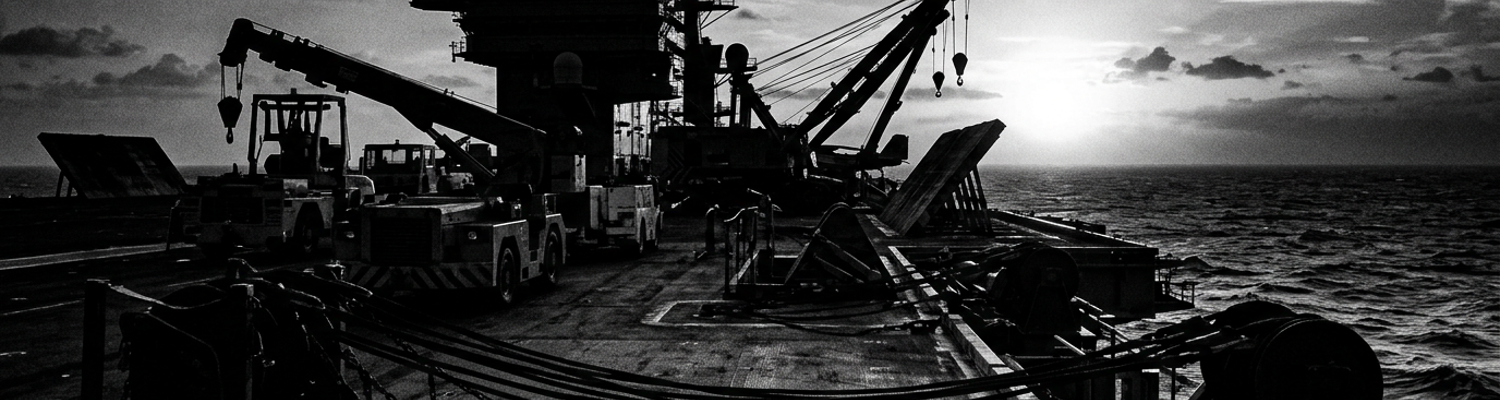
A close review of operational logs indicates specialists deployed immediately into high-friction underway replenishment rotations aboard Persian Gulf tanker shuttles. Aboard vessels such as USS Supply (AOE-6) and Military Sealift Command petroleum tankers running continuous delivery tracks through the Strait of Hormuz, these sailors worked twelve-hour shifts. They stood on open replenishment decks in 115-degree heat. Crews handled heavy tensioned span wires, heavy-lift cargo whips, and seven-inch fueling probes. They transferred JP-5 aviation fuel and Mark 82 500-pound general-purpose bombs to destroyers. The receiving ships ran alongside at twelve knots in thirty-foot sea swells. Hydraulic winch motors on tension rigs overheated frequently. Machinists and supply teams replaced blown mechanical seals and fractured hydraulic lines. They performed these repairs while tethered to active transfer stations off the coast of Bahrain.
Hydraulic Rig Failures in the Arabian Gulf
When examining the historical record of October 1994, Task Force 50 carrier air wings confronted severe fuel-flow exhaustion. This occurred during the Iraqi troop mobilization toward Kuwait under Operation Vigilant Warrior. Saddam Hussein pushed the Hammurabi and Medina divisions directly toward the Kuwaiti border. Carrier Air Wing Seven aboard the nuclear-powered aircraft carrier USS George Washington (CVN-73) initiated round-the-clock combat air patrols over southern Iraq. The carrier operated alongside escorting combatants in the northern Arabian Gulf. Squadrons including VF-143 and VF-11 flew continuous F-14 Tomcat intercept sweeps. VFA-131 and VFA-136 launched F/A-18C strike packages into defensive orbits to stop armored breaches. Constant airborne orbits, high-temperature afterburner ascents, and low-altitude reconnaissance sweeps burned through JP-5 jet fuel. The consumption rates rapidly outstripped planned delivery schedules. Carrier fuel bunkering fell below defensive reserve thresholds within seventy-two hours of the initial alert.
Air wings burned through aviation fuel faster than supply ships could deliver it.
Archival evidence shows that tensioned replenishment-at-sea rigs aboard combat support ships suffered hydraulic ruptures under extreme ambient Arabian Gulf heat. Combat support auxiliaries steamed through open sea lanes where ambient air temperatures surpassed 118 degrees Fahrenheit. The fast combat support ship USS Supply (AOE-6) and Military Sealift Command oilers operating out of Bahrain faced severe thermal strain. Radiant deck heating pushed steel plate temperatures above 145 degrees across open cargo decks. These thermal conditions severely degraded the closed-loop hydraulic mechanisms running the Standard Tensioned Replenishment Alongside Method (STREAM) rigs. Mark 5 ram tensioners failed. High heat degraded the viscosity of standard MIL-H-17672 hydraulic fluid. This induced internal pump cavitation and rapid thermal expansion throughout closed systems.
Operating line tensions reached 20,000 pounds.
This tension pulled on the 1.25-inch high-strength wire ropes spanning the gap between ships. The load forced hydraulic circuit pressures past 3,000 pounds per square inch. Buna-N elastomeric seals disintegrated under thermal friction. High-pressure hydraulic lines ruptured along transfer stations three and seven. Hot fluid sprayed over machinery spaces. Working line pressure dropped to zero. Alarm klaxons sounded across the aft deckhouse.
Automated tensioning systems failed across every forward transfer station.
A close review of operational logs indicates that damaged high-pressure fluid lines crippled automated fuel delivery. Deck crews executed emergency manual line transfers. The loss of hydraulic pressure caused span wires to go slack. Heavy delivery hoses dropped into the sea. This created acute structural collision risks between hulls steaming sixty feet apart at twelve knots. Specialists, boatswain mates, and shipboard riggers abandoned automated consoles. They established manual rigging transfers. Deck personnel used line-throwing guns to fire shot lines across the churning water. They hauled synthetic messenger lines through snatch blocks and kingpost fairleads by hand. Repair teams hauled heavy seven-inch rubber fuel lines up to carrier fueling sponsons using manual block-and-tackle gear. They locked NATO standard D-1R fueling probes into receivers through mechanical lever assemblies. Riggers worked in shifts on sun-baked decks to battle heat exhaustion. They secured manual riding lines and chain stoppers to hold the span against the rolling sea.
Sailors aboard USS Supply operated manual manifold bypass valves for nine consecutive hours to pump 400,000 gallons of JP-5 directly into CVN-73 off the Kuwaiti coast.
Carrier Flight Deck Aviation Fuel Depletion
Archival evidence shows that during the opening seventy-two hours of Operation Vigilant Warrior in October 1994, Carrier Air Wing Seven launched around-the-clock sorties. These flights originated from the flight deck of USS George Washington (CVN-73) in the northern Arabian Gulf. F-14B Tomcats from VF-143 and VF-11 maintained overhead defensive combat air patrols across Sector Charlie. F/A-18C Hornets from VFA-131 and VFA-136 flew armed reconnaissance along the Kuwaiti border. Each twin-engine F-14 consumed an average of 7,000 pounds of JP-5 aviation fuel per flight hour in dry thrust. This consumption escalated past 30,000 pounds during high-speed intercept climbs and low-level tactical sweeps. Catapult launch cycles repeated at forty-five-minute intervals. Steam accumulators below decks required constant pressure monitoring. Daily consumption out of the 3.2-million-gallon JP-5 storage capacity on CVN-73 surpassed 275,000 gallons. This drove reserve levels below the fleet commander thirty-percent minimum defensive safety margin. Fleet oilers such as USNS Walter S. Diehl (T-AO 193) and USS Supply (AOE-6) shuttled from transshipment nodes at Sitra Anchorage in Bahrain. They could not match the rate of flight deck fuel exhaustion.
Aviation fuel burned twice as fast as forward replenishment ships could deliver it.
A close review of operational logs indicates that flight deck personnel endured severe thermal strain to maintain continuous turnaround cycles for combat strike packages. Surrounding air temperatures over the Persian Gulf hovered at 112 degrees Fahrenheit. Engine exhaust and direct solar radiation pushed the flight deck non-skid surface to 155 degrees. Aviation boatswain mates and fuel handlers in purple jerseys dragged seven-inch fueling hoses weighing over one hundred pounds across the steel deck. They serviced aircraft in hot-pit turnaround spots with jet turbines idling. Ordnance crews in red jerseys lifted 500-pound Mark 82 bombs and AGM-88 HARM missiles onto wing pylons with manual mechanical hoists. Hydraulic weapons-loaders had suffered fluid vapor locks. Heat stress indices on the open deck exceeded the threshold of Navy Physiological Heat Exposure guidelines within thirty minutes of physical exertion. Medical department logs recorded cases of acute sodium depletion, heat cramps, and dehydration among catapult crews and plane handlers. Divisional officers established twenty-minute water relief rotations beneath the carrier island.
Deck plate steel radiated heat through standard leather flight boots.
When examining the historical record of Task Force 50 command decisions, naval planners altered the carrier battle group operating geometry. They needed to protect combat support force vessels from regional surface threats. Iranian coastal defense batteries equipped with Silkworm anti-ship cruise missiles lined the eastern littoral of the Gulf. Northern waters near the Kuwaiti coast contained unmapped drifting mines and shallow littoral patrol boat vectors. Auxiliary oilers like USS Supply and Military Sealift Command tankers presented broad radar profiles. They possessed only short-range Phalanx close-in weapon systems for passive point defense. Commander Task Force 50 shifted CVN-73 launch-and-recovery patterns fifty miles southward. They established operating boxes south of 28 degrees north latitude near the Saudi Arabian shoreline. Replenishment courses followed dogleg transit lanes shielded behind Aegis-equipped cruisers. These lanes steered clear of central Arabian Gulf commercial tanker channels. This defensive repositioning shielded the vulnerable combat support auxiliaries from anti-ship missile envelopes. It also extended carrier strike aircraft transit corridors by eighty nautical miles. This burned thousands of additional pounds of JP-5 per package.
Carrier air wing schedulers cut bomb weights on twenty-four F/A-18 strike packages to hang external fuel tanks for the extended southern recovery route.
Link 11 Saturation and Joint Command Friction
Archival evidence shows that tactical command coordination disintegrated between United States Air Force E-3 Sentry AWACS crews and carrier-based Navy E-2C Hawkeye controllers. This occurred during the first week of Operation Vigilant Warrior. Air Force crews from the 552nd Air Control Wing operated out of Prince Sultan Air Base. They enforced airspace control orders issued by the Combined Air Operations Center in Riyadh under the Joint Force Air Component Commander doctrine. Sixty miles to the east, Navy E-2C Hawkeyes assigned to Carrier Airborne Early Warning Squadron 121 (VAW-121) launched from USS George Washington. They operated under the Navy Composite Warfare Commander system. This granted carrier strike group commanders independent defensive autonomy. Operating radio frequencies broke down immediately. Air Force AWACS platforms utilized Have Quick II UHF frequency-hopping waveforms with specific time-synchronization net numbers. Navy E-2C suites and shipboard tactical air control centers relied on distinct line-of-sight channels. Neither command node maintained unified authority over the entry corridors funneled along the western coast of the Arabian Gulf. Combat air patrol stations over Kuwait sat partitioned by conflicting institutional doctrines. Flight leads remained unsure which airborne command agency owned the target engagement boundaries.
Air control consoles operated under contradictory command directives.
A close review of operational logs indicates that saturated Link 11 tactical datalinks degraded radar pictures and dropped primary track identification tags over the northern Persian Gulf. Known as Tactical Digital Information Link A, the network relied on high-frequency and ultra-high-frequency radio waves. It transmitted digital data between ships and aircraft through a centralized roll-call polling sequence directed by a designated Data Net Control Station. Dozens of coalition aircraft flew airborne alongside commercial shipping, allied surface vessels, and Iraqi radar returns north of 32 degrees north latitude. The network reached its operational throughput limit of 2,250 bits per second. Cryptographic key generators struggled to maintain synchronization across the fleet. Polling cycle times stretched from twelve seconds to over forty seconds. Target tracks began to disappear from cathode-ray tube displays in combat information centers. This affected escort ships like the guided-missile cruiser USS San Jacinto (CG-56). System data buffers purged older tracks to process incoming radar returns. Transponder-interrogated identification tags vanished without operator warning. Hostile and friendly symbology flickered and swapped positions across the tactical displays. This created phantom contacts that confused naval radar operators.
Network data buffers collapsed under the volume of raw sensor returns.
When examining the historical record of flight-line operations, overwhelmed joint controllers generated contradictory vector commands to scrambled strike aircraft entering operational airspace. Strike packages from Carrier Air Wing Seven checked into the tactical air control net immediately after clearing carrier catapult recovery arcs. These packages consisted of F-14B Tomcats from VF-143 and F/A-18C Hornets from VFA-131. Navy E-2C radar officers vectored these flights north toward defensive orbits over Bubiyan Island. This aimed to counter potential low-altitude Iraqi helicopter incursions. Simultaneously, Air Force controllers aboard the orbiting E-3 AWACS assigned the same strike flights immediate intercept headings west toward the border intersection at Wadi Al-Batin. They intended to interdict advancing armor columns. Conflicting instructions placed inbound Navy strike packages directly across the recovery corridors of Air Force A-10s and F-16s operating out of King Abdulaziz Air Base. Altitude separations decayed to less than one thousand feet in congested airspace. Strike pilots broke radio silence on unencrypted UHF Guard frequencies to manually negotiate flight paths and prevent mid-air collisions.
Navy flight leads cancelled their automated datalink inputs and reverted entirely to grease-pencil cockpit boards.
Strike Routing Errors and Aerial Tanker Starvation
Archival evidence shows that during the second week of October 1994, conflicting vector assignments from joint air controllers nearly starved Navy deep-penetration strike fighters of their scheduled aerial refueling tracks. Air Force E-3 Sentry AWACS controllers out of Prince Sultan Air Base routed Carrier Air Wing Seven strike elements along western holding patterns. Navy E-2C Hawkeye radar officers from VAW-121 directed the same flights toward northern orbits over the Persian Gulf littoral. Strike packages of F/A-18C Hornets from VFA-131 and VFA-136 climbed out of catapult cycles loaded with four Mark 82 bombs and external fuel tanks. They consumed JP-5 at maximum dry thrust rates exceeding 140 pounds per minute per engine. Pilots checked into designated joint refueling anchors near 28 degrees 40 minutes north latitude. They discovered their assigned Air Force KC-135R tankers had been reassigned thirty miles west by Riyadh command staff. Navy strike leads attempted radio handoffs on assigned Have Quick UHF frequencies. Mismatched time-synchronization net keys prevented clear two-way voice contact. Trapped between incompatible sector instructions, strike pilots burned emergency fuel reserves while circling empty map coordinates.
Airborne fuel reserves dropped below emergency limits before pilots spotted a single drogue basket.
A close review of operational logs indicates that Navy strike packages drifted off designated ingress corridors while searching for misdirected KC-135 and KA-6D tanker tracks. F-14B Tomcats from VF-143 and loaded Hornets strayed up to twenty-five nautical miles east of their cleared route boundaries. They wandered directly toward active Iraqi surface-to-air missile acquisition envelopes along the Bubiyan Island approaches. High ambient desert air temperatures hovering above 105 degrees degraded jet engine thrust margins. Pilots burned higher fuel percentages simply to maintain formation at 18,000 feet. Carrier-launched KA-6D tankers from Attack Squadron 34 (VA-34) suffered severe navigation drift. These aircraft carried Sargent Fletcher 300-gallon buddy-refueling pods on their centerline stations. The drift resulted from unresolved inertial platform alignment errors on the CVN-73 catapult line. These organic carrier tankers missed their scheduled orbit anchor points over Ras Tanura by eighteen miles. Strike pilots swept their APG-65 and AWG-9 radars across open desert sectors to locate either the Air Force KC-135s or the wayward KA-6D tankers. Both tanker elements flew offset holding tracks without active transponder modes due to conflicting identification-friend-or-foe crypto codes.
Jet fuel totalizers flashed bingo warnings across multiple strike cockpits simultaneously.
When examining the historical record of October 12, fuel exhaustion crises prompted tactical aborts of multiple strike packages before reaching assigned forward holding patterns. Four F/A-18Cs from VFA-136 received assignments for armed reconnaissance over Republican Guard armor staging areas near the Mutla Ridge. They burned through their external fuel supplies without locating their scheduled tanker connection. Cockpit fuel indicators dropped below the 2,500-pound emergency recovery reserve required for a carrier landing pattern. Flight leads aborted the operational mission forty miles south of their target boundaries. They declared fuel emergencies on unencrypted Guard channels. The Hornets executed combat emergency fuel-conservation profiles. Pilots idled throttles to minimum cruise and climbed to 30,000 feet to glide back toward the sea. Flight computers calculated optimal descent angles to conserve remaining drops. Two F-14Bs from VF-11 encountered identical starvation conditions. A KC-135 boom-drogue adapter hose jammed inside its housing, preventing fuel transfer. Internal fuel dropped under 3,200 pounds. Both interceptors broke off their offensive patrol sweeps and diverted directly toward the recovery deck of CVN-73. Catapult officers cleared the carrier landing area. They caught the first returning Hornet with eighty gallons of usable fuel remaining in its feed tanks.