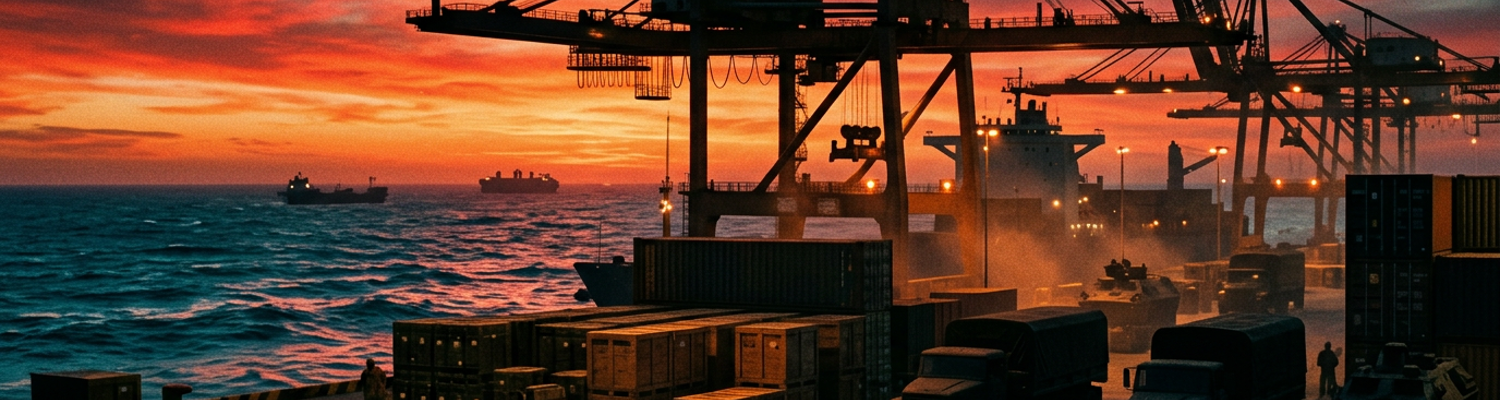

OPLAN 34A Maritime Demolition Mandates in 1964
At 0214 hours, the high-frequency PRC-47 radio link crackled with static. Then it fell entirely dead. This cut off the forward boat crew from the tactical operations center in Da Nang.
Archival evidence shows that this communications blackout followed months of rapid administrative restructuring under Operations Plan 34A. In January 1964, the Joint Chiefs of Staff executed Operation Switchback. They formally stripped the Central Intelligence Agency of its covert northern maritime interdiction mandate. Full operational control went to Military Assistance Command Vietnam. Command authority shifted directly to General Paul D. Harkins and the newly activated Special Operations Group. CIA teams had spent three years attempting low-visibility maritime insertions with wooden junks. These poorly coordinated commando drops produced nearly total mission failure rates along the coast of North Vietnam. Military brass demanded violent direct action. They wanted sabotage instead of quiet intelligence collection. Under the new military charter, saboteurs received direct orders to destroy coastal radar sites. They targeted bridges and naval staging points through aggressive night assaults.
Planners in Saigon generated rigid target schedules. They paid little regard to sea states or human endurance. SEAL operators assigned to advise the missions watched their deployment calendars fill without rest cycles. Men survived on black coffee and dexedrine tablets. They caught fitful sleep on damp cots as deployment intervals shrank from weeks to hours.
Exhaustion stripped away their patience long before the boats reached open water.
Staging for these maritime demolitions centered on Camp Fay. This restricted naval compound sat along the northern flank of the Son Tra Peninsula at coordinates 16 degrees 07 minutes North 108 degrees 15 minutes East. SEAL Team ONE personnel arrived here in early 1964 as Mobile Training Team elements. They operated out of corrugated metal huts under the administrative cover of the Naval Advisory Detachment. Salt spray from Da Nang Bay degraded the mechanical systems of their primary assault craft. These were Norwegian-built eighty-foot Nasty-class patrol boats powered by dual Napier Deltic diesel engines (hull classification PTF). Engine valves regularly fouled with carbon. The delicate electrical harnesses on the hull-mounted 40mm Bofors cannons corroded after forty-eight hours of exposure to humid coastal air.
Mechanics waterproofed SCR-300 radios with heavy grease. Advisors trained indigenous South Vietnamese Biet Hai commandos in tactical beach reconnaissance.
When examining the historical record, the physical friction at Camp Fay compounded daily. Training runs through the heavy surf broke bones. They ruptured eardrums. The relentless mission rehearsals left personnel with trembling hands and chronic gastrointestinal infections. Command staff accelerated the operational launch dates. This caused acute sleep debt.
Equipment failed constantly under the punishing pace.
A close review of operational logs indicates that the demolition mandates required handling dangerous quantities of water-sensitive explosives inside small unstable craft. Commando teams packed eighty-pound Mark 135 demolition charges into narrow rubber raiding craft lashed to the PTF decks. They included delayed-action scratch-wire detonators and Swedish limpet mines. Temperatures reached thirty degrees Celsius under blackout conditions. SEAL demolition specialists spent dark transit hours arming volatile chemical time pencils by tactile feel alone. The threat of an accidental detonation inside the boat hulls caused persistent unyielding anxiety among the teams.
Sleep deprivation degraded mental performance. Simple arming sequences required double checks from twitching bloodshot eyes.
On 28 July 1964, operational orders directed PTF-3 and PTF-6 toward the offshore radar installations at Hon Me Island. The commandos boarded the hulls while running on forty straight hours without sleep. They carried thirty-pound satchel charges across wet teak decks slick with spilled diesel fuel.
Benicia Arsenal Decommissioning and Severe Ordnance Shortages
Archival evidence shows that supply channels running from the continental United States into Da Nang were paralyzed thousands of miles to the east. The bottleneck originated at the Benicia Arsenal in Solano County California.
Located along the Carquinez Strait at coordinates 38 degrees 03 minutes North 122 degrees 09 minutes West. The historic depot was undergoing comprehensive decommissioning audits directed by Defense Secretary Robert McNamara. Civil service clerks and Ordnance Corps inspectors halted outward freight movements. They conducted floor-to-ceiling physical inventories across hundreds of masonry warehouses. Pallets of specialized amphibious combat gear sat wrapped in cosmoline beneath padlocked gantry cranes. Supply officers cross-referenced warehouse manifest tallies against property books. Consignments designated for Western Pacific commands waited for weeks on Pacific Coast rail spurs.
When high-priority requisition cables from the Naval Advisory Detachment reached the port of embarkation at Travis Air Force Base, warehouse supervisors refused to release crated ordnance lots. They demanded administrative de-inventory certification (Department of Defense Form 1348). Waterfront workers cataloged aging small-arms rounds and spare howitzer parts. Requisitions stamped for immediate Southeast Asia delivery languished in dead-letter bins.
Cargo vessels sailing for Subic Bay cleared port with empty lower holds. This left military supply depots in South Vietnam with depleted shelves.
Paperwork in California dictated life and death in the Tonkin Gulf.
When examining the historical record, this administrative delay produced acute shortfalls in baseline combat ordnance for the maritime saboteurs at Camp Fay. Demolition specialists experienced an absence of factory-sealed Mark 133 demolition packs. These packs contained twenty pounds of waterproofed Composition C-4 blocks pre-rigged with external grommets and buoyant canvas cases. Instead of receiving clean factory lots, supply clerks at Da Nang Bay could only issue salvaged bulk M5A1 blocks. Sometimes they provided degraded crates of Korean War-era Composition C-3. This older explosive sweated toxic nitrocellulose binders in the tropical humidity.
Even more severe was the complete absence of factory-calibrated underwater time pencils and waterproof firing assemblies. The standard M1 and Mark 1 delay firing devices were exhausted from depot bins. These devices relied on precise copper wire corrosion through crushed acid ampoules.
SEAL armorers could not obtain standard M60 weatherproof igniters or sealed military blasting caps. Operators found themselves testing corroded detonator lots inside galvanized wash tubs. They discarded three out of every five caps due to failed bridge wires or water penetration through cracked lacquer seals.
Every missing part forced men to gamble on unstable scrap.
A close review of operational logs indicates that the ordnance deficit eroded the confidence of the assault elements as the Hon Me launch window approached. Demolition men spent sixteen-hour shifts inside unventilated shanties at Camp Fay. Technicians manually stuffed raw weeping plastic explosive into lengths of bicycle inner tubes. Heat from matches and heavy tire patches vulcanized the rubber ends to keep seawater off the booster charges. Without factory firing assemblies, team leaders stripped electrical wire from junked patrol craft. Armorers spliced civilian commercial blasting caps directly into improvised dry-cell battery circuits sealed with friction tape and paraffin wax.
These field expedients turned routine satchel assembly into an exhausting ordeal. Demolition men handled sensitive copper azide primers with sweating shaking fingers. They knew that an electrostatic spark or an uncalibrated chemical delay pencil could detonate an eighty-pound load inside the boat hold before insertion.
Chronic sleep deprivation magnifies mechanical uncertainty. Men checked firing circuits three and four times with Simpson multimeters. They watched needle deflections jump erratically on humid test boards (Bureau of Ordnance spec 44-A). Operational planners in Saigon treated ammunition allocations as abstract accounting entries. They remained oblivious to the fact that the commandos were boarding wooden speedboats with rotten wire and unstable improvised fuses.
Bureaucratic Munitions Clearance and Sterile Improvised Charges
Archival evidence shows that operational clearance cables flowing between the State Department in Washington and General William Westmoreland at MACV headquarters established a strict administrative barrier during July 1964.
Under diplomatic directives designed to preserve plausible deniability, American officials prohibited the deployment of standard United States Navy-marked ordnance against North Vietnamese shore installations. Any fragment recovered from an unexploded Mark 133 pack or standard M26 demolition block displaying federal stock numbers would directly expose American involvement in covert naval attacks north of the seventeenth parallel. The same applied to Department of Defense acceptance stamps or Picatinny Arsenal lot codes. State Department legal advisers reviewed target lists and equipment manifests line by line. They routinely withheld ammunition authorization until hours before scheduled boat departures. Operational cables between Saigon and the Special Operations Group deteriorated into protracted arguments over serial numbers and chemical casings.
Requisitions for standard underwater demolition charges sat pending in MACV staff queues. Commanding officers waited for formal political waivers that never arrived.
Diplomats in Washington feared physical evidence far more than mission failure.
When examining the historical record, this administrative gridlock forced the demolition cadre at Camp Fay to assemble non-attributable explosive packages entirely outside conventional supply channels. Ordnance specialists took unprinted bulk blocks of Composition C-4. They acquired these without military lot markings through third-country purchasing agents. Technicians hand-scraped the surfaces with brass putty knives to erase incidental batch impressions. Mechanics cut heavy green canvas fabric purchased from local markets in Da Nang. They stitched the cloth into unmarked satchels with coarse nylon thread on foot-treadle sewing machines.
To detonate the charges without leaving United States military debris, armorers rejected standard military M6 electric blasting caps and M60 friction igniters. Technicians integrated commercial non-electric blasting caps sourced through civilian mining supply houses in Singapore and the Philippines. These commercial components arrived in unmarked pasteboard boxes. They carried no government inspection stamps or traceable serial sequences.
Every gram of explosive had to appear civilian and foreign.
A close review of operational logs indicates that assembling these sterile satchels under tropical field conditions introduced severe physical hazards and unceasing mechanical uncertainty. Technicians worked inside tin-roofed huts at Son Tra where ambient temperatures routinely climbed past thirty-five degrees Celsius. Static electricity from raw wool blankets and dry friction posed constant ignition threats. Workers crimped thin copper sleeves onto commercial safety fuses using hand pliers. Fabricators packed thirty pounds of unmarked C-4 into each double-layered canvas sack. They lined the interiors with vulcanized rubber sheets to protect the explosive mass from seawater seepage during high-speed transit on the Nasty-class hulls.
Because commercial fuses burned at inconsistent rates when exposed to high humidity and salt air, demolition specialists conducted test burns on sample fuse strands along the Camp Fay beach perimeter. They noted burn discrepancies of up to fifteen seconds per foot. SEAL advisors logged these erratic burn times in spiral notebooks. They knew that indigenous Biet Hai swimming pairs would have to ignite these variable fuses by hand on the rocks of Hon Me Island.
Staff meetings in Da Nang grew volatile as the July 30 deployment date neared. Demolition officers argued that improvised satchels lacked the shock resistance required to survive forty-knot pounding across the open swells of the Tonkin Gulf. Salt water regularly infiltrated the makeshift closures during high-speed runs. This desensitized the booster charges and caused misfires during preliminary trials off Cu Lao Cham. MACV operational officers dismissed these safety concerns in dispatch cables. They instructed the detachment to proceed with whatever sterile materiel could be cobbled together on base (Cable Ref MACV-SOG-34A-992).
Demolition specialists taped dry-cell batteries, lead crimp sleeves, and wax-coated delay cords into compact bundles. They sealed the exterior seams with black electrical tape.
The assault force loaded sixty sterile satchels into the bilges of PTF-3 at dusk.
Nocturnal Fast Patrol Craft Infiltration Tactics
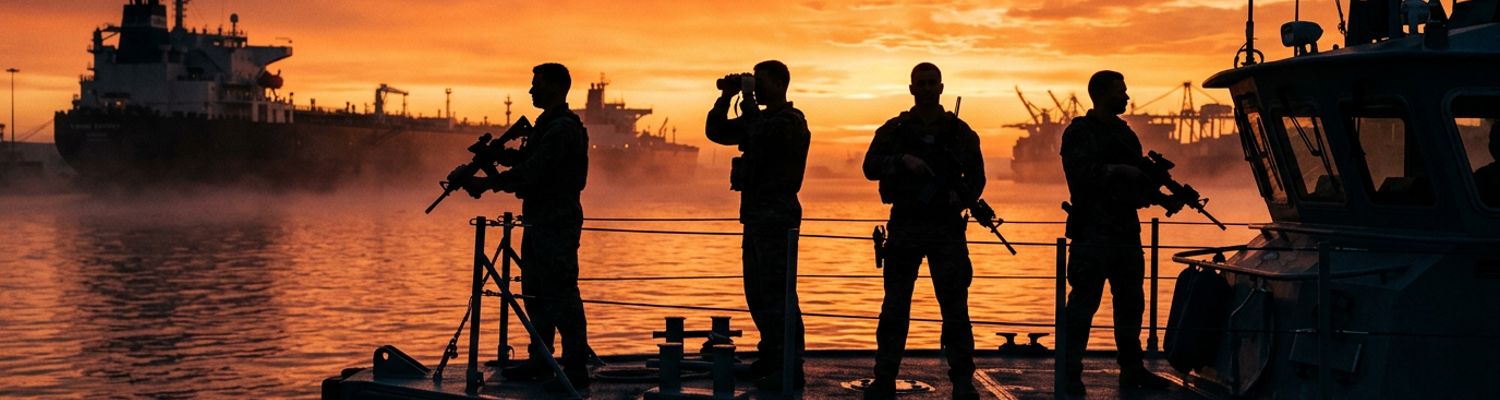
Archival evidence shows that PTF-3 and PTF-6 cleared the mouth of Da Nang Bay at 1810 hours on 30 July 1964. They ran north-northwest into open water at thirty-eight knots.
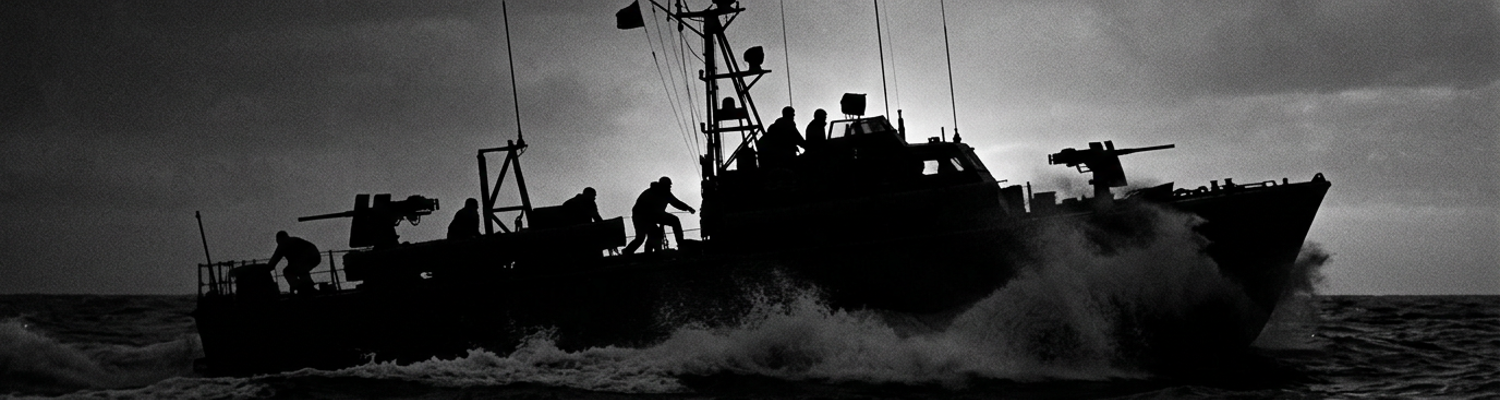
These eighty-foot Norwegian Nasty-class hulls featured twin eighteen-cylinder Napier Deltic turbocharged diesel engines. The powerplants produced over 6,200 combined brake horsepower. Planing surfaces made of laminated mahogany over oak frames were designed for sheltered Scandinavian fjords rather than the steep chop of the Tonkin Gulf. Pushing past the seventeenth parallel into North Vietnamese territorial waters off Ha Tinh province, the boats encountered five-foot swells running against an incoming tidal stream. Every wave crest slammed directly against the flat chine sections near frame station twenty-four.
Hull mechanics monitored fuel lines. High-frequency vibrations from the dual bronze shafts shook auxiliary cooling lines loose from their brackets. Engine compartments reached fifty degrees Celsius. The open bridge took continuous sheets of dark saltwater over the Plexiglas windscreens. Navigators tracked dead-reckoning lines with wet nautical charts pinned to aluminum clipboards. They plotted the course toward the southern approaches of Hon Me Island at coordinates 19 degrees 21 minutes North 105 degrees 56 minutes East without radar emissions.
Violent vertical impacts repeatedly threw crewmen against unpadded aluminum bulkheads.
A close review of operational logs indicates that the journey broke down the physical reserves of the small-boat crews and Biet Hai combat divers hours before they reached the insertion point. Operators rode in exposed deck positions behind the 40mm gun mount and inside open rubber raiding craft lashed amidships. They endured unceasing spray blowing across decks at relative speeds near fifty knots.
Seawater temperatures hovered at twenty-six degrees Celsius. The sustained high-velocity wind drove down skin temperatures and triggered uncontrolled shivering, teeth-chattering, and mental slowing within ninety minutes of departure. Lacking dry suits or insulated neoprene hoods, the assault force wore standard utility uniforms or thin cotton swimming trunks coated with petroleum grease. Pounding ocean swells generated continuous vertical accelerations measuring up to six Gs on the forward deck. Men suffered compressed lumbar vertebrae, bruised kidneys, fractured tailbones, and torn shoulder ligaments simply fighting to keep their footing on the saturated anti-skid mats.
Combat divers swallowed sea spray mixed with diesel exhaust fumes. This triggered bouts of dry-heaving and vomiting while their core temperatures dropped into mild hypothermia.
Physical shock deadened the men before they sighted the island.
When examining the historical record, this sustained pounding degraded the tactical capability of the commandos to basic motor functions. PTF-3 cut its throttles four miles south of Hon Me. The crew dropped off the rubber raiding craft. Combat swimmers struggled to detach the lashing straps using stiff desensitized fingers.
Two divers suffered sprained wrists when a sudden swell pitched an inflatable craft against the wooden gunwale during deployment. Team leaders attempted to brief the landing pairs on secondary extraction points. The commandos stared blankly. They could not process complex verbal directions after five hours of deafening engine noise and bone-jarring hull impacts. Reflexes slowed to the point where loading thirty-pound sterile satchels into the inflatable craft required several clumsy attempts. Handheld compasses slipped from numb hands into dark water. Men shook uncontrollably in the bilges of the rubber craft while gasoline fumes from small forty-horsepower outboard engines filled their lungs.
Combat Swimmer Operations Along the Hon Me Littoral
Archival evidence shows that at 2340 hours on 30 July 1964, two-man combat swimmer pairs dropped over the sponsons of the rubber raiding craft 1,200 yards offshore. They entered black sea water near the western shoals of Hon Me Island at coordinates 19 degrees 21 minutes 48 seconds North 105 degrees 55 minutes 32 seconds East.
Each Biet Hai diver operated with a partner linked by a six-foot buddy line of braided nylon cord tied off at the web belt. Navigators used wrist-mounted compasses illuminated with faint radium dials. The pairs pushed forward through an offshore barrier reef formed of jagged limestone shelves and brain coral outcrops. Rising ocean swells drove the swimmers directly onto shallow coral heads hidden six inches beneath the foam. Sharp limestone ridges shredded rubber swim fins. They sliced open utility shirts and carved deep lacerations into forearms and knees.
Seawater drove salt into open cuts while high-energy surf rolled the men over shallow volcanic boulders. Swimmers swallowed brine and choked against rubber mouthpieces. Waves tore mask seals loose. Divers repeatedly blew water out through purge valves while fighting strong backwash currents sweeping north-northwest along the shoreline.
Darkness hid razor-sharp limestone shelves that broke men apart.
When examining the historical record, the divers struggled under the dead weight of sterile thirty-pound satchel charges strapped across their chest harnesses. Advancing through the breakers into the inner surf zone, the pairs tracked toward designated targets along the southern cove. North Vietnamese military construction had established coastal surveillance facilities, wooden watchtowers, and shoreline mooring points there.
Swimmers crawled across the final rocky shallows on their stomachs. They kept their heads beneath the water line to avoid detection by shore pickets. North Vietnamese personnel had constructed timber-frame watchtowers elevated twenty feet above the shoreline bluffs. Sentries used kerosene lanterns and battery-powered floodlamps to scan the surf. Coastal radar facilities situated higher on the rocky crest relied on a diesel generator plant located near the waterline. Anchored wooden supply sampans and motor junks lashed to stone bollards flanked the generator. The mission called for placing satchel charges directly against the hull timbers of these watercraft and at the base footings of the watchtowers and electrical supply shacks.
Cold salt water deadened hands to useless claws.
A close review of operational logs indicates that the physical breakdown of the swimmers doomed the demolition sequence from the opening seconds of contact. Divers reached the rocks with trembling hypothermic limbs. Their hands lost fine motor control after nearly two hours in the current. Kneeling against submerged granite boulders, the pairs fumbled with the vulcanized rubber closures protecting the improvised civilian firing mechanisms inside the canvas packs. Salt water had penetrated the hand-sewn seams during the passage through the reef. This dampened the non-electric blasting caps and turned the powder cores of the commercial delay safety fuses into unusable sludge.
Swimmers broke multiple plastic scratch igniters against wet abrasive strikers. They failed to draw a spark.
On the bluffs above, North Vietnamese sentries detected splashing near the sampan moorings. They initiated small-arms fire with SKS carbines and heavy 12.7mm machine guns. Tracers cut into the surf zone around the swimming pairs. The divers abandoned four fifty-pound packs among the boulders. They began swimming back through the breaking surf toward the extraction point.
Muzzle flashes revealed divers retreating across the reef.
PTF-3 observed tracers raking the water line at 0015 hours. The bridge crew signaled the abort code using an infrared flash lamp directed toward the beachhead. The swimming pairs fought forty minutes against an offshore current to reach the rubber boats. They were battered by the backwash and bleeding from deep coral lacerations. They hauled empty hands over the inflated rubber gunwales.
Inshore target structures remained fully intact as North Vietnamese coastal batteries opened fire with 57mm recoilless rifles. Five satchel charges lay flooded among the submerged granite shelves at the low-water mark.
Physical Deprivation and Extreme Operational Fatigue
Archival evidence shows that during the forty-eight hours spanning the approach and withdrawal from Hon Me Island, small-boat operators aboard PTF-3 and PTF-6 suffered complete physiological breakdown.
Coxswains and deck gunners had accumulated over fifty hours of active duty without rapid eye movement sleep before entering North Vietnamese littoral zones. These operators stood on unpadded steel grate decking behind the open bridge consoles. They absorbed relentless wave impacts as the Norwegian-built wooden hulls slammed into steep four-to-six-foot head seas at thirty-eight knots. The human skeletal system cannot cushion continuous vertical deceleration forces exceeding four Gs without catastrophic tissue trauma. Medical logs recorded severe lumbar disc compression, cracked coccyx bones, and deep muscle hemorrhaging across the thighs and lower backs of the bridge personnel.
Seawater breaking over the forward freeboard continuously saturated utility uniforms with twenty-six-degree water. Combined with forty-knot wind shear, this dropped peripheral skin temperatures below normal thresholds. Men shivered uncontrollably. Their extremities turned pale and desensitized. Diesel exhaust fumes blowing back from the Napier Deltic turbochargers induced persistent nausea and dry-heaving across the open deck.
Violent hull oscillations caused repeated blunt-force concussions among the deck crews.
A close review of operational logs indicates that this physical battering destroyed the mental and motor capabilities of the boat crews during the long transit phases. Navigators could no longer grip brass parallel rulers or pencil points to mark plotting sheets without dropping their tools onto the wet bilge decking. Hands contracted into rigid claw-like postures from hours of death-gripping wet aluminum grab rails. Salt crusting on eyelids and corneas caused blurred vision. Sleep debt produced auditory hallucinations that mimicked approaching patrol craft engines.
Deck engineers working in fifty-degree bilge compartments suffered severe heat exhaustion. They would step onto the freezing deck and experience immediate thermal shock. Coxswains lost the depth perception necessary to read breaking shoals. This resulted in abrupt throttle cuts that threw forward lookouts directly into the steel gun tubs of the 40mm Bofors mounts. By the time the hulls reached their offshore holding positions south of the island, half the bridge crew suffered from stage-one hypothermia and acute disorientation.
Physical exhaustion incapacitated two engine mechanics before the primary assault phase began.
When examining the historical record, the combat swimmers faced an equally catastrophic physical collapse once deployed into the waters off the western shoals. Sweeping north-northwest along the submerged limestone shelves of Hon Me, a two-and-a-half-knot rip current pushed directly against the insertion vectors of the two-man Biet Hai swimming pairs. Swimmers spent seventy minutes fighting this counter-current while dragging thirty-pound sterile demolition charges through the chop. These field-assembled canvas satchels lacked hydrodynamic form and generated severe hydrodynamic drag. They were waterproofed with thick vulcanized inner-tube rubber.
Carrying no factory straps, the awkward bundles hung from improvised nylon webbing. The straps slipped off shoulders and bound around diver armpits. This cut off arterial circulation to their hands.
The explosive packs took on negative buoyancy as seawater seeped into outer cloth layers. Swimmers had to kick at maximum exertion simply to prevent the packages from pulling them beneath the surface. Diver respiration rates spiked uncontrollably. This caused rapid hyperventilation, severe carbon dioxide buildup, and muscle tetany in the quadriceps and calves.
Lactic acid saturation immobilized the swimmers before they reached the rocky shoreline.
Medical reports from Camp Fay document that this physical crisis rendered the demolition attempt impossible (NAD Medical File 64-08). Divers arrived at the target rocks with depleted glycogen reserves. They clawed at jagged barnacle-covered coral with numb bloodied fingers while ocean swells battered them against stone shelves. Gripping commercial safety fuses and improvised scratch pull-igniters required fine motor dexterity that hypothermic muscles could no longer deliver. Swimmers experienced uncontrollable full-body tremors and mental confusion. They lost grip on their tools and dropped sterile satchels into twelve-foot crevices beneath the reef.
Swimming against the offshore backwash on the return heading pushed the men past their absolute physical limit. Extraction crews on the rubber raiding craft had to physically haul limp semi-conscious swimmers over the sponsons using boat hooks.
Sustained Operational Tempo and Diver Psychological Dissociation
Archival evidence shows that by early August 1964, the cadence of continuous night infiltrations shattered the operational readiness of the Naval Advisory Detachment combat swimmers.
Personnel operated under the constant threat of capture by North Vietnamese Swatow patrol craft patrolling the waters between the seventeenth parallel and Hon Me. They sustained acute autonomic arousal. Mission cycles compressed to eighteen-hour turnarounds. Men returned from seven-hour sea transits at dawn only to face mandatory mission debriefings, ordnance reloading, and immediate pre-mission rehearsals. They conducted these drills under baking corrugated metal roofs at Camp Fay where day temperatures exceeded thirty-seven degrees Celsius. High humidity and swarms of coastal sandflies prevented daytime sleep inside the uninsulated barracks.
Chronic activation of the sympathetic nervous system paired with the danger of offshore waterborne capture by North Vietnamese maritime militia. This produced pronounced mental dissociation among the Biet Hai swimmers and their SEAL Team ONE advisors. Combat divers described feeling detached from their physical bodies while descending into the black swells of the gulf. They operated their limbs with mechanical detachment rather than conscious intent. Men stared blankly at instrument panels during transit. They experienced severe time distortion where hours vanished in seconds or minutes stretched into unbearable spans.
Isolation in hostile water broke the mind before the enemy ever fired.
A close review of operational logs indicates that this acute stress response manifested in catastrophic motor and perceptual freezing during tactical insertions. Swimming pairs in the dark waters off Thanh Hoa province routinely lost spatial awareness. They experienced vestibular disorientation as pitch-black sea surfaces melded into overcast night skies without a visible horizon. Divers reported auditory distortions. They mistook the ambient hum of distant diesel engines for human voices screaming beneath the water.
North Vietnamese patrol vessels swept searchlights across the shoals. The sheer fear of capture pushed men past their mental limits. Capture meant torture and public show trials in Hanoi rather than prisoner-of-war protections. Combat swimmers froze in the water. They were unable to drop their weights or swim toward extraction zones. Advisors recorded instances where commandos clung to submerged coral heads in catatonic stupors. They refused to respond to physical tugs on their buddy lines until boat crews hauled them bodily out of the surf.
Physical terror paralyzed frontline operators on every run.
When examining the historical record, this mental unraveling was accelerated by cumulative emotional erosion born from relentless operational mandates delivered from Saigon. MACV Special Operations Group planners viewed Camp Fay as a self-sustaining tactical asset. They issued rapid-fire execution directives with complete disregard for personnel management or rotation cycles. The small cadre of SEAL Team ONE personnel and indigenous commandos operated without field rotation schedules, psychiatric evaluation, or administrative relief. Routine personnel processing stalled entirely. Mail deliveries from the United States took up to six weeks to reach the Son Tra Peninsula. Supply requisitions for baseline garrison comforts went completely unanswered by logistics sections in Da Nang.
Detachment members were trapped in an administrative vacuum. They received demanding operational cables from officers who never stepped onto the deck of a Nasty-class hull.
Cynicism replaced discipline across the detachment huts.
Medical records from the Naval Advisory Detachment confirm that chronic administrative indifference bred profound emotional apathy and behavioral volatility. Men who had maintained sharp tactical focus in May degenerated into sullen uncommunicative recluses by August. Interpersonal friction flared violently over minor supply allocations inside the Camp Fay compound. This resulted in physical altercations between boat mechanics and demolition specialists. Sleep debt combined with persistent survival threats stripped away emotional defense mechanisms. Operators entered a state of mental numbing where they no longer processed the deaths or injuries of their teammates. Men boarded PTF craft for subsequent raids toward Hon Ngu and the coast of Nghe An province with flat vacant stares. They were indifferent to whether their vessels returned to base or were sunk by shore batteries.
Camp Fay dispensary logs from the first week of August 1964 documented six commando personnel presenting with tremors, unprovoked weeping, and total mutism following back-to-back night launches.