
Marine Observation Squadron 2 Operations at Da Nang Air Base
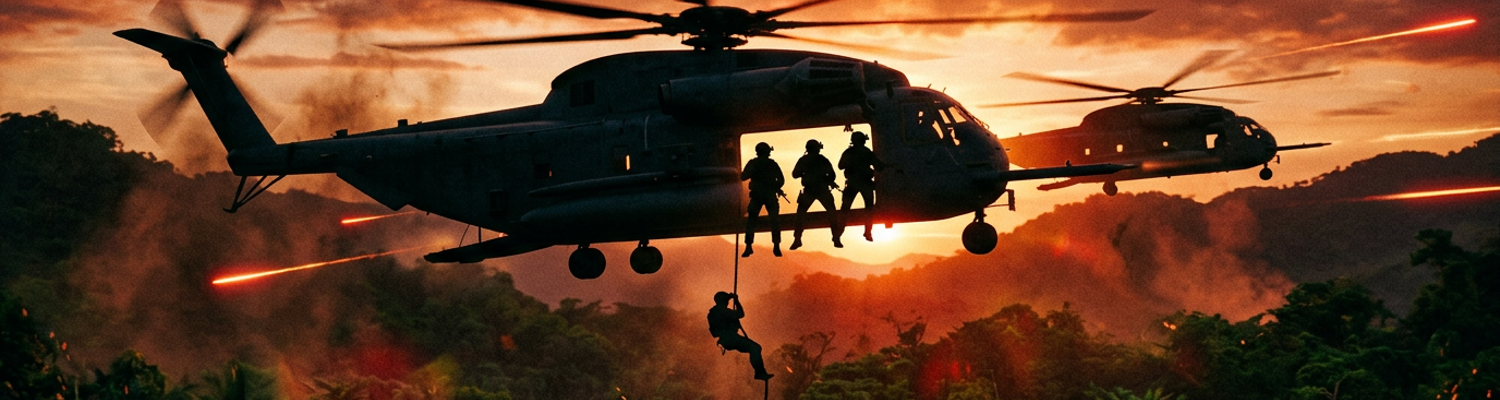
Corporal Thomas Evans twisted stainless steel safety wire around the fuel pump fitting of an idling turboprop engine as warning sirens began to sound across Da Nang Air Base. Rocket impacts shook the flight line, throwing clouds of gray smoke and gravel across the revetments while mechanics scrambled to ready their planes for an emergency launch. Maintenance crews worked through the heat and exhaust fumes without pausing, tightening loose hydraulic couplings and wiping oil from the twin booms of the North American OV-10A Bronco. Ground crewmen loaded pods of white phosphorus marking rockets onto the wing pylons as radio speakers overhead crackled with distress calls from an ambushed infantry company in the foothills. Evans pulled the ground power cable from the fuselage, hammered the external access panel shut with the heel of his hand, and signaled the pilot to taxi toward the runway.
Pilots steered their aircraft onto the active runway and lifted off into the humid sky as VMO-2 operated twin-turboprop North American OV-10A Broncos to execute continuous visual reconnaissance, artillery spotting, and tactical air control across Quang Nam Province. Flight crews flew these observation planes over dense mountain valleys, where tree cover concealed North Vietnamese Army regiments from conventional high altitude surveillance. Aerial observers strapped into the rear cockpits searched the jungle floor with handheld binoculars, looking for fresh footprints, broken branches, and camouflaged weapon emplacements. Heavy antiaircraft guns fired from concealed pits on the valley slopes, striking the aluminum fuselages and shattering cockpit glass as the aircraft flew low over the ridgelines. Flight crews responded by firing marking rockets directly into enemy positions, guiding Marine fighter bombers down through the clouds to drop high explosive bombs. Exhausted observers transmitted brief coordinate updates over static filled high frequency radios back to the command bunker.
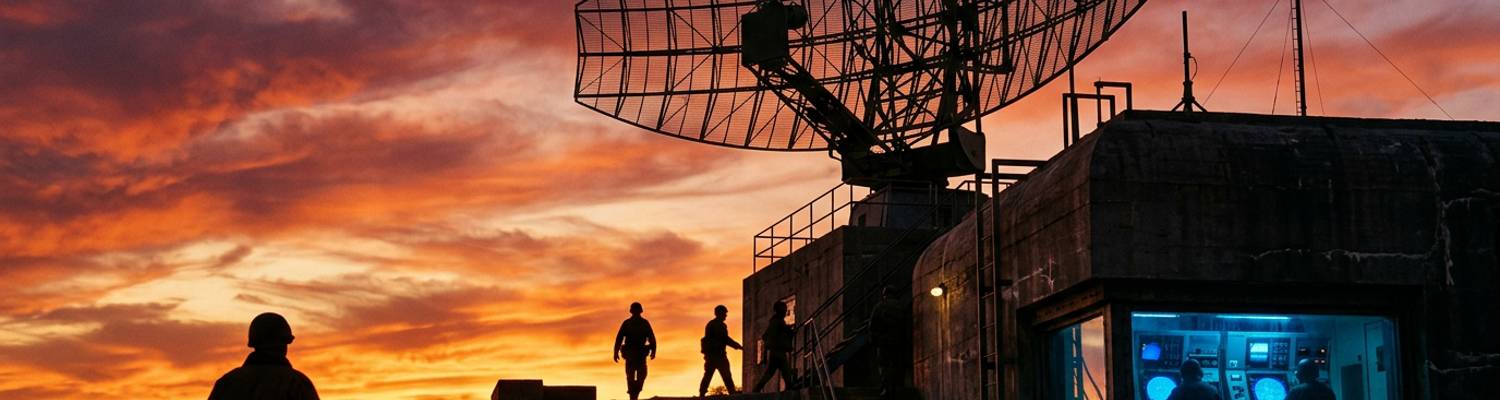
Lieutenant Colonel Charles R. Dunbaugh listened to those incoming radio transmissions inside the squadron operations bunker at Da Nang Air Base, where he commanded Marine Observation Squadron 2 under Marine Aircraft Group 11 during April 1970. Sweat soaked his flight suit as he stood before large wall maps covered in clear plastic and grease pencil marks that failed to show the exact positions of the jungle fighting thirty miles away. Communications arrived in delayed fragments through field telephone lines and static heavy radio nets, leaving the command staff unable to track rapidly shifting enemy units. Infantry officers in the Que Son Valley shouted over their radios for immediate air strikes to stop North Vietnamese ground assaults, but Dunbaugh possessed only incomplete grid locations and outdated target coordinates. Senior commanders at group headquarters pressured him to verify target markers before sending ordnance into the trees, fearing that inaccurate strikes would hit friendly Marine positions. Dunbaugh refused to halt the sorties and marked three new target coordinates on the map board despite the conflicting radio intelligence.
Dunbaugh grabbed the operations telephone next to the map board and ordered maintenance crews to ready every remaining Bronco on the flight line for immediate departure. Operations officers updated the plastic flight boards with grease markers, assigning fresh aircrews to relieve the low fuel Broncos returning from the interior. Relief pilots sprinted across the concrete to strap into cockpits that were still hot from previous flights, taking off without full reconnaissance briefings. Dunbaugh watched through the bunker doorway as another pair of Broncos climbed above the airfield perimeter and turned south toward the mountain passes. Maintenance teams dragged fresh ammunition carts and rocket pods toward the revetments to rearm the returning planes the moment their wheels touched the runway.
Target Identification Over the Que Son Valley Ridgelines
Armorers locked rocket pods onto the wing mounts so the next wave of observation planes could take off immediately toward the besieged outposts south of Da Nang. People's Army of Vietnam forces utilized the jagged canopy and complex ridgeline networks of the Que Son Valley to stage assaults on isolated allied fire support bases. These small outposts sat exposed on cleared hilltops, surrounded by ravines and jungle that swallowed entire enemy battalions without leaving a trace on aerial photographs. Underground command bunkers shook under sudden salvos of mortar and recoilless rifle fire, pinning friendly troops inside their trenches. Allied outpost commanders depended heavily on overhead Bronco flights for early detection of concealed mortar emplacements and troop staging areas. Ground officers had no clear line of sight past the tangled concertina wire of their outer perimeters, making the low flying turboprops their only reliable warning system against massed infantry assaults that threatened to overrun their command posts.
Infantry captains huddled over tactical radios inside those sandbagged command posts, pleading for coordinates while enemy mortar shells exploded across their helicopter pads. Radio transmissions bounced from the valley floor up to the circling Broncos, which then relayed the calls across thirty miles of rugged mountain terrain back to the Marine tactical air direction center at Da Nang. Headquarters staff received these frantic transmissions through broken bursts of static and tape delays, creating a dangerous information vacuum inside the command bunker. Grease pencils scratched tentative circles on clear plastic map overlays, but those marks represented positions where fighting had taken place twenty minutes earlier. Senior officers sat beneath humming electric fans in the sealed bunker, debating whether reported targets were enemy staging trenches or friendly patrols falling back toward the perimeter wire. This administrative delay widened the gap between the aircrews taking ground fire over the trees and the staff officers demanding absolute target verification before authorizing strikes.
Bronco pilots responded to the delayed strike authorizations by banking their aircraft into steep turns along the valley contours to spot enemy muzzle flashes with their own eyes. Aerial observers pressed their faces against the curved Plexiglas canopies, scanning dark ravines where North Vietnamese gunners dragged heavy mortars into cave mouths between artillery strikes. Heavy machine gun fire ripped upward through the bamboo, punching jagged holes through the aircraft fuselages and severing secondary wiring harnesses. Observers scribbled fresh map coordinates onto slate boards strapped to their thighs, working around jammed radio frequencies to calculate target data using river bends and bomb craters. Pilots pushed their control sticks forward and fired five inch white phosphorus rockets into the suspected tree lines, laying down dense plumes of white smoke to anchor the target for incoming strike jets.
Marine F-4 Phantom crews aligned their bombing runs on that rising column of white smoke, dropping canisters of napalm and high explosive bombs along the ridgeline just yards outside the friendly defensive wire. Staff officers thirty miles away in Da Nang stared at silent radio consoles, unable to determine whether the air strike had broken the assault or destroyed friendly positions until the Bronco crew clicked their transmitter. The aerial observer confirmed secondary explosions rocking the hillside as an enemy ammunition cache cooked off beneath the burning trees. Dunbaugh wiped chalk dust from his hands, wiped out the tentative target marks on his wall map, and picked up the direct telephone line to launch another armed Bronco toward the valley. Ground commanders at the fire base climbed out of their collapsed command trenches to inspect the burning craters, watching the damaged observation plane bank toward the coast as fresh mortar rounds began falling on the opposite ridge.
Sensory Degradation During Low Altitude Night Surveillance
Mortar fragments from those impacts tore through the bamboo as night fell over the valley, forcing relief Bronco crews to descend beneath the overcast into near total darkness. Pilots throttled back their twin turboprops to search for the active enemy firing pits, but the black canopy below hid the North Vietnamese gun teams. Bronco aircrews deployed MK-24 parachute flares that generated blinding cockpit reflections against low cloud decks and rugged jungle canopies. Two million candlepower of burning magnesium swung under silk parachutes beneath the clouds, throwing harsh shadows across the razorback ridges and washing out the horizon. Glare bounced off the curved Plexiglas windows of the cockpit, blinding the pilot and destroying his natural night vision while the plane banked steeply above the trees. Flight instruments glowed red on the instrument panel, offering little comfort as the aircraft drifted through downdrafts toward hidden rock faces.
Observers leaned against their seat harnesses in the rear cockpits to aim handheld night scopes through the side glass, searching for the terrain hazards and enemy positions. First generation night observation devices suffered acute bloom and optical distortion from ground mortar flashes and intermittent flare ignition. Green phosphorescent tubes inside the heavy scopes whited out completely whenever an enemy tube launched a round or another magnesium canister ignited in the sky above. Observers waited for their retinas and the night vision optics to clear, shaking their heads to regain their focus while the Bronco circled at tree top level. Enemy gunners took advantage of these blind intervals, firing automatic weapons along the sound of the droning engines from the reverse slopes. Bullets punctured the thin metal skin of the wings, forcing the observer to drop his useless scope and grab his tactical radio handset.
Radio transmissions from the damaged plane surged across the static choked tactical frequency, reaching Lieutenant Colonel Dunbaugh inside the operations bunker at Da Nang Air Base. Dunbaugh pressed the heavy black receiver to his ear while electric teletype machines clattered behind him, trying to decipher broken coordinates shouted over the roar of the Bronco engines. Command staff officers clustered around the plastic covered situation board, arguing over grease pencil marks that placed friendly outposts within the blast radius of any requested air strike. Isolation weighed heavily on the bunker staff, who could hear only the muffled panic of the observer and the distant thunder of air attacks filtering across thirty miles of dark jungle. Senior watch officers urged Dunbaugh to cancel the night mission rather than risk dropping ordnance onto friendly trenches in the glare blinded valley. Dunbaugh ignored their warnings and demanded immediate compass headings from the aircrew, refusing to abandon the infantrymen fighting in the darkness below.
Compass headings crackled back through the bunker speakers as the pilot lined his aircraft up for another low altitude pass over the burning valley. Pilots kicked their rudder pedals and dropped the nose toward the suspected mortar pits, lining up on muzzle flashes that appeared only as faint orange sparks through the haze. Crew members relied on dead reckoning and brief glimpses of the river line, flying without radar support while ground fire flashed past their wingtips. Armor piercing tracers tore through the lower fuselage and severed the hydraulic lines to the flaps, spraying pink fluid against the hot engine cowlings. Observers fired a salvo of five inch white phosphorus rockets into the ravine by pure muscle memory, banking hard to clear the ridge as the marking rockets struck the trees. Dunbaugh scribbled the confirmed impact grid onto his plastic map, clearing incoming strike jets into the darkened valley as the damaged Bronco pulled up toward the clouds.
VHF Communications Blackout with the Direct Air Support Center
Turboprop engines strained against turbulent air as the climbing Bronco vanished into the heavy cloud deck, breaking direct sightlines with the valley floor. Steep valley walls and severe weather created severe terrain masking that cut all VHF and UHF radio links to the Direct Air Support Center at Da Nang. Dense rain clouds and high mountain shoulders blocked the straight line of sight required for high frequency radio waves, swallowing transmissions from both the observation plane and the approaching attack jets. Radio operators inside the concrete center at Da Nang flipped switches on their control consoles and rotated tuning knobs across alternate channels, but they picked up only high pitched squeals and rushing static. Speakers mounted above the tactical consoles hissed without carrying a single word from the pilots who were maneuvering through the turbulent mountain passes. Controllers grabbed backup microphones and broadcast repeated call signs into the dead frequencies, receiving no acknowledgment from the aircraft navigating the storm.
Headquarters staff operated inside the resulting communications void, relying on delayed reports and static map boards while aerial combat unfolded miles away. Staff officers clustered around the large wall map, studying grease pencil marks that showed troop locations and flight paths that had been recorded half an hour earlier. Operations planners picked up grease pencils to alter the target circles, but they had no way of knowing whether the ambushed infantry company had retreated or held its original perimeter. Telephone operators plugged patch cords into switchboards to reach remote mountain relay stations along the coast, seeking any fragment of information from troops who might have heard the jet strikes. Teletype terminals in the back of the bunker clicked out brief messages that described conditions from the previous hour, adding to the confusion rather than clarifying the current tactical emergency. Dunbaugh rested both hands on the wooden railing below the operations board, watching junior officers debate conflicting grid references without having any reliable data from the valley.
Dunbaugh reached across the map shelf and snatched a red grease marker to cross out the unverified target markings that cluttered the plastic board. Watch officers urged him to suspend all further air strikes until radio contact was reestablished, arguing that dropping unguided bombs near allied positions in poor weather risked friendly lives. Dunbaugh refused to recall the aircraft, knowing that the isolated ground troops at the fire base faced immediate overrun if air support ceased during the enemy assault. Command staff in Da Nang could only imagine the conditions thirty miles away, where Bronco observers flew beneath the cloud ceiling to guide Phantom jets onto target markers with hand signals and emergency flares. Couriers hurried across the bunker floor carrying fresh weather advisories that predicted lower cloud ceilings and stronger winds across the Que Son ridges, threatening to prolong the communications blackout until morning. Dunbaugh ordered the duty officer to keep the emergency frequencies open on every receiver, keeping his eyes fixed on the blank map grid where the missing aircraft were supposed to be operating.
Radio technicians adjusted the gain controls on the long range receivers, trying to filter atmospheric crackle from the mountain squall out of the emergency channels to locate the missing aircraft. Static continued to roar through the bunker speakers while strike coordinators waited for any brief break in the cloud layer that might allow a signal to clear the razorback ridges. Planners inside the center recognized their total helplessness as the battle continued out of sight, unable to redirect ordnance, warn pilots of newly reported antiaircraft batteries, or verify friendly survival. Dunbaugh lifted the red telephone receiver connecting his post directly to the airfield revetments, preparing to launch another visual reconnaissance crew into the storm to search for the lost flight. Ground crewmen outside heard the klaxon sound across the flight line, sprinting back toward the revetments to arm the next pair of Broncos while the bunker command staff waited in silence.
Autonomous Tactical Vectoring by Airborne Forward Air Controllers
Bronco pilots circled above the jagged ridgelines of the Que Son Valley while that command staff waited in helpless silence thirty miles behind them. Cut off from headquarters guidance, airborne forward air controllers assumed autonomous command authority over available tactical air assets. The Marine crew in the lead aircraft could not afford to wait for radio relays to reestablish contact with Da Nang while North Vietnamese machine guns hammered the besieged outposts below. The pilot leveled the wings against severe downdrafts, checked his fuel gauges, and established direct contact with flights of incoming Marine attack jets holding above the overcast. Senior officers in the distant bunker possessed no real time picture of the shifting perimeter, forcing the airborne crew to determine target priorities, attack headings, and pull off directions on their own initiative. Every tactical choice rested entirely on the judgment of the two men in the cockpit, who took control of the airspace and marshaled the orbiting strike flights into a makeshift attack pattern.
Pilots of incoming strike jets entered that attack pattern from above, reporting that dense mountain mist completely hid the valley floor from their cockpits. Bronco crews used white phosphorus marking rockets to pinpoint dug in enemy weapon positions obscured beneath mountain cloud cover. The forward observer adjusted his intervalometer switch and aligned the nose of the plane with a line of heavy automatic fire emerging from a cluster of boulders. Twin turboprop engines shrieked as the pilot pushed the nose into a steep thirty degree dive, dropping beneath the ragged cloud ceiling to acquire visual line of sight with the ravine. Rocket motors ignited with an electrical hiss beneath the wing pylons, launching the red and white projectiles directly into the jungle canopy. Bright bursts of white phosphorus detonated against the limestone ledges, releasing dense plumes of hot chemical smoke that surged upward through breaks in the fog.
Smoke columns broke through the gray cloud ceiling, giving the circling jet pilots an unmistakable aiming reference over the concealed enemy positions. The airborne forward air controller keyed his ultra high frequency transmitter to clear the first section of Phantoms, providing exact release altitudes and pull off vectors relative to the rising white marker. Jet engines roared through the mountain passes as the fighter bombers descended through the cloud deck one at a time, releasing high explosive bombs and napalm canisters directly into the marked ravine. Shockwaves rattled the Plexiglas canopy of the loitering Bronco, forcing the pilot to bank hard against the valley wall to avoid secondary blast debris and flying metal fragments. Secondary explosions tore through the jungle below, confirming that the ordnance had destroyed an ammunition stockpile hidden beside the enemy antiaircraft pits. Ground fire from the reverse slope abruptly stopped as fire swept across the defensive perimeter, allowing allied infantrymen in the nearby outpost to emerge from their fighting bunkers to report their status.
Radios at the besieged fire base crackled with those status reports, confirming that the enemy assault had broken, yet command staff thirty miles away at Da Nang remained completely unaware of the tactical victory. Watch officers inside the concrete bunker continued to adjust inaccurate map markers and debate obsolete casualty estimates under the fluorescent lights, unable to pierce the communications silence. The Bronco crew orbited the smoking ravine until their remaining fuel reached reserve levels, watching the surviving North Vietnamese squads retreat into deep mountain caves beyond the cleared ridge. Dunbaugh stood by his map table listening to the persistent hiss of static from the Que Son frequency, having made no contribution to the survival of the isolated company. The Bronco pilot adjusted his fuel mixture, banked his aircraft toward the coastal plain, and led the strike jets homeward beneath the evening overcast.
Coordination of Skyhawk and Phantom Close Air Support
OV-10A Broncos arrived over the Que Son Valley as that departing flight cleared the coastal ridges, finding allied hilltop outposts under renewed mortar fire from the surrounding slopes. Dunbaugh and his command staff at Da Nang remained trapped inside their concrete bunker with dead radio channels, leaving the arriving aerial observers to manage the crisis without ground control direction. Airborne controllers directed flights of Marine Attack Squadron A-4 Skyhawks into narrow mountain corridors to drop ordnance near allied defensive wire. Skyhawk pilots flew their nimble attack jets between sheer rock walls, diving beneath the low cloud ceiling where turbulent mountain updrafts shook their wings. Pilots dropped five hundred pound high explosive bombs and retarded fin weapons fifty yards beyond the perimeter fence, blasting apart North Vietnamese assault squads that were cutting through the outer concertina wire. Smoke and pulverized rock from those bomb detonations rose hundreds of feet into the gorge, hiding the valley floor from the circling observation aircraft.
Mortar shells continued to arc through that dense smoke from fortified pits dug deep into the granite slopes, threatening to wipe out the remaining defenders. Crews integrated high speed McDonnell Douglas F-4B Phantom bombing runs against entrenched heavy mortar positions threatening besieged outposts. Bronco observers checked their fuel status and calculated dive angles for the incoming twin engine fighters, assigning specific entry corridors that kept the heavy jets clear of the lower flying Skyhawks. F-4B pilots swept across the mountain crests at over four hundred knots, releasing strings of heavy demolition bombs and napalm tanks directly into the camouflaged mortar pits. Shockwaves from the exploding ordnance shook the trees across the ridgeline, shattering the timber reinforced roofs of the enemy firing pits and setting off secondary explosions of stored mortar rounds.
Shrapnel tore through the jungle as those burning ammunition caches cooked off inside the shattered pits, yet tactical status boards at Da Nang Air Base still showed the outpost in danger of falling. Staff officers in the distant operations room stared at blank radio logs and dated position reports, unable to establish contact with the strike aircraft or confirm whether the bombing runs had landed on target. Dunbaugh paced the floor between the telephone consoles, refusing to cancel air missions even though he possessed no visual confirmation of friendly perimeter lines. Airborne observers in the overhead Broncos filled this leadership void by visually tracking friendly signal panels, confirming that the outpost garrison still held its bunkers beneath the smoking hills. Bronco pilots transmitted final attack clearances to the remaining Skyhawks, vectoring the light attack jets onto retreating enemy columns that were pulling back into the western ravines.
Skyhawk pilots expended their twenty millimeter cannon ammunition across that western ravine, suppressing the last North Vietnamese antiaircraft machine guns protecting the withdrawal route. Bronco observers circled above the contested outpost until the final flight of strike aircraft cleared the mountain passes and turned back toward the coast. Infantrymen at the fire base waved colored identification panels from their trench parapets, signaling to the low flying turboprop that the perimeter wire was secure. Watch officers at Da Nang received their first battle damage report twenty minutes later when a radio relay station on the coast finally patched through a transmission from the returning flight leader. Dunbaugh took a green grease pencil, stepped up to the plastic situation map, and drew a confirmed friendly line around the coordinates of the surviving outpost.
Doctrinal Lessons of Isolated Forward Air Control
Grease pencil marks on the clear plastic overlay recorded a friendly perimeter that had survived solely because the men inside the bunker had been completely unable to interfere with the fight. Dunbaugh stepped back from the wall map, watching his watch officers sit before dead radio sets while the air conditioned operations center hummed under fluorescent lights. The Que Son Valley sorties exposed the vulnerability of centralized command nodes unable to maintain reliable contact with frontline airspace. Mountain shoulders and heavy overcast had blocked high frequency radio signals, leaving senior officers thirty miles away blind to tactical realities while ground positions nearly buckled under North Vietnamese mortar barrages. Controllers inside the concrete facility had spent hours moving plastic markers across grid squares that reflected what had happened forty minutes earlier rather than what was occurring at that exact second. Dunbaugh dropped his grease pencil onto the metal tray, gathered the silent radio logs from the Que Son frequency, and carried the paperwork to the operations desk as the first returning Broncos touched down on the Da Nang runway.
Pilots climbing down from those hot cockpits handed their flight logs directly to intelligence clerks at the flight line revetments. These debriefing forms detailed how the aircrews had made split second tactical calls entirely on their own while flying through mountain rain and intense ground fire. Observers had spotted hidden mortar positions, checked friendly panels, brought attack jets beneath cloud layers, and cleared live ordnance onto target areas without receiving a single clearance code from Da Nang. The autonomy exercised by VMO-2 aircrews reinforced Marine Corps doctrine regarding decentralized decision making for forward air controllers under adverse operational conditions. Flight commanders recognized that fast moving valley engagements left zero time to route strike requests through distant staff officers who could not see the terrain or hear the gunfire. Aircrews who held the visual picture over the battlefield required immediate authority to command the local air assets, position strike flights, and defend isolated outposts. Dunbaugh signed the after action summaries and forwarded the flight records directly to Marine Aircraft Group 11 headquarters for formal operational review.
Marine Aircraft Group 11 evaluators compared those combat logs against the recorded radio silences, discovering that rigid oversight from Da Nang had offered no practical help to the troops under fire. Tactical air control manuals had long stressed centralized coordination through air support centers, but the realities of mountain warfare proved that absolute centralization fractured as soon as geography severed communication lines. Planners saw that battlefield survivability depended on training observation pilots to act as independent airspace commanders rather than simple message couriers for higher headquarters. Marine leaders used the data from the Que Son flights to update air support procedures, establishing clear guidelines that granted airborne forward air controllers broad authority to direct combat strikes whenever mountain ridgelines blocked contact with command facilities. Dunbaugh filed the final mission assessment into the squadron records, updated the readiness chart on the briefing room wall, and assigned fresh aircrews to the morning reconnaissance schedule.