
Que Son Valley Tactical Air Communications Loss
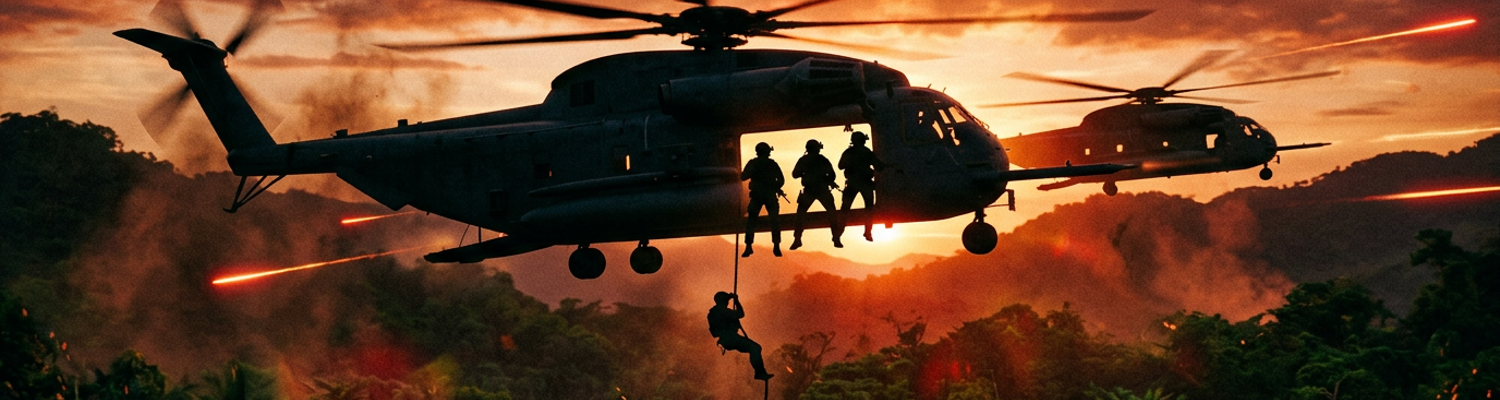
CH-46 Sea Knight crews dropped below the black ridgelines of the Que Son Valley as their ultra-high-frequency and high-frequency communication links abruptly died. The Tactical Air Operations Center at Da Nang faded into heavy static because the steep rock walls broke every electronic signal path between the helicopter and coastal controllers. Door gunners leaned outward against their nylon harness straps, squinting into the pitch-black terrain below while listening to the empty carrier hum in their flight helmets. Marine pilots toggled their channel selector dials repeatedly to verify that neither the primary radios nor the backup transceivers could reach the radar operators at the tactical center. Enlisted crewmen recognized immediately that all electronic contact with friendly bases had ended, leaving the isolated aircraft without any forward air control or emergency diversion routing. Navy aeromedical corpsmen held their canvas trauma packs flat against the aluminum deck plates while the cabin shuddered in violent mountain downdrafts.
Downdrafts battered the aluminum fuselage as the pilots leveled out along the valley contours without any ground-control radar assistance to guide their flight path. Dense banks of valley fog rolled across the cockpit glass, forcing both aviators to fix their eyes on the green needles of their attitude gyros, turn indicators, and barometric altimeters to keep the aircraft upright. Enlisted door gunners gripped the spade grips of their fifty-caliber machine guns, leaning into the freezing mist to search for tree branches or rock faces before the helicopter could strike the rising slopes. Crew chiefs tracked every change in altitude on the internal instruments and called out the rate of descent over the internal intercom system so the pilots could make continuous micro-adjustments on the flight controls. Cold rainwater forced its way past the forward canopy seals, splashing across the instrument panel and pooling around the rudder pedals as the helicopter sank deeper into the unmapped mountain bowl.
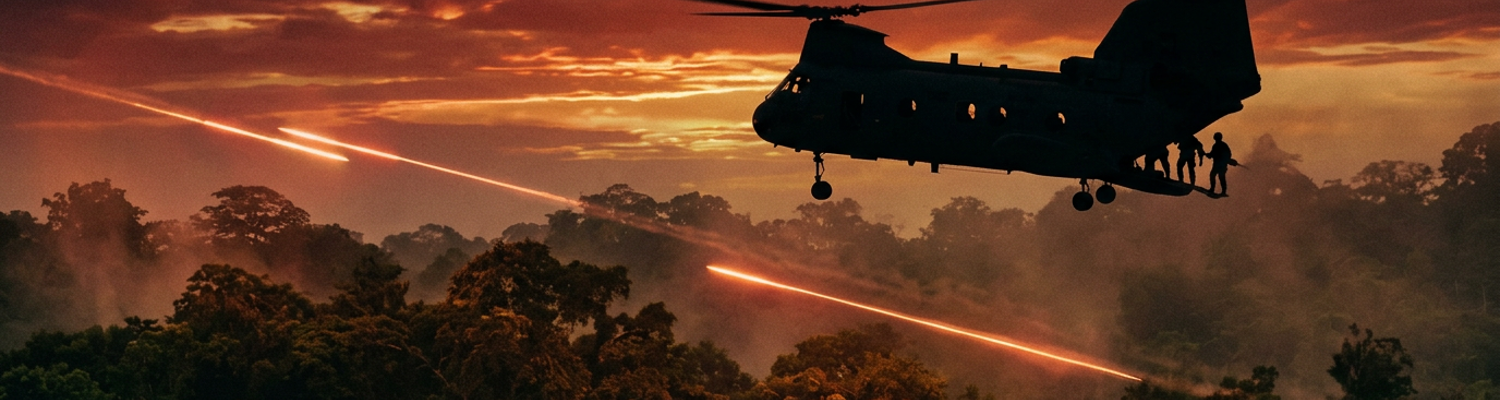
Magnesium parachute flares ignited suddenly across the floor of the valley bowl, stripping away the impenetrable mountain darkness with blinding white light. The intense glare bounced off the low fog banks and flooded the cockpit, instantly washing out the glowing dials on the instrument panel and blinding both pilots. Door gunners slammed their dark helmet visors over their eyes while automatic weapon fire erupted from the tree line and cracked through the illuminated cloud layer. Red tracer rounds streamed upward past the open cargo doorway, forcing the aeromedical corpsman to drag his aluminum litter frames toward the centerline of the cabin deck. Standard flight manuals strictly prohibited low-altitude maneuvers through unmapped mountain corridors while taking ground fire without radio control, but the pilot banked the heavy transport sharply into the shadows of an adjacent ridge to break the enemy firing angle.
Rotor blades bit into the saturated air as the pilot pulled the helicopter level just fifty feet above a winding creek bed to stay beneath the incoming tracers. The crew chief leaned halfway out of the right cargo hatch to watch the tree canopy rushing past below, calling steering adjustments into his microphone so the pilot could follow the winding watercourse by raw intuition. Enlisted door gunners held their fire to avoid giving away their precise location in the dark, tracking the muzzle flashes along the ridgeline while keeping their weapons aimed into the fog. Aeromedical corpsmen secured their plasma bottles and tourniquet kits with nylon straps, clearing a wide path across the bloodstained floor for the wounded Marines waiting at the landing zone. Both aviators pushed the helicopter forward through the dense mist along the riverbank, ignoring standard operating limits until the green smoke of the friendly perimeter marker burst into view between the trees.
MAG-16 Flight Demands During Base Drawdown Operations
Tires smashed into the saturated river silt as the crew chief yelled into his microphone, signaling the infantrymen to haul their stretchers through the rear ramp. Navy corpsmen grabbed the handles of three blood-soaked litters, dragging the wounded infantrymen past the internal fuel tanks while the door gunners emptied fifty-caliber belts into the surrounding bamboo. Turbine engines screamed at maximum power limits as the pilots lifted the overloaded CH-46 off the mud, banking hard back toward Marble Mountain Air Facility to deliver the casualties before their blood pressure crashed. MAG-16 maintained these sustained round-the-clock emergency casualty evacuation and troop extraction commitments day after day because the group now served as the sole rotary-wing aviation element of the 3d Marine Amphibious Brigade. Squadron crews took on missions throughout the entire northern sector of South Vietnam without relief, answering emergency calls from isolated infantry patrols and remote hill outposts while the operational area steadily contracted around Da Nang. Flight leaders pushed every available airframe into the Que Son Valley and the coastal plains, forcing flight lines to operate without the usual rotation of backup aircraft.
Mechanics worked directly on the open revetments to keep those exhausted airframes airborne, contending with the heavy logistical strain of dismantling Marine aircraft maintenance facilities while flying active combat sorties. Aviation support personnel tore down intermediate maintenance shops, packed specialized hydraulic testing rigs into wooden crates, and inventoried depot supplies for transport to naval ships waiting at deepwater piers. Ground crews sorted through thousands of spare parts bins by hand, labeling avionics test sets and crating structural repair tools even as urgent radio calls summoned fresh flight crews to the flight line. Working bays that once housed complete component overhaul lines became bare concrete pads stripped of overhead cranes, forcing avionics specialists to test delicate navigation gyros and radio boxes on portable tables under rain tarps. Supply sergeants balanced the conflicting orders of packing depot supplies for overseas shipment against the desperate daily need for rotor head seals, fuel control units, and bullet-shattered tail ramps.
Rotor heads received replacement parts directly from open packing crates as ground teams prepared squadrons for departure while still repairing battle damage between night launches. Staff officers tracked flight hours on grease-pencil status boards, watching maintenance turnaround times double because essential diagnostic machines were already boxed and loaded onto flatbed trailers. Flight crews stepped over disassembled airframe jigs and stacked wooden pallets on their way to pre-flight briefings, knowing that every spare bolt or structural patch had to be scrounged from declining group inventories. Marine squadrons faced this relentless operational pressure with fewer serviceable aircraft each week, yet brigade commanders could not reduce flight requirements while ground forces conducted their final defensive screening operations. Troop extraction commitments surged with every closure of an outlying fire support base, forcing maintenance crews to patch combat-damaged sheet metal with hand rivets and rush helicopters back into the air before the paint dried.
Exhaust gases blew across the packed staging areas as fresh flight crews boarded the newly patched Sea Knights to answer the next emergency dispatch. Door gunners checked their ammunition cans by the dim glow of battle lanterns, dodging packing crates that cluttered the taxiways while pilots spun their twin turbines up to flight idle. Aeromedical corpsmen restocked their depleted trauma kits with bandages taken from half-empty shipping boxes, preparing the cabin for another wave of critical casualties from the shrinking perimeter. Operations duty officers cleared the transport for immediate departure into the cloudy coastal darkness, handing the copilot a revised grid coordinate for an extraction point where friendly infantry were currently surrounded by mortar fire. Helicopter pilots pulled pitch on the collective controls and climbed away from the fading perimeter lights of Marble Mountain, heading back toward the pitch-black ridgelines where trapped Marines waited for extraction.
CH-46 Sea Knight Canopy Hoist Extractions Under Fire
Rotor wash churned through the humid mountain air as the Sea Knight reached the contested ridgeline and established a stationary hover above a narrow gap in the dense green growth. UH-1E gunships from Marine Light Helicopter Squadron 167 flew tight blackout profiles along the surrounding crests, switching off their navigation lights to hide their silhouettes while scanning the slopes for enemy muzzle flashes. Gunship pilots banked over the ravines, raking the bamboo thickets with twenty-millimeter cannon fire and seven-tube rocket pods whenever North Vietnamese squads fired at the transport. Enlisted crew chiefs aboard the CH-46 peered through the floor hatch into the darkness below, knowing the sheer cliff face and towering ironwood trees made a wheeled landing impossible. Steel cables on the internal mechanical rescue hoist groaned as the crew chief engaged the hydraulic winch motor to lower an extraction seat through the three layers of rain-soaked jungle canopy.
Steel cable spooled past the open belly hatch as the heavy brass hook dropped between thick tree branches toward the ground team waiting ninety feet below. Crew chiefs guided the descent with one hand on the winch pendant, using the intercom to talk the pilot through constant micro-corrections so the hovering aircraft would not drift into the surrounding trees. Automatic rifle fire struck the aluminum underbelly of the fuselage as North Vietnamese gunners tracked the mechanical whine of the electric motor through the leaves. Corpsmen braced their boots against the cabin bulkheads, holding fresh plasma units ready while the ground patrol snapped the harness carabiner around the chest of an unconscious Marine. Hydraulic fluid pulsed through the hoist lines as the crew chief reversed the drum, dragging the wounded infantryman upward through snapping branches and wet foliage into the cabin.
Magnesium parachute flares dropped from an overhead support plane ignited directly above the rotors, instantly flooding the black gorge with blinding white glare. Harsh shadows moved erratically across the cockpit glass as the burning canisters drifted in the wind, producing severe visual disorientation for the pilots as their eyes struggled to adjust between the intense brightness and the total blackout conditions beyond the ridge. Flight instruments became difficult to read in the sudden glare, leaving the pilots struggling to verify whether the helicopter was rolling or drifting sideways toward the granite wall. Door gunners shielded their eyes with gloved hands while returning fire with their fifty-caliber machine guns, tracking enemy muzzle flashes along the illuminated rocks until the flares burned out and left the valley in complete darkness. Pilots relied entirely on the voice commands of the crew chief over the headset, holding the cyclic stick steady by muscle memory alone as the darkness returned.
Door gunners pumped continuous bursts of heavy machine gun fire into the dark ravine to keep hostile riflemen pinned beneath the rocks while the hoist cable dropped downward for a second wounded rifleman. UH-1E gunships swept past fifty feet above the rotor mast on their blackout gun runs, firing flechette rockets into the tree line to suppress the enemy heavy machine guns firing at the hovering Sea Knight. Winch motors groaned as the crew chief reeled the second casualty through the belly hatch and locked the protective floor plate shut across the opening. Aeromedical corpsmen immediately applied pressure dressings and tourniquets to arterial leg wounds on the aluminum deck while the pilot pulled maximum collective pitch to escape the canyon. Turbine engines ran at full military power as the overloaded helicopter cleared the surrounding ironwood canopy and accelerated down the dark valley toward the sea.
Enlisted Crew Improvisation and Cabin Trauma Care
Sea Knight door gunners leaned outward against their safety harnesses to watch the dark treetops rushing beneath the landing gear as enemy riflemen fired from the surrounding cliffs. Dense fog and total darkness hid the valley floor from the cockpit, forcing the door gunners to provide raw intercom altitude corrections and visual clock codes to keep the pilots steady while clearing critical tree-clearing margins under hostile fire. Gunners shouted clearances in feet and called out obstacle bearings, warning the pilot whenever high branches surged into view at ten o clock or when jagged canopy tops rose within five feet of the aft rotor at six o clock. Pilots adjusted the cyclic and collective controls based entirely on these raw verbal directions, holding the transport in a narrow air corridor between the ridgelines without striking the jagged timber. Hostile rounds snapped through the outer skin panels and shattered the composite rotor fairings, sending metal fragments bouncing across the cargo deck toward the forward bulkhead. Bullets punched clean holes through the aft cargo door, tearing through canvas stretchers and setting off loud warning lights on the main instrument panel.
Corpsmen dropped flat against the vibrating floor plates to shield the casualties from ricocheting metal before resuming emergency medical care. Low-intensity red cabin dome lighting provided the only illumination inside the compartment, casting a dim crimson wash that prevented enemy ground gunners from spotting the helicopter through the open waist hatches. Aeromedical corpsmen stabilized catastrophic combat trauma and amputations under this low-intensity red cabin dome lighting, using tactile sense and muscle memory to locate severed arteries in the shadows. Medics wrenched mechanical tourniquets tight around mangled leg stumps, twisting the windlasses until arterial bleeding stopped and securing the locking bars with adhesive tape. Torn uniforms, clotted blood, and shattered bone fragments covered the litter canvas, requiring the corpsmen to clear debris with their bare hands while the aircraft banked hard through mountain turbulence. Corpsmen tore open sterile dressings with their teeth, packing wide puncture cavities with gauze to seal sucking chest wounds before the lungs collapsed.
Plastic chest seals held fast against bubbling puncture wounds as corpsmen taped emergency wrappers over the injuries to prevent fatal air pressure buildup inside the pleural cavities. Intravenous needles entered collapsed veins only after corpsmen palpated the inner elbows with gloved fingertips, working without white light that would illuminate the cabin windows. Gravity-fed intravenous bottles failed to drain fast enough in the fluctuating cabin pressures, so the corpsmen squeezed the flexible plastic fluid bags by hand to force plasma directly into dying circulatory systems. Surgical clamps held spurting femoral arteries closed while assistant corpsmen wrapped heavy elastic bandages around severed thighs to secure stump dressings. Corrugated deck plates grew slick with blood and hydraulic fluid, forcing the corpsmen to wedge their boots against cargo tie-down rings to keep from falling onto the injured men during sharp evasive maneuvers. Medic pouches emptied rapidly, requiring the corpsmen to scrounge clean cloth strips from spare utility shirts to bind secondary shrapnel lacerations across exposed arms and torsos.
Gunners monitored these cabin emergency treatments while keeping their bodies pressed against the fifty-caliber machine gun mounts at the waist openings. Door gunners used raw intercom altitude corrections and visual clock codes to keep pilots steady while clearing tree-clearing margins under hostile fire along the descending river corridor. Gunners tracked enemy muzzle flashes along the ridgelines, calling out hostile fire at nine o clock while shouting immediate altitude adjustments like clearance down to eight feet off the right wheels and pull up immediately. Pilots responded instantly to these raw intercom directives, lifting the collective stick to skip across jagged tree lines before North Vietnamese machine guns could zero in on the twin exhaust plumes. Coastal air swept into the cabin through the open hatches, clearing out cordite fumes and cooling the overheated gun barrels as the mountain ridges flattened into low plains. Helicopter pilots pushed the nose down to gain maximum forward airspeed, following the dark contours of the river basin toward the illuminated perimeter of the hospital compound.
Operational Handover of Marble Mountain Air Facility
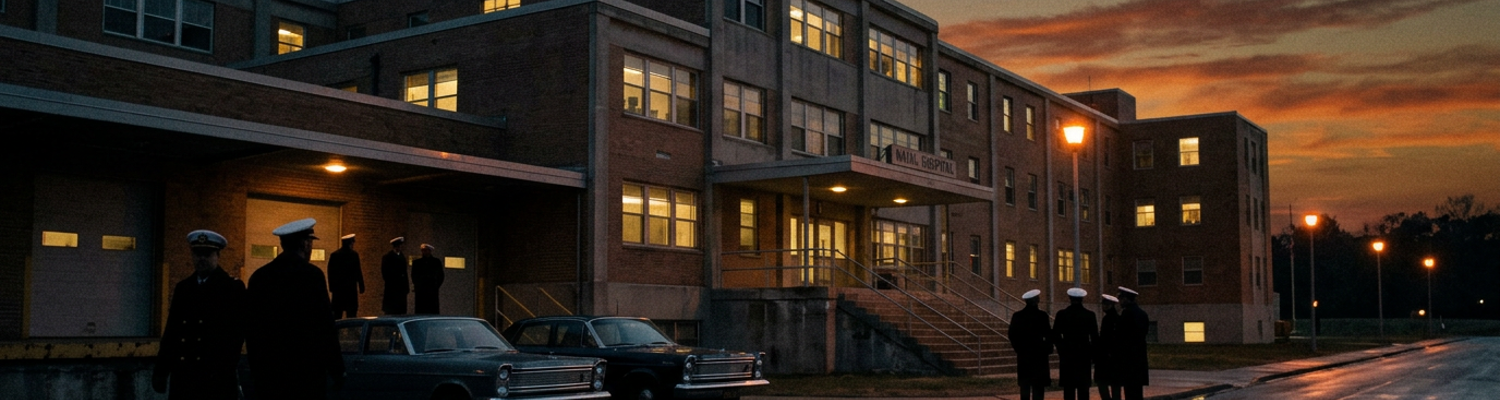
Tires struck the concrete landing pad of the hospital compound as flight surgeons and litter bearers rushed through the swirling rotor wash to receive the casualties. Navy corpsmen unlatched the bloodstained stretchers from the cabin bulkheads, sliding the wounded infantrymen into the hands of the triage team before collecting their empty plasma bottles and discarded surgical clamps. Door gunners cleared their fifty-caliber machine guns and locked the safety pins into the pintle mounts as the pilots pulled the collective stick upward, lifting the transport back into the coastal darkness for the short flight to the airfield. Sea Knight pilots guided the empty aircraft across the sand dunes and touched down on the perforated steel planking of the dispersal apron at Marble Mountain, taxiing past rows of crated equipment and stripped maintenance shelters. Flight crews switched off the dual turbine engines and watched the rotor blades spin down to a complete stop, stepping down the rear cargo ramp to find relief personnel already standing by the revetment walls.
Soldiers from the US Army 11th Aviation Group walked out onto the tarmac to begin their equipment inventories alongside the Marine mechanics who were packing their final socket sets into metal toolboxes. Marine ground crews handed over fuel transfer logs, ordnance manifests, and revetment assignments, pointing out the repaired electrical lines and damaged revetment sandbags along the northern perimeter wire. Radio technicians in the control tower guided the final Marine reconnaissance helicopters down onto the runway while Army communications specialists wired their own tactical telephone lines into the central switchboard. Flight line operations officers cross-checked serial numbers on remaining fuel bladders and fire-suppression trailers, verifying that all runway lighting circuits and emergency generators functioned properly under heavy coastal humidity. Duty officers tracked the remaining minutes on the tactical operations wall clock, preparing the transfer documents as the base perimeter guard posts prepared for the formal shift change.
Marine officers and Army staff captains gathered around the main plotting map inside the concrete operations bunker as the clock hands neared the top of the hour. Signatures were affixed to the joint turnover manifest to execute the official transfer of operational control of Marble Mountain Air Facility to the US Army 11th Aviation Group precisely at 2400 on 31 May 1971. This midnight turnover marked the formal conclusion of nine continuous years of frontline Marine Corps rotary-wing operations in the Republic of Vietnam, ending an uninterrupted combat aviation presence that had originated when Marine helicopter squadrons first arrived in the northern provinces in early 1962. Army watch officers immediately assumed control of all air traffic frequencies and emergency rescue grids across the sector, logging the first operational entries under Army jurisdiction in the station register. Marine maintenance chiefs handed the master keys for the supply hangars and weapons magazines across the counter, picking up their personal kit bags to clear the command post.
Marines formed into muster ranks along the taxiway, slinging their canvas seabags and combat packs across their shoulders under the amber airfield floodlights. Enlisted crew chiefs and door gunners boarded rows of six-by-six transport trucks idling along the perimeter road, taking seats on the wooden benches while diesel exhaust drifted across the sand. Army sentries swung the heavy chain-link gates closed behind the departing Marine truck convoy, taking up guard positions inside the concrete perimeter towers overlooking the highway. Flight crews from the 11th Aviation Group started the turbine engines of their own UH-1 Iroquois helicopters on the flight line, pulling into the alert revetments to assume immediate round-the-clock medevac and combat support standby for the Da Nang tactical area.