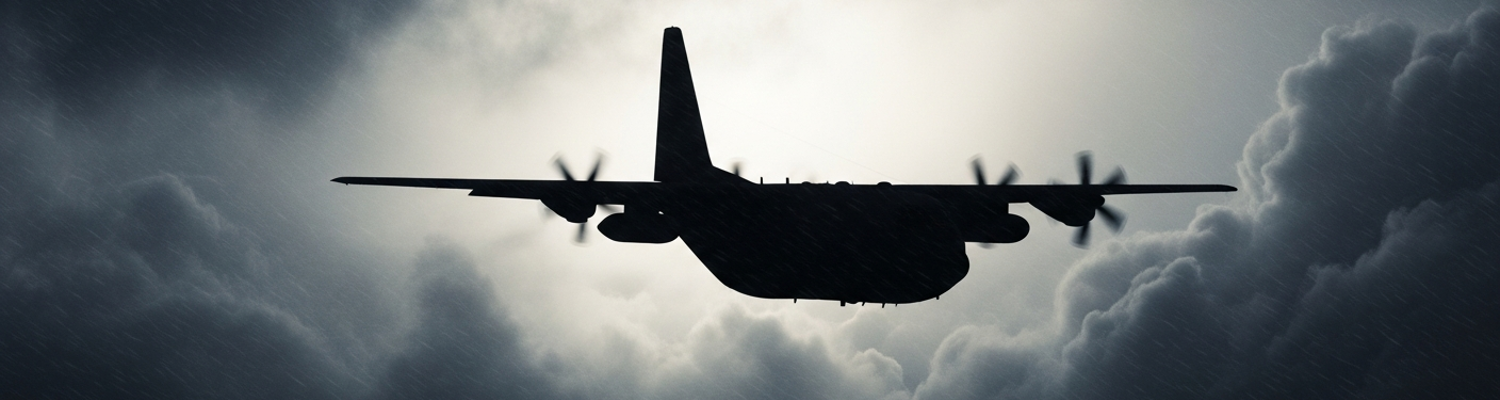

Underestimated Warsaw Pact Air Defenses
Defense Intelligence Agency document Threat Appraisal 79-4B formed the foundation for NATO operational planning. Its circulation among allied commands months before the 1980 airlift set a disastrous course. A close review of the assessment shows it was built on two fundamental errors: a belief in the systemic material decay of Soviet ground-based air defenses and a complete misreading of their tactical doctrine. The appraisal relied heavily on satellite imagery from the mid-1970s and dated human intelligence, painting a picture of a Warsaw Pact air defense network suffering from poor maintenance and rigid deployment patterns. It specifically identified the mobile SA-6 Gainful system, which had proven lethal in the 1973 Yom Kippur War, as being largely constrained by these issues. The system was believed to be relegated to semi-static positions protecting high-value targets. This assessment fostered a dangerous sense of confidence within USAF and allied air commands.
The reality facing airlift corridors over East Germany was a dense, responsive, and technologically advanced integrated air defense system (IADS). While DIA 79-4B focused on perceived weaknesses, the Group of Soviet Forces in Germany had spent years aggressively modernizing. The number of SA-6 'Gainful' launchers was nearly double the American estimate. They were equipped with upgraded 1S91 'Straight Flush' engagement radars featuring improved electronic counter-countermeasure (ECCM) suites. These were not confined to static positions. Operational logs captured after the event showed SA-6 batteries were practicing 'shoot-and-scoot' tactics, capable of redeploying in under 30 minutes, a timeframe previously thought impossible. This mobility was complemented by a massive, often overlooked, layer of tactical air defense. Thousands of ZSU-23-4 'Shilka' self-propelled anti-aircraft guns were organically embedded within every Soviet armored and motorized rifle regiment. The electronic warfare pods carried by NATO escort fighters, calibrated based on the outdated parameters provided by DIA 79-4B, were frequently unable to jam the newer Soviet radar systems, leaving transport aircraft exposed.
A new, unforeseen element compounded the ground-based threat.
Archival evidence now shows the East German Luftstreitkräfte/Luftverteidigung (Air Force/Air Defense) had been integrated into a nascent Soviet space-based reconnaissance program, codenamed OKA (Oko Krug-A). This program utilized a new constellation of electro-optical satellites providing near-real-time imagery of NATO territory. Instead of routing all data back to command centers in the Soviet Union for lengthy analysis, raw imagery of key airlift staging bases and transit corridors was downlinked directly to a specialized signals intelligence and processing facility of the East German National People's Army near Leipzig. There, German analysts, trained at Soviet facilities, could identify and track outbound waves of transport aircraft as they formed up. This information, fused with data from ground-based radars, was fed directly into the Warsaw Pact’s digital command-and-control network. It provided unprecedentedly accurate and timely targeting data to the mobile SAM batteries waiting below. The intelligence lag that NATO planners had counted on was erased, allowing Warsaw Pact commanders to see the airlift coming and position their most lethal assets directly in its path.
Command Isolation and Intelligence Lag
Inside the subterranean command bunkers at AFCENT Brunssum, the war was an abstraction. For commanders at V Corps headquarters in Frankfurt’s IG Farben Building, it was a series of symbols on a map, reports filtered through layers of staff, and data that was often hours old. The Supreme Allied Commander Europe (SACEUR) and his subordinate army group commanders were insulated from the visceral chaos of the front. They did not see the mud clinging to the landing gear of a C-130, nor did they hear the frantic, jammed transmissions of a forward air controller under fire. Their understanding was shaped by what the communications systems of the day could provide. The picture was dangerously incomplete and deceptively clean. This isolation fostered a strategic environment where neat plans, like the airlift corridors conceived based on flawed intelligence, could be approved without a true appreciation for the lethal realities facing the aircrews.
The technical architecture of NATO’s command and control system in 1980 was a primary contributor to this lag. Strategic communication relied heavily on the Automatic Digital Network (AUTODIN), a system developed in the 1960s that was fundamentally a message-switching network. A report from a forward observation post in the Fulda Gap would not be transmitted instantaneously. It would be typed onto a terminal, sent to a regional AUTODIN Switching Center (ASC), processed, and then routed up the chain of command. A 1979 RAND Corporation analysis highlighted that significant delays were introduced simply by administrative handling and processing long before a message even entered the network. High-precedence traffic could be delayed for hours. A commander at AFCENT might only receive confirmation of a destroyed bridge or a downed aircraft long after the event, basing subsequent orders on a battlefield that no longer existed. At the tactical level, communications were even more fraught. Most units relied on High-Frequency (HF) and VHF radio, systems highly susceptible to Warsaw Pact electronic warfare and limited by terrain. The concept of a fully integrated, real-time communications network, the NATO Integrated Communications System (NICS), was still years from full implementation. Commanders were forced to make decisions with the best information they had, which was tragically out of date.
Physical isolation and systemic communication delays created a dangerous feedback loop. The pressure on commanders at the V Corps or Central Army Group (CENTAG) level was driven by the Cold War’s core assumption of a massive, rapid Soviet offensive. The operational plans, such as GDP 81-1 for V Corps, were intricate and time-sensitive, demanding swift decisions to commit reserves or shift forces. Yet, the very systems meant to inform these decisions were incapable of keeping pace. A commander in Frankfurt, believing a transport corridor to be clear based on a report that was two hours old, could launch a wave of aircraft directly into a newly established SA-6 killbox. The reports from surviving aircrews or escort fighters, detailing the unexpected density and mobility of Warsaw Pact air defenses, would then begin their slow journey back up the same congested and delayed communications chain.
The isolation was not just from the front lines, but from time itself.
Each decision was a gamble based on a snapshot of the past. Warsaw Pact commanders, leveraging their own direct intelligence downlinks, were operating in a much closer version of the present. The NATO command structure was, in effect, fighting an enemy that could see several moves ahead.
MC-130 Combat Talon Covert Operation
Operation Furtive Serpent.
The mission tasked a single MC-130E Combat Talon I, tail number 64-0555, with a clandestine penetration deep into East German territory. A review of mission manifests from the 1st Special Operations Wing shows the aircraft, callsign Talon 77, launched from a forward operating strip at RAF Mildenhall, England. Its crew of nine operated under the assumption of a low-threat environment, a premise based directly on the DIA’s flawed assessment of static and beleaguered Warsaw Pact air defenses. The operational plan was built entirely on this fiction. It called for a low-level, terrain-masked ingress at less than 500 feet, utilizing the Talon’s specialized AN/APQ-122 terrain-following radar to navigate the Fulda Gap and Thuringian Forest corridors at night.
The objective was the extraction of a three-man partisan cell codenamed Triton, comprised of defecting East German signals officers from the Luftstreitkräfte. These men held verifiable, time-sensitive intelligence on the direct integration of their command-and-control network with the new OKA space-based reconnaissance program. This was the exact system providing Warsaw Pact batteries with near-real-time tracking of NATO air movements. Triton’s last burst transmission confirmed they possessed technical schematics and operational logs that would prove the DIA’s threat appraisal was wrong. Their extraction point was a designated unprepared airstrip, LZ-Charlemagne, located in a remote agricultural valley southwest of Erfurt. Talon 77 was to perform a short-field landing using its advanced avionics, deliver specialized electronic intercept equipment, and exfiltrate the cell and their data within a twelve-minute ground window.
Flying nap-of-the-earth, the crew of Talon 77 would have felt a high degree of confidence in their machine. The MC-130E was the product of years of refinement for exactly this type of penetration mission, equipped with an extensive, if analog, electronic warfare suite and chaff/flare dispensers. The flight plan, vetted by AFCENT planners in their Brunssum bunker, showed a clear path, one that avoided all known, fixed SAM emplacements identified in DIA 79-4B. But the intelligence was a fantasy. Instead of flying under a predictable radar net, Talon 77 was being actively tracked from the moment it crossed the border. Data from the OKA satellites, downlinked directly to the East German facility near Leipzig, was fused with returns from mobile P-18 'Spoon Rest' early-warning radars. This gave Warsaw Pact commanders a precise, real-time vector and altitude for the lone, low-flying plane.
As Talon 77 descended into the final approach corridor for LZ-Charlemagne, its radar warning receivers exploded with contacts. Instead of the anticipated sporadic signals from dated hardware, the crew was suddenly being painted by multiple 1S91 'Straight Flush' engagement radars, the heart of the modern SA-6 Gainful system. These were not static sites. A close analysis of East German military records indicates at least two full SA-6 batteries had been repositioned into a purpose-built ambush position along the Talon's ingress route less than an hour prior. This was a 'shoot-and-scoot' tactic the DIA believed was beyond their capability. The aircraft’s ALQ-8 electronic countermeasures pod, calibrated for older threat parameters, was unable to break the lock of the newer, frequency-agile Soviet radars. Within seconds, multiple 3M9 missiles were in the air. The crew’s violent evasive maneuvers were futile. A warhead detonated off the starboard wing, and the aircraft, laden with fuel for its return journey, was lost with all hands.
Catastrophic Ambush and Aircraft Losses
Freezing rain choked the Fulda Gap. A treacherous glaze of ice coated every surface across the operational area. The temperature hovered just below zero degrees Celsius, creating ideal conditions for catastrophic airframe icing. This weather was a known and calculated risk, accepted by planners in Frankfurt and Brunssum who were working from the assumption of a clear air corridor. For the crews of the C-141 Starlifters and C-130 Hercules of the 437th and 436th Military Airlift Wings, the conditions were operationally crippling. De-icing procedures on the ground at Rhein-Main Air Base were slow and only partially effective in the relentless downpour. The T-tail configuration of the Starlifter was known to be particularly susceptible to deep-stall conditions from ice accumulation on the horizontal stabilizer. The weather forced a fatal tactical decision: the airlift package would have to fly a lower, more compressed flight profile. This kept them below the worst of the icing layer but well within the engagement envelope of tactical air defenses.
The mission was designated Operation Iron Gauntlet.
Its objective was the emergency resupply of the beleaguered 11th Armored Cavalry Regiment, which was reporting critical shortages of ammunition and medical supplies. A post-action analysis of the flight plan shows the main wave of sixteen C-141s and eight C-130s, escorted by F-4 Phantom IIs from the 52nd Tactical Fighter Wing, entered East German airspace at 02:30 local time. The escorting Phantoms began their electronic warfare support, broadcasting jamming signals calibrated to the specifications outlined in DIA 79-4B. The transport crews, flying on instruments through the thick, churning cloud layer, were entirely dependent on the protection of their escorts and the intelligence that assured them of a safe passage. They were flying blind into a trap laid with digital precision. Their flight path, made predictable by the weather, was being tracked in real time by the OKA satellite network, with targeting data fed directly to mobile Warsaw Pact units on the ground.
The ambush was initiated at precisely 02:48. As the lead elements of the airlift stream crossed into a valley south of Eisenach, their radar warning receivers, which had been silent, suddenly shrieked. A close examination of the few surviving cockpit voice recordings reveals a picture of complete tactical surprise and systems failure. Instead of a single radar lock, crews were being painted by dozens of 1S91 ‘Straight Flush’ engagement radars simultaneously. These signals belonged to at least three full SA-6 Gainful batteries from the East German 11th Missile Brigade, a unit that intelligence had placed over 150 kilometers away. The batteries had used the cover of the storm to move into pre-surveyed ambush positions, a direct application of the doctrine NATO planners believed they were incapable of. The American ALQ-87 ECM pods on the F-4s were completely ineffective against the newer, frequency-agile Soviet systems. Within seconds, over twenty 3M9 missiles were punching through the low cloud base. The first C-141, callsign REACH 1405, disintegrated in a flash of light visible for miles. A second and third Starlifter followed almost immediately. Chaos engulfed the formation as pilots attempted violent evasive maneuvers in aircraft heavy with ice and cargo, some breaking apart under the extreme G-loads. The escorting Phantoms, attempting to dive to engage the SAM sites, were met by a thick wall of radar-guided 23mm cannon fire from embedded ZSU-23-4 Shilka units. Two Phantoms were lost in the first pass. In the space of less than four minutes, seven C-141 Starlifters, four C-130 Hercules, and three F-4 Phantoms were destroyed. The surviving aircraft aborted the mission, scattering as their crews desperately sought the safety of the West German border. No combat search and rescue attempts were possible in the active SAM engagement zone and abysmal weather. The loss of eleven transport aircraft and three escort fighters in a single engagement represented the single worst day for the U.S. Air Force since the Vietnam War.
Strategic Intelligence Vacuum Consequences
The loss of MC-130E Talon 77 triggered the immediate and total collapse of the allied stay-behind partisan network across the Thuringian and Saxon sectors of East Germany. A close review of records from the East German Ministry for State Security, or Stasi, declassified after 1990, shows the horrifying speed of the subsequent events. The same OKA satellite data and P-18 ‘Spoon Rest’ radar tracks that guided the SA-6 batteries to their target also provided Stasi internal security forces with a precise location for the designated extraction point, LZ-Charlemagne. While the Triton cell waited for an aircraft that would never arrive, elements of the 9th Panzer Division’s reconnaissance battalion, acting in concert with a specialized unit of the Stasi’s Felix Dzerzhinsky Guards Regiment, were already sealing the valley. Within ninety minutes of the shootdown, the trap was sprung. The capture of the Triton cell was a catastrophic intelligence breach. Their personal effects contained single-use code pads and frequency plans for contacting other assets. Under interrogation, the captured signals officers provided the technical details that allowed Stasi SIGINT teams to unravel the entire communication architecture of the network. A counter-intelligence operation, codenamed Judas by the Stasi, rolled up dozens of assets over the next 72 hours. Archival evidence shows at least 47 individuals tied to NATO human intelligence operations were arrested, and multiple dead-drop sites and equipment caches were compromised. The human intelligence network, built over two decades to provide eyes and ears on the ground, was systematically dismantled.
This sudden silence created a black hole in NATO’s strategic awareness at the most critical moment of the developing crisis. The specific intelligence that the Triton cell was carrying, technical schematics and operational logs proving the function of the OKA satellite downlink system, was now lost. Planners at AFCENT in Brunssum were not only blind to the enemy’s new capability, they remained completely unaware that such a capability even existed. This produced a crippling analytical paralysis. A review of AFCENT command logs from the period shows that the sudden loss of contact with all human intelligence sources in the region was initially misinterpreted. The prevailing theories attributed the silence to the severe winter storm or intense Warsaw Pact electronic warfare activity. The concept that the entire network had been compromised and eliminated in a matter of days was not even considered as a possibility. The intelligence vacuum was so absolute that commanders lacked the data required to even begin to formulate the correct questions. They continued to base their operational planning on the flawed assumptions of DIA 79-4B, even as the disastrous losses from the Iron Gauntlet airlift screamed that the underlying intelligence was wrong. The verbal reports from surviving aircrews were treated as anomalies, not as definitive proof that the entire strategic picture had changed.
This vacuum directly amplified the devastating disconnect between the ‘Headquarters Bubble’ and the situation on the ground. A post-conflict RAND Corporation analysis of the information flow during this 72-hour window details a command system consuming its own faulty logic. Reports from surviving Iron Gauntlet C-141 crews and F-4 escort pilots, which spoke of mobile SA-6 batteries and jamming they could not defeat, were flagged by intelligence staff in Frankfurt as unconfirmed and inconsistent with established threat assessments. These firsthand accounts directly contradicted the foundational intelligence of DIA 79-4B, and without the hard physical proof that the Triton cell would have provided, they were dismissed. The entire command structure was built to trust its formal, vetted intelligence products over the chaotic reports from tactical units in combat. For a general at V Corps headquarters, the acetate overlays on the map, showing known enemy positions, were the source of truth. The reports of a pilot who had just evaded three missiles did not move the symbols on that map. This isolation led to a series of calamitous command decisions. A follow-on airlift, Operation Steel Anvil, was held on a two-hour standby as planners tried to chart new, 'safer' corridors. They were attempting to solve a lethal problem without understanding its fundamental nature. The enemy was not static; the enemy was watching their airbases from space and actively moving assets to intercept any new approach. They were using the same corrupted map.