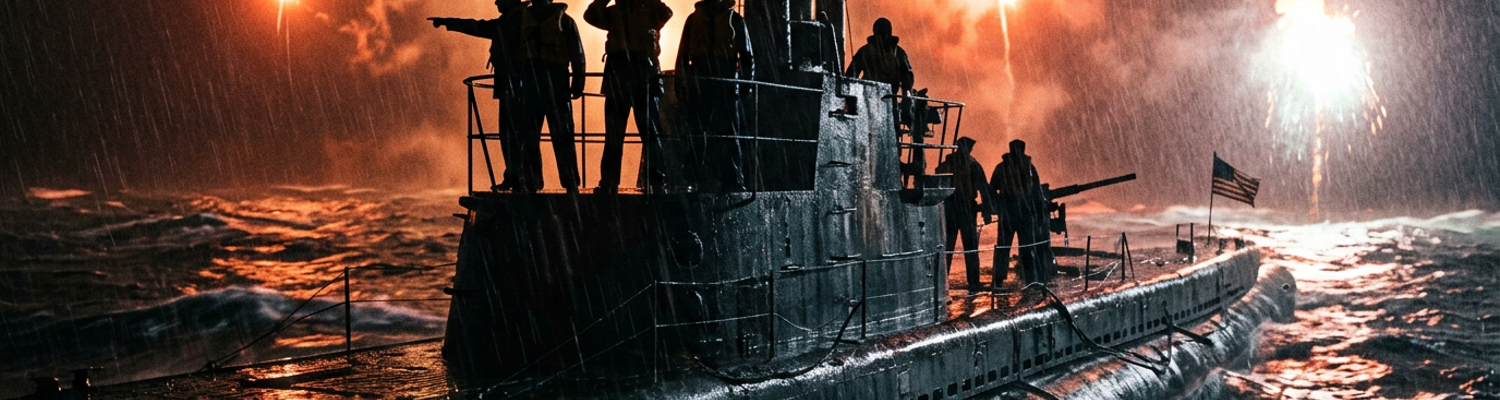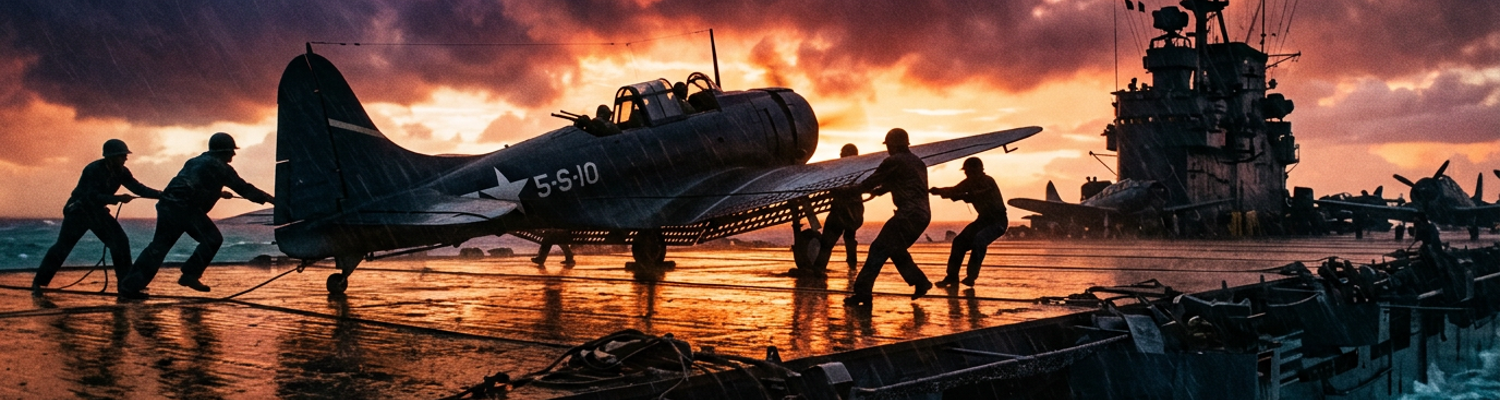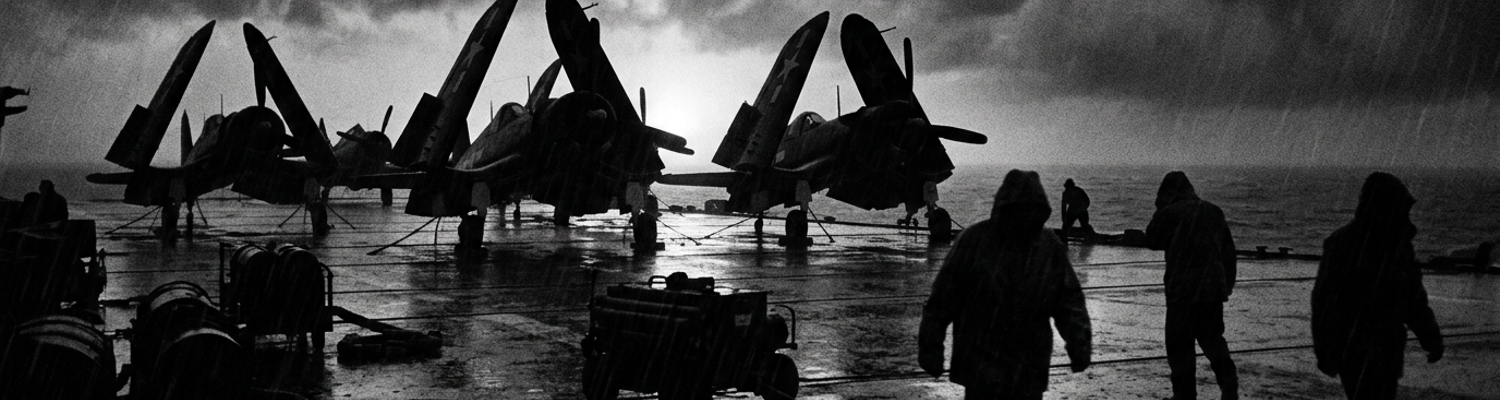

Strategic Context of Fleet Problem XXI
Eight thousand rounds of 16-inch naval rifle shells. Twelve thousand rounds of 14-inch projectiles. Four hundred Mark XIII aerial torpedoes. Three thousand five hundred Mark XII 500-pound demolition bombs. Over two million rounds of .50-caliber and .30-caliber linked ammunition loaded deep inside internal ship magazines. When examining the historical record of April 1940, the fleet concentrated in the Pacific carried enough raw high explosive to level a major metropolitan center. The Navy gathered these war reserves into the Hawaiian sea frontier under strict blackout instructions. Chief of Naval Operations Harold R. Stark designed the exercises to stretch from the leeward waters off Oahu down past Maui and the shallow shoals of Molokai. Munitions crews spent seventy-two continuous hours in ninety-degree magazine holds. They hand-cranked chain hoists to lash live ordnance against bulkhead stanchions. A single fractured retaining ring during heavy swell transit risked igniting entire ammunition flats. Medical officers recorded dozens of cases of heat exhaustion before the ships even weighed anchor.
Machines failed before the warships cleared the channel.
A close review of operational logs indicates that the surface and air components assigned to the opposing White and Black forces centered entirely on three fleet carriers. These were USS Yorktown (CV-5), USS Saratoga (CV-3), and USS Lexington (CV-2). Yorktown operated Air Group Five. This group was packed with Douglas TBD-1 Devastators and Curtiss SBC-4 dive bombers. These aircraft suffered from rapid vapor lock inside their fuel selector valves during tropical ascents. Down on the hangar decks of Saratoga, mechanics wrestled with newly delivered Brewster F2A-1 monoplanes. They stripped cylinder heads to patch leaking copper oil-scavenge lines with scrap brass wire. Lexington carried older Grumman F3F-2 biplane fighters. The interplane strut fittings on these aircraft continually loosened under the heavy torque of Wright R-1820-22 Cyclone engines. Aviation machinists worked twelve-hour shifts in stifling compartment temperatures reaching 115 degrees Fahrenheit. They fabricated custom shims from spare galvanized sheet metal. This prevented wing vibration from snapping fuel feed tubes mid-flight.
Arresting gear teams on Yorktown rebuilt hydraulic brake valves three times in forty-eight hours.
High-viscosity fluid blowouts coated flight deck timbers with slick film.
Fleet Problem XXI ran across the Hawaiian operating area from April 1 to May 17, 1940. Planners split the maneuvers into distinct tactical phases designed to simulate a contested transpacific thrust. Black Force simulated an attacking foreign armada. This force sortied across hundreds of square miles of open ocean north of Maui to strike American anchorages at Lahaina Roads and Pearl Harbor. White Force deployed defensive screening formations. They positioned picket destroyers along coordinate lines running northeast of Molokai to detect incoming strike wings. Tropical squalls repeatedly battered the surface formations. Flight operations devolved into chaotic recovery scrambles. Deck crews on Saratoga pushed water-logged aircraft into crowded hangar bays. Salt encrustation shorted out the main ignition harnesses on dozen-plane strike packages. Shipfitters bypassed burned-out terminal blocks using field-stripped telephone wiring. They ran raw copper strands along overhead conduit channels. This kept flight deck spot-lighting operational during night recoveries.
The sky offered zero margin for mechanical error.
Archival evidence shows that senior planners structured the exercise parameters specifically to assess fleet vulnerability to mass carrier air strikes. They wanted to evaluate early carrier intercept doctrine. Defending commanders lacked functional combat information centers or reliable shipboard radar. The prototype CXAM radar set aboard Yorktown suffered repeated transmitter tube blowouts. Salt spray corroded the mast antenna lead. Commanders relied on visual lookouts and primitive high-frequency voice radio nets. Fighter direction officers on Saratoga attempted to vector patrolling F3F biplanes onto incoming high-altitude dive-bomber formations. They used grease pencils and manual maneuvering boards. Engine ignition interference routinely scrambled voice transmissions over the primary five-meter tactical band. Aviation radiomen wedged cardboard matches into radio tuning dials. This locked vibrating quartz crystals in place while planes bounced through heavy thermal turbulence above the Molokai cliffs. F3F interceptors regularly arrived over interception coordinates five to ten minutes after simulated bomb release. They found only the empty wakes of screening cruisers below.
Carrier Fighter Complements of VF-3 and VF-4
Archival evidence shows that VF-3 and VF-4 fielded an operational mix spanning two design generations. VF-3 operated from USS Saratoga. VF-4 operated across the broader Hawaiian exercise sectors. They flew Grumman F3F biplanes alongside the Navy first carrier-capable monoplane. This was the Brewster F2A-1. Mechanics faced two conflicting maintenance regimes on crowded carrier hangars. The older Grumman F3F-2 and F3F-3 biplanes relied on hand-cranked landing gear mechanisms. These were linked through bicycle chains and bronze sprockets. The mechanisms jammed when salt crust built up during open-deck spotting. Across the hangar decks, early production Brewster F2A-1 monoplanes carried Wright R-1820-34 Cyclone radial engines. These powerplants suffered persistent oil foaming inside their scavenge lines at ambient sea-level temperatures exceeding eighty-five degrees.
Aviation machinists had to hand-lap fuel pump relief valves with jeweler rouge. This kept fuel pressure from dropping below twelve pounds per square inch during full-throttle catapult runs.
Structural fatigue cracked the internal exhaust collector rings of the Brewsters after just twenty flight hours.
Ground crews scavenged sheet steel from discarded shipping drums. They bent replacement baffles around pipe mandrels on machine shop workbenches. This kept the monoplanes flyable.
Engines starved on the catapults.
A close review of operational logs indicates that VF-3 and VF-4 executed continuous mock interceptions against simulated carrier strike groups. These groups launched from opposing task forces north of Molokai. Fleet umpires instructed squadrons to scramble flights of four aircraft against inbound strike waves. These waves consisted of Douglas TBD Devastators and Curtiss SBC dive bombers simulating high-speed runs against fleet anchorages. Flight leaders navigated by dead reckoning and visual spotting from open cockpits. Interceptions at twelve thousand feet exposed severe design vulnerabilities in the early Brewster fighters. The sliding canopy tracks bound under high-g turns. This trapped pilots behind fogged Plexiglas panels coated in engine oil residue. VF-4 pilots flying Grumman biplanes struggled to match the closing speed of inbound monoplane bomber packages. They repeatedly forced engines past redline limits to achieve intercept angles.
Cylinder head temperatures on the F3F powerplants regularly climbed past five hundred degrees Fahrenheit.
This warped exhaust valve stems. Line crews replaced rocker arm bearings between sorties using makeshift brass drift punches.
Interception windows shrank to seconds.
When examining the historical record, squadron aircrews sustained high-tempo combat air patrols over channel choke points. These points separated Oahu, Molokai, and Maui. Tactical planners identified the Kaiwi Channel as the primary avenue of approach for simulated surface raiders and low-flying torpedo divisions. This is a twenty-six-mile maritime gap between Oahu and Molokai. Operating flights over coordinates centered at twenty-one degrees ten minutes north latitude, VF-3 and VF-4 maintained continuous two-plane elements from dawn to dusk. They flew directly amid strong localized trade-wind gusts funneling off the four-thousand-foot sea cliffs of northern Molokai. The relentless tempo burned through spark plugs at three times the standard peacetime rate. This completely exhausted shipboard spares lockers. Flight mechanics aboard ship salvaged platinum electrode tips from condemned aircraft batteries. They re-gapped worn plugs with feeler gauges ground down from scrap iron bands.
Exhausted pilots flew four consecutive two-hour patrol cycles in unheated cockpits.
They returned to pitching carrier decks with their reserve tanks reading less than eight gallons of 100-octane aviation gasoline.
Flight deck logs recorded sixty-four emergency dead-stick recoveries before the exercise completed its second week.
Hawaiian Sea Frontier Environmental Hazards
Archival evidence shows that local geography across the Hawaiian operating area generated atmospheric conditions that constantly crippled flight schedules. Northeast trade winds forced moisture-laden Pacific air straight into the sheer vertical walls of the Koolau Range on eastern Oahu. The winds also hit the four-thousand-foot northern sea cliffs of Molokai. Dense cloud decks formed along these basalt escarpments through rapid orographic lift. Solid cloud masses stacked from twelve hundred feet up past eight thousand feet within thirty minutes. Violent squalls developed without radar warning. They sent blinding rain sheets and localized downdrafts exceeding fifteen hundred feet per minute down into the Kaiwi Channel. F3F-2 biplanes from Lexington attempting low-altitude patrol lines near Halawa Valley hit sudden turbulence. This slammed altimeter needles down by four hundred feet in three seconds.
Unheated carburetors froze inside these moisture plumes.
This choked fuel mixtures and caused severe manifold pressure drops across entire four-plane fighter divisions. Pilots adjusted manual mixture control levers with grease-stained gloves. They fought stick forces heavy enough to bend elevator control linkages.
Cloud bases regularly dropped straight to the ocean swells.
A close review of operational logs indicates that twenty-five-knot low-altitude trade winds generated constant maritime chop. This drove airborne ocean salt spray directly into exposed radial cowlings. The open nose apertures of the Brewster F2A-1 monoplanes funneled high-pressure aerosolized brine over the unshielded ignition harnesses of their Wright R-1820-34 Cyclone engines. Saline deposits encrusted spark plug ceramic insulators within forty-five minutes of wheels-up. This caused rapid high-tension electrical arcing. The arcing misfired cylinders and shook engine mounts loose in their frames. Salt paste built up inside distributor rotor housings. This grounded out ignition coils and stripped magneto points of clean contact.
Maintenance personnel on Saratoga improvised emergency countermeasures between patrol recoveries.
They flushed sticky cylinder heads with raw kerosene. They wrapped ignition wires in friction tape salvaged from electrical workshops. Aviation machinists cut sections of rubber coolant hoses from scrap bins. They slit them lengthwise and bound them over magneto terminals with safety wire. This shielded vulnerable ignition leads from the persistent salt mist.
Engines backfired across every approach path.
When examining the historical record, zero-visibility cloud barriers routinely shattered tactical control during vector interceptions across the sector. Intercept doctrine relied on carrier-based fighter direction officers. These officers read grease-pencil tracks on plexiglass boards and broadcast magnetic headings over high-frequency voice circuits. Picket destroyers directed VF-3 divisions onto vector zero-four-zero to intercept inbound strike groups approaching Molokai. This sent the fighters straight into continuous cloud walls stretching fifteen miles across the island windward approaches. Visual navigation failed inside the dense cloud layer. Section leaders flying early production Brewsters possessed basic turn-and-bank indicators rather than reliable artificial horizons. Flight paths wandered as pilots fought spatial disorientation. Wingmen lost sight of division leaders within seconds of penetrating the bank. This scattered formations across three separate altitude layers and forced aircraft into uncoordinated solo searches.
Intercepting fighters broke out into clear air ten miles north of their intercept boxes.
They passed directly through the defensive vector without ever spotting the inbound torpedo squadrons below.
VF-4 logged eighteen failed sector sweeps in forty-eight hours.
Ignition Harness and Carburetor Failures
A close review of operational logs indicates that pervasive salt spray whipped off the Kaiwi Channel formed conductive brine paths. These paths crossed the external ceramic insulators of spark plugs on both the Wright R-1820-22 and R-1820-34 Cyclone engines. Low-flying F3F-2 fighters from Lexington cruising at three hundred feet north of Ilio Point ingested sea chop directly through their unbaffled front cowling openings. Aerosolized seawater deposited a crystalline salt crust along the recessed plug wells of the nine radial cylinders within twenty minutes of patrol flight. Voltages surged during combat power settings. Electric current followed these conductive saline paths. It arced across the glazed porcelain surfaces straight to the cylinder head castings rather than firing across the plug gaps inside the combustion chambers.
Severe engine misfires ran through entire formations.
This shook airframes violently and cracked tubular steel engine mounts near the firewall fittings. Aviation machinists aboard Saratoga responded by fashioning protective sleeves from surplus vulcanized rubber insulation. They secured each boot over the plug ceramics with wound lengths of tinned copper lockwire. This physically blocked wet brine ingress.
Salt bridges formed faster than mechanics could scrape them away.
Archival evidence shows that moisture penetrated the unsealed atmospheric vent lines of Bendix-Stromberg carburetors. This caused erratic fuel-air mixture delivery at operational altitudes between eight thousand and fourteen thousand feet. VF-3 Brewster F2A-1 monoplanes climbed out of the warm marine boundary layer off northern Molokai. Internal ambient temperatures plunged. Entrained water vapor condensed directly inside the unvented float bowls and main metering jet chambers. Droplets of free water collected around the fuel discharge nozzles. This disrupted the pressure differential required for precise fuel metering. The engines oscillated wildly between fuel starvation and severe over-rich flooding without throttle movement by the pilots.
Exhaust manifolds spat raw fuel before cylinder temperatures plunged beneath operating minimums.
This choked manifold pressure by up to eight inches of mercury during mock target runs. Maintenance personnel improvised field fixes by drilling drain holes into the lower carburetor housing scoops. They inserted hollow lead rivets packed with coarse bronze wool. This trapped liquid moisture while permitting atmospheric pressure equalization.
Manifold pressures fluctuated fifty times every minute.
When examining the historical record, high-tension ignition leads leaked current continuously under heavy tropical moisture loads. This degraded total engine output across VF-4 during maximum-climb intercepts. Braided cotton and lacquer insulation jackets surrounded the internal copper ignition conductors. These absorbed humidity rapidly during night deck spotting under continuous trade squalls. Water saturation broke down the dielectric properties of the harness loom. The protective shielding turned into a continuous path of electrical leakage. Scintilla magnetos suffered voltage drop-offs exceeding forty percent along the length of each cylinder lead run. They failed to deliver thirty thousand volts to the spark plug electrodes. Wright engines operating at twenty-two hundred revolutions per minute surrendered three hundred brake horsepower. This dropped interceptor climb rates from twenty-six hundred feet per minute down to less than fourteen hundred.
Squadron line chiefs cut up rubber grease gun hoses to slide over the deteriorating spark plug leads.
They baked individual ignition harness rings in galley bread ovens at two hundred degrees Fahrenheit for five hours. This drove out trapped core moisture.
Engineers secured the dried harness conduits using shellac and friction tape.
High-Frequency Radio Failures in Tropical Conditions
Archival evidence shows that experimental high-frequency aircraft radio sets installed across VF-3 and VF-4 suffered immediate electrical breakdown under tropical flight cycles. Brewster F2A-1 fighters and Grumman F3F-2 biplanes carried Model RU-16 receiver and GF-11 transmitter sets. These were housed in unpressurized aluminum enclosures behind the cockpit bulkheads. Aircraft scrambled from carrier decks where ambient surface conditions hovered at eighty-eight degrees Fahrenheit with ninety percent relative humidity. Pilots initiated rapid maximum-power climbs to intercept altitudes of fifteen thousand feet over the Molokai channel. Compartment temperatures plunged fifty degrees in under eight minutes. Saturated air trapped within the unsealed radio chassis reached its dew point. Liquid condensation coated vacuum tube glass envelopes, ceramic coil forms, and high-voltage plate transformer windings. Electric arcs jumped between transformer terminals carrying four hundred volts direct current. This melted winding insulation and vaporized internal fuse elements.
Aviation radiomen attempted to counter the problem by sliding hand-stitched canvas packets of raw silica gel granules between the chassis rails.
The desiccants saturated completely within two flight cycles.
Transmitters shorted out before interceptors reached their designated patrol steps.
A close review of operational logs indicates that aerosolized sea salt accumulated rapidly on external fixed-wire antennas. This created direct electrical grounds that crippled radio transmissions. Aircraft operating in low-altitude patrol boxes north of Molokai flew through continuous salt haze whipped off breaking ocean swells by trade winds. The copper-clad steel antenna wires were strung under tension between the cockpit cabane masts and the vertical stabilizers. They channeled wind-driven brine directly into the grooved porcelain strain insulators. Wet saline paste accumulated in the insulator recesses within thirty minutes of low-altitude flight. This bridged the dielectric gap between the charged antenna wire and the aircraft empennage. High-frequency RF energy running between three thousand and six thousand kilocycles followed the conductive salt crust straight into the aluminum tail structures and chromoly fuselage tubing.
Transmitters radiated zero power into the atmosphere.
They dump-loaded full output energy back into the final amplifier stages until the vacuum tubes overheated and cracked. Mechanics on the flight deck wiped down the porcelain fittings with pure grain alcohol between sorties. Ten minutes of flight through channel spray reformed the conductive salt bridges.
Antenna output meters dropped straight to zero across entire four-plane fighter divisions.
When examining the historical record, carrier fighter direction officers lost voice communications with interceptors at specific tactical moments throughout the maneuvers. Controllers stationed in cramped, unventilated air plot spaces aboard USS Saratoga and USS Yorktown tracked incoming strike wings using visual lookouts and manual plotting tables. Officers relied on five-meter and high-frequency voice frequencies to direct airborne combat air patrols toward incoming Black Force strike formations approaching the Kaiwi Channel. Hostile strike wings composed of Douglas TBD Devastators and Curtiss SBC dive bombers crossed coordinate twenty-one degrees twenty minutes north latitude. Carrier radio operators transmitted immediate intercept vectors. Interceptor squadrons received nothing. Silence filled the carrier receiving sets while fighter pilots circled blindly above solid cloud layers ten miles away from target tracks.
During one simulated morning strike run off Ilio Point, carrier controllers watched opposing formations proceed directly to their simulated weapon-release points against the fleet screen.
Eight consecutive emergency voice transmissions failed to penetrate the dead carrier wave.
Defending fighters flew five miles abeam of the enemy strike packages without making contact.
Aviation radiomen aboard Saratoga worked on hangar decks under low red battle lamps to salvage burned-out sets. They rewound transformer coils with enameled wire stripped from shipboard telephone spares. Technicians baked moisture-damaged transmitter modules inside galley bread ovens at one hundred and sixty degrees Fahrenheit. This baked dry the saturated bakelite component bases. Line mechanics installed sheet-rubber deflectors directly over the antenna mast bases using brass safety wire. They attempted to deflect ocean mist away from the porcelain lead-in cones before the next combat air patrol launched.
Hangar Deck Troubleshooting and Wiring Preservation
A close review of operational logs indicates that the enclosed lower hangar bays of USS Saratoga and USS Lexington became sweltering mechanical bottlenecks during the final two weeks of April 1940. Protective steel armor curtains were battened down to simulate nighttime chemical attacks while operating south of Molokai. Internal compartment temperatures hovered between 108 and 116 degrees Fahrenheit. Aviation machinist mates operated in suffocating humidity. They wrestled with oil-fouled Wright R-1820 Cyclone engines. These powerplants had backfired and loaded up during abortive catapult runs. Low-grade 100-octane aviation fuel washed down cylinder walls. Unburnt gasoline and heavy carbon sludge pooled in the bottom three cylinders of the inverted radials. Mechanics pulled Hamilton Standard propeller blades through by hand. They counted eighteen compression strokes per engine to clear dangerous hydraulic lock before attempting to crank inertia starters.
Starters engaged.
Backfiring engines filled the poorly ventilated bays with thick clouds of unburned hydrocarbons and scorching exhaust smoke. Work details rotated onto the exterior catwalks every thirty minutes to avoid heat prostration. They returned to cycle sluggish powerplants through successive dry-firing sequences.
Exhaust fumes drifted into adjacent auxiliary machinery spaces.
Carbon monoxide detectors forced flight quarters personnel to don heavy Mark III canister masks.
Archival evidence shows that supply deprivations forced ground crews to address widespread spark plug failures through crude mechanical rehabilitation rather than replacement. Each Wright Cyclone required eighteen dual-ignition aviation spark plugs. Shipboard replacement bins emptied by the third week of maneuvers. Fouled units had to be recycled immediately. Salt spray from low-altitude patrols off Ilio Point combined with lead deposits from high-octane fuel additives. This coated the electrode gaps in a stubborn, conductive crust. Steel scrapers cut grooves into the delicate ceramic insulators. Squadron line mechanics took worn brass brazing rods and spent .50-caliber shell casings from the ship armory. They hammered the metal flat on machine-shop anvils to fabricate non-sparking picks.
Mechanics perched over wooden crates under portable drop lights.
They carefully chipped lead bromide slag and sea-salt bridges away from the center electrodes without scratching the core porcelain. Every plug was hand-dressed. They scrubbed them in solvent basins filled with raw aviation gas. They checked them against a 0.015-inch feeler gauge before reinstallation on the engine blocks.
Line crews salvaged over four hundred condemned plugs using these hand-ground brass chisels.
When examining the historical record, tropical moisture and aerosolized ocean brine degraded the electrical integrity of aircraft wiring looms across both Brewster F2A-1 monoplanes and Grumman F3F-2 biplanes. Braided cotton outer sheaths absorbed damp sea air. Internal resistance across the Scintilla magneto leads collapsed. This bled electrical energy into engine frames. Squadron technicians requisitioned dry shellac flakes from shipboard carpenter lockers. They dissolved the gum into denatured ethyl alcohol to formulate quick-drying moisture seals. Ground crews painted thick, viscous coats of this improvised shellac directly across exposed wiring bundles, harness conduit joints, and cockpit distribution boxes using stiff stencil brushes.
Across the hangar deck of Saratoga, aviation electrician mates supplemented the shellac layers with clear industrial lacquer scrounged from paint-locker stores.
They sealed the distributor caps and flexible spark-plug leads beneath three hardened, water-repellent coats. Hand-rigged incandescent heat lamps were positioned inches from the treated wiring looms for four hours at a stretch. This baked the compounds dry before carrier elevators hoisted the fighters up to the flight deck for the dawn scramble.
Maintenance teams completed the lacquer applications on twenty-two VF-3 fighters three hours before the May 2 strike launched off northern Molokai.
Field Fabrication of Aircraft Magneto Shields
Archival evidence shows that Scintilla SB9R magnetos mounted to the accessory cases of Wright R-1820 Cyclones failed systematically when low-altitude trade winds drove salt spray past front cowl openings. Working under red battle lamps on the forward hangar deck of USS Saratoga, mechanics fashioned custom deflector shields out of scrap sheet metal to protect magnetos from direct spray ingress. Line crews assigned to VF-3 scavenged damaged 0.032-inch 24ST aluminum alloy skin panels from condemned SBC-4 dive-bomber wing sections stored in overhead stowage racks. Line ratings shaped these flat panels into curved, two-piece semi-circular barriers designed to wrap around the magneto casings. They used bench shears and iron mandrels. Each finished deflector featured a five-inch radiused lip. This projected four inches forward of the Scintilla distributor head while clearing adjacent pushrod tubes.
Mechanics drove quarter-inch brass machine screws directly into open accessory gearcase flange threads to anchor the plates.
This deflected incoming sea chop downward through the bottom cowl flaps. Flight records from USS Saratoga confirm that Brewster F2A-1 fighters operating over coordinate points twenty-one degrees twelve minutes north latitude off Ilio Point retained dry magneto rotors behind these shields throughout three successive morning patrols.
Salt water continued to bypass terminal connections along the firewall.
A close review of operational logs indicates that cast-aluminum electrical junction boxes mounted against engine firewalls suffered persistent short circuits when pooled brine breached the unsealed factory joints. Support personnel cut improvised gaskets from vulcanized rubber stock to seal exposed junction boxes across both VF-3 and VF-4. This prevented electrical failures. Aviation metalsmiths aboard USS Lexington requisitioned sheets of three-sixteenths-inch vulcanized rubber originally designated for arresting-gear hydraulic cylinder seals from the shipboard engineering repair locker. Shop ratings matched the exact rectangular dimensions of the Bendix terminal enclosures. They scored the heavy rubber with hollow hand punches and razor-edged knives. Each finished seal received eight perimeter bolt holes alongside dual insulated pass-through collars that gripped incoming high-tension wire bundles. Work parties clamped the fabricated rubber layers between the split-casing flanges. They torqued steel machine bolts until compressed Neoprene extruded along every perimeter seam.
During five separate intercept exercises north of Halawa Valley, not a single fighter suffered a terminal block short circuit.
Engines required immediate servicing the second carrier arrestment cables disengaged.
When examining the historical record, emergency turnaround procedures were implemented to inspect and dry ignition systems between patrols across the three operating carriers. Deck crews on USS Yorktown and USS Saratoga hauled recovering Grumman F3F-2 and Brewster F2A-1 fighters straight from the arresting wires into parked deck spots forward of the barrier nets. Aviation machinist mates stripped lower cowl access panels with speed wrenches. They worked while exhaust manifolds were still hot to the touch. Compressed air from flexible deck hoses blasted high-velocity air streams directly through the magneto breaker housings, spark plug wells, and harness conduits to drive out trapped moisture. Ratings wiped away conductive salt crusts from every porcelain lead connection using alcohol-drenched linen rags. They aimed portable electric heat lamps directly into the accessory compartments. Resistance checks followed immediately. Squadron inspectors tested every dual-ignition circuit with Triplett Model 666 volt-ohm-milliammeters. They grounded any aircraft that failed to register an insulation resistance of at least five megohms across the harness.
Between dawn and noon on May 6, 1940, line personnel on Saratoga processed twenty-eight fighters through these drying sequences.
They returned every aircraft to flight quarters without a single recorded ignition misfire.
Interwar Maintenance Lessons for Fleet Air Defense
Archival evidence shows that Fleet Problem XXI exposed specific vulnerabilities in prewar naval aviation waterproofing and electrical insulation. Bureau of Aeronautics design specifications presupposed that shipboard fighter complements would operate from sheltered hangar environments or endure only brief spells of foul weather. Cotton-sheathed wiring looms and unsealed junction boxes absorbed vaporized brine within forty-eight hours of open-water maneuvering. This occurred when exposed to continuous sea-level trade winds off northern Molokai. Salt crystals bridged terminals across Scintilla magnetos. The porous rubber insulation surrounding secondary lead cables rotted under the combined chemical action of engine heat and tropical moisture. Reports compiled by engineering officers on USS Lexington and USS Saratoga recorded that electrical resistance across high-tension leads routinely plunged below acceptable operating thresholds. Thirty percent of recovered carrier fighters displayed electrical ground faults across their ignition circuits. Moisture collected in the bottom distributor blocks of Wright R-1820-22 powerplants. This produced internal flashovers that misfired radial cylinders during high-power climbs.
Water invaded every exposed electrical seam.
When examining the historical record, exercise findings directly influenced the adoption of pressurized, fully sealed ignition harnesses on later F4F Wildcats. Flight data dispatched from VF-3 to the Bureau of Aeronautics demonstrated that ambient pressure drops at altitudes above ten thousand feet accelerated dielectric breakdown across damp ignition leads. This starved engines during mock defensive scrambles. Grumman engineers incorporated these Pacific fleet test observations directly into the ongoing redesign of the F4F-3 and the subsequent F4F-4 carrier fighters. Designers abandoned exposed braided looms. They replaced them with cast-aluminum manifolds built by the Breeze Corporation. These completely encased the ignition circuit within rigid, airtight conduit rings. Pratt & Whitney R-1830 Twin Wasp installations received pressurized manifolds fed by small bleed-air lines from the engine supercharger. This created an internal positive pressure barrier that physically blocked moist sea air and aerosolized salt from penetrating spark plug wells. Synthetic Neoprene seals replaced vulcanized natural rubber sleeves at every cylinder lead junction. This prevented conductive moisture paths from grounding out high-voltage current during hard ascents through Hawaiian cloud decks.
Engines choked out at twelve thousand feet without sealed conduits.
A close review of operational logs indicates that carrier engineering departments revised standard operating procedures to mandate routine hangar-deck anti-corrosion treatments. Prior to the exercises off Molokai, carrier air groups washed down airframes only after extended deployments. This permitted marine salt crusts to eat into bare Alclad aluminum skins and pit internal steel control linkages. Saratoga engineering officers instituted a mandatory maintenance protocol. This required flight deck crews to hose down recovered fighters with fresh potable water within thirty minutes of recovery. Work details followed the fresh-water rinse by manually applying zinc chromate primer and lanolin-based rust preventatives over unpainted landing gear struts, elevator hinges, and wing fold mechanisms. Hangar crews used pressurized spray guns to coat lower engine accessory sections in thin films of light mineral oil. This prevented galvanic corrosion between dissimilar metals where copper fuel lines contacted structural steel engine mounts.
Mechanics scrubbed airframes until hangar deck scuppers ran gray with dissolved brine.
Carrier air groups incorporated mandatory insulation resistance checks into daily pre-dawn launch inspections. Flight division electricians carried hand-cranked megohmmeters across dark hangar decks. They tested every spark plug lead and radio antenna insulator before hoist crews moved aircraft to flight deck spots. Maintenance crews pulled the aircraft from the launch queue to bake the wiring components inside dry-air heating cabinets if any ignition harness registered less than ten megohms of resistance to the airframe ground. Aviation machinists established dedicated chemical wash stations on the hangar aprons. They wiped down aluminum bulkheads with sodium bicarbonate solutions to neutralize battery acid fumes accelerated by tropical humidity.
Yorktown air engineering logs recorded two hundred and fourteen individual component washdowns during the final six days of fleet maneuvers.