
Davis Wing Engineering and HALPRO Desert Deployment
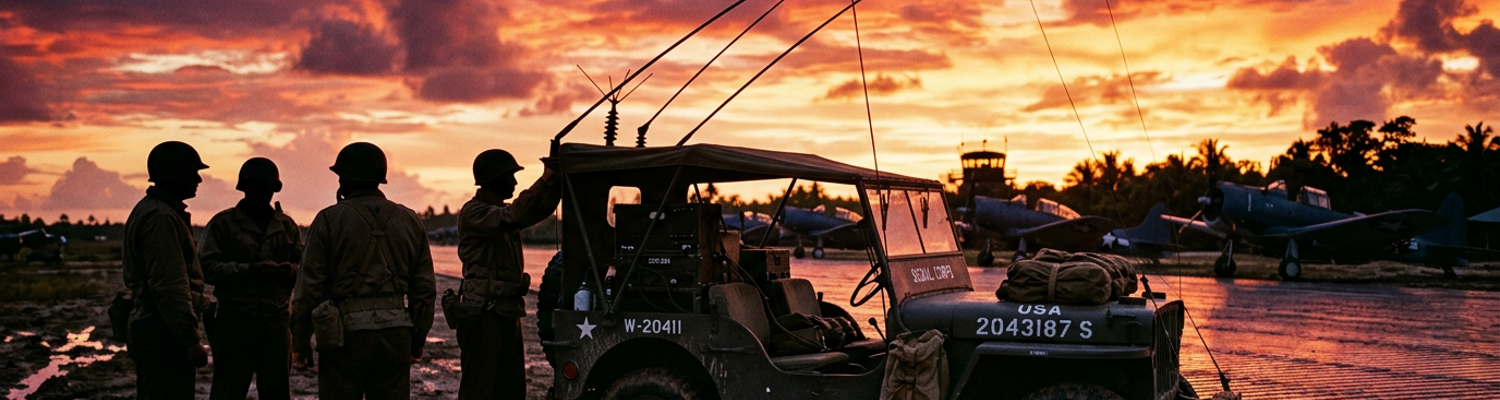
Ground crews checked safety wiring on Pratt and Whitney radial engines as pre dawn winds kicked loose gypsum sand across the dispersal strip. Flight crews adjusted heavy canvas flight suits, checked leather oxygen masks, and loaded brass navigation calipers into map cases beside the high tricycle landing gear of the olive drab bombers. Harsh limestone gravel crunched under combat boots while armorers winched five hundred pound demolition bombs out of transport trucks and hoisted them into open bomb bays using hand cranked steel cables. Armorers manually twisted fuse caps into bomb noses, wiping fine grit off the brass threads with oily rags. Every piece of sensitive flight gear required constant brushing to clear the pervasive desert dust that settled into fuel strainers, cockpit dials, and gunsights before engine startup. Pilots reviewed target maps by flashlight against the corrugated metal fuselage walls, waiting for the signal flares that would launch their heavily loaded aircraft into the turbulent morning sky.
Aluminum wing roots absorbed the full strain of these overloaded takeoffs as the bombers rolled down the unpaved runways. Early Consolidated B-24D Liberators featured David R. Davis wings, which were long and narrow to maximize cruising efficiency rather than survive abrasive desert environments. Engineer David R. Davis shaped the deep airfoil with a thick, tapered cross section that generated immense lift while reducing aerodynamic drag at high cruising altitudes. That specialized shape allowed the four engine bomber to carry four tons of bombs across vast ocean distances, but the complex internal wing structure contained delicate rubber de icer boots, tight flap tracks, and narrow fuel transfer lines. The long wings flexed noticeably under full fuel loads, placing severe stress on internal rivets and spar caps during rough desert takeoffs. Flying sand quickly pitted the polished front edges of these slender wings, spoiling the smooth airflow and stripping away the performance advantages the designers had achieved in California wind tunnels.
Factory test flights had never exposed these sophisticated bombers to North African heat or alkali dust storms before their sudden deployment across the globe. Colonel Harry A. Halverson led his unit across the South Atlantic with orders to bomb Japanese industrial centers from remote airfields in mainland Asia. Japanese ground advances across eastern China quickly overran the planned recovery airstrips near Quzhou, eliminating the fuel reserves and landing facilities needed to support the American heavy bombers. In June 1942, the Halverson Provisional Detachment diverted twenty three B-24D bombers to Fayid, Egypt, after their original mission to China was canceled. American commanders reassigned the detachment to the Middle East to reinforce beleaguered British forces fighting along the Libyan frontier. Royal Air Force airfields near the Suez Canal offered paved runways and fuel dumps, but the British facilities lacked spare parts and maintenance stands built for the massive Consolidated airframes.
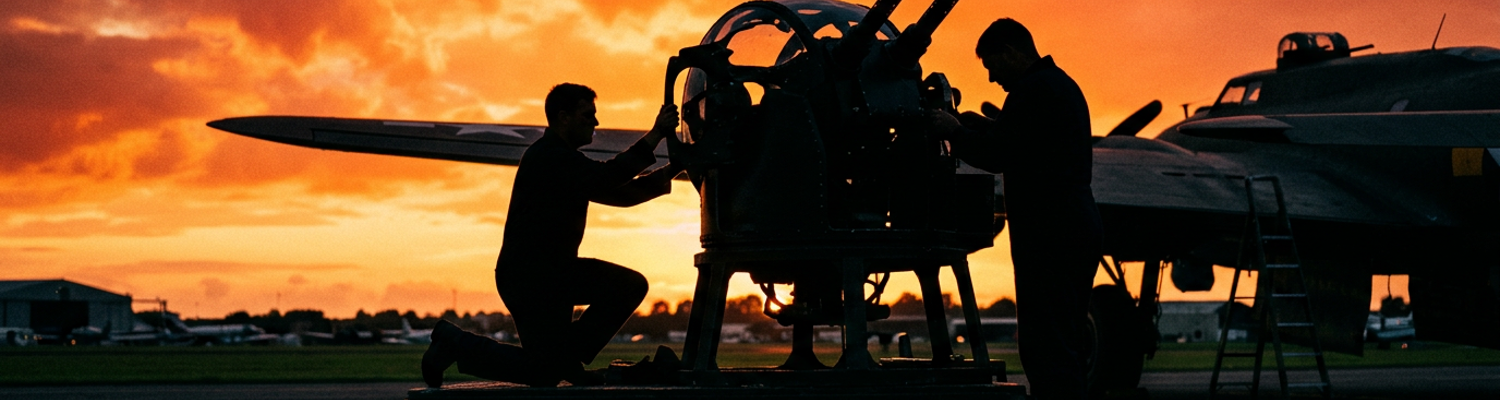
Mechanics improvised field repairs under the burning sun by cannibalizing damaged trucks and bending scrap metal over wooden blocks to keep the planes flightworthy. Ground specialists washed clogged oil coolers with gasoline and wrapped exposed wiring bundles in friction tape to prevent desert sand from grinding down ignition cables. Hardened ground crews learned to change twin row radial engines using jury rigged wooden sheerlegs and block and tackle rigs in open revetments. Colonel Halverson dispatched his bombers on deep penetration strikes against Axis fuel tankers at Tobruk and oil refineries at Ploesti, pushing the untested engines to extreme thermal limits. Exhaust valves warped and hydraulic seals cracked inside the landing gear struts, leaving grounded aircraft stranded across the taxiways without factory replacements. Detachment leaders ordered all flyable aircraft to stage through local landing grounds while logistics officers began surveying supply routes back to rear area repair depots near Cairo.
Khamsin Dust Ingestion and Turbocharger Failure
Convoys marked supply tracks toward Cairo just as seasonal weather patterns turned violently against the dispersed Liberators. Severe seasonal khamsin sandstorms blew fine desert silica into engine cowlings, rapidly stripping paint and scouring the front edges of the B-24D wings. Blinding gales pushed dense fronts of pulverized rock across the Nile delta, dropping visibility to zero and trapping maintenance personnel inside their canvas tents. Flight crews weighed down horizontal stabilizers with sandbags and wrapped intake ducts in double layers of burlap, but the wind drove pressurized plumes of grit through every vent and rivet seam. Metal skins on the long wings groaned under ninety mile per hour gusts that strained the landing gear struts and shook the entire four engine airframes. Flight engineers inspected the bombers between storm blasts and found paint stripped down to bare, pitted metal along the leading edges of the airfoils.
Dust drifted from the abraded wings straight through the cowl flaps and oil cooler scoops of the radial powerplants. Microscopic dust particles penetrated air intakes and seized General Electric turbochargers on the Pratt and Whitney R-1830-43 Twin Wasp radial engines, defying peacetime technical manuals. Peacetime military maintenance guidelines instructed line mechanics to clear intake passages with simple compressed air hoses and light wash oil, assuming dust would remain coarse and trap easily on wire mesh screens. Desert silica measured smaller than industrial talcum powder, slipping past the standard brass filter meshes and mixing directly with high temperature engine lubricants inside the supercharger housings. Rotor shafts turning within thousandths of an inch of clearance dragged against the accumulated mineral paste until the spinning wheels locked tight. Ground crews pulling engine inspection covers discovered melted bronze bushings, jammed waste gate valves, and exhaust housings caked with glassy, heat fused sand.
Mechanics unbolted the ruined exhaust turbines under the blazing sun, struggling to salvage usable internal components from engines that could no longer compress thin air at combat altitudes. Pilots running up their throttles on the desert test stands suffered severe manifold pressure drops, with cylinder head temperatures spiking into the red warning zones before the planes even began their takeoff rolls. Flight operations ground to a standstill across the Egyptian bases because unboosted Twin Wasp engines could not lift four ton bomb loads into the thin, heated air over the Mediterranean. Sergeant specialists scavenged undamaged turbine impellers from write off airframes and attempted to hone scored bearing sleeves using oilstones and valve grinding paste. Supply officers quickly concluded that field revetments lacked the precision lathes, dynamic balancing jigs, and clean rooms required to rebuild high speed turbochargers.
Trucks backed up to the maintenance revetments at Fayid to haul the stripped engine blocks and damaged exhaust components away from the frontline dirt strips. Ground teams packed the delicate impeller assemblies into grease soaked canvas bags and bolted the seized radial powerplants into steel transport cradles. Convoys routed these heavy assemblies along the canal roadways toward the industrial railway yards outside Heliopolis. Depot technicians at Camp Huckstep prepared heavy cranes, specialized solvent tanks, and overhaul shops to receive the sand damaged engines and begin full scale industrial salvage operations.
IX Bomber Command Attrition Over Mediterranean Targets
Engineers bolted rebuilt radial powerplants onto the bomber wing mounts as fast as trucks delivered them from the depot floor. Operating under IX Bomber Command, early B-24D bombers flew long range interdiction sorties against Axis supply convoys and port facilities at Tobruk and Benghazi. These lumbering four engine bombers took off from primitive Egyptian airfields before daybreak, carrying heavy high explosive loads over hundreds of miles of open desert and Mediterranean water to choke off German fuel shipments. British ground forces fighting along the Alamein line depended entirely on these air strikes to deprive Field Marshal Erwin Rommel of motor gasoline and tank ammunition. Pilots held their heavy aircraft in tight combat formations for hours, straining their newly rebuilt engines against punishing head winds as they neared the heavily fortified coastal targets.
Shrapnel torn from heavy anti aircraft shells ripped into the thin aluminum skins of the Liberators as they stabilized their bomb runs over the harbor. Intense anti aircraft flak over Mediterranean harbors punctured fuel cells, severed hydraulic lines, and shattered structural fuselage bulkheads across the operational bomber fleet. Self sealing rubber liners inside the high wings failed to close around large jagged shrapnel tears, letting high octane aviation fuel stream into the bomb bays and trailing slipstream. Escaping red hydraulic fluid flooded the lower fuselage decks, depriving pilots of rudder boost pressure and preventing the heavy bomb bay doors from closing after weapon release. Exploding shells punched jagged gaps through the transverse bulkheads, twisting internal steel control cables and severely weakening the structural integrity of the Davis wing roots. Flight engineers rushed between the waist gun windows and the forward cockpit to crank manual override levers, fighting to keep damaged engines running while fuel gauges dropped toward empty.
Pilots wrestled with vibrating control yokes as their crippled aircraft struggled to maintain altitude over the five hundred mile return flight across the open sea. Feathered propellers on smoking outboard engines drastically increased aerodynamic drag across the damaged wings, forcing crews to throw heavy ammunition boxes, machine guns, and loose flight equipment out of waist windows to stay airborne. Ruptured hydraulic lines forced navigators to pump manual hand levers hundreds of times just to lower the heavy tricycle landing gear as the planes finally circled forward landing grounds in Egypt. Tires burst on jagged runway stones when the overloaded bombers touched down without working hydraulic brakes, sending aluminum airframes skidding off runway margins into desert scrub. Ground personnel sprinted across the sand with handheld fire extinguishers and rescue axes to pull wounded crewmen from crushed nose compartments and smoking tail turrets.
Mechanics examined the punctured bombers across the frontline dispersal revetments to determine which airframes could be patched locally and which required complete industrial rebuilding. Sheet metal workers patched small bullet holes with hand cut aluminum duralumin plates and blind rivets, but the severe structural cracks in wing spars and broken internal bulkheads exceeded frontline repair capabilities. Headquarters officers designated these heavily battered B-24D airframes as war weary hulks, stripping them of surviving radio sets, defensive machine guns, and functional flight instruments. Recovery crews unbolted the damaged wings, lashed the hollow fuselages onto multi axle transport trailers, and formed heavy salvage convoys along the desert tracks. Truck drivers shifted into low gear to haul the shattered bombers westward toward the heavy repair shops and salvage gantries at Camp Huckstep.
Camp Huckstep and USAFIME Depot Infrastructure
Steel gantry cranes rolled forward along iron rails to lift the splintered B-24D fuselages off the flatbed trailers. United States Army Forces in the Middle East established major rear echelon maintenance and depot facilities at Camp Huckstep outside Heliopolis in late 1942 to process this growing stream of heavily damaged four engine bombers. Technicians unfastened heavy tiedown chains and pushed wheeled engine dollies beneath the damaged wing roots as teams of armorers stripped away scorched aluminum skin panels. Engineers marked cracked Davis wing spars and twisted bulkheads with white grease pencils to separate salvageable airframes from hopeless structural write offs. Sheet metal workers guided crane cables through open bomb bay frames, lifting multi ton fuselage sections into rows of covered hangars away from the abrasive desert wind.
Mechanics inside the hangars unbolted damaged wing sections only to discover that depot storage shelves held almost no fresh factory spares. Depot operations faced severe logistical bottlenecks caused by a twelve thousand mile maritime supply line circling the Cape of Good Hope, leaving mechanics without factory replacement parts. Merchant freighters carrying crated components, aluminum extrusions, and landing gear struts spent months navigating the open ocean around the southern tip of Africa to avoid Axis air patrols in the Mediterranean. Cargo vessels that finally docked at Port Said and Suez frequently carried artillery shells, canned rations, and tank tracks rather than specialized aircraft hardware for heavy bombardment groups. Ground crews watched flight ready bombers sit stranded on wooden jacks because depot bins lacked simple aircraft grade bolts, hydraulic packing seals, and replacement electrical wiring.
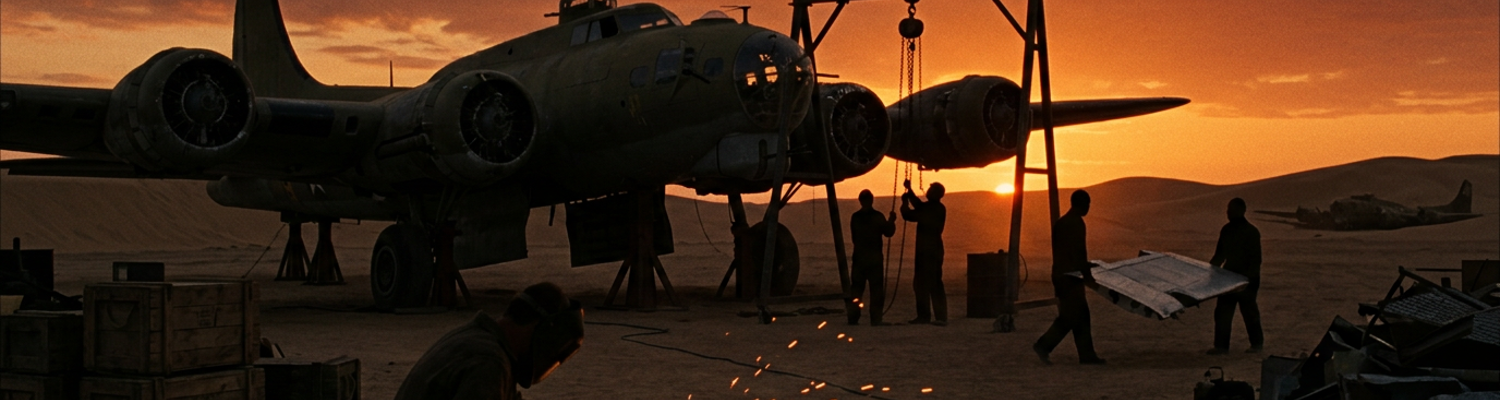
Machinists responded to the shortage by transforming the Huckstep repair shops into an industrial cannibalization yard. Recovery teams stripped every usable hydraulic valve, copper fuel line, and instrument cluster from written off combat airframes parked along the perimeter tracks. Metalworkers clamped salvageable sections of torn Davis wings into heavy bench vises, cutting away jagged shrapnel holes with air driven shears to harvest clean duralumin sheets for structural patches. Toolmakers operated metal lathes and milling machines throughout the night, turning solid brass stock into custom hydraulic fittings and machining oversize steel pins to secure loose landing gear pivots. Welded steel jigs held bent fuselage frames true while fabricators riveted patch plates directly over structural stress cracks, assembling functional airframes from the remnants of multiple shattered bombers.
Tractors towed the reconstructed B-24D bombers out of the overhaul hangars onto the concrete run up aprons outside the depot. Flight test crews climbed through the lower nose hatches to inspect the hand crafted hydraulic lines and spliced electrical conduits running through the dark fuselage decks. Inspectors calibrated flight instruments, bled air bubbles from rebuilt brake cylinders, and pressurized the improvised hydraulic manifolds to ensure the landing gear would cycle reliably under combat conditions. Ground engineers turned the four Pratt and Whitney radial engines by hand to clear residual oil before pilots engaged the electric starters, sending clouds of blue exhaust smoke rolling across the taxiways. Depot commanders signed acceptance papers for each rebuilt Liberator and ordered replacement ferry crews to fly the salvaged bombers back to forward landing grounds near the front lines.
War Department Classification 400.13 Airframe Cannibalization
Depot crews operated under War Department classification 400.13 salvage directives as those ferry flights departed, authorizing the systematic reclamation and strip down of damaged aircraft to sustain active inventory. Inspectors walked down the rows of written off airframes with chalk and clipboards, categorizing each shattered hulk by what metal could still be saved. Ground technicians marked bent wing roots for scrap while labeling intact internal framing and electrical junction boxes for immediate recovery. Pneumatic wrenches and cold chisels echoed across the perimeter revetments as workers loosened stubborn steel bolts and sheared off corroded mounting brackets. Recovered parts filled wooden crates arranged along the hangar aprons, providing the depot with a steady supply of structural materials that standard shipping routes failed to deliver.
Mechanics cannibalized control surfaces, tail assemblies, and landing gear assemblies from written off Liberators to conduct structural splicing on damaged airframes. Gantry cranes hoisted complete twin rudder tail sections away from burned fuselages so sheet metal crews could align them with the broken rear bulkheads of operational planes. Riggers carefully matched rivet patterns on harvested aluminum elevator panels, splicing replacement metal over flak tears and structural cracks using pneumatic squeeze riveters. Heavy tractor winches pulled complete main landing gear assemblies, including shock struts, brake drums, and retraction links, out of sheared wheel wells to replace units crushed during rough desert landings. Ground crews checked alignment tolerances with steel plumb bobs and spirit levels, ensuring that spliced tail sections and grafted undercarriages could bear the landing shock of an overloaded thirty ton bomber.
Metalworkers climbed inside the hollow fuselages to brace these spliced assemblies with heavy aluminum plates and reinforced stringers. Work crews squeezed bucking bars against interior rivet heads while rivet gun operators drove hundreds of steel fasteners through overlapping layers of harvested skin. Electric drills bored fresh guide holes through spliced spar caps, allowing workers to insert high strength aircraft bolts and secure the grafted tail assemblies against violent flight vibration. Electricians pulled wire harnesses through the newly spliced fuselage frames, soldering broken connections and wrapping exposed bundles in rubberized tape. Inspectors crawled along the narrow catwalks with mirrors and flashlights, examining every spliced joint and verifying that control cables moved freely from the cockpit pedals to the cannibalized rudders.
Ground crews hitched heavy diesel tractors to the spliced bombers and towed them out of the hangars for structural stress evaluations. Mechanics pressurized the grafted hydraulic lines to their maximum limits, watching for leaks around salvaged cylinder seals as the heavy landing gear retracted and extended repeatedly inside the wheel bays. Engine specialists ran the four radial engines up to full takeoff power, monitoring cockpit gauges while the cannibalized control surfaces trembled under thousands of pounds of propeller wash. Flight inspectors signed final inspection tags for the spliced airframes, clearing the hybrid aircraft for taxi tests and full combat re entry. Maintenance officers entered the recovered component numbers into depot logs, documenting how discarded wreckage continued to sustain the bomber force along the North African front.
Nile Valley Epidemics and Depot Labor Disruption
Clerks recorded fewer salvaged components in these depot ledgers as an invasive Nile Valley epidemic of Anopheles gambiae malaria swept through Upper Egypt in 1942, causing massive absenteeism across local civilian work crews. Mosquitoes breeding along agricultural irrigation ditches and standing Nile floodwaters infected local workers who carried out essential physical tasks across Camp Huckstep, including uncrating engines, clearing scrap metal, and digging drainage trenches around open air salvage parks. Thousands of Egyptian laborers suffered from recurring chills, debilitating fevers, and physical exhaustion, forcing them to remain in their home villages along the valley rather than boarding the daily work trains to Heliopolis. Unloaded freight cars stood motionless along the depot railroad spurs because there were no civilian work gangs available to manhandle heavy fuselage sections or shovel sand away from blocked hangar doors. Disassembled Liberator wing panels, sheared engine mounts, and severed wiring looms sat baking in the sun on open flatbed wagons, coated in fresh dust layers before cleaning crews could scrub away grease and grit.
Mechanics took over the manual labor of hauling these grit covered components, but concurrent outbreaks of louse borne epidemic typhus sickened American depot technicians and medical personnel at Camp Huckstep, severely reducing daily maintenance output. Body lice thrived in the crowded tent encampments and transit barracks, spreading bacterial infection through bites and scratched skin among soldiers who worked long shifts without clean laundry facilities. Specialized machinists and instrument repairmen collapsed over their workbenches with pounding headaches, delirium, and sudden body rashes, leaving delicate turbocharger rebuilds and electrical rewiring jobs half finished in the shops. Station doctors and corpsmen who rushed to treat the expanding ranks of feverish mechanics contracted typhus themselves, leaving ward cots crammed with shivering patients and gutting the medical staff tasked with keeping the workforce healthy. Wooden gantry cranes sat deserted over stripped B-24D fuselages while tool cribs and repair bays fell silent, stripping the repair division of the skilled hands required to rebuild four engine bombers.
Liberators remained suspended on iron maintenance jacks across the empty hangars because the remaining healthy technicians lacked the manpower to position heavy replacement parts. Spliced tail sections hung frozen in mid air from overhead chain hoists, waiting for fitters who were too weak to hold pneumatic rivet guns against aluminum bulkheads. Frontline squadrons flying from advanced landing grounds near El Alamein urgently demanded replacement bombers to strike retreating German supply convoys, but the depot could only roll out a tiny fraction of its projected airframe quota. Maintenance officers responded by dousing barracks with insecticidal powders, scrubbing down tool cribs with harsh disinfectants, and consolidating all remaining healthy mechanics into single emergency work shifts. Toolmakers focused exclusively on the most lightly damaged aircraft, bypassing heavily cracked airframes to splice control cables and bolt together cannibalized wing sections on bombers that required the fewest work hours to fly again.
Structural Fatigue and Retirement of War-Weary Liberators
Wing spars inside those bypassed bombers showed irreversible structural warping that depot crews could not hammer straight or reinforce with extra metal plates. Repeated combat stress and severe desert thermal turbulence caused irreversible wing spar twisting, loose riveting, and deep metal fatigue in patched airframes. Flight crews had routinely flown these early B-24D bombers through blistering low altitude thermals over the Western Desert, where sudden rising air currents exerted thousands of pounds of upward pressure against the slender Davis wings. Rivet heads sheared off the main beam caps inside the fuel bays under this continuous flexing, leaving open holes that allowed aviation gasoline to seep past loosened sealing tape. Maintenance officers dropped weighted plumb lines through open inspection covers and discovered that both wingtips sat several inches out of horizontal alignment with the main fuselage centerline. Mechanics who attempted to bolt fresh structural stiffeners into the damaged wing bays found the internal duralumin ribs so deformed and brittle that drill bits cracked the aged alloy.
Inspectors condemned these twisted machines because no amount of frontline patching could restore their original aerodynamic alignment or structural strength. Sustained operational wear rendered the early B-24D fleet obsolete by late 1942, forcing their reclassification as war weary hacks, transport airframes, or scrap sources. Frontline bomb groups receiving newer production variants refused to accept these misaligned early airframes for combat missions against defended Mediterranean ports. Ground crews stripped defensive turrets, waist guns, and heavy bomb racks out of the condemned bombers, painting wide utility bands across the weathered olive drab fuselages. Flight officers assigned the least distorted planes to local courier runs between Cairo, Fayid, and Alexandria, using the demilitarized bombers as stripped down cargo hacks to haul freight boxes, aircraft tires, and replacement personnel across Egypt.
Pilots flying these war weary hacks struggled with heavy, uneven control wheels as the twisted airframes flew with a permanent sideways drift even in calm skies. Rudder cables rubbed against misaligned internal pulleys, while worn hydraulic pumps whined loudly under high pressure as flight engineers manually worked landing gear hand pumps to lower jammed wheels. Depot commanders grounded even these secondary utility transports once structural cracks spread from the wing roots into the primary flight deck bulkheads and tail joints. Tractors towed the grounded transports into an open salvage park at the eastern edge of Camp Huckstep, lining them up beside bombers already judged too warped for flight. Salvage workers painted large white letters on the nose panels to indicate that the aircraft were permanently retired from the flight line and designated strictly for complete material recovery.
Acetylene torches hissed against the stressed metal as salvage gangs began cutting the retired airframes into manageable sections. Workers unbolted surviving cockpit instruments, electrical relays, and hydraulic valves to stock depot supply bins for operational combat units. Heavy shears sliced through the bent Davis wings, separating thick aluminum spar caps from battered skin panels so the metal could be sorted into salvage piles. Civilian trucks carried sheared aluminum sheets and structural framing rings to depot smelters and railway flatcars, providing raw aluminum and steel for local manufacturing shops. Logistics officers stamped final retirement entries into IX Bomber Command property ledgers, closing out the service records of the original desert Liberators and transferring their remaining components into depot inventory.