
A close review of Cold War operational planning reveals an obsessive focus on a single piece of German territory. The Fulda Gap, a lowland corridor running between the Hohe Rhön and Knüllgebirge mountains, offered a clear pathway for a massive, armored invasion of Western Europe. This route pointed directly toward Frankfurt, home of the United States V Corps headquarters. Its capture would sever NATO’s central lines of communication and supply, effectively splitting the alliance’s forces in Germany. Military strategists on both sides of the Iron Curtain understood this geography intimately. The defense of this area was assigned primarily to the American V Corps, with the 11th Armored Cavalry Regiment serving as the designated tripwire force directly at the border, tasked with blunting the initial assault. Facing them was the Soviet 8th Guards Army, a premier, combat-ready formation stationed in East Germany and identified by NATO intelligence as the spearhead for any offensive through the gap.
The threat from the Warsaw Pact was grounded in daunting numerical superiority. Soviet military doctrine emphasized a rapid, violent breakthrough, expecting to cover dozens of kilometers per day. The 8th Guards Army, a force with a distinguished history reaching back to the Battle of Stalingrad, was lavishly equipped to execute this plan. Wargaming scenarios consistently showed NATO forces facing multiple echelons of Soviet armies, with the 8th Guards Army followed by formations like the 1st Guards Tank Army. The mass of men and vehicles was a primary concern for NATO planners. The 8th Guards Army alone was comprised of one tank division and three motor rifle divisions, fielding hundreds of T-series tanks, BMP infantry fighting vehicles, and self-propelled artillery pieces. Projections indicated that the combined Warsaw Pact forces could field approximately 66,550 soldiers and 5,000 vehicles for an assault in this sector, facing a NATO defense of roughly 18,000 personnel and 4,400 vehicles.
Airpower was NATO’s designated equalizer. The plan was to use ground-attack aircraft, specifically the A-10 Thunderbolt II and the F-111, to attrit the waves of Soviet armor and blunt the offensive. This entire strategy, however, hinged on controlling the air. Soviet forces would not be advancing in a vacuum. They would be protected by one of the most dense and sophisticated Integrated Air Defense Systems (IADS) ever created. A close examination of archival records shows the pressing need for intelligence on this network. It was a layered web of mobile threats, from the radar-guided ZSU-23-4 Shilka short-range anti-aircraft gun, which proved highly effective against low-flying aircraft, to the formidable SA-6 Gainful medium-range surface-to-air missile system. The SA-6, in particular, was a mobile system capable of engaging targets up to 24 kilometers away and was known for its effectiveness, having been battle-proven in the 1973 Yom Kippur War. To have any chance of survival, NATO pilots needed precise, actionable intelligence. Their aircraft were equipped with electronic countermeasure (ECM) pods like the AN/ALQ-131, but these systems were not magic. The ALQ-131 had to be programmed with the specific operating frequencies and pulse patterns of the enemy radars it was expected to face. Without detailed intelligence on the Straight Flush radar used by the SA-6 batteries or the Gun Dish radar of the ZSU-23-4, these multi-million dollar pods would be useless, and NATO’s air arm would be annihilated.
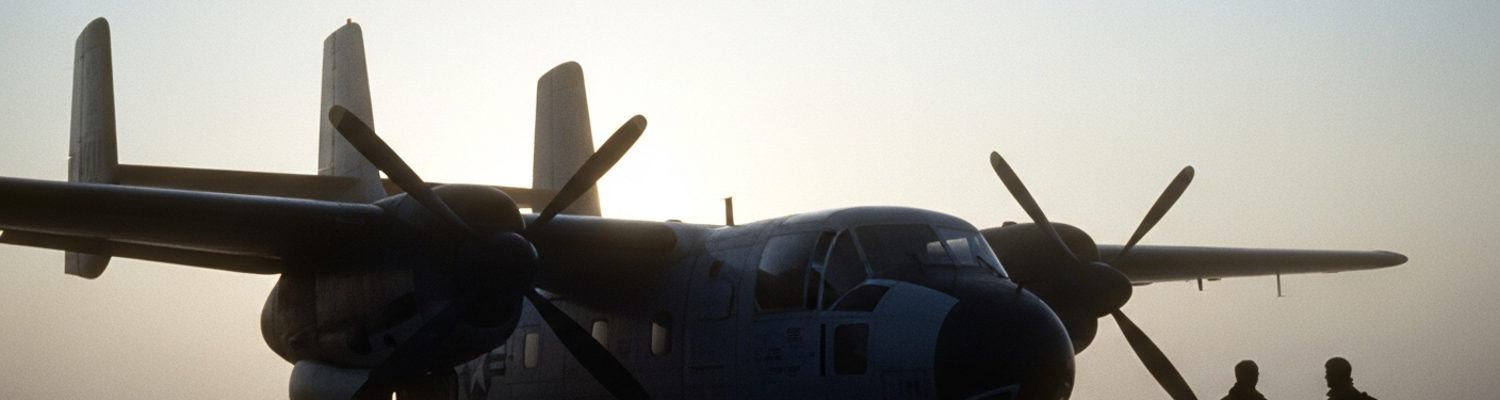
The Grumman OV-1 Mohawk was an unconventional tool for an unconventional problem. It was a twin-engine turboprop, not a high-speed jet, designed with a distinctive triple-finned tail and a bulbous cockpit that offered its two-man crew exceptional visibility. Initially developed for battlefield surveillance and artillery spotting, the U.S. Army operated the aircraft from short, often unimproved runways close to the front lines. This ability made it an organic asset for Army commanders, providing intelligence directly to the units that needed it most. In West Germany, Mohawks flown by units like the 1st Military Intelligence Battalion (Aerial Exploitation) patrolled the tense border with the East. These aircraft were the Army’s eyes, equipped with Side-Looking Airborne Radar (SLAR) in a long pod under the fuselage to detect vehicle movements and infrared sensors to see at night. The standard mission was to fly parallel to the border, building a detailed picture of Warsaw Pact forces without ever crossing into hostile airspace.
A far more hazardous mission was envisioned. To counter the dense Soviet air defense network, NATO airpower needed a precise, real-time map of enemy radar locations. The Mohawk was selected to get that data. This required transforming the observation plane into a dedicated deep-penetration reconnaissance platform. The base airframe, while rugged, needed significant upgrades to have any chance of survival. Records indicate modifications included the installation of infrared suppressors on the engine exhausts to reduce the aircraft’s heat signature against shoulder-fired missiles, along with additional armor plating around the cockpit and bullet-resistant glass. While early versions had been tested with weapons, the Air Force had successfully lobbied to have most armament removed. The ELINT-modified Mohawks would fly their perilous missions entirely unarmed. The plan called for these slow-moving turboprops to fly low and fast, using terrain to mask their approach into the heart of the enemy’s integrated air defense system.
The centerpiece of this entire strategy was an experimental and highly specialized piece of equipment. The standard SLAR and infrared pods were replaced with the AN/ALQ-133 QUICK LOOK II electronic intelligence (ELINT) system. This was not a passive sensor. The QUICK LOOK II was an advanced system designed to automatically detect, identify, locate, and track enemy radar emitters. It was housed in distinctive pods on the wings, containing a complex array of antennas and receivers that covered a wide frequency spectrum. Data collected by the pods was processed by an onboard computer, and critical threat information could be relayed via a secure data link to a ground station, providing commanders with an immediate electronic order of battle.
This system represented a substantial gamble. The ALQ-133 was a complex and, in its early days, unproven system. Its integration into the OV-1D airframe, creating the specialized RV-1D variant, was a significant undertaking. Crews from the 1st and 2nd Military Intelligence Battalions trained for missions that pushed the aircraft and its systems to their absolute limits. The plan was to use the Mohawk’s unique flight characteristics to get this powerful sensor deep behind enemy lines. The intelligence gathered by these handful of specialized aircraft was considered indispensable for the success of the initial NATO air campaign. Without the data from the QUICK LOOK II, NATO’s strike aircraft would be flying blind against a wall of surface-to-air missiles. The entire air strategy hinged on the hope that a few modified turboprops could survive long enough to map the threat.
By the mid-1970s, the operational tempo for U.S. Army aviation units in West Germany was dictated by a single, pervasive threat: the overwhelming armored formations of the Warsaw Pact poised just across the border. For the crews of the specialized RV-1D Mohawk aircraft belonging to units like the 2nd Military Intelligence Battalion, headquartered at Wiesbaden, this period marked a significant escalation in the shadow war. The 1973 Yom Kippur War had provided a brutal lesson in the lethality of modern, Soviet-supplied integrated air defense systems. The effectiveness of the mobile SA-6 Gainful missile and the ZSU-23-4 Shilka anti-aircraft gun against Israeli jets forced a complete doctrinal re-evaluation within NATO. The mission of the RV-1D, equipped with the new AN/ALQ-133 QUICK LOOK II electronic intelligence system, was now seen as indispensable. These aircraft were tasked with providing the electronic order of battle necessary for NATO’s own air forces to survive the opening hours of a conflict. The QUICK LOOK II system, which became operational in Germany around 1978, was a substantial improvement over its predecessor, designed specifically to detect, identify, and locate the very radar emitters that had proven so deadly in the Middle East. This was the gamble: sending a slow, unarmed turboprop deep into enemy airspace to map these threats before they could decimate NATO’s pricier fast-movers.
This was not a job for conventional flying. The entire survival strategy for a wartime Mohawk mission hinged on a flight profile known as nap-of-the-earth (NOE). This was a physically and mentally demanding tactic where pilots flew as low as humanly possible, using the folds and contours of the German countryside to mask their presence from radar. An examination of operational procedures shows that pilots were trained to hug the terrain, maintaining clearance of mere feet above the ground, ducking into valleys and behind ridges to break the line-of-sight to enemy radar installations. The Mohawk, with its robust airframe and excellent low-speed handling characteristics, was surprisingly well-suited for this abuse. A typical wartime flight path would involve a low-level dash across the border, followed by a series of carefully planned tracks designed to expose the aircraft’s QUICK LOOK II pods to suspected enemy radar sites. The goal was to remain in the clutter of the terrain, invisible to detection, for as long as possible. The two-person crew, sitting side-by-side in a cockpit with a massive bubble canopy for maximum visibility, worked in high-stress coordination. The pilot focused on the intense concentration of NOE flight, while the right-seat technical observer managed the complex ELINT system, ensuring the antennas were gathering the required data during the brief, high-risk exposure windows.
The margin for error was zero. For the crew, the first indication of detection was not a visual sighting but a terrifying electronic shriek. The cockpit’s AN/APR-39 Radar Warning Receiver (RWR) was a basic but essential piece of survival gear, translating the invisible world of radar emissions into audible tones. A low, intermittent chirp might signal a distant search radar sweeping the sky. That sound would instantly change to a steady, high-pitched tone the moment a fire control radar, like the Straight Flush of an SA-6 battery, acquired the Mohawk. This was the lock. That steady tone would then escalate to a frantic, piercing warble, the launch warning. In that instant, the mission changed from intelligence gathering to pure survival. The pilot’s reaction had to be instinctive: a violent, high-G break turn, slamming the stick to one side while simultaneously deploying chaff to confuse the incoming missile’s radar seeker. They would roll the aircraft and pull, diving back toward the perceived safety of the terrain, praying the maneuver was sharp enough to break the radar lock. Every second spent exposed was a second closer to impact. The technical observer’s job was to confirm that the vital data had been captured and stored by the QUICK LOOK II system, because there would be no second chances. These were the practiced and expected realities of a mission from which many crews were not expected to return.
The operational life of an RV-1D Mohawk crewman in West Germany was a study in sustained psychological pressure. For the men of the 2nd Military Intelligence Battalion, the mission was not abstract; it was a tangible, daily presence. A close review of operational logs and training schedules from the late 1970s and 1980s reveals a relentless tempo, practicing for a conflict many believed was imminent. Unlike other aviation units, Mohawk crews trained for a mission with an exceptionally high, officially acknowledged probability of being a one-way trip. The entire strategy of sending a slow, unarmed turboprop into the teeth of a Soviet Integrated Air Defense System was a calculated sacrifice. This knowledge was a heavy, corrosive burden. The two-man crew, a pilot and a technical observer, shared a unique and isolated stress. They sat side-by-side in the cramped cockpit, their survival entirely codependent. An error by one, whether in flying the aircraft mere feet off the ground or in managing the complex AN/ALQ-133 QUICK LOOK II system, meant death for both. The constant nap-of-the-earth training over the rolling hills of Germany, while essential for survival, was itself hazardous, pushing the airframe and the crew’s concentration to their absolute limits. The ever-present risk of a training accident was compounded by the psychological weight of their designated wartime role as the initial, sacrificial lamb offered up to locate enemy radar threats.
This was a unique form of mental attrition. The in-flight experience was designed to be a continuous, high-stress assault on the senses. From the moment of takeoff on a simulated wartime mission, every crew member was acutely aware that survival was measured in seconds of exposure. The primary source of this acute stress was the AN/APR-39 Radar Warning Receiver. Its synthesized voice and distinctive tones were not just advisory; they were a direct line to the crew’s mortality. A calm, intermittent chirp from a distant Soviet search radar would instantly give way to a steady, high-pitched scream, indicating that a fire-control radar had locked onto the Mohawk. This was the point of maximum vulnerability. That sound would then escalate into a frantic, ear-splitting warble, the launch warning. Archival accounts from pilots who trained in this environment describe an immediate, pavlovian response of overwhelming adrenaline. The pilot’s world would narrow to the singular, violent task of executing a maximum-G break turn, dispensing chaff, and diving the aircraft back into the terrain clutter, praying to break the missile’s guidance lock. Simultaneously, the technical observer in the right seat had to fight the instinct for survival, forcing his focus back to his own console to confirm the vital ELINT data from the QUICK LOOK II pods had been captured. This dichotomy of purpose, one man fighting to escape, the other to complete the data capture, created an unparalleled level of cockpit tension.
The human cost of this constant readiness was significant. While the U.S. Army in Europe during the post-Vietnam era of the 1970s faced broad morale challenges, the strain on specialized units like the Mohawk battalions was distinct and severe. The crews lived in a state of heightened alert, their personal lives framed by the Lariat Advance alert calls that could send them scrambling to their aircraft at any hour. This perpetual readiness, combined with the grim nature of their specific task, fostered a dark, gallows humor within the squadrons. It was a necessary coping mechanism for men who knew that doctrinal planning documents projected catastrophic loss rates for their airframe in the opening hours of any conflict in the Fulda Gap. The morale strain was not about poor living conditions; it was about the cold, hard calculation of their expendability. This constant, grinding pressure to perform a mission from which they were not expected to return took a toll that went far beyond the flight line.
The high-risk missions flown by the RV-1D Mohawk crews yielded a form of strategic intelligence that was transformative for NATO. The AN/ALQ-133 QUICK LOOK II system was not merely a receiver; it was an analytical engine. As Mohawk crews skirted the border or simulated deep penetration runs, the system intercepted, identified, and categorized the electronic signatures of the Warsaw Pact’s Integrated Air Defense System. Archival analysis of the data collected shows a focus on creating a precise electronic order of battle. The system captured the specific operating frequencies, pulse repetition intervals, and scan patterns of the most dangerous Soviet mobile air defense assets. This included the 1S91 Straight Flush radar that guided the SA-6 Gainful missile and the RPK-2 Gun Dish radar of the ZSU-23-4 Shilka anti-aircraft gun. By geolocating these emitters, QUICK LOOK II provided an unprecedented, near-real-time map of the threat. This was not a static picture. The intelligence illustrated how Soviet units moved and positioned their air defenses, revealing their operational patterns and doctrine. It provided the raw data necessary to build a library of electronic fingerprints for every significant radar system facing NATO across the Fulda Gap.
This detailed electronic mapping directly shaped NATO’s evolving electronic warfare doctrine. The data gleaned from Mohawk operations was the lifeblood for the alliance’s electronic countermeasure (ECM) systems. A close review of operational procedures for aircraft like the A-10 Thunderbolt II and F-111 shows that their survival depended on the AN/ALQ-131 ECM pod. These pods were not magic boxes; they were programmable jammers that had to be loaded with specific threat parameters to be effective. The intelligence from QUICK LOOK II provided the exact data needed for these mission libraries. Without the Mohawk’s input, the expensive pods would be rendered useless, unable to effectively deceive or blind a Straight Flush radar that had locked onto the aircraft. This capability allowed NATO to move beyond simple barrage jamming. The doctrine shifted to a more sophisticated approach, enabling deceptive jamming techniques that could feed false target information to enemy guidance systems. This intelligence was so fundamental that it altered the very calculus of air survivability, allowing planners to develop tactics that gave NATO aircrews a fighting chance against a dense and layered air defense network.
The direct intelligence product from the Mohawks became a cornerstone of contingency planning for the defense of Western Europe. In the event of a Warsaw Pact offensive led by the Soviet 8th Guards Army, NATO’s entire AirLand Battle concept depended on air power to offset the sheer numerical superiority in armor. The electronic order of battle provided by the RV-1D missions was fed directly into targeting cells within V Corps and Allied Air Forces Central Europe. This allowed war planners to create detailed threat maps that visualized the engagement envelopes of SAM batteries. Strike packages could be routed through identified corridors of weaker radar coverage, minimizing their exposure time. Planners could prioritize Suppression of Enemy Air Defenses (SEAD) missions, targeting the command-and-control nodes or the most threatening SA-6 clusters first. This proactive targeting, based on real intelligence, was a significant departure from earlier, more reactive models. The data was equally important for the U.S. Army’s own aviation, allowing attack helicopters like the AH-64 Apache to navigate the battlefield and hunt tanks while avoiding the ever-present threat from systems like the ZSU-23-4. The Mohawk’s contribution made the use of air power as the designated equalizer a functional and executable plan, not just a theoretical hope.