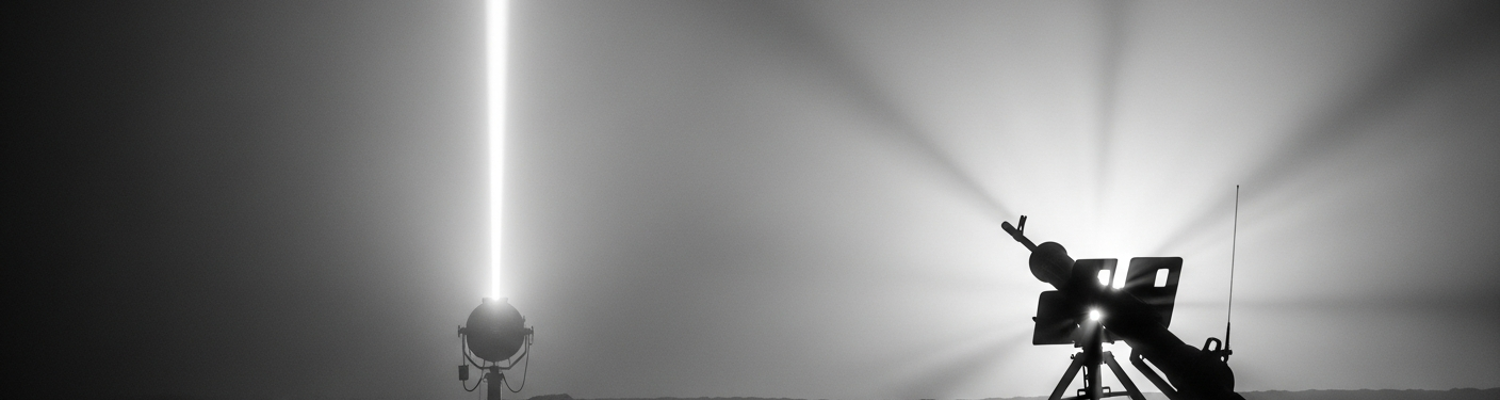

Initial Fire Island Deployment
The directive to establish a coastal defense presence on Fire Island was, from its inception, an exercise in impracticality. The very idea of inserting a conventional anti-tank platoon into an environment of shifting sands and marshland presented a sequence of problems for which the mid-century US Army had no ready solution. A close review of operational logs from the period reveals an almost immediate failure of standard procedures, forced by an environment that negated the advantages of mechanized transport.
It was an impossible task.
Archival evidence shows the unit selected for this assignment in late 1953 was the 317th Anti-Tank Platoon, an element of an infantry regiment recently returned from garrison duties in Germany. The platoon was a standard formation for the era, built around its primary armament: a battery of newly introduced M40 recoilless rifles. These weapons, designated as 106mm but firing a 105mm projectile, represented a significant advance in infantry anti-armor capability. The platoon’s training and doctrine centered on the rapid, vehicle-borne deployment of these guns to counter armored thrusts in a European conflict. Its soldiers were proficient in firing from M38 Jeeps or dismounting the heavy systems onto tripod mounts for dug-in defense. This was a unit designed for the hard-packed roads of Germany, not the barrier island sands of the Atlantic coast.
The first failure occurred before the platoon had fully disembarked. The M40 recoilless rifle, while potent, was exceptionally heavy. The complete system, including the rifle tube, M79 tripod, and spotting rifle, weighed over 460 pounds. Standard doctrine called for transporting the M40 on a vehicle mount. The plan was to drive the platoon’s M38 Jeeps and Dodge M37 ¾-ton trucks directly onto the island. This plan disintegrated on contact with the terrain. The narrow tires of the Jeeps and trucks were completely unsuitable for the soft, deep sand. Vehicles immediately bogged down, their wheels digging uselessly. Engines quickly overheated, and air filters clogged with fine, abrasive particles. It became clear that the vehicles could not maneuver, nor could they reliably carry the weight of the M40 systems across the beach.
This left the platoon with an insurmountable challenge. Man-handling a 460-pound weapon system and its ammunition across hundreds of yards of sand was not tactically feasible. A decision was made at the command level to abandon the M40s on the mainland. In their place, the platoon was issued older, lighter 75mm M20 recoilless rifles from depot stocks. While more portable at just over 100 pounds, the M20 was a weapon from a previous generation, firing a projectile with markedly inferior armor penetration. This weapon swap was a direct admission that the unit’s primary anti-tank capability could not be deployed. The men of the 317th were now an anti-tank platoon without their principal anti-tank weapons, forced to rely on a lighter, less effective substitute because it was the only thing they could physically carry.
Operation Sandbar Exercise
By November 1954, the 317th platoon was ordered to participate in a major coastal defense drill designated Operation Sandbar. The exercise was a direct response to intelligence reports on new Soviet amphibious capabilities. A review of the exercise directive, EXDIR 54-11B, shows planners were specifically concerned with the threat posed by platforms like the PT-76 amphibious light tank. This vehicle, while lightly armored, presented a unique challenge: a fast-moving, waterborne armored threat that could deliver a surprise landing on an undefended coastline. The exercise was designed to test the U.S. Army’s ability to counter such an incursion with portable infantry anti-tank weapons, a doctrine that ignored the physical conditions on the ground. For the men of the 317th, already grappling with failing equipment, the order to prepare for a mock battle in the biting November winds felt like a continuation of their ordeal. Historical weather data for the period shows temperatures hovering in the low 40s, with a persistent, damp wind coming off the Atlantic.
The exercise was a test of impossible physics.
The core of Operation Sandbar was a simulated amphibious assault. Lacking actual PT-76 tanks, planners from Eastern Defense Command improvised. At dawn, a flotilla of Navy Landing Craft Utility (LCU) vessels would approach the beach, each carrying large, painted plywood silhouettes of the Soviet tank. The objective for the 317th was simple: from concealed positions in the dunes, they were to engage and score hits on these silhouettes using their 75mm M20 recoilless rifles before the landing craft reached the surf line. A hit would be registered by forward observers stationed on a Coast Guard patrol boat offshore. The technical mismatch was severe. The M20’s High-Explosive Anti-Tank (HEAT) round could, under ideal conditions, penetrate up to 100mm of rolled homogeneous armor. The real PT-76 featured very thin, sloped armor, with a maximum thickness of around 20mm on the turret front. On paper, the M20 should have been adequate. The problem was not the weapon’s potential, but its practical application.
Geographic surveys from the era show the exercise was concentrated on the westernmost tip of Fire Island, a strategic bottleneck controlling access to the Fire Island Inlet. This location, a desolate stretch of wind-scoured dunes just east of what would become Robert Moses State Park, offered the only viable ground for such a defensive stand. The platoon’s three M20 gun teams were dug into shallow pits carved into the dune line. Post-action reports detail an immediate breakdown of the operational plan. As the first LCU silhouettes appeared, the gun crews struggled. The optical sights on the M20s were fogged by the damp, salty air. Communication between the gun pits and the platoon command post, reliant on SCR-300 backpack radios, was intermittent, the signal broken up by the intervening dunes. When the order to fire was given, the first gun team reported that the recoil from their initial shot caused the tripod’s legs to sink several inches into the soft sand, throwing the weapon’s sights completely off target. Subsequent shots from the other positions were similarly ineffective, the projectiles skipping harmlessly off the water. The final tally from the exercise observers was zero confirmed hits.
Critical Communication Failure
The breakdown that followed Operation Sandbar’s initial failure was precipitated by a sudden change in the weather. Meteorological archives for the region show that just after dawn, a dense bank of advection fog rolled in from the Atlantic. This was not a light mist. It was a thick, chilling mass of moisture formed as warm, damp air off the ocean passed over the cold land. Visibility, according to after-action reports, dropped to less than five feet. The already disorienting landscape became a featureless white void. The fog grounded aircraft, obscured targets, and brought any organized movement to a halt. For the men of the 317th, it was a sudden sensory deprivation. This unforecasted weather event instantly severed all visual lines of communication.
Visual contact was gone.
With the platoon enveloped, command and control became entirely dependent on its Signal Corps radio equipment. The unit was equipped with SCR-300 backpack radios, 35-pound transceivers that represented standard infantry communications technology of the era. Post-war assessments of this equipment frequently noted its vulnerability to environmental conditions. On Fire Island, these vulnerabilities were exposed. The intense humidity and salt spray infiltrated the casings of the BC-1000 transceivers, leading to corrosion on the contacts of the 18 vacuum tubes that formed their electronic core. The BA-70 dry cell batteries, already inefficient in cold weather, saw their operational lives plummet in the damp chill. Most importantly, the SCR-300 was an FM radio, requiring a near-direct line of sight to function. The very dunes that provided defensive cover now served as impenetrable barriers to the radio waves. A review of the platoon’s logs shows a frantic series of attempts to establish contact, all of which failed. The platoon leader was broadcasting into a dead space.
The final failure was one of light.
In an act of desperation, command elements on the mainland ordered the activation of a 60-inch anti-aircraft searchlight battery to cut through the fog. These were massive General Electric or Sperry systems, each powered by a 15-kilowatt generator and capable of producing an 800-million candlepower beam from a carbon arc. The plan was to use the beams as a signaling device. The effort was a disaster. Maintenance records (NARA Record Group 111) indicate the Selsyn remote control aiming systems were notoriously prone to failure from moisture. Instead of converging, the beams shot wildly into the fog bank. A historical analysis of a similar event during the Battle of the Seelow Heights shows how fog can diffuse such powerful light, creating a blinding wall of white. One errant beam sliced directly through the 317th’s position, backlighting the soldiers against the glowing fog and silhouetting them perfectly. Instead of providing guidance, the miscalibrated searchlights pinned the men in cones of blinding glare, destroying their night vision.
Delayed Response and Isolation
The collapse of command cohesion for the 317th platoon began the moment the fog severed its radio link. A review of the 1st Battalion’s signal logs from that morning presents a stark picture of electronic silence. The battalion command post, located on the mainland near the Fire Island Lighthouse, was attempting to maintain control using its primary FM network. Doctrinally, the platoon’s SCR-300 backpack radios should have been able to communicate with the battalion’s more powerful vehicle-mounted AN/VRC-7 sets. The combination of extreme humidity degrading the SCR-300 vacuum tubes, the line-of-sight blockage from the dunes, and the distance across the inlet created an impenetrable wall of static. The platoon was functionally erased from the battalion’s operational map.
Its leadership was flying blind.
This electronic isolation created a crippling command paralysis born of conflicting orders. Before the communications blackout, the exercise control group (EXCON), operating from a naval vessel offshore, had broadcast a directive for all units to hold their positions, intending to test their resolve under the deteriorating weather. This order was received by the 1st Battalion command post. As minutes stretched into an hour with no status reports from the 317th, the battalion commander grew concerned. Based on partial, garbled transmissions received just before the fog became absolute, he issued a new fragmentary order for the 317th to disregard the EXCON directive and execute an immediate withdrawal. This order was transmitted into a dead network. The platoon leader, left with only the last clear order he had received, was now faced with an impossible choice: obey the last confirmed instruction or follow his own judgment in the face of total isolation. He was unaware that his direct commander had ordered the exact opposite.
A four-hour delay in the deployment of the battalion reserve sealed the platoon’s fate. The designated reserve element, A Company of the 1st Battalion, was staged on the mainland for a rapid amphibious reinforcement. The operational plan, however, was built on the same flawed assumption that had doomed the 317th’s initial deployment: that wheeled vehicles could operate in the coastal environment. When the order to move was given, A Company’s M37 ¾-ton trucks immediately bogged down in the wet sand and tidal mud. A review of A Company’s after-action report indicates that more than two hours were lost as soldiers scrambled to unload ammunition, water, and radios from the stranded trucks and redistribute the loads for movement on foot. The subsequent crossing of the inlet in smaller assault craft was disorganized and slow, hampered by the disorienting fog and strong tidal currents. Command indecision accounted for the final period of delay, as the battalion staff debated sending an infantry company into a situation from which they were receiving no intelligence. By the time elements of A Company finally stumbled ashore, the window for action had closed.
Post-Exercise Confidential Report
A close review of the confidential post-exercise report, designated Eastern Defense Command EXDIR 54-11B FINREP, submitted in December 1954, presents a clinical assessment of the operation. The report’s primary finding was a total mission failure. It documented that of the dozens of 75mm rounds fired from the M20 recoilless rifles, zero registered as hits. The analysis attributed this to two key factors detailed in its technical annexes. The first was environmental: the loose sand provided no stable firing platform for the M1917 tripods, causing each weapon to shift violently after every shot. The second was mechanical, with the damp, salt-saturated air causing persistent fogging of the M86C optical sights, a problem for which the crews had no field remedy. The report concluded that the concept of using recoilless rifles for coastal defense in a barrier island environment was fundamentally unsound with existing equipment.
The report's annexes were far more revealing.
Technical Annex 4A, focusing on the communication breakdown, provided an exhaustive minute-by-minute chronology of the electronic silence. The document confirmed that the platoon’s SCR-300 backpack radios ceased functioning almost immediately after the advection fog rolled in. The combination of low-lying terrain, the signal-absorbing qualities of the dunes, and extreme humidity shorting out the delicate vacuum tube arrays created a complete communications blackout. The report documented that the BA-70 dry cell batteries, known for poor performance in cold weather, experienced a 70% drop in their effective life. It further analyzed the disastrous attempt to use 60-inch anti-aircraft searchlights, noting that the moisture-induced failure of the Selsyn remote control motors was a known maintenance issue. The report stated that the uncoordinated beams, refracting through the fog, created a disorienting white out effect that not only failed to establish contact but actively compromised the platoon’s position.
Its most extensive section, Logistics Annex 7, detailed a series of cascading failures that doomed the operation before it began. It meticulously documented the inability of the platoon’s M38 Jeeps and M37 ¾-ton trucks to gain any traction in the sand, noting that the vehicles’ standard military tires were designed for firm ground, not barrier beaches. This single point of failure forced the decision to abandon the heavy M40 106mm recoilless rifles and substitute them with the older, far less powerful 75mm M20s. The report stated that this decision effectively constituted a mission kill, as the unit was deployed without the specific capability it was designed to provide. This initial paralysis was mirrored during the failed relief effort, as the reserve company’s trucks also bogged down at the water’s edge, creating a multi-hour delay as men struggled to man-pack equipment across the inlet, rendering any timely reinforcement impossible.
Doctrinal and Geopolitical Impact
The final report on Operation Sandbar landed on the desks of the Joint Chiefs of Staff with considerable force. An emergency high-level review, codenamed the Project Sandman Assessment, was convened by Chairman of the JCS Admiral Arthur W. Radford. Archival records of this meeting show the assembled chiefs were not concerned with the tactical failure of a single platoon. Their alarm stemmed from the nature of the collapse. The exercise demonstrated that the architecture of American coastal defense was built on a European-warfare model that was critically brittle. Advanced US technology had been defeated not by a superior enemy, but by sand, fog, and salt spray. The assessment focused on the systemic vulnerabilities revealed. The failure of the SCR-300 vacuum tube radios in high humidity, the immobilization of standard-issue wheeled vehicles in sand, and the fogging of optical sights were identified as catastrophic weaknesses. The report concluded that a small, non-state or special operations force could paralyze a conventional US military response simply by choosing a battleground with adverse environmental conditions.
America’s coastline was indefensible with its current strategy.
This finding triggered a direct and rapid shift in Eastern Seaboard coastal defense doctrine. A formerly classified directive, Doctrine Memorandum 14-C, issued by the Army G-3 office in early 1955, effectively abandoned the existing model. The previous doctrine had relied on mobile reaction forces using heavy anti-tank weapons to counter a conventional amphibious landing. Memorandum 14-C acknowledged this was unworkable. The new protocol, designated Littoral Irregular Defense, called for a complete strategic overhaul. Heavy, vehicle-dependent gun systems like the M40 were officially sidelined for barrier island defense. The memorandum instead mandated the creation of pre-positioned supply caches in hardened, weatherproof bunkers at key points along the coast. These caches would contain lighter, more reliable equipment: updated man-portable radios with desiccated and sealed components, stocks of the 75mm M20 recoilless rifle, and the newly developed M29 Weasel, a fully tracked vehicle that showed promise in sandy terrain. The core of the new strategy was the formation of specialized Coastal Reaction Groups, light infantry units trained in dismounted operations, small boat handling, and surviving in harsh maritime environments.
The most significant impact of the Fire Island incident was the profound intensification of anxieties regarding Soviet special operations. Intelligence analysts within the Pentagon began to view the exercise not as a failed drill, but as a preview of a new kind of threat. The simulated attack by PT-76 amphibious tanks was no longer a theoretical exercise. Analysts now saw it as a blueprint for a deniable strike by Soviet Naval Infantry or a Spetsnaz team, delivered quietly by submarine or a disguised commercial vessel. The objective of such a raid would not be conquest, but strategic sabotage: destroying a key GCI radar station, a communications hub, or a civilian power plant. The complete communications and logistical breakdown of the 317th platoon demonstrated that a small, well-prepared special operations team could infiltrate, strike, and exfiltrate before a conventional US response could be organized. This new fear led to a quiet but large-scale increase in Coast Guard patrols, the installation of new low-light observation posts, and the expansion of counter-intelligence programs designed to monitor maritime activity along the entire Eastern Seaboard.