
Logistics Bottlenecks and Infrastructure Decay at Naha Port
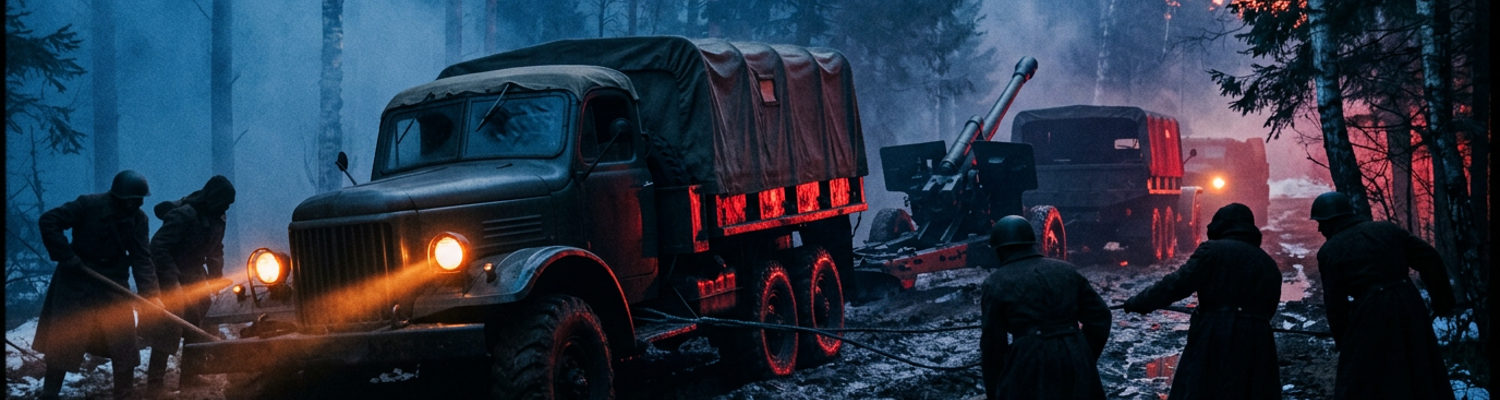
Dispatchers of the 8079th Transportation Port Battalion raced across the Naha waterfront with emergency sailing orders, giving staging crews exactly twenty four hours to inspect every crane, rig heavy cargo nets, and prepare three landing ships for combat resupply. Soldiers stripped weathered tarpaulins from unused Clark forklifts, poured fresh gasoline into dried carburetors, and cranked cold starter motors that had sat idle through the humid subtropical winter. Mechanics worked under portable floodlights along the cracked concrete piers, hammering stuck winches loose and replacing brittle hydraulic hoses that ruptured under test pressure. Supply sergeants shouted over the noise of diesel motors to muster every available driver and rigger into round the clock shifts along the narrow quay. This rapid assembly struggled to meet the sudden demands of the Korean conflict, as North Korean armored divisions advanced south toward Seoul and forced the military command to convert the island of Okinawa into the primary staging depot for United Nations ground forces.
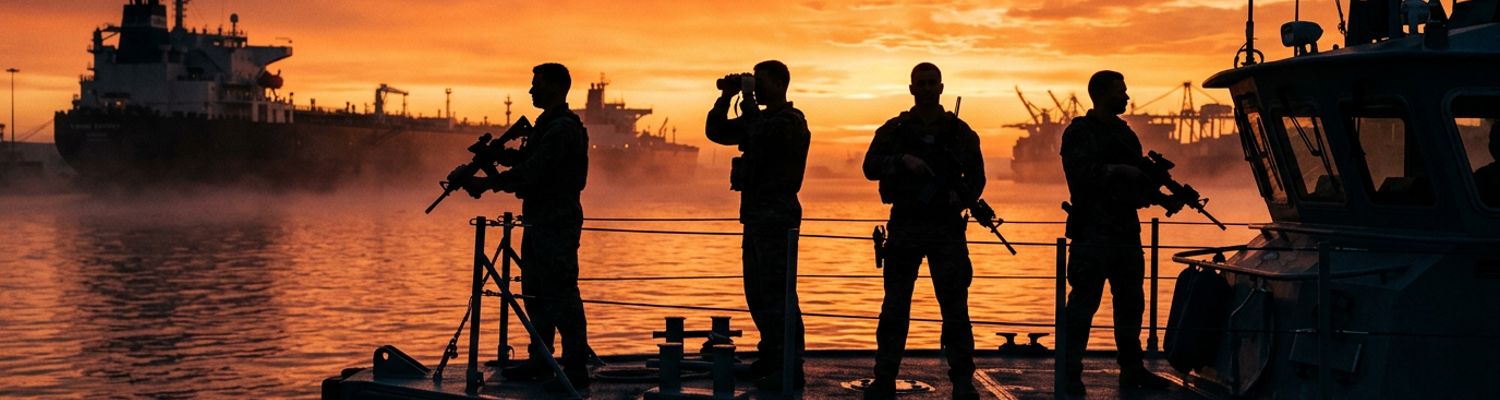
Ground forces required massive amounts of supplies, and freighters and deep draft ammunition transports gathered in the narrow Naha channel and the anchorage at White Beach within days of the June 1950 invasion, creating a sudden tenfold surge in cargo throughput across both facilities. Ryukyu Command faced immediate bottlenecks because five years of post World War II budget cutbacks had left the local maritime infrastructure damaged, shallow, and decaying. Sunken wartime hulls still blocked the outer roadsteads, while the main quays at Naha lacked deep water berths, covered transit sheds, and heavy lift gantry cranes capable of lifting forty ton tanks off ship decks. Peacetime staffing levels within Ryukyu Command had reduced maintenance personnel to small crews, leaving navigation channels silted and wooden pier pilings weakened by rot and marine worms. Harbor tugs broke down under the nonstop strain of towing overloaded wooden lighters against strong tidal currents, which forced incoming cargo convoys to anchor miles offshore and wait for days in the open water.
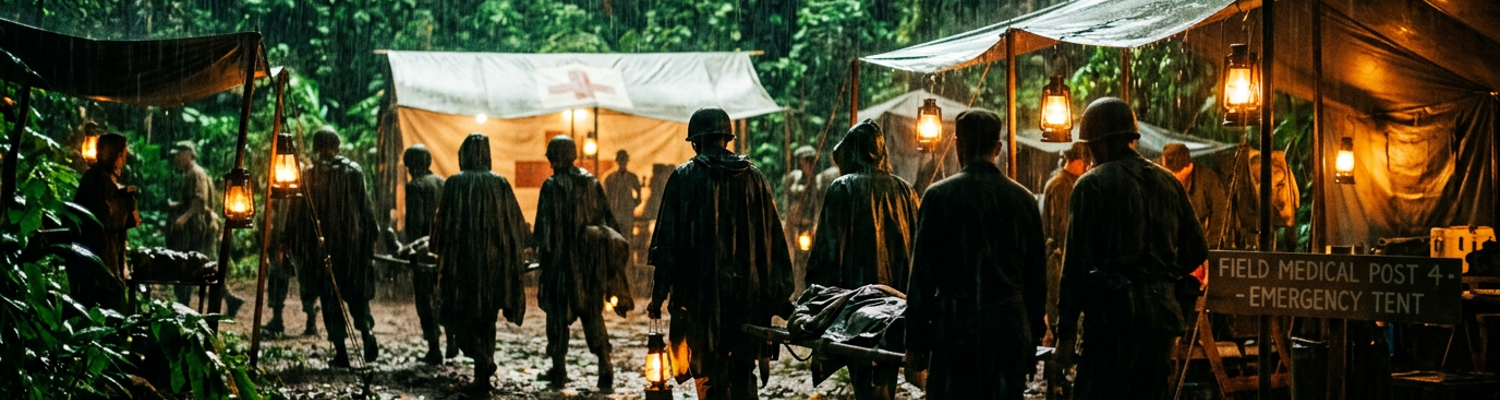
Water anchorages meant soldiers of the active duty Army port battalions assigned to the Ryukyu Islands collapsed from exhaustion trying to unload these waiting ships, as military staging demands quickly overwhelmed their limited numbers. Young troops without formal stevedore training worked thirty six hour shifts in hot cargo holds, moving heavy artillery shells and five hundred pound bomb casings by hand in hundred degree temperatures. Physical injuries, heat sickness, and dropped cargo pallets filled the medical tents along the waterfront while the volume of arriving military supplies increased every week. Battalion commanders reported to Ryukyu Command headquarters that lack of sleep, broken equipment, and physical limits made it impossible to meet ship turnaround schedules without thousands of additional dockworkers. Supply officers looking across the island for laborers ran into strict military government regulations, which prohibited field units from hiring local Okinawan civilians on their own.
Hiring regulations created a massive hurdle, and administrators within the military government refused to release local civilian laborers, arguing that uncontrolled hiring by port units would take workers away from farms and stop local food production. Private defense contractors working on air force bases and naval stations also protected their own workforces, refusing to transfer their skilled local mechanics and heavy equipment drivers to the Army docks. Logistics officers argued with civil administrators during emergency meetings in downtown Naha, demanding immediate control over local labor while supply vessels remained backed up in the bay. Unloaded crates of artillery shells, fuel barrels, and truck frames accumulated on dirt clearings without waterproof covers or guards, getting wet in heavy rains while officers argued over labor rules and wages. Port commanders broke the bureaucratic deadlock by ordering work details to commandeer civilian trucks and hire local laborers directly off nearby road repair projects.
Stevedore Mobilization and Emergency Recruitment
Road repair projects lost their crews as trucks rumbled through the main gates of Naha Port with hundreds of requisitioned road workers standing packed in the open beds, forcing civil administrators and military logisticians to replace chaotic roadside seizures with an orderly recruitment apparatus. The nascent United States Civil Administration of the Ryukyu Islands and local labor departments took control of this emergency labor mobilization by establishing an island wide registration system that eventually mobilized over fifty thousand Okinawan stevedores and cargo handlers. Labor recruiting officers traveled across southern and central farming villages, setting up intake desks at municipal town halls to enroll displaced townspeople, former transport workers, and local fishermen who needed American cash wages to purchase staple rations. Military administration clerks fingerprinted every recruit at converted schoolhouses, issued stamped cloth identification badges with assigned work specialties, and loaded the men onto chartered transport buses routed directly to the waterfront piers. Civil administrators coordinated with village leaders to arrange daily food rations and canvas barracks near the harbor, ensuring that families received rice rations while workers remained on site. This centralized recruitment drive quadrupled the available workforce within two weeks, directing thousands of workers toward the congested quays where supply vessels had backed up across the harbor approaches.
Harbor approaches filled with waiting ships as dockworkers boarded the waiting cargo freighters in alternating twelve hour groups, as civilian laborers operated round the clock shifts under direct military port supervision to clear backlogged wharves. Noncommissioned officers from the 8079th Transportation Port Battalion stood at the open cargo hatchways, blowing brass whistles and shouting directions over the roar of shipboard machinery to guide the local crews down into the stifling lower decks. Okinawan cargo handlers worked side by side in the cargo holds of Liberty ships, moving wooden ammunition crates, stacking fifty gallon fuel drums onto cargo nets, and securing wire slings to heavy artillery pieces. Soldiers stationed along the concrete aprons waved civilian forklifts through the landing zones, directing drivers toward designated transit yards while armed sentries kept open lanes through the tall piles of crates. Electric floodlights strung across ship superstructures and warehouse eaves illuminated the wharves through the night, keeping winches and booms operating without pause as fresh work gangs relieved exhausted crews on the pier aprons.
Pier aprons shook as cranes along the edges soon began to fail under the mechanical strain of continuous cargo lifts, revealing that acute regional shortages of skilled heavy equipment mechanics and crane operators hampered round the clock discharge operations. Local laborers possessed experience with traditional carpentry and agricultural hand tools, but very few had ever operated friction clutches on thirty ton crawler cranes or repaired high pressure hydraulic lines. Inexperienced operators stripped winch gears when attempting to hoist heavy Sherman tanks off vessel decks, dropping multi ton loads onto the concrete quays and bending shipboard boom cables. Broken machinery immobilized several key berths within forty eight hours, leaving disabled cranes parked along the water while supply officers searched the Ryukyu Islands for qualified civilian tradesmen. Maintenance sergeants resolved the crisis by pulling spare parts from abandoned wartime equipment dumps and training local crews on the spot, teaching basic clutch adjustments and motor maintenance under the glare of pier floodlights. Soldiers stood over the open engine compartments alongside Okinawan apprentices to tighten cylinder heads and splice frayed steel cables by hand, keeping the remaining booms swinging over the ship holds to maintain the flow of combat cargo.
Vinnell Corporation and Filipino Specialist Airlifts
Combat cargo flow slowed again as winch clutches and cracked engine blocks continued to fail faster than apprentice mechanics could patch them together, creating an acute deficit of industrial tradesmen across the anchorage. Department of the Army officials in Washington responded to the mechanical breakdowns by contracting the Vinnell Corporation to airlift thousands of Filipino third country nationals to Okinawa. Chartered Douglas transport planes flew continuous sorties out of Manila, touching down at Kadena Airfield with planeloads of experienced tradesmen who carried their own hand tools and trade certifications. Contracted technicians filled critical vacancies as heavy crane operators, marine mechanics, and logistics supervisors across the waterfront within hours of touching down. These arriving specialists possessed extensive post war experience from American naval shipyards and military repair depots at Subic Bay and Cavite, giving them the technical skills needed to handle forty ton crane hoists and complex diesel assemblies without extra training. Transportation officers met every incoming aircraft on the tarmac, verifying identification papers under flashlight beams before herding the men into cargo trucks bound for the harbor.
Harbor docks received these men immediately, as Filipino technicians climbed into elevated crane cabs and descended into the machinery spaces of transport vessels the moment convoy trucks delivered them to the Naha piers. Contractor personnel were integrated directly onto military docks, bypassing standard military civil service channels and triggering sharp disputes between field commanders and civilian administrators. Civil service personnel officers at Ryukyu Command headquarters protested that private contractor hires skirted established federal wage scales, civil service vetting procedures, and peacetime job classifications. Port battalion commanders disregarded these administrative objections, writing emergency gate passes at pier checkpoints and assigning the Filipino specialists to direct mixed work gangs of Okinawan laborers and American soldiers. Mechanics disassembled seized marine engines right on the concrete aprons, swapping out burnt bearings and overhauling high pressure hydraulic pumps to return disabled tugboats and harbor lighters to immediate service. Experienced crane operators took over the friction brakes from exhausted troops, swinging twenty ton artillery tractors out of deep vessel holds and lowering them cleanly onto waiting trailers without snapping cables or damaging deck plates.
Deck plates cleared as trailers and flatbed trucks rolled out of the port gates in steady convoys as Filipino logistics supervisors reorganized the sorting yards and transit sheds. Supervisors established systematic staging lanes across the open dirt clearings, directing forklift traffic with color coded cargo manifests and separating explosive artillery shells from flammable drums of aviation fuel. Army supply sergeants who had struggled for weeks with missing paperwork worked directly beside the contractor leads to cross check cargo bills against outbound truck manifests. Civil administrators attempted to reassert bureaucratic authority by demanding that Vinnell personnel register with local military government labor offices, but port commanders barred government inspectors from entering the staging yards. Noncommissioned officers posted armed sentries along the security gates to keep civilian labor bureaucrats away from the wharves, protecting the contractor crews so crane booms could swing without regulatory delays. Work gangs secured forty ton tanks and crated aircraft engines into the holds of northbound transports, sending fully loaded supply vessels out of Naha harbor toward the combat zone in Korea.
Labor Jurisdiction and Third Country National Disputes
Combat zones in Korea received these supplies only after contractor crews worked round the clock, but the sudden reliance on imported civilian tradesmen triggered severe jurisdictional disputes over the men left behind on the docks. Far East Command clashed with the United States Embassy in Manila regarding security vetting and sovereign legal jurisdiction over Filipino nationals. Diplomats at the American embassy insisted that Filipino citizens remained under the sovereign protection and consular authority of the Philippine Republic, requiring formal bilateral agreements, standard passports, and thorough civilian background checks before workers could deploy into an active military theater. Far East Command officers rejected these diplomatic protocols as dangerous administrative delays that crippled combat staging operations, insisting that wartime necessity gave Army theater commanders exclusive legal authority over all contractor personnel operating on military installations. Army logisticians rushed chartered transport planes directly through Kadena Airfield without embassy clearance or civilian exit vetting, moving hundreds of technicians from airport runways into harbor staging areas within hours of landing. Embassy officials sent formal diplomatic protests to the State Department in Washington, warning that bypassing security background checks risked placing unvetted foreign nationals inside high security supply depots while trampling the sovereign rights of an allied government. Military police held contested passenger rosters at base checkpoints while port dispatchers shoved the unprocessed technicians straight onto crane lines.
Crane lines and cargo warehouses operated at full capacity, but the military implemented a stratified, segregated wage structure that favored contractors over local Okinawan workers. Private defense firms paid Filipino crane operators, riggers, and diesel mechanics commercial rates in American dollars, alongside contract completion bonuses and overseas living allowances. Local Okinawan laborers performed the exact same physical labor in the stifling cargo holds and wet transit yards for a fraction of that pay, receiving low hourly wages paid in military scrip under rigid Army wage ceilings. Army paymasters set up separate physical pay windows and segregated mess halls along the quays, handing thick envelopes of greenbacks to foreign tradesmen while doling out paper scrip to local workers standing in adjacent lines. Contractor housing compounds offered hot running water, western rations, and specialized security details, while Okinawan stevedores slept in crowded canvas tents on dirt floors and ate basic rice rations. Okinawan stevedores watched foreign specialists collect several times their own earnings for operating the exact same machinery, creating bitter resentment that boiled over into localized work stoppages across the harbor.
Harbor walkouts forced civil administration labor officers to confront Ryukyu Command, warning that disparate contractor compensation rates destabilized the emerging domestic Okinawan economy. Civil administrators explained that high contractor wages and dollar payouts fueled rapid price increases for local fish, vegetables, and timber across southern Okinawa, creating runaway inflation that families on standard local wages could not survive. Municipal administrations, police stations, and farming cooperatives saw their best mechanics, carpenters, and truck drivers abandon their posts to seek contractor jobs at the waterfront, stripping the island rebuilding program of the workforce needed to restore water lines and clear farmland. Labor officers submitted urgent policy memorandums demanding that military authorities establish uniform wage ceilings across all defense contractors to protect the local market and preserve the purchasing power of the local currency. Ryukyu Command staff officers rejected the civilian proposals, refusing to reduce contractor pay scales because any wage cut threatened to cause a mass walkout of skilled Filipino technicians and halt combat shipments to Korea. Military commanders ordered base sentries to bar civil labor investigators from contractor cantonments, keeping the stratified payroll system intact while cargo winches continued to hoist ammunition boxes into waiting freighter holds.
Munitions Transshipment and Hazardous Cargo at Nakagusuku Bay
Freighter holds filled with ammunition boxes could not satisfy the massive combat demands of United Nations forces in Korea, forcing Ryukyu Command to direct heavy munitions across the island to the deep water anchorages of Nakagusuku Bay. Convoys of requisitioned trucks hauled uncrated five hundred pound aerial bombs and wooden crates of artillery shells over unpaved island roads directly to the coastal staging grounds on the Katsuren Peninsula. Military port battalions and civilian work crews manually handled high explosive aerial munitions and artillery shells at White Beach, forming continuous hand to hand passing lines from truck flatbeds down to the water edge. Soldiers and Okinawan day laborers wrestled slick metal bomb casings with their bare hands and rope slings because heavy mechanical forklifts and crawler cranes bogged down in the soft beach sand. Army officers watched this frantic transfer with acute apprehension, knowing that a single dropped shell or cracked fuse on the exposed shoreline would set off an uncontrolled blast that would destroy the entire staging area and every vessel anchored near the pier.
Pier anchorages offered little protection, and vessels rolling in the exposed harbor caught the full force of incoming Pacific squalls, compounding the danger as transshipment operations continued through blinding monsoon rains and severe maritime conditions without modern specialized safety gear. Ocean swells slammed shallow wooden lighters against the rusty steel hulls of anchored cargo ships, tossing loading platforms unpredictably through six foot drops. Stevedores and troops lacked steel toed boots, protective hard hats, blast resistant aprons, or water resistant grip gloves, forcing them to hold slippery bomb lugs with bare hands and waterlogged canvas shoes. Drenching downpours washed away paper cargo manifests, obscured the vision of boom operators perched on weather decks, and turned wet wooden barge planks into slippery surfaces where uncrated shells rolled toward the feet of barefoot workers. Port battalion sergeants shouted over the howling wind to steady the work gangs, kicking wooden wedges and hemp ropes beneath rolling explosive cylinders before the heavy iron casings could punch through the gunwales of wooden tenders.
Tenders packed to the waterline transferred their volatile payloads directly into the deep holds of Victory ships and converted merchantmen riding high in the bay. Ammunition ships were loaded under extreme urgency to supply Eighth Army beachheads holding the Pusan Perimeter, where defending divisions were consuming artillery shells faster than transport pipelines could replace them. Civil administrators from the nascent military government confronted Ryukyu Command logisticians on the White Beach quays, arguing that loading high explosives during active storm warnings violated basic maritime safety codes and placed thousands of Okinawan laborers in lethal danger. Supply officers brushed aside the civilian safety protests, pointing to emergency battle dispatches that warned of imminent defensive collapse along the Naktong River if high explosive shipments missed their scheduled sailing times. Logistics commanders ordered military police to eject civilian labor inspectors from the pier checkpoints, keeping work crews on continuous round the clock rotations through the worst of the weather. Deckhands dogged down the heavy steel hatch covers over the fully packed cargo holds, threw off the wet mooring lines, and steered the laden ammunition transports past the bay reef toward the combat offloading docks at Pusan.
Labor Fragility in Forward Staging Operations
Pusan bound transports cleared the channel, and tugboats rolled against the empty pilings after guiding them out to sea, leaving behind a battered waterfront cluttered with broken winch cables, torn cargo nets, and hundreds of exhausted Okinawan stevedores collapsed on the damp concrete. Friction between military commanders, civil administrators, and defense contractors exposed administrative vulnerabilities in forward logistics as soon as those ships cleared the channel. Ryukyu Command officers demanded an immediate second round the clock surge to unload inbound general cargo vessels, but civil administration labor directors intervened at the harbor gates, ordering exhausted local workers to return to their farming villages before sickness and severe fatigue stopped local food production. Vinnell Corporation supervisors simultaneously locked their contracted Filipino mechanics inside private cantonments, refusing to let Army transportation companies assign foreign technicians to general cargo details without extra cash bonuses. Base supply officers threatened to jail civilian administrators who interfered with military cargo quotas, while government labor directors dispatched inspectors to report safety violations along the Army wharves. These jurisdictional clashes delayed dozens of incoming freighters anchored in the outer harbor, proving that bureaucratic hostility between uniform officers and civilian managers halted combat cargo movement just as effectively as physical damage to the piers.
Piers sat idle as forklifts ground to a halt beside congested transit sheds because Far East Command frontline operations remained precarious due to their reliance on an exploited, multi tiered civilian labor force. Local Okinawan stevedores received minimal scrip and basic rice rations, while foreign contractor technicians received commercial dollar salaries and specialized housing for performing technical work on the exact same docks. Physical exhaustion and widespread malnutrition reduced Okinawan work details by nearly a third within three weeks, leaving vital berths unmanned whenever laborers collapsed or walked off the piers to look for food. Transportation officers attempted to replace the missing crews with unskilled field hands requisitioned from rural districts, but these recruits lacked the physical strength to muscle heavy artillery ammunition or the mechanical training to operate cargo winches. Frontline supply officers at Pusan transmitted urgent radio dispatches reporting that infantry units along the Naktong River were running out of rifle rounds, yet thousands of ammunition crates sat stationary on the Naha concrete because port crews were too weak to load them. Military police patrols had to march civilian work details onto the quays with loaded weapons to keep cargo booms swinging through the night.
Night operations continued as sentries carrying rifles maintained those armed cordons around the piers while base commanders converted the wartime emergency into permanent policy, ensuring that the 1950 mobilization established enduring Cold War precedents for Army base labor administration across Okinawa. Ryukyu Command and civil administration authorities codified these crisis procedures into a centralized labor control system that outlawed civilian strikes, established strict military wage ceilings, and prohibited independent labor unions on base facilities. Base intelligence officers instituted mandatory security screenings and identity badges for every Okinawan dockworker, requiring local employees to submit to military background checks and direct military jurisdiction during operational alerts. Defense contractors retained their separate camps, commercial dollar payrolls, and imported technician networks, creating a permanent multi tiered labor caste that divided foreign specialists from native workers for the next two decades. Logistics staff compiled these command directives into standardized port administration handbooks that governed military freight terminals from Naha to White Beach throughout the Korean conflict and subsequent regional deployments. Clerks locked the newly drafted labor codes into metal file cabinets, stamped every page with theater command seals, and delivered copies to every supply depot across the island.