
Medevac Tactical Communications and Field Triage
Riflemen checked their canvas ammunition pouches and water canteens along the red clay perimeter as dense elephant grass concealed the ridgelines across the tactical zone. Sweaty hands tightened green nylon straps across lightweight rucksacks, secured field dressings to harness suspenders, and taped down loose metal sling swivels to prevent unwanted noise. Squad leaders checked their dry battery connections and adjusted handset cords before spreading out into the tree line where triple canopy foliage blocked the morning sky. Automatic weapons fire broke the silence within minutes, pinning down the lead platoon and sending frantic distress transmissions back to the battalion dugout. Tactical operations centers managed high volumes of PRC-25 radio medevac traffic under heavy enemy fire in contested corps tactical zones as operators struggled to pull readable call signs through dense static. Radio operators recorded coordinates with grease pencils directly onto plastic map covers while mortar rounds detonated across the outer berm and shook dirt from the sandbag ceiling.
Dirt dusted the clipboards where field radio operators coordinated initial triage priorities, differentiating acute hemorrhagic shock from immediate traumatic limb loss through garbled voice reports. Platoon medics screaming into their handsets reported soldiers with severed femoral arteries requiring immediate tourniquets alongside blast casualties who had lost legs to hidden pressure plate mines. Operators had to determine which wounded soldiers would bleed out within minutes and assign those victims top evacuation status over men with stabilized extremity amputations. Misjudging those urgent voice reports meant a soldier with catastrophic internal bleeding could die on the ground while an aircraft picked up a less critical limb injury. Static crackled constantly through the Bakelite earpieces as radiomen shouted grid coordinates, landing zone security conditions, and smoke grenade colors back to the desperate teams pinned down in the brush. Operators slammed their channel selector knobs to alternate frequencies whenever mortar shrapnel severed the exterior whip antennas, keeping the emergency relays open to incoming medical evacuation helicopters.
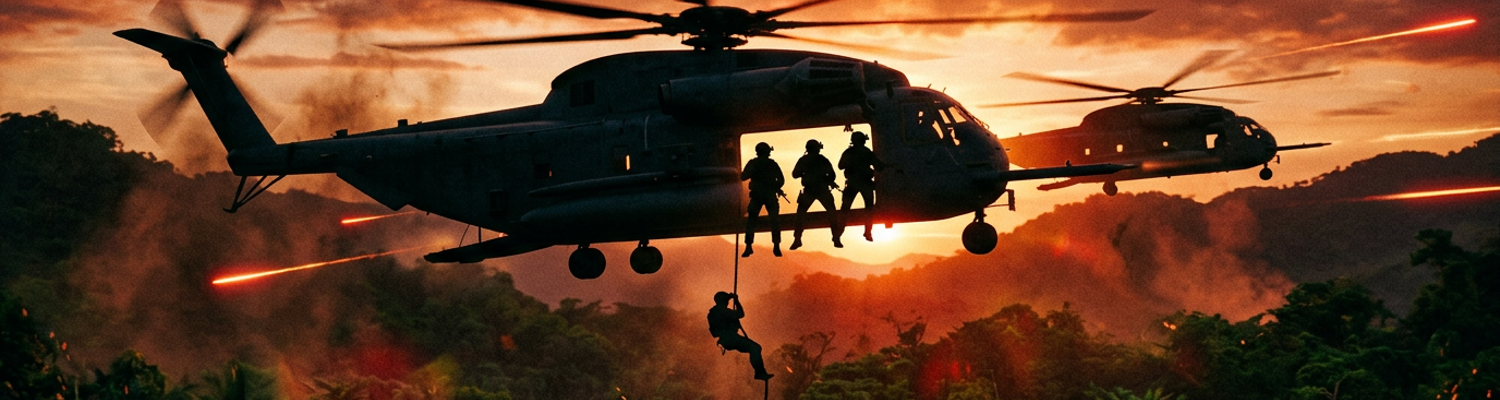
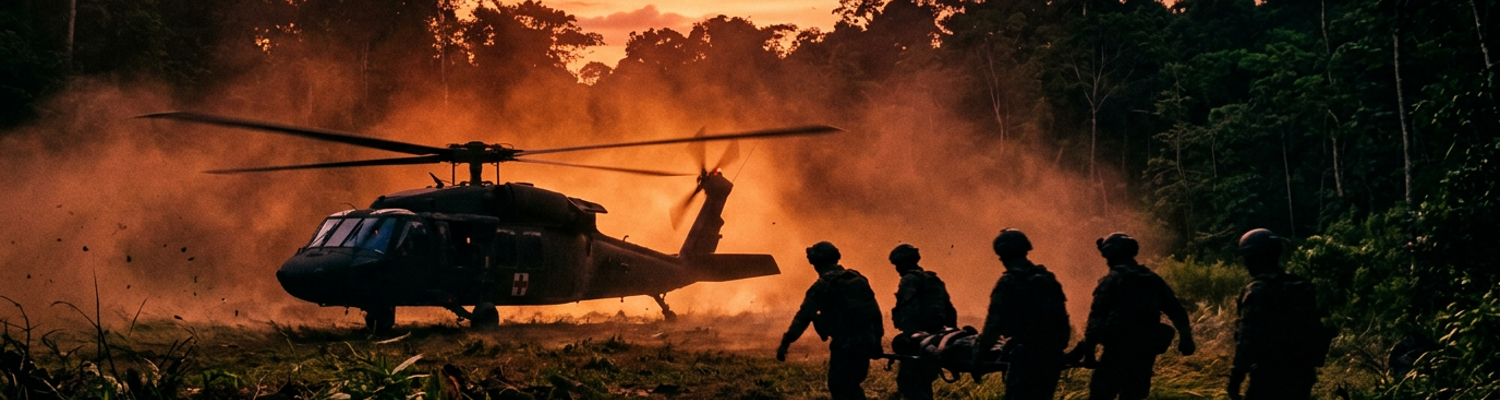
Dustoff UH-1 helicopters answered those emergency transmissions by banking hard over the ridgelines and diving directly toward the colored smoke marking the contested landing clearings. Rapid rotary wing flights systematically compressed the evacuation window between battlefield blast trauma and surgical care down to less than forty minutes. Flight medics hung outside open cargo doors to haul mangled infantrymen off the muddy ground while door gunners laid down suppressing machine gun fire against tree line positions. High velocity rounds tore jagged holes through aluminum cabin skins and plexiglass windshields as pilots held the skids balanced on uneven logs. Cabin decks slickened instantly with hydraulic fluid, rain, and arterial blood as the aircraft pulled maximum pitch and climbed through small arms fire toward forward surgical stations. Pilots keyed their microphones to warn hospital landing pads of incoming bilateral amputees who were already slipping into profound shock despite field plasma infusions.
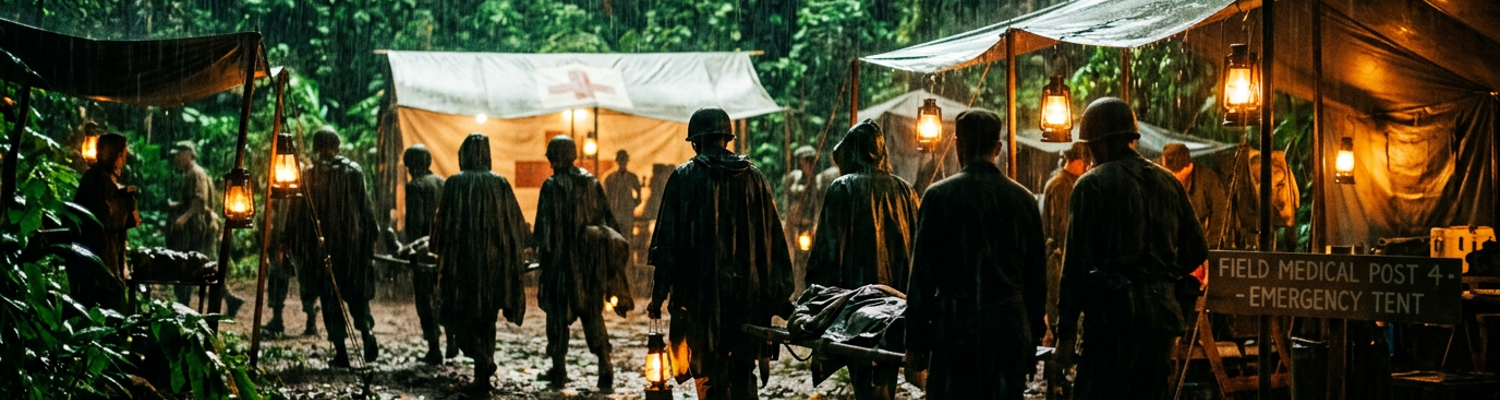
Corpsmen waited beside the gravel helipads with wheeled litters as the descending aircraft flattened the surrounding grass with deafening rotor wash. Rotor blades kicked up red dust and exhaust fumes while crew chiefs shoved the litters directly into the hands of waiting triage orderlies before the turbines even began to spool down. Surgeons inside the canvas receiving tents immediately applied heavy stainless steel hemostats to spurting femoral stumps while anesthesiologists started cutdown procedures to establish central venous lines. Orderlies cut away shredded jungle boots and soaked trousers to expose multiple fragmentation patterns that left mangled lower extremities hanging by thin strips of muscle and tendon. Triage doctors quickly marked forehead tags with indelible ink, sending stabilizing patients to holding cots and wheeling catastrophic limb trauma directly toward the operating rooms. Surgical teams transferred the first pulseless casualty onto the wooden operating table and began pumping units of cold whole blood into both arms to stave off irreversible vascular collapse.
Landmine Trauma and 1969 Amputation Surges
Plastic infusion bags emptied into the wounded soldier arm veins as surgeons cut away the remaining scraps of uniform to inspect both ruined limbs. Cold blood dripped onto the floorboards while the surgical team washed away layers of dark red mud and charred fabric to locate active arterial bleeding. The blast had severed both legs above the knee, exposing shattered bone shafts and torn muscle bundles. Throughout 1969, an unprecedented surge of landmine and booby trap detonations across South Vietnam inflicted severe bilateral and high level lower extremity traumatic amputations on patrol units. American infantry battalions encountered these hidden blast hazards on nearly every combat sweep through dense jungle and rice paddy dikes. Field hospitals across all four tactical zones received steady waves of soldiers whose legs were sheared off at the midthigh or groin before point men could even spot the trigger wires.
Artillery shells buried beneath jungle trails and tiny toe popper pressure mines formed the core of this unconventional ordnance, maximizing secondary blast debris and soft tissue avulsion. Enemy sappers packed unexploded American artillery projectiles with wooden pressure plates, creating improvised bombs that directed massive explosive shockwaves straight upward through the soles of combat boots. Detonations drove shredded boot rubber, rusted shrapnel, and stagnant mud deep into exposed muscle tissue whenever a patrol stepped on these concealed devices. The upward blast force stripped tissue clean off the femur and fractured pelvic bones in an instant. Surgical teams spent hours picking out jagged fragments of rusted metal and dirt while irrigating open wound cavities with sterile saline. This extreme degree of tissue tearing left ragged, contaminated muscle flaps that forced doctors to perform amputations far higher up the leg than standard battlefield guidelines recommended.
Dustoff aeromedical transit times brought these mangled men directly to surgical tables within thirty to forty minutes, reducing overall mortality rates and enabling polytrauma casualties to survive at levels far higher than in World War II or Korea. Soldiers with severed femoral arteries or double leg amputations bled to death long before ground ambulances or litter bearers could carry them back to rear echelon aid stations in earlier wars. Rotary wing evacuation changed that survival pattern entirely, delivering men with multiple catastrophic wounds to operating rooms while their bodies still retained enough blood pressure for resuscitation. Tactical radio operators tracked helicopter arrival times on grease pencil flight boards, watching as casualties with pulseless limbs and collapsed lungs reached surgical tents alive. This dramatic increase in survival presented forward hospitals with a staggering clinical burden, as recovery wards filled with hundreds of living bilateral amputees who required repeated rounds of debridement.
Stainless steel hemostats clicked in rapid succession as the lead surgeon clamped the severed deep femoral vessels and called for bone saws. Orderlies hung fresh units of whole blood on overhead metal stands while scrub technicians prepared broad hand saws to square off the splintered femur ends. Surgeons refrained from sewing the skin flaps shut, leaving the massive amputation wounds completely open to prevent gas gangrene and bacterial infections from taking hold in the contaminated muscle. Radiomen outside the operating suite continued logging inbound flight coordinates for the next wave of blast casualties, knowing that every patrol returning through the tree lines faced the same hidden minefields. Medical officers quickly tagged each stabilized amputee for evacuation to offshore naval hospital ships and rear echelon air bases in Japan.
Forward Surgical Detachments and Emergency Operations
Litter frames carrying these tagged soldiers lined the exit corridors of inflatable MUST mobile surgical hospital units as fresh casualties arrived from the landing pads. Army forward surgical teams and MUST mobile surgical hospital units routinely executed open circular guillotine amputations to counter massive contamination from blast debris, mud, and shredded combat gear. Operating rooms inside these rubberized shelters hummed with electric air blowers as surgical pairs fought to stabilize soldiers suffering from catastrophic tissue loss. Surgeons made a single, rapid circular cut straight through skin and subcutaneous fat around the circumference of the destroyed limb. Muscle tissue retracted naturally toward the joint, prompting doctors to make a second deep cut through the retracted muscle layer before sawing the splintered femur flush with the tissue margin. This circular cutting method avoided fashioning closed skin flaps that could trap fungal spores and anaerobic pathogens deep within the bone cavity.
Hemostats clamped shut across the exposed tissue beds as surgeons balanced rapid hemostasis and massive whole blood resuscitation against the immediate risk of clostridial anaerobic infections and gas gangrene. Stagnant water and night soil had penetrated deep along fascial planes during mine detonations, embedding Clostridium perfringens directly into nonviable muscle fibers. Anesthesiologists squeezed plastic whole blood units by hand to restore blood pressure while scrub technicians tied off severed femoral branches with heavy silk ligatures. Suture lines sealing such contaminated wounds would create an oxygen deprived environment where clostridial bacteria multiplied within hours, producing lethal toxins and gas bubbles that killed patients in the recovery ward. Doctors therefore excised every shred of blackened or non contractile muscle, flushed the open craters with gallons of sterile saline, and left the vascular stumps completely unstitched.
Surgeons applied continuous skin traction to these open residual limbs, necessitating delayed primary closure downstream in the evacuation pipeline. Orderlies painted broad bands of liquid adhesive around the remaining thigh skin, slipped tubular cotton stockinettes over the glue, and attached weighted cord lines to the loose cloth ends. Weights hung off the footboards of metal field litters, pulling the loose skin margins outward over the exposed bone to prevent the severed quadriceps from shrinking permanently toward the groin. Porous dressings of fine mesh gauze covered the raw muscle beds, allowing wound fluids to drain freely without sealing the stump from atmospheric oxygen. Corpsmen monitored the traction cords through the night, replacing soaked outer pads while checking for the sickly sweet stench of spreading tissue decay.
Ambulances transferred these immobilized amputees from the recovery tents to waiting cargo aircraft on the forward runways. Inter service friction intensified between field doctors and transport flight crews as pilots hesitated to load patients carrying suspended weight rigs and open, draining surgical wounds. Air Force aeromedical evacuation technicians had to adjust traction ropes across narrow cargo deck stanchions, improvising tie downs to keep the skin pulled taut during flight turbulence. Radio operators in the hospital flight huts relayed constant updates on cabin pressurization and weather delays to rear bases in the Philippines and Japan. Every mechanical delay on the tarmac increased the danger that open muscle tissue would dry out or succumb to secondary infections before receiving surgical suites could attempt delayed primary closure. Flight crews secured the final litter straps to the aluminum bulkhead tracks and signaled the loadmaster to raise the rear cargo ramp.
Inter-Service Evacuation Friction and Transit Hubs
Piston rods pulled the heavy cargo ramp flush against the fuselage seal as the transport aircraft taxied toward the runway. Severe operational discord erupted between Army surgical detachments and Air Force 9th Aeromedical Evacuation squadrons over cabin pressurization and altitude thresholds. Army surgeons demanded that transport planes maintain near sea level cabin pressure or fly at low altitudes because trapped gas bubbles in fresh amputation wounds, surgical packs, and body cavities expanded rapidly as atmospheric pressure dropped. Air Force 9th Aeromedical Evacuation squadrons argued that flying below four thousand feet burned fuel at dangerous rates and forced aircraft through severe tropical storms that jostled litter frames and snapped traction ropes. Pilots routinely climbed above the turbulence to conserve fuel and protect their airframes, causing cargo bay air pressure to drop and triggering intense stump pain, tissue swelling, and renewed capillary bleeding among the wounded soldiers. Army medical liaisons traded furious radio messages with flight operations controllers across the tactical zone, demanding strict flight altitude caps that Air Force transport commanders could not consistently maintain.
Air Force flight surgeons enforced rigid physiological stabilization windows before clearing recent amputees for C-141 Starlifter flights, further stalling the evacuation chain that Army doctors fought to accelerate. Flight medical officers refused to sign aeromedical evacuation clearances for any soldier who had undergone an open guillotine amputation within the preceding forty eight to seventy two hours, citing the extreme danger of fatal hemorrhage or sudden shock during long flights over water. Army forward surgical hospital directors objected to these mandatory holding delays, warning that their own triage beds were overflowing with fresh mine casualties and required immediate turnover. Inspectors from the evacuation squadrons walked the staging ramps with clipboards and blood pressure cuffs, pulling men off transport manifests whenever vital signs fluctuated or drainage seeped through outer cotton bandages. Staging orderlies carried these rejected amputees off the flight line and wheeled them back into temporary holding wards, where their delayed primary closures fell further behind schedule as surgical beds remained blocked.
Staging facilities at the 12th USAF Hospital at Cam Ranh Bay and Tachikawa Air Base in Japan experienced intense casualty overcrowding as these stranded amputees filled every available cot in the transit pipeline. Litter stands occupied every square foot of floor space inside the Quonset huts at Cam Ranh Bay, forcing ward masters to set up canvas cots along open walkways where coastal heat and blowing sand contaminated fresh wound dressings. Corpsmen in Vietnam worked sixteen hour shifts adjusting hanging weight rigs and changing saline packs while cargo aircraft shuttled the few stabilized casualties north to Tokyo. Medical teams at Tachikawa Air Base confronted an identical gridlock when four engine jet transports arrived with dozens of bilateral amputees who could not be processed into the main hospital buildings. Base commanders converted administrative offices, storage barracks, and gymnasium floors into emergency recovery wards, stringing traction ropes from overhead rafters to keep skin margins pulled forward over exposed bone ends. Nurses moved down these endless aisles of litters to administer antibiotics, record fluid loss, and retie loosening stockinettes while flight dispatchers struggled to schedule enough outbound transports to clear the wards.
Immediate Postoperative Fitting and Clinical Debates
C-141 Starlifters finally cleared these crowded staging wards, delivering thousands of amputees to military medical centers across the United States where clinicians confronted severely damaged residual limbs. This casualty influx catalyzed intense professional debate in military medical literature, including The New Physician, concerning amputee care models and the speed of physical rehabilitation. Senior orthopedic surgeons writing in these journals argued that rapid recovery required completely upending traditional wartime procedures to prevent soldiers from spending months bedridden in convalescent wards. Editorial columns questioned whether conventional rehabilitation methods developed during earlier conflicts could still handle the sheer volume and blast severity of the landmine wounds arriving from Southeast Asia. Hospital commanders split into competing camps, filling staff conference rooms and medical society podiums with sharp disagreements over how quickly a healing surgical wound could tolerate the mechanical forces of an artificial limb.
Clinicians from the conservative school advocated traditional delayed stump maturation, warning that premature socket applications risked lethal stump breakdown and wound dehiscence. These traditionalists insisted that residual limbs required months of open air healing, wound massage, and tight elastic compression bandaging before any prosthetic mold should touch delicate skin. Premature pressure against fragile surgical scars, they argued, would cut off local capillary circulation and tear fresh suture lines apart, exposing raw bone to deep bacterial contamination. Military surgical inspectors warned that forcing an unhealed stump into an artificial limb would trigger massive tissue death and require higher, more dangerous reamputations in already weakened patients. Ward doctors loyal to this doctrine kept wounded soldiers resting on their backs for weeks, applying figure eight Ace wraps daily and waiting until the soft tissue shrank down into a stable conical shape.
Technicians representing the Army Prosthetics Research Laboratory and the Veterans Administration introduced experimental Immediate Postoperative Prosthetic Fitting protocols using rigid plaster sockets to challenge this prolonged bed rest. Surgical teams applying this radical procedure wrapped wet plaster of Paris directly over the sterile wound dressings right in the operating room, encasing the fresh residual limb in an unyielding shell before the patient ever woke from anesthesia. This rigid casing exerted uniform surface pressure that crushed post surgical swelling, prevented tissue fluid buildup, and anchored a metal attachment plate directly over the limb tip. Prosthetists then clamped an adjustable metal pylon and rubber prosthetic foot to the plaster cast within days of surgery, ordering the wounded soldier to stand upright between parallel bars while the underlying skin closure was still brand new. Blood pressure surged through newly formed capillaries as the soldier bore partial weight on the rigid cast, stimulating venous return and keeping upper leg muscles from withering into permanent disuse.
Surgeons watched these standing trials with sharp apprehension, inspecting the cast margins for telltale signs of fluid saturation or foul smelling drainage that indicated hidden disaster beneath the plaster. Critics argued that hiding an acute amputation wound under an immovable plaster shell blinded the clinical staff to early bacterial infection and prevented nurses from monitoring flap viability. Advocates countered by tracking patient charts that showed reduced phantom limb pain, faster psychological adjustment, and significantly shorter hospital stays among soldiers who stood upright within forty eight hours of operation. Ward nurses cut inspection windows into the plaster shells when skin temperatures spiked, peering through the openings with penlights to examine the delicate surgical closures before resecuring the casts with fresh gauze wraps. Clinical leaders across major military medical centers continued gathering comparative recovery data on hundreds of amputees, leaving the controversy unresolved as fresh medical evacuation flights touched down with more blast casualties every week.
Continental Staging Facilities and Long-Term Rehabilitation
Ambulance convoys transferred these arriving blast casualties directly to continental facilities such as Walter Reed General Hospital in Washington and Brooke Army Medical Center in Texas, which faced massive influxes of multi limb trauma patients. Orderlies unloaded litters carrying soldiers with bilateral thigh amputations and severe hand avulsions into bustling receiving wards that operated well beyond their standard bed limits. Military surgeons at both installations examined scarred residual limbs, cleared out localized fungal colonies, and trimmed heterotopic bone spikes that had formed around shattered bone ends during aeromedical transit. Ward nurses reapplied sterile compression dressings to weeping muscle flaps while physical therapists assisted double amputees with overhead pull up bars to preserve shoulder and core strength. Ward doctors cleared these stabilizing soldiers for upright balance training within days of their final surgical closures, moving them directly into the physical rehabilitation halls.
Aluminum pylons used in early weight bearing trials challenged established convalescence schedules, sparking friction between military orthopedic surgeons and civilian VA clinics. Army surgeons clamped these adjustable metal pipes and artificial rubber feet directly onto fresh plaster cast sockets, ordering wounded soldiers to bear weight between parallel bars just ten days after open wound closure. Civilian clinicians in regional Veterans Administration clinics objected to this accelerated program, arguing that premature mechanical stress ruptured fragile suture lines, damaged deep blood vessels, and ruined stump contours for permanent limbs. Military orthopedists rejected these traditional warnings by presenting recovery records that showed lower rates of muscle loss, decreased phantom limb pain, and faster stump shrinkage among early walkers. Army doctors continued prescribing early ambulation regimens until recovering soldiers completed their military service commitments, at which point active duty medical files transferred directly into the civilian Veterans Administration system.
Veterans Administration clinics received thousands of these young combat amputees and immediately halted their dynamic rehabilitation routines in favor of outmoded pre Vietnam standards. Civilian technicians ordered soldiers to unclamp their metal pylons, return to resting cots, and wait for traditional carved wooden sockets with heavy leather suspension harnesses. Prosthetic workshops across the civilian network relied on small regional contractors who struggled to obtain willow wood blocks and cured animal hides, creating massive supply delays that left wounded veterans waiting up to nine months for a single leg. Young blast survivors attempting to walk on these heavy wooden limbs suffered painful skin abrasions and recurrent stump ulcerations that required repeated trips back to clinical repair rooms. Mounting backlogs of broken artificial limbs and unfulfilled repair requests triggered sharp public protests and formal congressional inquiries into regional VA hospital management.
Depot managers reorganized federal supply contracts after the administrative and clinical strain of managing 1969 blast survivors forced modernizing overhauls across the Veterans Administration prosthetic procurement system. Veterans Administration administrators eliminated regional sole source purchasing monopolies, opening bids to specialized aerospace and plastics manufacturing companies that produced standardized modular components. Clinical workshops replaced hand carved wood with vacuum formed synthetic resins and lightweight aluminum pylon assemblies that technicians could adjust in minutes rather than weeks. Procurement officers established regional testing laboratories to conduct mechanical stress tests on artificial feet and hydraulic knee units, ensuring that commercial hardware could withstand active outdoor use by young amputees. Technicians at regional fitting centers uncrated these standardized modular parts and assembled complete artificial legs directly on fitting tables, handing functional replacement limbs to waiting blast survivors on the same day.